One of the constant challenges when faced with any horticultural endeavor is finding ways to eliminate or greatly reduce plants that are competing with your crop plant. Here are a few examples of ways to enhance what nature has already done: companion planting with perennials, tree and shrub crops where mutual coexistence is an advantage.
Crownvetch and Potato
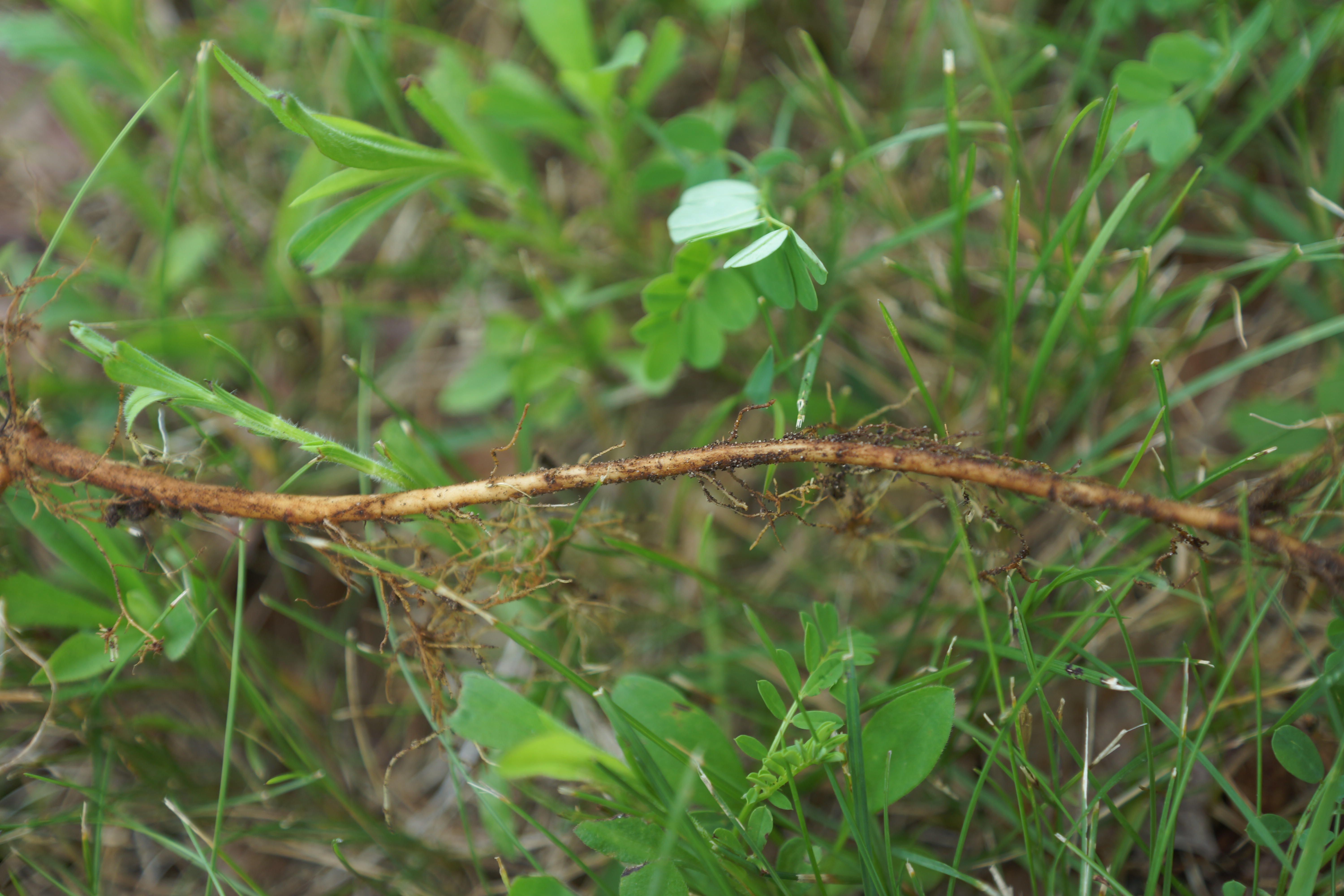
This was a planting done in December of 2014 in central Michigan. I planted Ecos Purple Potato in early December in a large patch of crownvetch. Crownvetch is a nitrogen fixing plant which forms a nice mat of vegetation which excludes many annuals. It was the preferred plant for highway plantings as it quickly prevents soil erosion. The potatoes as of July looked very healthy with good top growth. The thin shallow rhizomes of crownvetch have a different root profile than that of potatoes. I am going to do a larger planting next year if I can find a larger undisturbed patch of crownvetch. (Not that hard to find)
Autumn Olive and Serviceberry
One of the great nitrogen fixers, autumn olive with its delicious healthy fruits creates a soil condition perfect for natural regeneration of serviceberry. Beneath the plants is a perfect nursery soil for bird dispersed seeds of this plant. To speed the growth of the serviceberry, prune back the autumn olive shrubs in mid- summer and again in early spring of the next year. Keep the branches crushed and near the base of the desired plant. This is your fertilizer. Serviceberry and pawpaw grow well with autumn olive.
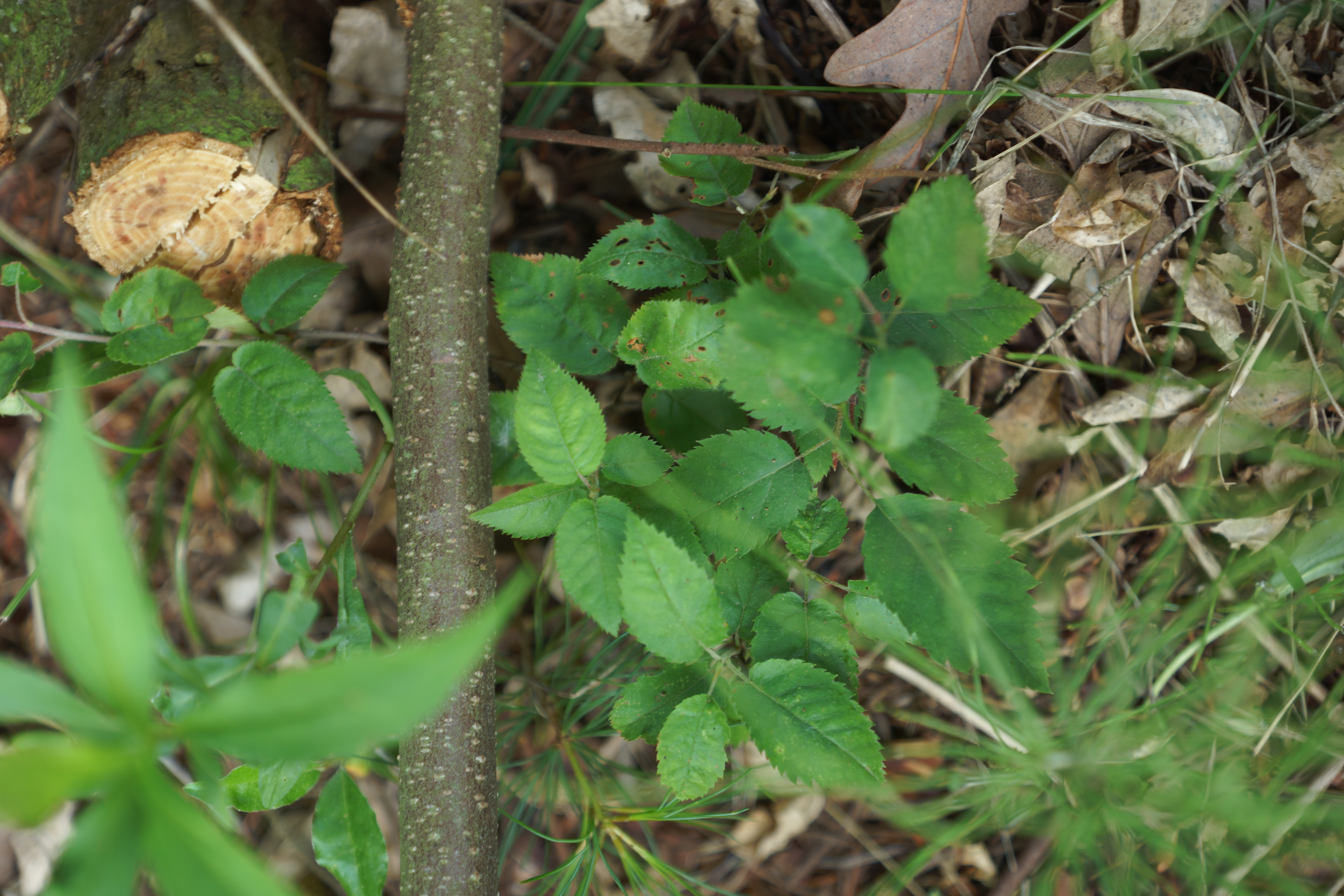
Seedling Amelanchier at base of Elaeagnus
Precoce Asparagus and Earth Pea 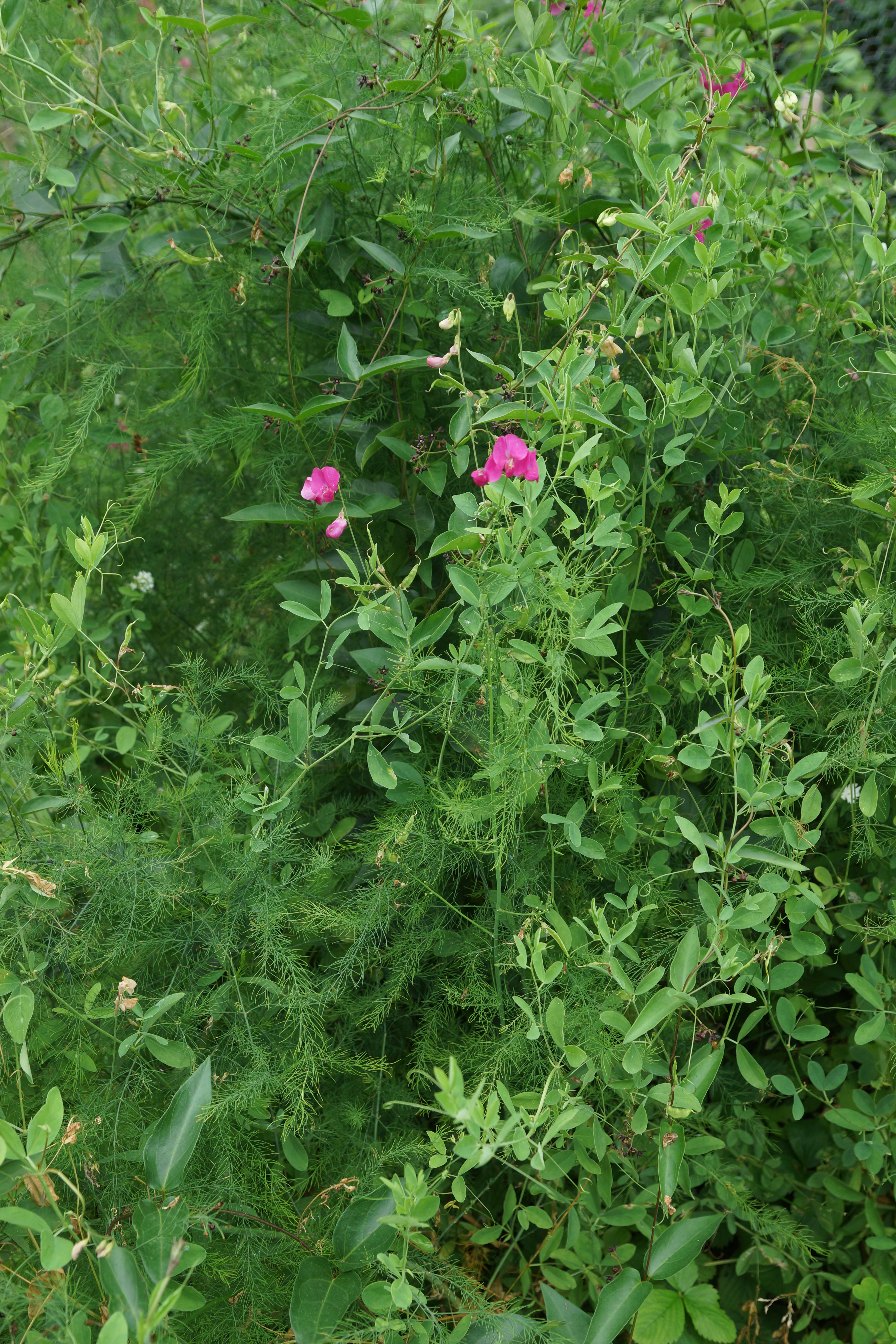
These two species represent two compatible perennial vegetables that provide both greens and tubers in one planting. The tubers of earth pea are produced all along the base next to the thick rootstock of asparagus-both which have radically different root profiles. (A key to this ‘opposite attracts’ companionship.) The asparagus provides a perfect trellis system for the pea and the pea simultaneously fixes nitrogen for the asparagus. The asparagus ripens long before the earth pea becomes dominant. Peas are produced in greater abundance with this natural trellis system perfect for harvesting seeds to make more plants.


 biologicalenrichment
You must be logged in to post a comment.