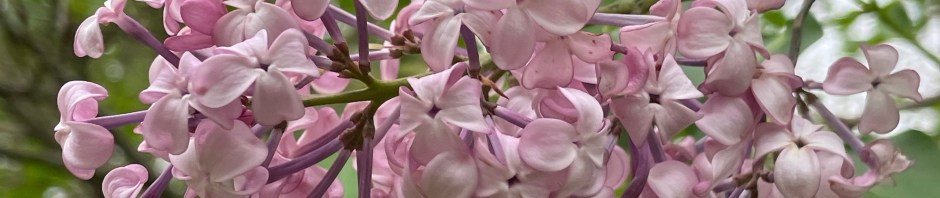
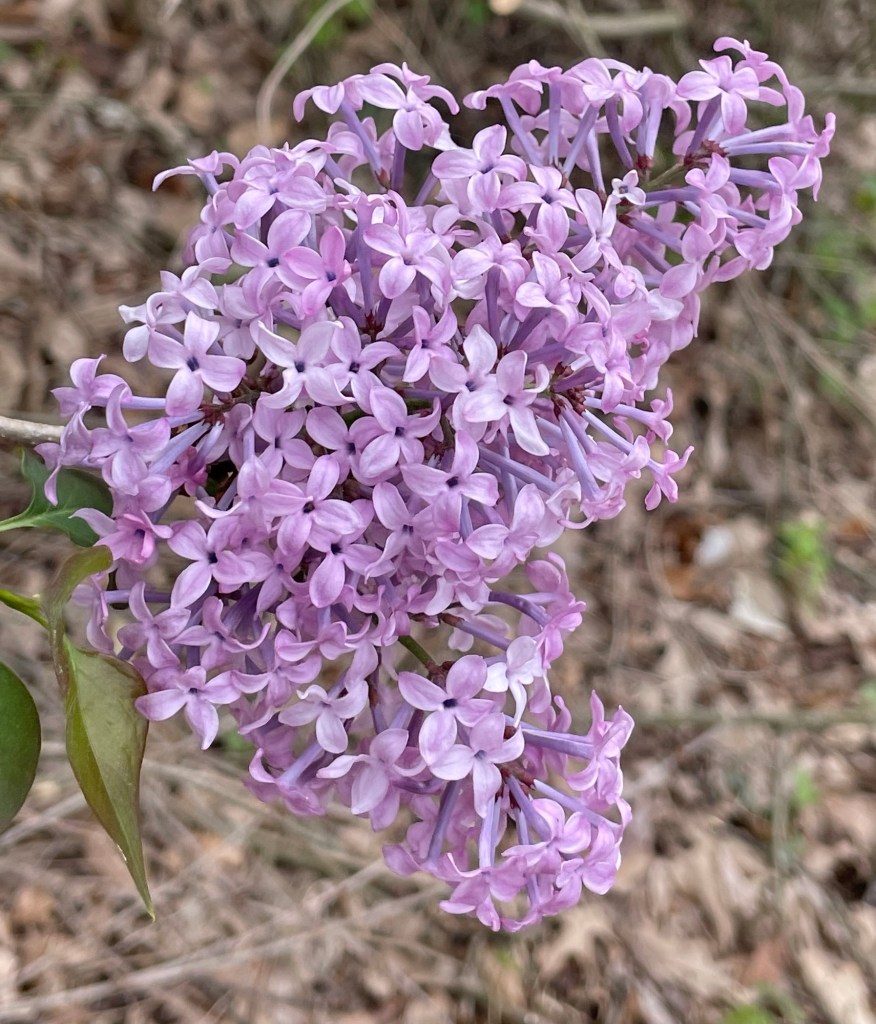
It’s a perfect plant. Calming, soft to the touch, durable and forgiving is the lilac. You can’t say no to the lilac. Like a ballerina dancing through your home, the fragrance of the flowers relax and still your mind. You can’t argue in front of lilacs. If I could think of any one plant I wish I planted more of at my farm I would say the lilac. The conservation industry despite its current state of mind loves the lilac too and for many years it was a staple in their tree and shrub line up. Why? People like em? Yes. But it is also one of those rare genus that can grow pretty much anywhere in any soil and makes fantastic dense root masses along with vole and deer proof stems and foliage. To some extent it was used as a hedgerow plant. I noticed a long hedgerow near the tall electrical towers on a river plain yesterday. The hedgerow was still there but broken up in pieces possibly lost due to herbicide use under the towers wires.
For many years I grew lilacs from seeds. Lilac seeds are hard to find. Many are propagated from cuttings. Through seed exchanges I found many species and hybrids. Eventually you could buy commercial seed of some species and I began selling and propagating them on a larger scale when I had my nursery going. The lilac market was a fickle one and to sell the plant in a fully saturated product heavy line up was difficult. Eventually, I closed it out entirely but kept many of the selections alive at my farm running up to the top of the hills around the nursery to ‘stick in’ plants that I thought were kind of cool in some way.

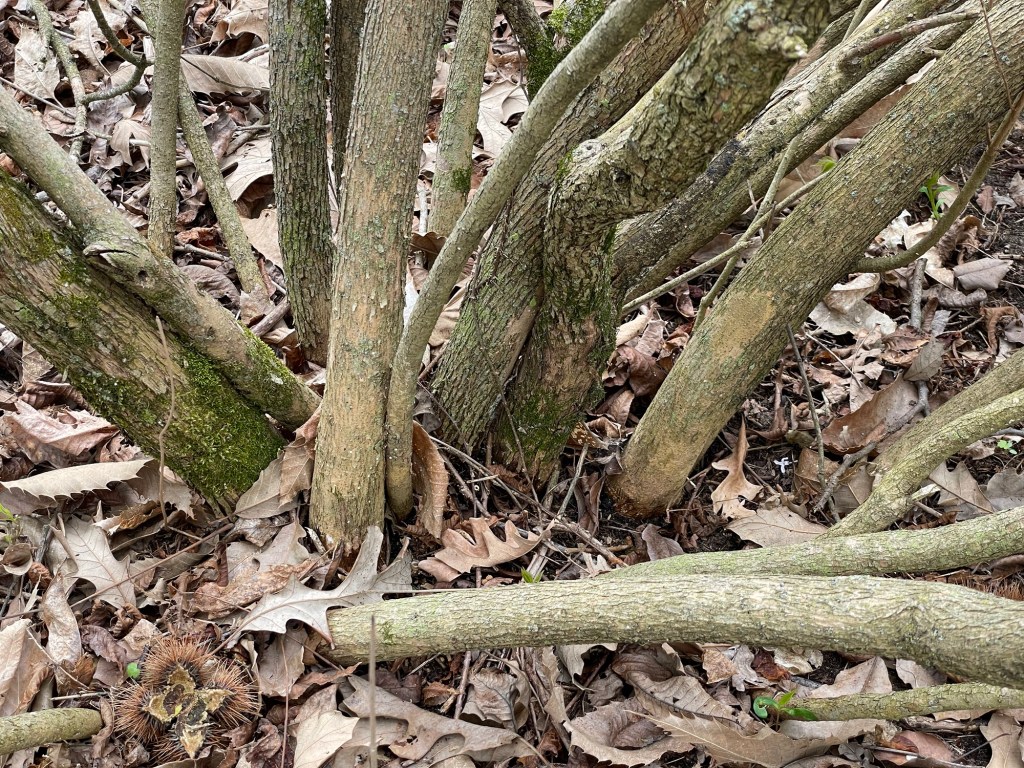
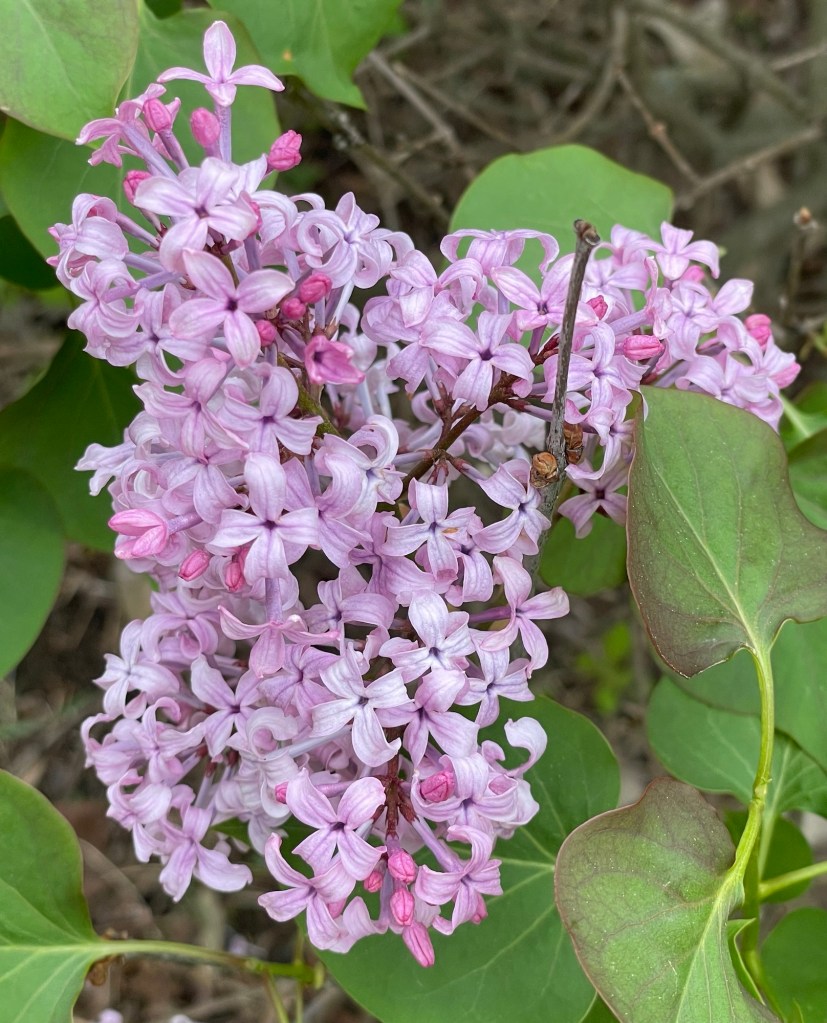
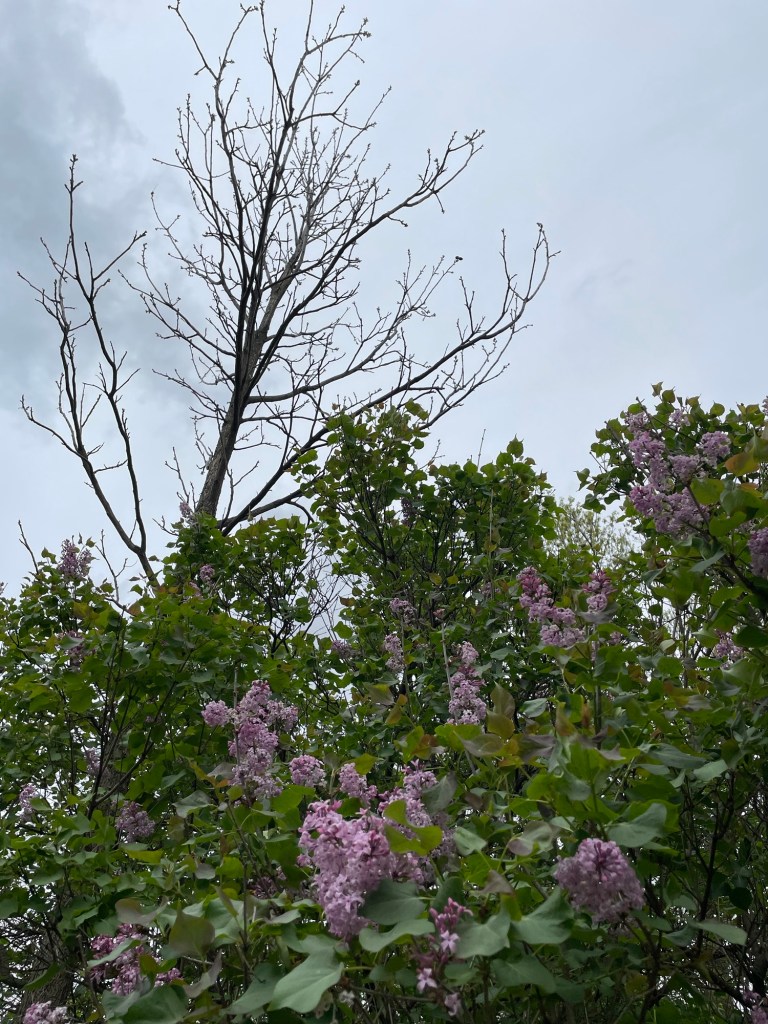
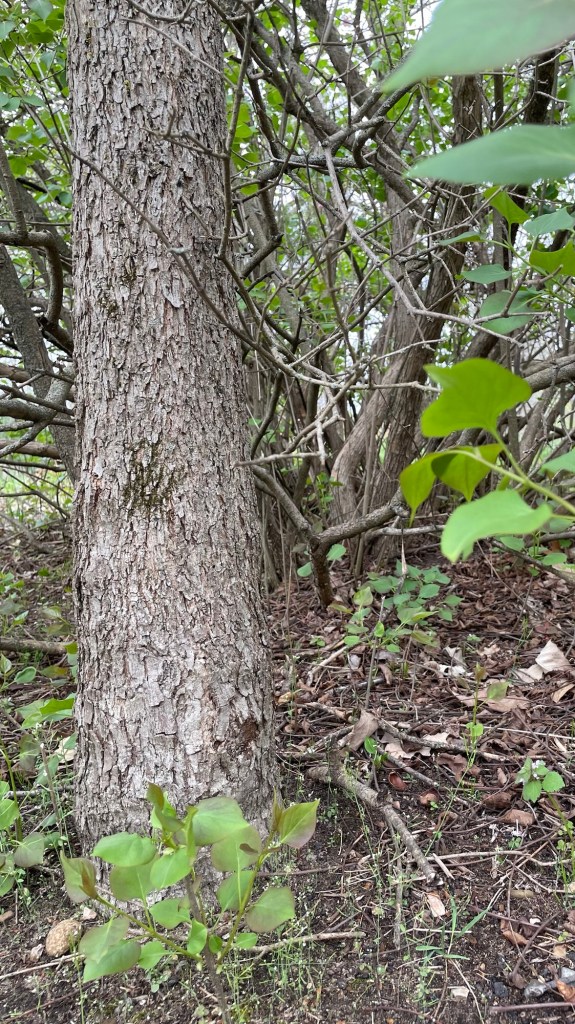
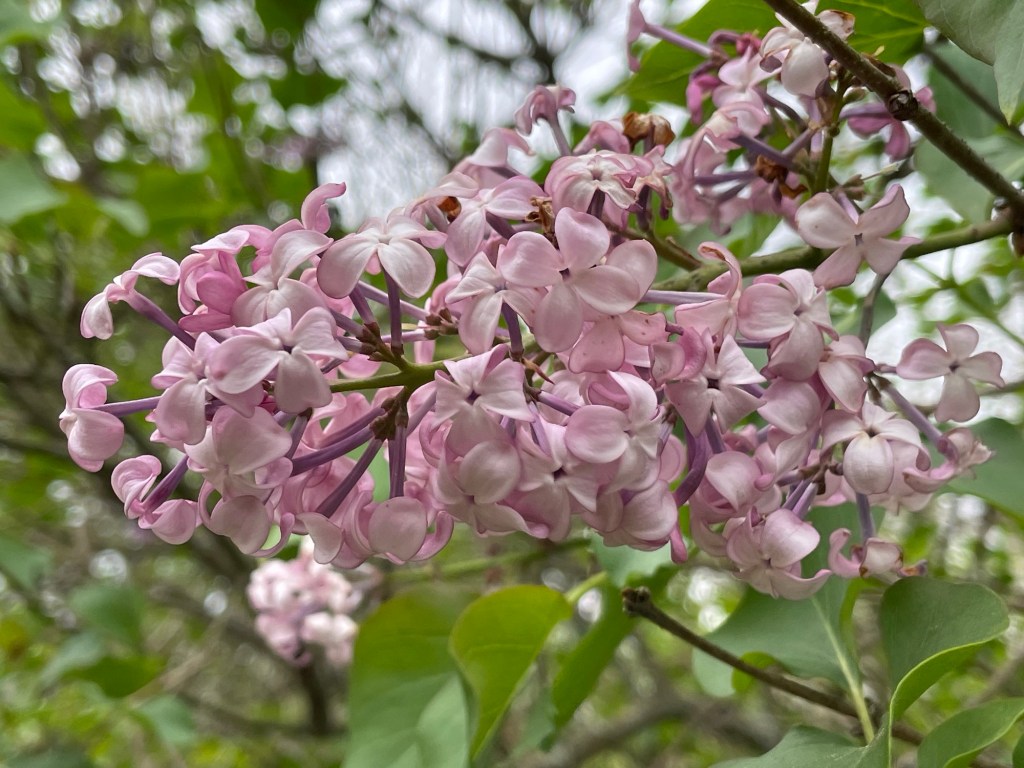
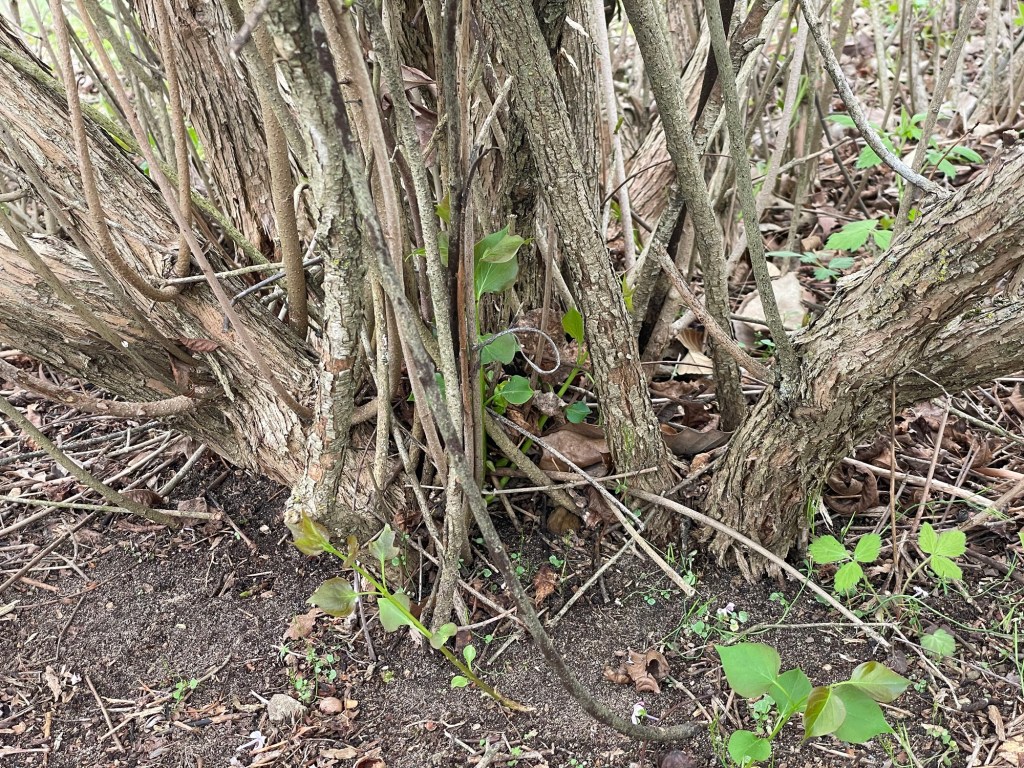

What is it about ecology and agroforestry that even something as lovely as the lilac is looked on in suspicion? I cannot think of one genus that so good at capturing the soil resources while at the same time allowing for trees to thrive as it sits patiently in the shade. The lilac is sweet. Ecology is bitter. Ecology needs the lilac as a means of embracing the power of global and exotic plants. Plants that can act as a sort of moderator between heaven and hell favoring heaven each time. Growth and abundance is the lilac’s MO. No herbicide is needed. At my farm the lilac is holding the soil for the oaks and for the pecans.
You may not find that it fits in with the jargon shizzle of ecosystem services, native plants and pollinator friendly plants. It is not a plant people will think will solve the climate crisis. I don’t care and frankly neither does the lilac. It will continue to perfume the air with its heaven. It will continue to hold the soil and it will quietly still those who come into its presence. In the meantime, I will look for seed set. I will share my seeds with other lovers of the lilac and think that somehow we are making a difference in the world via our Lilacian philosophy. Because unlike most ecological thinking and philosophies, ours is all inclusive. We learned that from the lilac.


 biologicalenrichment
You must be logged in to post a comment.