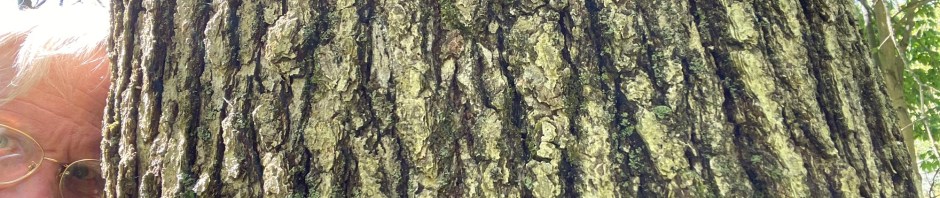
When I first starting growing oaks in bulk for the conservation and mail order trade I was always on the look out for acorns. It was by luck that I took a wrong turn on a road I had never been down before and found a strip of English and pin oaks along a quiet neighborhood road near a middle school. For some reason someone decided to alternate the two trees in the curb lawn. I used this as a source of acorns for a while and told another nursery person about it. It turned out that this seed source like all of the English oaks including the columnar ones were not the most adapted tree for the Michigan climate. It did have massive acorn production but it was very susceptible to mildew which reduced its life to under 25 years of age. For an oak tree, this was not good. Except for the pin oaks, these school curb lawn trees are now long gone, but it did start me on a path to find resistant and healthy trees in its population. Here is how that went down.
At my farm, I would plant in slightly raised seed beds and fill them with acorns. With a level flat headed rake and an aluminum landscape rake, I would create six rows in a four foot wide bed and then after tamping cover them in sawdust. Prior to planting I would super till the soil so it was extremely soft. I would then hand toss the sawdust over the beds covering them smoothly. Like powdered sugar on a cookie, I got pretty good at evenly tossing sawdust using a scoop shovel. As the trees grew for a few years, the mildew would eventually get worse and encase the leaves to the point they were completely white. This reduced the growth dramatically and weakened them to the point they would stop growing and die. This particular seed source was very bad plus it did not produce hybrids to any extent. Keep in mind the Red Group pin oaks would not cross with White Group English oaks despite them being next to each other. The distance is considered too far apart genetically. Or so I was told.
As time went on there was one seedling that stood out. It was less than one in two thousand in this particular bed. It was completely immune to mildew so its bright green foliage, fast growth and unique wide branching pattern made this tree jump out of the seed bed. I moved it about 100 feet away straight up a hillside in almost pure sand. It was from this location along with its Procera oak (robur x bicolor) cousin to continue its life uninterrupted. This was the beginning of the 909 oak with its forestry tag numerical identification.
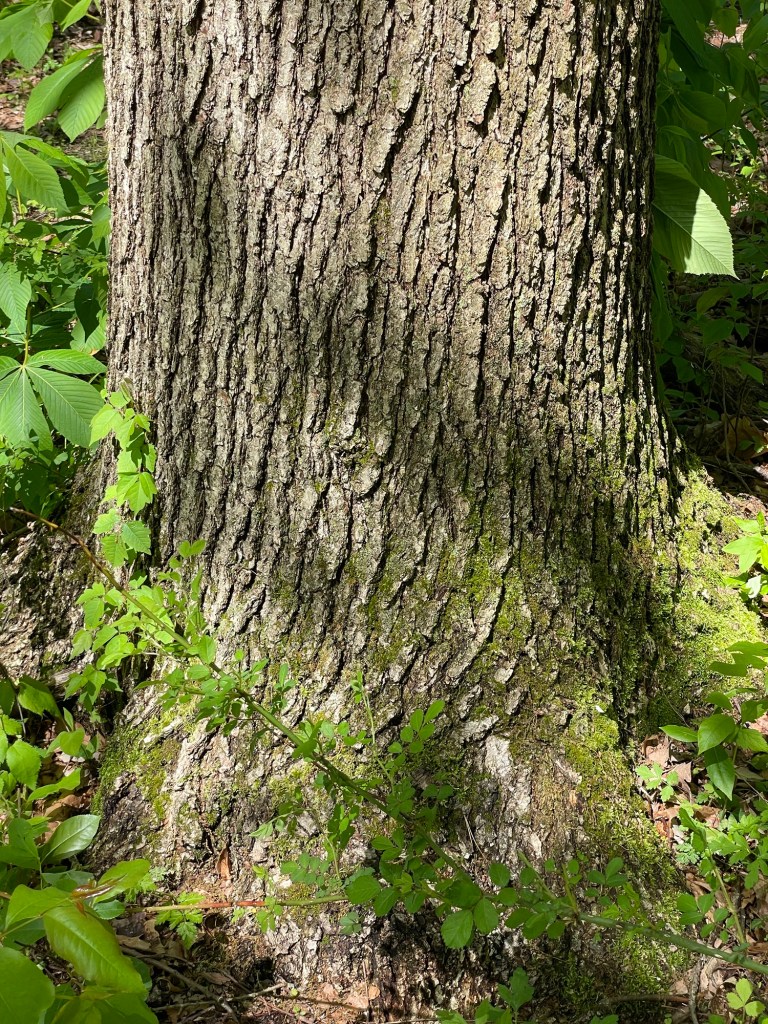
As time went on, I began pruning the tree and realized that the branch pattern matched a little of the pin oak. The branches went to a 45 degree lateral from the trunk and secondary branches hung down. The leaves were more elongated than the other hybrids I had. It did not produce acorns which was odd. Finally after twenty plus years a few acorns dropped and I grew those to see what the progeny was like. 909 did not disappoint as the seedlings were also immune to mildew and quite vigorous. They had pointy tips on the leaves like some of the red oaks too. I have yet to see acorns produced since then despite the possible crosses with nearby oaks of many species and hybrids.
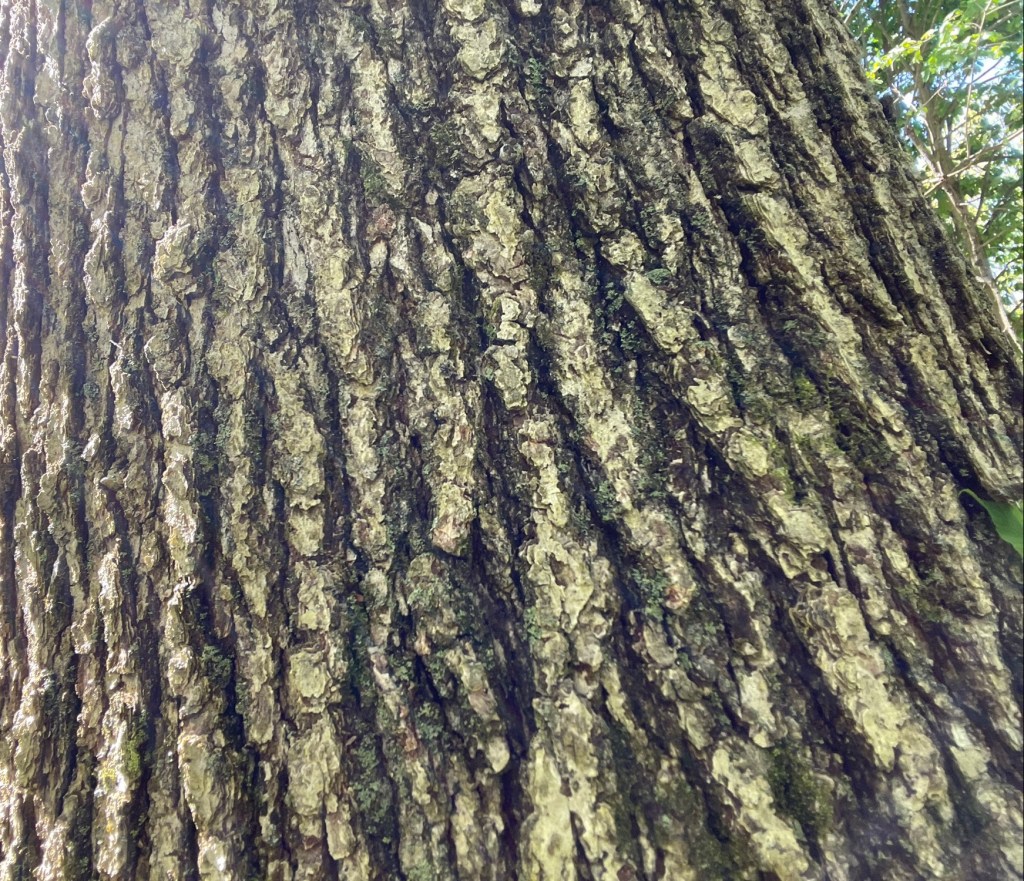
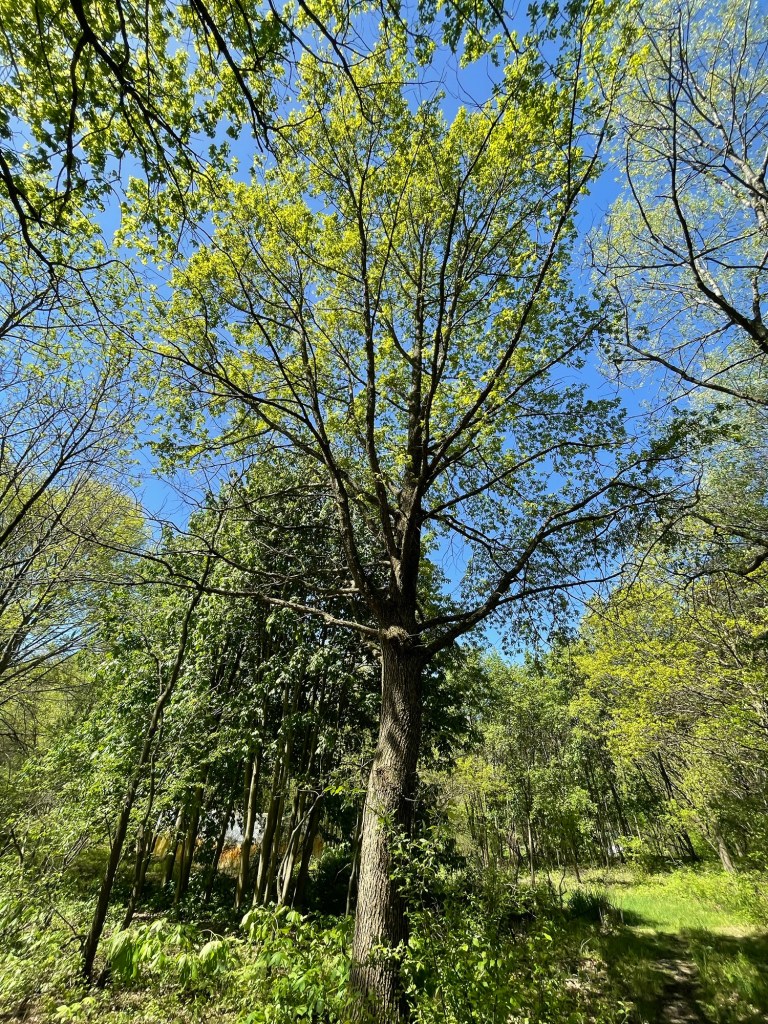
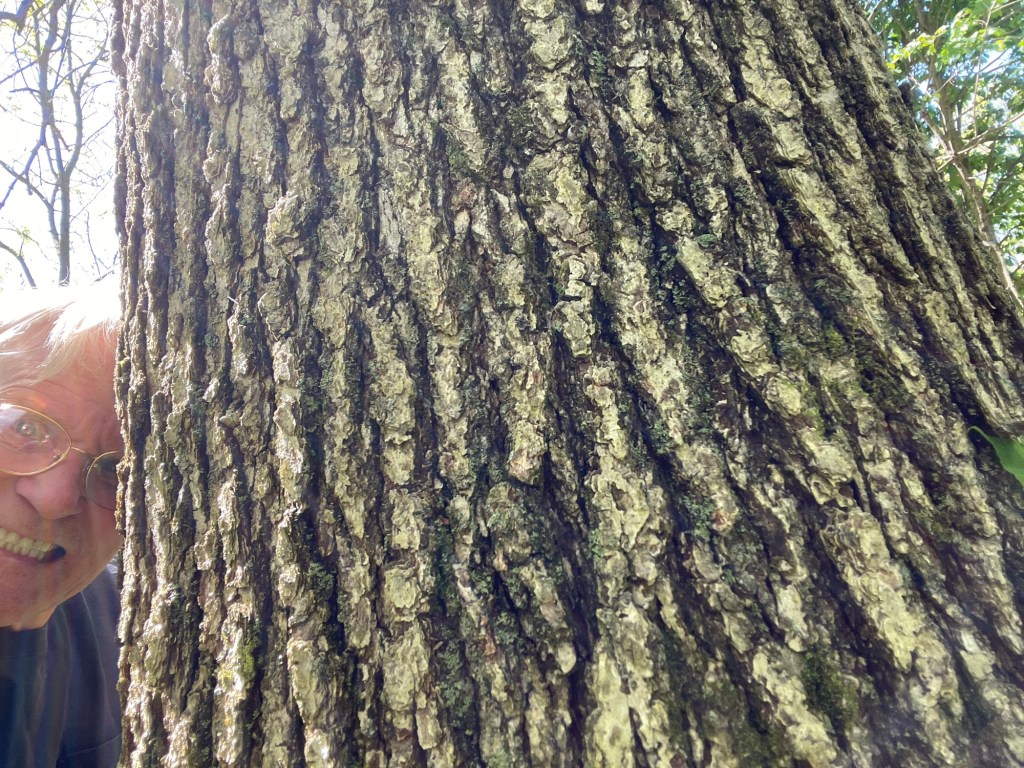
I don’t think there is anything more I can do. I’m throwing in the towel. I pruned around it and will remove some of the dead lateral branches that are now too shaded. The tree continues its strong growth upwards and outward. Today I measured its girth and found it to have a two foot diameter trunk. The lack of acorns is likely beneficial in terms of its growth. There are many nearby oaks that could pollinate it but apparently don’t as I have not seen acorns again in twenty years. The off the chart trunk size and the growth habit make it an ideal oak from a clonal standpoint. It would be good if it was rooted. I would love to try that. It would good if it was named and propagated. 909 is not a particularly enticing name for any tree. What about “Bob”? It would be good as a shade or street tree existing in the curb lawn where few things flourish. Bob could make it happen. It would be good if I just enjoyed the tree and stop questioning its hybridity or anything related to its taxonomy. Classification is not joyful to begin with. It is not like ancestry.com and finding a long lost cousin. The mystery of not knowing is exciting and uplifting for me. It would be best if I did nothing. I would just enjoy the tree. That is what I will do then. I will explain it to others if they visit and show them the marvels of nine-oh-nine. That is it.
I would start the conversation with, “Hello 909. Meet……….”



 biologicalenrichment
You must be logged in to post a comment.