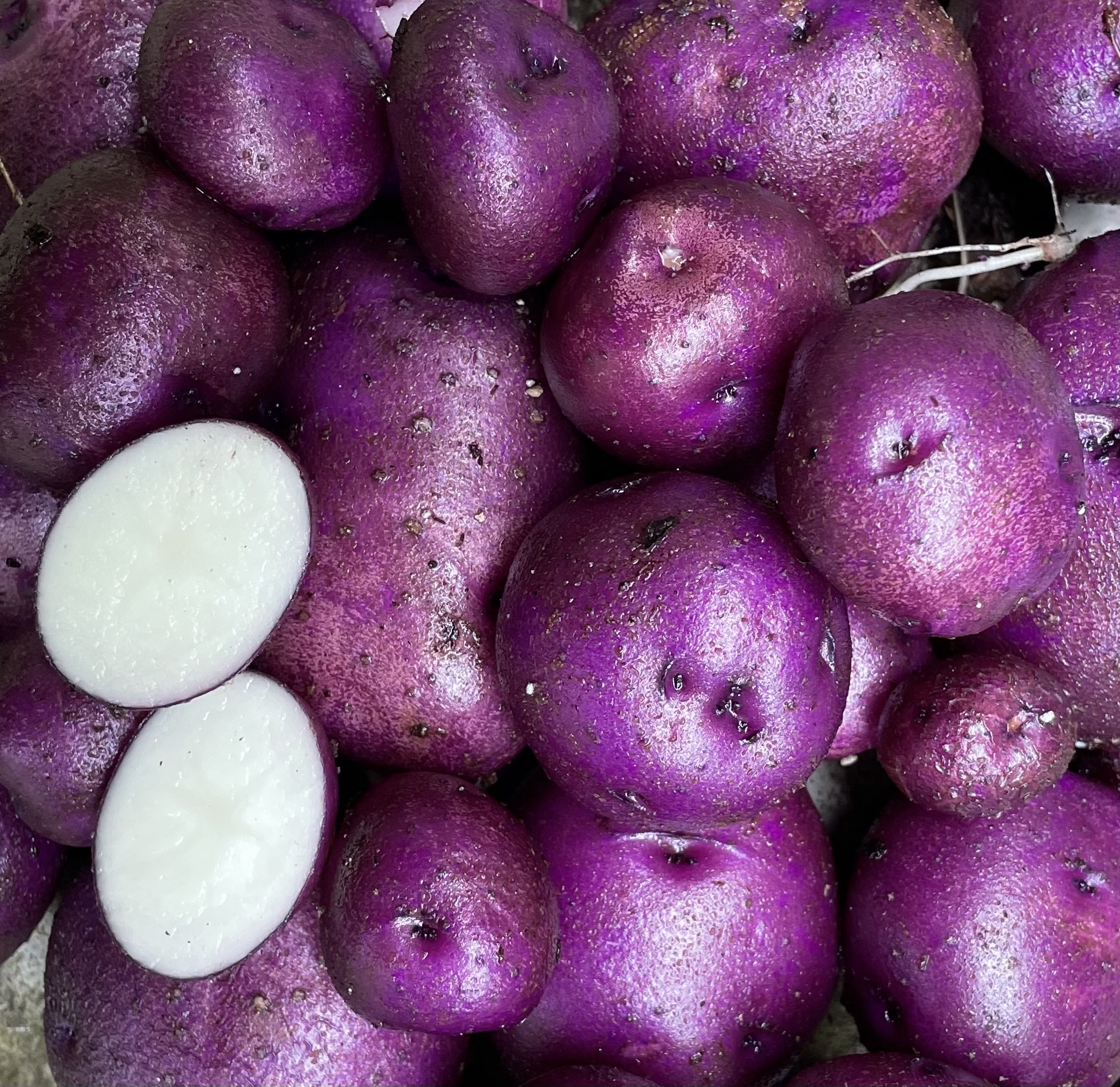
Every now and then I find an article that tries to connect in some way a little known crop plant to a major crop in modern agriculture. I think it is only natural to do that. I see it more and more. The connections try to reel you in to the similarities of your love of potatoes or some other delicious food plant that has been cultivated thousands of years and a wild relative or native plant of some type. I’m pretty sure the authors have never eaten these and for sure they have never grown them. It’s obvious. The differences are great in flavor, composition, digestibility, nutrition as well as the horticultural implications. Almost always they gloss over those. Recently an article in Modern Farming highlights the use of native plants as a substitute for common food plants. What the authors don’t realize is they are driving a wedge into these crops separating them farther away from ‘normal’ crops. Nettles are not like spinach. Jerusalem artichokes are not potatoes. And nor will they ever be like them anymore than fiddlehead ferns are the new asparagus or ramps are the new onions.
Sometimes highlighting differences is the key to success in marketing new crops. There are certain characteristics you don’t want ‘dumb-downed’ as well as potential health benefits of the new crops and the unique flavor profiles found in these crops. If you decide to attach it to a category like native, you have put it in a niche market which I think of as the market of death. I know it seems strong but it is so true. It becomes isolated to the point few people see it and fewer people buy it. It takes some time, but it eventually dies out over time while you are feverishly trying to resuscitate it every year looking for new avenues of sales. The description itself becomes weaker over time as the definition becomes even more vague. Native today has attached to itself herbicide usage and burning increasing carbon dioxide into the atmosphere with the removable of invasive species. Do you want your new crop plant associated with these practices? It may not matter to you in the grand scheme of things but you have to think about the trends and why the organic market continues to out grow all other sectors of agriculture. To me, I don’t want herbicides dragged into natural areas where people are foraging for these wild crops. It is not healthy for the humans or the plants.
The use of native-indigenous North American plants as a new crop plant is not better than other crops. You are free to think of it any way you want. There is no crime in that even if you paint a fake picture of ecology and agriculture. It would be ideal to let the crop speak for itself in terms of its flavor and acceptability to the public at large and foster that connection. That native plant is a good crop plant just as the sunflower is. Over time the plants become native and integrate into the whole of agriculture. This too is normal and part of the 5000 year history of agriculture. Join now. Its both modern and farming.
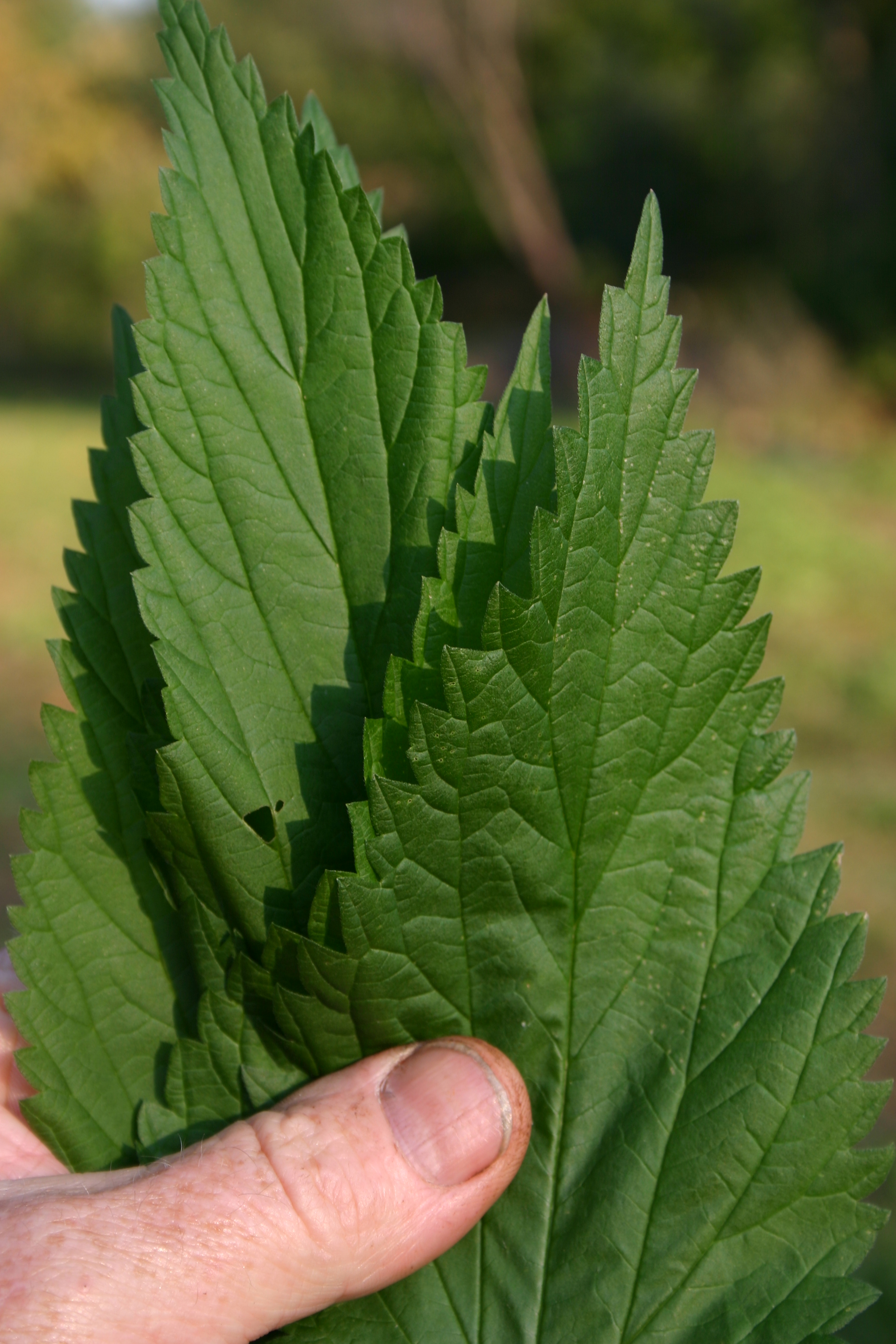
Less sting stinging nettles. A selection found on my farm. No it doesn’t taste like spinach.


 biologicalenrichment
You must be logged in to post a comment.