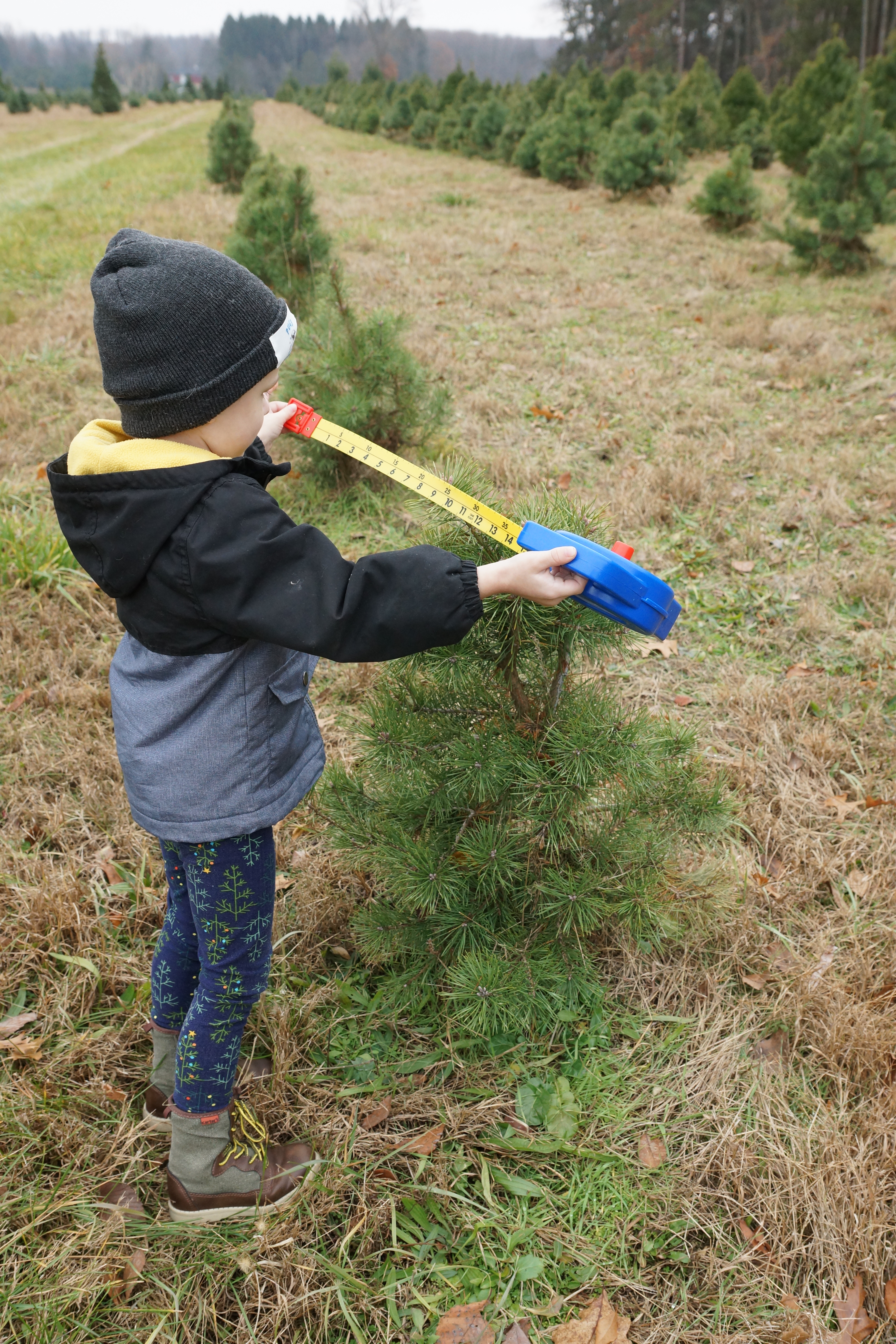
My father and his friend and business partner purchased a 400 acre Christmas tree farm in the early 70’s that needed a lot of work. One area that was previously harvested was filled with thick grass and dense woody shrubs that had seeded in around the previous Christmas trees. It contained a thousand tree stumps per acre that had to go. To prepare this area for new Christmas tree seedlings, the solution was to get out the plow. The field needed to be reduced to pure flat soil. The reality was the Christmas tree roots were shallow, dense and intertwined preventing penetration by the plow. When a rotovator was attempted, it too barely made a dent into the soft sandy soil eventually breaking and putting it in the shop for repairs. Finally a bulldozer was brought in and what was left was a type of moonscape filled with roots, ruts and crushed vegetation. Now the field will lie fallow until next spring when it will be planted again to start the ten year cycle.
Despite the tragic soil conditions, I had the thought of planting potatoes in these open gaps where the soil was mostly pure sand. In my mind, the field was just sitting there not doing anything. To me, that seemed like a crime but also a challenge. There were mounds of soil created in the destruction process. I had the thought they looked like potato hills that people create when growing potatoes. Armed with a sense of curiosity with zero knowledge of potatoes, I purchased seed potatoes from a local hardware store and drove my mom’s Schwinn bike out to the farm on a sunny Sunday afternoon fourteen miles away. The seats on those bicycles are very comfortable but the single speed was slow. The planting was more like ‘plopping-in’ than actual digging. I realized that the mix of soil and subsoil along with the damage done by the heavy equipment was even more severe than I thought. As most gardeners know, eternal optimism is everything. What could go wrong? Nothing.
This moonscape that we created at our farm was a gap of vegetation. It was surrounded by a lush ditch filled with cattails on one side and an oak forest on the other. It was a stark contrast of life and death. Here was an area filled with remnants of its previous life and exposed soil. I viewed it as a possibility of a new crop plant to try. It was a shout out to a new food possibility. What I didn’t realize was nitrogen draft from the existing vegetation, the previous use of herbicide sprays used to prevent weed growth and the effects of heavy equipment on the soil profile made this possibility or idea less likely to come to fruition. I only saw the possibility.
Today I look for these gaps and find many of them in my fields and beyond. Some are of more natural origin and some are found in manicured landscapes. I am tempted to plant tomatoes in some of these highly manicured commercial landscapes. Unfortunately, when I have done that, the companies that manage them yank them out. It doesn’t fit into that gap due to human intervention. Once in a while I am tempted to plant seeds into the land conservancy land. But this might create a cascade of negative consequences of which would defeat the purpose of doing it in the first place so I have never tried it. Now I focus on gaps in my open field conditions created by other plants or other unknown changes in the soil itself creating a certain blank spot amidst the vegetation. It is these blank spots that make it possible to grow potatoes and other fruiting plants. Not just any potato will grow. It has to be adapted to those conditions and still be productive over time like any wild plant. It was not that hard to accomplish because the gap was there ready to accept the plant. The gap is nothing yet provides the opportunity to make it happen. All you add is the seed. I find that reassuring that it can be done once you meet nature on that level where the plant thrives with little human intervention. Certainly the yields may be less or the crop itself will change in some way that is unpredictable. But that in itself is good because now the plant can reproduce in this new environmental scenario.
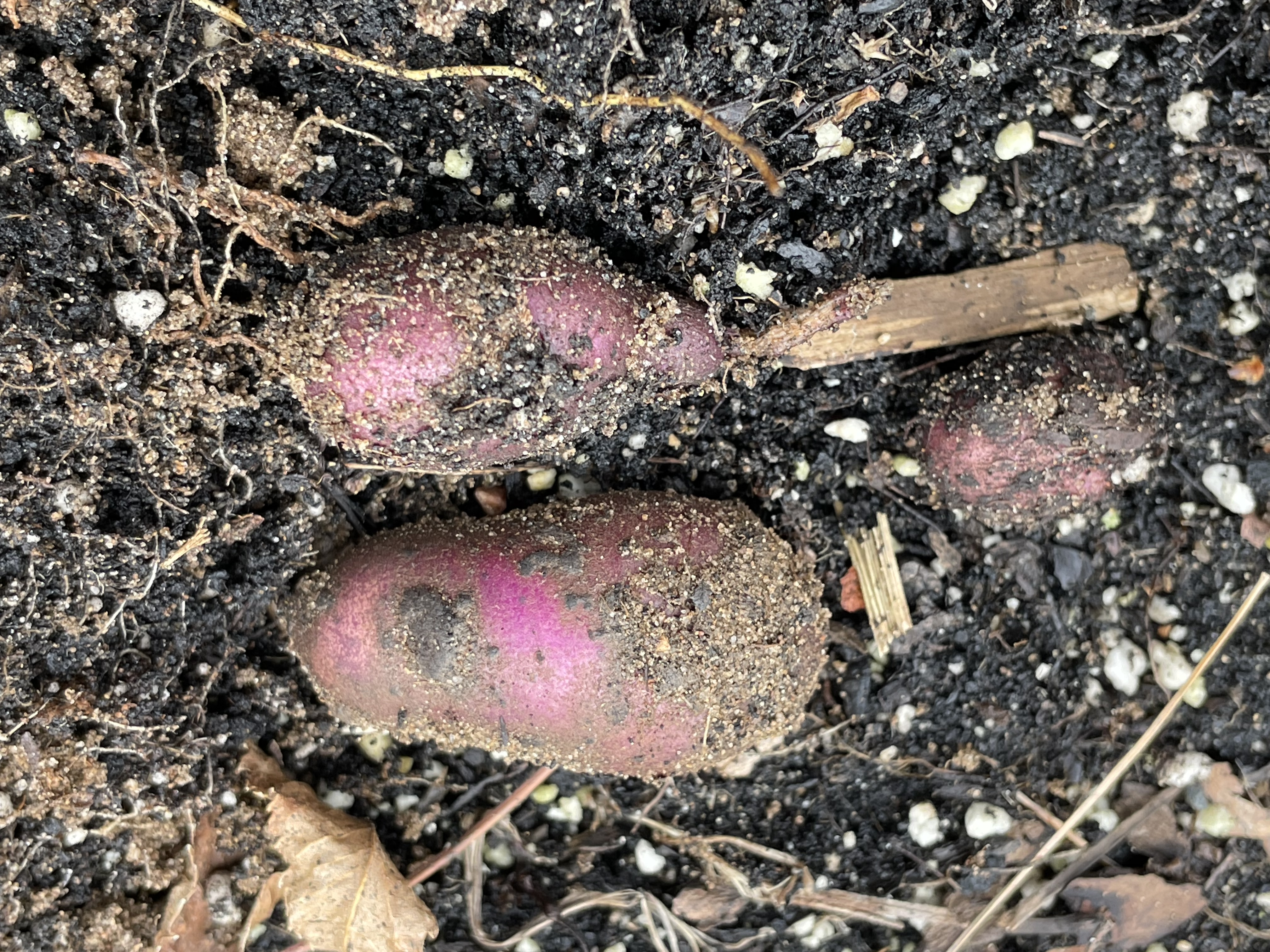
What happened to my potatoes in the Christmas tree field? They disappeared entirely. Only the small dead stems were left by the time I got there in August. They were hard to find. I harvested what I could. It was barely more than I planted. They were very small only an inch in diameter. I took them home and cooked them. They were delicious. I will try again. Now that I know the gap, I see gaps everywhere I go.

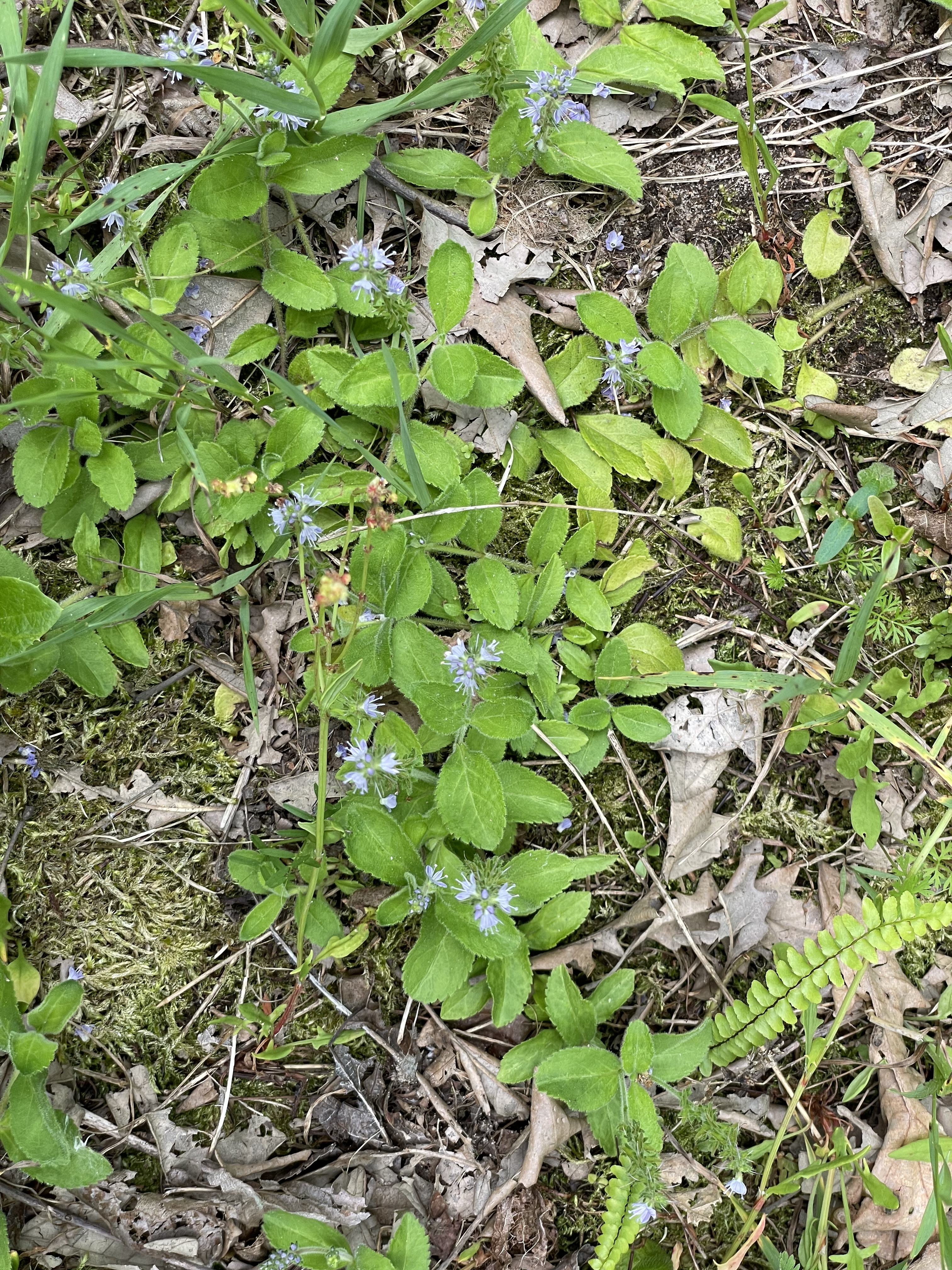
This is the gap created by Speedwell. It tends to grow where everything else is pretty much gone. I am not sure if the plant produces a certain alleopathic effect or if it is just seeding in these areas with oak and apple leaves. This is one of the best groundcovers because it is so easy to harvest on it plus there is no need for mowing or weed whacking prior to harvest. The idea is to have level flat areas so when the nuts fall it is easy to find them and collect. This plant is also evergreen which is an ecological advantage if there is other competing grasses. Speedwell is the gap.


 biologicalenrichment
You must be logged in to post a comment.