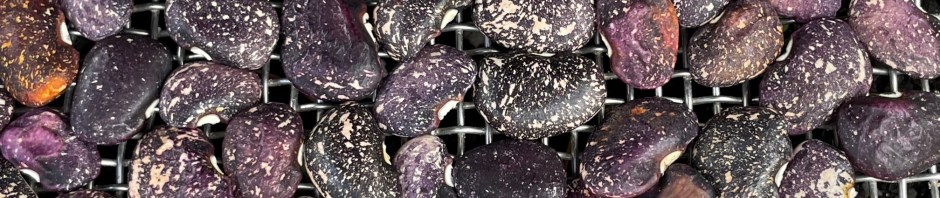
Every year in the spring I go through my small bins of seeds and figure out what I am going to plant. I have no plan so the choices are wide open. I like that idea. It reminds me of music. I could play anything but maybe I am not in the mood for that. Instead I will do this. I am not a fan of death metal, yet yesterday I heard a flugelhorn being used in a death metal song. Okay, that I like. The same with beans. Only one small thing will change my mind on what I feel about beans. I am not thinking about beans. But almost as soon as I approach my seed shelf and I crack the lid on the bean container, the ideas flood my mind like a flugelhorn. There are some good beans in there. Look out! The colors, shapes and the potentiality makes me immediately want to plant them all. This year was no exception.
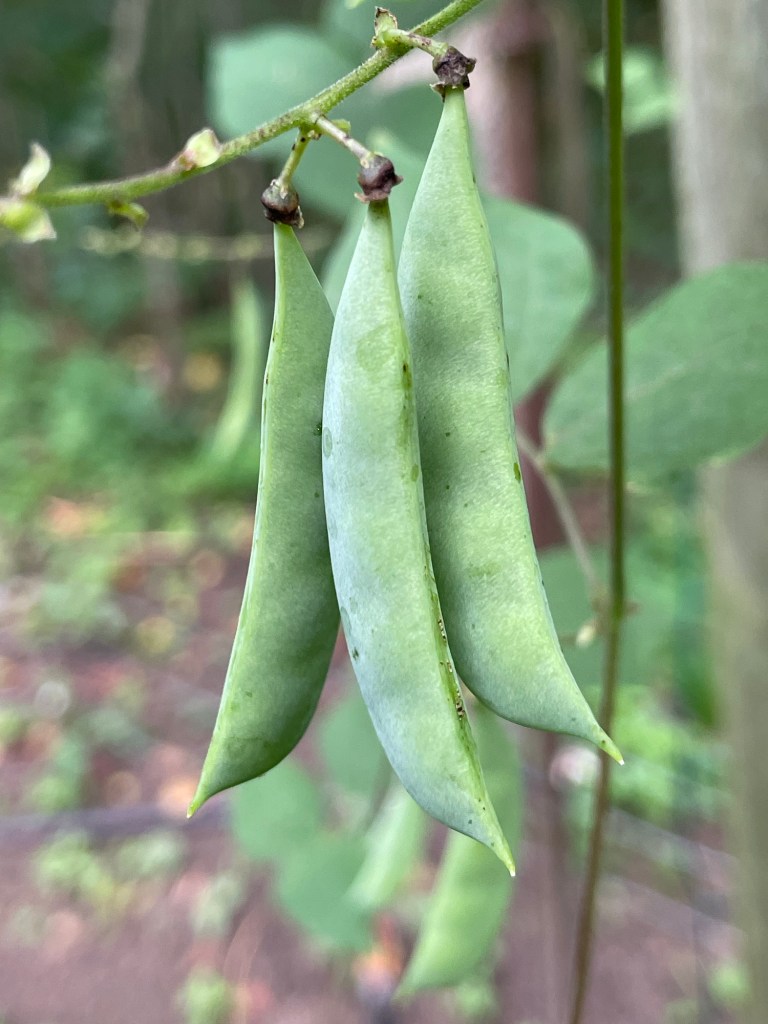
Over the years, I have spent a lot of time growing the perennial bean called thicket bean as well as its close cousin the lima bean. I have always been fascinated with the tepary bean too. I love the vine beans the most because you can put them up on a trellis and see the beans right in your face where you can watch them flower and develop pods. They make for good photographic subjects. Bees and butterflies love them which adds to the excitement. In this process of getting to know beans you soon realize a lot of people have huge knowledge of the bean universe. To think you can contribute in some way to the world of beans seems impossible. It was a “Nothing is new under the sun (bean)” moment.
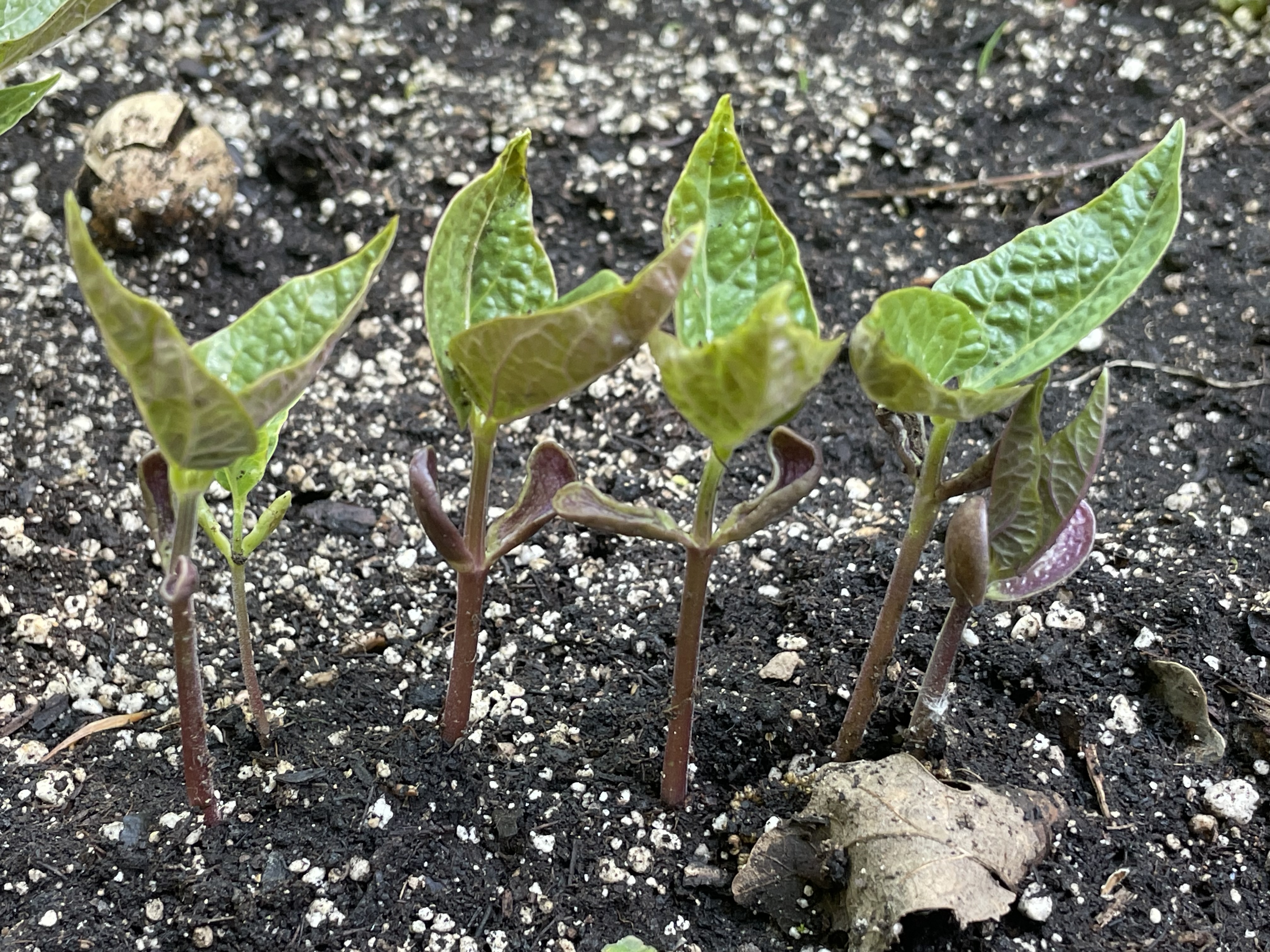
While growing beans, I was brought to great humility because I could see the huge variation developing. It was a quiet bean revolution going on in front of me. I can add to the discussion. I will continue my bean quest. It’s much more enjoyable to grow beans just for enjoyment and not some long winded breeding project. It would be like planning fun. It never is quite fun. You need spontaneity in growing beans. True with many things in life.
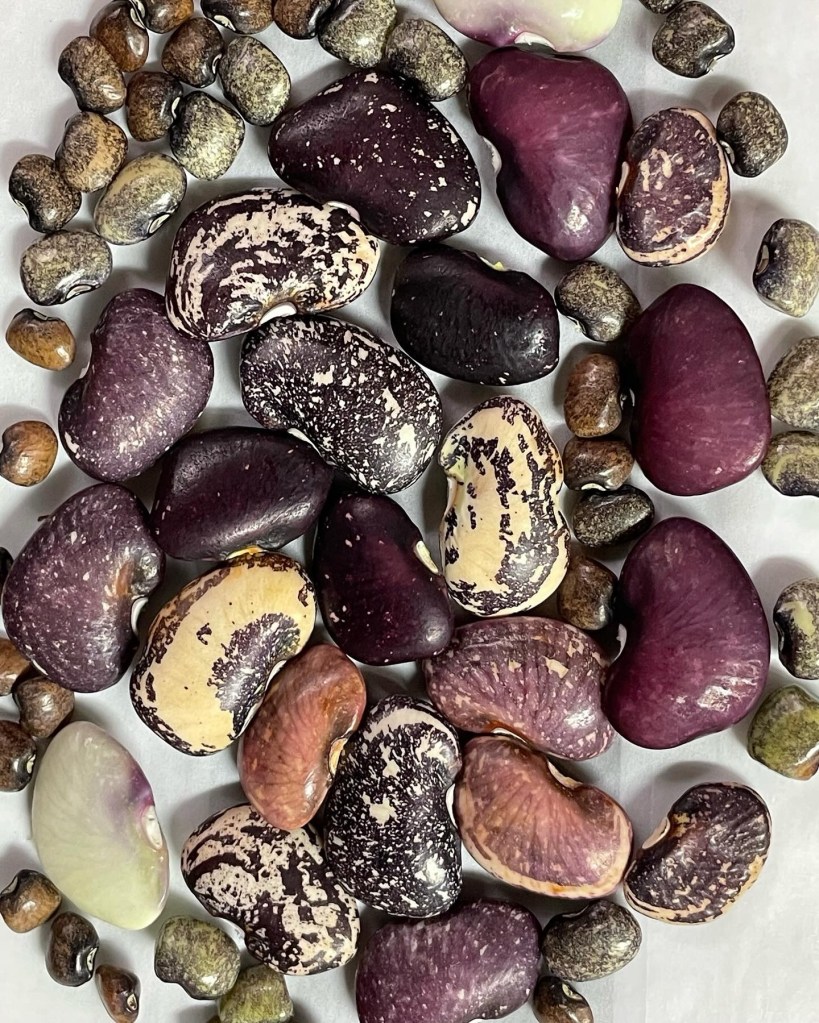
The Tepary Bean-Fertilizer Plus Bean Equals Contribution To the Bean World
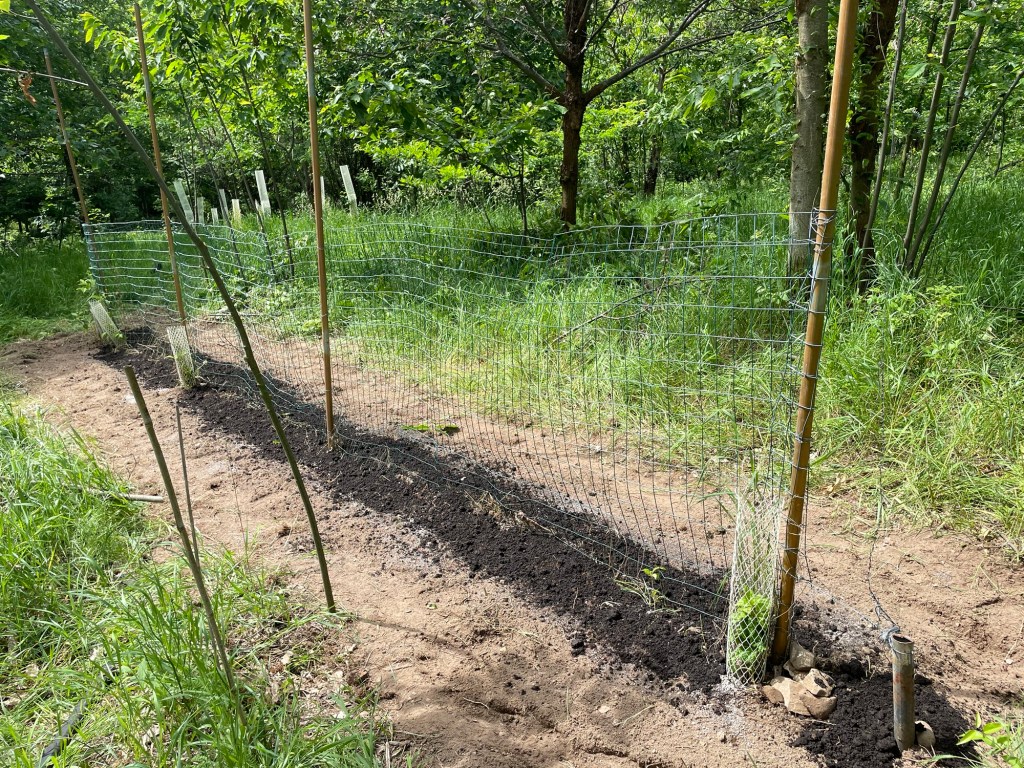
I really liked the tepary beans dense growth habit and healthy foliage. The tepary bean is considered the world’s most drought tolerant bean species. It can grow in desert like conditions and is incredibly vigorous. It has a good flavor and is a great dried bean produced in the southwestern U.S. where it is a native bean of both wild and cultivated varieties. In my plantings, almost all of them originate from Native Seeds. They offer both the wild forms and hybrids. When I grew the teeny wild forms in Michigan, the ripening period was too long and there was not enough heat units to ripen the beans fully. But I did squeeze out a few from the early flowers. You really need a long growing season or a sunny hot summer. I had two plants self seed and I kept that group eventually finding early ripening selections. The yields were very low so subsequent years I have found higher yielding selections. One plant in particular was off the charts yield wise last year. The whole purpose of this grow out was to develop both a nitrogen fixing crop much like blue vetch is used and an edible bean to harvest. Blue vetch is in the bean family too. It is one of the best nitrogen fixing plants ever. For me, if a plant can produce a large amount of foliage especially in drought soils like blue vetch, then tepary could play a dual role as both a nitrogen fixer and an edible bean crop that could be harvested. This year I am trying to build up my stock of what I have so far. From previous experience, it is likely to succeed in growing but flop as far as it being implemented anywhere. I need to be a better bean salesperson.
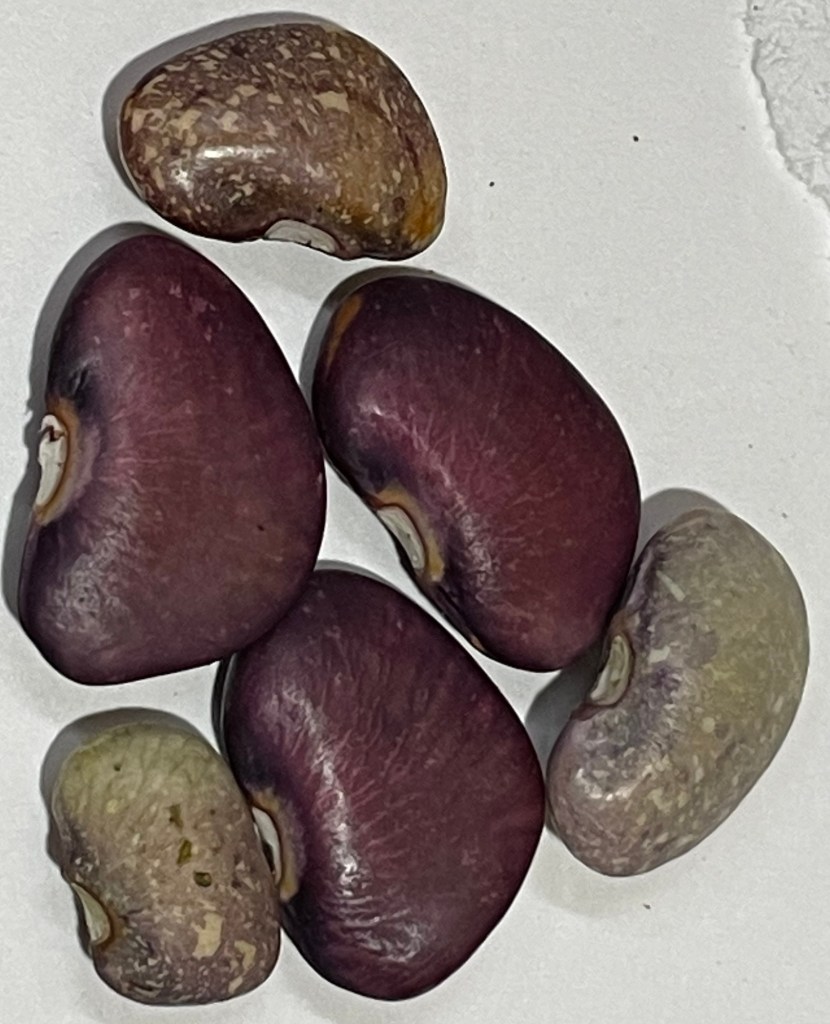
The Lima Bean and Thicket Bean Party Like its 1999
It turns out you can accidentally create many crosses with the lima bean. The question is why would you? Is there something deficient with the lima bean? Not really. The thicket bean is perennial with a super deep root. It tends to blend the colors of the Lima and shrink its size. That is a win-win. To me it does offer a way to tip toe out of the human consumption of the soybean market. I don’t mind the soy based products, but I think we can do a one up on soy. Flavor is not soys strong point. It is the reason why I have difficulty with the flavors and digestibility of soy products. Yet, I like tofu. Few will admit that in public. The lima could easily make a case for many edible bean products. First, shrink it. I have found many small types of lima beans in my so called breeding project. Second, improve the yields like no tommorrow. The yields per plant seem low to me. They too characteristically require a long growing season to mature all of the beans. This is a problem for those who have cloudy cool summers. The lima is not a fan of that. You could also select for perennial traits. This was a lot easier than I thought but you would need a more robust population to work with than I have. You could infuse it with purple limas or small lima beans that don’t take so long to cook. Flavor has to be number one in the Lima bean world otherwise there is no reason to change. We will continue to soy ourselves to sickness over the plant protein quest. Right now we have vat grown protein coming along the technological trail. So in some ways we are going backwards in knowledge. It’s not impossible to think of a butter bean Lima used for delicious flavored plant protein much more than soy. There is plenty of room at the top. It’s not impossible. Nor a burger. I think I hear a flugelhorn playing right now!
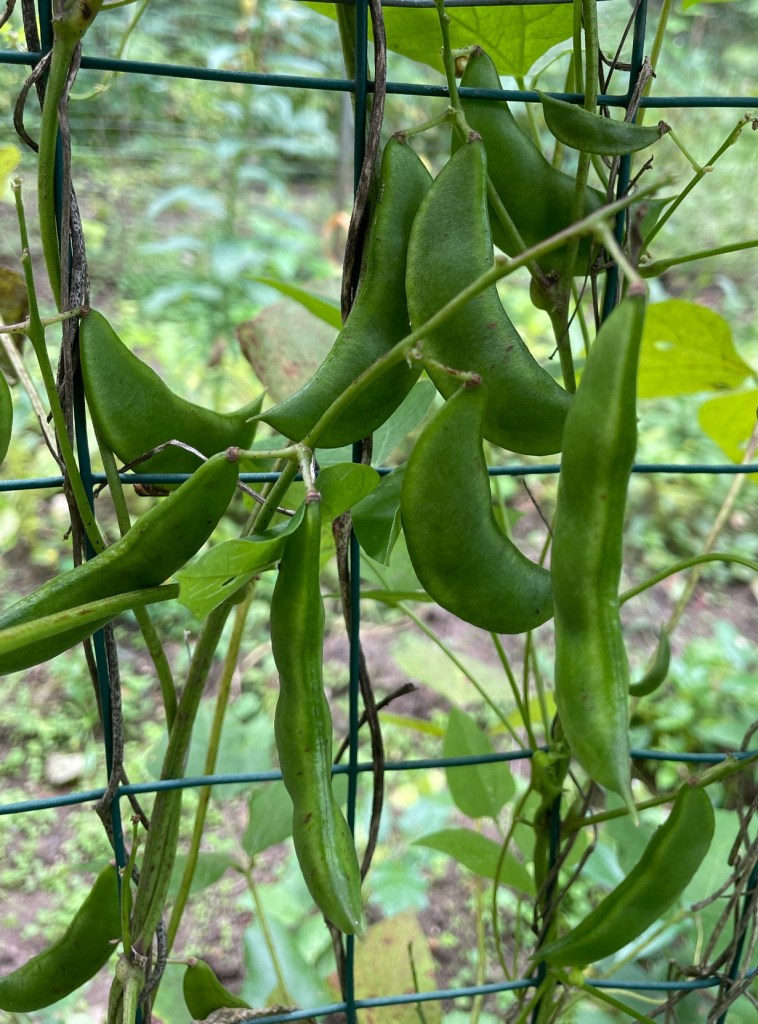
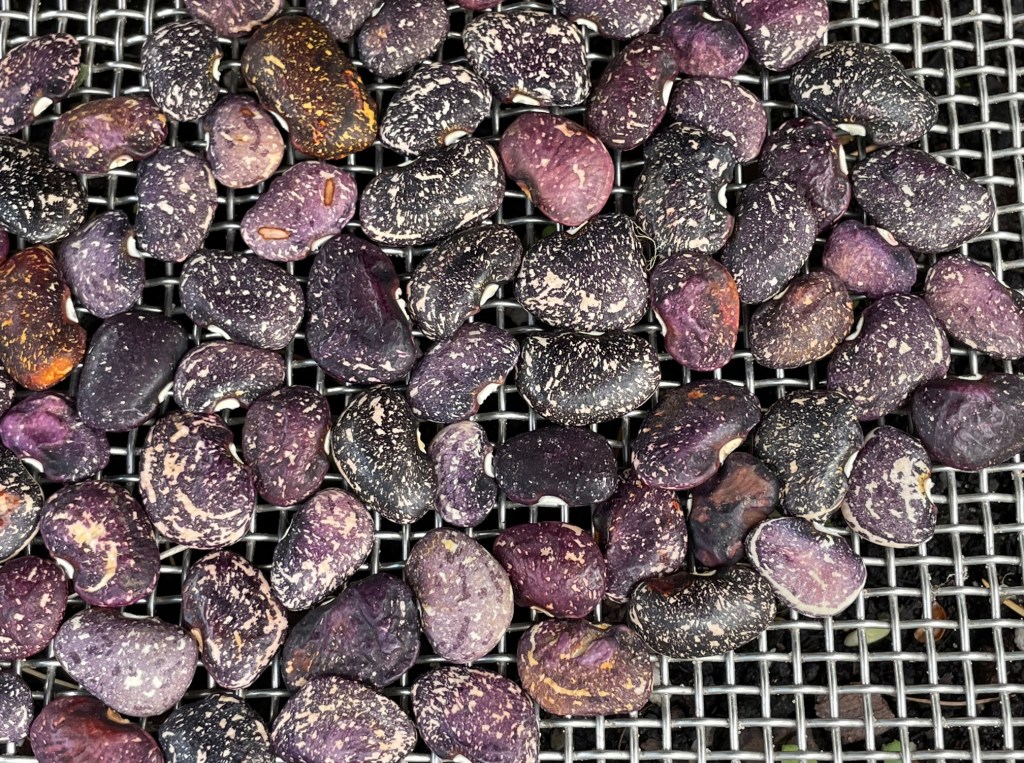
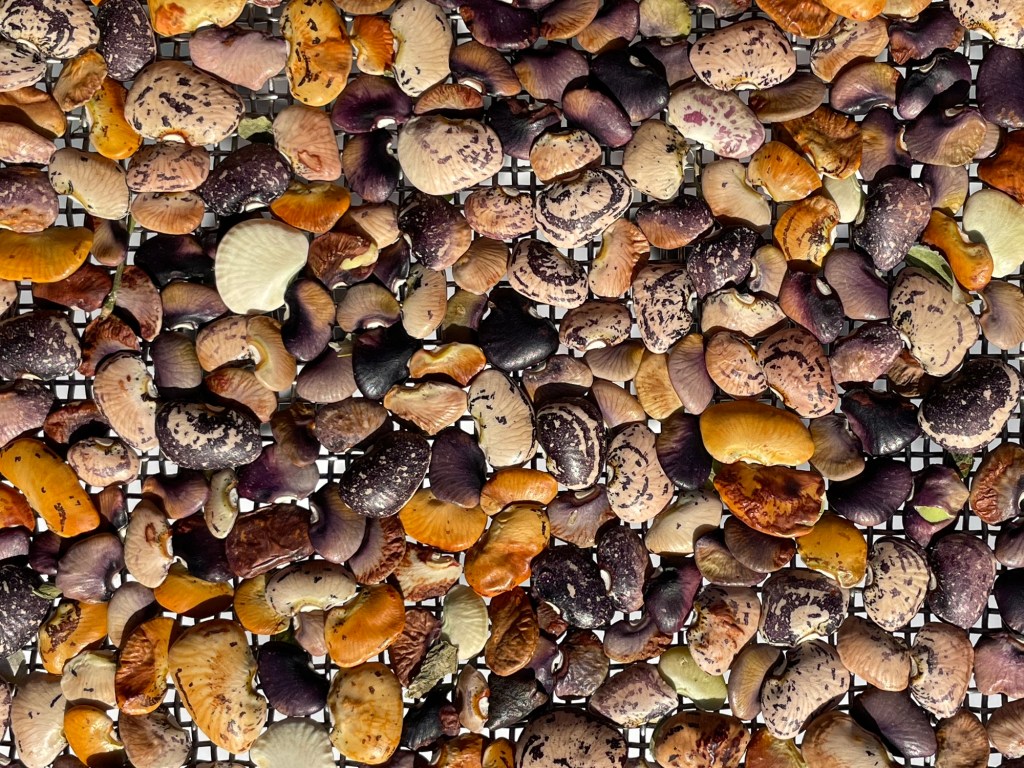
The variations are endless in the bean world.

Enjoy. Kenneth Asmus


 biologicalenrichment
You must be logged in to post a comment.