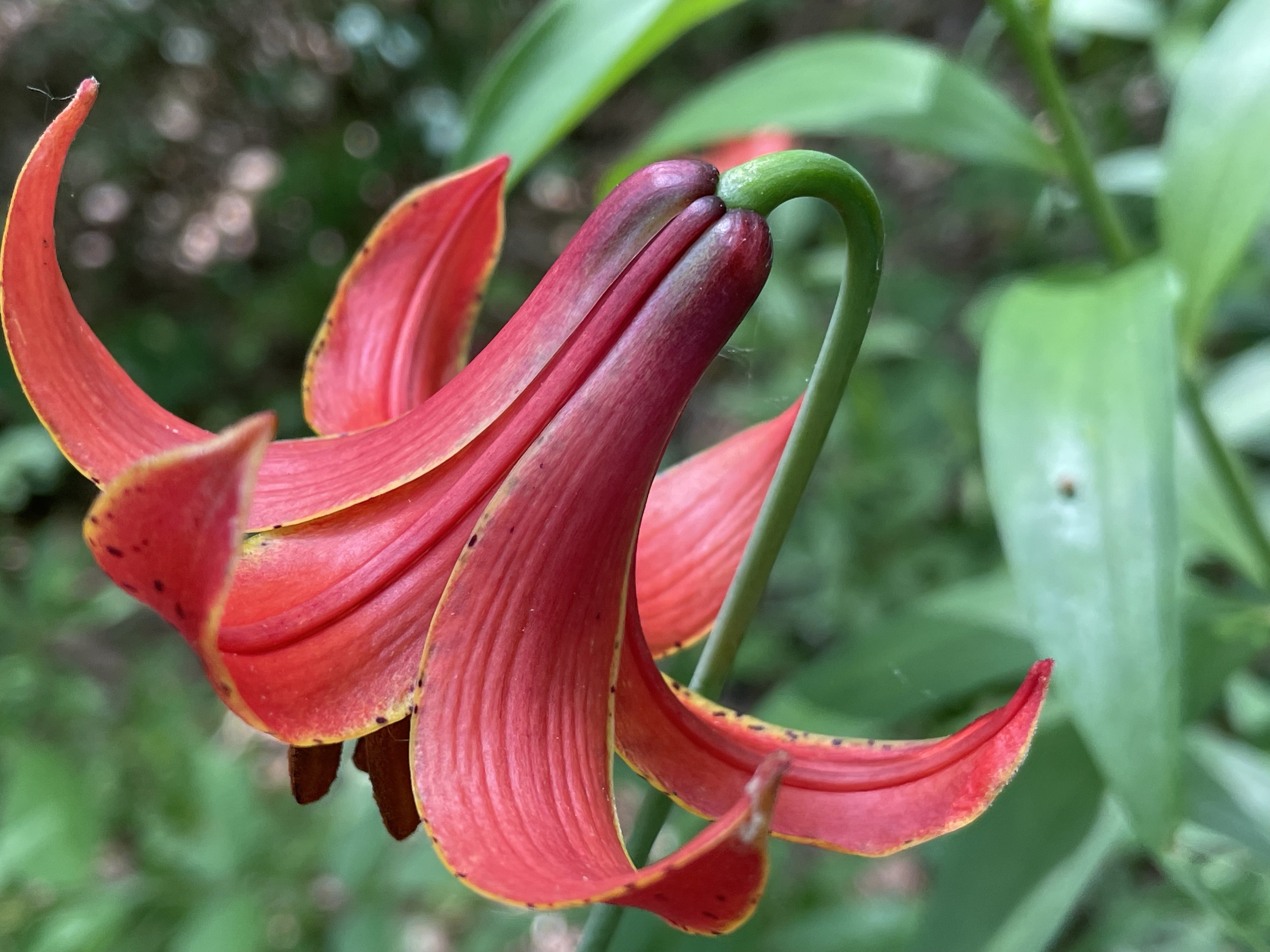
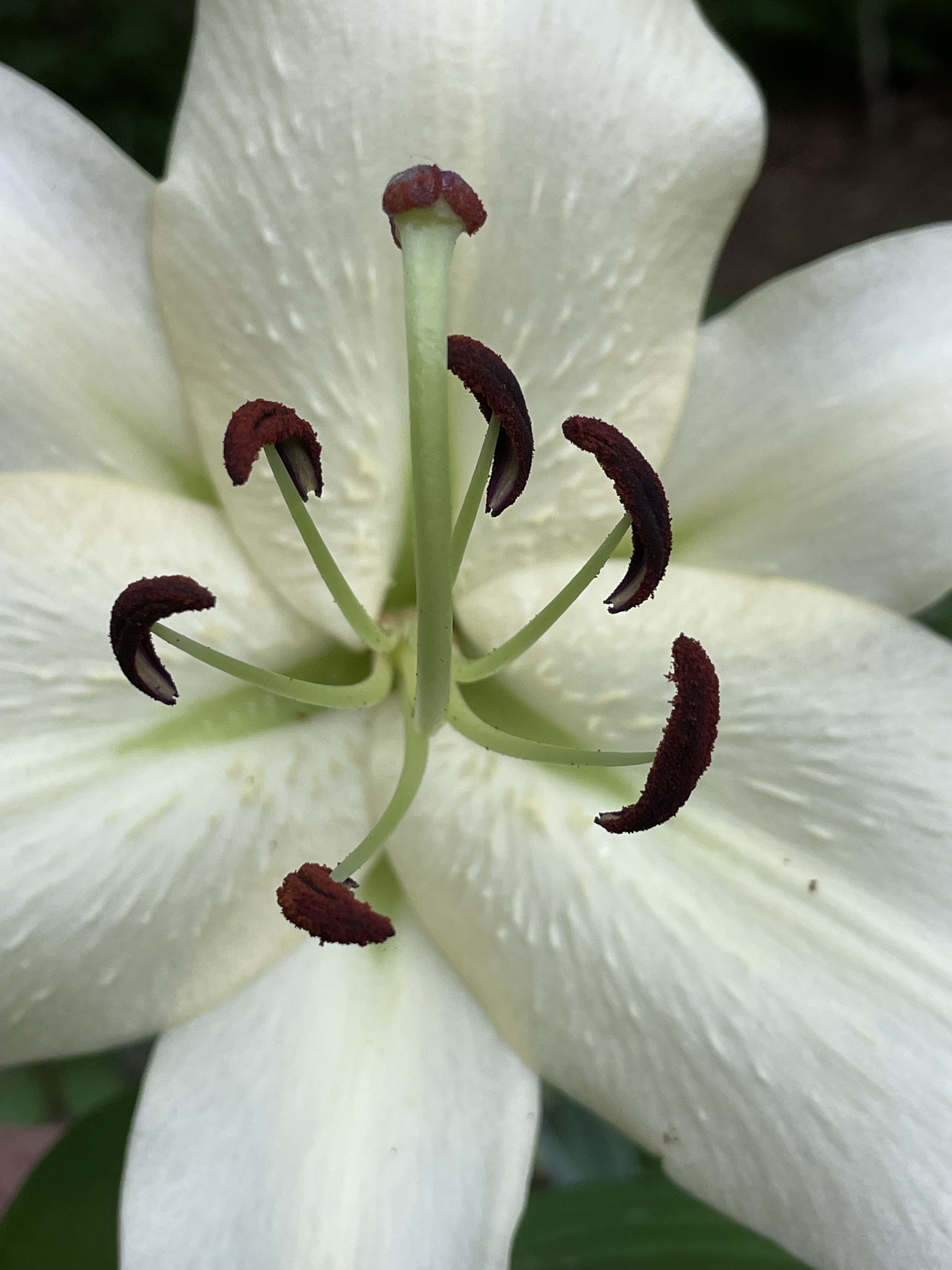
I have always found it fascinating to read about the use of wildflowers as food plants. In particular, I wondered how anyone could make a go of harvesting lily bulbs to any degree for food. You hear stories of many cultures eating the lily bulb and you will read the rich ethnobotanical literature about the Lilium genus. When you test that knowledge and grow the bulbs from seed and wait a decade you soon realize the food potential is very low. If you were to harvest them for a meal, there would be nothing left. On the other hand, you see lily producers from Holland crank out mega-tons of lilies for the flower market. So you know it can be cultivated in mass.
The raw bulbs taste good and have a nice crispy texture but I am hampered by yields and knowledge of cultivation for food as well as its culinary details. I was trying to figure this out and only recently discovered a few secrets. The developing colonies take centuries to form. This is not like Jerusalem artichokes, groundnuts or potatoes. They are not like any other bulb plant that is consumed in that the colonies are very slow to establish. One twenty year patch that I have is roughly four foot across which was seed grown and started from five bulbs. You must treat the colonies as a super long term tree crop with maturation rates measured in decades at least. The bulbs of the two North American species are small and grow along a small rhizome which looks like a string. I hope to dig up a few this year and get some images of this growth habit. It is a different form of colonization of each Lilium species. What is interesting is that some of the bulbs lie dormant and wait their time to flower once free of the rhizome. What would be the impetus to flower and spread outside of seed production? Here is a personal example.
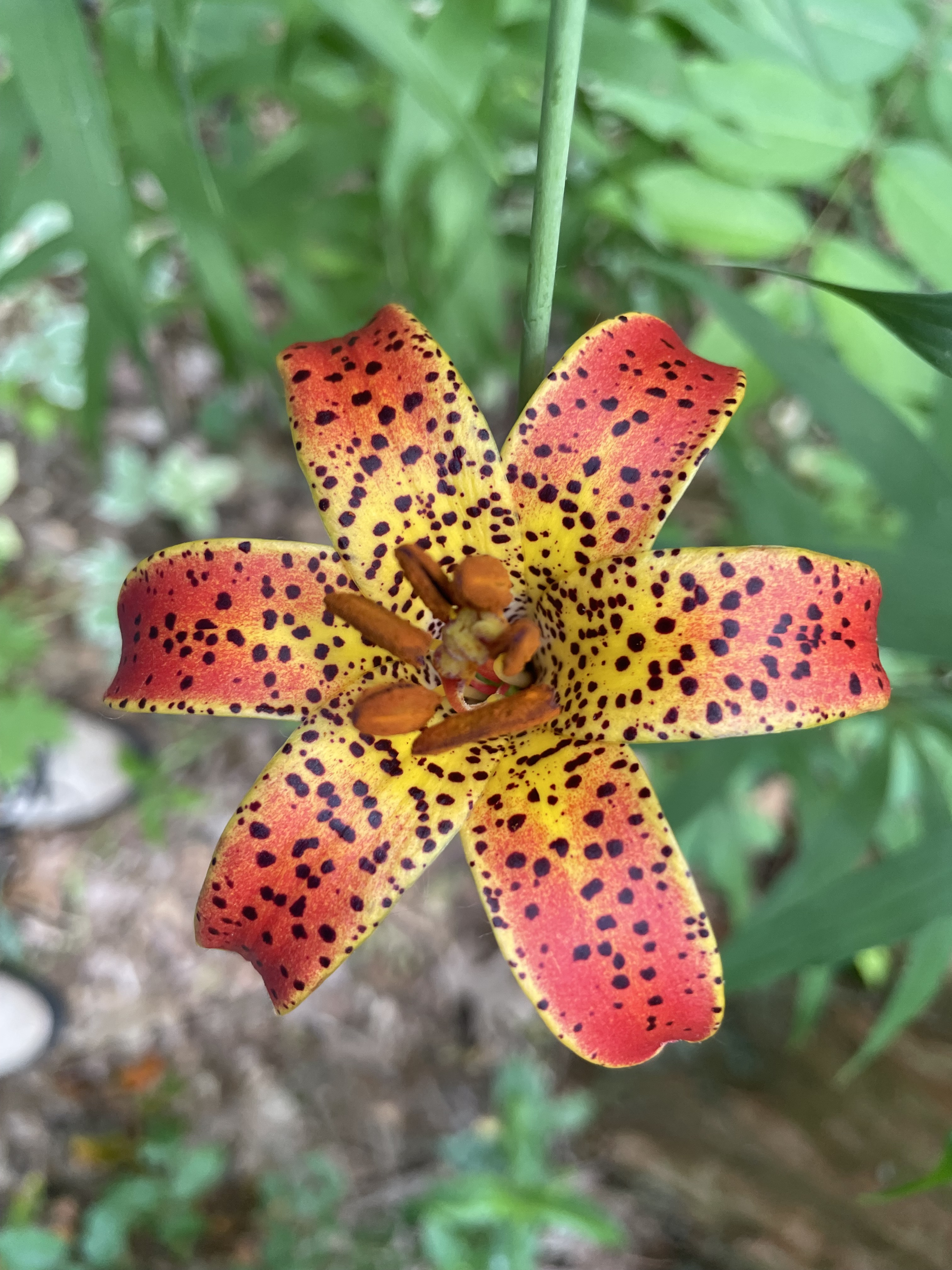
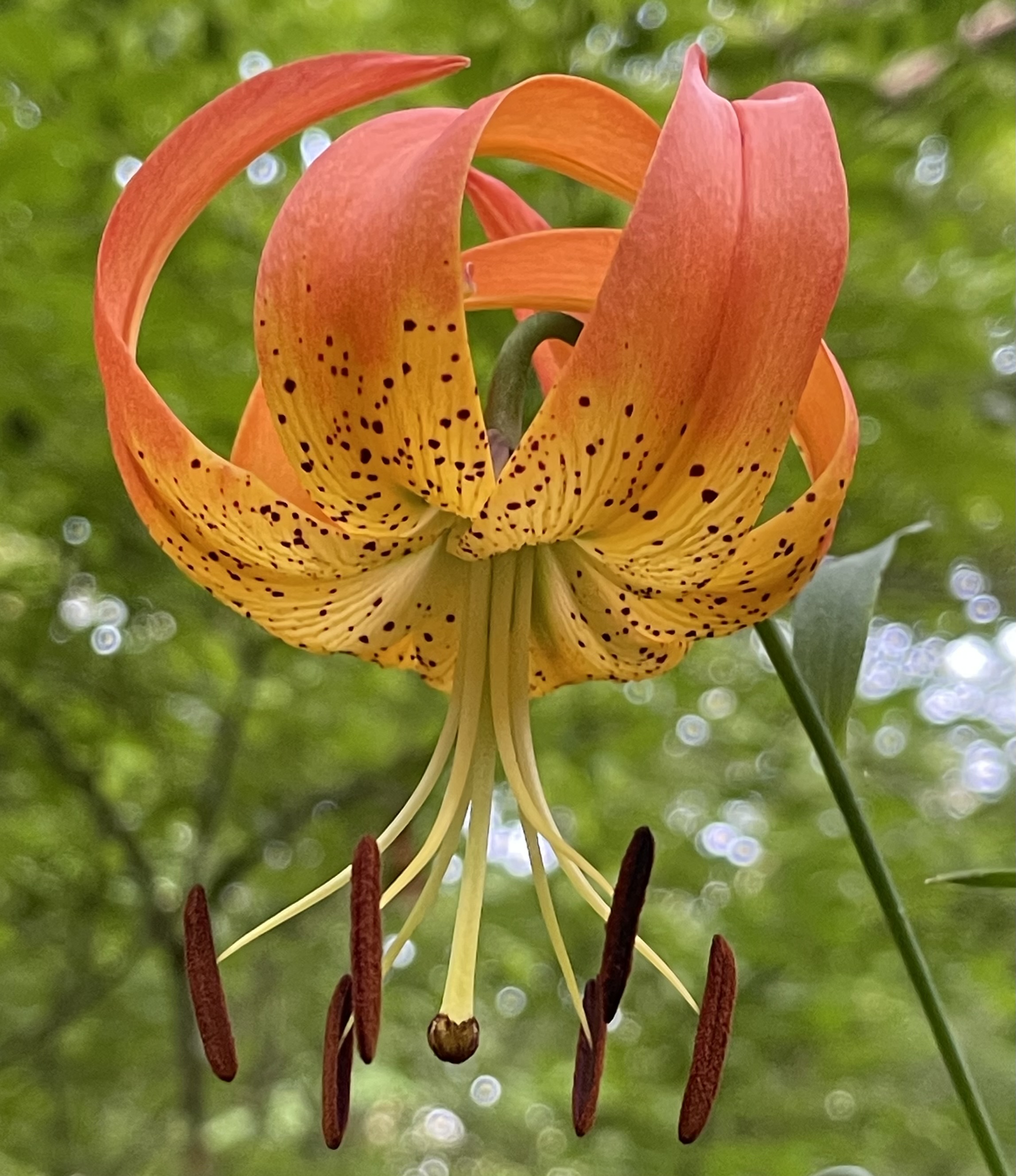
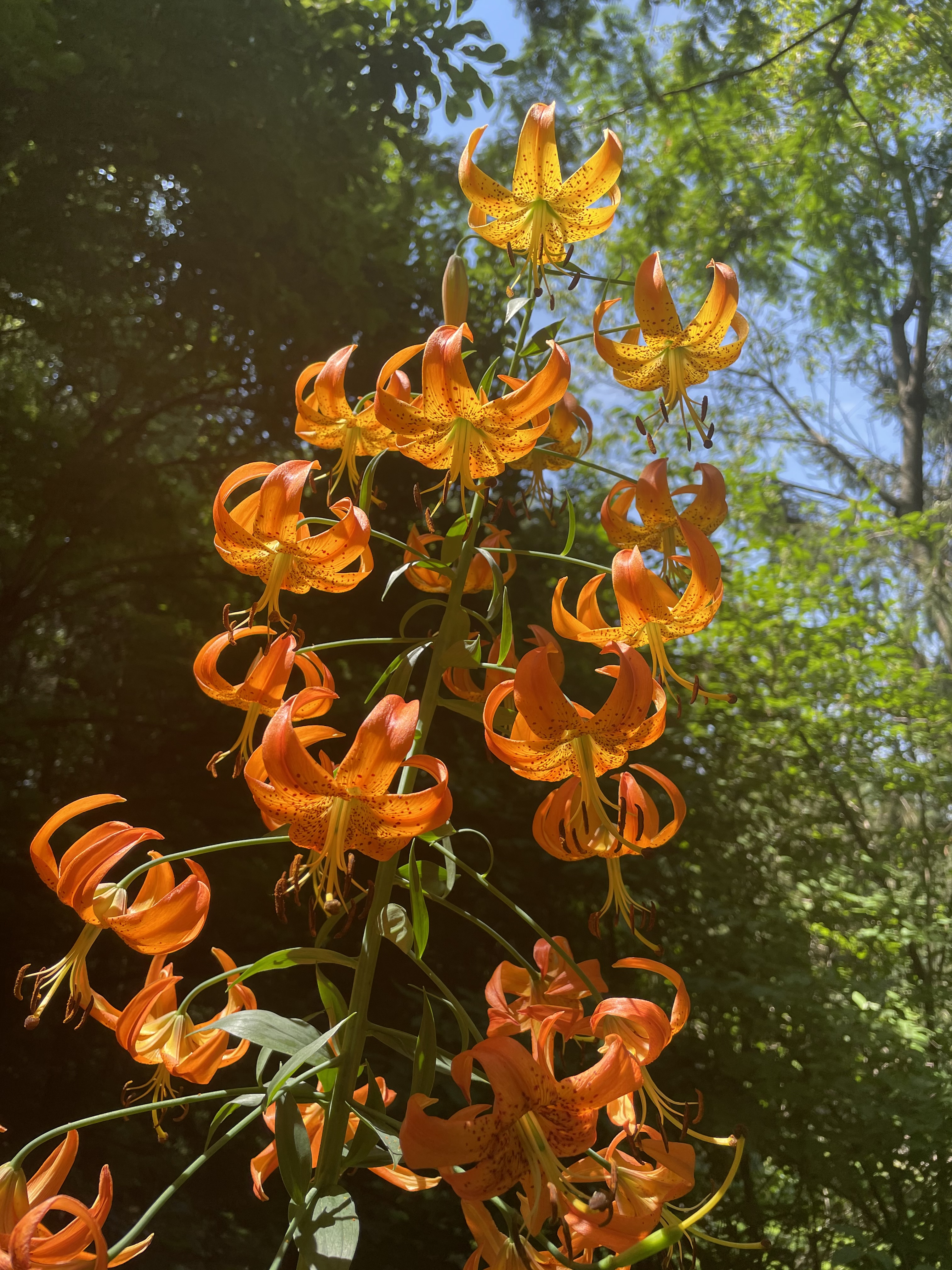
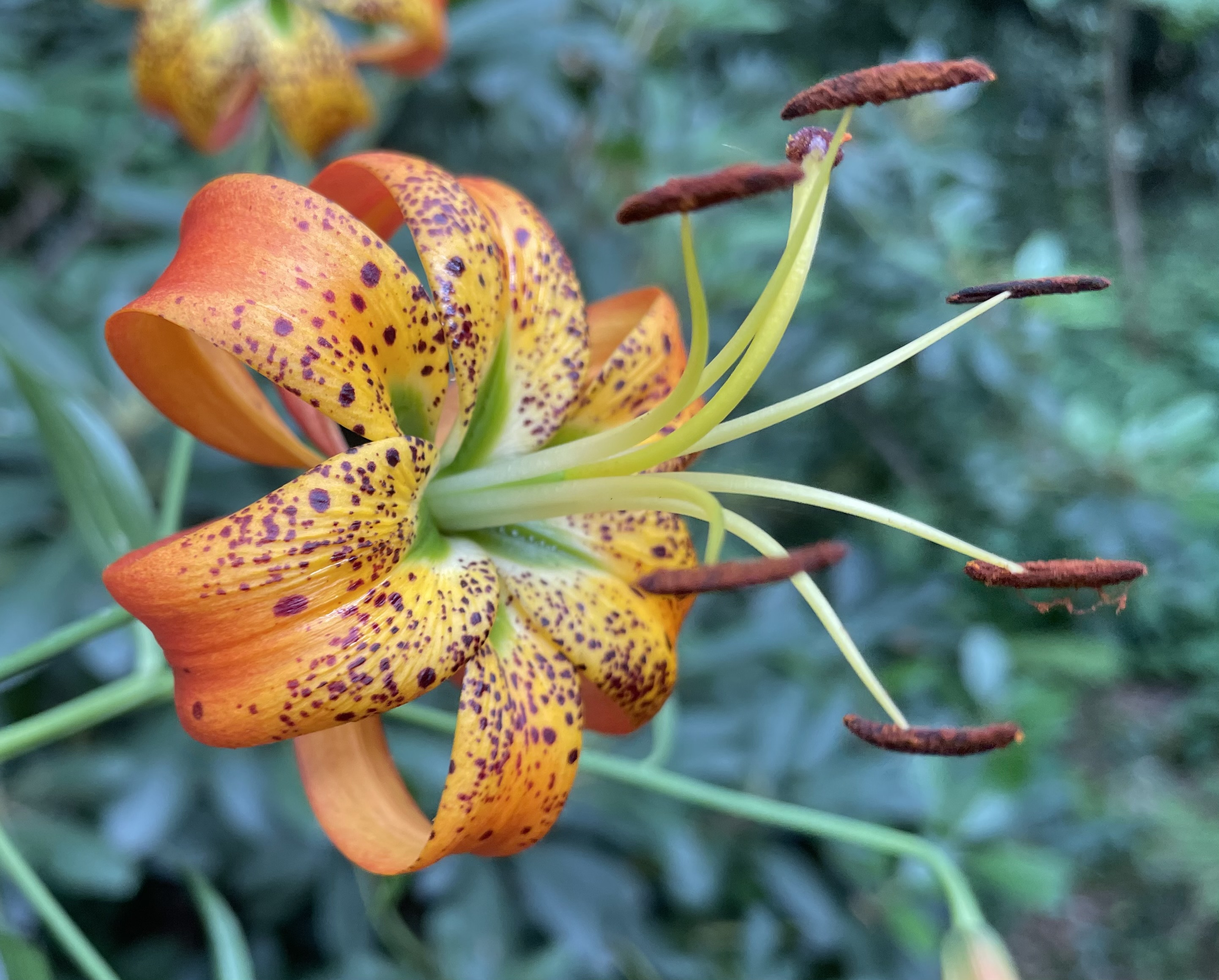
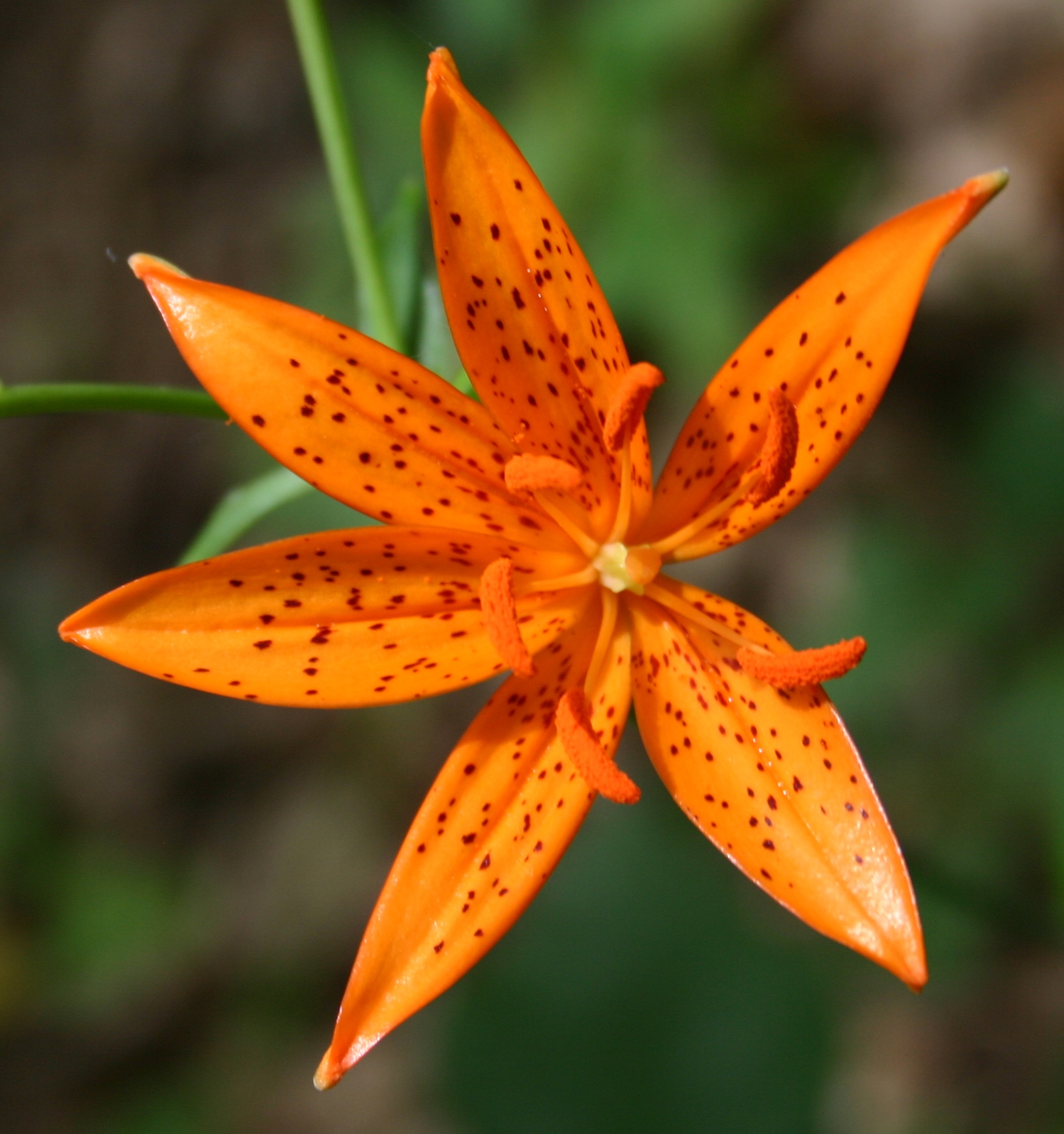
I got a call when I was in sophomore in college from my father one December day that he needed me home to help on the farm. It was Christmas tree season and sales were off the chart on our new 400 acre wholesale tree farm. Unfortunately, I was completely hung up on exams. I never really thought much about it until I had heard from my brother who said that some problems that winter were way more difficult to solve than giving out a few candy canes here and there. To begin with it had been a wet winter and the farm itself was more or less a wetland lined with drainage ditches. In the process of harvest a giant cluster of machinery of pretty much everything my dad and his partner owned ended up going subsoil way past the axles in the middle of a field. This involved a flatbed truck, two tractors, bulldozer, tree bailing machine and I think a wagon. The memory of it alone was so brutal to my dad refused to even drive by that area where it occurred years later. Finally out of curiosity in the summer, I scouted around for the location and saw it from a distance punctuated by loads of beautiful orange lilies. As if it was a location of great purity, the lilies sprang from the soil like nothing I have ever seen before or after. When I got into one of the ruts, my eye sight was level with the field soil. It was like standing in a forest of lilies. They really did go subsoiling. It was deep. Seriously, I’m surprised they didn’t find a mastodon. I’ve seen this type of plant action once before when toadflax covered an area damaged by diesel and oil off of I-94 when a truck skidded off an exit into a nearby embankment. Toadflax is a rare plant in that it can flourish in these toxic ridden soils where nothing else can. It has a superpower. You will see toadflax grow along railroad tracks too with the combination of creosote and herbicide it seems impervious to every man made petrochemical. I tried to grow toadflax at my house and each time, it was not successful. At our farm the lilies were spread out over the fifty foot area rich in muck and sand caused by the attempts to extract the equipment. This location may have had a few lilies before but I never noticed them. From reading about lilies, you will find that bears and other ground rooting animals eat the tubers. I am sure wild hogs love them too. Either way it is this love of lilies that helps bring them into production more. You have to do a bit of subsoiling. I have an area I planted them that was set up as a hugelkulture. They thrived for quite some time. Now they are on the decline. I need to get in there and loosen those strings of tubers. It is this process that can speed the spread of the plant. I threw some out under a walnut planting and there they really have taken off. But the colonies are clustered together tightly because I have no bear or wild hog to kick start the spread. I do collect the seeds so I will likely self seed them in certain locations free of dense sod and other vegetation that may impede the grass like foliage when they first sprout. I will try different locations under shrubs or trees including some dead wood where the vegetation is not thick. I do have groundhogs, skunks and racoons but they do not appear to have the lily as part of their diet.
I think I have an idea. Perhaps I could go there in December and bring with me a flotilla of equipment, get stuck and go subsoiling. I know that works.


 biologicalenrichment
You must be logged in to post a comment.