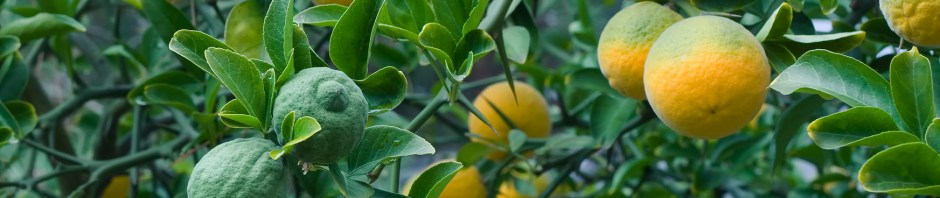
A single species or selection could change the world of agriculture in so many wonderful ways. To make the world more fruitful and abundment, biological enrichment could light the way by harnessing these species of plants we often view as weeds. Aligned with the potential of new crops and healthy foods this is a direct path to better food and improved human health.
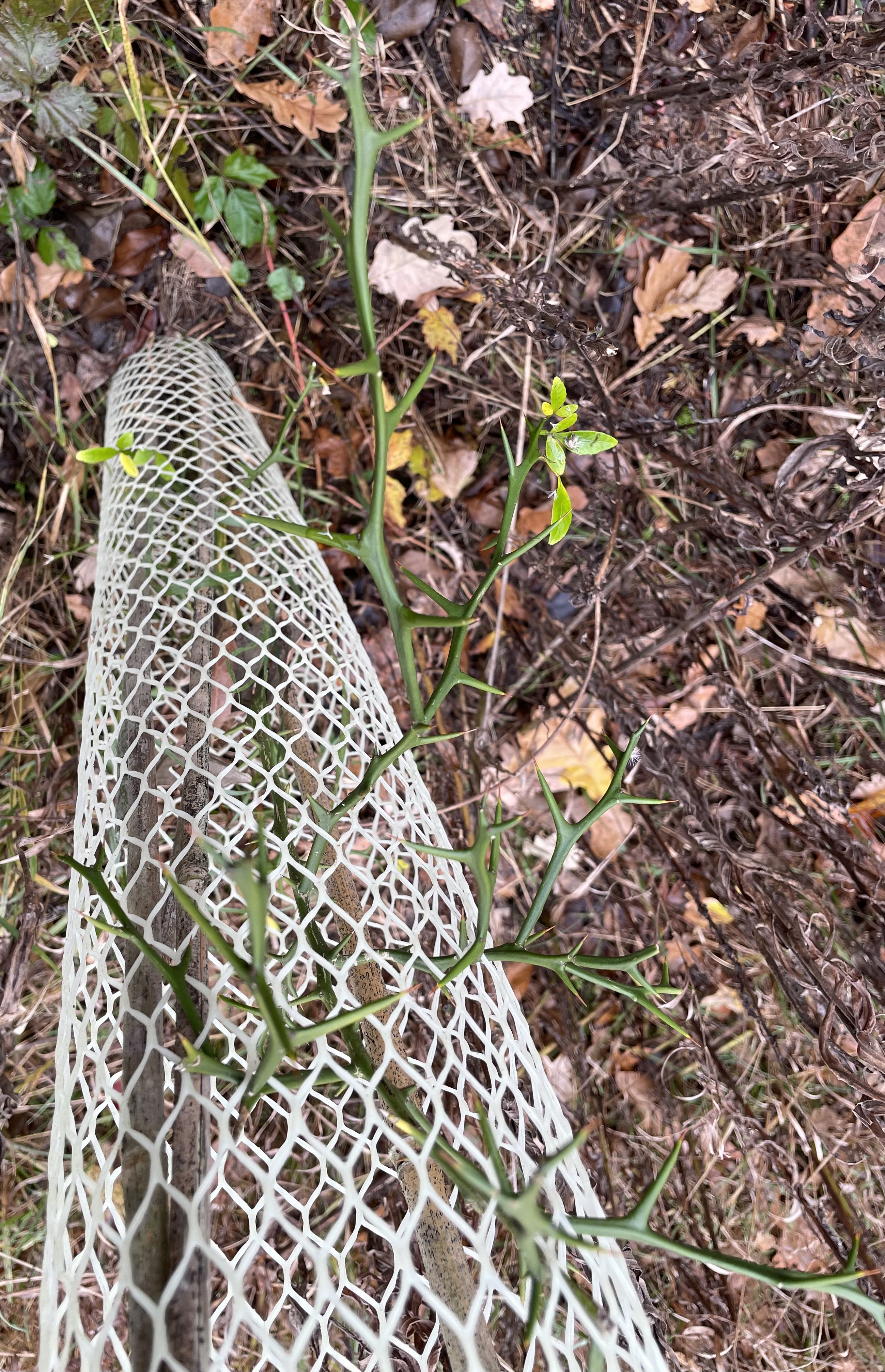
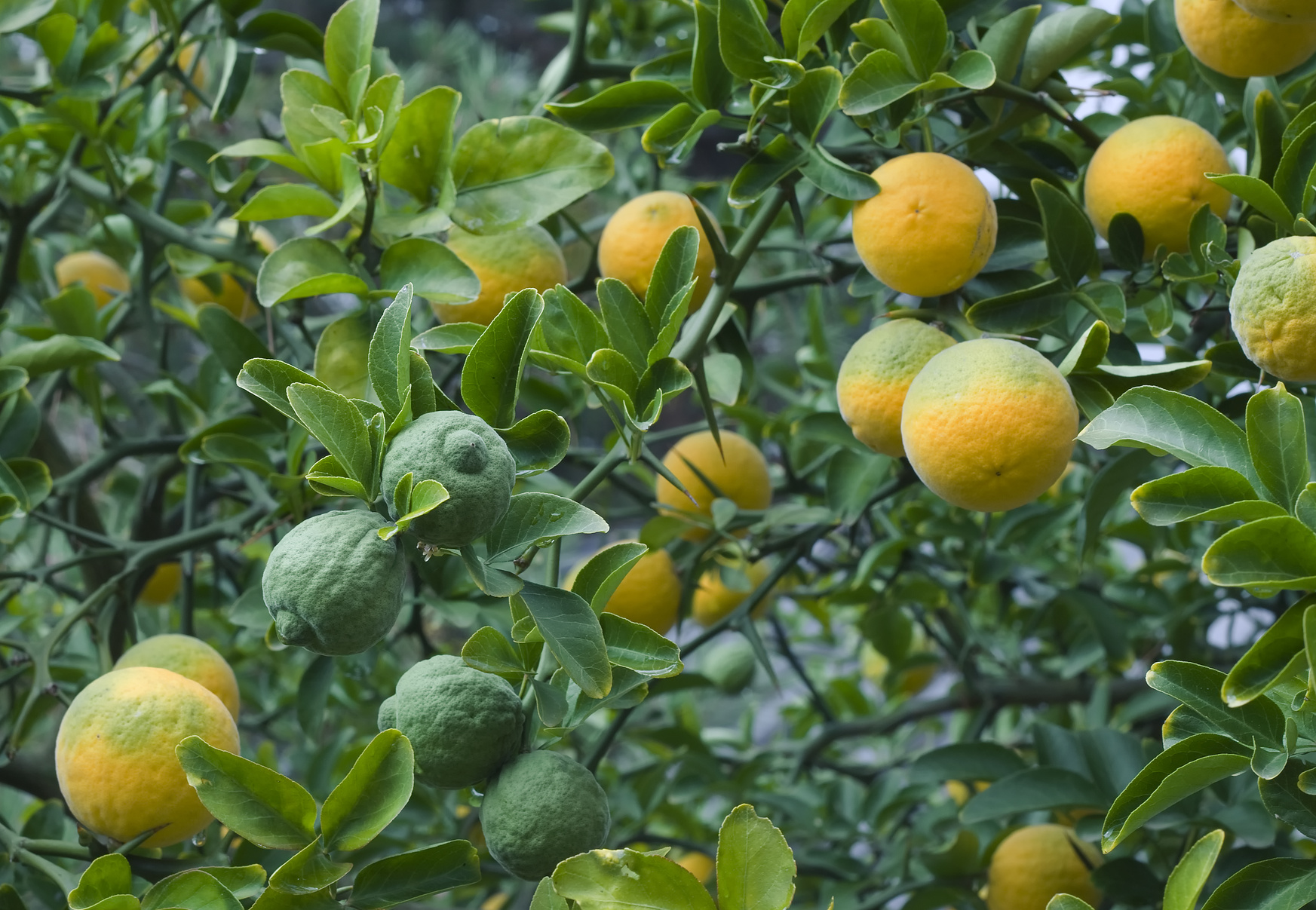
Biodiversity is used and thought of in crop plants as ecological allys in the use for agriculture for both environmental and human health. You can find adapted plant species for regions not commonly known or grown. Such is the case for the hardy citrus species called trifoliate orange. It has been used as understock for citrus and an ornamental plant for over hundred years. No one has looked at it in any serious way other than a novelty fruit plant with insane thorns. There is some renewed interest in it again as a fruit producer and the quality of the fruit it can produce which is packed full of seeds. In Michigan, it was not a particularlly easy plant to establish, however once set the plants took off after the fitth year. I still wait for the fruit wondering what to expect. Today the hardy oranges are left alone on a hillside and struggling in a mix of goldenrod and an active groundhog colony. It is alone and far from any known citrus. That could change if fruit production makes it possible to grow like an orange, lemon or lime. I think it has real possibilities because of the tough citrus world of disease and insects in Florida and elsewhere. It is one of the reasons you can’t ship citrus willy nilly anywhere you want. The last time I checked there were over a dozen states prohibiting citrus plants being shipped from outside of its state. Quarantine land. Likely we will see more of this as certain historical ranges change of crop plants and disease and insects make it unfavorable to grow the crop anymore.

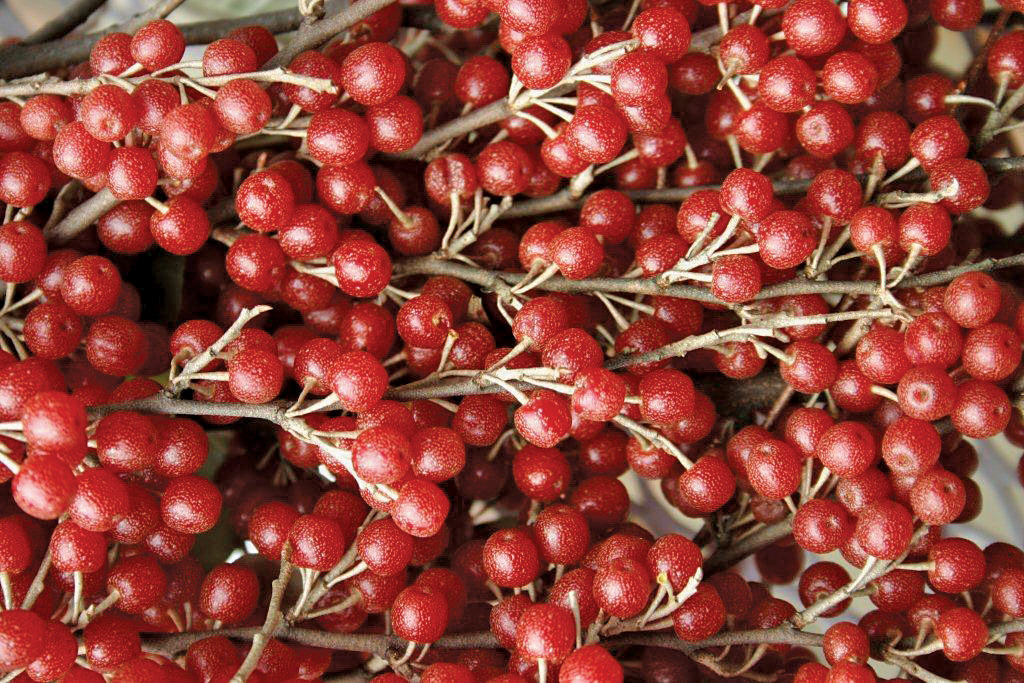
To mention you are breeding and selecting autumn olive is controversial. It is one of those taboo subjects and can only be done in certain circles. It’s high anthocyanin compounds along with its rich vitamins and minerals have huge potential as a perennial crop plant. People are now harvesting it and enjoying the fruit that once was considered ‘wildlife food.’ Other related species also contain posssiblities but this one is at our door step and highly flavorable and healthy. For me finding deep red selections and heavier fruiting is lovely and shows the potential going past the 100 times the tomato mark. It is all in the gene pool which is deep and filled with great treasures. My pool was found at my families abandoned Christmas tree farm wedged between the scotch pine and white spruce. These were loners in a population hidden from view. It is alone and isolated filled with promise for a fruit energy juice that will help us fight cancer and improve our soils. The birds and mammals know this already which is why you see it everywhere. They recognize its benefits. Now it is our turn. Like the trifoliate orange it is considered a weed and an invasive species in many states. Once harvesting is figured out by machines, I could see this used as a fantastic juice plant. But first collectively we will have to overcome our phytoxenophobia.


 biologicalenrichment
You must be logged in to post a comment.