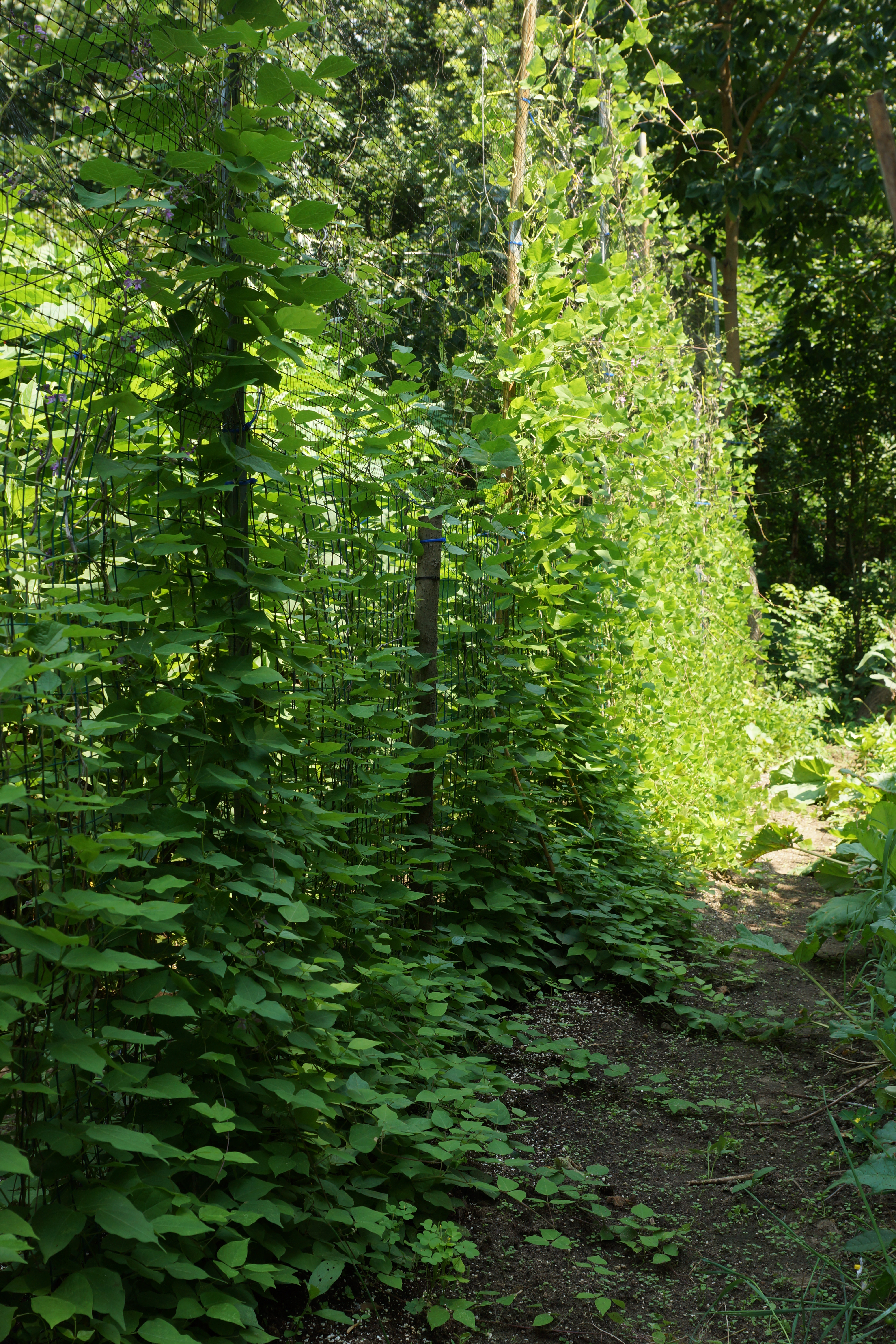
Before the advent of annual beans, the thicket bean was well known. It was the protein that did not run away. It is a species of perennial bean found throughout the midwest and northeastern U.S. Unlike the thousands of selections of annual beans there are only two selections of it, exploding and non-exploding pods. Pods that do not explode were non-twisty types and selected some 9000 years ago. These would be much easier to harvest and stop the seeds from ejecting from the pods some 10 to 20 feet away as the pods dried. Some older heirloom lima beans also contain this trait. Its a good one in terms of dispersal and shows the deep connection this plant has created over time with its environment.

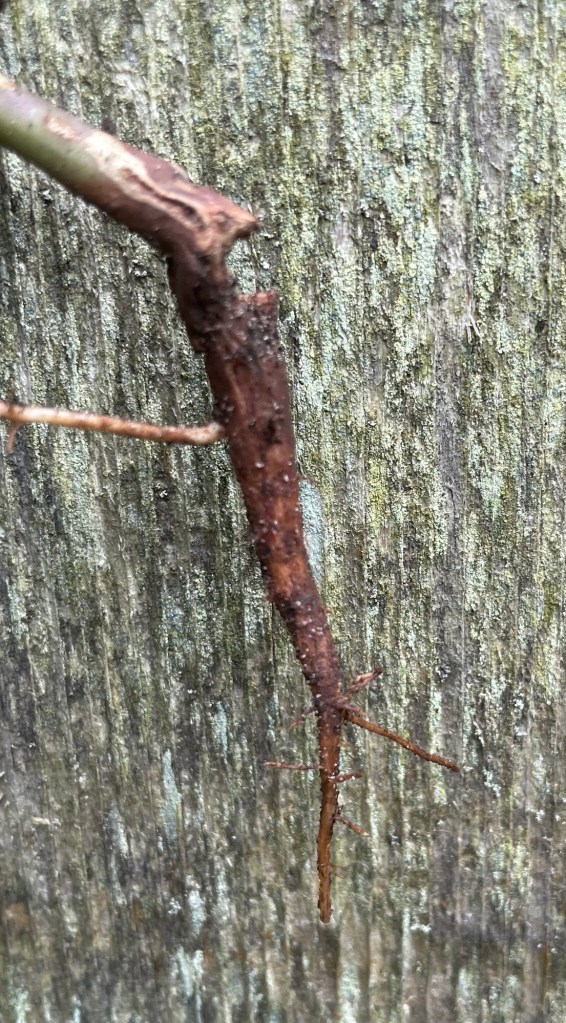
When I started growing thicket bean over twenty years ago, I had little knowledge about this plant and how it would grow at my farm in southwestern Michigan. I received seeds of it from Eric Toensmeier who had just written a book on Perennial Vegetables. The seeds sat in the fridge until one day out of the blue we produced ten plants of it and put them on a small trellis in an area that was used for hazelnut seedlings. They grew very luxuriantly and quickly grew over several wild raspberries in the process. We eventually started making larger plantings using thicket as well as tepary beans as a cover crop on the same trellis. This created a jungle of foliage all intertwined together. Thicket bean truly highlights the ideas of biological and ecological enrichment because it obviously integrates both native and non-native plants and animals no matter where it grows. Over the nursery years, I grew thousands of roots of it. A few people would ask me, “Can you control it?”. I would always answer it is not possible and thank goodness for that. The tap root goes down ten feet or more. You can’t stop it. The top blows by the highest trellis reaching twenty feet easily. It creates an impenetrable bean jungle. You cannot do anything about it. It is deeply woven in its nature to be this way. You can enjoy it as it is. That you can do. I will do a shout out to future thicket bean growers and say you need to let go and let live brothers and sisters. The beans are good. You are a good human bean. Frankly, everything is good about this bean. I wouldn’t change a thing. Within its population is brewing some amazing diversity and possibilities for a perennial protein. This is worthwhile to explore.
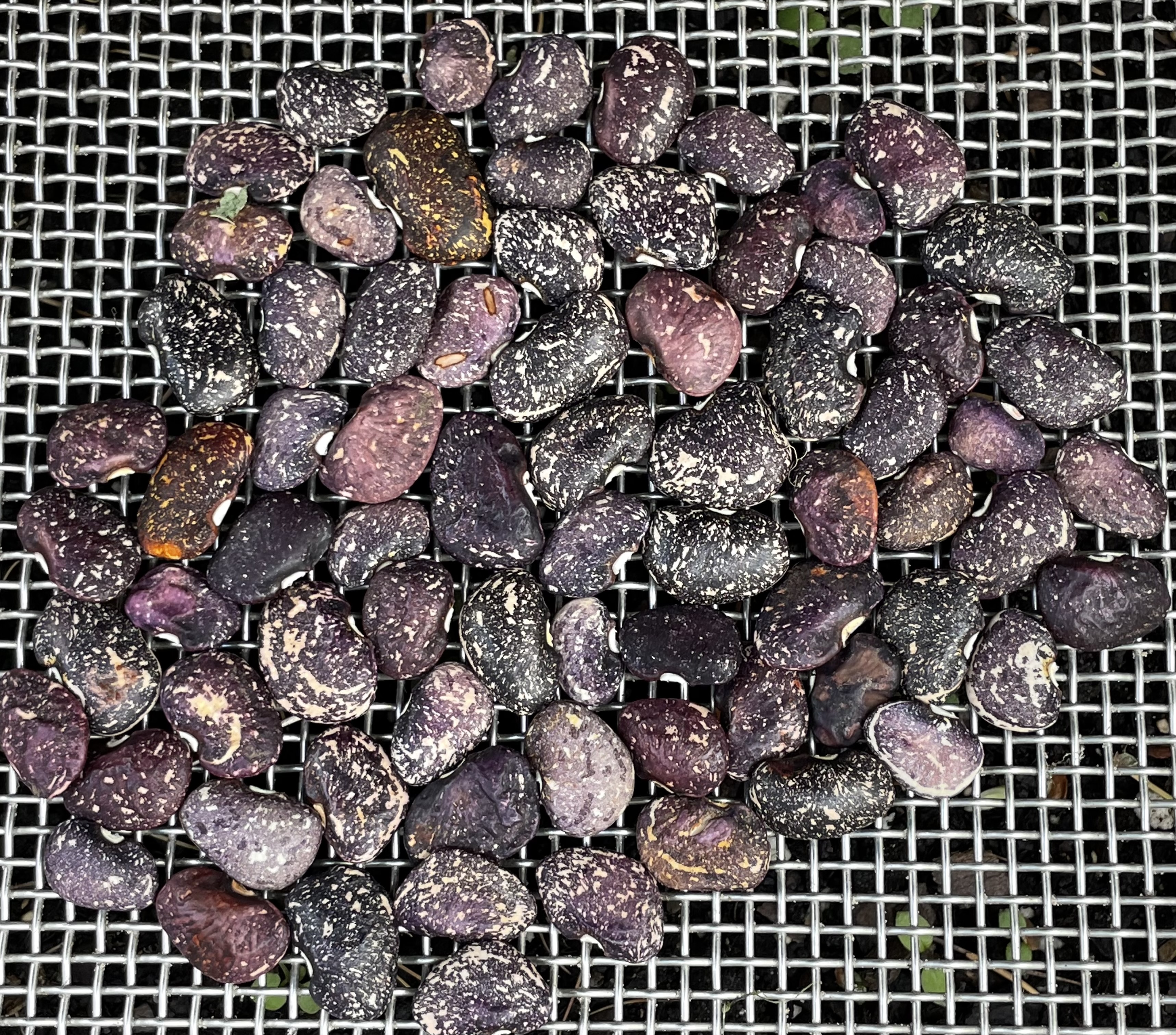
Discovery involves both subjective experience and objective verification. It was from here I began greater plantings as well as attempting hybridization using its close relative the lima bean. What is really needed is greater plantings which would further improve the yields as well as knowledge of this uncultivated rarely grown species bean. Its different than most beans in that way. At 500 dollars a pound, you cannot expect to grow them at that price as a commercial crop other than for the retail seed industry. The yields tend to be low. On a forty foot long trellis using mature roots you might end up with a pound of lentil sized beans of which took you over a month to harvest and dry. Obscure, rare, cool and hip is the thicket bean. But at the end of the day it is still a bean and is in a class of inexpensive sources of protein. No wonder annual beans filled this need for humans. The thicket bean was no longer needed. I know. Kind of sad.
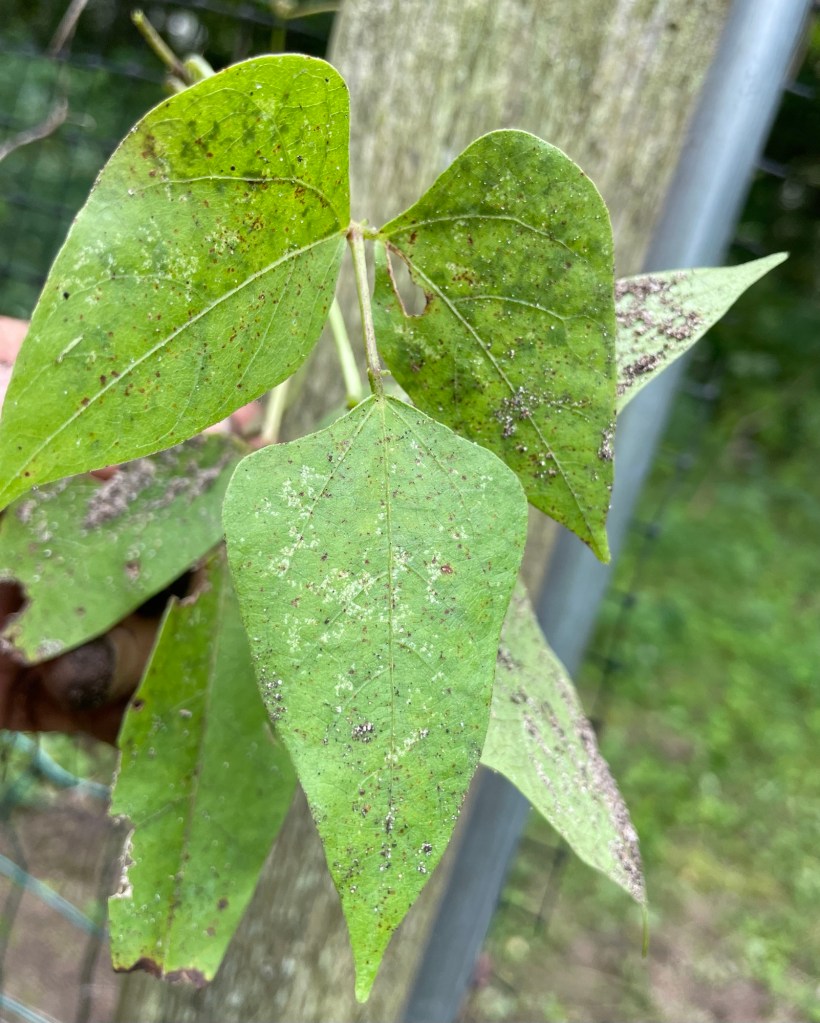
Because of my love of cooking those delicious little morsels and putting myself at odds with my own seed inventory, I had this thought I am becoming a thicket bean miser. For that reason, I gave an online presentation for the Seed Savers Exchange and heard from other bean growers too. Last year I sent out free thicket bean packets to everyone that ordered seeds from me. Look out a wild bean is coming at you. This summer I find myself out in my bean patch checking for pollinators of all sorts to see what will visit my bean flowers to help me create a new type of perennial bean. There is no direction I have to take. That already has been decided by the thicket. Now I wait and see what happens and how I can best harness this towering plant in the world of beans. Bean there, doing that.
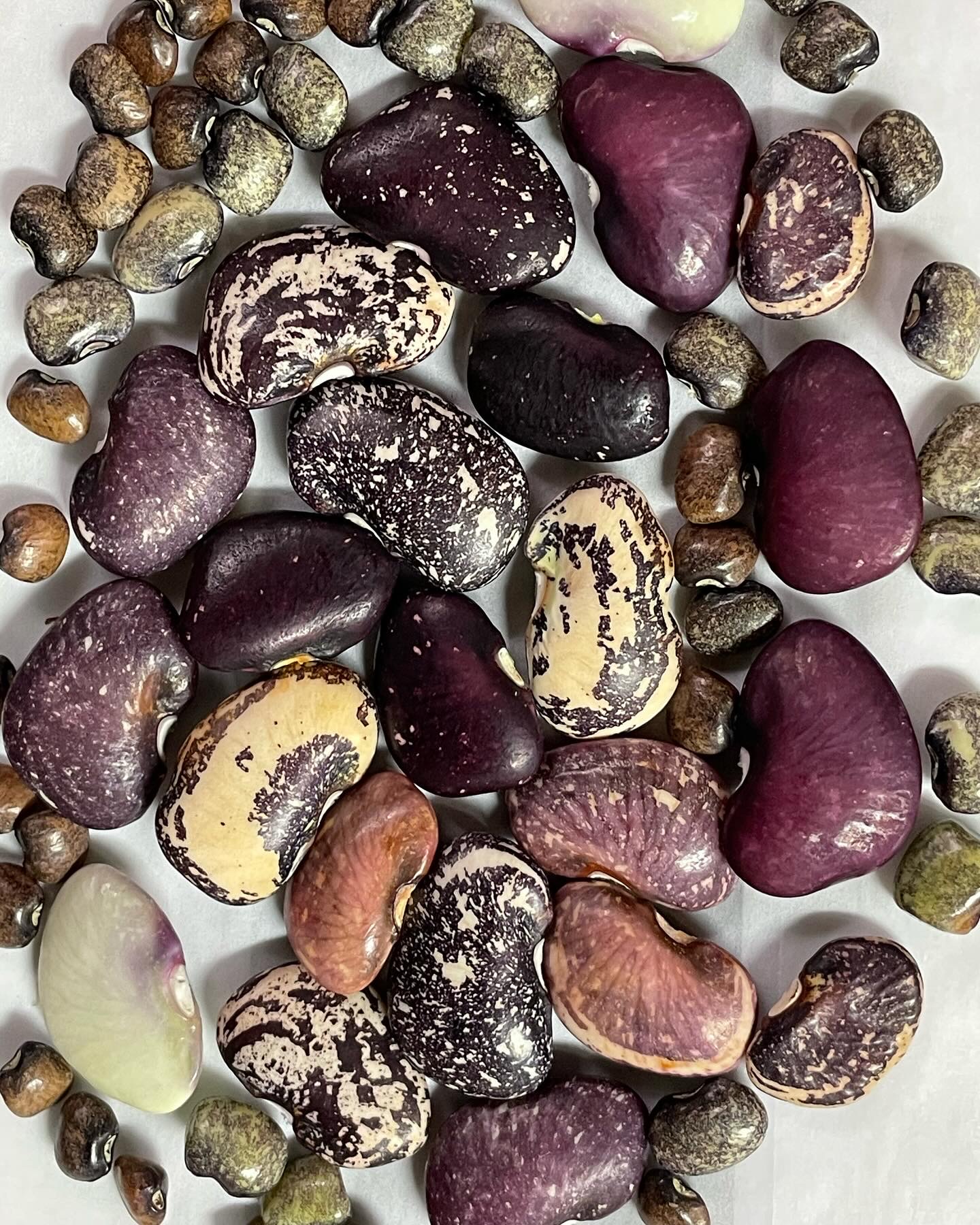
A mixture of potential lima bean hybrids and thicket bean, Phaseolus polystachios and Phaseolus lunatus
Farmerless fields can accomodate and naturally select the plants we need to create perfect health.


 biologicalenrichment
You must be logged in to post a comment.