In high school I owned several books of edible wild plants. This was in my phase of finding a cave in the wilderness and bailing on society. I still have a lot of those Bradford Angier survival and camping books. I was curious what sort of protein would sustain you other than fishing. I would occaisionally take camping trips by myself and test my knowledge. I could never find the groundnut. It was in the books but not in my world. I finally forgot about it and gave up. Years past and I was in my just got married and rent a house phase. For the record, this phase was more comfortable and enjoyable than the cave. Unknown to me, I had moved to the Apios range in southwestern Michigan. I checked out a stream near our house which was next to a large wetland. As I walked down to the stream I noticed there were many vines totally encasing the vegetation of the area. I could walk underneath it as the vines grew up and over the blue beech, Carpinus caroliniana. Each vine was loaded with pea pods. I thought that was very odd and had no idea what I was looking at. Time moved on as it does and while spotting the plant in flower on a hike near another wetland a decade later, I realized these crazy vines are Apios americana. Jackpot! I finally realized it. Now the knowledge was not in a book on a shelf anymore.
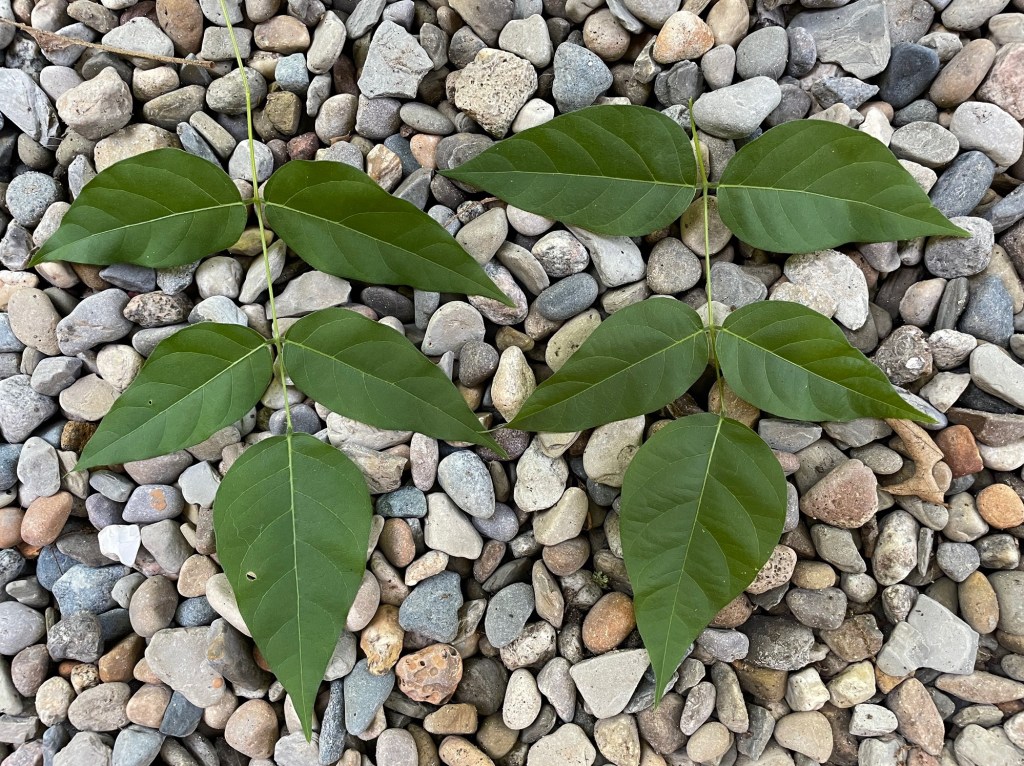
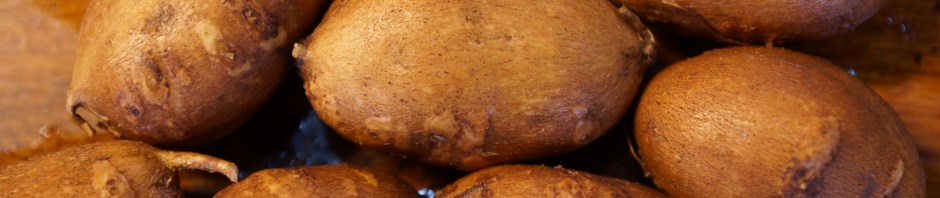
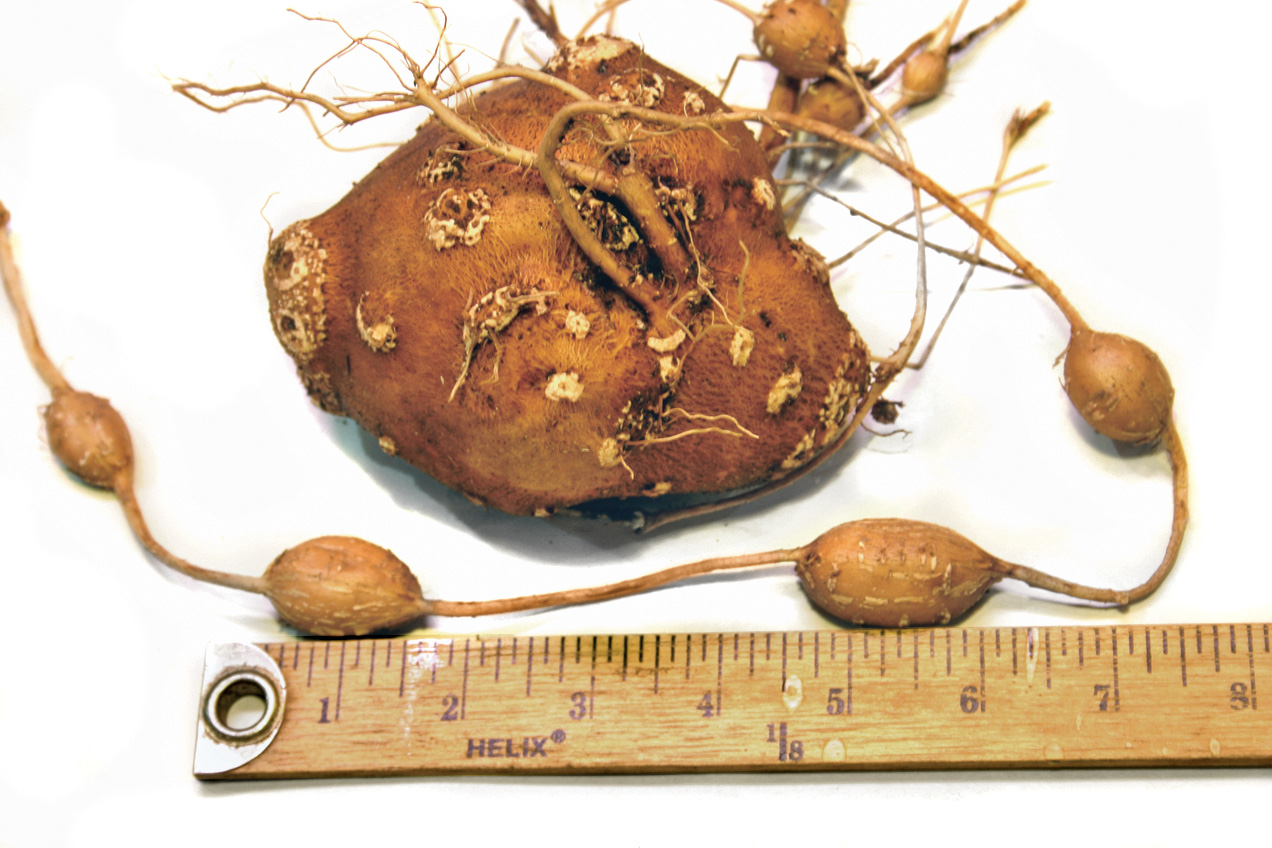
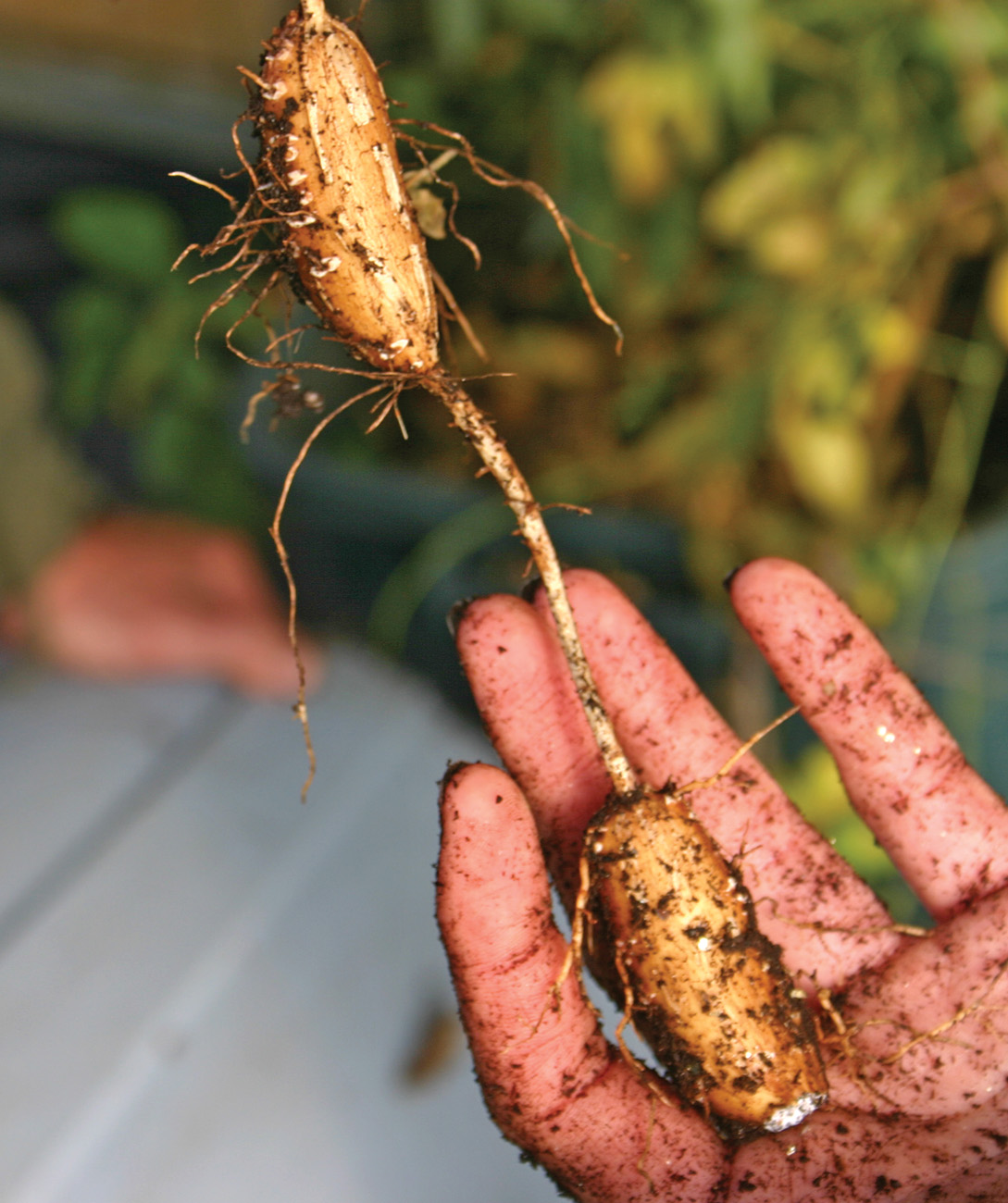
Groundnut, apios or hopniss are the common names used for this species of high protein tuber found in North America. Its use was well known by many of the Native American tribes. It was distributed throughout the world to some extent as well. It is found cultivated a little bit in North America but by and large it has become known in permaculture and edible landscapes only. My goal for my nursery was simple. Create a small collection. Raise some seedlings as well find selections people made and make a planting where you could harvest the tubers easily for the retail garden trade. I started slowly and finally ramped it up to the point I had one of the largest working collections available to the public. One of the first plantings came from J.L. Hudson Seedsman. I created some new selections in the process and made available seedlings from different northern locations. I sent out hundreds of packets of groundnuts-many thousands of nuts-every year for over a decade. I learned a lot in the process including never underestimate the power of misinformation. In the meantime, I disassembled my collection to make way for a new greenhouse and see if I can produce the seeds this time. That I never did. It could be a sort of perennial seed crop too. What potential this beautiful plant has. I see nothing but possibilities now on something I could never find.

But like all new crops, a large population of people are not consuming them to any degree to know what sort of physiological effects could happen. At my farm, we use to do a fried tuber cook off in the fall. I used organic ghee and made a medley of perennial tubers of Chinese yam, groundnuts, sunchokes and diploid potatoes of various sorts. You can imagine my employees consuming vast quantities of these tubers in bowls with a sprinkling of salt and pepper while drinking rich, dark, organic-black coffee, green tea and Virginia mountain mint tea. We were on fire back then! On the next day everyone would usually comment that they were fine and the tubers did not cause any digestive upset of any type. It was just a random sample of 7-8 people. However, one year a lady who worked for me in the office told me she was the life of the party as she got up from a warm couch to leave. The explosion could be heard throughout the living room where all the guests were seated. She had the thought that the red wine on top of the tuber medley had created a plunger of sorts within her digestive track. This is how crops are born or destroyed ladies and gentlemen. They have to be totally digestible across a wide range of human physiology. Of course, in this particular case the Jerusalem artichokes are highly suspect not the groundnuts. Recently a teacher of foraging told me that upwards of ten percent of his students have ill effects eating groundnut tubers. These subjective experiences are not something that would be overcome by eating more of them over a longer period of time. You don’t build up a tolerance. Like the lady at the party, you probably don’t want a Blazing Saddles campfire moment surrounded by friends and relatives.
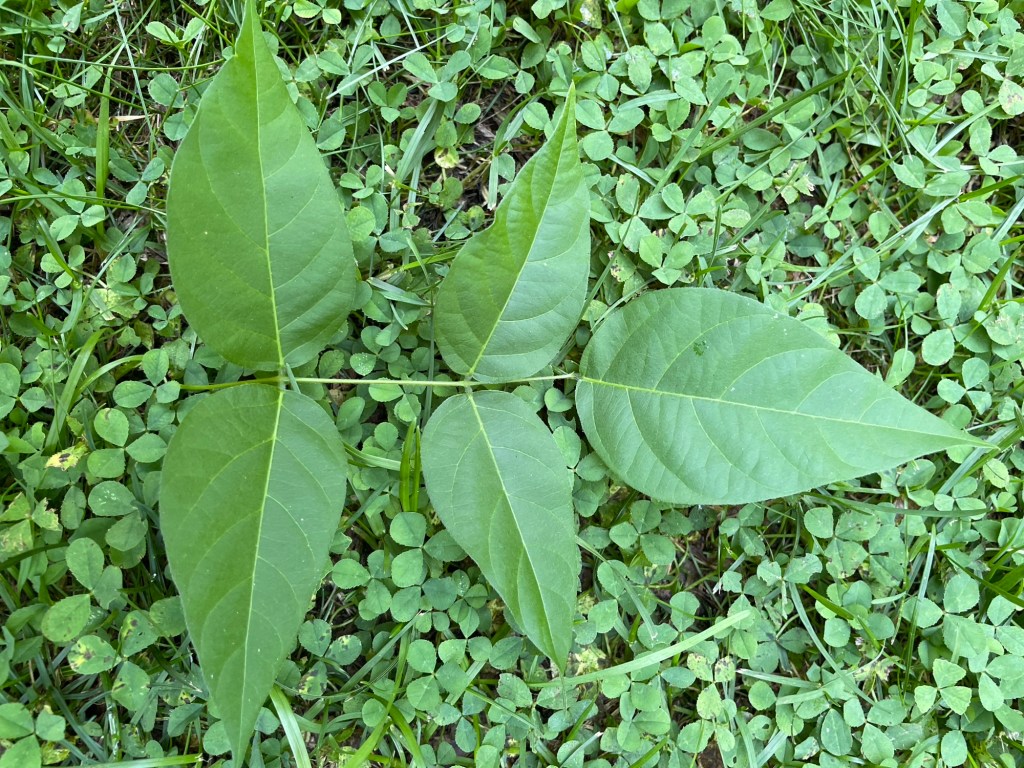
One of things I noticed about this particular crop was that the best selections were from fifty years ago from extremely southern U.S. locations. I found a restuarant that used them and several other breeding populations that were being developed. I had a lot of help from outside sources to the point, I did not even look into the Michigan genotypes. One of them was from a kayaker and explorer of rivers. Another was from a retired doctor who had an interest. It was from this springboard of diversity that led me to highly vigorous selections that could tolerate drier soils than the species as well as have super clustering tuber yields of small tubers to the point where the protein yield would equal soybeans per acre. I had an intern do several measurements using tubers in our planting beds to check yields. The crop was changing before my eyes. I could see where this might be a case of harvesting and processing to make the crop profitable on a commercial level. This was quite a miracle tuber crop for me and without help I could never have released these selections to the public. Some were purchased but many were seed and tuber exchanges done over a decade or more.
It is interesting this crop is a problem weed in cranberry fields and is hard to get rid of. This might lead us to the areas where most likely it could be grown commercially or areas where we could replicate those conditions on a broader scale. A farmer told me one of his corn fields near a wetland had a lot of these tubers in the soil so when he disced the soil it only further propagated the plant. He said they were thick in the soil and impregnated within the soil structure.The corn grew well there anyway. Probably the nitrogen fixing groundnut was helping the corn in some way reach maturity as a type of organic green manure. Another benefit of a great plant. People in general fear vines but here we see the beginnng of using multiple crops in the same field one perennial and another annual. To me that seems like a break through.
On a edible landscaping level the groundnut is also successful. Once an employee of mine used the Louisiana selections in his mulch near his shrubs and thick green highly manicured lawn. He said in two years he filled a five gallon pail full of tubers from just one tuber. The southern tubers usually take two years to mature in Michigan to get up to size. The strings are long and the tubers are produced slowly on these long rhizome type roots. His thick high nitrogen fed lawn and deep bark mulch under and near a landscape fabric created the perfect environment. His regular automatically timed lawn watering along with the bright sun bouncing off the green grass made the growing conditions perfect for Apios americana. This is home to this tuber where it could spread out and cover his tightly pruned yews and river rock mulch. Welcome hopniss. Welcome groundnut. Welcome Apios. We might invite you in our home at some point. Maybe it will work for us. Maybe not. Time will tell.


 biologicalenrichment
You must be logged in to post a comment.