
There is a huge array of vines that are used in permaculture for food production. Some of these perennial crops are rarely grown yet are very easy to grow and use. Part of the reluctance of planting them is due to the thought of creating and using a trellis system. The other part of it falls into the crop itself and how that would be used in your diet. For this reason, cucumbers, runner beans and pole beans are the mainstay of the trellis. Here are three examples of perennial tuber crops worth growing and using on a trellis system. Finding the right system for the right crop is critical for success and use of these delicious crops. When I was growing these crops in my nursery, they were very popular and had solid followings.
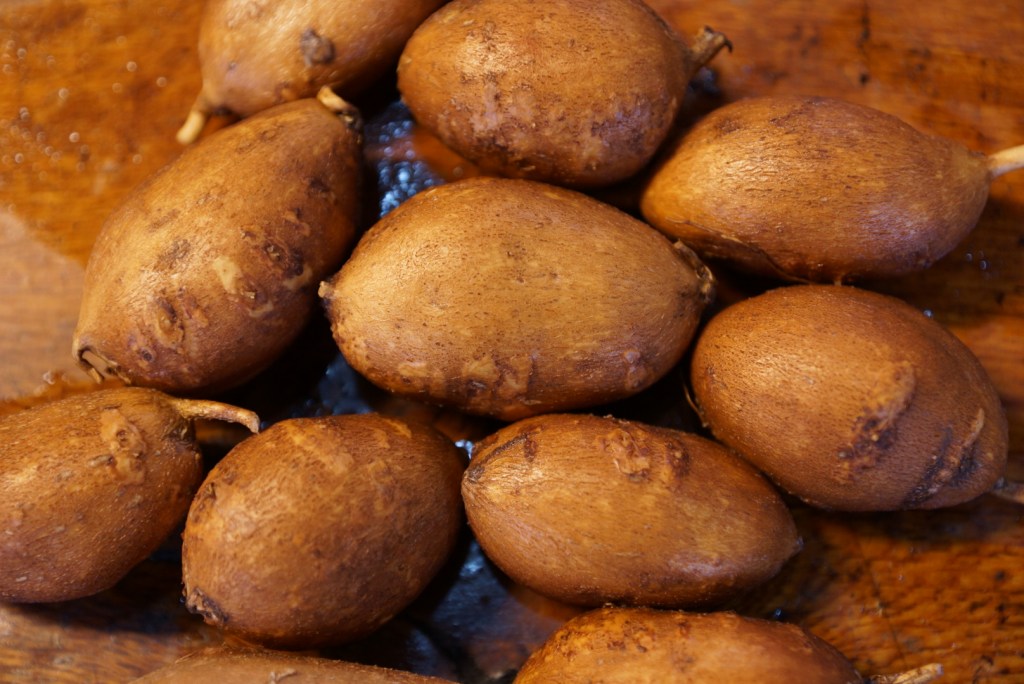
Groundnuts-For some time I would just let them sprawl over the ground or upward on fence posts or bamboo stakes. This greatly lowered yields. When put on a straight trellis they were fine but not easy to train as the tubers spread out and away from the trellis. Plus the foliage was not positioned to capture light efficiently in a vertical only system. Finally I used a hoop type structure which held the foliage up off the ground made out of one inch chicken wire. This was successful but difficult to weed or clean up. You have to remove that in the fall to harvest. Despite the weeds the plants grew over the top of them and the weeds did give some support. I remember crawling on my stomach from the ends of the hoops to get in there and yank johnson grass. It was not pretty but it did work. I still have groundnuts in cone shaped fencing out back. It’s not working well and the vines appear to be struggling every year for the last decade. Groundnuts need to be under consistent irrigation, rich organic mulch and a wider trellis system that allows the vines to go vertical and then horizontal like grapes in order to capture the sunlight fully. I would treat them like grapes but with mesh wire and arms that are at least two feet wide on each side to prevent mounding of the foliage. Foliage equals higher quantities of tubers.
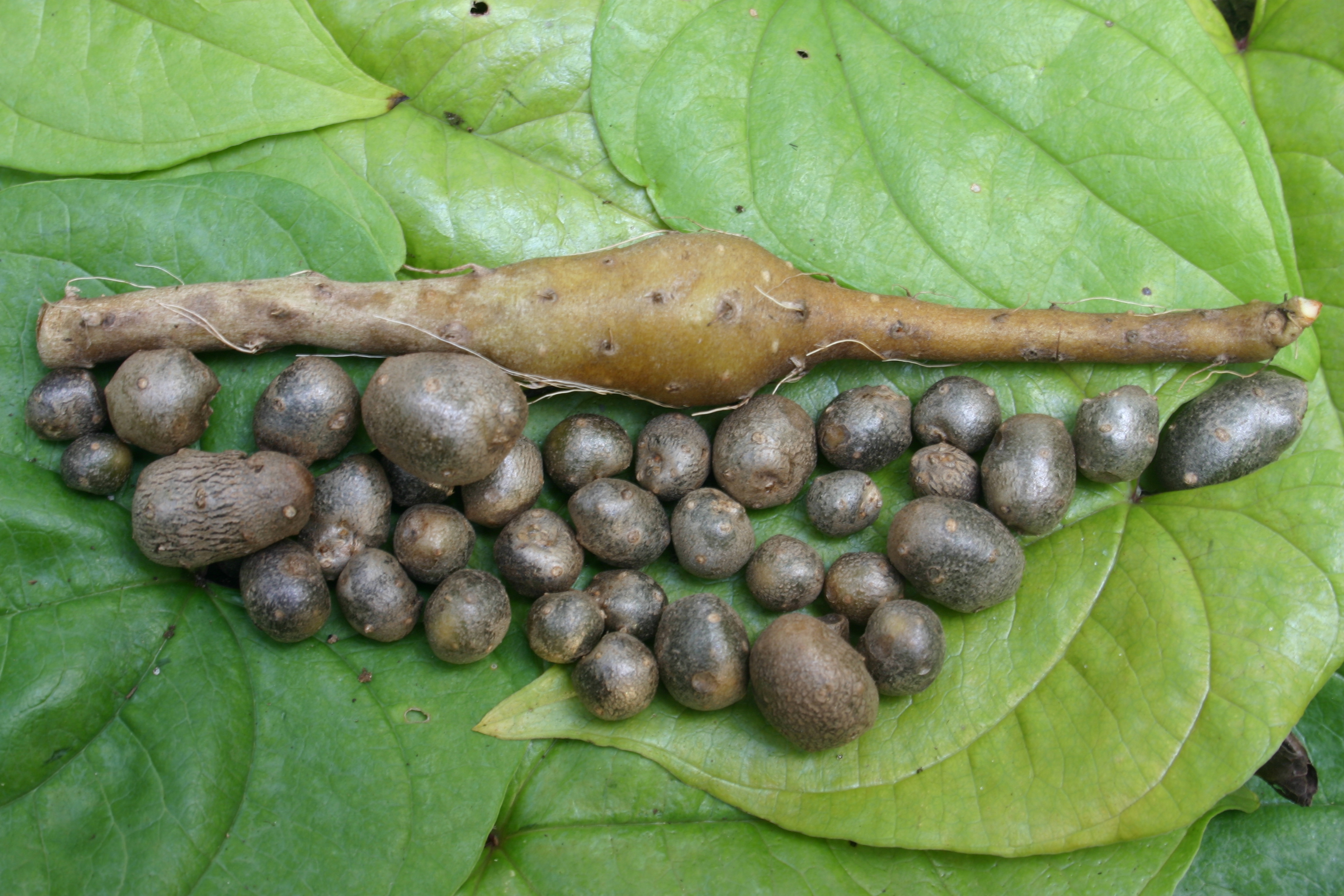
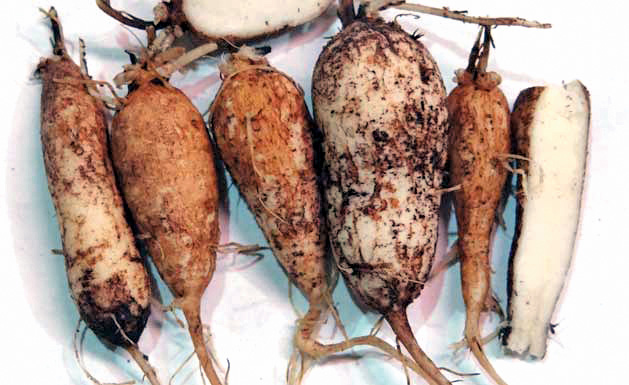
Chinese Mountain Yams- This particular vine requires a very large trellis plus it still has to be accessible for the harvest of the small round aerial tubers. They form on the axils of the vine. This is the easiest part of the plant to harvest and use. It is such a wonderful perennial vegetation yet the harvest of the main tubers even if done by hand with long drain spades is very difficult. Using the word harvest is a friendly term. I would prefer to say extraction like mining. It was slow and hard to retrieve full roots. For that reason you will see many unique growing containers and systems to capture the most from this species without having to dig three foot deep holes to retrieve a tuber. One of the most simple is evestrough like devices buried with the tuber planted just above it. This way the tuber takes a left or right turn rather than going straight to the center of the earth. Another is to use grow bags in or out of the ground. Very easy to contain. Despite its vigor, it is a plant that grows well but does not spread easily because it’s sterile (the plants sold are all female plants) and the bulbils freeze and turn to mush in the winter if left on the ground. But it does regrow new tubers under existing tubers so for that reason when I grew and sold them I used to till next to the vines to prevent competition and make it easier to harvest the larger tubers.

I used deer fencing for this tuber’s vines as it will support a lot of weight to it. Deer fencing is plastic mesh which is 1.5 inch square seven feet high. A wire on top as well as metal poles and guide wires to support the weight is needed. There was a lot of mounding of foliage on the top which required a ladder to harvest some of those tubers at the top. One of my customers told me they preferred locally grown tubers as they felt the imports were high in heavy metals. This species is grown as a female selection only and does not produce seeds. The tubers do not spread like Jerusalem artichokes. So once you have a trellis system in place, it will last many years.
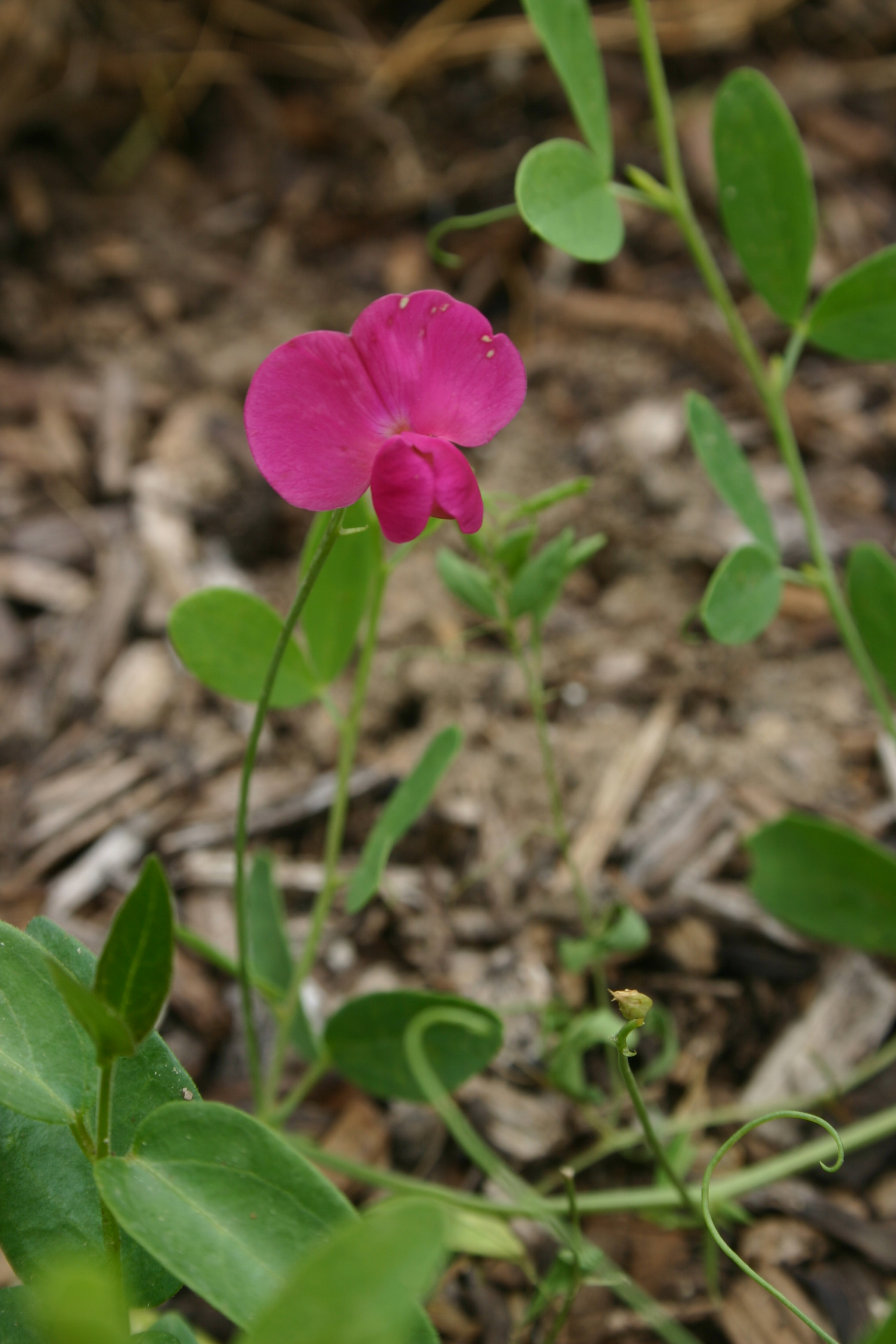
Earth Peas- This was the coolest little tuber with a crunchy pea flavor. The issue was using a trellis system with narrow 1/2 inch mesh to allow the tendrils to grab hold of the structure and move upwards effortlessly. You can use several of these diamond shaped metal fences that are encased in green plastic to stop rust. A three foot tall trellis is fine. The foliage is light and you don’t have to worry about huge production of foliage. The issue with this crop is reliable seed sources. Creating your own seed source helps in this endeavor while searching for unique varieties in the process. Because of its crispy texture and ease of cultivation, it is worth growing. It does better in cool climates. I really loved the flavor of this tuber.
Farmerless fields can embrace the power of the vine. Tuber crops perennial in nature can supply us with deep rooted crops rich in nutrients from deep within the earth with nutrition far greater than our annual crops are now. This is one avenue to pursue by use of a simple trellis system and show others how these vital and vigorous plants can help us and our beautiful planet. Global in nature, we share all foods to help the world family reach new heights of health.


 biologicalenrichment
You must be logged in to post a comment.