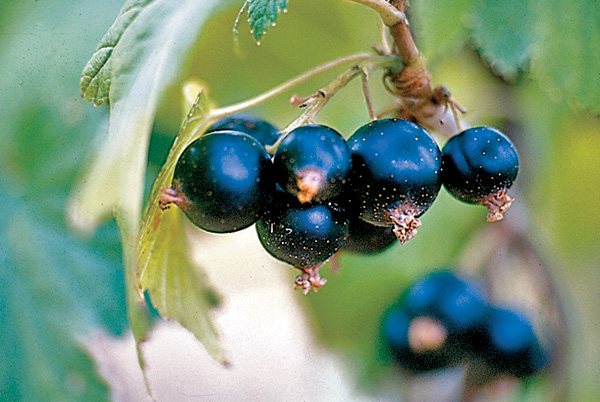
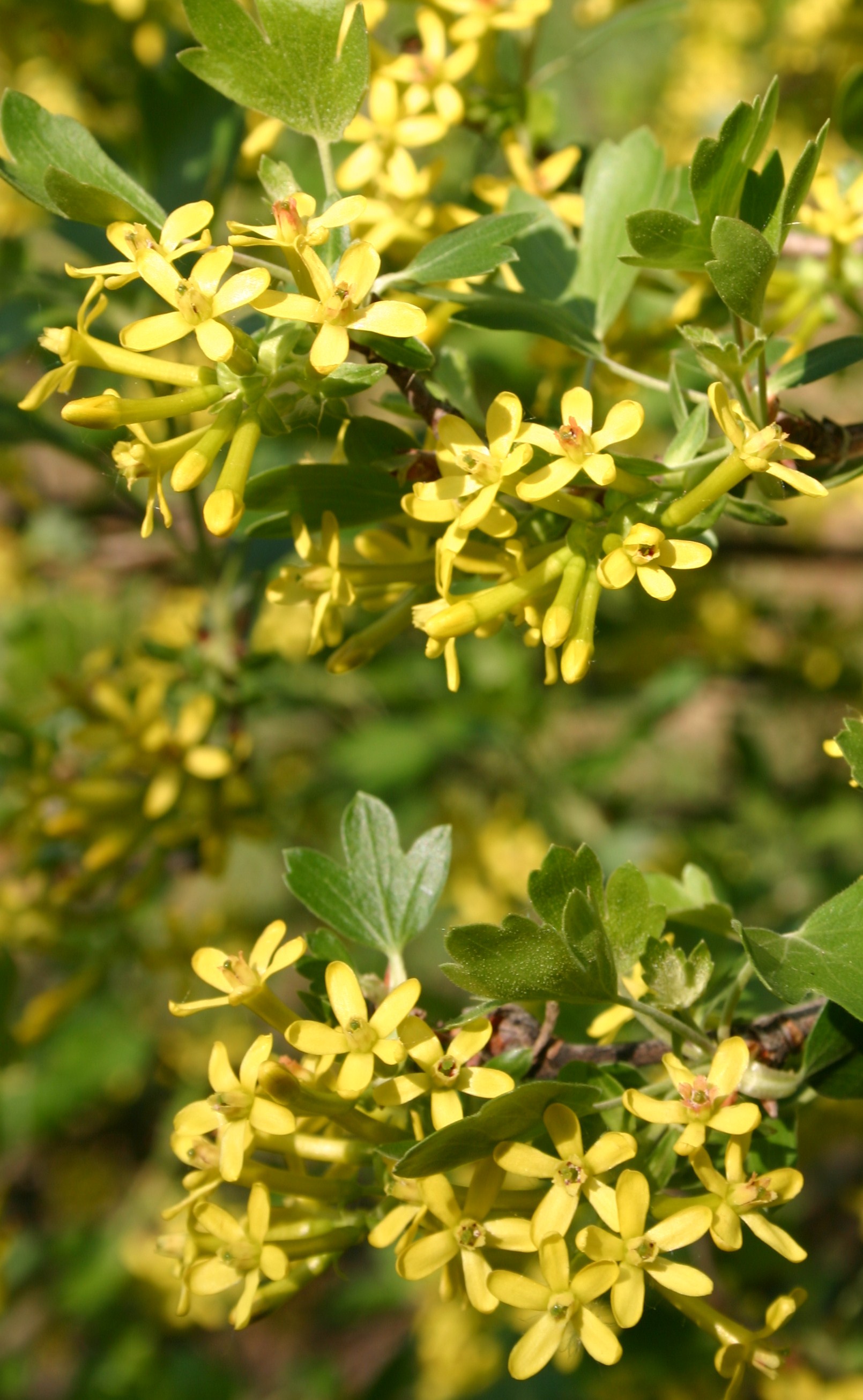
When the ponds were built on my family’s farm, large ditches were needed to drain the water to finish the excavation. It was roughly a 30 acre pond surrounded by a wetland. The ditches near the highway were massive as the road needed to support the weight of eighteen wheeler trucks filled with wet sand. The sand was being used for the Zilwaukee bridge-I-75. The driveway was made of spent industrial cinders, cement chunks and sand. It was the granola of gravel. The steep cliff face into the ditch had little plant life on it. Even the wetland sedges and grasses gave up ship colonizing it. Yet here on the slope was this small wirey shrub dangling fruit calling out to the world “this is not so bad”. Wedged between cinder chunks in the shade of a red maple tree, a bird had dropped the seed there years ago along with some fertilizer. I had read about this Ribes from my cold descriptive botany books. Who doesn’t remember Billington, Shrubs of Michigan? The small taste sent me on the path of fruit salvation. For God sakes, no botanist ate the fruit. The descriptions would fly off the page if they had. There was only a few clusters of fruit on the small shrub but it was enough. I collected them and cleaned the seed and brought it to my nursery. I wanted to capture a bigger picture of the plant and how it could be cultivated. I had dreams of jars of American black currant syrup and other healthy concoctions made on my stove top. It was from here I began the process of growing the plant at my farm specifically for seed production. Apparently, I was not alone in the search for what best could be described as species Ribes that could be cultivated in some manner. In my best Borat immitation, “Very nice.”
The black currant that many of us know are the European types. These have been cultivated for hundreds of years and have a rich history of selection, breeding and growing in many countries throughout the world. That was a different fruit entirely. Yet if I was starting from scratch, the American black currant would still be considered black currant. That is how people would view it. I would have to come up with a different identification with it because the black currant is in so many health products on the shelf already. It is pointless to reinvent the wheel of currants. I met a nursery person named Clayton Berg from Montana. He was a big fan of the buffalo currant, Ribes odoratum. I was purchasing and growing many of his currants at my farm at the time. We were able to collect seed of it and enjoy the flavor of this western wild currant. Yet it too was very low yielding and not particularly adapted to Michigans’s climate. Eventually the plants faded with time and died out. I met a USDA scientist who visited my farm that made a seed selection called “Riverview” American black currant. It was found along a river in North Dakota. The images showed very heavy yielding plants with dense fruit clusters. It was a dream come true, yet they too had low yields in my limited grow outs. Even today wherever I plant them, there is beautiful flowers, large amounts of pollinators in my genetically diverse plants yet few fruit. My first accession American black currants still persist and grow at my home. I love to smell the fragrant flowers. The frustrating thing is I cannot share it. It is too little. I have hit a dead end.

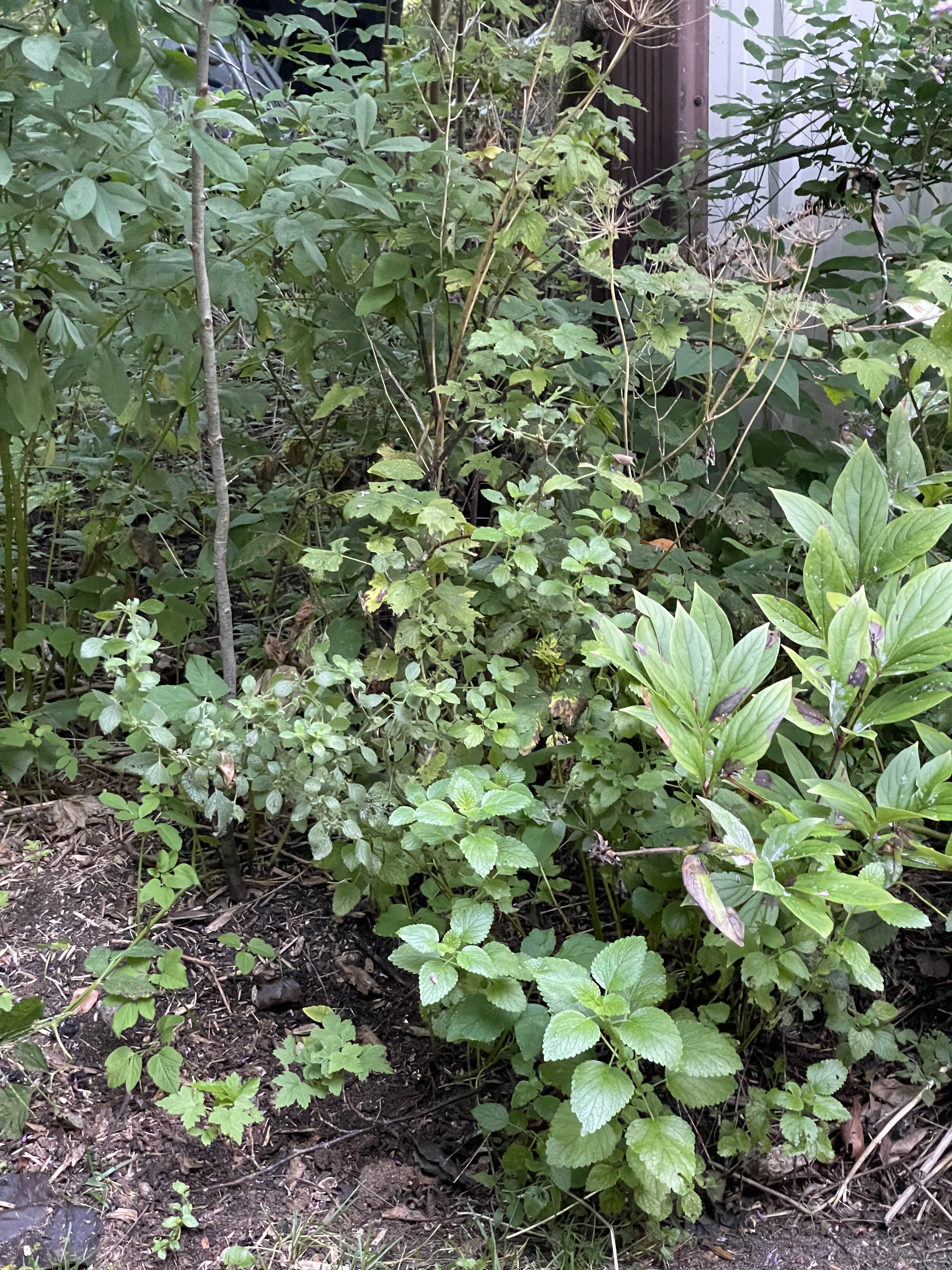
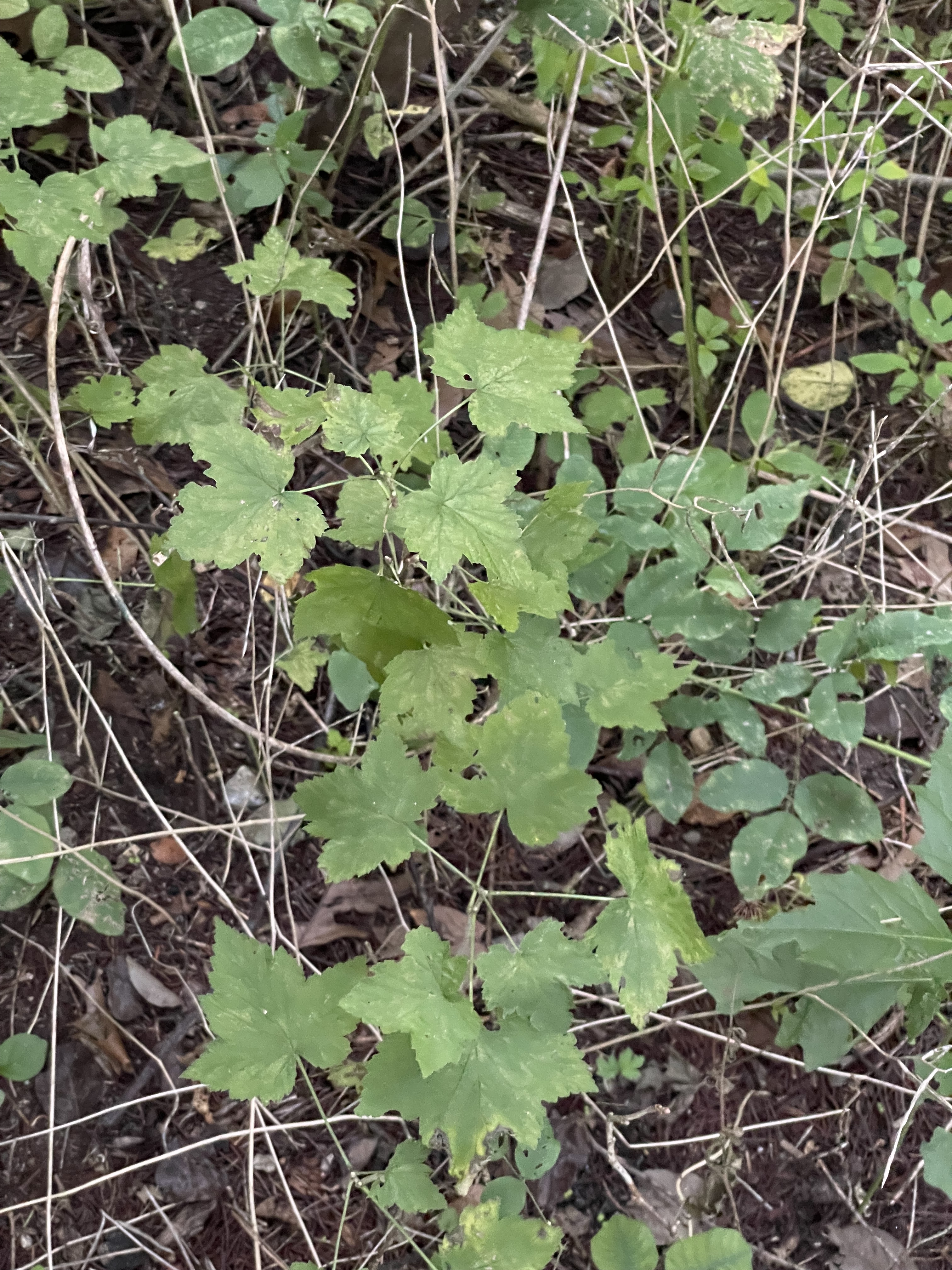
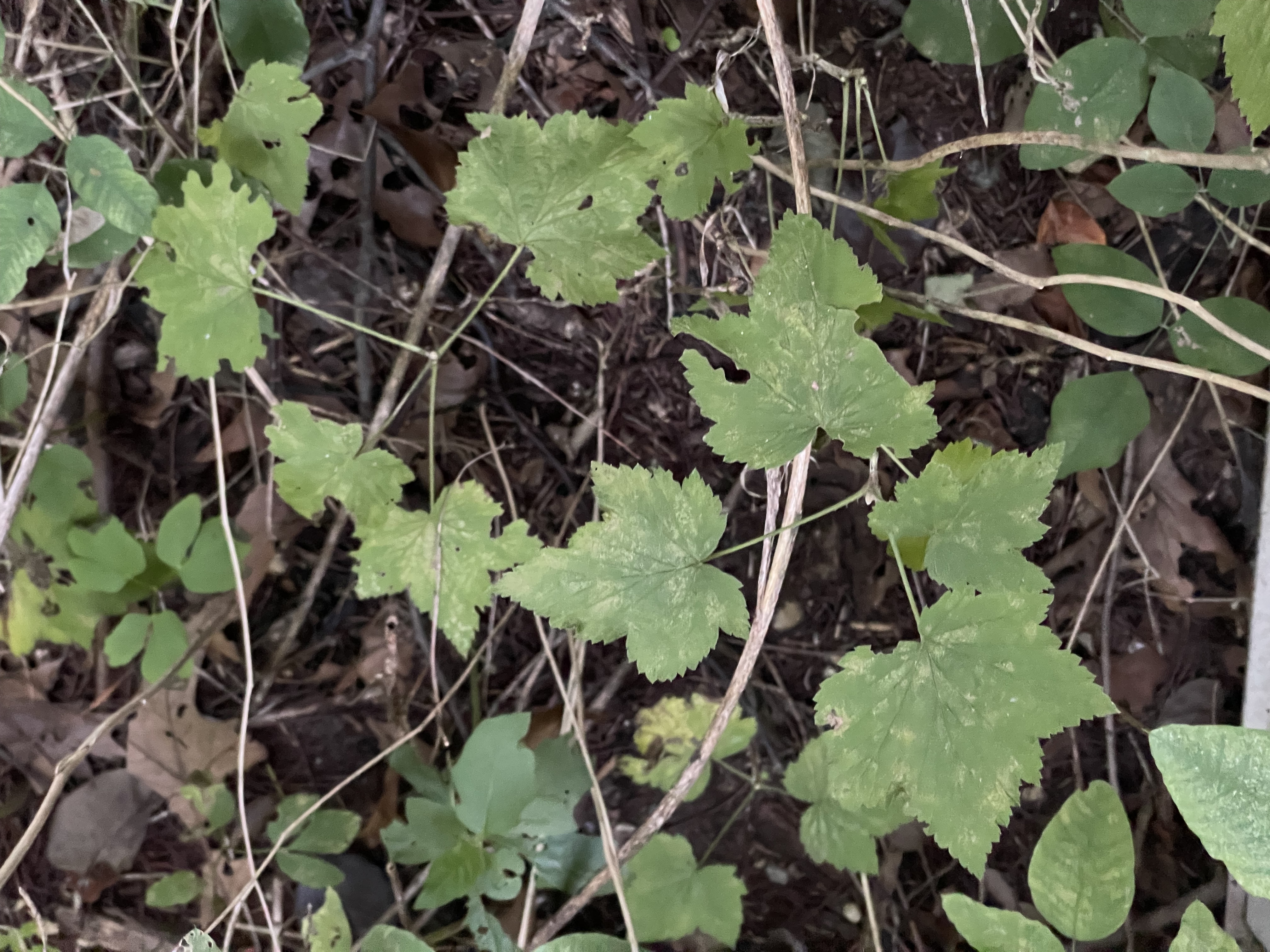
This year I found the rest of my Ribes americanum still hanging on after 30 years. I am going to fall plant a more robust group. These were plants that showed excellent flowering, growth habit with zero leaf disease. Most of the seedlings look very nice. High five! In a Borat way! I have this thought that if I put them in a new area they will thrive again. I have no plans to alter the soil with cinders and cement chunks but I am trying gypsum with a top dressing of chicken manure and mulch with composted hardwood chips. There is one more dead end. This time it’s a human induced one., Ribes is the most regulated plant with a long history of restrictions going back to the early 1900’s due to white pine blister rust. This makes it very difficult to distribute throughout the United States. Each state has different regulations some of which are county or regional restrictions. But it is possible to offer seeds. But once you got the seeds, you may be prohibited from growing it depending on where you live. The data waffles on the American black currant. For a while the USDA said it was immune to white pine blister rust. Then it wasn’t yet no data exists. It landed in the ‘better safe than sorry’ category of rule it out. When I spoke to a Ribes organization they said it was completely immune. The two roads both have dead ends. We will have to create a third road. This one will bring us to our destination . Ribes americanum.


 biologicalenrichment
You must be logged in to post a comment.