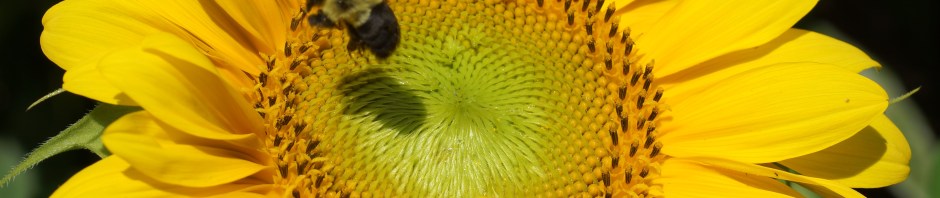

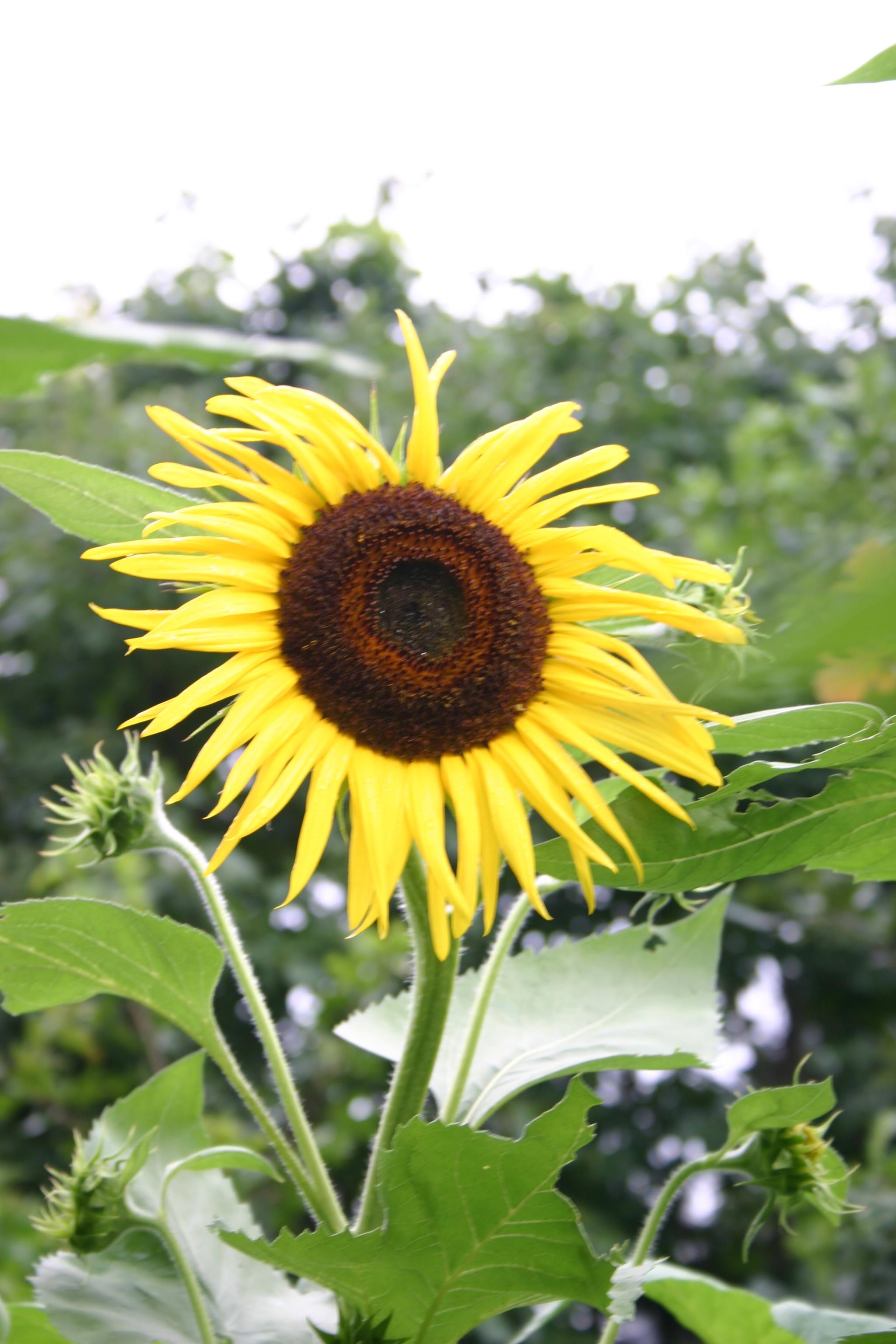
I always was fascinated with the sunflower. There was always so much activity around them. My parents decided to move to a new home when I was 16 years old. It was in a new subdivision in the midst of a suburbian utopia. My dad hired a nearby landscape architect and nursery to put in the landscape. The landscape looked identical to all the other landscapes in the surrounding homes. It had the junipers, media yews and crabapples. My dad added a few white birch clumps from the farm. Perfect. The whole thing was exactly what you would expect to see. A couple of years later, when I came home from college during the summer, I would sneak in sunflowers between the shrubs. No one noticed until they started flowering. My parents started getting good comments from the neighbors who thought it was quirky and cool. My dad found it annoying and wanted me to stop doing it. Quirky and cool was not for him. Back off on the sunflowers son. My mom liked it and soon we began to plant petunias in the front yard near the groundcover junipers. Not long afterwards, a few other people down the road planted sunflowers around their mailbox and garages. My dad relinquished and let the sunflowers live but I could not put them in great density like I did the first time. It was my landscape art. I made it look like a South Dakota sunflower field blended with a modern suburban landscape circa 1970. I call it South Dakota Suburbia. Like a well worn lesisure suit, that landscape was not all that exciting to begin with. As time went on I added northern pecan, cactus, yucca, apple, metasequoia and bayberry. The pecan and oak are still there today looking spectacular.The whole sunflower thing was attracting too much attention. To begin with the sunflowers are heliotropic attention getters. Very gawdy. Perfection has arrived. Ta-Daaa.

It’s a different story today. The ornamental aspect of sunflowers has been highlighted by numerous colors and forms with super breeding and the strong floral market. It was Stokes Seed Company that offered the first red sunflowers. I grew those a couple of times. I only knew of Mammoth up to that point. It was the standard. The seed production for oil and its edible seed is like hybrid corn with many selections all from North American genotypes many bred in Russia. I knew by the early 90’s that it would not be possible to add to that genetic diversity at my farm in any meaningful way. With that in mind, I grew several wild forms including species types as a sort of filler for landscapes that were more or less in transition much like my old suburban family home. I sold small packets of them for $2.00. Some of these species and their counterparts of Native American selections were not grown commercially. I was wondering if the wild forms or species had unique flavors and oil qualtities. Often these qualities are left in the dust in modern plant breeding.
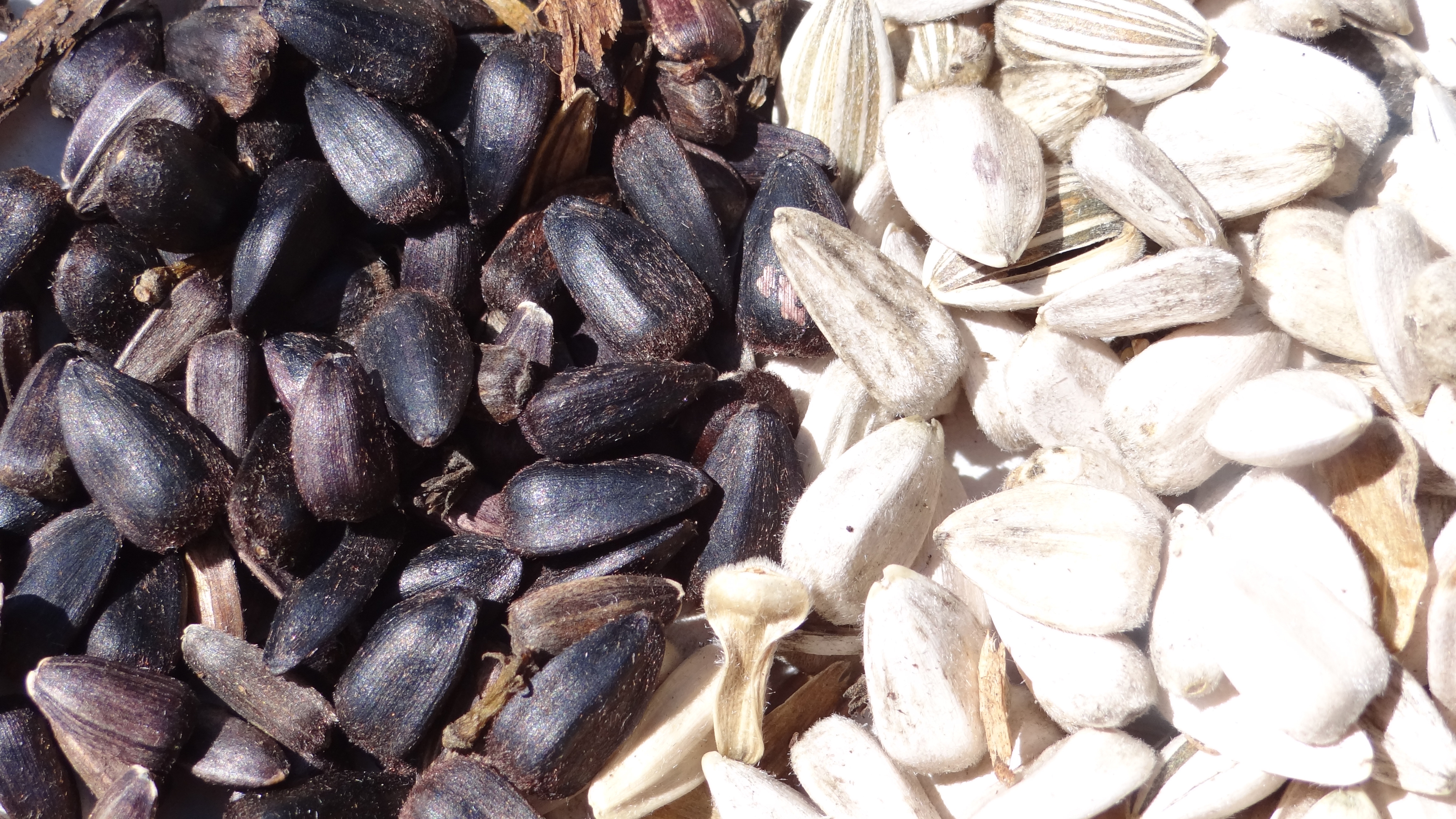
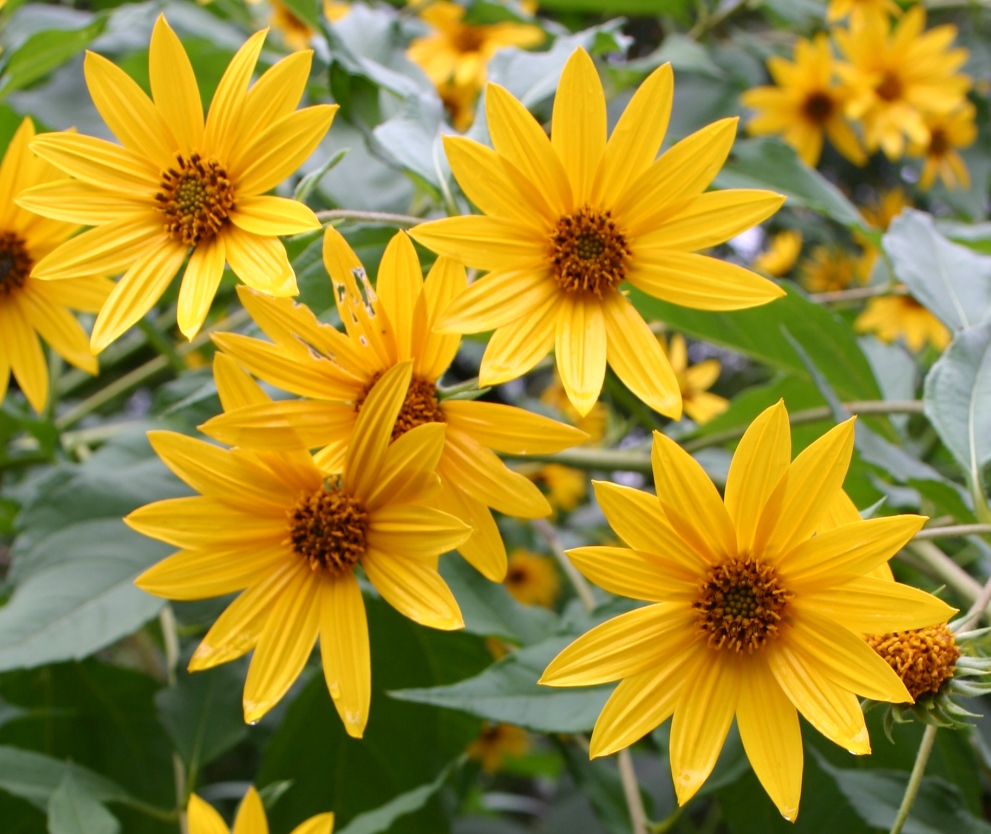
I began the grow out of perennial sunflowers and began plantings for seed production including using the Jerusalem artichoke, Helianthus tuberosus while finding and creating new selections in the process. My world was becoming full of sunflowers. At one point I met an actual sunflower breeder from Canada who was working on extremely short season sunflowers for oil production. I lost that strain but found others almost all by accident. It was like the sunflowers were finding me. I could not stop making eye contact. No one can. At one point while renting a vacation home near Lake Michigan I found an accidental seedling dwarf sunflower that had ripened very early in a mulched yew and rose bed. It reminded me of my hometown sunflower plantings. I started grow outs of that strain at my farm winnowing it down to the poly headed forms with early ripening.They were both black and the grey stripe types mixed.
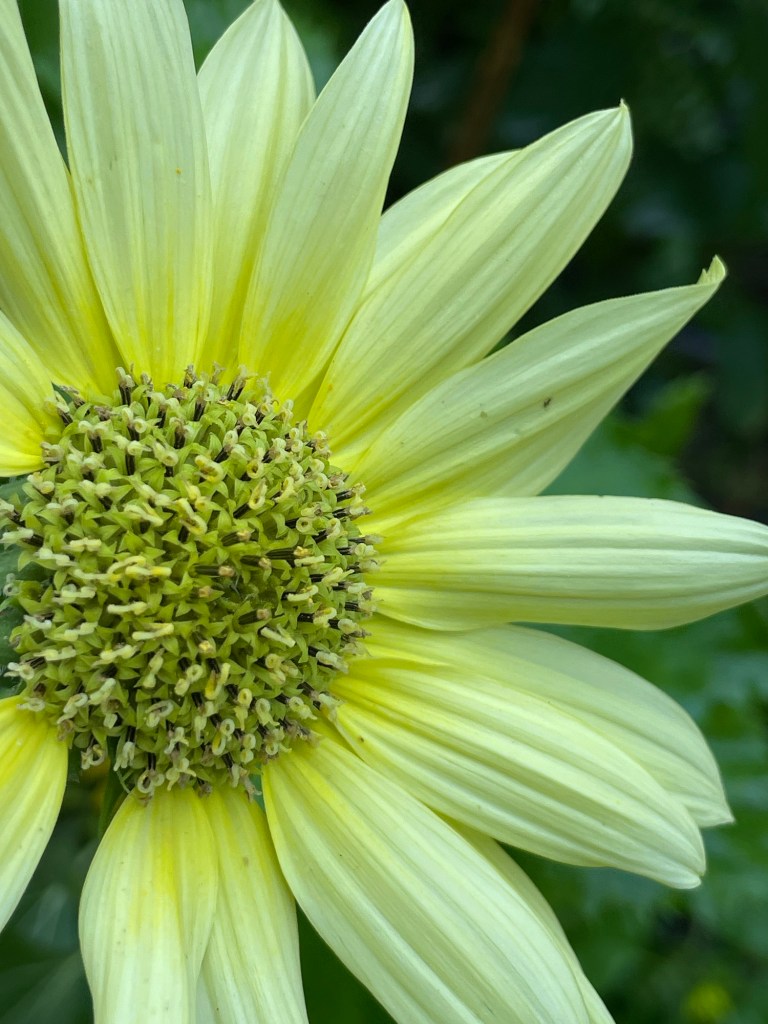
Even this year, I still keep company with a few sunflowers. I find another annual species to grow and buy a few packets from a specialty seed company that has wild species in different locations throughout the U.S. There is a lot of diversity. When I did this in the past I soon found out that many of these so called sub-species are very unique in their flowers and foliage yet they also may not look like the images on line in many ways despite the seeds being wild collected. They do not sit still in their morphology. This is the nebulous world of part this and part that. Subspecies means it is a branch off the tree of Helianthus annus, the edible sunflower most of us know. It is a genetically complex plant easily connecting species and selections one gene at a time like a bridge with infinite highways all creating a uniformity of characteristics. You could create a hybrid and not even know it.
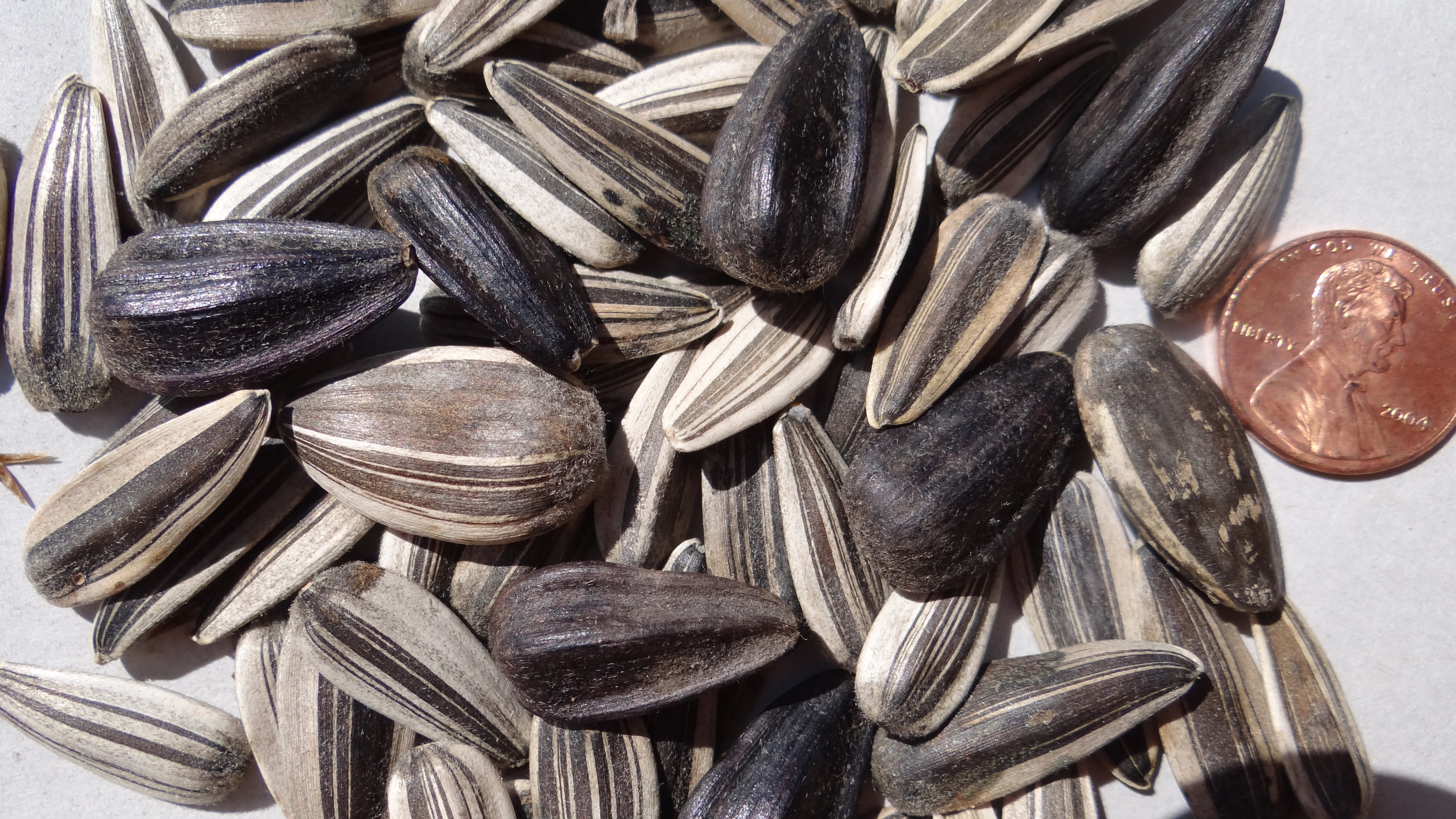
I grew one variety called Havasupai. I knew the story of it as a wild relative and the Native Americans that fostered this selection in the southwestern U.S. It was used in breeding to save the modern sunflower because of foliar disease. I had not heard about its flavor or potential for oil as it existed in its wild form without hybridization. This was a surprise. The flavor of the seeds was like a concentrated elixir of sunflower with the fragrance of a boquet of fresh sunflowers. Like everyone else I was chomping away at the roasted sunflower seeds I buy when I fill up at the gas station. The gas station sunflowers are a bit mealy, pastey with a hint of canola oil mixed with sunflower. Even the ranch and barbeque flavored ones do not mask or help the rather weak flavored seed. With Havasupai in tow in my memory bank of flavors, I had a standard to go on and to find others with similar attributes but possibly more concentrated in flavor. For that I had to go a step down the ladder of domestication and go into uncultivated and wild species as much as possible while looking for high yields.

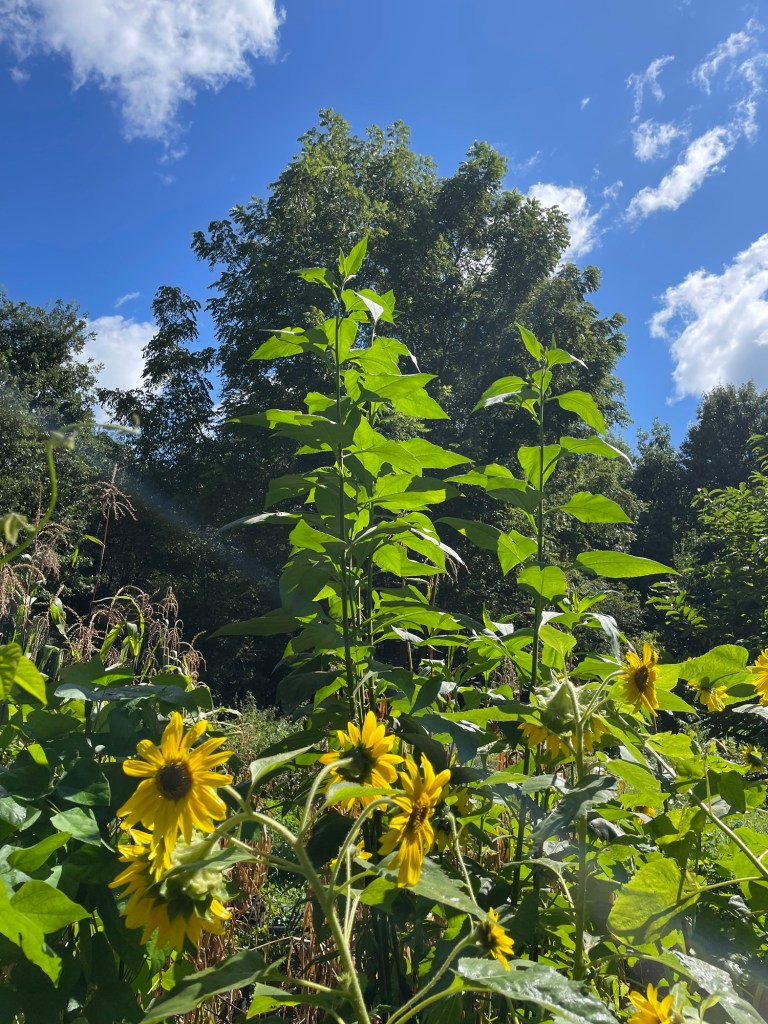
Is it bland, oily, rich or cardboard? It is surprising in that each sunflower selection is different. The species types can taste like a pine cone. My goal is to taste as many sunflowers as possible. I am finding the short season plants under 60 days. It is different type of selection because you want small seeds and heads to fill all along the stem. You want the strong over the top flavors minus the barbeque and ranch. But more importantly when people taste even the raw seeds they experience the ‘wow’ factor like I did when I first started looking into this. I visited the Chicago Botanical Garden’s sunflower collection once. It was my Jimi Hendrix moment where you want to throw out your guitar. It reminded me why I thought I had nothing to contribute because it all ready existed. The sunflower is very unique in its ability to redefine itself. It can change and realign your thinking about it and how to best harness the sunflower power. It creates a new means of expression very easily. Like a dahlia, changes are always going to happen in unexpected directions. You just have to be there and notice. It’s a good example for woody plants. There are the tiny heads of sunflowers filled wth great abundance along the stalks of the polyheaded sunflower.
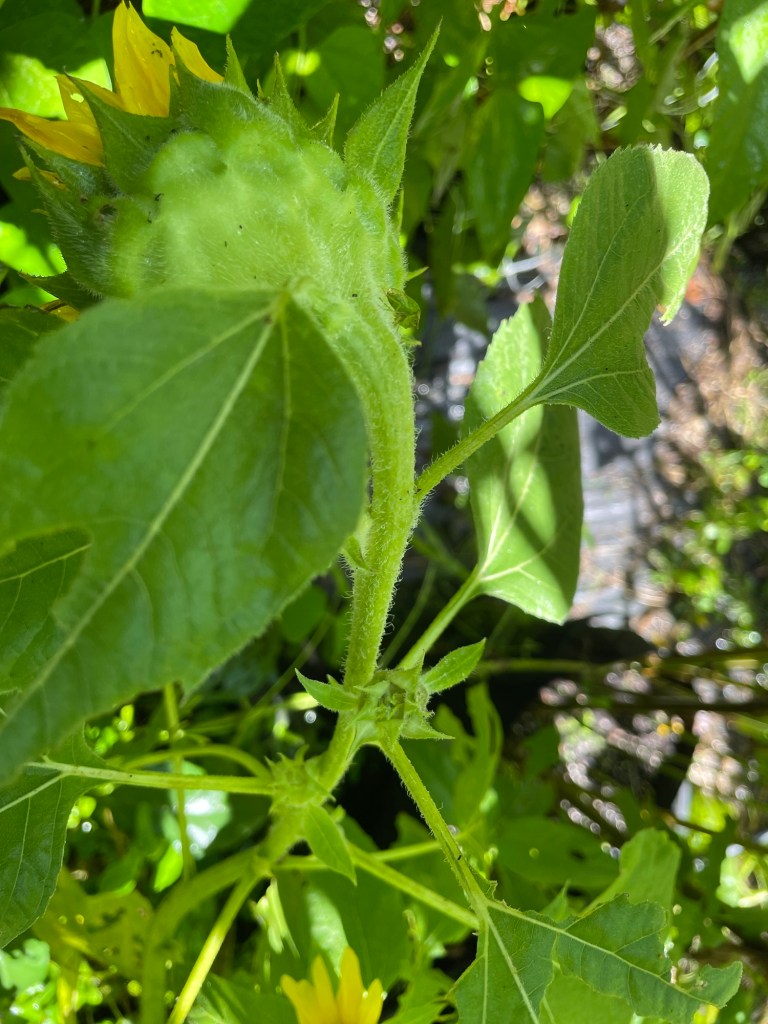
I still eat the roasted sunflower seeds from the gas station but now I know what I am missing. I know what I have to do. I know the solution has already been laid down long ago in a pristine land untouched by humans and a suburban utopia. I just have to capture and share it with others in the way of the sunflower. What’s not to love?
Enjoy. Kenneth Asmus


 biologicalenrichment
You must be logged in to post a comment.