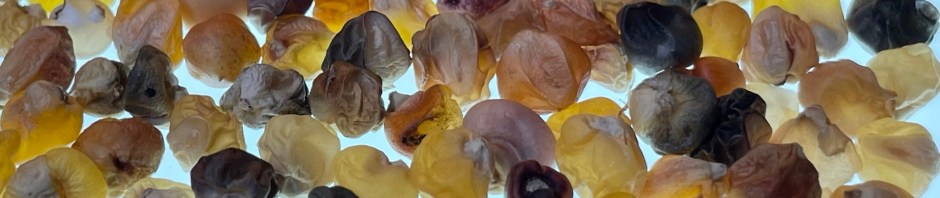

Going to the Ocean of Corn Where Waves of Diversity Continually Emerge
Like an ocean filled with innumerable waves, there is no end to plant diversity. When it comes to a common cultivated food plant like corn, the species becomes very uniform over time. From a population level, the ocean is calm with only a few ripples. The original two or three species that create the corn as we know are hidden from view. If you have ever seen volunteer corn in a soybean field or along the road somewhere, you know immediately corn that has departed from cultivation will not survive long. Often there is no cob or kernels. It needs our robust support system because it has essentially ‘evolved’ this way with our management systems. Even to hint at trying to breed or select something for the sake of growing corn seems hopeless to me. It is probably already in existence. Nothing is new under the corn sun. Yet there are many people who love to breed and experiment with corn especially for human consumption. It was when I started growing woody plants that made me realize the value of corn because the diversity found in the natural world is not the same type of diversity found in the corn world. A corn field is not looked at the same way a forest is. It could be. But then it would not be corn. Corn today has to be very uniform. What if it could be the opposite?
From my experience, I do not have the required background or resources for such an endeavor in terms of real corn breeding. To a corn scientist, they would see my credentials as a C minus high school student barely squeaking through college as a part time church janitor while working in a greenhouse that grew roses. In college, I flunked genetics and had to retake the class. Check the box, NOT likely to improve corn. But I think I could find the forests of corn. I am sure it lives somewhere outside of my farm. I am not trying to make corn better in some way. I think it is fine as it is. Besides corn can do that on its own with the help of all the great plant breeders and scientists. I am sure they aced numerous genetics classes in their careers. If I had to guess, I think corn likes having friends. Let me explain.
Corn has very strict regulations revolving around seed production. You cannot just casually grow seed corn. I had a plant inspector for my nursery do what he called the ‘popcorn walk’ which was hiking back and forth in long rows of fully mature popcorn to inspect for seed. He described it as hot and brutal. The soil where he did his walk was a nearby township which had a rich black prairie earth which radiated the summers heat. Each stalk had to be eyeballed on some level to be certified both for disease and potentially ‘tainted’ corn that was crossed with something else. I never fully understood it until some of my employees told me how detasseling works and the means for busing highschoolers to the fields in the super early morning hours to take off tassels. This system removes the corn’s own pollen to set the stage for hybrid vigor. In the system of hybrid seed production, corn has one friend only. It resides in a row in the middle of several rows of the actual seed corn. The plant in the middle can look rather weak sometimes. Seed corn cannot go outside of its field to capture some sort of wild corn germplasm. It is part of what makes 600 bushels per acre possible. You can have open pollinated corn but even that begins to break down over time unless new individuals are added to the population. It is kind of frustrating on a certain level for plant breeders and the corn plant because that leads to a genetic depression. Corn is depressed because it needs new friends with new stories and ideas! New ideas come in the form of novel or robust expressions. Yet at the same time it cannot be allowed to be the wild apples of corn. Wild apples are crazy and off the charts of imagination only dreamed of by corn.
Yet this was exactly the dream I was trying to create for corn by following the effortless direction from a blue heirloom sweet corn and a northern highland teosinte plant. If you go back to the source of corn prior to domestication, there are a lot of stories to be told that never had the chance. The middle ground was left behind never to be seen again. Humans popped teosinte. Humans chewed on the husks of teosinte to extract the sweet juice, but it was not cultivated. For that we needed corn and corn became our good friend in the process able to change into several forms all of which we enjoy today.
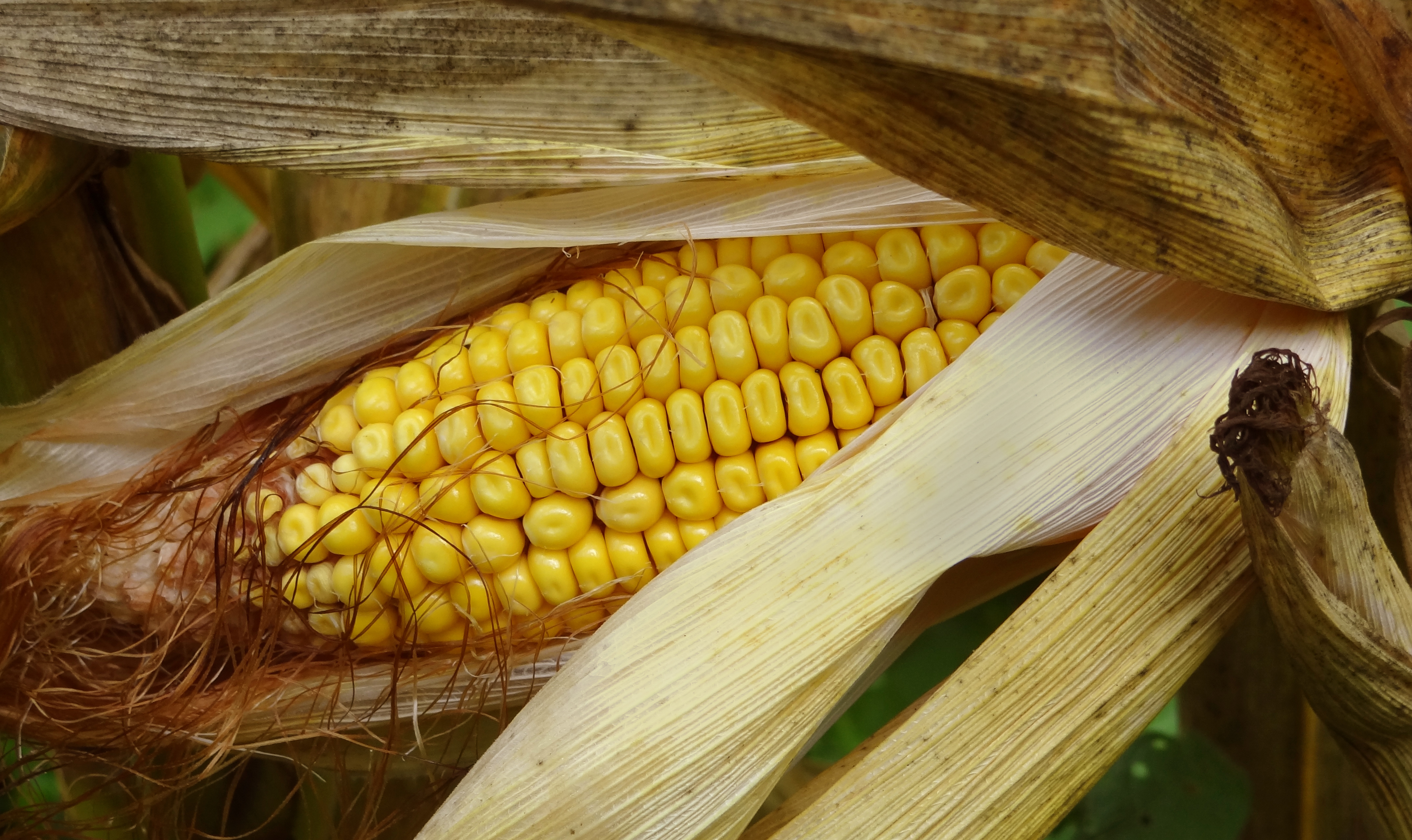
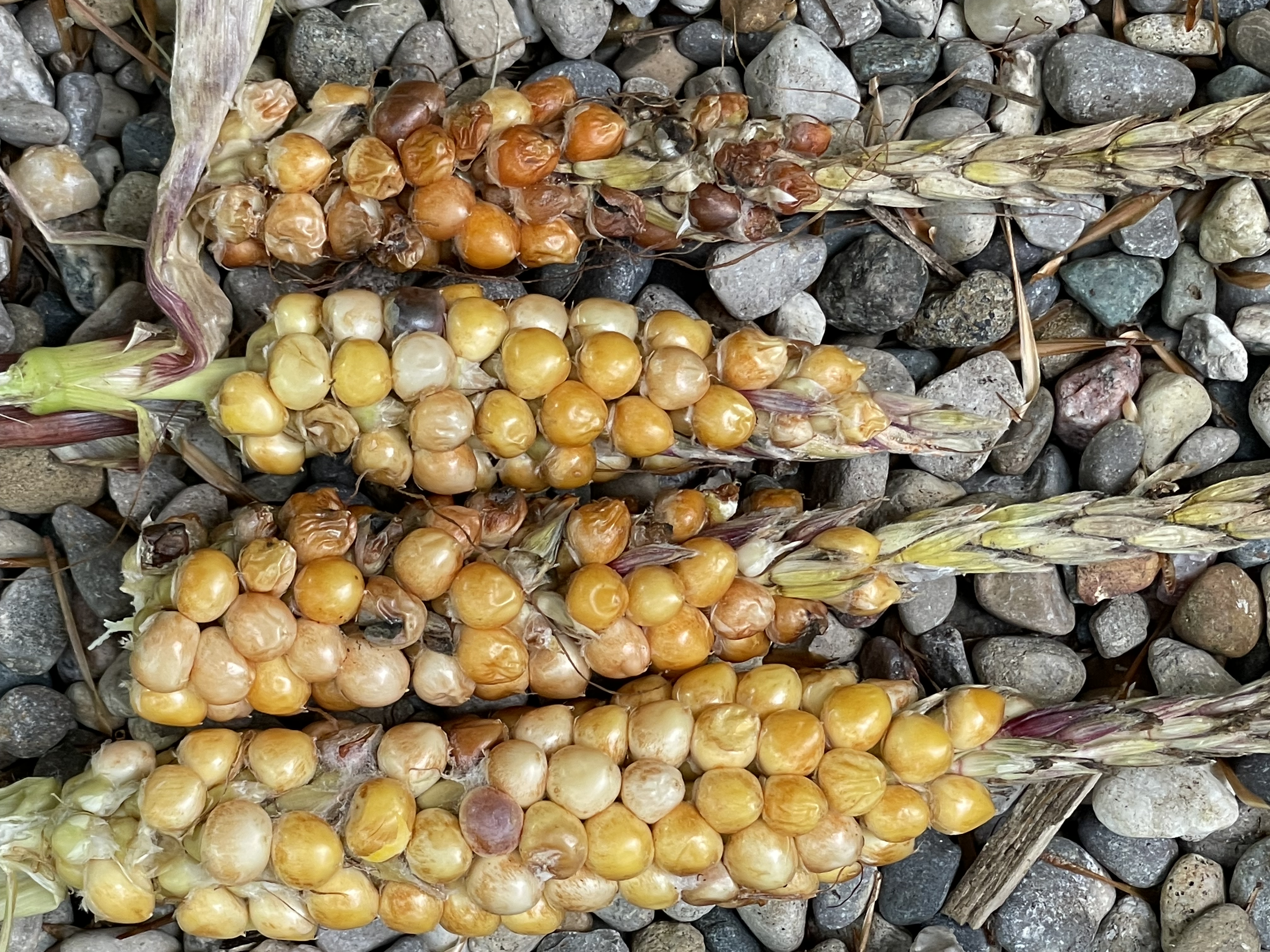
Diversiculture: Defined as a crop plant grown to produce food that represents a population of plants each genetically different with a wide range of expressions and traits. This continues as the population grows over time. It can be a single species or a hybrid swarm or crosses of various forms or selections done intentionally to create a mixed population difficult to define by their characteristics alone, the opposite of a cultivar or variety. Diversiculture represents both wild crop plants that are cultivated and highly cultivated varieties that have been deselected to the point they are unrecognizable from their former varietal status. The diversification can be pronounced or small depending on the plants ability to express itself over time as long as it has the ability to change with the environment.
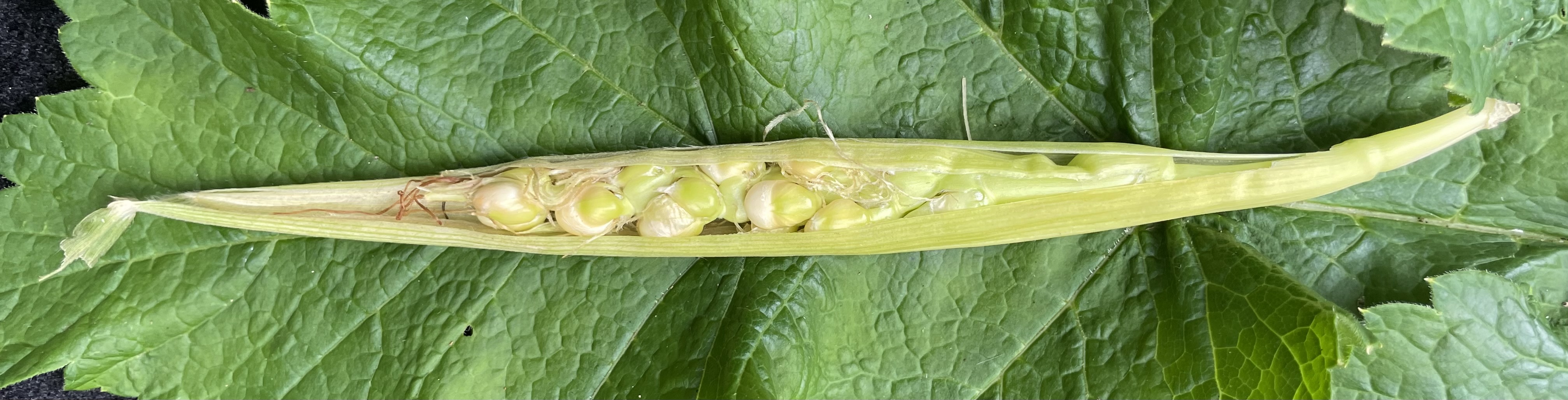
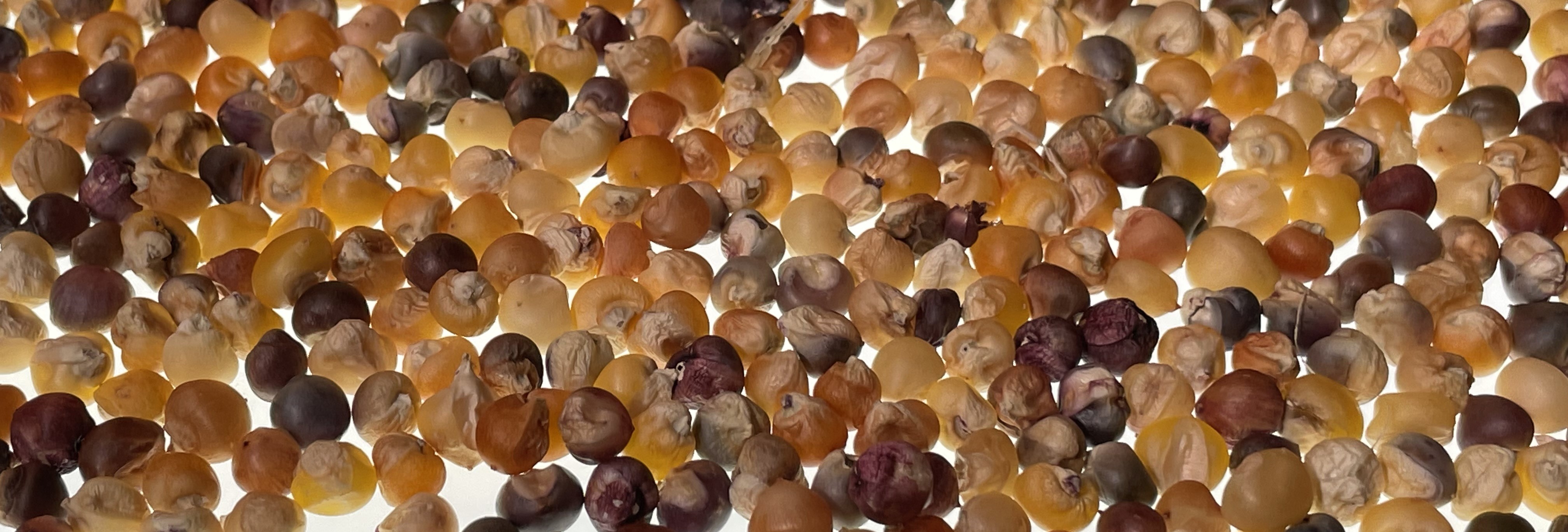
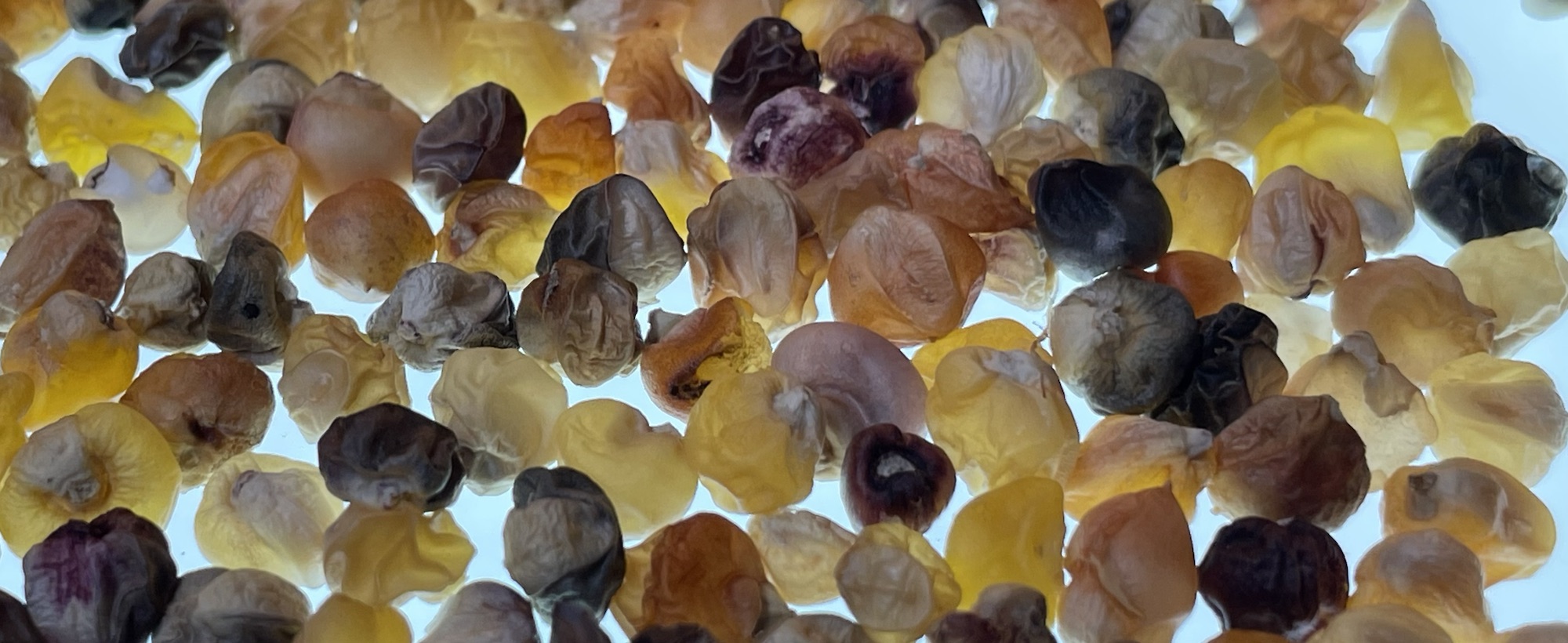
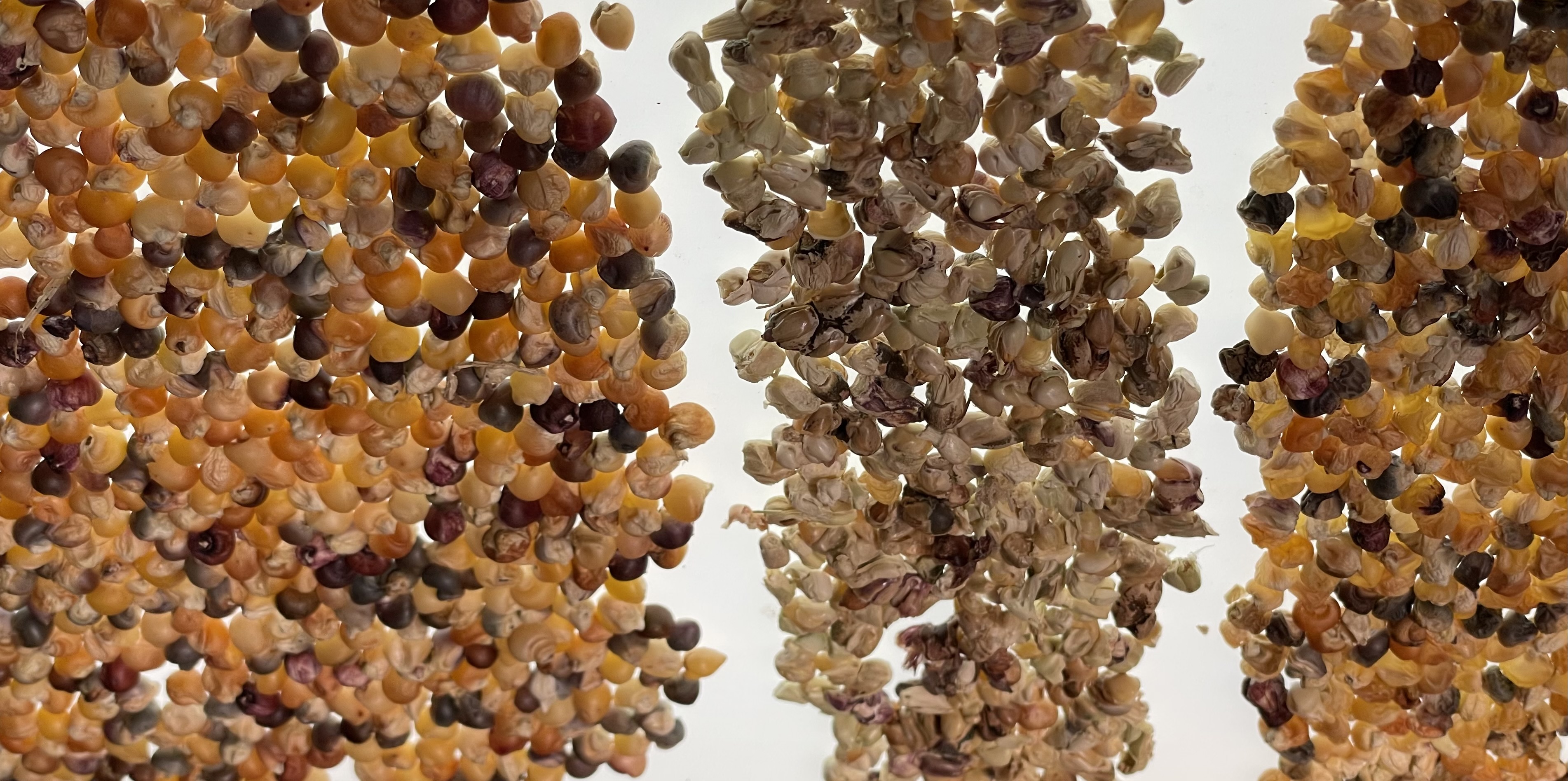
From seed Teosinte to Neosinte to Corn to Pod Corn to Grass: The Full Range of Corn is Explored
Increases Diversity over Time
Each cob can contain three types of corn. There appears to be no direction or uniformity within the population. Some plants maintain some of the original teosinte husks and kernals embedded with the cob.
Eliminates the Need for Resources Outside the Field
The plants’ production of seeds is small taking up less resources compared to its foliage. The seeds can be used over and over again. Depression is not possible as only new stories (characteristics) emerge.
Makes Corn Dense in Minerals and Nutrients
Small kernels are rich in anthocyanins and nutrients which are produced as a grass plant capable of producing a grain. The cob becomes a sheath opening up the kernels to sunlight for the first time in 9000 years.
Soil Improves Over Time
Seed production is a minor component of the plant. The foliage is the powerhouse of the plant replenishing the soil as it degrades quickly into the soil. The stalks are thin as they do not require to hold up a heavy seed load.
Additional Crops from the Same Plant-The Population Creates New Resources
If harvested as silage or for cellulose production, additional selective processes could create multiple secondary populations where vigor and higher stand density could compete with other grass species while remaining genetically diverse. This hybrid population would be grown for a specific use outside of grain production. Seeds could be generated at the same time for planting the next generation.
Creates a New Crop from New Seed Capable of Creating an Entirely New Food Plant
The sweet corn and teosinte cross was successful in creating another ‘corn’ that contains all corn we grow today. It pops. We can create flour from it. It has the crinkly seed sweet corn within it. Yet calling it corn drops it into a category of interesting but quasi-useless corn breeding experiments. It would be only used for breeding purposes or as a wildlife corn. Everyone would see the extremely low yields per plant and bail. This is the middle ground. Welcome to the forest of corn.
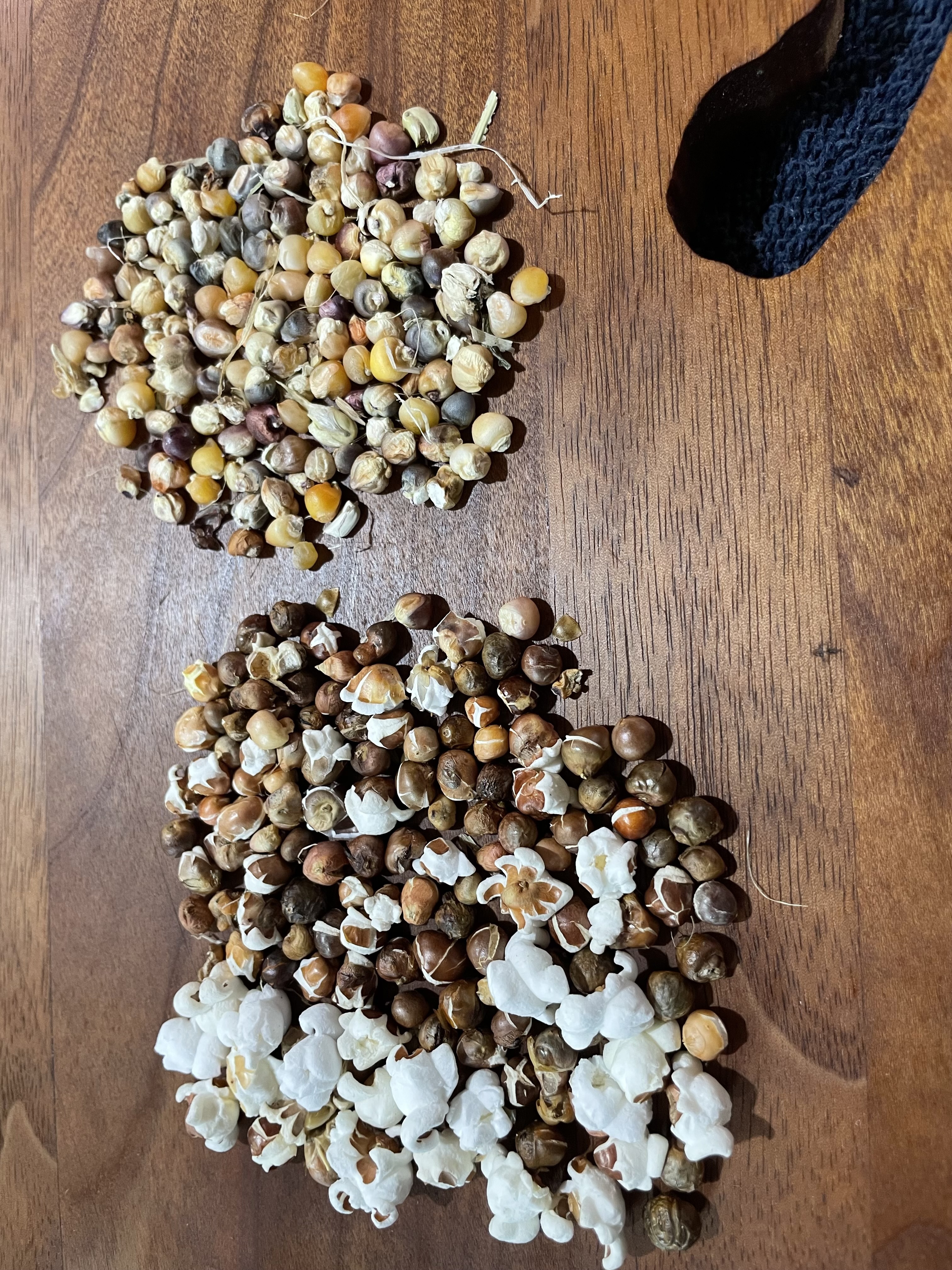
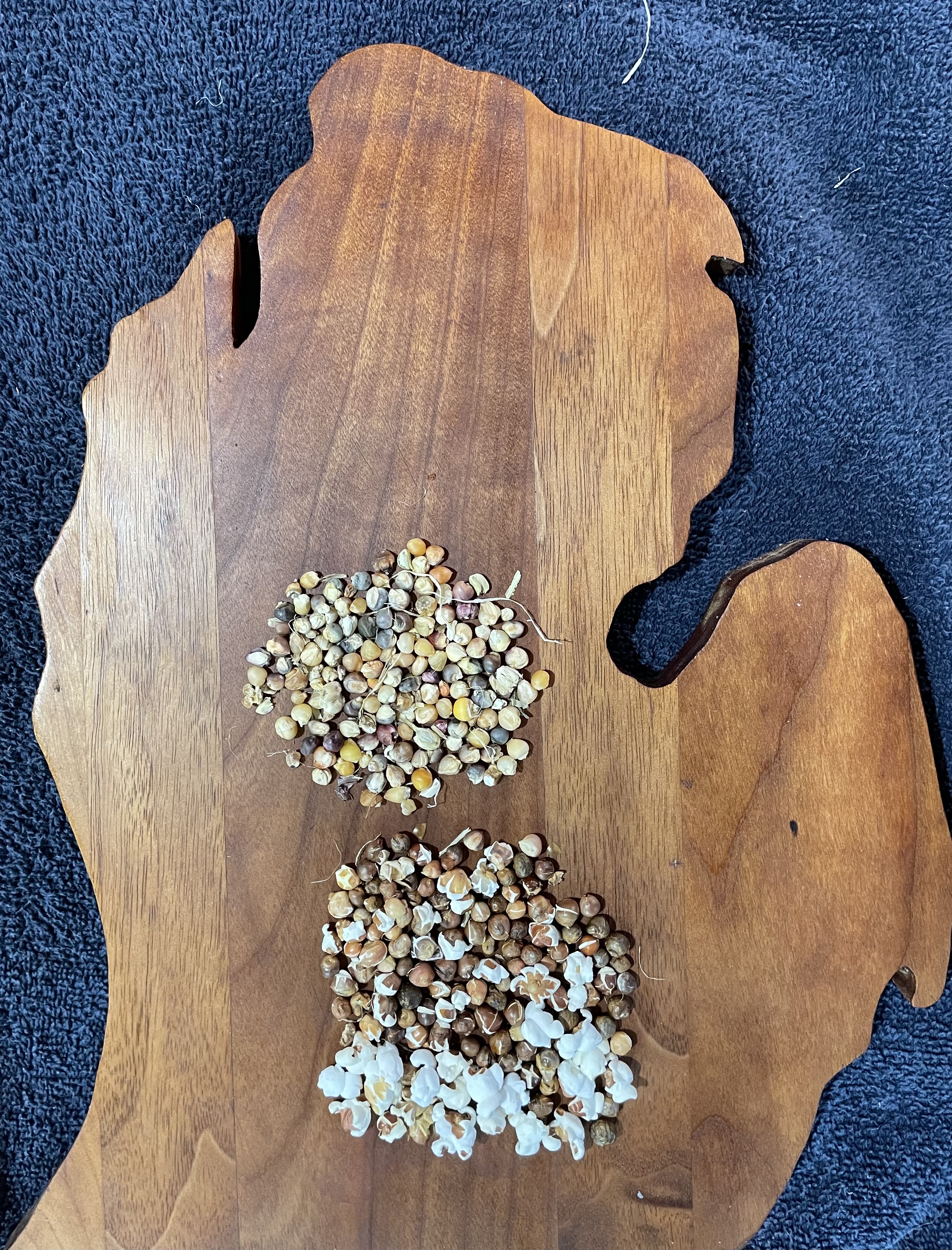
I am told the forest of corn grows in Michigan where the stories get more elaborate as time goes on.
I can tell you one if you want.
But I would suggest we have some rich black organic coffee first because we are going long my friend.
That story may never end.
Enjoy. Kenneth Asmus


 biologicalenrichment
You must be logged in to post a comment.