
For many years I would keep the pits of some of my favorite grocery store fruits and try to grow them at my farm. Every fruit looks so spectacular coming exclusively from California. Everything is also patented and illegal to use without permission including leaf, pollen, buds or seeds. This is to prevent the theft of that variety or any of its characteristics. My experiment it is not being used to generate new cultivars in some mysterious way. I was hoping to create seed strains. I had to try. I could find giant apricots and white peaches that tasted liked sugar crystals. What I didn’t realize at the time was that the breeding of fruits for the specific California climate was not meant for the cold climate in Michigan. Everything died in one winter. This beautiful diversity was useless. The other aspect of it was that each fruit is highly bred like a race horse with specific progeny done over and over again. This produced a seedling not useful for my seed strains.In the end, the grocery store seed although plentiful was not practical. I was surprised something wouldn’t stick. I do not give up easy.
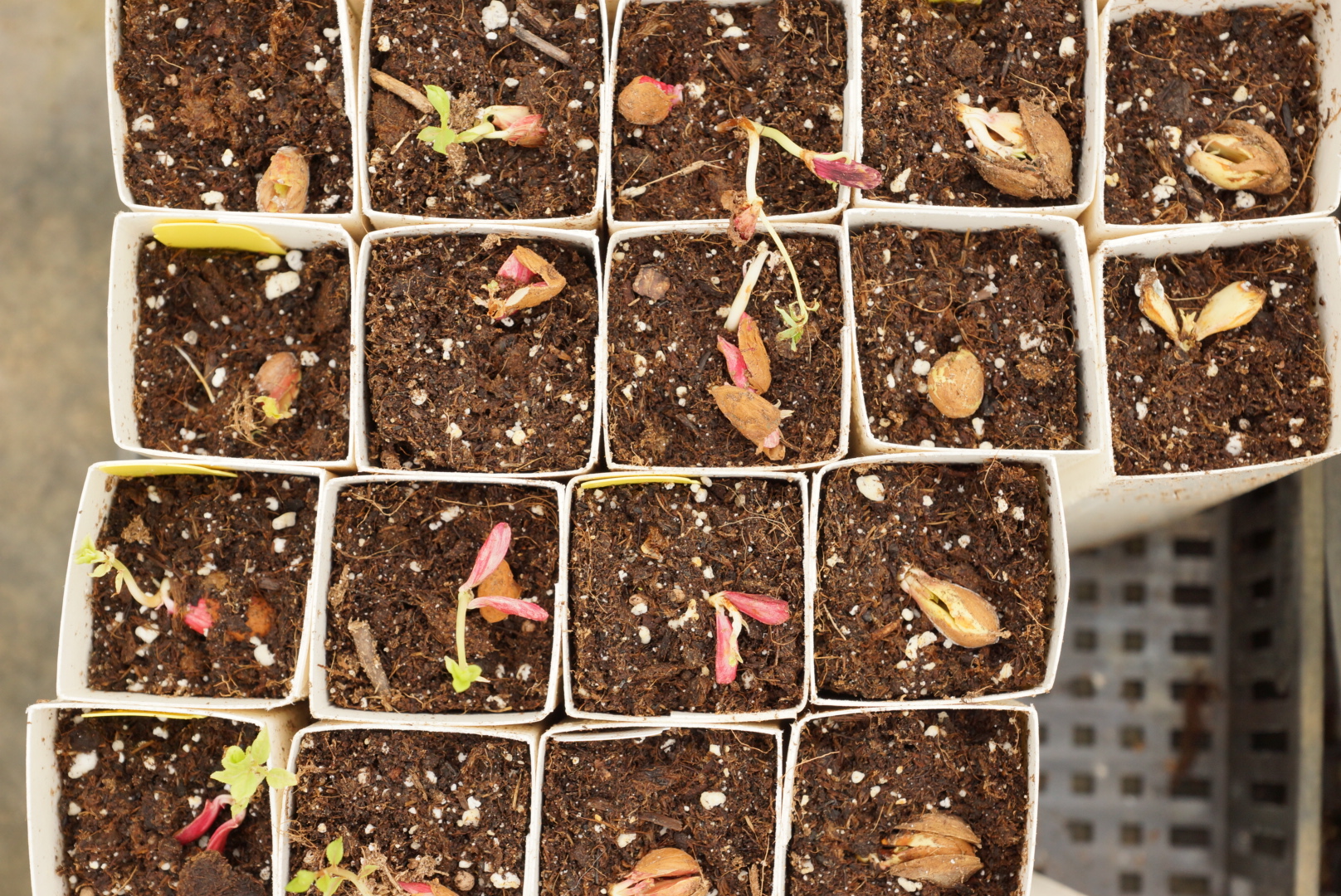
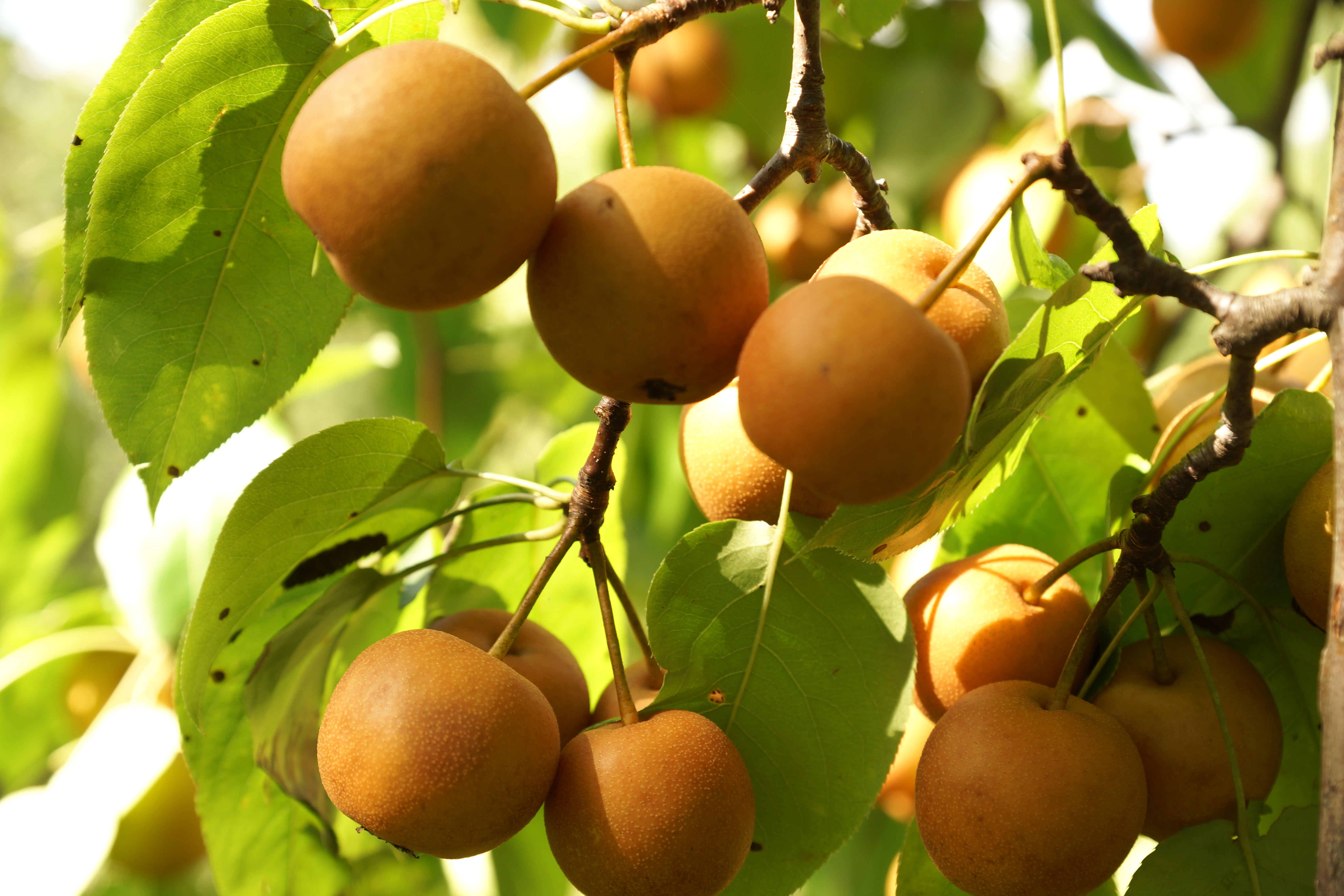
It was the fancy round pears in a mesh stocking that caught my attention. It was truly the opposite of the seedling fruit I grow at my farm for seeds. The Korean Giant pears were expensive and were completely flawless. They were grown in the fruit rich climate of Washington state. It was a type of fruit I had seen before but was unaware of the species it represented or its wild counterpart at the time. I was working with several Korean strains of pears one of which was an insanely astringent pear rich in bitter flavors impossible to eat fresh. It was hard to believe that these are related. But in the world of fruit breeding, you know someone is going to create a selection sooner or later that is delicious and sweet. The seedlings I planted from the grocery pears grew slowly and were constantly hammered by deer in that location. I put five foot tall tree shelters on them and even those got rammed and knocked over several times. Eventually with constant vigilance, I was able to get them up and beyond the browse line. As the trees matured and began fruiting I was finally able to taste test the results as you see above. Each seedling has its own profile of flavors yet you can experience the giant pear flavor in all of them. Even the one that looks like a meteor has a flavor too despite its propensity to have cracks like the Grand Canyon on its surface. A few of the seedlings died due to fireblight and a couple just gave up the ship due to the deer eating the foliage. But those that did make it did represent a chance to clone the fruit in some way and bring in another Asian pear variety into existence should you want to. Since the parent was not patented, it is free to distribute. From what I have been told by real plant breeders, it difficult to bring a new variety to market and make a profit from it. The Asian pear selections are becoming popular and there are many varieties of them now. In the past there was one: Korean Giant. This was the source of my seeds. Worldwide there are natural hybrids of it as well and this helps create new selections.
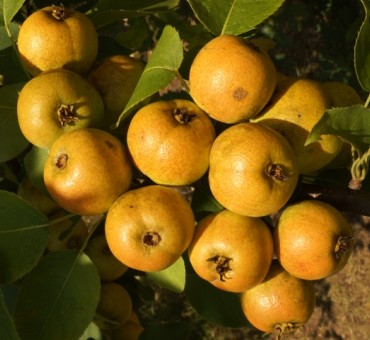
Amidst the piles of grocery store fruit I tried, one stood out and made it through three decades of Michigan winters. It was adapted, useful and delicious. Mesh nets are not needed. Unlike the wild Asian pear below, the Mt. Kyebang crab-pear is destined for syrup and jelly. It is said to be a hang over cure and the compounds within suggest a type of adaptogen not normally found in fruit. Here lies the surprises found in the grocery store fruit usually overlooked by modern breeding. We find dense flavor, medicinal fruit and a new type of climate to grow it in. The grocery store fruit has some surprises and my attempts brought to light the value of using what we find in cultivation today. Next time, I’ll try the farmers market and try to avoid the patented fruit.
Enjoy,
Kenneth Asmus


 biologicalenrichment
You must be logged in to post a comment.