Every time I see seeds on a rack in a store I stop. They are always very organized. The packets jump off the rack. They are small and easy to pick. It is like the space between your hand and the seed is a quantum realm in a frictionless vacuum state. I love yellow wax beans. I need yellow wax beans. Instantly I have the yellow wax beans. There are more behind which keep popping out. How deep is the rack? It seems to hold a lot of seeds. When I was a store manager of a local garden center, people came in to buy bulk seeds in the spring. We would line the seeds up in clear jars like candy. We had an old scale. We sold a lot of seeds. The racks were near empty by the end of the day sometimes. There was few places that had seed racks back then. Today that same seed market is still there and going strong. The woody plant seed market is there but doesn’t exist in a cardboard display in the world of retail. Instead it lives as a direct by internet enterprise only. It is just not practical to sell seeds of woody plants in a store no matter how you frame it. Whether it’s local, native or exotic it’s different because now you have something people have to think about first. Also the dormancy requirements are too complex and slow for most people. I went full seed ahead fulfilling our small market. People did enjoy having a chance to tap into this diversity that would normally would have gone unnoticed by the big seed companies. Here are a few of my favorites.
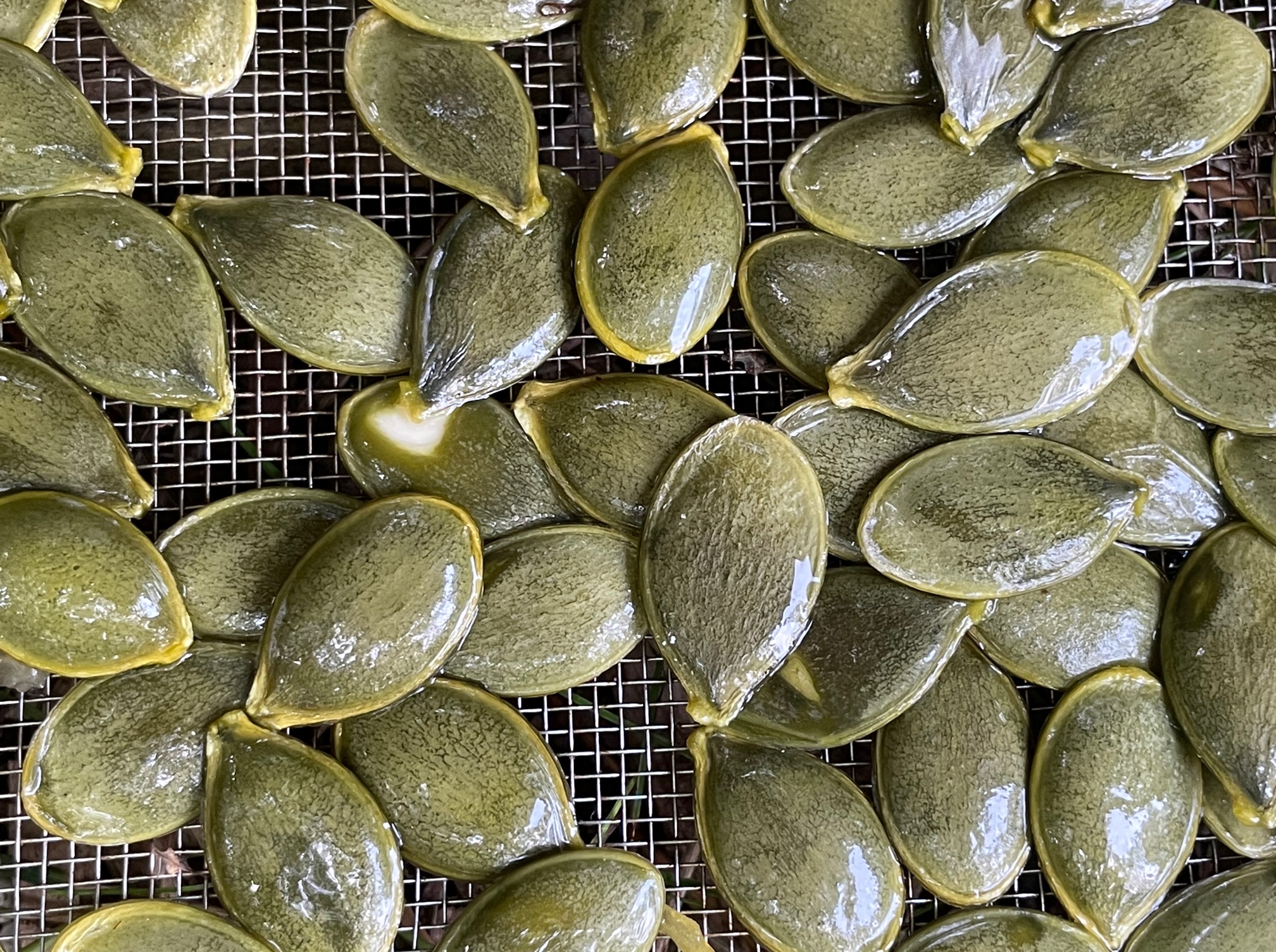
The Naked Pumpkin Seed from Austria The Styrian pumpkin was well known before I grew it. One of my customers sent me seeds of it thinking I might be interested in growing it for its health benefits. I had heard about it a few times but thought it was difficult to grow. It was not offered in the U.S. to any degree at the time. There were other naked seed pumpkins on the market but this one was used specifically for cooking which was processed as a flavoring oil from Austria where it had been passed down as an heirloom. It was a species pumpkin that if grown alone, the seeds did not have shells like a normal pumpkin. The fruit itself had no flavor and was not used. The plant was easy to grow at my farm and was free of squash vine borers. Each plant produced one or two medium sized fruits. The naked seeds are easy to extract. The Styrian seeds make you want to consider buying a small hand oil press. The flavor is wonderful and way better than any pumpkin seed I have purchased in the store roasted or raw.
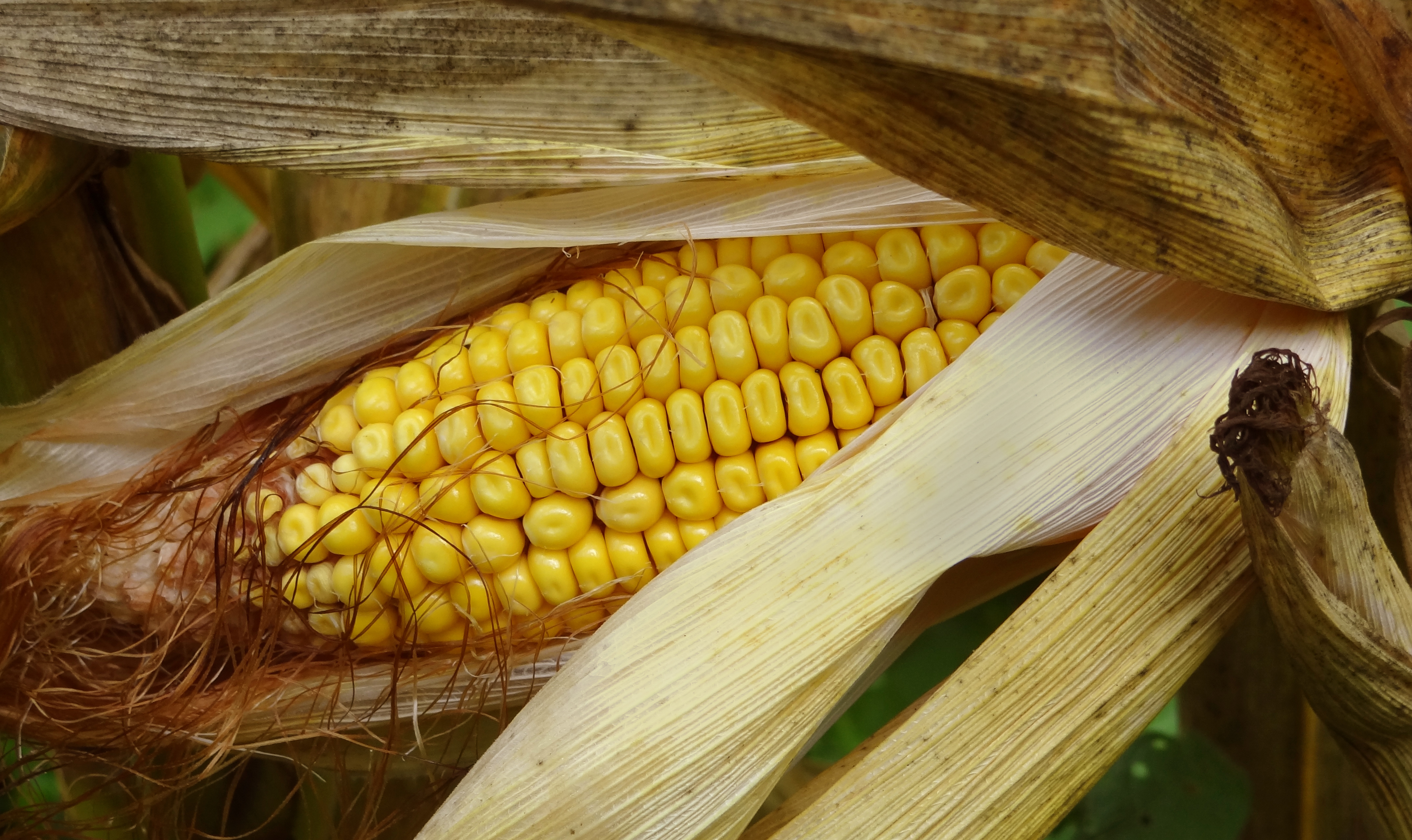
The Short Season Field Corn from Canada It was by accident I found out about this super short season corn for the coldest of climates by a Canadian researcher. Apparently corn was cultivated in the far northern regions but was lost over time. A researcher found one strain and was using it for breeding but the project was abandoned. When I received it, the corn needed additional growing to fully make selections from it. At first the ears were only three inches long with a couple rows of kernals. Eventually over a decade, I selected it for the 60 day ripening period and larger and fuller ears. I named it Alberta Clipper. It made delicious corn meal. The plants were dwarf growing only 3-4 ft. tall with a ripening in the area of 60-70 days when the corn is dried down enough to harvest. Even planting it on July 1st once worked. It wasn’t quite as robust but the ears fully matured.

The Productive Jerusalem Artichoke from Michigan Normally the sunchoke doesn’t produce seeds. It was by accident I found that having a great diversity of sunchokes in one area created a lot of fertile flower heads. Each year was slightly different but for a while Clearwater and Shiawassee were two varieties that kicked out a lot of fertile seeds. When you whittle down a bushel of sunflower heads and only get an ounce or two of seed you may think why is this so low. Yet this was actually very good compared to my previous attempts which made it to the point I would count the seeds by hand there were so few. For the first time in the history of the plant, I offered seed of it in small packets. Here you could grow this marvelous tuberous plant from seeds. That took a great deal of time to make that happen.

The Green Rhubarb from the United Kingdom I kind of grew fond of this because of its low oxalic acid and perpetual nature so you could harvest latter in the season. Plus my grandmother gave me a recipe for Firemans Rhubarb Pie which was a quick way to make a delicious crisp perfect for this variety. Fireman meaning it was quick to make and cook. Quick back then was 45 minutes in the oven. You could easily grow this ‘Glaskins Perpetual’ rhubarb from seed and for the most part it was very uniform. However, when I did that I did find some variation of light reds and all greens in the populations. There were a few plants that were totally green. If I were to do that again, I would attempt to select those milder all green ones and create an additional variety from it if it was that much difference. Rhubarb from seed was a good idea. I hear it is hardy into zone 2.

The Off the Charts Flavorful Tomatoes from Russia and Germany For a while I received seed from an arboretum in Russia who had some amazing tomato selections done by the Russian people in their backyards over the centuries. Basically what they did was bring together all these land races and reselect and improve on the traits that made them so successful in the first place. I remember thinking ‘Sibirski’ is everything you want in a tomato and more. There were several other paste varieties and one that was an industrial hard as nails tomato for shipping too. Ironically even that tasted good! I also receieved a private breeders release of a cherry tomato from Germany that never split and was insanely vigorous growing while producing lots of delcious fruits far better than any cherry tomato I had ever eaten. ‘Kanaan’ was amazing. I plan to try to grow those again because I too want to relive my past with those particular tomatoes.
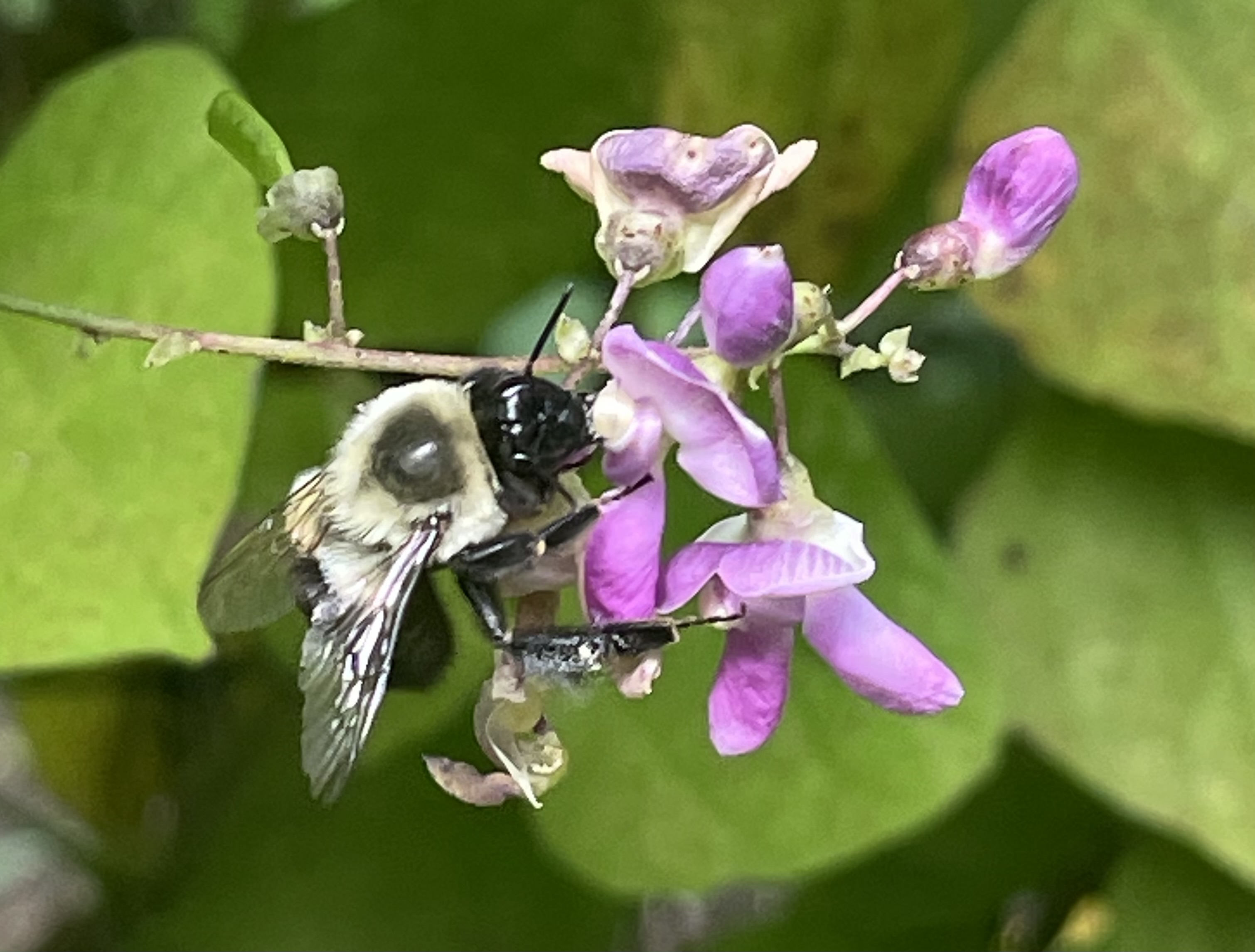
The 9000 Year Old Perennial Bean from Everywhere This perennial species bean was more of a horticultural oddity than anything. The flowers were beautiful and the vine was vigorous. I could see it in a packet under flowers more than beans. It was a delicious dried bean and worth growing even though the yields and the beans are small. I hope to expand on this species and find more productive larger bean selections. Found throughout North America, this could be our perennial protein.

The Flat Giant Yellow Wax Bean Vine from France It was by chance that I found a website that had quite a variety of green and yellow pole beans. I remember thinking I am sure they must taste better than the pictures look. I forgot about it for a while and shortly a U.S. seed company offered them. I think it was Baker Creek but I have forgotten where I got them from. Such is the nature of the packet especially if you throw it out. Whoops. I wasn’t sure it was the French or English selections but once I grew it I knew it was ‘close enough’. They were so good and way better than the pictures. I grew them again this year and they did not let me down. I saved enough seed luckily. Each pod may have up to a half dozen seeds. I hope they did not cross with the dark purple ones next to them but hey I’m fine with that too. I am sure they will jump off the shelf into your hands soon. It creates its own vacuum state. Watch out.



 biologicalenrichment
You must be logged in to post a comment.