“Seeds are a source of wonder. They are objects of ernest inquiry in man’s ceaseless search for understanding of living things. Seeds protect and sustain life. Seeds are wealth. They are beauty. They are a symbol-a symbol of beginnings. They are carriers of aid, of friendship, and of good will. ” Victor R. Boswell USDA 1961 The Yearbook of Agriculture.
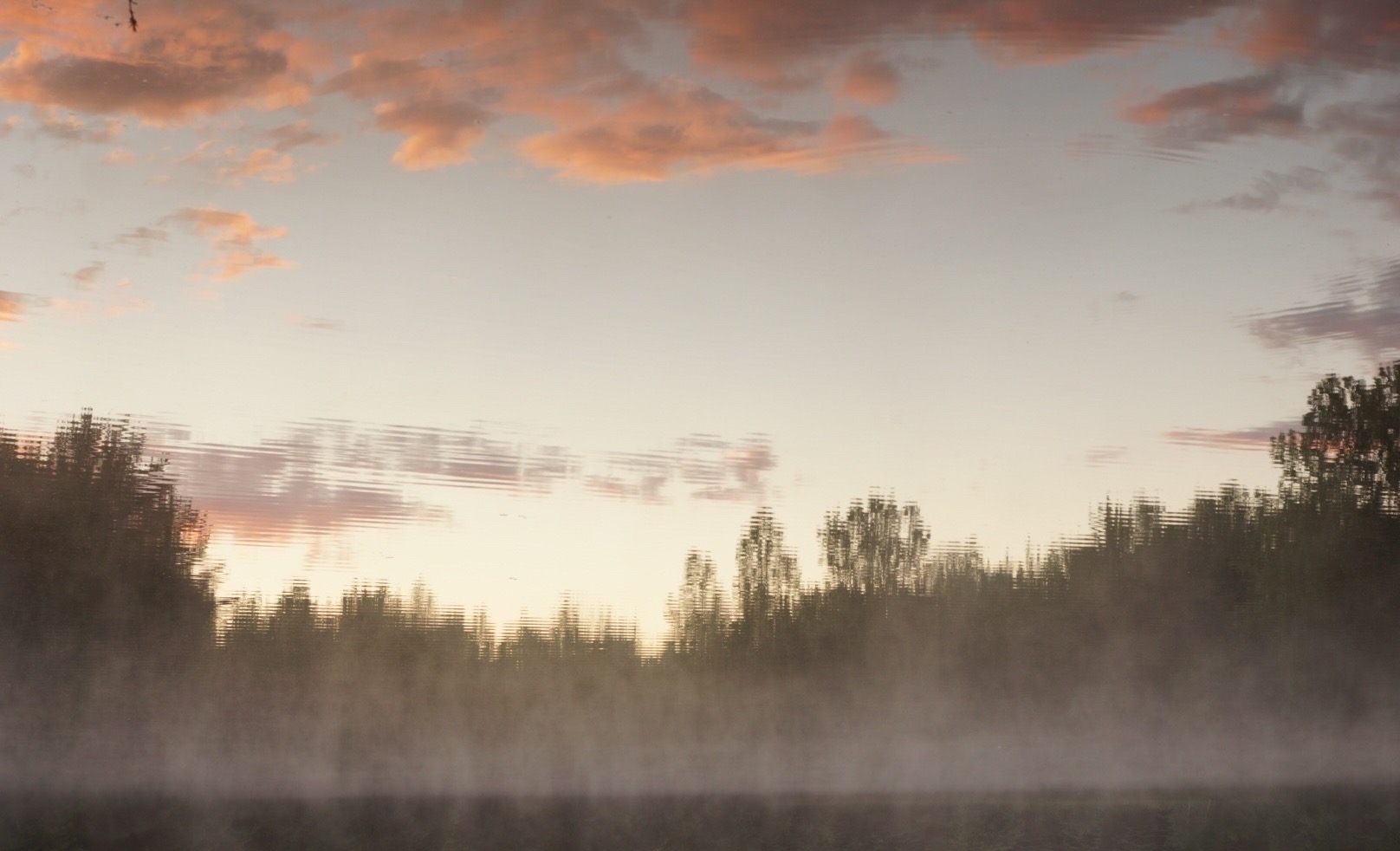
Seeds can do so much for us yet we only see a tiny reflection of a portion of the pond of diversity. Like the above image of my family’s farm pond, we are seeing only a small reflection of total potentialities at play at any one given time. We go back to the pond and each time it looks different yet it is the same pond. The expressions of the plants continue over time in unique ways as they play out in different environments. The benefits of seed knowledge and experience help us elevate humanity in its quest for better health.
There was always some new seed that I grew in my nursery that surprised me in some way. Some plants had very limited use and were not available to any great degree. I wanted to highlight these in my nursery even though they were not found in the marketplace. Think global, act global. The world is our family. Seed selections can actually mitigate a lot of world problems on a global scale.
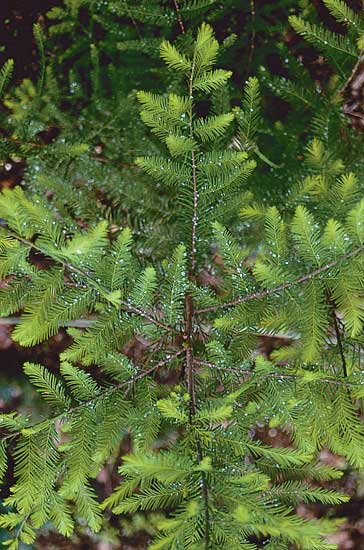
Baldcypress and Pond Bald Cypress –Taxodium distichum and Taxodium ascendens
It is interesting in that one of my neighbors who lives down the road from my farm cannot figure out how baldcypress ‘got into’ his wetland. His words not mine. It doesn’t appear planted and yet the trees are not super old either. It confused him with his nativist bent on everything. Another one of my neighbors told me they harvested some cypress nearby for the making of one of their outbuildings long ago. She showed me the large posts her husband harvested holding up the tin roof. They probably came from his wetland years earlier. Other people told me of a massive hundred year old baldcypress tree existing in a wetland near Kalamazoo, Michigan. These outlying populations are likely not planted and are ‘natural’ extensions of their southern cousins from Illinois and Indiana. The range maps that have the smooth lines of existence of a plant are more dotted than you know. It is not likely someone waded into the middle of a swamp and planted baldcypress. To begin with, it is not that easy in Michigan. You cannot canoe it, God forbid swim or wade into it because of the deep black fine muck. Only turtles can traverse effortlessly unless you come back in the winter when everything is frozen solid. I am surprised no one has selected the baldcypress in terms of its forestry use and created selections for faster growth let alone collect seeds of the Michigan northern strains. This would be a good wetland species to plant into existing wetlands where ash and elm are no longer the dominant species. It can also grow in dry soils without irrigation and has a huge range of adaptibility. I did a trial at my farm using seed of two species of baldcypress from Louisana Forest Seed Company. There the baldcypress is prolific and seed production is plentiful. It is sold in broken balls which are hard as nails. The seed adheres to the cone tight, so normally it is purchased by these broken cones and seeds combined. The seed may make up a small percentage of the weight depending on the seed source. I could not get seeds of the northern forms unless I was willing to travel. I visited a tree once north of Fairfield, Iowa that was just a massive beauty in a front yard of a home along the highway. A friend of mine use to grow seedlings from that tree. Thankfully a customer sent me a sample from a beautiful large tree from his farm in Missouri. I grew both the species baldcypress and the subspecies the Pond Bald Cypress. I grew and selected trees that were fast growing using roughly 3000 seedlings. I noticed a few of the trees grew to 2-3 ft. tall while others were only 6-12 inches tall. I planted one row of the Pond Bald Cypress. I was hoping to use the trees for seed. Thirty years later they still have not fruited. It wasn’t until I saw other trees in landscapes that I realized these fast growing selections actually may be of great benefit to wetlands where few plants can establish in these low oxygen soils.

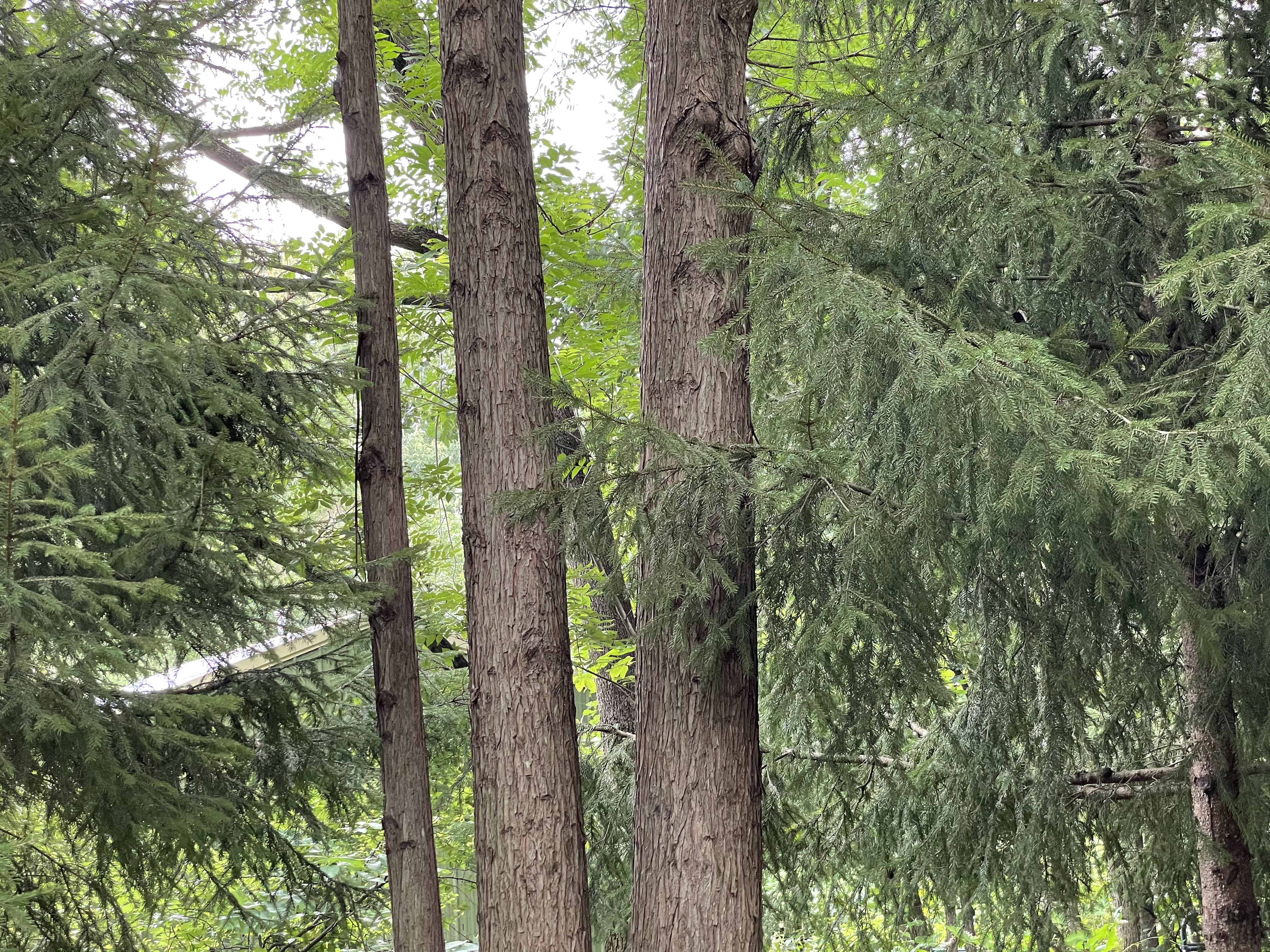
Using a super southern seed source and putting it in Michigan seemed like a long shot but I had no choice. Surprisingly there was no winter damage at minus 27F and the trees flourished here in my sandy dry soils. It turned out that baldcypress has a physiological response to extreme cold that even the most southern forms retain. The fast growth continued outside of their polyhouse homes and the trees are now fruiting. My row of Pond Bald cypress look true to form and are very slow growing reaching 10-20 ft. after 30 years. The foliage is very beautiful and feathery but no fruits yet. The species baldcypress that I made are now close to 50 ft. tall with minimal side branching. My one lonely Missouri tree has a large trunk and wide branching like a shade tree. It is like a different form entirely.
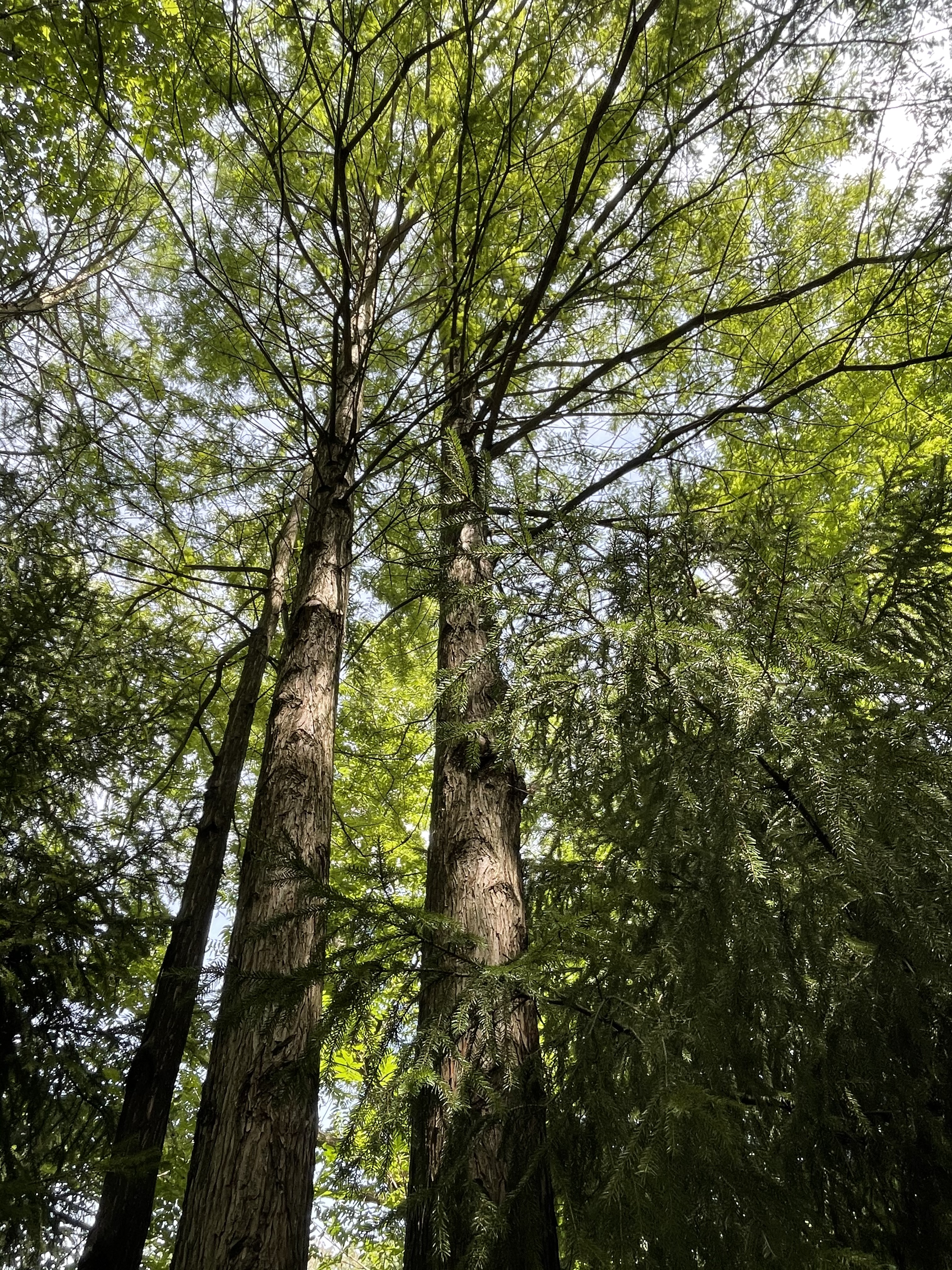
Every year I see the balls way up at the top of the trees far outside my reach.They disappear eventually hauled off by the red squirrels who have figured out a way to extract the seeds. Today they shade the subartic Finland Norway spruce trees. Louisiana meets Finland at my farm. The baldcypress is actually related to the Sequoia and it can naturally cross with it and produce fertile progeny. In Russia somewhere there are plantings of this cross. That would be one amazing planting to visit, study and get seed of for Michigan. That would be one powerful seed source of great diversity and potential use for Michigan forests and beyond. Seeds could create it. People could nourish it. And nature would benefit. Win. Win. Win.
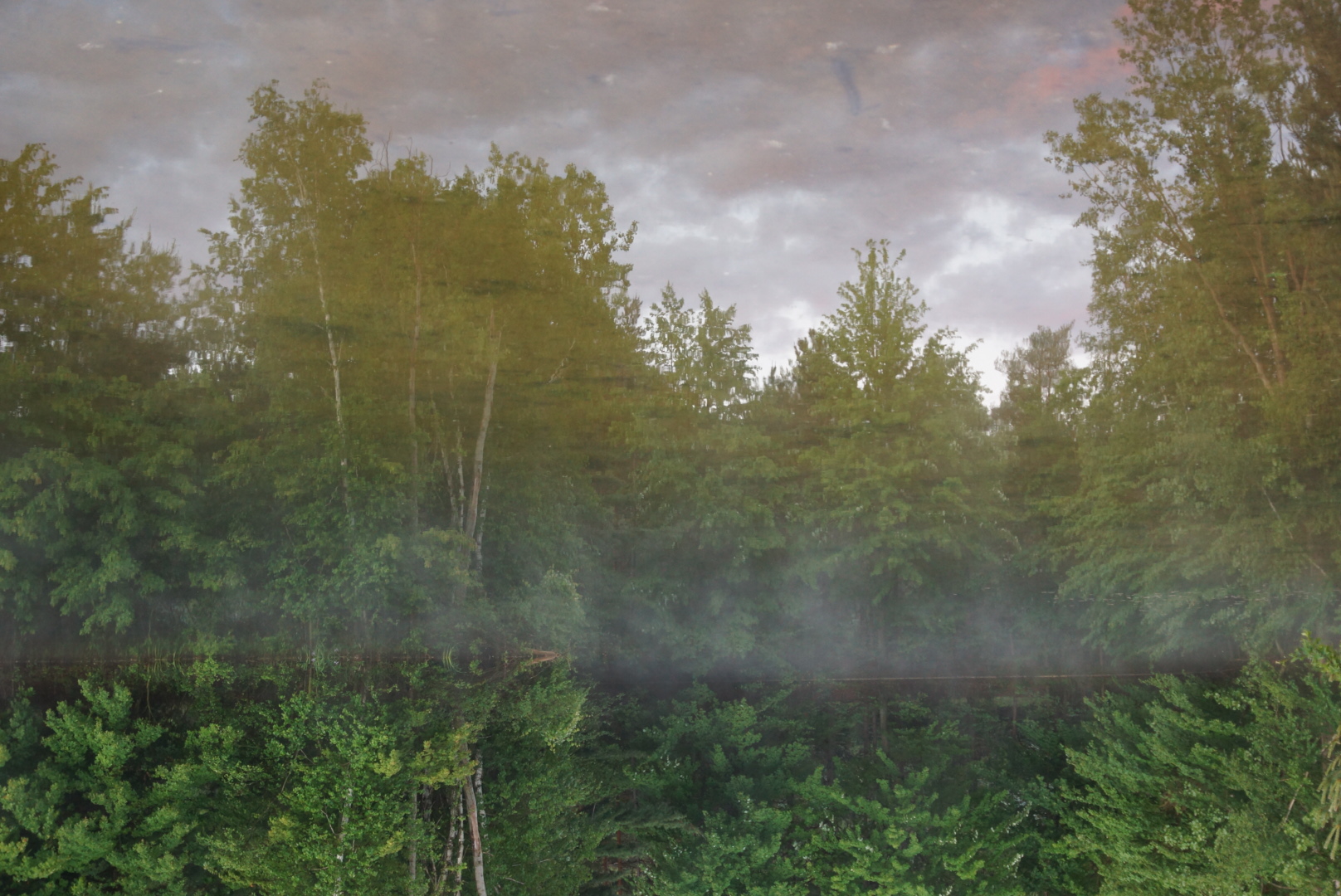
Family farm ponds.


 biologicalenrichment
You must be logged in to post a comment.