One of my early nursery experiences with another nursery owner on the west coast was with plums. He was producing an Asian species from seed like gangbusters. I started seeing them in the some of the giant retailers like Gurney Seed Company. He would crank out seedling Asian plum trees and then market them to the public as ‘new and improved’. I think his source was hardy into zone 3 and likely was the Ussuri or Japanese plum. It is considered one of the world’s hardiest plums able to grow right up there next to zone 2. His nursery did not last long plus I was told he moved to a different country. I only knew of him as a company not in person. It was kind of a unique situation in that the fruit industry is totally using grafted trees of a clonal nature and here he was popping out a seedling tree of the same species for 45 cents. Obviously the fruit industry would not take this seriously and ignore his new and improved as yet another seedling tree. I was wondering if anyone every looked at the population of a well known cultivated plant that is only grafted? The answer was no. That is not how it works. The questions then become what is improved as a seedling and what is different about its use as a unamed seedling plant? And that really was and still is the issue. It does not fit into our nice categories of cultivated, grafted, clonal or seedling including new and improved. I want to know is this a valuable seed source and what can be expected if you did decide to grow it from seeds? I was going to find out.
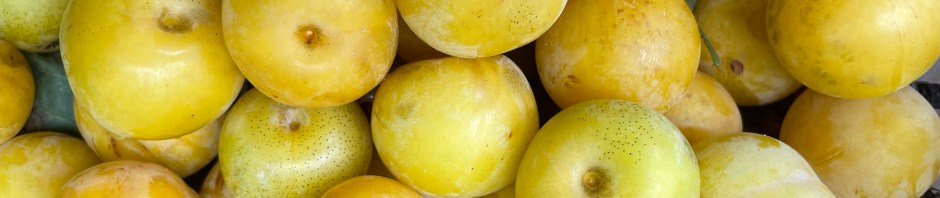
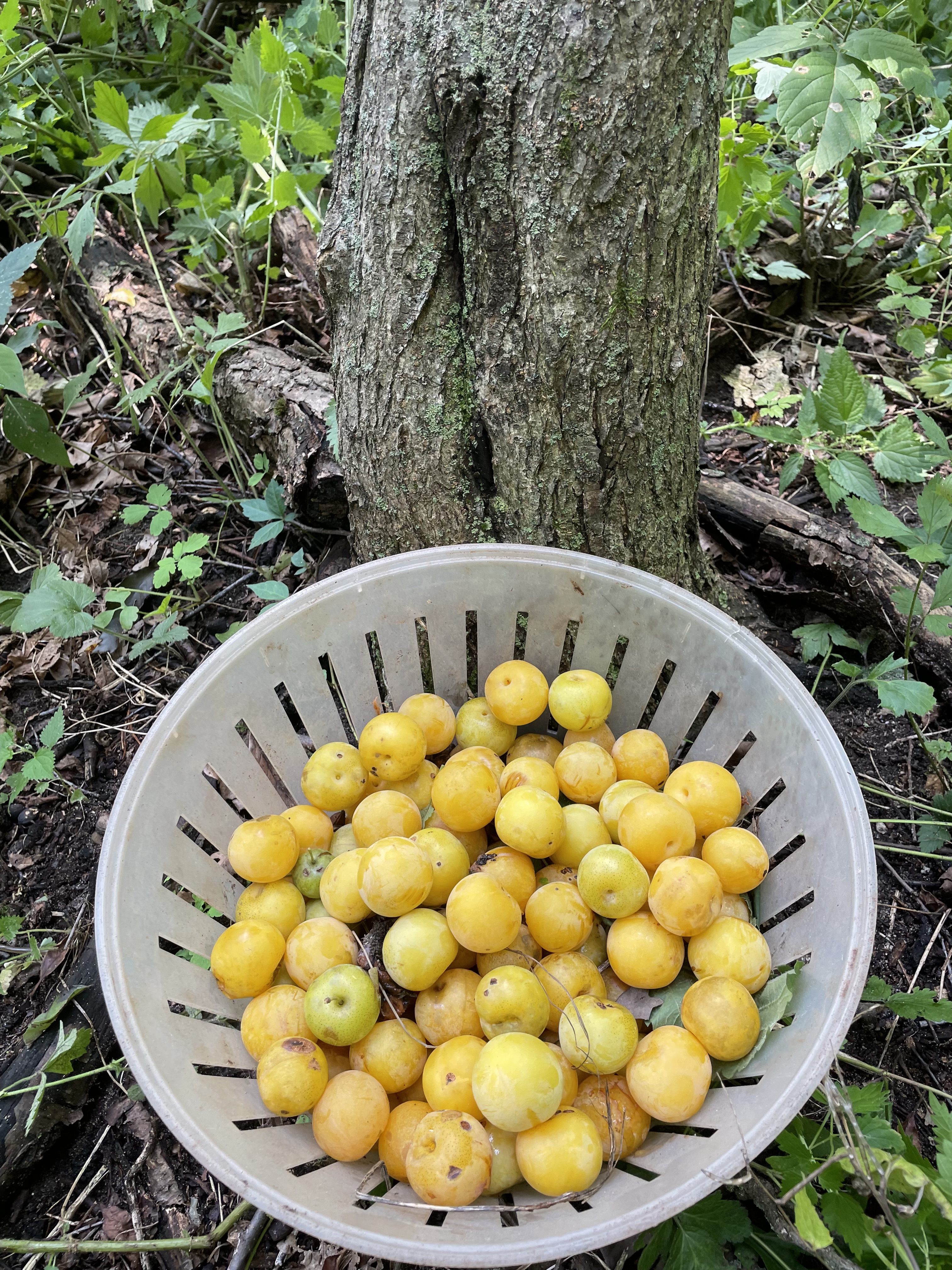
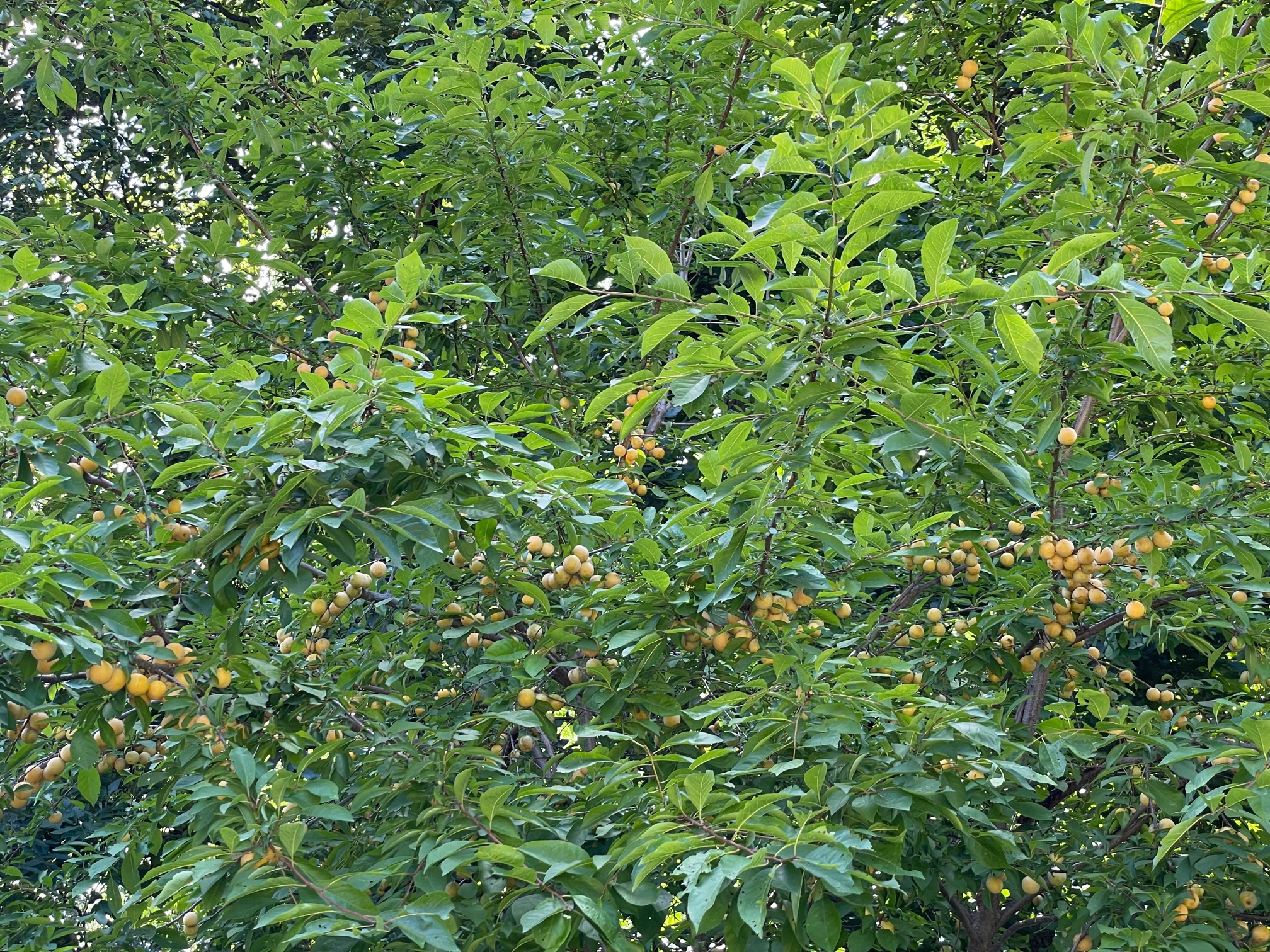
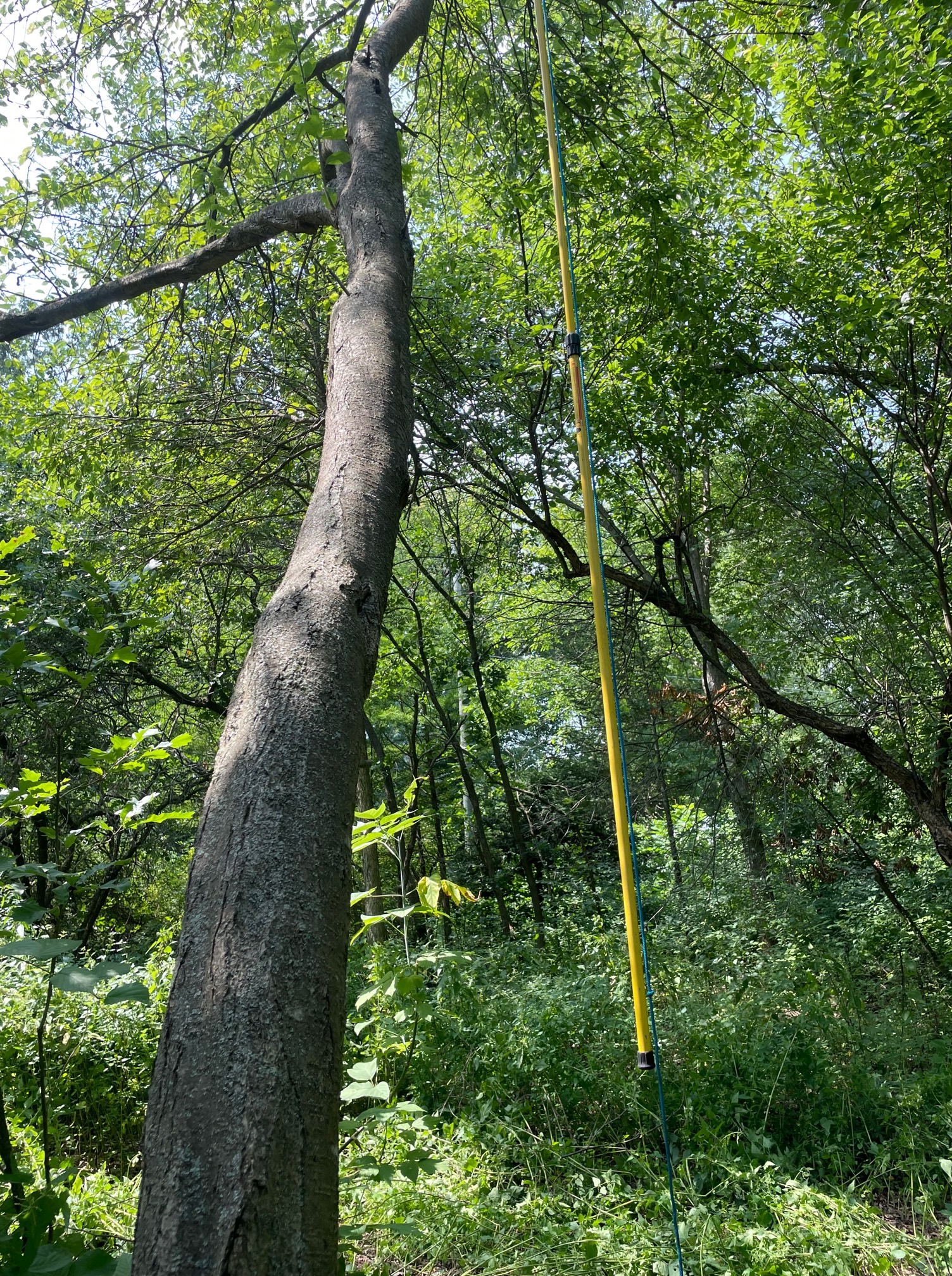
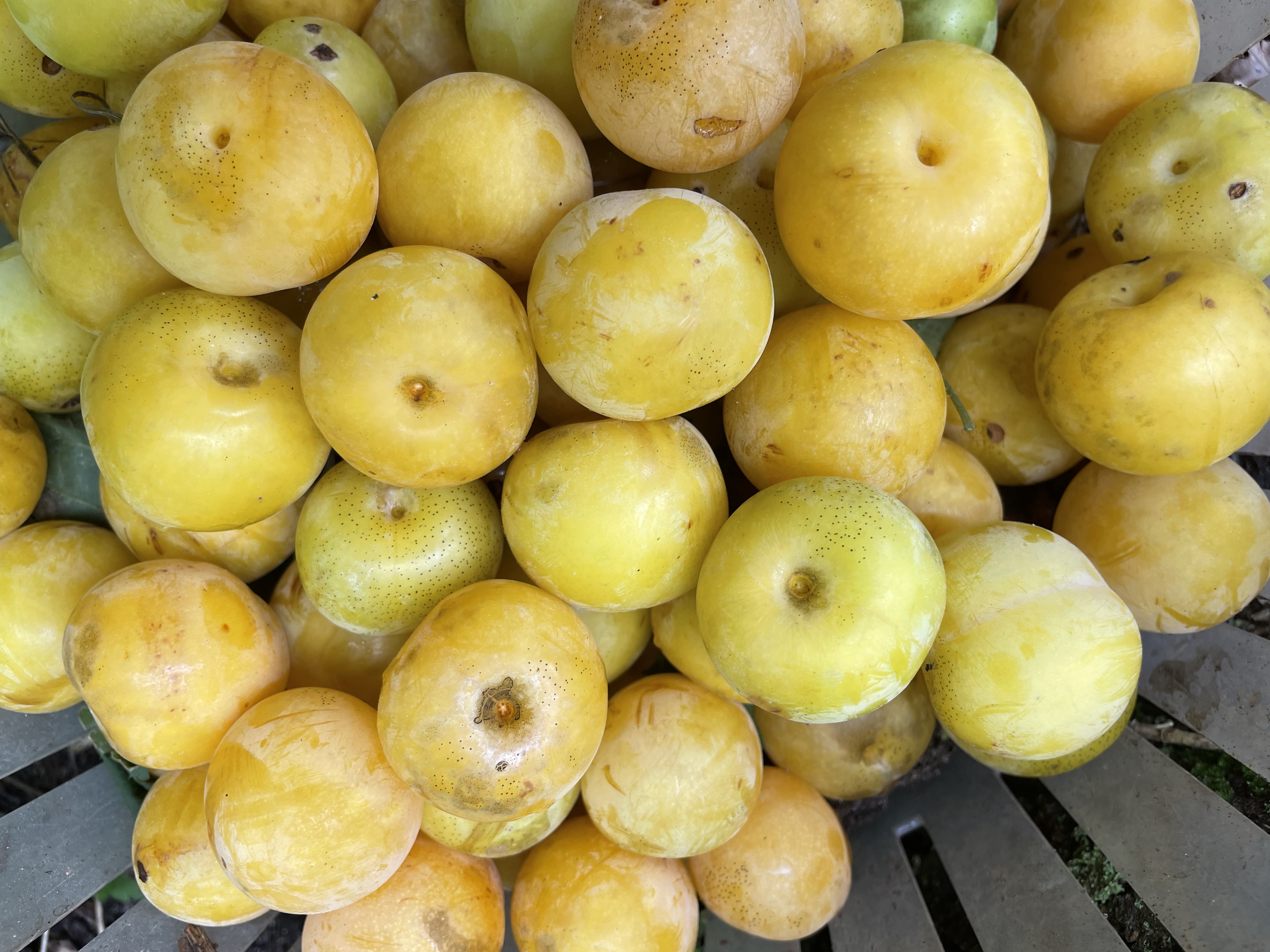
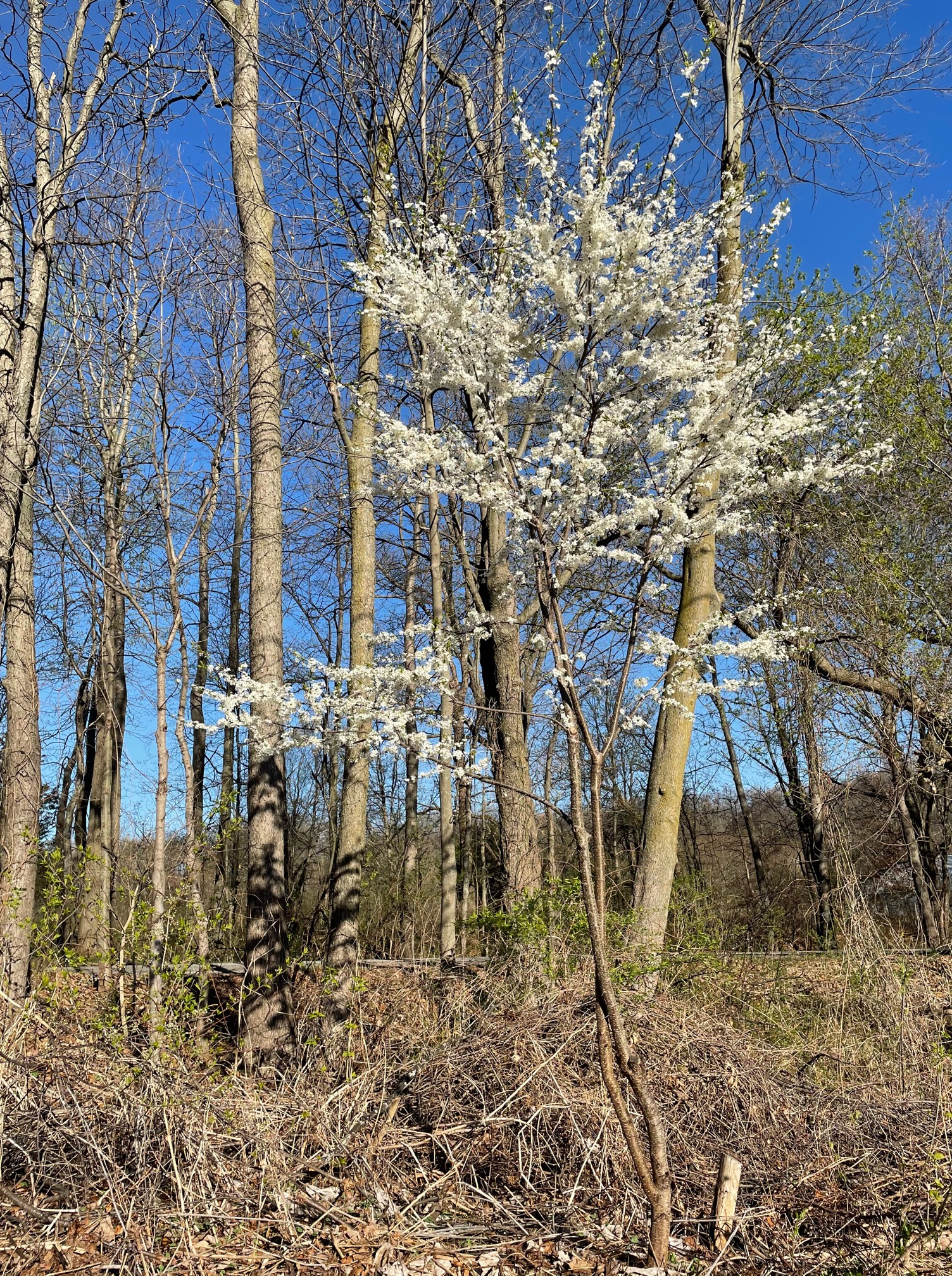
One year one of my friends had cranked out a huge volume of plums grown from a mail order retailer using grafted trees and possibly one of the west coast seedling plums at his home here in Michigan. He lived near me so I visited and found a massive crop on the ground when I got there. He let me harvest enough plums to process for seeds. It was definitely a seedling bonanza of Japanese plums. He had both the yellow and a large purple plum. They were very sweet. This species Prunus salicina is well known for its sweet plums highly cultivated throughout the world as “Shiro” and many other varieties all clonally produced. I had enough plum seeds and I produced over five thousand seedlings. Life was very good in the beginning with zero disease or insect problems on the trees. But eventually by years three and four black knot came calling and there was dues to pay for my care free selection process as my trees were in the real world now. Black knot disease exists on chokecherry and many other Prunus species. On some species, it has little or no noticeable effect. On others it encapsulates the branches and turns it into a ‘black knot’ filled with giant growths around the stems. The trees eventually die. My thousands of trees were soon exiting the real world for the land of mulch. I tilled them under. But before I rushed off to till, I made some selections that I thought were immune to the dreaded knot. There were very few maybe one per five hundred trees if that. The ‘new and improved’ was born in the form of black knot free. That was the only selection criteria. As those seedling trees began fruiting, I realized that the immunity was in more of a highly resistant category as I continued to loose a few more. However, this time it was only a small percentage. Sometimes you still had the disease but it was limited in its effects. Or in the Big Lebowsky way, sometimes you get the bear and sometimes the bear gets you. The fruits on the other hand make you forget your troubles when you first bite into them. The flavor is so sublime, sweet and full of rich juice. It is interesting in that the yellow color is the only color from the population despite using the red and purple colored selections. Purple was even more susceptible than the yellow turning into a deep fried tree. The immune trees are super vigorous often large reaching 30 feet easily. To me its a perfect plum. To others its just a seedling. I have a new area of several seedlings planted. I love to see the results despite not having enough room at my farm to do a lot of them. I planted them near a row of hickory and pecan hybrids as a type of understory tree. They seem to tolerate shade easily and still fruit.
Like any scientific endeavor, replication is the key. You need further plantings in new locations to secure the seed source and improve upon it even more. I know that new and improved needs constant attention to make it newer and even more improved than the original. That is the nature of seeds and the every widening road of adaptibility of the species. They have to be used and allowed to grow in new environments far outside their native ranges. Without that, there would be no agriculture. It has to step outside of the boundaries of restricted breeding, commercial endeavors, retail internet and the conservation industry. Perfection like beauty is found is in the eye of the beholder.


 biologicalenrichment
You must be logged in to post a comment.