
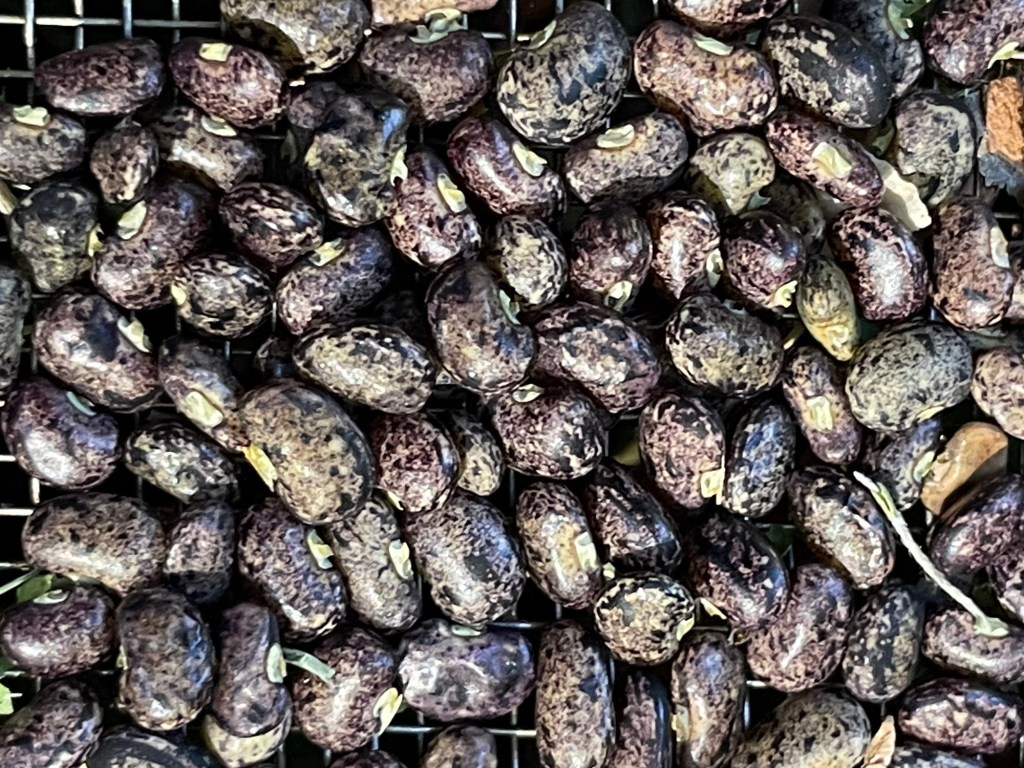
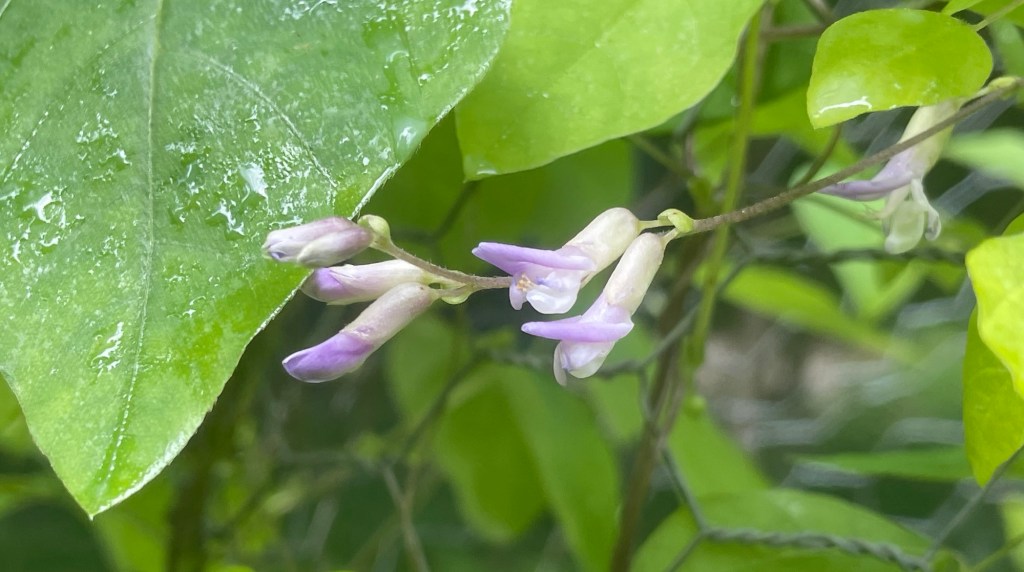

Once a seed repository is built up including varietal selections like Crispy Snack, seeds can be used for the production of the tubers. You can pelletize the seed for greater uniformity and inoculate it with appropriate nitrogen fixing bacteria. It is two crops in one. Edible seeds and edible tubers.
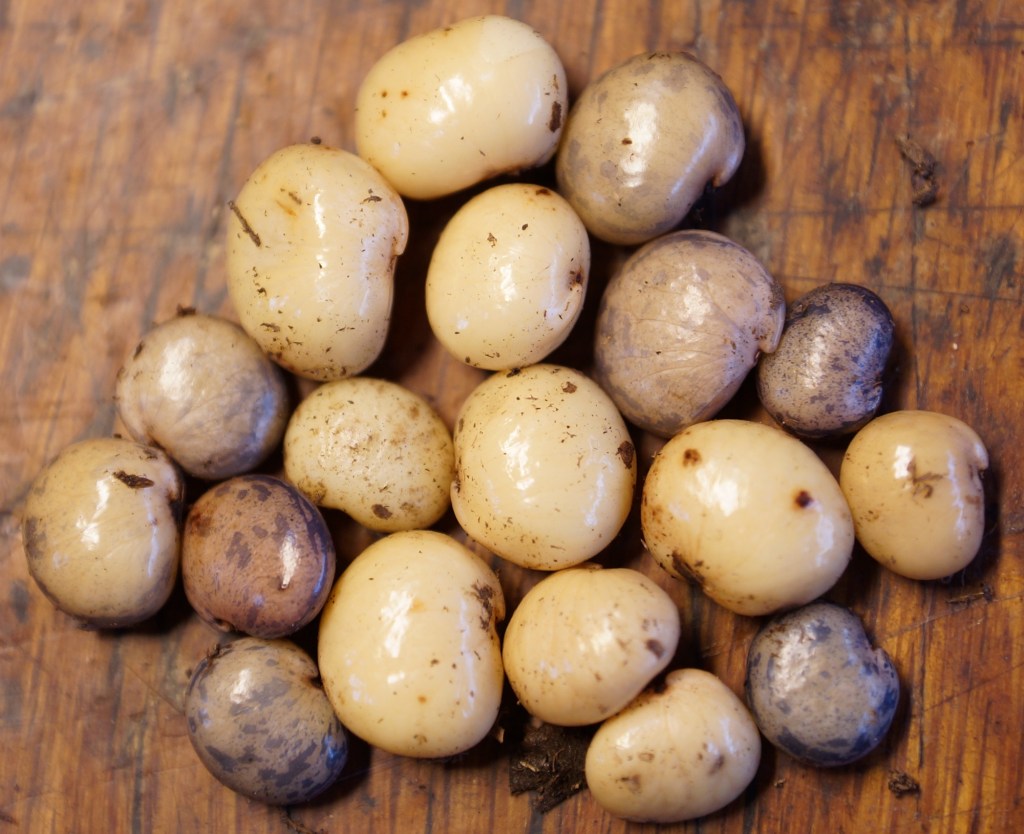
The texture is very smooth with a creamy light buttery flavor in its raw state. The yields could be improved on as well as the way it is grown. It is one of my most flavorable tuber crops in the raw state. I just wish I had more of them to harvest. They are frustrating in terms of their low yields. I have plans made to increase the production of them for 2025. Seeds are available late fall this year. (2024) There are other individuals who have developed selections of them world wide that have focused on the tuber production. It wouldn’t surprise me the usually slow moving crop improvement industries of modern agriculture hoist one up related to its seed production. Maybe they are afraid of its invasiveness or weediness.
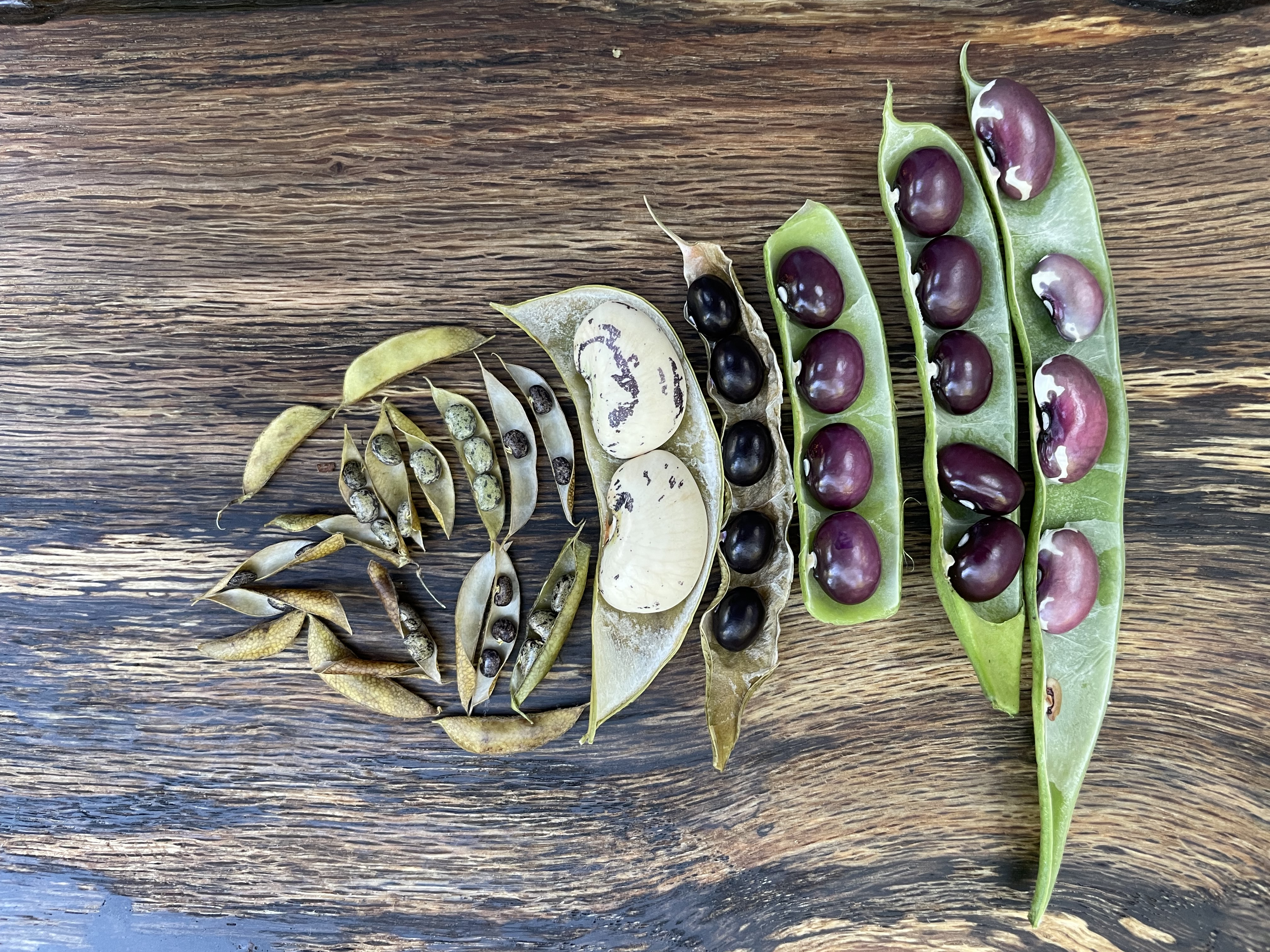
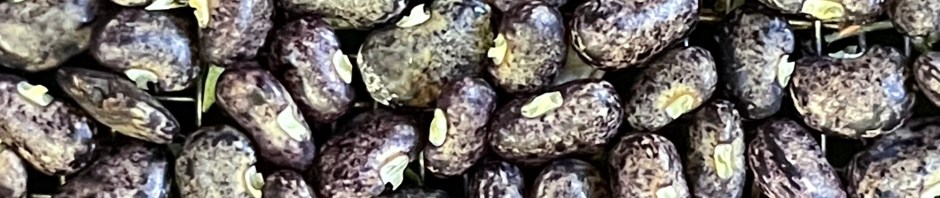
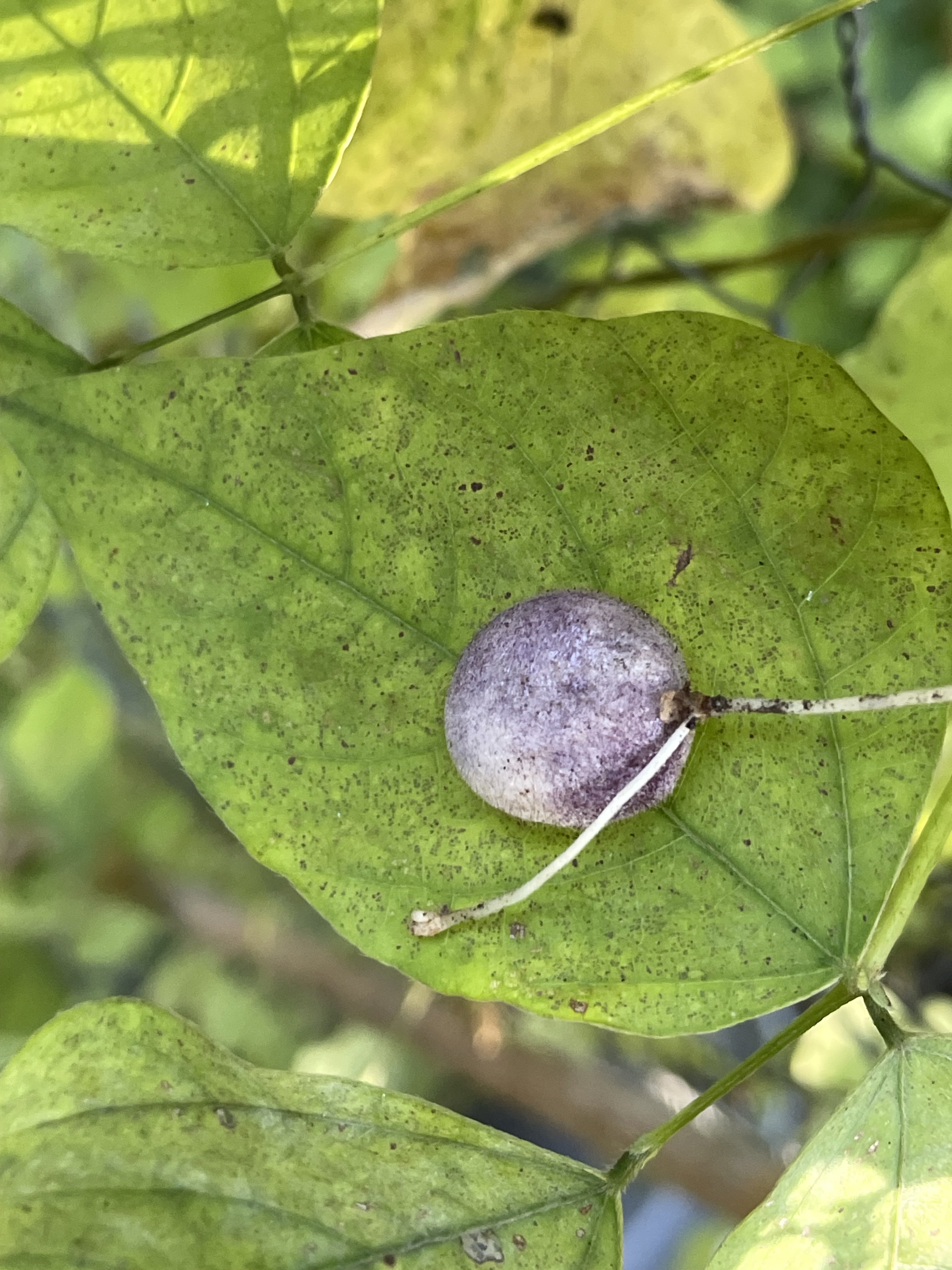
Left to right: Crispy Snack Hog Peanut seeds and pods, Lima bean hybrid, tepary bean (Dark Purple) hybrid, 1 dragon bean, 2 dragon bean and 1500 Year Old Cave Bean cross.
The light of day is also the light of our awareness which can shed light on the value of this crop and many others often obscured by our lack of knowledge of the natural world in its infintie variety.
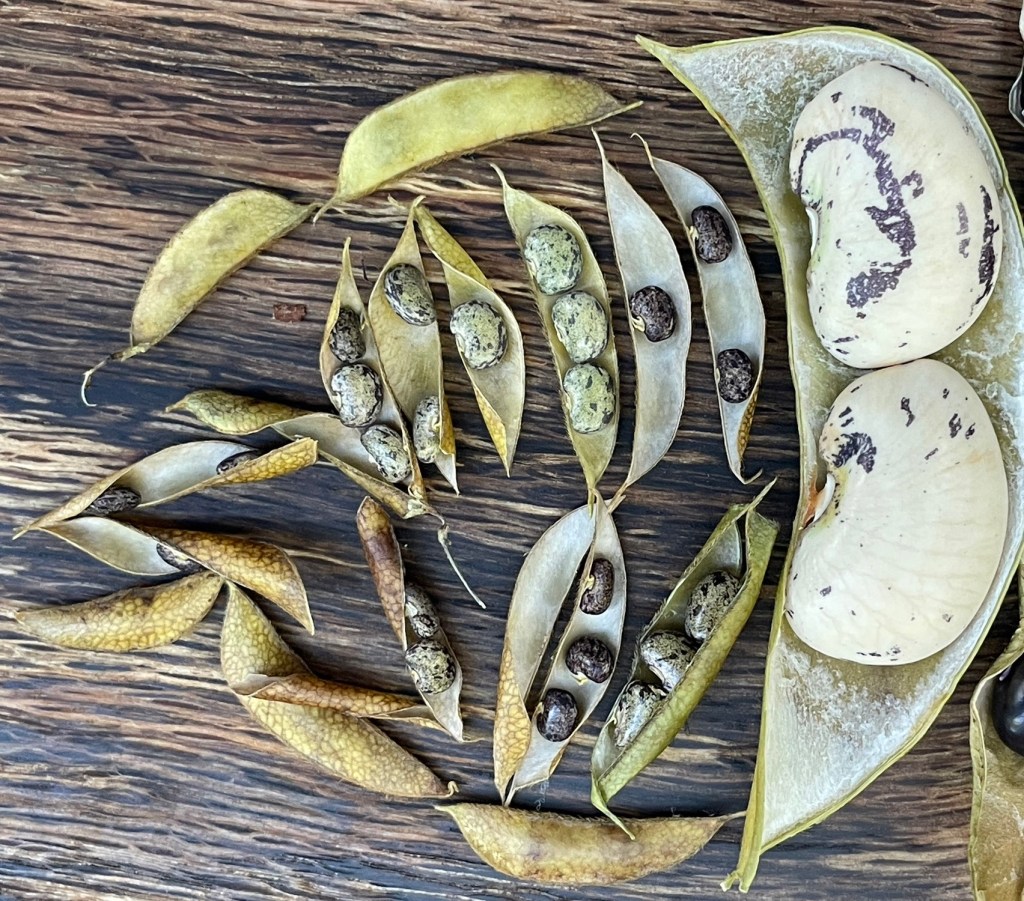
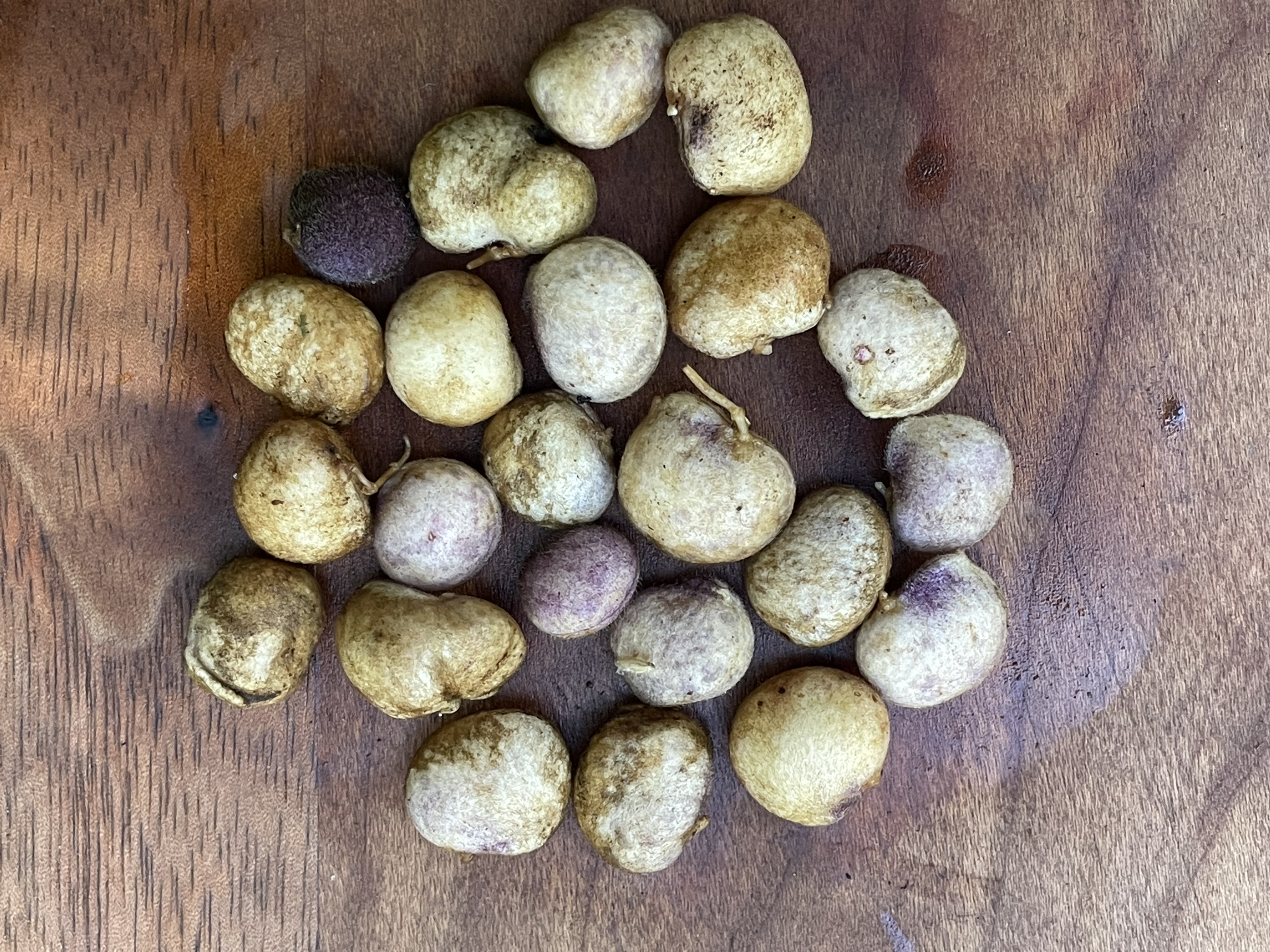
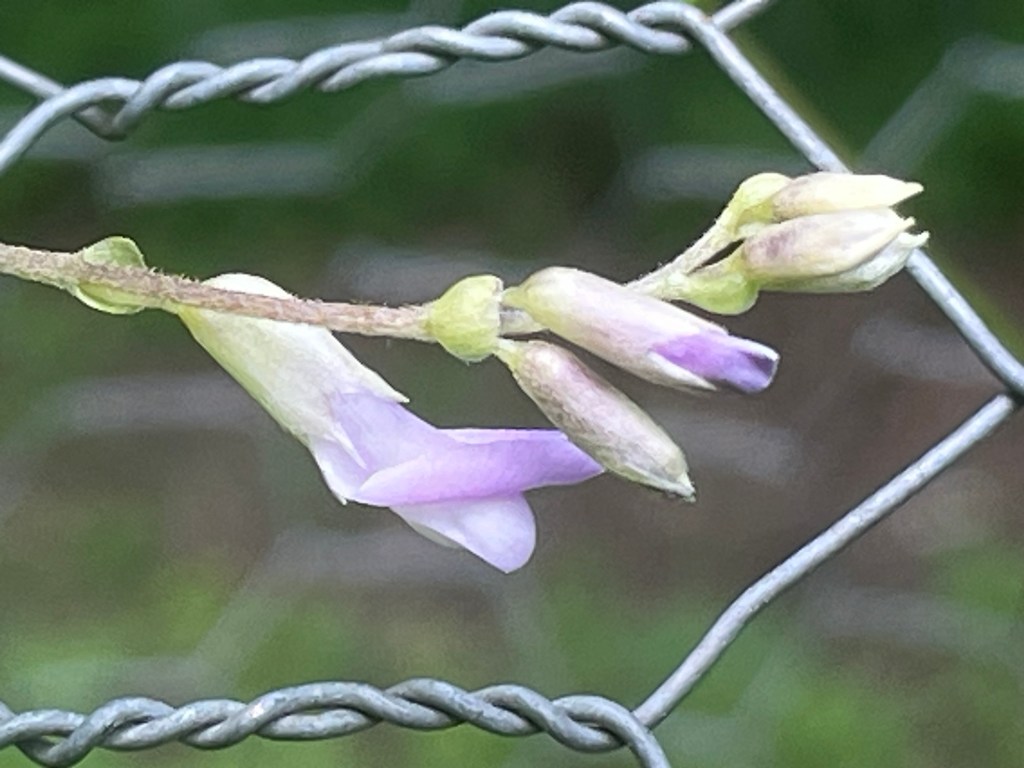
Crispy Snack hog peanut tubers like all new root crops need conditions that are often not met in cultivation. For the hog peanut this low yielding rather stubborn tuber and its traits appear to be highly specific under certain conditions. Sometimes the yields are super high for one plant for no apparent reason whatsoever. What conditions those are and how they can be replicated is the next hurdle to overcome in this wonderful delicious perennial crop. In the meantime, this duo crop plant can produce both beans (seeds) and tubers too. No one has taken a look at what is within these delicious treasures in terms of its nutrition both the seeds and tubers. The seeds seem to have great possibilities to me in terms of growing and harvesting it within the existing technologies of modern agriculture. No need to gene edit. No need to create a massive breeding project. No need to raise money from individuals or government to make it a reality. It’s here now.
If someone wants to disparage the plant and says the ‘i’ word (invasive) then yelling fire in a crowded theater is not good. I have heard the lawyers of hog peanut have huge cash reserves and are ready for their day in court. How? But laying forward a path to a healthy and happy human being. Watch out. They mean business. This crop plant can take everything lying down on the soil while reaching high into the air. They win in court every time even against their fiercest adversaries who believe that the hog peanut is just a weed. Just a weed? Not possible.


 biologicalenrichment
You must be logged in to post a comment.