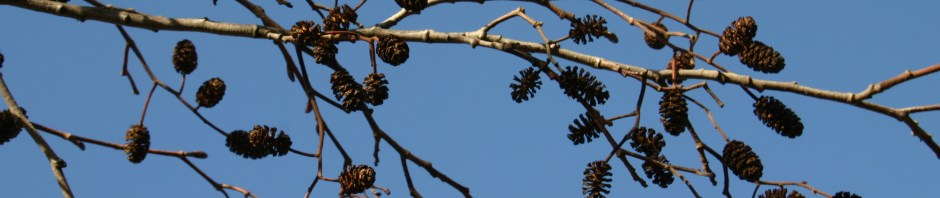
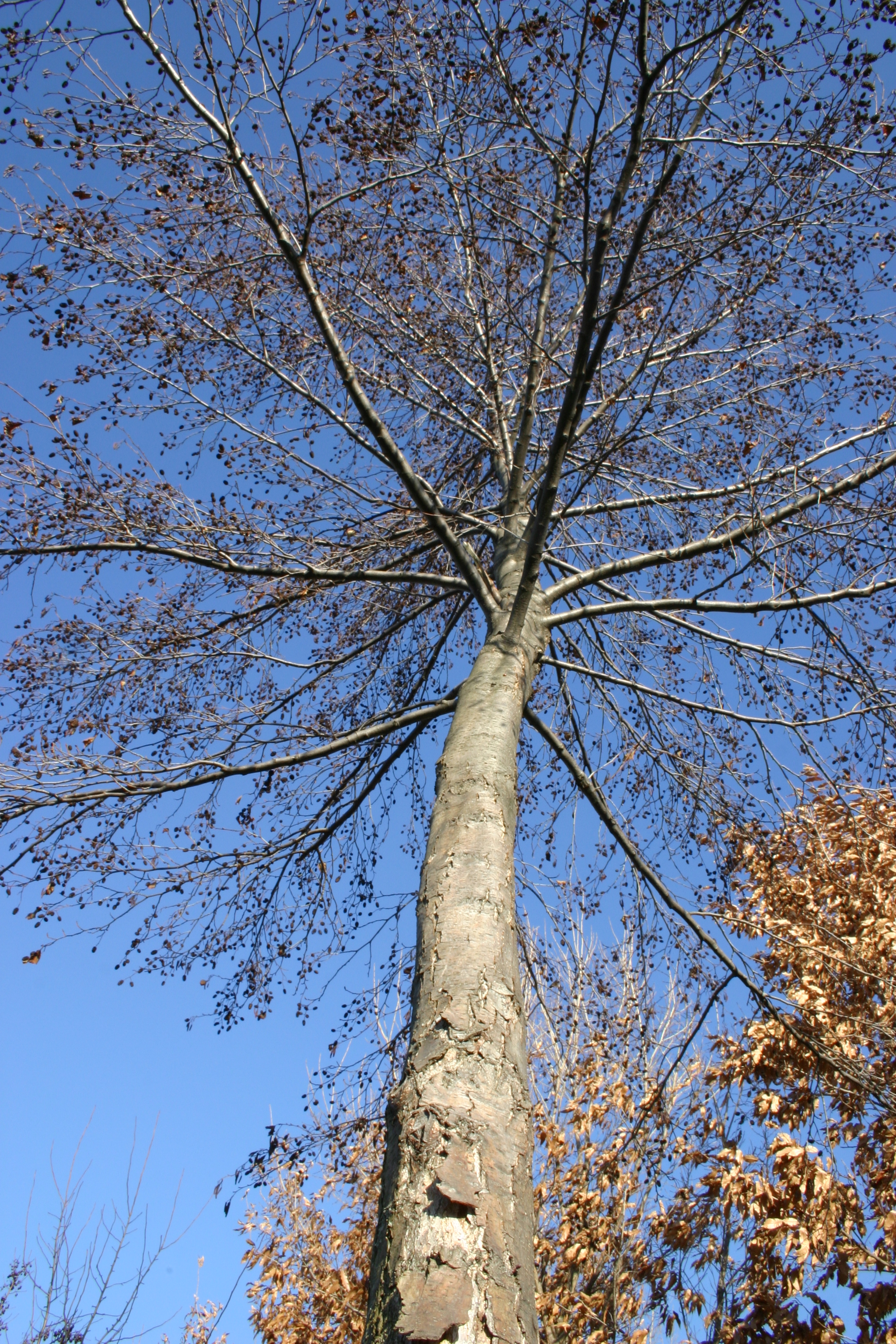
The Genus Alnus contains some amazing unsung heroes of tree crops.There are no commercial stands of alders or horticultural varieties to be found in cultivation. As far as I could tell there were no indications that any nursery produced alders in the recent past and none going back. From what I have read about the tree often resembles the copy of what other people have written but no corroborating evidence. There was a cutleaf form rarely produced. But who knows maybe it was grown somewhere at some time for some specific use. You just don’t see it in production today or in any historic landscapes of any type. Certainly no one took interest in the genus as a means for wood production or ornamental appeal. Birches are in the same family and they took front and center. You can’t compete with the birch bark appeal. One alder species I was familiar with was the speckled alder, Alnus rugosa. It is the species most likely to be found in Michigan where it forms thicket like growth along trout streams. It is the one that trout fisherman complain about getting their flies stuck into.
If you decided to produce alders just for wood production, you would be trying to emulate the red alder of the Pacific Northwest. It is considered a weed tree in many ways yet lately has been used for furniture. I purchased a night stand made of red alder. It is a light wood easy to work. It took stain nicely and had no knots. No one knows of the alders nitrogen fixing capabilities or how they would grow in different environments benefiting other plants in its vicinity. When I was producing plants in my nursery, I too tried to grow many species throughout the world. I tried small amounts of them trying to estabish them on my farm for future seed production. I felt the genus was under valued and had potential for wood production much like popular. In the end, I found that most of the species I tried were not very forgiving to dry conditions or what would be considered non-wetland environments. I found a very nice speckled alder at my familys’ Christmas tree farm next to our pond in central Michigan. I produced that for a while. In some ways it was annoying to get calls on its origin because speckled alders are amazing and so beneficial at holding soil and preventing erosion near streams and ponds. Many people are not familiar with alder identification too. It is a fish out of water when someone puts them in a landscape. They need water and will slowly die unless under irrigation. It was the cattails of trees. Over ten different species of alders failed at my farm many from China, Korea and Russia. Alders were specific in their soil needs.Who knew?
In the end, the most adapted of all the species was the Italian and the Oriental alders. Today only the Oriental alder grows at my farm. It has proven its adaptibility in dry soils in mixed plantings of pear and pawpaw. There is a nice stand of alders near one of the rivers here in southwestern Michigan I use to cross when I picked up soil for my farm. I tried to get seed once, but they were blanks with no fertile seed within the cones. This particular grove was in standing water difficult to collect. Judging by the size of the colony it was likely established prior to the bridge being built. One year they cut them all down to do bridge work and widen the road. Some of the single stems at that point reached 20 feet high. I was sorry to see them go. The next year they all grew back to roughly the same height they were prior to cutting. That in itself highlights the power of the alder. Like popular you have a large root system established generating trees at lightening speed. That is a good thing. Judging by this colony, it would be a good one to clonally propagate from root or top cuttings. There are several variants of alders or subspecies listed. This is one of them in southern Michigan. I have yet to find black alder. I keep looking.
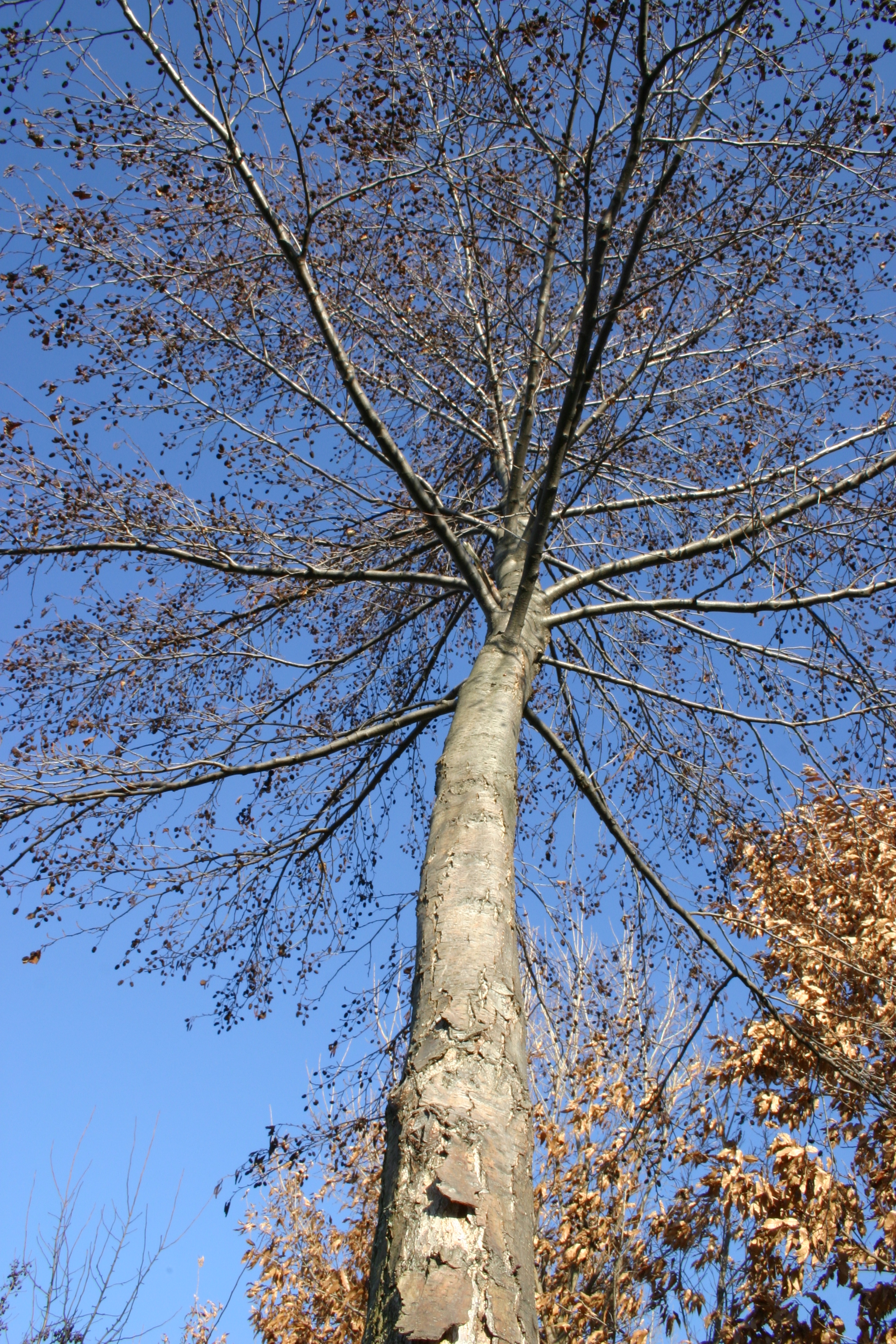
I kept at my alder species plantings but it was the least successful of all tree crops I had ever grown. The failure rate was very high. Eventually it was only Oriental alder, Alnus orientalis standing. It was from an arboretum planting similar to Michigan’s climate in its cold hardiness. It produces fertile seeds and is one of the best for dry sandy soils. The real value of it is that it naturally produces a straight trunk with minimal pruning. It is a sort of red alder knock off in that regard and could be grown for its light and knot free wood like red alder is used after the spruce and fir are harvested.
The more I read about alders, the more I realized this nitrogen fixer of a plant could play a giant role in fixing damaged land where nothing else grows. It could reclaim fire damaged land and create a useable resource in the process very quickly. It could also be used as the first crop prior to hardwoods and walnuts. Not many people know the value of secondary plant crops within the development and establishment of permanent tree crops. The alder could be our neighborhood tree species that could welcome home other tree crops unfit for reclaimed land. Its very existence enhances the growth of other plants in its vicinity. This is the situation I faced with wind and drought with my chestnuts on a hill. Secondary trees like the alder can slow down wind speed and hold precious moisture in the soil while colonizing it with roots with nitrogen nodules attached. Now you are fertilizing the soil with leaves, twigs and prunings you create. The thick underground root system holds the soil in place while capturing nitrogen via air in the process. There is a lot of land that could benefit from the Alder where you cannot just plunk in the trees you want and expect them to look like sequoias in twenty years. The alder is the bridge tree and could provide a secondary tree crop for wood. It is an easy idea to employ and an inexpensive fix to a larger problem. No bulldozers are needed. No giant mounds of mulch are required. The alder is a mulch generator and land and water holder.
From Seed:
The seed production of Oriental alder is prolific but it rarely establishes at my farm on its own. I can only find one seedling near a path I walk on to the planting. I think I played a role in that one seedlings establishment. Why? Well it turns out that only bare soil will work. And not just any bare soil too. It has to be bare soil with the seed tamped into the surface of the soil and not covered by leaves or frass of any type. Once the conditions are met, the dormancy of the seed can be overcome only by sunlight. Sunlight will turn the cotyledons a light green within the seed. This will in turn cause the seed to sprout. That is the beginning of the alder tree. That is why you do not see hundreds of thousands of seedling alder trees under or around the two Oriental alders that are currenlty fruiting at my farm. If you want alders to reseed, damage the existing vegetation beyond repair to the point only soil remains free of organic litter. Birch is the same way. Some of the most bulldozed soil at my family’s tree farm now contain the highest density of white birch trees. You need completely barren soil for the seeds to stick to the top surface of the soil to receive light to germinate fully. This explains why we noticed when we propagated them only the seeds exposed to light sprouted. This is a common germination requirement of some birch species where light itself overcomes dormancy within the seed. Sometimes you need cold dormancy too. It explains why the hundreds of thousands of seeds that rain down on me when I prune never establish. I kind of wonder what type of birds would eat the seed. I plan to harvest the seed this year and do cut tests.
It would not take a great deal to test new plantings and create new clones useful for agroforestry applications. For now, the alders will remain the unsung heros hidden from view growing in places where few plants can grow. Now if only we can harness this possibility and employ it in our quest of tree crop woody agriculture.
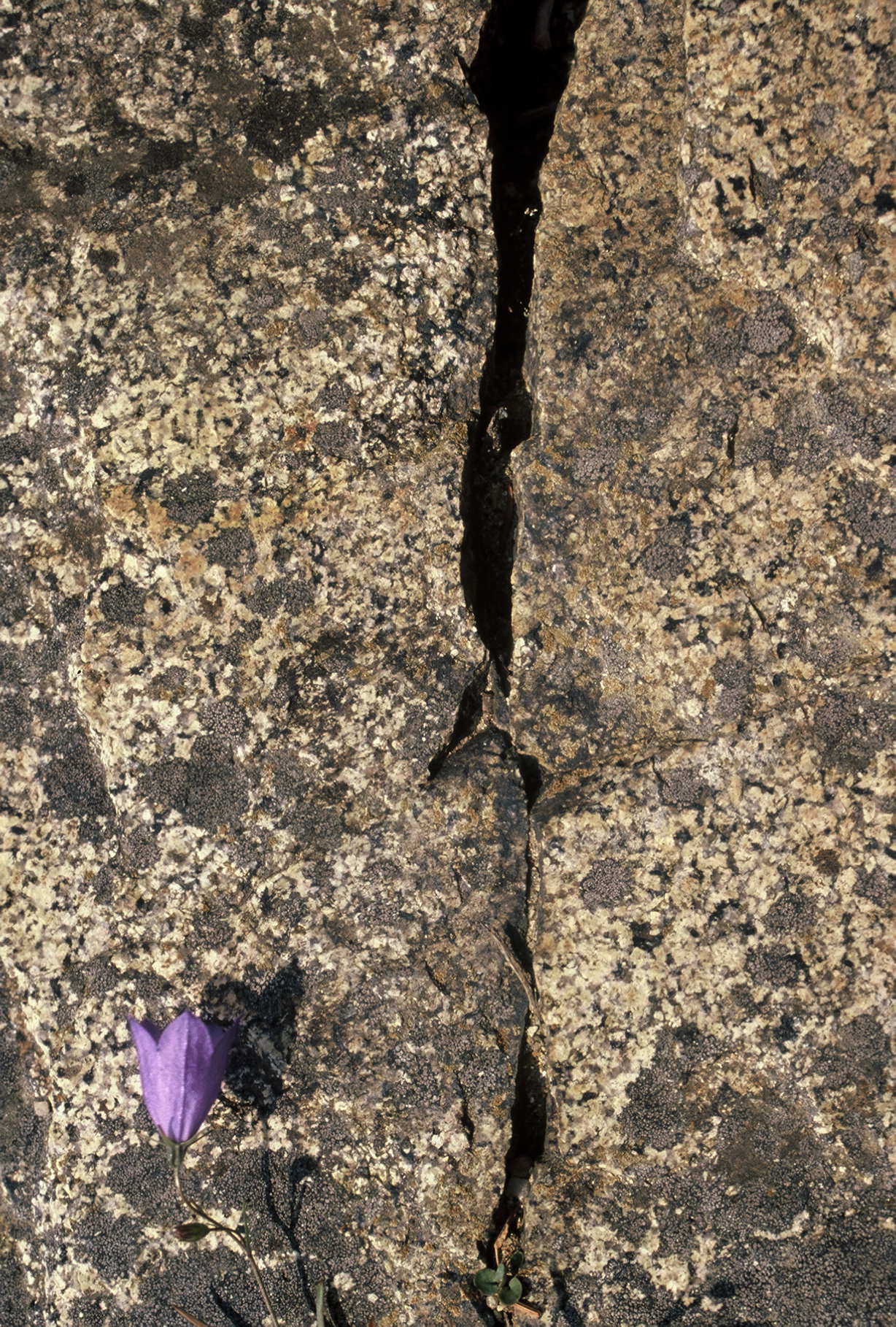
Life finds a way.
Bell flower on a rock jetty out in Lake Superior


 biologicalenrichment
You must be logged in to post a comment.