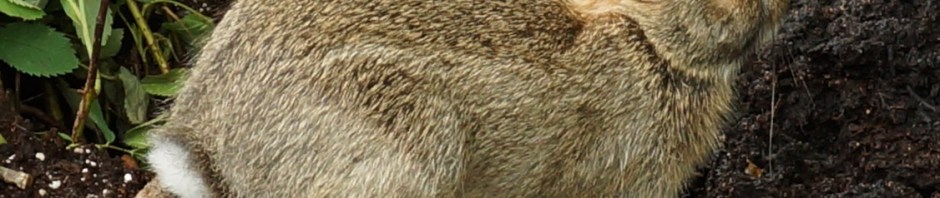
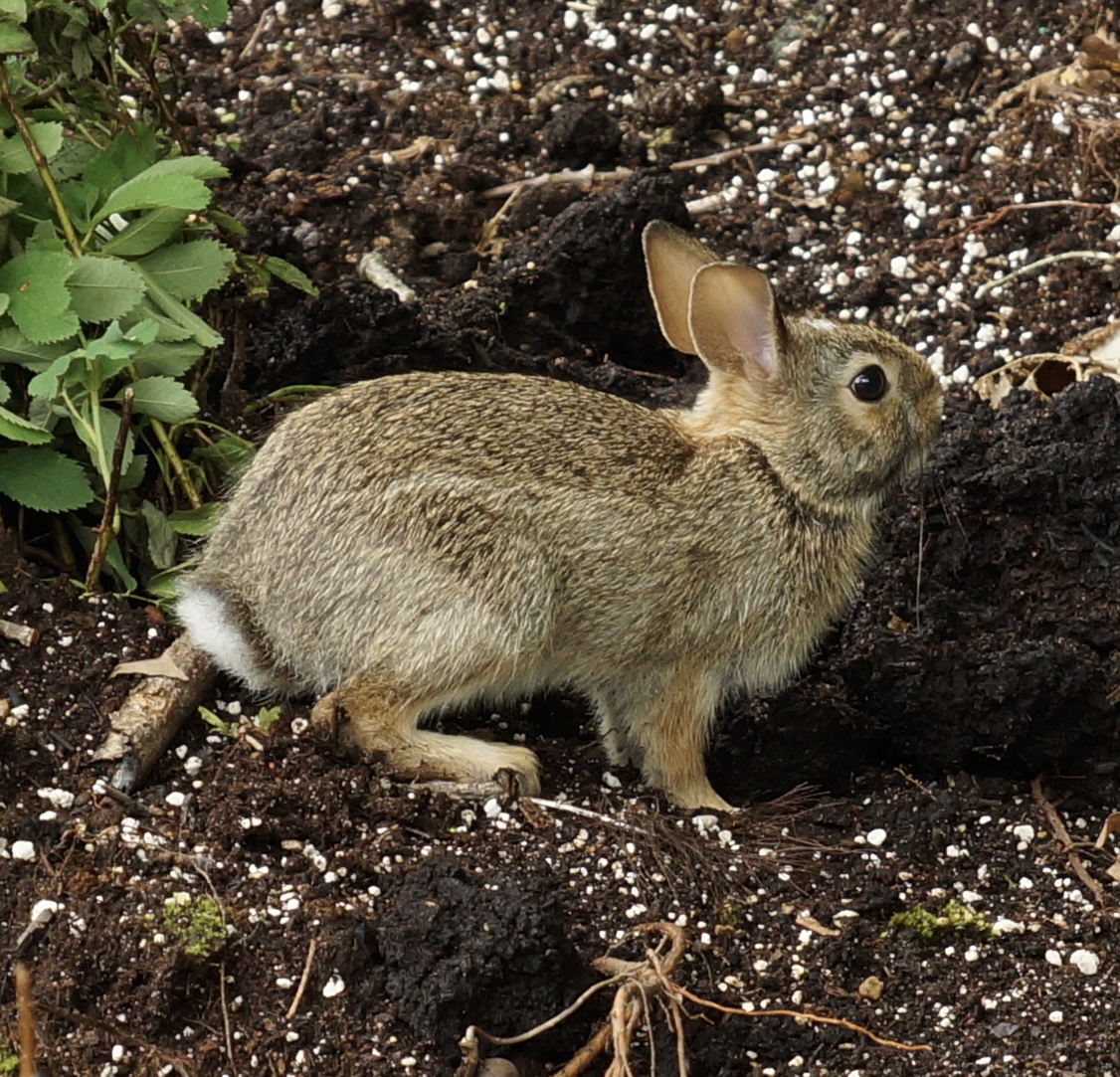
Some of the plants I grew at my farm were the ‘lost in translation’ of the edible world. I was not sure how anyone, made use of or processed and consumed in some way their fruits or foliage. The flavors were impossible to enjoy. There might be good reason for this. Processing can eliminate the bitter alkaloids or remove any number of compounds which are not good for humans. Some of them are toxic and damaging to the human physiology. Others are more like the amount eaten or dosage which would require tests based on your body weight and what else you consumed that day. I have listed a few of these here only because they often skipped over in terms of actual edibility. Some nurseries and seed companies paint a very rosey picture of the flavor impossible plants. The rabbits may skip them too.
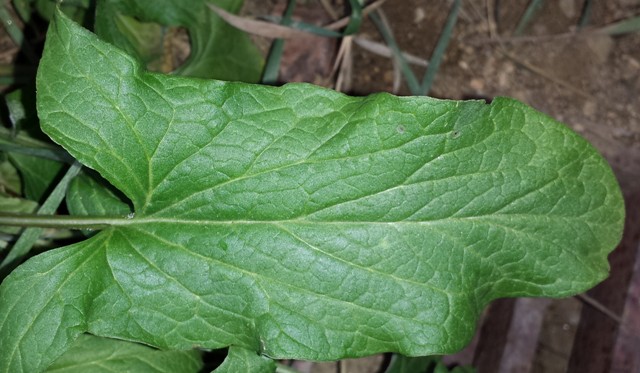
Good King Henry was an easy plant to grow. It was vigorous and produced large amounts of foliage. The name ‘poor man’s asparagus’ hints at its use as a perennial green vegetable but its flavor was off the charts bitter in its raw state no matter what time of year I harvested it. Unfortunately I never had the chance to cook and eat it. It was so bitter that I never got that far. I freaked. It flowered once at my farm, but it was not persistant as a perennial plant. For that reason, the experiment ended.

The Mexican plum is one of the few plums impossible to consume fresh off the tree. The highly astringent plums make your mouth completely numb and dry like a desert. Like an unripe persimmon, there is no way to finish the fruit before it is ejected with great velocity from your mouth. I am sure with enough sugar and processing you could make a jam from it. Maybe. I still have a few plants and I am hoping to move them this fall to better locations. It is an extremely drought tolerant species and does not grow very well in Michigan. This astringency may be less pronounced in very hot climates so maybe that is the key. I am guessing.
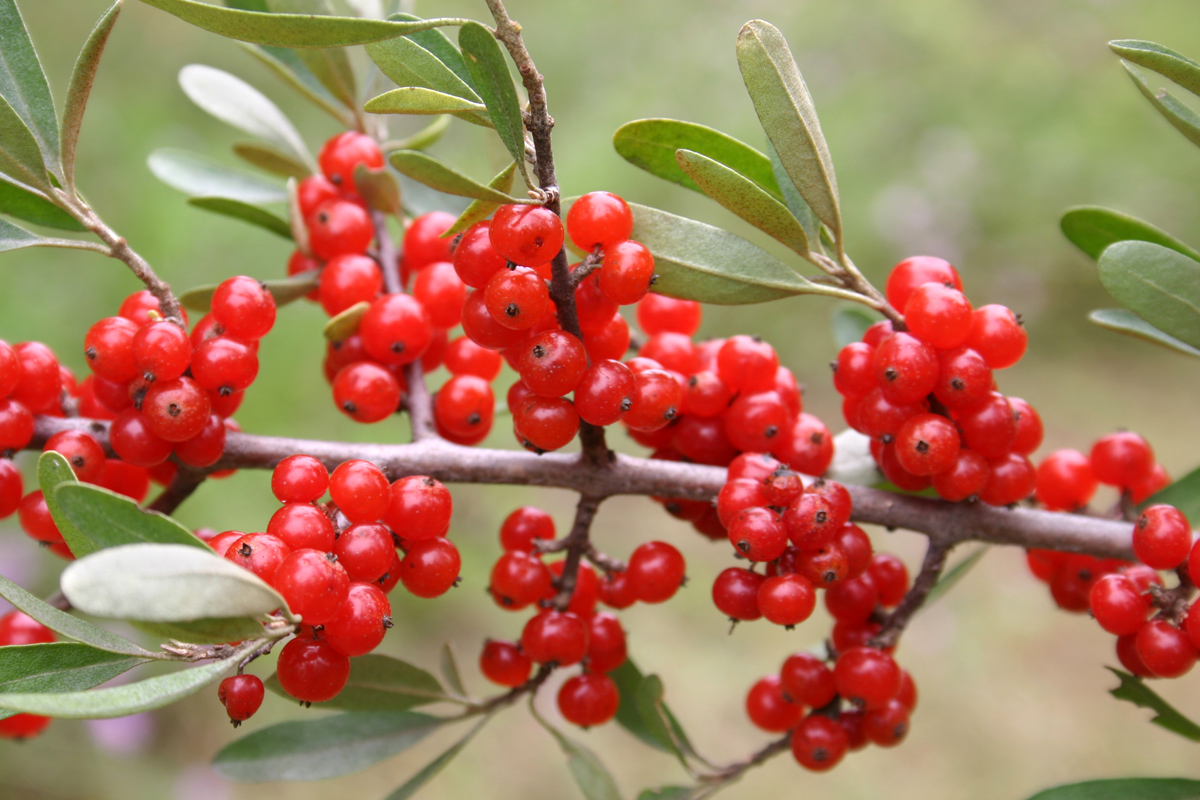
The buffaloberry is one of those forgotten indigenous North American shrub heroes of the nitrogen fixing realm. The plants produce a extremely tart berry with a ph of 3. You will ask yourself what is happening to your mouth as you chew the fresh berries along with the seeds into a acrid soapy paste. It is high in phenolic compounds which hints at its potential health benefits for the prevention of cancer. The soapiness to me says saponins. In moderation, that is a healthy compound but makes it impossible to eat fresh off the bush. This species will likely be used like seaberry. The plants were short lived in southern Michigan. Sugar may hold the key.

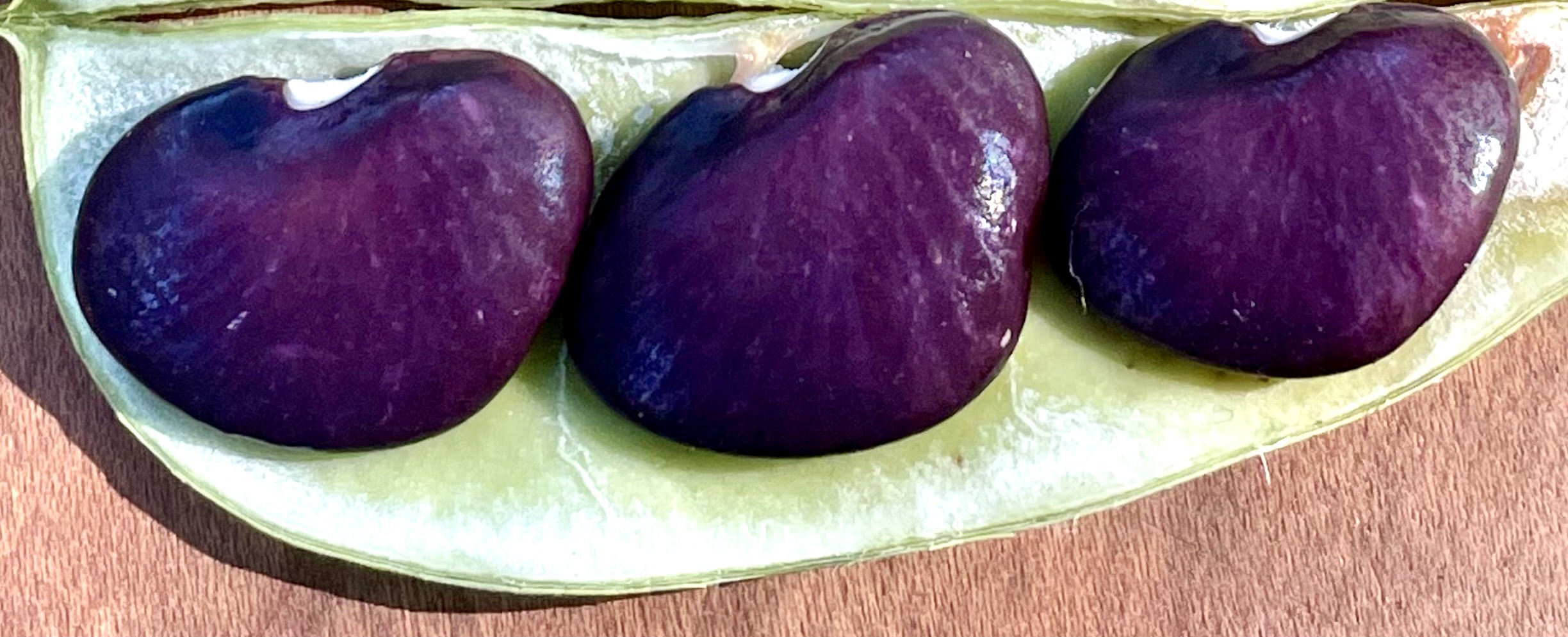
Buffalogourd is poisonous. Everyone knows that. It is high in alkaloids beyond belief they say. You will die they say. The smell of the leaves are old road kill leave alone fragrance. I once put my tongue on the freshly cut surface of the fruit only to realize the taste sensation I was expecting was nowhere near where I was heading. To say it was bitter is a kind statement filled with hope and salvation at the end. There was none. I spent the next five minutes trying to wash the flavor out of my mouth with repeated water rinses. Later after processing and drying the seeds for sale, I had the thought to taste the seeds. Maybe they will be different I thought. Maybe I am a genius I thought. What a great idea I thought. Why? What is wrong with me? Didn’t I learn the lesson the first time? No. The seeds were concentrated bitter too. But maybe in the background there was a slight hint of pumpkin seed. This highlights a larger problem besides my blind ignorance. People read the cultural use of plants not realizing that there were procedures in place to harness that wild plant in some way and to make it safe and better tasting. Many of these techniques are lost in time. You can’t back breed, hybridize, or select plants suitable for eating until you know this process and the culture around it. With scientific data in tow, you need to know how that translates to a healthy food creating a direction to follow. From there you can discover the flavors of the edible wild of the world’s flora. Carefully and comfortably outside of impossible flavor.


 biologicalenrichment
You must be logged in to post a comment.