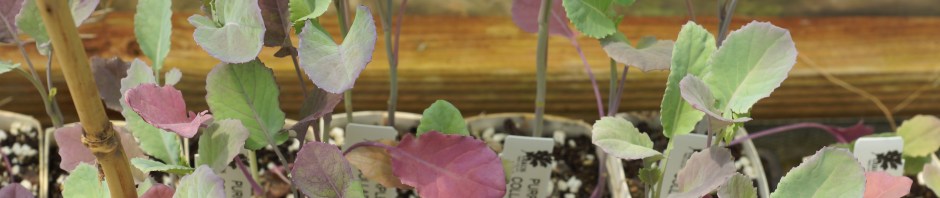
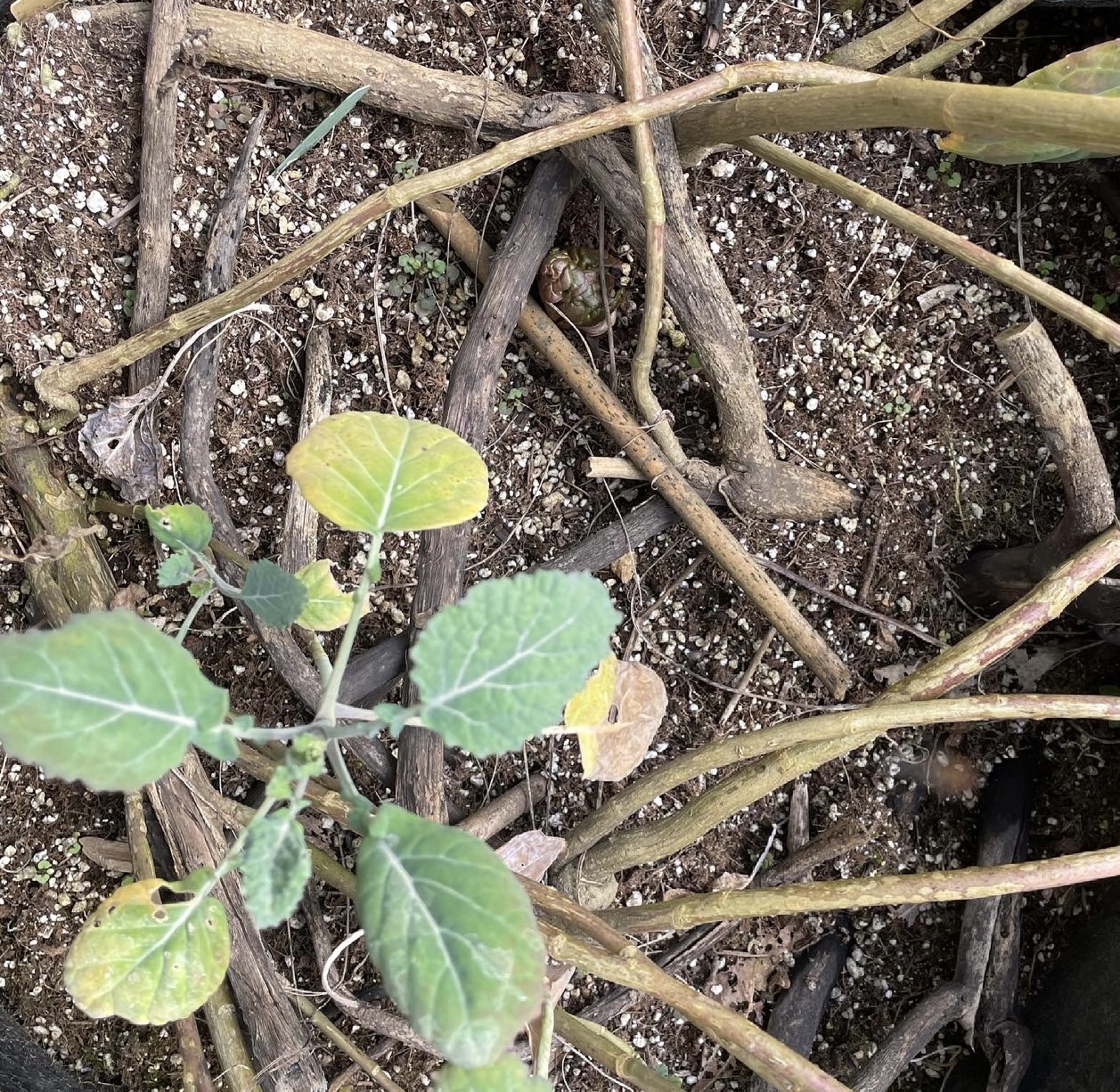
If you were to grow broccoli or brussel sprouts you might discover by accident a few plants that resprout from the soil level the following spring. It’s a common experience. It is not a reliable means of propagation waiting to see what winter brings but it does happen. When I started growing tree collards and kale, I noticed this type of regeneration. Collards in particular are often propagated this way using stem cuttings. This is done by refrigerating the cuttings in the winter and planting them in spring. Leaving broccoli or brussel sprouts in the soil for the second year highlights their biennial nature. After flowering and setting seed, the plant usually dies. This is common with kale. The tree collard on the other hand can grow large and thick with trunk like dimensions for many years. It is considered an annual only because we have cultivated it that way. It is much more reliable via seed on a larger scale.

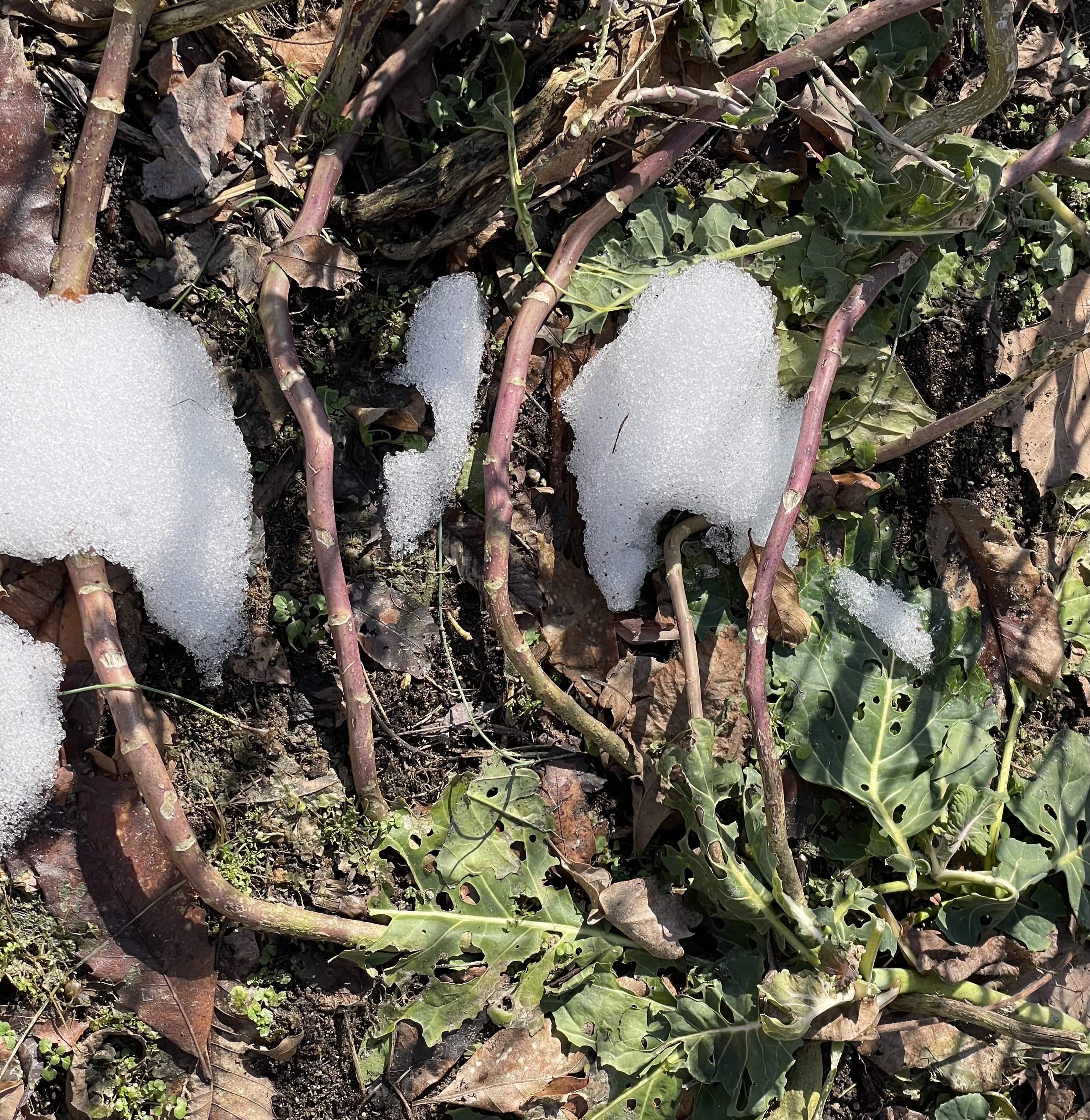
Out of a population, I found a few ‘winter hardy’ tree collards. These were seedling collards left on their own in my Zone 7ish polyhouses that grew vigorously and continued their growth from their root mass. In the polyhouses the plants would freeze solid too but it was a slow dormancy and not the normal up and down of real world weather conditions. They flowered but often did not produce any seed. The ratio of surviving plants was roughly one plant per hundred. As bad as that may sound, it was quite encouraging to me as the odds were much more favorable than many of the plants I had experimented with earlier. A lot of perennial vegetables were short lived in my climate. What sort of plant physiology would be required for long term growth outdoors and how you would measure that? For a while I kept attempting at establishing Sea Kale. Sea Kale, as cool as it sounds, was not long in this world. For whatever reason, it rarely made it past three years before disappearing into the land of mulch. Maybe I needed a sea. It was a seashore plant to begin with. The seeds were very expensive and hard to get from overseas vendors. Sea kale was also very bitter likely requiring boiling in a change of water prior to consumption.
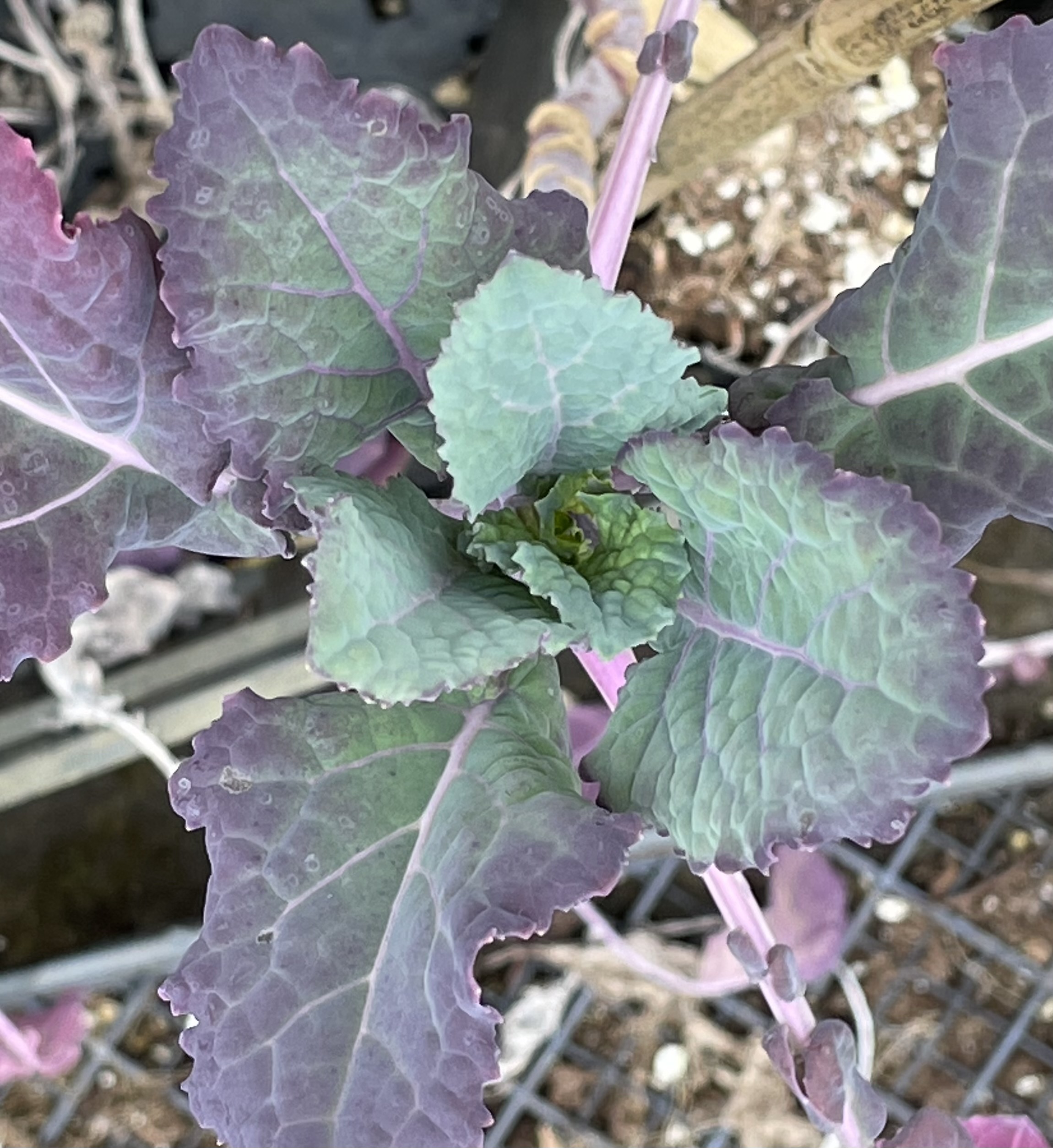
Eventually I moved my tree collards outside and decided to do cuttings of one selection. That selection was both vigorous and had good flavor. After the minus 27F winter, I finally had a perennial bridge to create populations from as well as a variety for cuttings. I named it: ‘Michigan’ I gave it to the Tree Collard Project in San Francisco to distribute and sell. They provided me the original seeds that they were offering as open pollinated tree collards.
How do you measure hardiness in an annual plant? Tension and compression with a pair of lopers. The hardness of the stems of Michigan was like apricot. Very difficult to cut. This hardness equates to hardiness. Wood is good. You need a lignin rich Brassica stem that protects the delicate water and nutrient transportation systems within the stem. It turned out that winter hardiness was related to the stem density. The ‘Michigan’ collard did this easily not only because of its growth but ability to grow a lignin type protective sheath surrounding the succulent stem. We often think of winter hardiness as some sort of magical find deep within the genetics of the plant which says either ‘yes’ or ‘no’ to various environmental challenges like cold temperatures. This time the Brassica plant creates it’s own physiological response to cold. Wood.

The Collard Rules
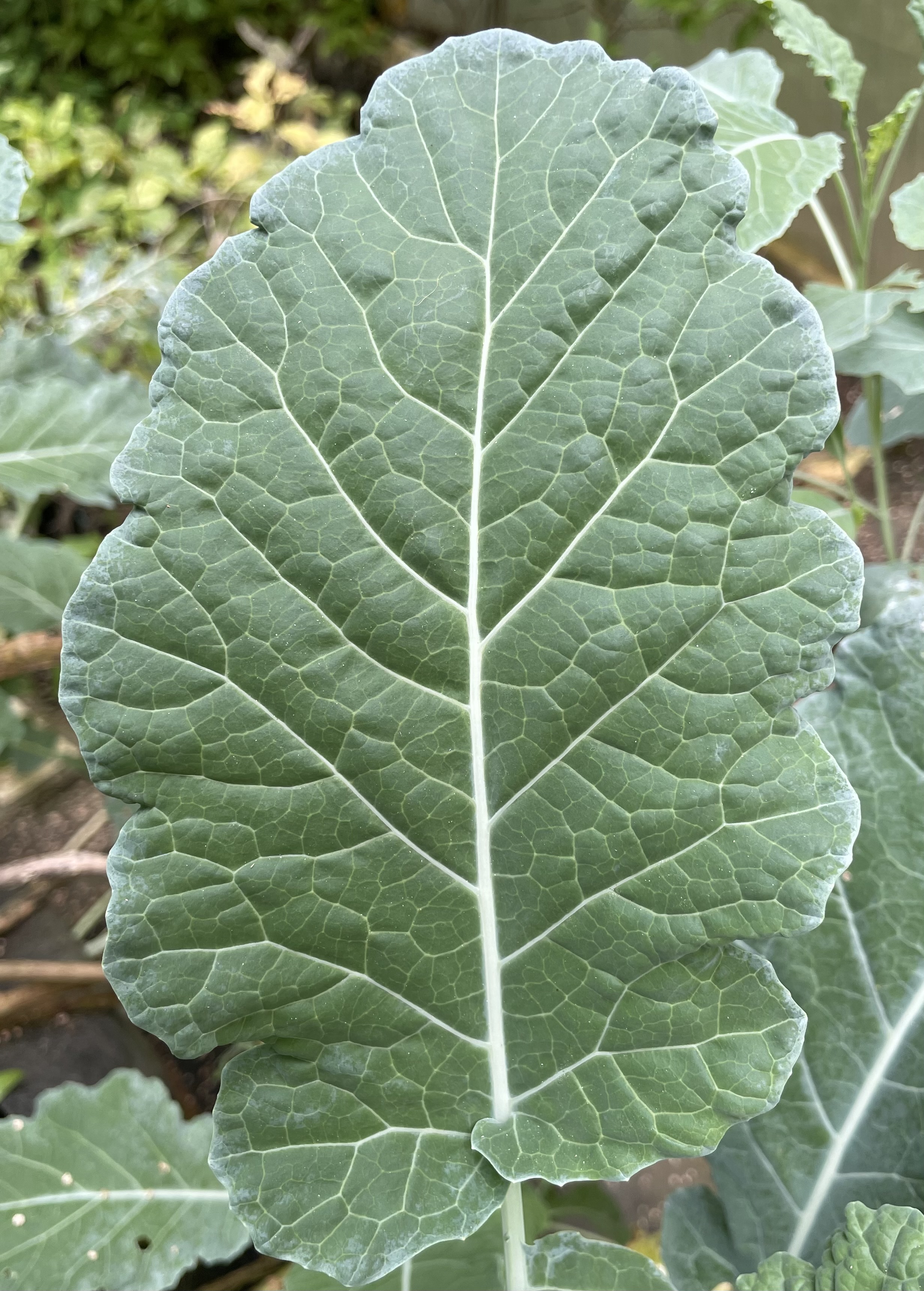
Here grows a leafy vegetable full of vigor and health. One leaf invigorates a culture. Agri and horti combine feeding cultures across the globe. Now I have a whole leaf. The leaf is the answer. It has order. It has structure. Collards find and transport the nutrients deep within the soil. A perennial collard increases its ability to do this every year of its life. You can seed it. You can use a small cutting and stick it in the ground. The collard rules.
Kenneth Asmus


 biologicalenrichment
You must be logged in to post a comment.