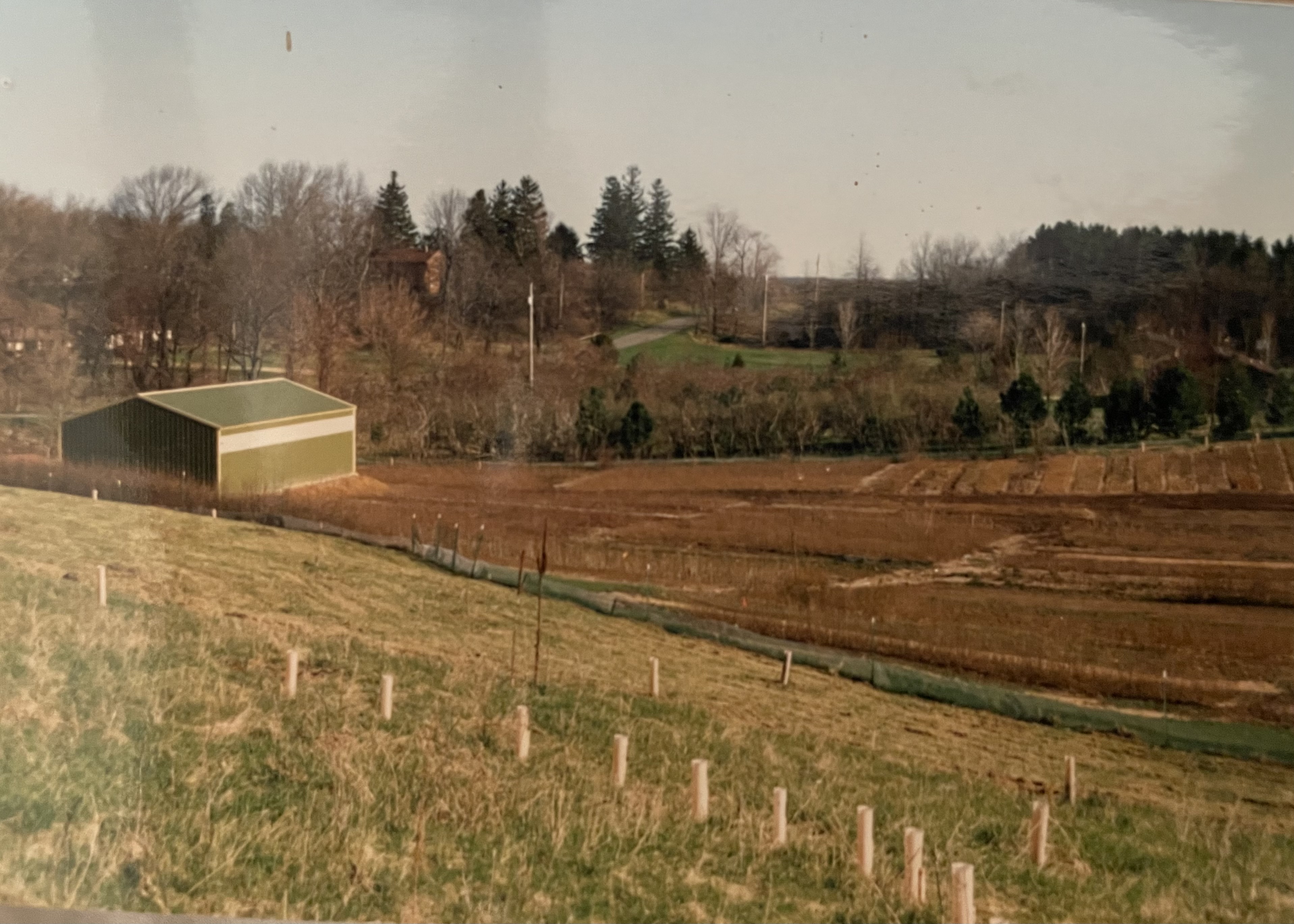
The first trees I planted outside of my nursery into the pasture were hickories. It was in the early 80’s that I acquired the property and began my nursery. The snap shot above tells the story. At that time, people shunned the hickory genus only because it was hard to establish due to the tap root. This led to a high failure rate when transplanting. Finally, with the advent of tubex tree shelter, the hickory tree was very easy to grow in my pasture. The pink tubes gave a sterile hospital vibe to the land. The tree tubes allowed for the slow regrowth of the tap root after cutting it off while digging the tree while at the same time protected the small emerging leaves in that first critical year. The warm, moisture and carbon dioxide rich environment in the tubes speeds the growth of the hickory and prevents dessication. I did not know this at the time, but the foliage of shellbark hickory has a wonderful nutmeg smell to it in the spring. It is this aroma that seemed to attract deer to the plants which would then munch on the leaves from the newly emerged sprouts. Eventually the trees grow past past the salad bar browse line. In the area shown above, the wind off the treeless hillsides was brutal making everything drought prone. The tubex shelter eliminated that problem. I was very fond of the Shellbark hickory, Cara laciniosa and most of my plantings have this species interwoven with its hybrids and other hickories. It was also one of the easier hickories to grow from a seedling. The tubes you see in the front row are Long Handled Almond or Prunus pendunculata. The others are all hickory.

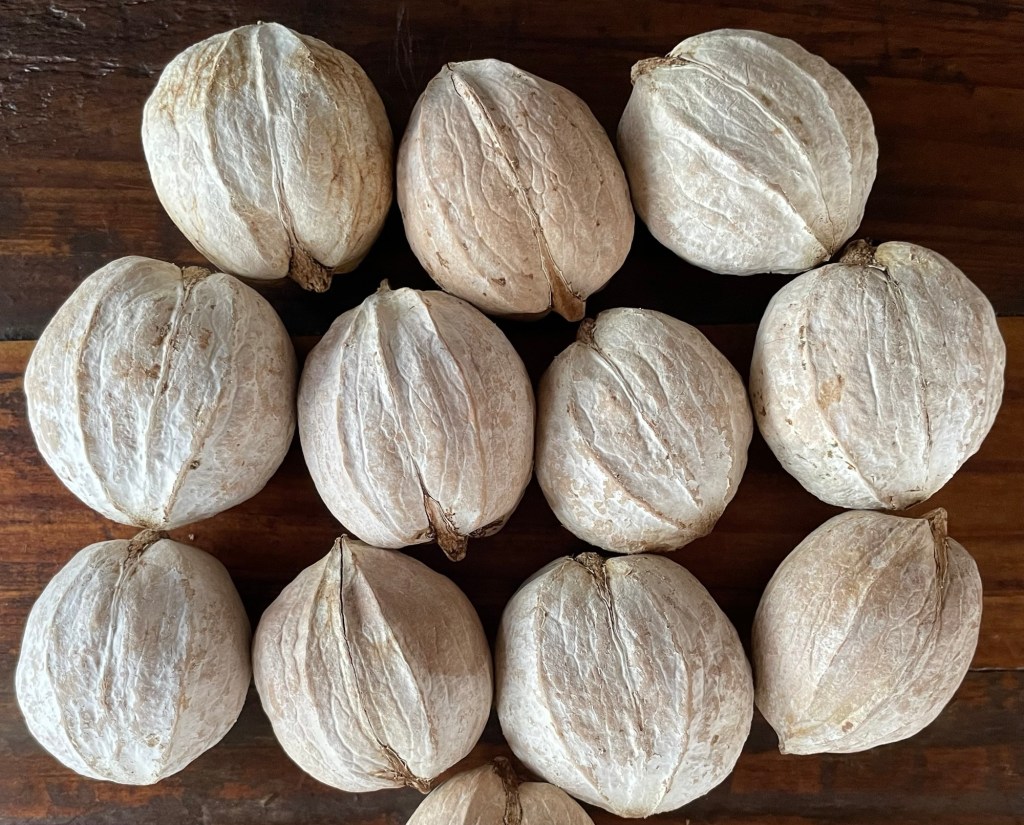
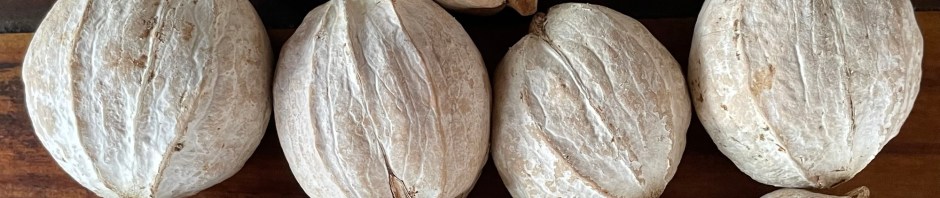
The overall purpose of my hickory obsession was to create a seed repository which would allow me to collect the nuts in a timely fashion and use them for nursery stock. It did work. But it was much cheaper to buy the nuts from other growers who also had a hickory nut obsession. There was few wild trees to collect from in southwestern Michigan. I did find three trees. It took exact timing to drop the nuts to prevent the squirrels from hauling them off. When a shellbark hickory nut falls from a tree, the speed of travel to the top of a human head can be significant. It is a large nut with a hard shell. With or without the outer husk, it is quite a knock on the noggin. One Dodge truck I was using by putting a ladder in the bed under the tree suffered serious dents in the hood as the nuts came raining down. I decided to go to a hard hat after that realizing my whole scenario of a ladder in a truck bed collection method was dubious to begin with. Should I fall in the process of my love of all things hickory, it would leave others wondering of my mental state. It certainly would make a good story. The police might treat it like a crime scene. Why the ladder in the pick up truck? Why the nuts? Who in their right mind would do this?

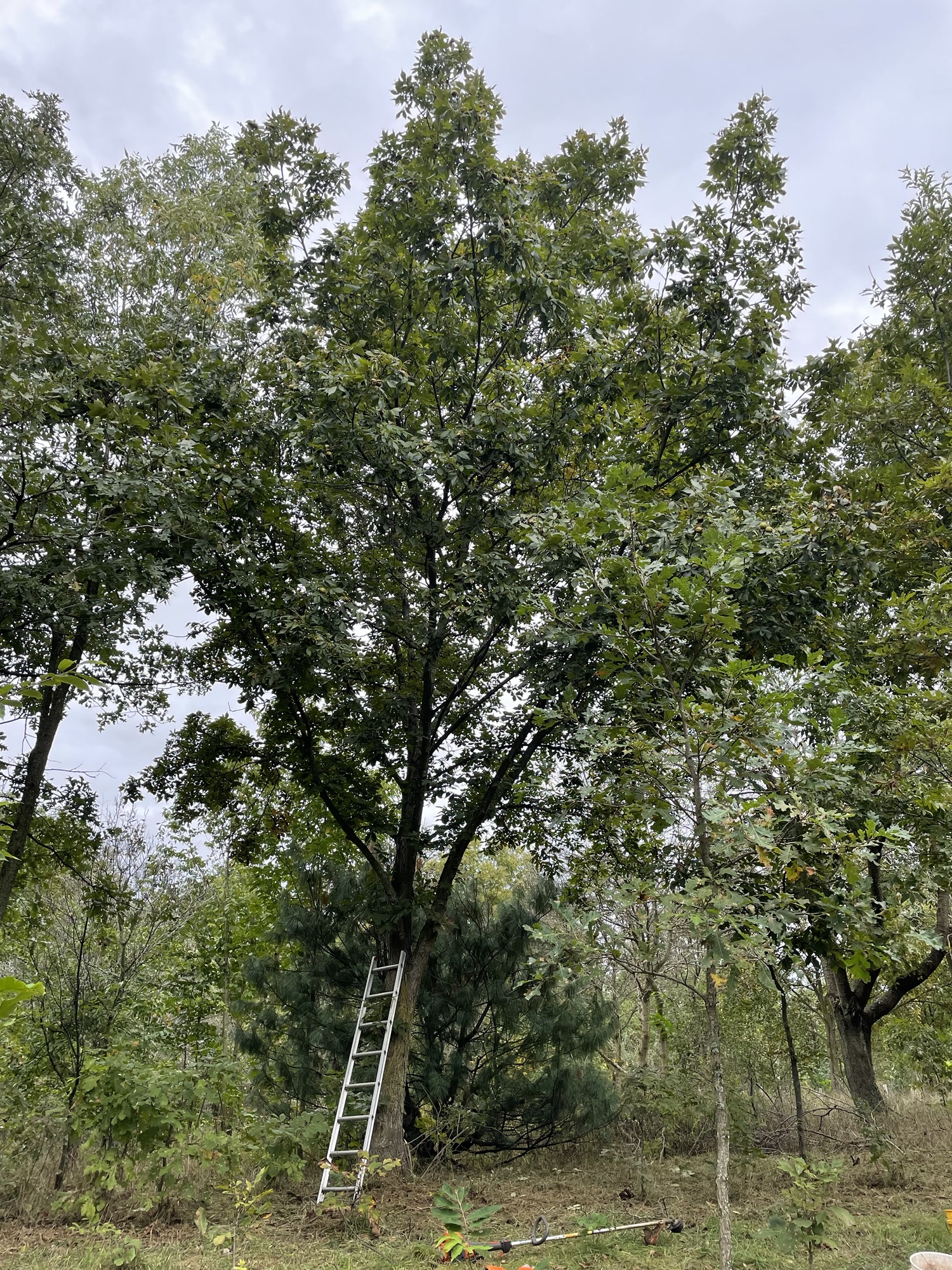
Eventually I went to shaking the nuts by climbing the tree or using pole pruners. When the nuts hit the ground it is like drums from a distant land all beating the praises of hickory. Collecting nuts off the ground allowed me time to understand and ponder the genus in terms of cultivating it and potentially finding varieties in my plantings. I did notice that it was extremely rare to find other species of hickories throughout the world. I did not have the luxury of travel to places where I could collect or reach out to other countries. It turns out North America is rich in hickory so I did not have to look far. I began to read more about the genus in the great manuals of Charles Sprague Sargent, Manual of the Trees of North America, pages 176 – 200. Here hickories were plentiful and rich in history with great diversity of subspecies. I began to explore growing them at my farm including the black, sand and nutmeg hickory, lecont hican and many other natural hybrids. Despite their southern origins, they grew very well in Michigan. I think many of these species had larger ranges at one time and show remarkable hardiness far greater than in their native ranges suggest.
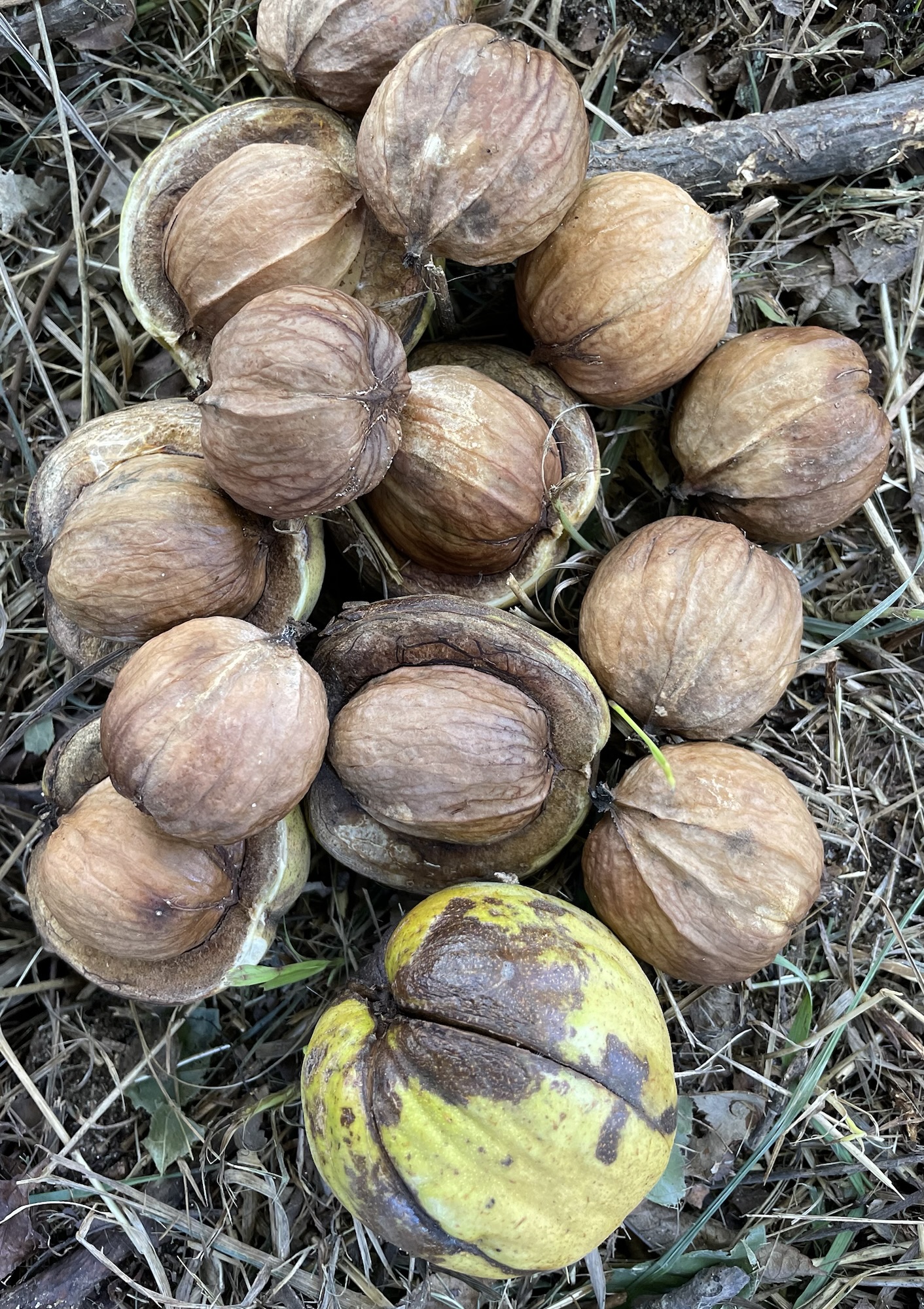
As my shellbarks began to flourish and fruit, I would plant others of their kin near them and begin the process of pruning and maintaining the trees. The shellbark self seeded into other areas of my farm while creating another population randomly spaced. One area in particular was my ailing hybrid chestnut planting which was getting a hickory make over. I let them go. Now I had a self sustaining population of them filling in where other trees failed. It was the perfect forestry scenario of letting my so called ‘improved’ selections create more improved selections of all types. The hickories were expanding on my farm and the now the dominant species is hickory. I did not plan this. I did nothing. I saw those fox and gray squirrels run by very fast when I went out to collect. They created the hickory forest of which I started by using good seed trees. I gave up live trapping and moving them out of my farm. I found ways around them and their natural tendencies. Of course, they still got a few nuts but their value can never be underestimated. I often wondered if whole landscapes could be planted like this using the natural tendencies of squirrels to create forests. It seems very easy to do. You would plant the seed trees and leave. It would only take 40 years.
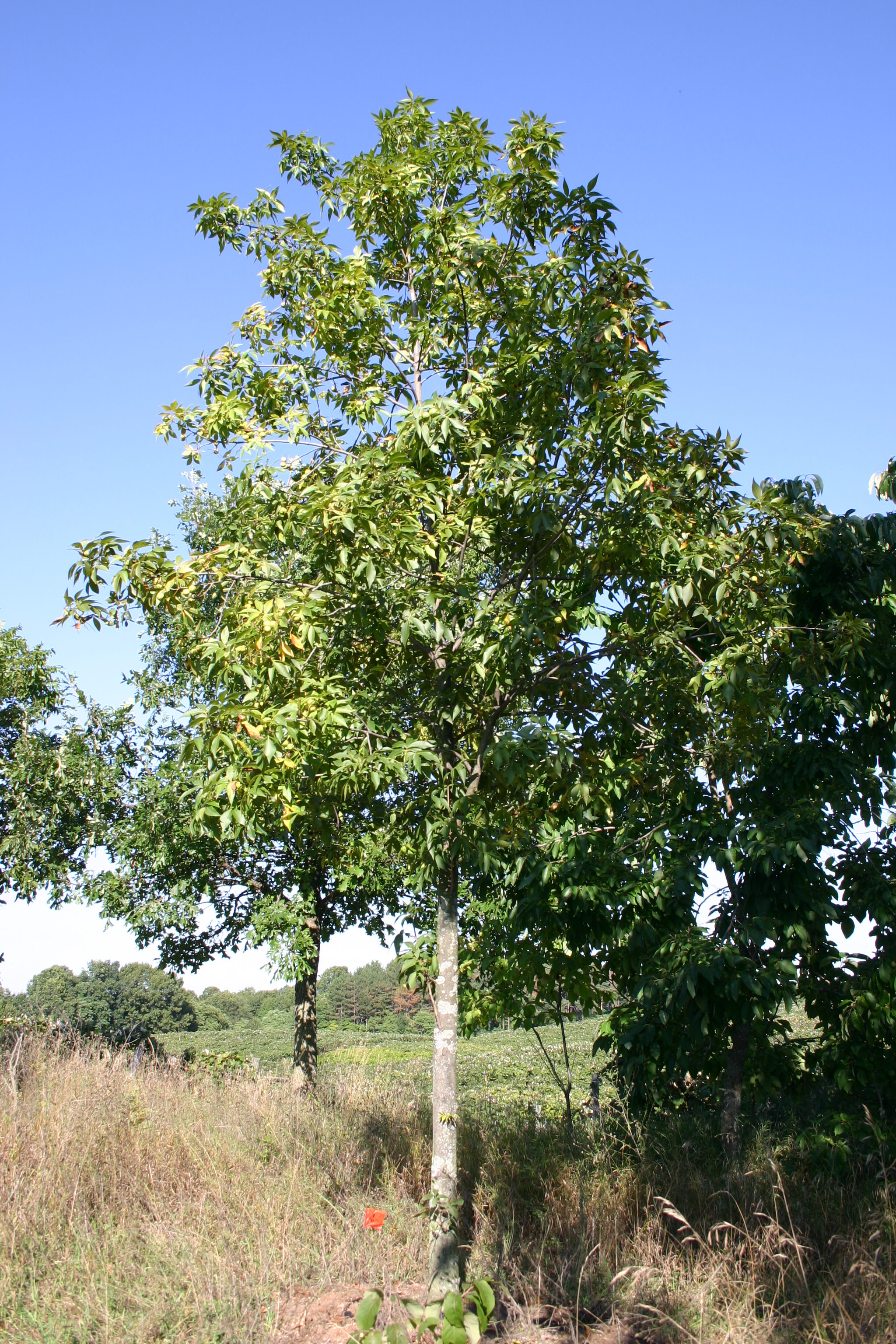
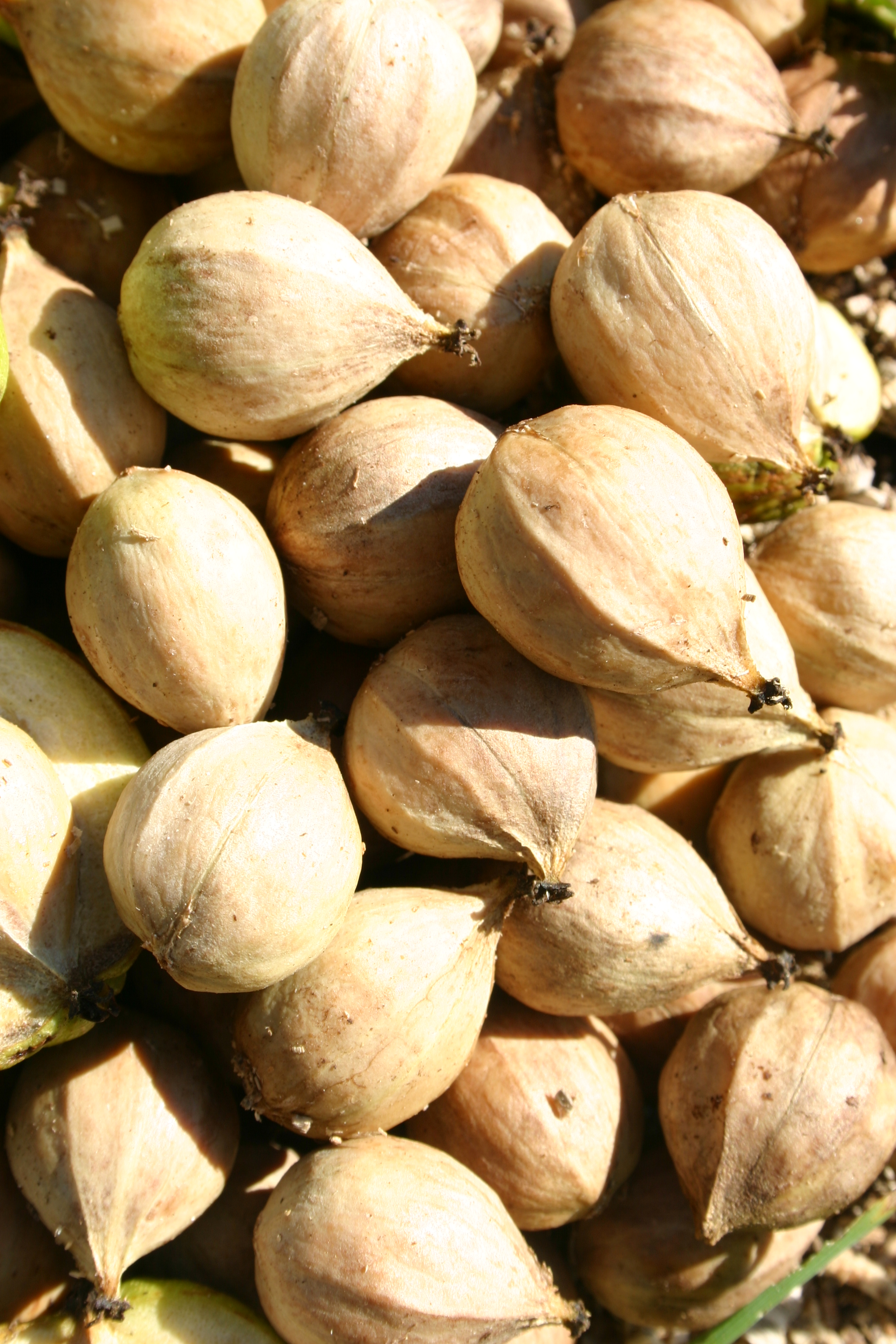
One such hickory hybrid is the lecont hican. It is a water hickory and pecan hybrid cross. Carya aquatica x illinoensis. It has an amazing speed of growth far greater than any other hickory I have grown. You could easily grow a four foot tall tree in one year in a small pot. For a hickory tree, that would be considered a miracle of science. Yet, a fast growing hickory tree was not jumping off my shelf in the retail nursery trade. I grew this plant off and on for twenty years. As much as I loved it, my ethusiasm did not equate with sales. It was a lone tree on the dusty plains filled with other nice ideas of retail sales. Few wanted it. The great thing about was its hardiness as well as its growth rate. To this day, I have not idea from the trees I have established what the nut production is like. It was completely hardy to at least minus 20F which was kind of shocking to me since I was getting the seed from Louisiana. I currently have mature trees of it at my farm. They maintain strong growth with a central leader and no narrow crotch angles like the pecan has. The population is very uniform when growing them from seed. Without a doubt faster growing selections could be made for a form of hickory lumber that could be developed making sizable trees in half the time of other species we currently harvest. Planting was done in my polyhouses using 10 inch deep bottomless containers with straight sides. The trees take a year off after transplanting but then grow quickly again. It is easily limbed upwards to create a straight and knot free lumber just like black walnut. This particular selection of hickory was harvested at one time and sold as Bitter pecan. Bitter pecan is lecont hickan and is a naturally occuring cross fround in the south where wild pecans and water hickories grow. No one really knows this selection much but I did find out that each year I purchased the seeds, they were different in size and shape. This is normal in hybrid populations. Some had smoother shells and others were rough like the water hickory. One thing they had in common was the tannic tasting nut.There was no way you could eat it. It was very similar to bitternut. It takes several minutes for the intense dryness of the Sahara desert in your mouth to disappear. It is very oily and could be used as an oil crop. This particular hickory highlights a situation that relates to other tree crops. Even if you develop something very positive and useful for the future of agroforestry and other forms of forestry, it may never see the light of day in terms of practical applications. It highlights the slow moving ideas in conservation and agriculture where everything takes too long to work out the details. It would only take a hundred acres of this cross and you would begin to see miracles of science take place. In some ways it is like creating a solution without a problem. The problem is not clearly defined or doesn’t exist. Without a problem, no action is taken. There is no money or energy to give it the lift it needs in terms of practical applications. Meanwhile back at the farm when I round the corner in my truck, I give them a mental high five and think of all things hickory.
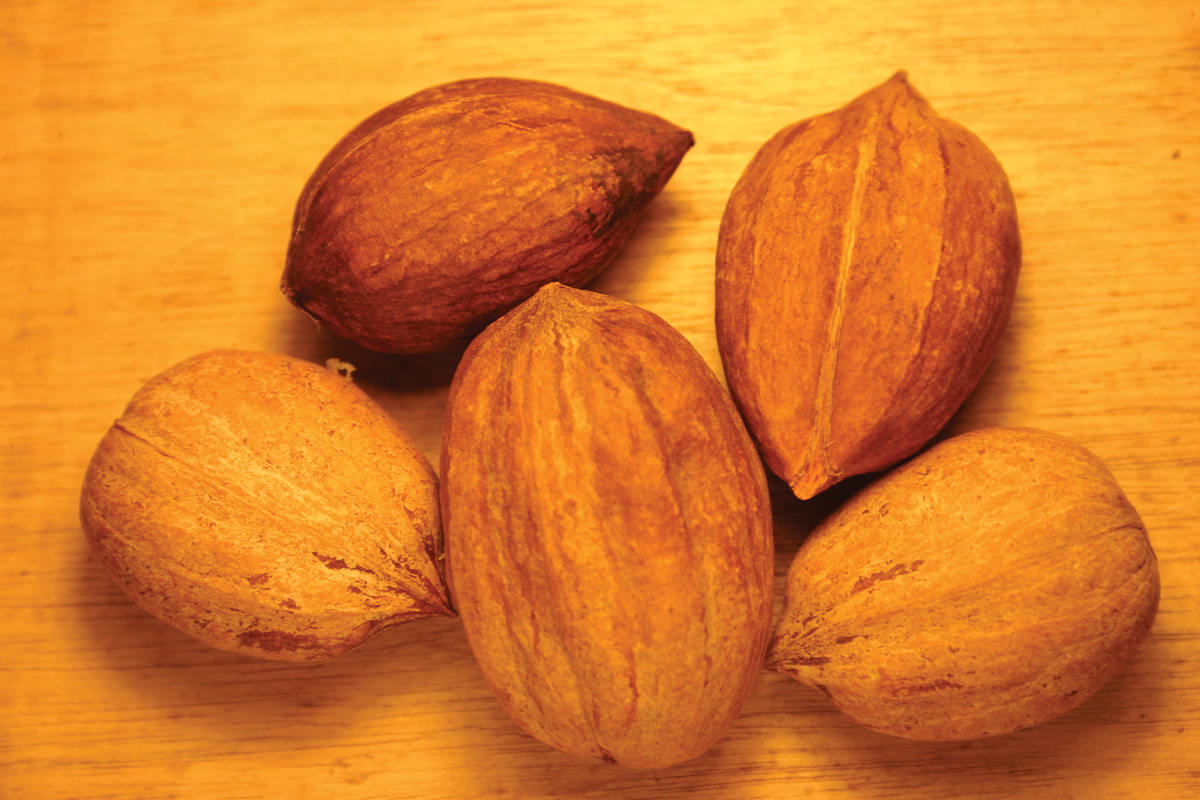
A note on Canopy Closure: Canopy closure is used today for soybeans or other annual crops. For corn and soybeans a certain density of plants per acre plays a role in achieving this state where the ground is shaded by the leaves of the plants. If you were to create a canopy of pure shellbark hickories and you want it solid hickory and nothing else then the normal 40 by 40 ft. spacing used for pecans is too tight but it would create canopy closure must faster. The real issue is that shellbark hickory is a much wider tree with lower limbs that spread outwards. It has a broad spreading open canopy. I was fortunate to visit a shellbark hickory tree in a yard that a ninety year old farmer had planted when he was 16 years old. He dug it from a nearby swamp. The tree was huge and was dropping nuts on his house making for quite a racket in the fall. At night it interrupted sleep, so they did some pruning to directionally train the limbs. Judging by this tree and others I have seen in peoples yards, a spacing of 80 x 80 would be ideal. If I was developing it within mixed plantings, I would go to 100 feet apart. If you were planning on doing the squirrel thing like I mentioned above, I would plant 7 trees per acre.


 biologicalenrichment
You must be logged in to post a comment.