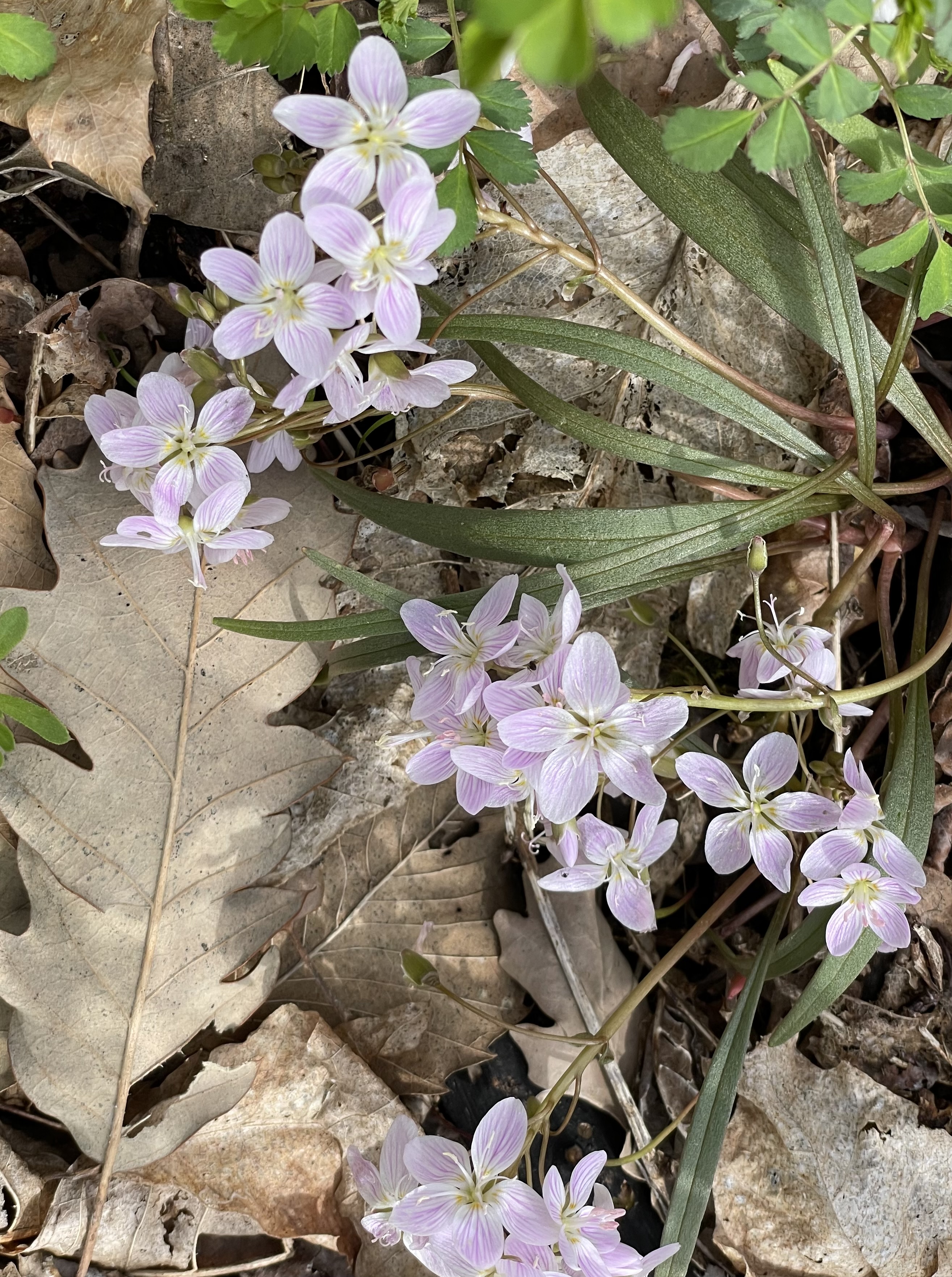
When I first purchased my land in the early 1980’s, there was plenty of information in the books on conservation and ecology. I kept some of my texts from college like Fundamentals of Ecology by Eugene Odum and Shrubs and Vines of Northeastern United States along with all the botany books. What was missing for me was actual living collections by farmers in agriculture applying the ecology without the phytoxenophobic goals we see today. It would only be natural in that what comes out of these living food collections can be applied on a broader ecological and agricultural scale. The tree crop farm provides its valuable resources using plants from a global perspective keeping up with the demands of the modern world climate by producing progeny adapted to the new norm. On the level of ecology if you build it, they will come. The native plants arrive in greater abundance without a human planting it in a controlled time release way. I like that some of my favorite plants are seeding in from great distances and in an effortless manner. You don’t need burning or herbicidal applications. You need patience and that by itself is of short supply. I have some very delicious mulberries and sweet cherries that have seeded into but my favorite are the woodland flowers and many unknown plants which I cannot fully identify. I remember discussing this with a customer of mine who had a collection of 4000 plants in Florida. His name was Ken too. “Ken, this is Ken” is how he would say hello on the phone. His messages on cassette tape and later voicemail where quite long winded but never boring. He told me that new insects never before seen by modern science were being discovered in his plantings along with new plants he found he could use as a source of medicine for his personal health. He said diversity breeds diversity and there is no way to stop it because the plants are ‘calling out’ to everything around them to bring all life in to this type of ecological novelty. Like a beacon, plants stir the pot of diversity. I wasn’t entirely on board at first but now I get it. Ecology takes time on a quiet human mental level as well. You plant seeds and wait to see what sprouts.

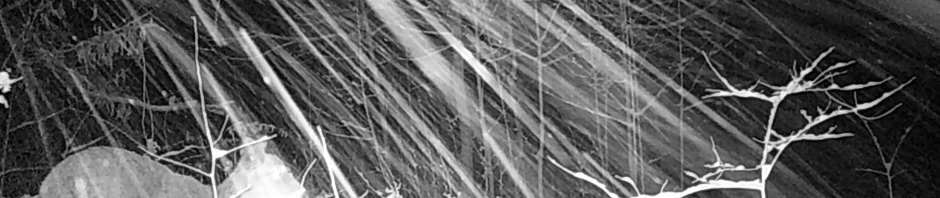
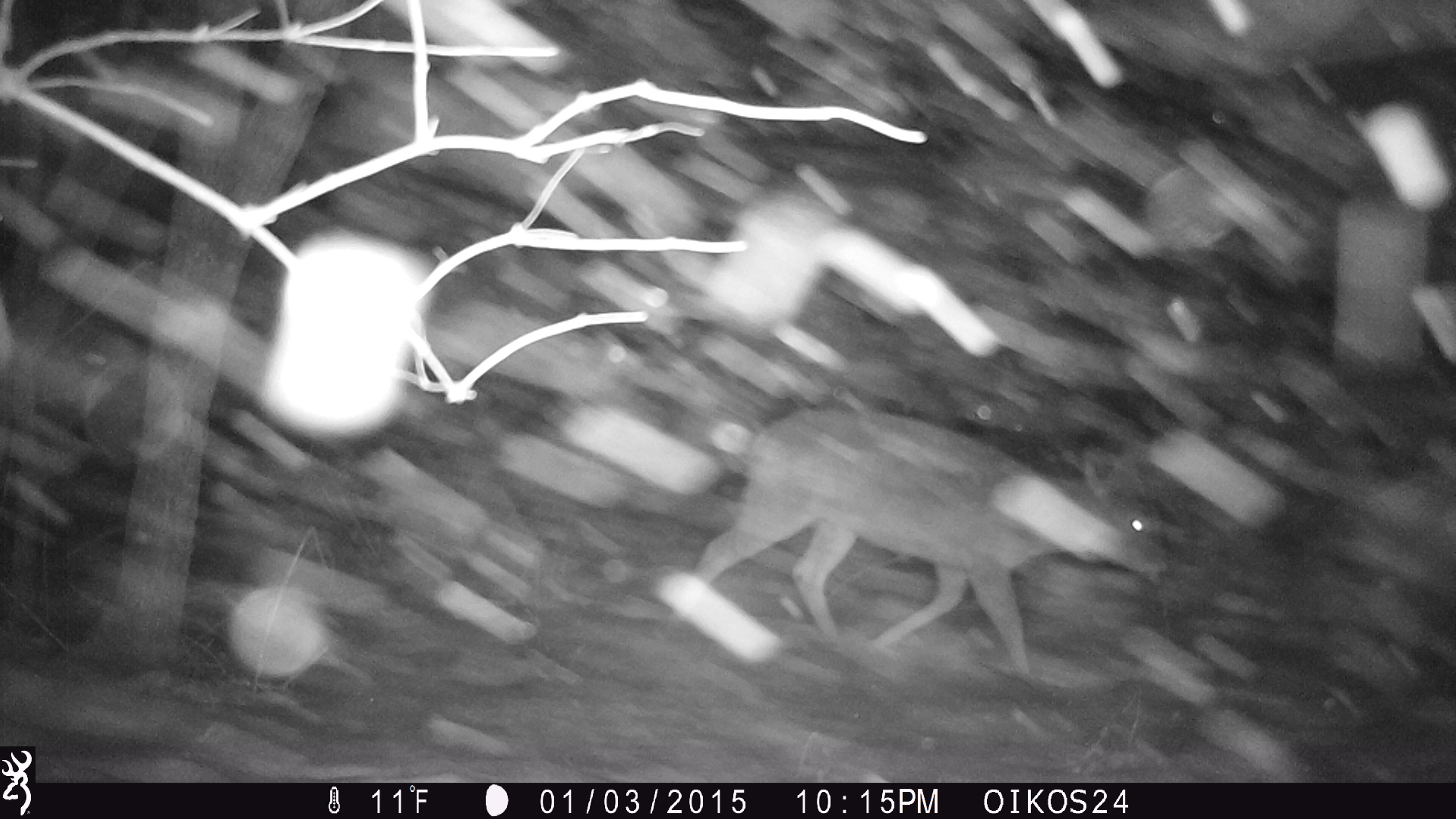
The prunings stay on the ground as fertilizer along with the whacked into green protoplasmic grass. Wild oregano of prairie origin is established here but it is not thick as other areas of my farm. That seeded in from 400 ft. away from a planting I did around 20 years ago. The existing Timothy and orchard grass are mixed in with some quack grass which is now fading over time to the point it is a minor concern as far as lowering the yields of the plum or apricot. Shade is a great equalizer in this arena. Patience is also needed for that to arrive to create that effect on the ever expanding plant community level. In this particular planting, there is one very large multiflora rose and amur honeysuckle that seeded in the shade of the plums brought in by birds who require the fruits to survive. When you prune the plants to the ground, the high protein sprouts become a favorite of white tailed deer and rabbits. Their manure is evident in this area which in turn feeds my plums with fertilizers. This in turn lowers the vigor of those plants and eventually they fade entirely. Both of these species also have viral infections which show up periodically and reduce and sometimes eliminate the plants entirely. Just another normal day at the tree crop farm.
You know what I feel guilty about? I wish I could produce my own fuel for my weed whacker. Maybe I wouldn’t feel like I’m in the Judge Judy courtroom of nature. Look at me when you say that! I had a friend who tried creating fuels for his truck during the seventies with a still. He loved using Jerusalem artichokes the best. It exploded at night when no one was around. The explosion brought in a lot of police cars and fire trucks to an abandoned barn. Luckily he did not live there, but he heard later the neighbors who gave him access were not happy with his biofuel project running amuck. It may have caught the barn on fire. I’m not sure. As a social worker who was used to calming people down; he went back to the gas stations after that trying to keep a low profile. Just getting some non-alcoholic gas here. Move along now.
Enjoy. Kenneth Asmus


 biologicalenrichment
You must be logged in to post a comment.