Beach Plums
I always wondered about the range maps of plants found on the USDA Plants Database. Is the line of demarcation a real and genuinely smooth line or was it purchased directly from the Sears and Roebuck botanical books of yesteryear? And why couldn’t a plant like the beach plum just skip over a few counties inland? The answer to those questions as it relates to the beach plum is very simple. It never got a chance either through animal or human vectors. I was told years ago, there is a beach plum leaf sample in an old early 1900’s arboretum collection from the shores of one of the Great Lakes. No one knows much about it. Scientists want to know if it is natural and a lucky chance of nature or anthropomorphic. To the plant there is no difference. Fortunately, all plants are willing to travel to work elsewhere and this is what makes cultivation possible. The beach plum is not an exception despite its narrow range map along the eastern seaboard of the United States. It can move with the help of humans who desire its fruits the same way people eat Montmorency cherries which originated from France. For the beach plum, there is no difference between Nantucket and Paris. I applaud that.
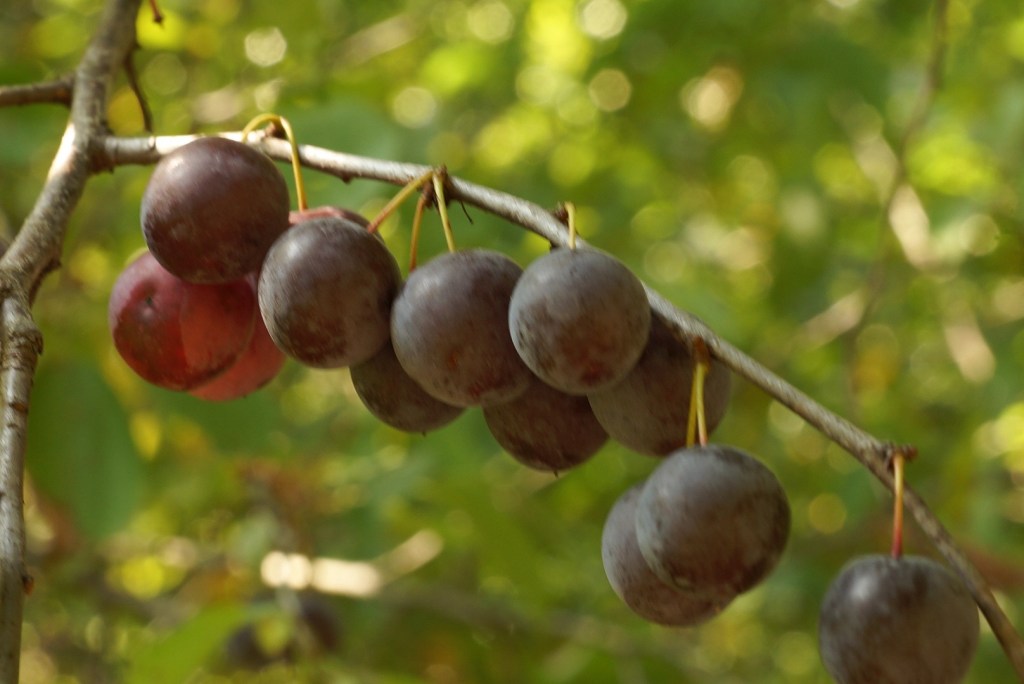
When I started growing beach plums, I began to wonder if this plant ever grew in the dunes surrounding the Great Lakes. It is tempting to try it. I am sure it would flourish. It turned out, it is very easy to do at my farm because my farm was the beach of Lake Michigan thousands of years ago. I am roughly thirty miles from the beach today. Close enough the beach plum says. It was from here that I began growing out of thousands of plants for the mail order trade along with testing my own jam making abilities with this plant. It was easy and a joy to do. The plant is naturally at home in Michigan flowering later than any Prunus species missing all frosts. Although there are natural hybrids of it with the American and Wild Goose plums, even without breeding the plants are insanely productive with huge clusters of fruits produced all along the branches. You could easily produce an orchard of it without cloning. This type of sweet fruit production via Prunus is only possible in the worst soil and environmental conditions for a fruit farmer. Even the frost pockets could grow the beach plum. Each plant is genetically different, making the orchard a wild population. When previous growers failed at cranking out clones of beach plums it was only because they were not a fan of isolation. A genetically different population saves the day in terms of yields. This is difficult for horticulture to comprehend where everything is neatly selected in a uniform and tidy way. You can’t just have wild with everything radically different. Oh yes you can, and this is how the beach plum rolls. It’s not about you. It’s the beach plum way.
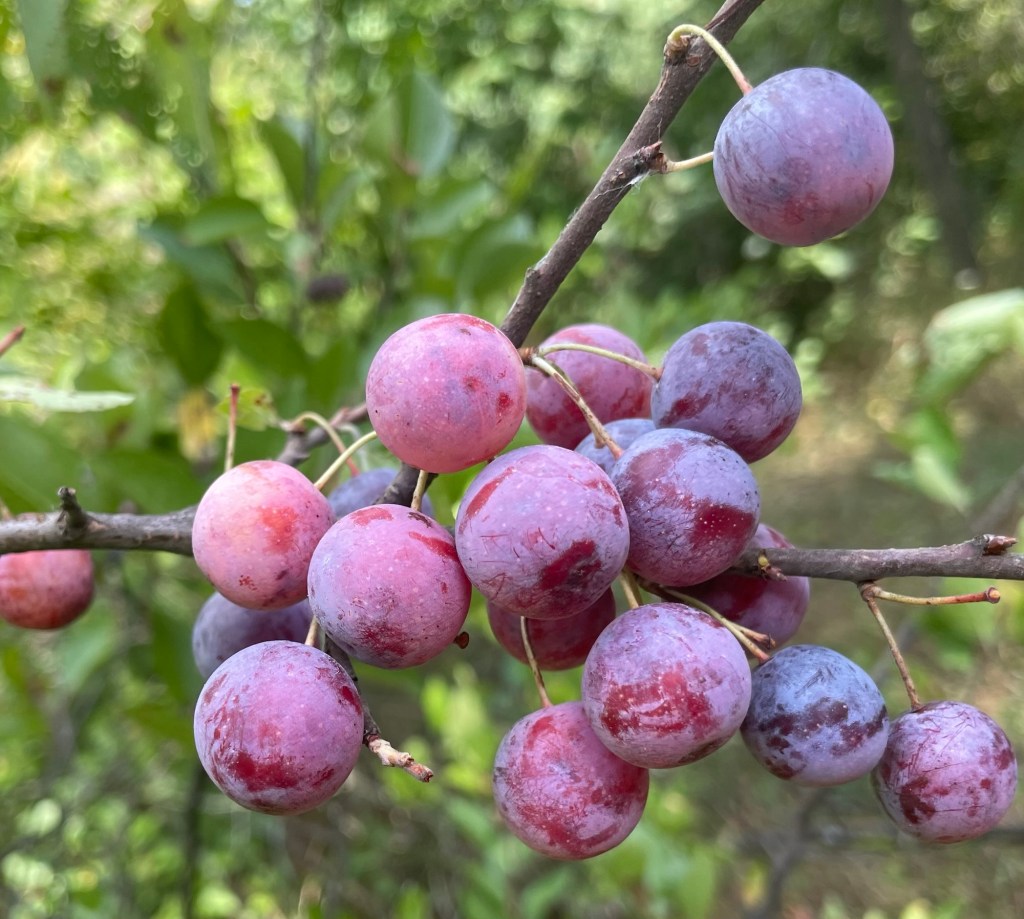
On the beach, there can be a lot of competing interests of humans and plants. If there is development pressure along the beach front or a change in the way the beaches are managed in some way, then the beach plum is not likely going to continue in that location you are fiddling with. No plants that I know are bulldozer resistant. Beach plums are very sensitive to herbicides. Bark transmission happens easily with this species. Early on in my career, I found out about this the hard way. This shortens their life and can kill the plant entirely in one season. If someone has the whacked idea of burning the vegetation while polluting the soil and air, then the beach plum will disappear entirely. Its retreat is the result of the sensitivity to changing conditions within the beach soil with its perfect balance on a microcosmic scale. Sand is soil although we don’t think of it that way.

You want a lot of insect activity including flies for pollination. Anything that interrupts this is going to be bad for the beach plum. After 40 years of growing them, I am still at awe at the vast array of pollinators that are attracted to its flowers. It is never just one insect. Sometimes I see nothing and am confused at how the fruit is set to begin with. You need to camp out next to the blossoms to witness this miracle of flies and bees.
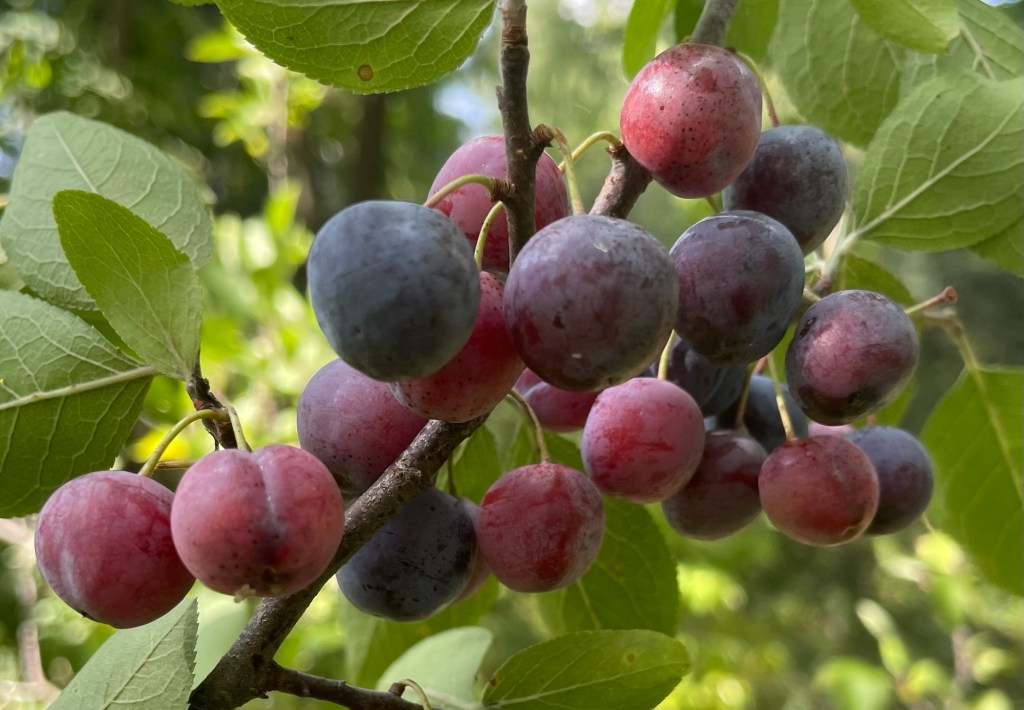
My biggest mistake growing them at my farm was mulching them with rotted hardwood wood chips. That finished off the older plants within two years. People experience the beach as a wonderful world of sun, warmth and frolicking. In reality, the beach is brutal in terms of fluctuating temperatures, wind and humidity not to mention soil you can fry an egg on. There is no volleyball or suntan lotion for the beach plum. There is no cool drink to sip on while basking in the bright sun. Yet not far off this scenario is a breathing root system deeply imbedded in the dunes going deep into the moist sand below. The soil is devoid of organic matter and their roots are exposed by the shifting sand. The beach plum perfectly reflects the laws of nature in that location. The wiggle room of cultivation is possible but think beach when growing them. Some people report a light salt spray on the leaves reduces fungal attacks.
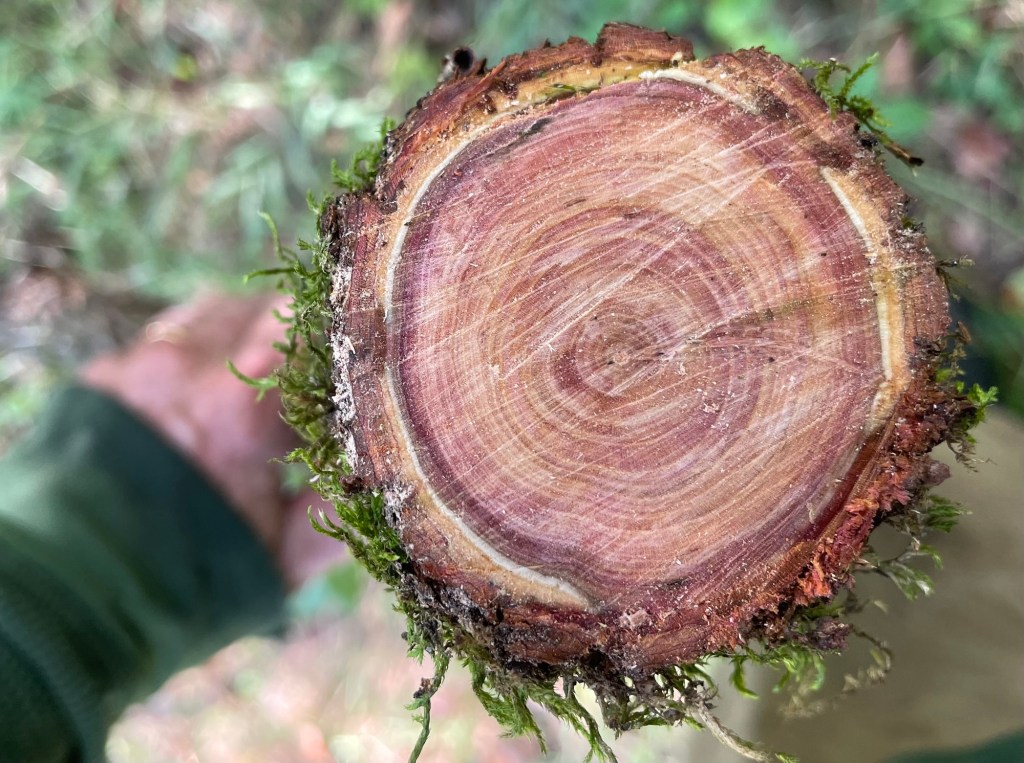
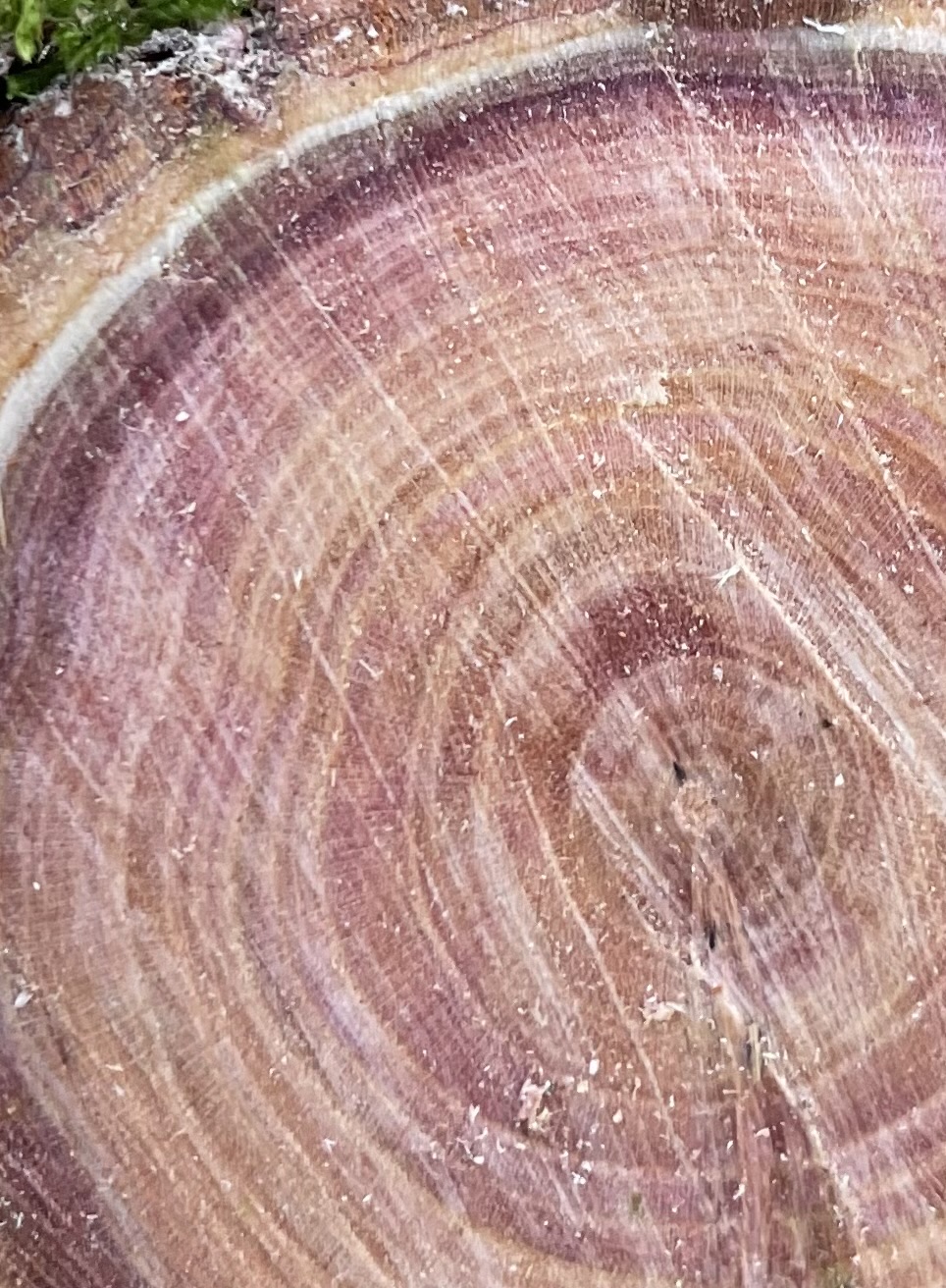
Realize that the beach plum after fruiting for a decade or two will die completely. It is a short-lived species unless you allow sprouts to occur near the base of the plant and use those as your new plant. Some plants have the ability to sprout as they skip along the ground as a sort of modified stolon. This beach plum tendency was discovered in one of my seed selections called ‘Plum Island’. Even with the fading of yields after a decade or more of cranking out loads of fruits, the seeds you produce are easily germinated in the field within your orchard as it continues its multi-generational progeny in a smooth transition from old to new. This is a new orchard of the future where it continually replenishes itself in a way that directly benefits the farmer with lower cost and healthy fruit without spray. It is a diverse, every expanding always adapting in an evolutionary and ecological way. Now that’s an orchard.
Maybe we are just frolicking along as well following the path of the beach plum in making the world more fruitful and abundant with or without the beach.
Enjoy. Kenneth Asmus


 biologicalenrichment
You must be logged in to post a comment.