(Part 1) I do not have much of a selection process for plants. Every plant looks interesting to me. I really liked the flavor of that wild Rocket I found in the cracks of a sidewalk in Grand Haven, Michigan. I loved the white berries of a sprawling evergreen wintergreen growing over a decaying log in a swamp in northern Maine. They both failed in cultivation for me. I tried but they did not stay around long. This loss also equates to knowledge of the plant. I learn and move on. There is no maxims in horticulture. I like the wide open highway of plant life. This is the ideal world of finding new food plants. Anyone can take part. It is good to listen but it’s not etched in stone. This article features a few plants that I attempted to explore only to watch the sun go down on their possibilities.
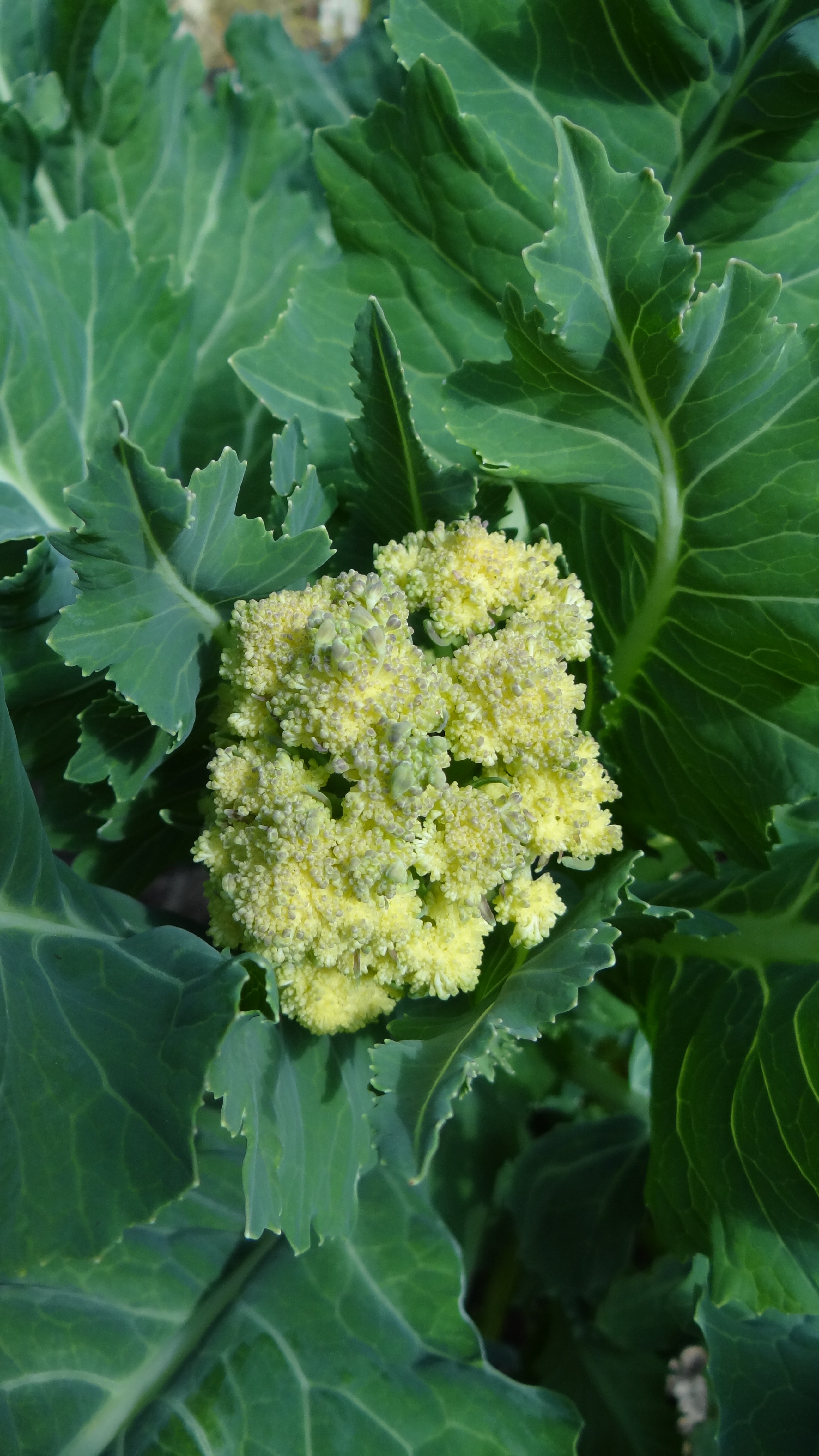
Nine Star Perennial Broccoli
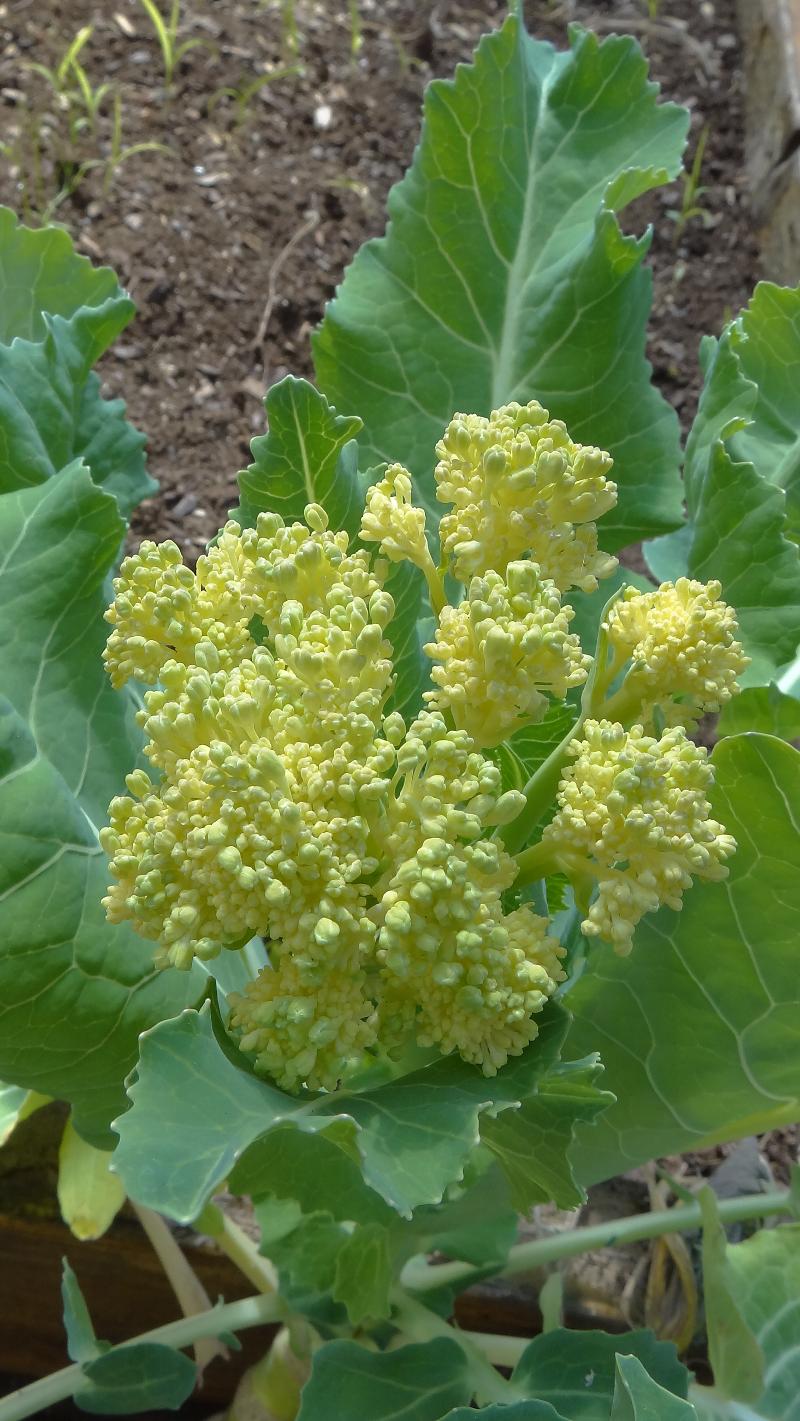
The idea of a perennial broccoli or kale is not that hard to imagine. It is a common experience of brassicas coming back to life in the spring from last years roots and stems. Nine Star used a unique set of breeding potentialities within the Sea Kale plant, the original species level perennial broccoli. That was the theory I was told. A couple of natural tendencies alerted me to several problems including zero seed production, the love of the plant by groundhogs and finally the deep sixer: winter cold hardiness. It was a cluster effect which left Nine Star as Death Star. Yet, even today I see it on Instagram having a new life for those who live in milder climates. It’s hanging out with the pure and illustrious folks now. Oh, it’s having alot more fun without me. Live and let live I say. The final two plants mysteriously disappeared at my farm. We never did know what happened. The nursery manager at the time was baffled. Poof. Nothing left. There are some broccoli conspiracies about it even today.
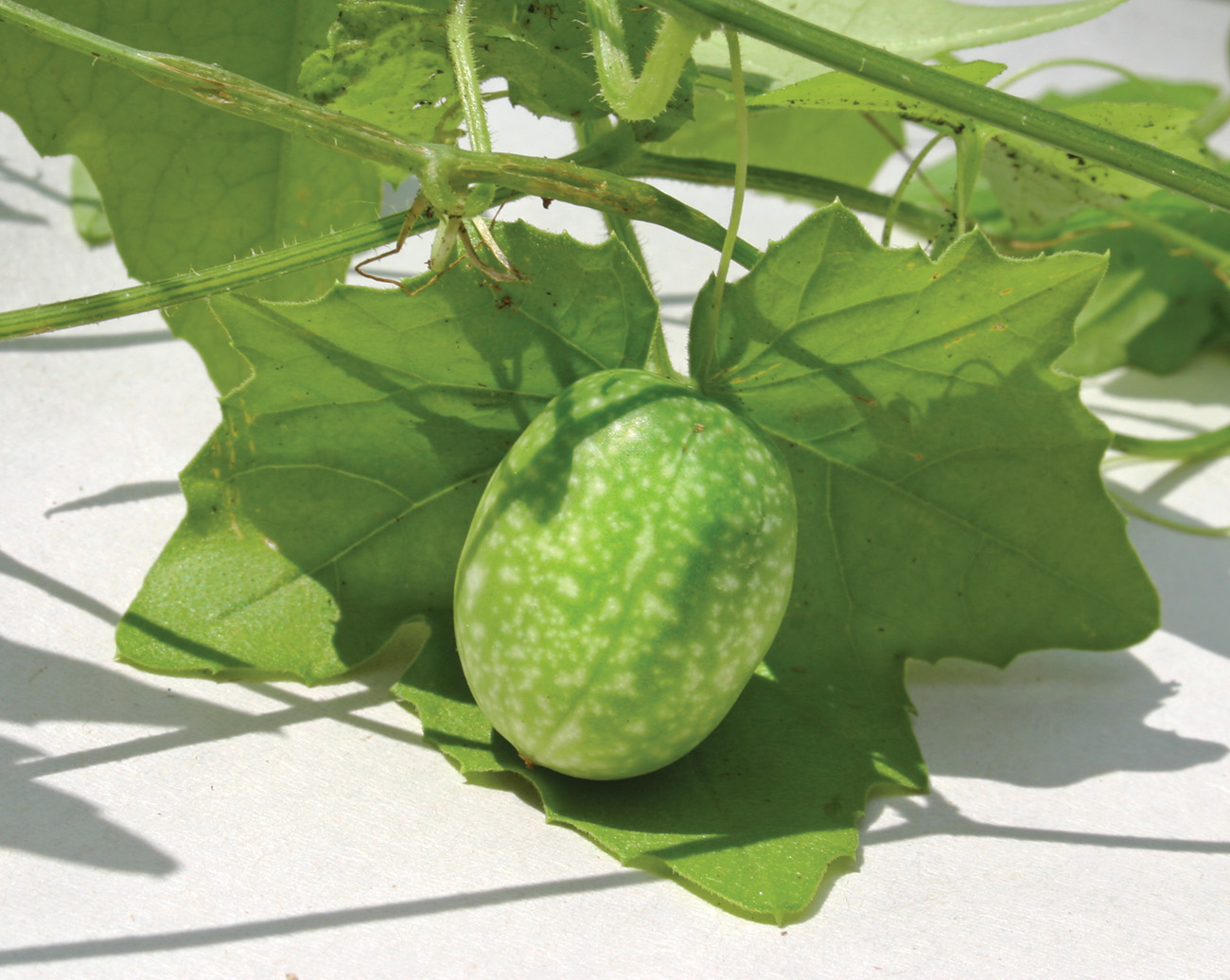
The Perennial Cucumber
Melthria scabra is best known as the Mexican cucumber. It is a perennial cucumber relative from Central America. You eat the fruit in the green stage which is the safest way to consume it. In the forests of Panama, Columbia and El Salvador the plant grows freely. It is cultivated in the United States too mostly as a minor annual crop for pickling the fruit. Somehow I was given seed of one the original strains found in these regions and made several plantings near the shade of a nearby greenhouse and oak planting. The plants grew very nicely and fruited the first year despite the shade. Surprisingly, it did regenerate from the roots the second year. The roots were very small and wire like. I was surprised it was possible this could happen. It appeared that near the irrigation pipe and grape pulp mulch the soil did not freeze entirely and the roots went into dormancy. I was never able to replicate this experience but wondered if the roots could be harvested and replanted versus using seeds to develop a more robust and winter hardy selection. It wasn’t suppose to happen at all. Yet here we were snacking on Mexican cucumbers in the shade of the Philadelphia oaks in the middle of Welch’s grape country. What does that say?
Equidistance Horsetail Groundcover
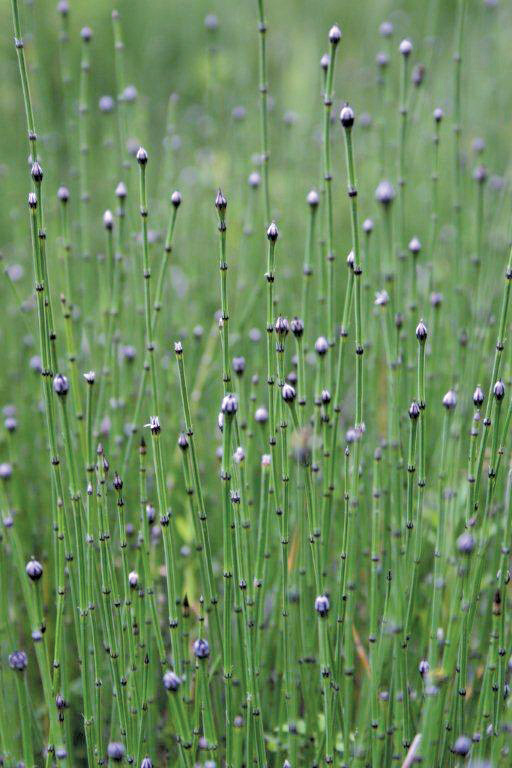
When my family’s farm ponds were made, one area was constructed poorly using a solid clay and sand mixture instead of the original peat and sand soil. A colony of horsetail, Equistem grew luxuriantly there. I had never seen this type before anywhere. It was odd in that it was incredibly dense like a thick shag carpet and gloriously invasive filling in every crack in the soil there where nothing else could grow. Even the great phragmites gave up in this area.When I started propagating it in my nursery from cuttings, it was very simple and effective. What I didn’t know was outside of the greenhouse, the wet clay and sand could not be replicated and the plants languished in my sandy loam soil without regular irrigation. I finally lost the propagation stock during one dry winter along with me saying goodbye to my nursery. Every now and then I look for it like a lost friend. Maybe it will spring up somewhere else. To this day I have not seen it. I will keep looking.
Buffaloberry
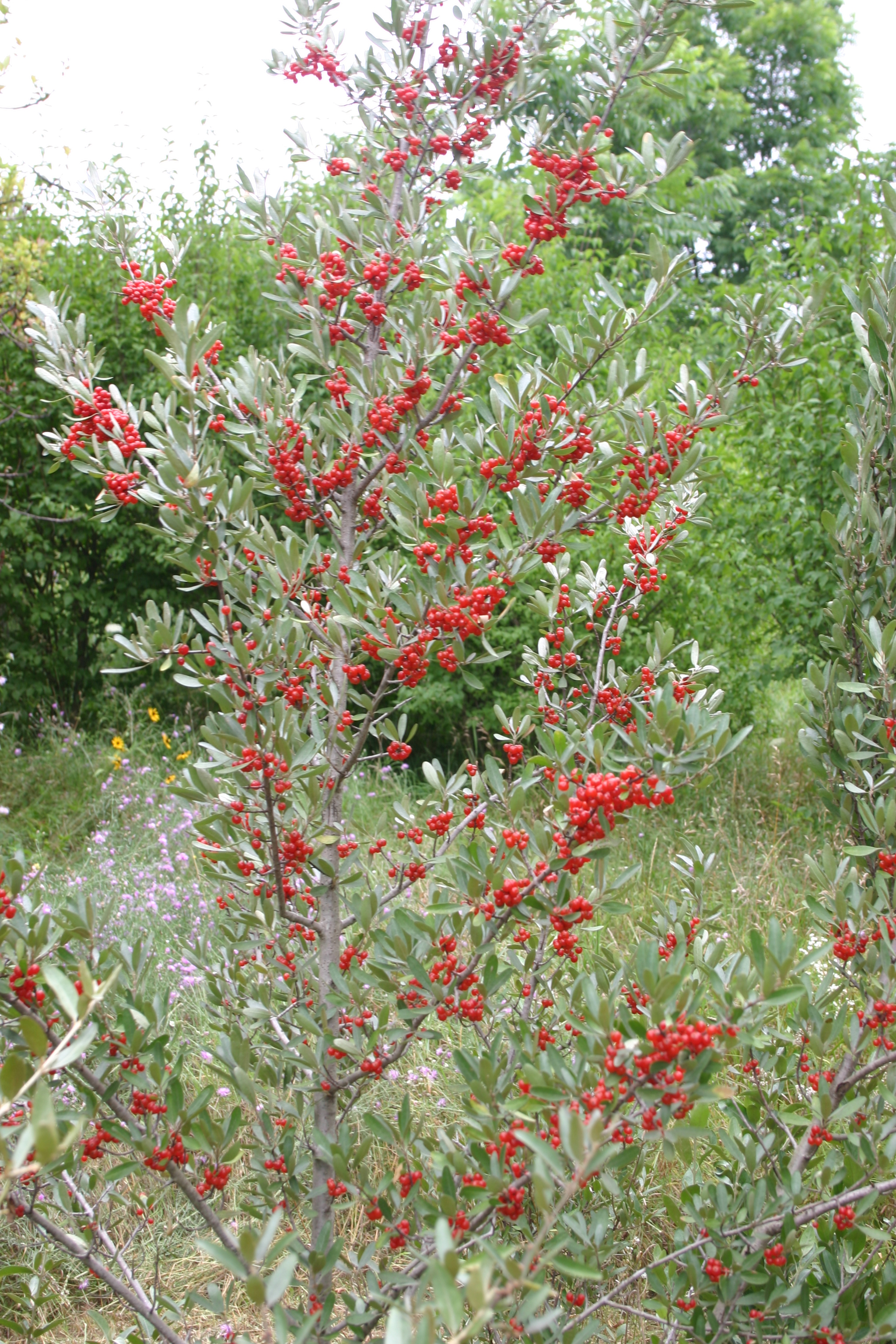
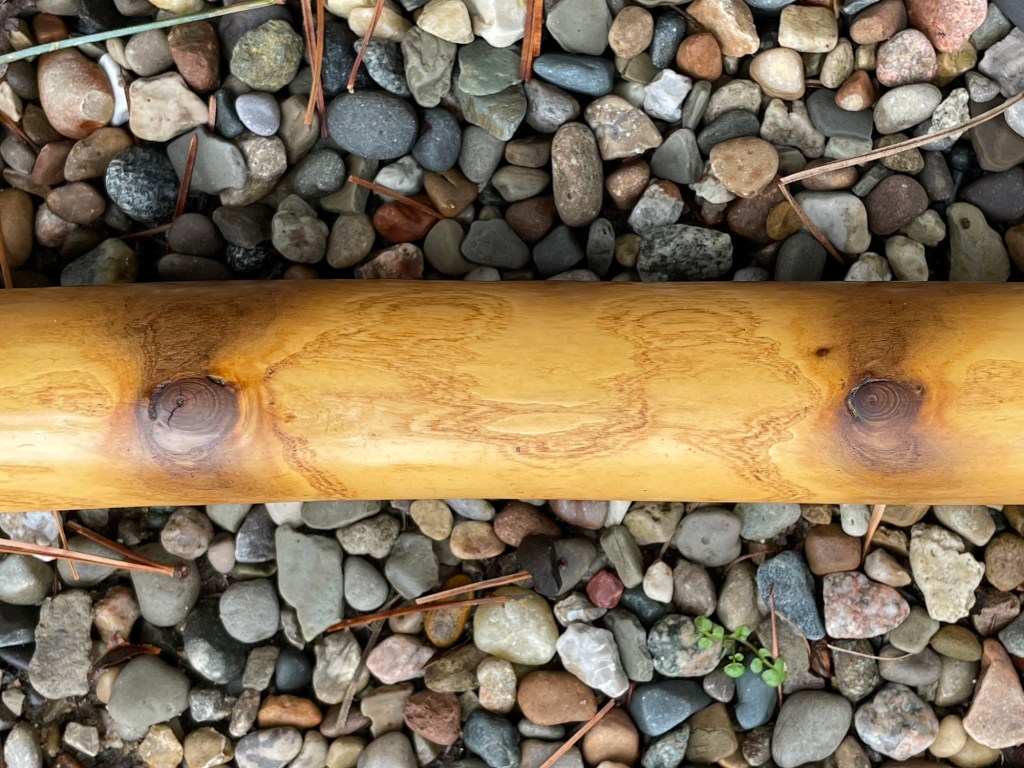
For many years I grew the buffaloberry, Shepherdia canadensis and sp. of many different seed sources. I had dwarf plants, tall robust almost tree like selections, yellow fruit and super hardy selections. They all faced the same demise: too much humidity and soil moisture in southwestern Michigan. I am not sure but it looked like a canker moved in on the weaker plants completely destroying all the producing plants I had. In many ways, very similar to Seaberry in structure and fruit quality that is currently grown as a juice plant. The above picture shows a seed source from Idaho which was one of the best in terms of fruit production. This was the last plant I had. The fruit by itself is not possible to eat fresh but somehow people do make a jelly out of it. With sugar all things are possible. I never got that far. Someone had suggested to me it could be an autumn olive substitute as a native plant that is full of native joy and wonderfulness where the autumn olive is evil and hated by all. I didn’t like his attitude but who cares? The plant itself doesn’t have that wide range of flexibility needed for a cultivated food plant in a wide range of growing zones. However, it is likely you could take your Shangri-La plant and have it in its more appropiate cold and dry environment and go from there. One of my customers in northern central Michigan who purchased several plants from me, told me it was a bear and unstoppable in terms of its stoloniferous tendencies. It took over a sandy hill where nothing else would grow. Joy and wonder abounds. Now that is Shangri-La for buffaloberry. He feared it with its thorny attributes. I couldn’t talk him down and I think he removed it via tractor and herbicide. He had a hard time admitting to me of its demise. This Shepherdia genus is dioecious with separate male and female plants. Before it left, I made a small walking stick out of one of the canes-branches of buffaloberry. It has a purplish splottchy hue to it. Very nice. I got the t-shirt from the gift shop of Shepherdia as I left the grounds.
Siberian Apricot
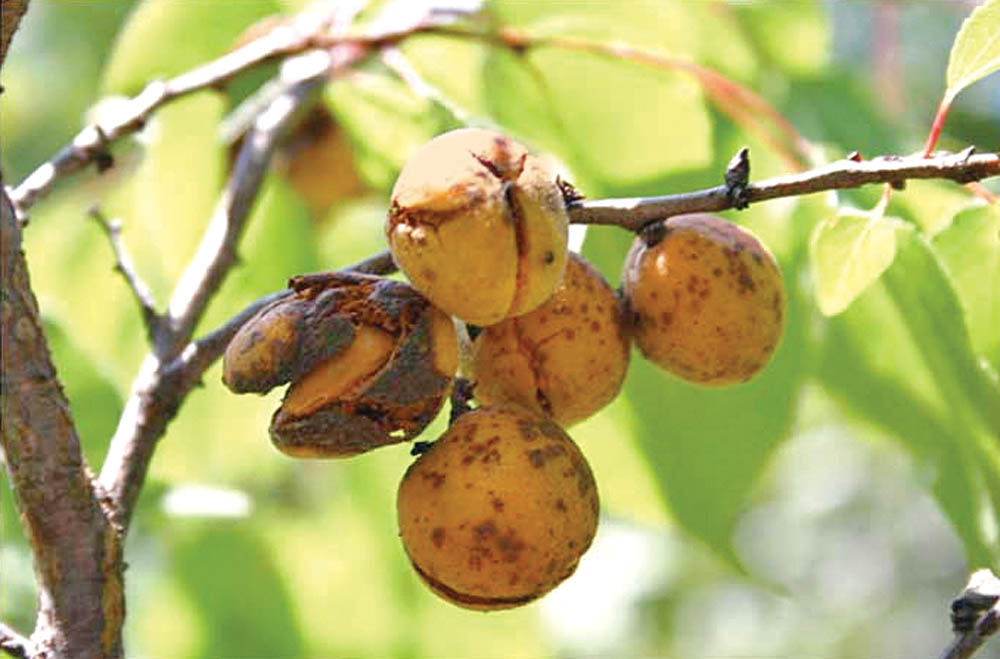
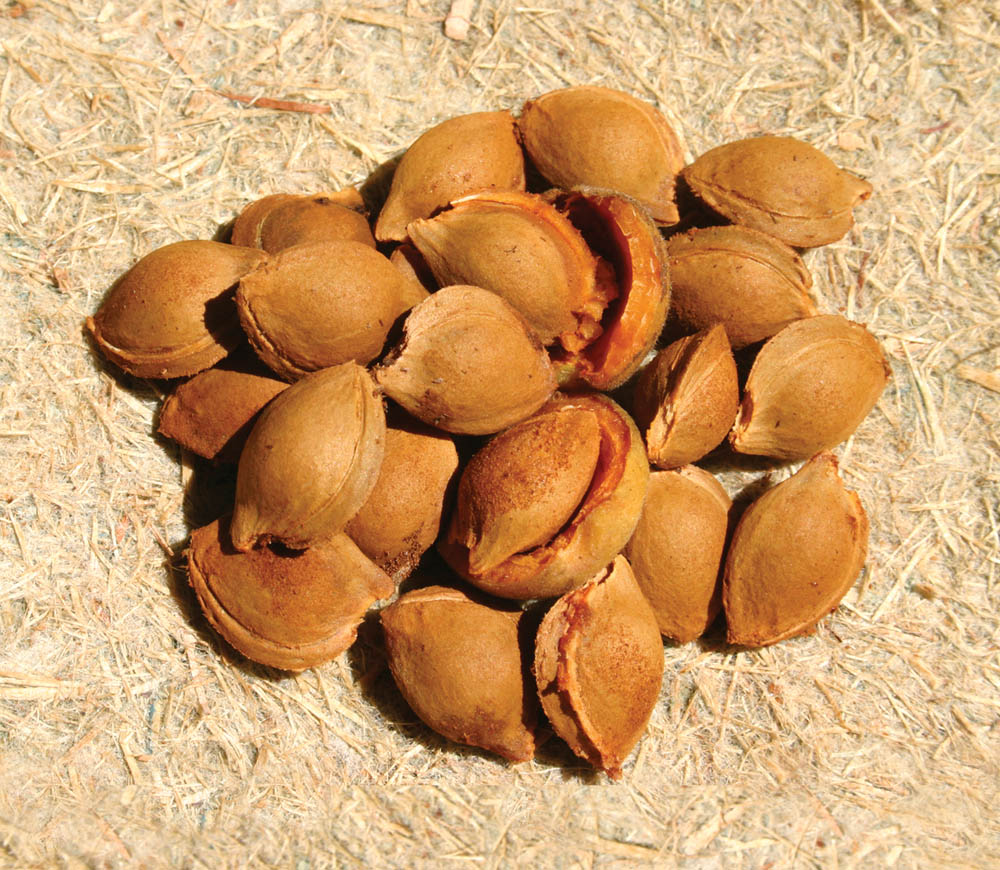
One of the most cold hardy apricots in the world is the Siberian apricot, Prunus sibirica. We are talking in the minus 40F and below range. I had read only small paragraphs here and there about the plant. I was able to get seed of it here in the United States prior to the Prunus ban. I made one planting of ten trees. When they started to fruit, I was confused at what I saw. When I tasted the acrid fruit discolored by disease and rot, it tasted much worse than it looked. This was not the fruit we know as apricot. It was the seeds that provided a nut which was then used to extract an oil. The pits were the goal not the fruit. As the fruit dries on the tree, the seeds drop free to the ground free of fruit. Perfection on an evolutionary scale. It’s an almond like apricot. The plants are very heavy bearing and generally short lived fading after 15 years or less. The issue I faced was it was too warm in my location. It would do better in zones 2-4 than my zone 5-6 farm. With warmer winters and fluctuating temperatures, the Siberian apricot represents Siberia with its long uninterrupted cold periods. However in this case, there was a little wiggle room. It potentially could offer a new oil based tree crop plant in the most northern reaches of the world. For now, I had to say goodbye as I was never able to replicate the plantings again before my original ten plants perished.
Every plant that sees the light of day does so because you desire an outcome of some sort. It might be a short lived relationship or it could go on for a long time. Doesn’t matter. It saw the light the day thanks to you and your love of the world around you.
Enjoy.
Kenneth Asmus


 biologicalenrichment
You must be logged in to post a comment.