If you love plants, it is only natural to want to try to grow something that is entirely based on a feeling. There is no objective knowledge or science involved. It is a form of appreciation of the natural world and a small way to capture that in a plant. It starts with one plant based on intuition fueled by curiosity.
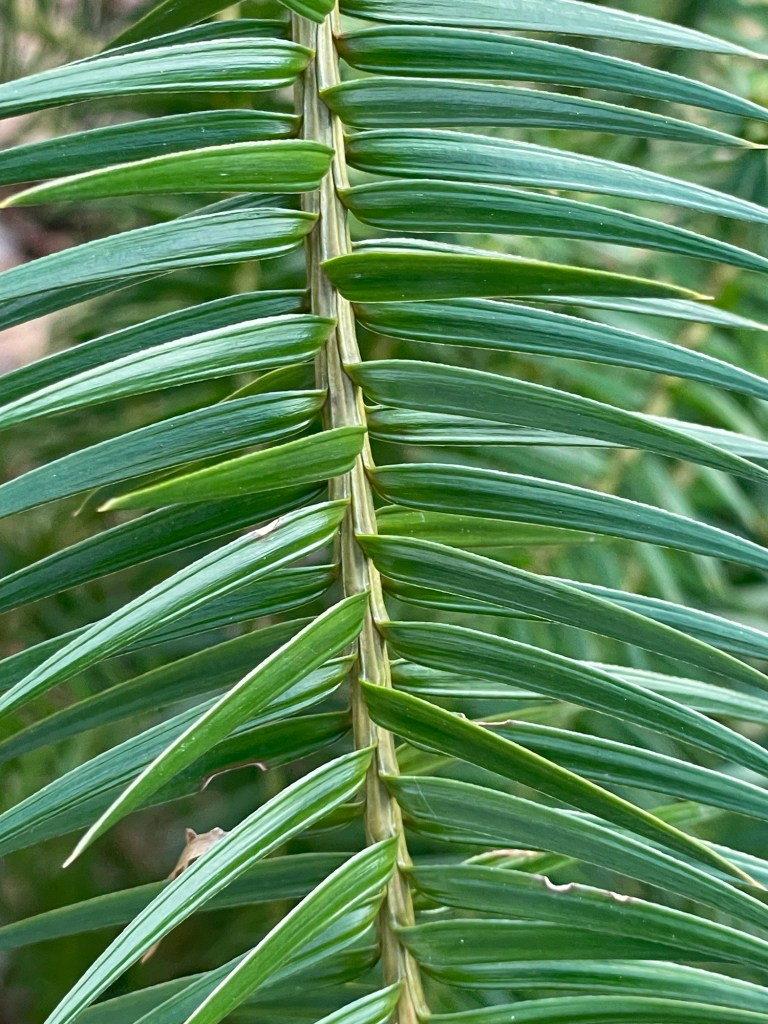
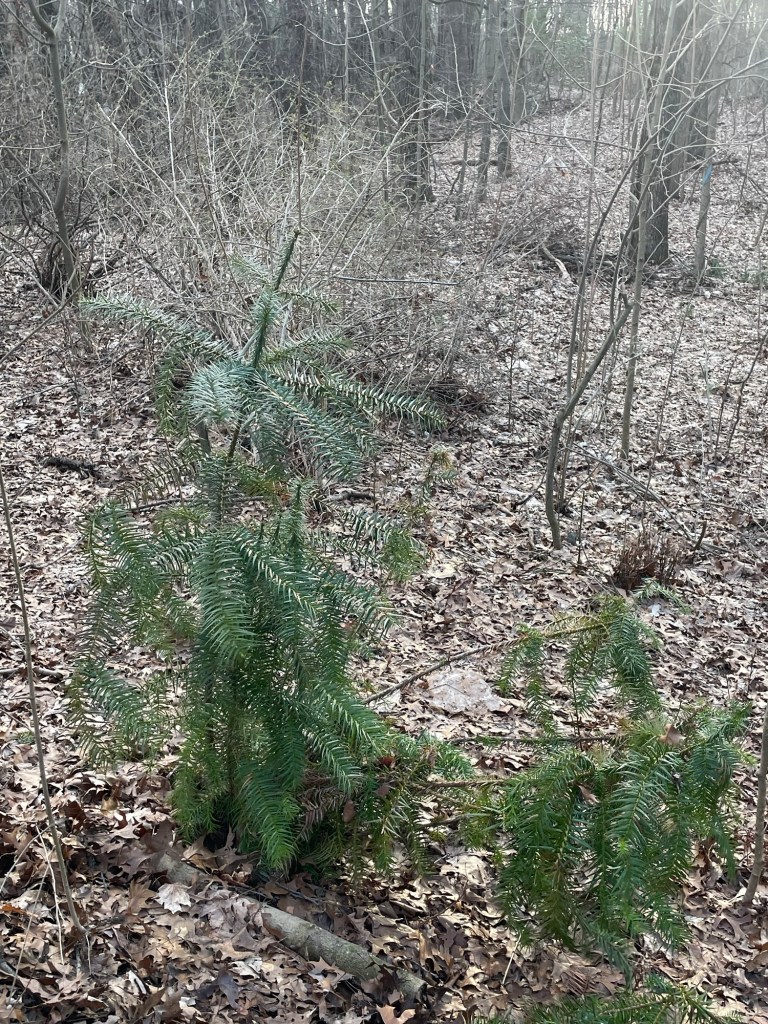
It wasn’t for lack of trying. These seeds were given to me several times from various collections throughout the world. Many individual trees are found within the southern United States. I kept growing them only to watch them perish during the winter at my farm. Since it is a Seqouia type of timber tree with mature heights up to 160 ft. I was keen on establishing it at my farm specifically for the production of seeds. The main issue was hardiness. It is not a Zone 5 tree. If you look at its wide range of its homeland there appeared there were some seed zones that may squeak through the Michigan winters. Squeak is the operative word here. My selection process was done via using seedlings grown in paper pots in unheated polyhouses. This moves it up to a quasi-Zone 7 unless the temperature drops below minus 20F. Then all bets are off. I sold some of the stock but thousands of seedlings perished even in that cozy environment. Eventually I made several out plantings with the remainder of the plants. Those too all perished except two trees. Two is enough. These two trees are now set to be rooted to figure out a way past the location they are at now. Because of its wood quality and extreme rot resistance impervious to all known fungi it has possibilities in terms of wood production. It also has great potential to grow in locations where other evergreens would not survive drought conditions and soil that baked like cement. The large ultimate size to me indicates a means for a non-plantation pine rich in diversity below. It could be used in places where it is impossible to grow almost all evergreen timber trees. Its drought tolerance and ability to grow fast and straight are legendary. It’s wind and storm tolerance are off the charts. Where can I sign up? It appears like many good tree crops idea, you need greater representations of this species especially my Zone 5ish trees. This selection model of live and let die is not ideal to find a solution, but it is probably one of the only ways to do this economically time wise.

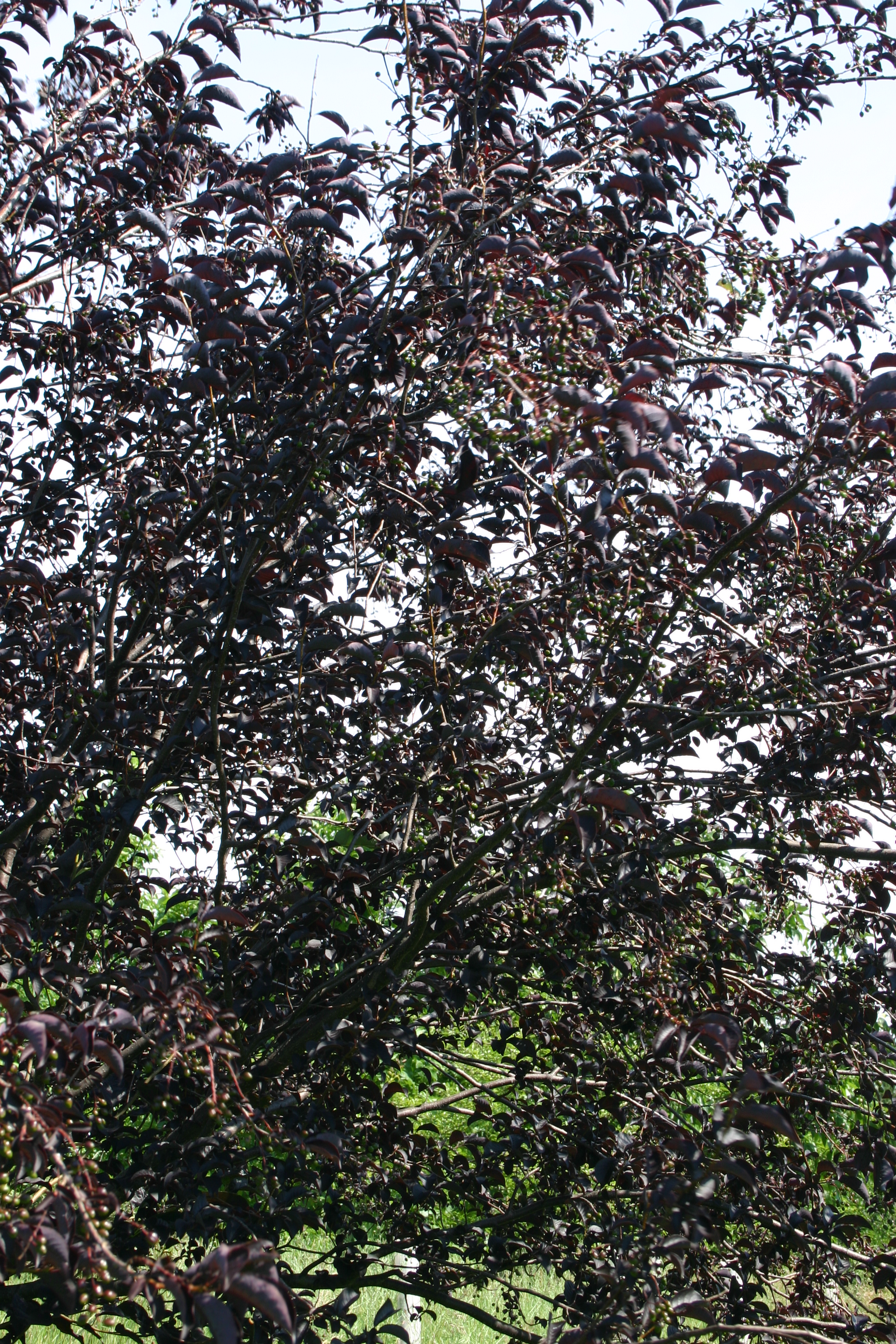
The Mayday Tree: European Bird Cherry- Prunus padus and purpurea
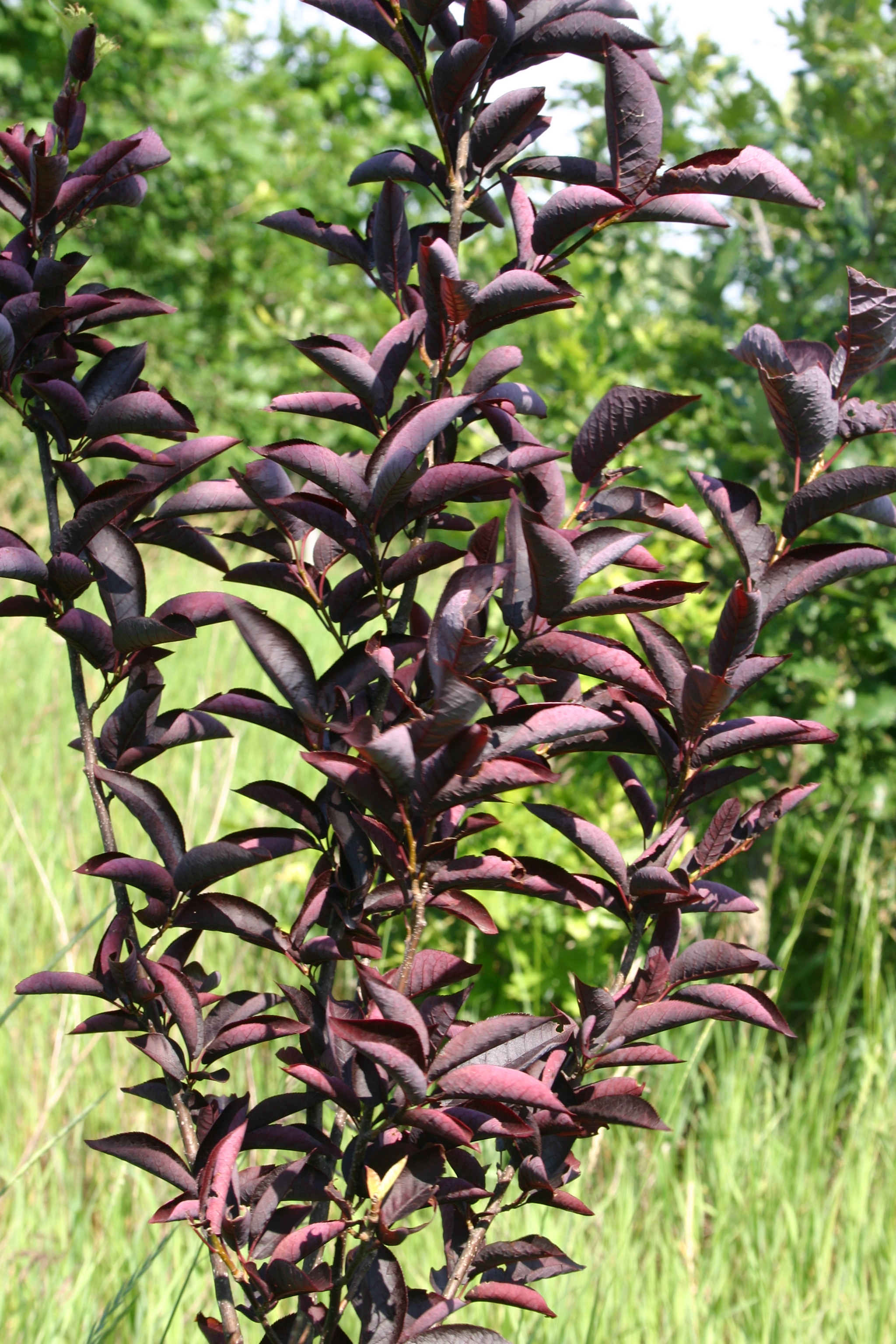
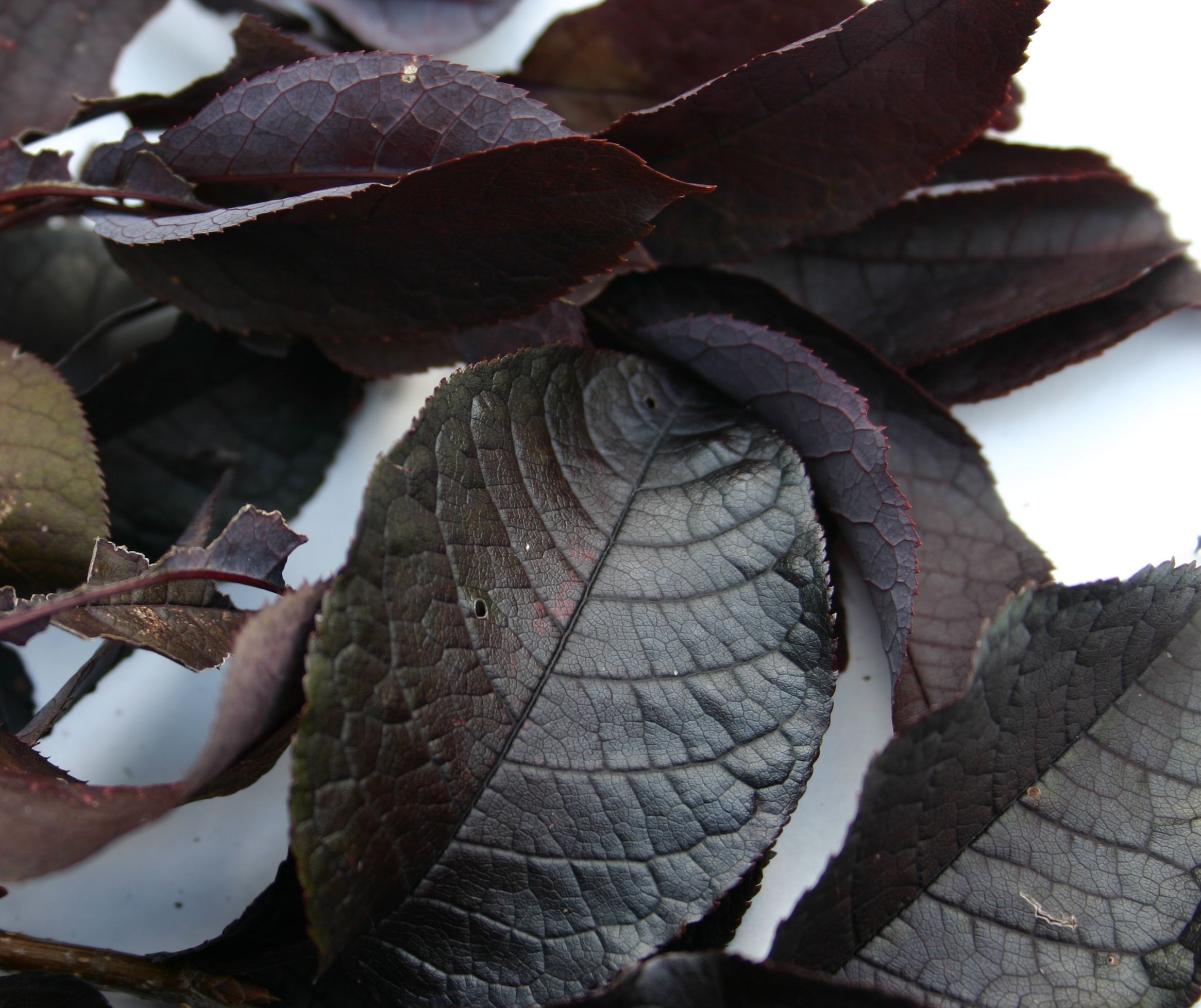
I was keen on establishing this fast growing cherry used for wood and fruit production. It is identical to chokecherry, Prunus virginiana but often has a larger single trunk tree to 40 ft. or more. I took them from a population of plants that appeared to be the best of the lot. They were very vigorous and healthy with large leaves. I planted them out in the open on a slope of a hillside at my farm where they grew like no tommorrow isolated from all other trees.The late Clayton Berg of Montana provided me with the nursery stock in the beginning. He had purple leaf trees within his plantings and some of the seedlings also showed the purple leaves. The selections I made within them included very dark purple almost black foliage. These too went out in another area of my farm. About a decade or two into it, a disease called black knot blew in and engulfed the trees destroying everything including the fruit production. The large green leaf types had very heavy loads of fruit. The purple ones not so much. Both produced very astringent and bitter fruits in the fresh state. It happened so quickly there was no chance to make selections or find immune plants. They do hybridize with the chokecherry. It is such a powerful disease which can blow in from spores miles away, there is no hope of isolation. Even today I see the seedlings barely a foot tall with the disease. This presence of the disease had its benefits too. It is not a silver lining philosophy either. It is a spur to evolution and the changes needed to find immunity of the other Prunus and the high resistance needed to the other chokecherries I have. The black knot is not to blame for the end of my Prunus padus experiment. It signals the beginning of new life free of disease. It’s a way to find a healthier tree, stronger and capable of greater physiological adaptibility and likely healthier fruit. The disease signals the movement in the right direction for the plant. From a cultivation standpoint, it is not something you desire and falls into the category of ‘things to avoid like the plague’. Because after all it is dis-ease to the cultivator.
Enjoy. Kenneth Asmus


 biologicalenrichment
You must be logged in to post a comment.