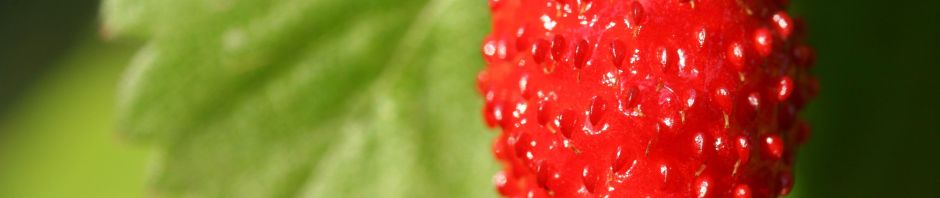

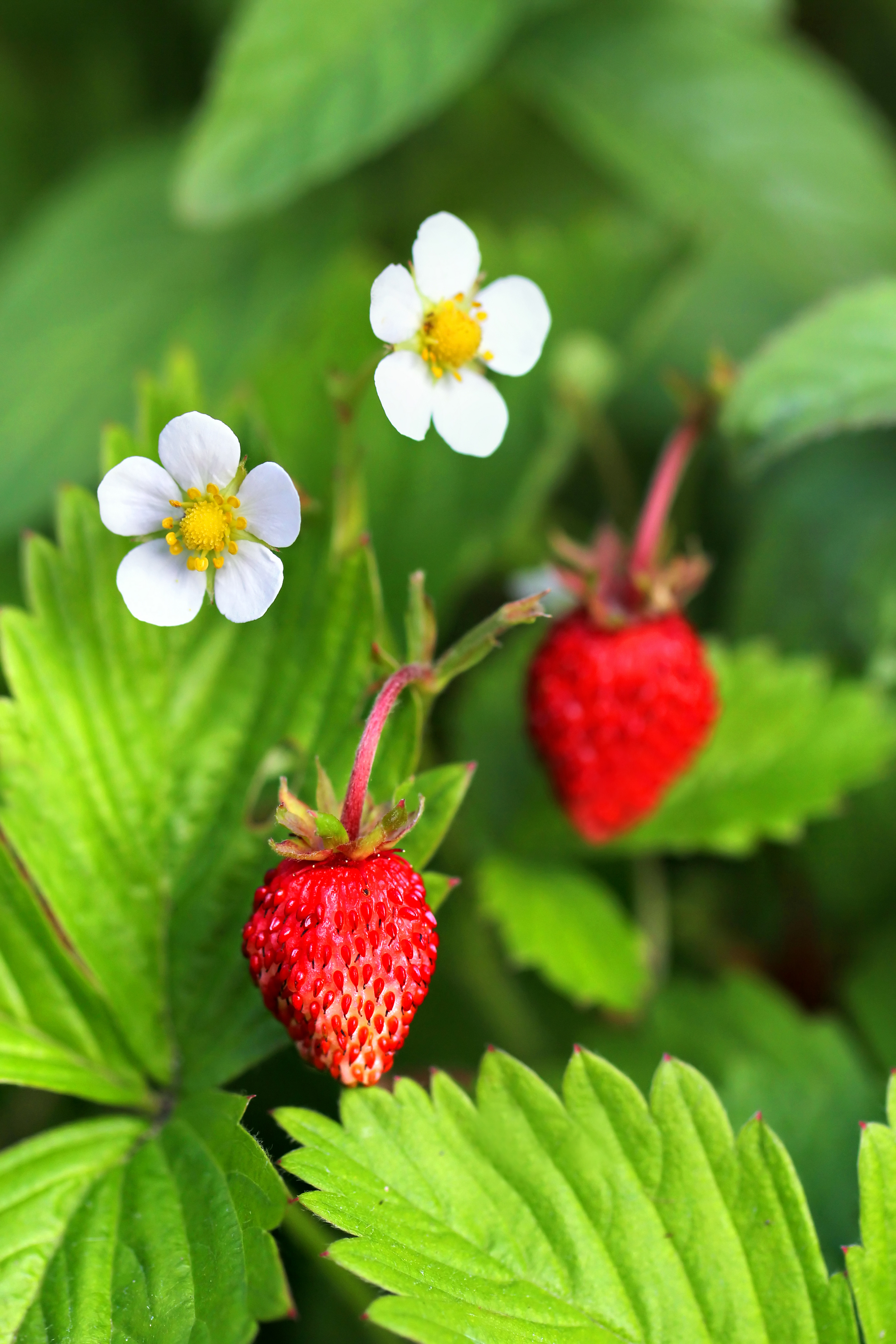
One of the most common and widely available perennial edible groundcover plants is the Alpine strawberry, Fragaria vesca. I grew as many as I could find in the seed trade. Unlike regular strawberries, Alpine strawberry varieties are grown from seeds. Much of the varietal selection comes from people who like the dainty and small low yielding plant as part of an edible landscape. At the time, we had roughly a dozen types growing at the farm. Many we produced in paper pots in the polyhouses. This allowed for an even germination of the teeny seeds. You would press then into the surface of the premoistened soil. You had to make sure not to hand water them otherwise the seeds would float away down the cracks of the pots. It was a delicate operation so we would use super fine misters. I discovered it was true that light activates the cotyledons within the seed which then causes the seeds to sprout. The cotyledons turn green prior to sprouting and growing ‘true’ leaves. Birch seeds are like this as well.
Some varieties appeared to be very similar and there was also a few yellow selections. They rarely spread and self seed. They tend to be short lived perennials growing for 3-5 years before fading entirely. The Alpine strawberry is found in the earliest permaculture designs which used them extensively as a border plant. When I started growing them only one company offered Alexandria and this was the ‘alpine industry’ standard. “Ruegen” was another one in the same class. As time went on I found a lot of other selections and began producing them as plants and seeds while creating a few seed producing beds of them. When we did this at the time, I wondered if the plant could be improved on in terms of yields. This was not entirely successful. It is one of those fruits that has a mystique around it as a wild crop in some parts of the world where they are collected like when one goes for a hike in the alps. I am hearing ‘the hills are alive with the sound of music’ for some reason. If you could change the lyrics to ‘the hills are alive to the fruits of strawberry’ might be better.
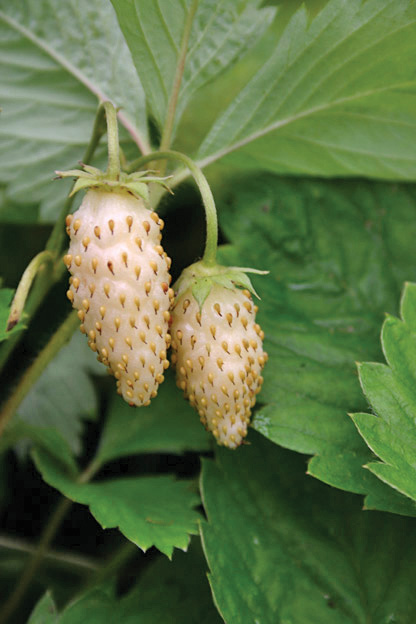
I had a customer who grew the “Yellow Wonder” and pumped it up with huge amounts of fertilizer and compost. The flavor went from subtle to non-existent. Into the unmanifest, the watery flavor of pineapple and sweet cherry disappeared entirely. I tried to explain to him his great love of the plant mellowed the flavor to zero point zero. I was unsuccessful. This really highlights the issue of strawberries in general where irrigation and fertilizer reduces flavor. This happened to potatoes recently when a drought hit the major potato growing regions in the U.S. and people woke up to a smaller but more delicious potato. Who knew they were connected? They were also more nutritious to a small degree. Almost every home gardener understands this. Just because something is small and uncommercial doesn’t mean it was a failure. It is the opposite.

Enjoy.
Kenneth Asmus
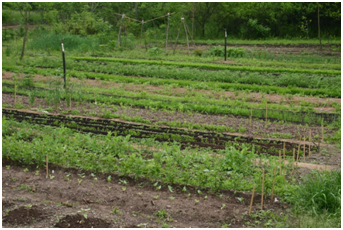
The beginning of the seedy crops at the Oikos Tree Crops farm.


 biologicalenrichment
You must be logged in to post a comment.