
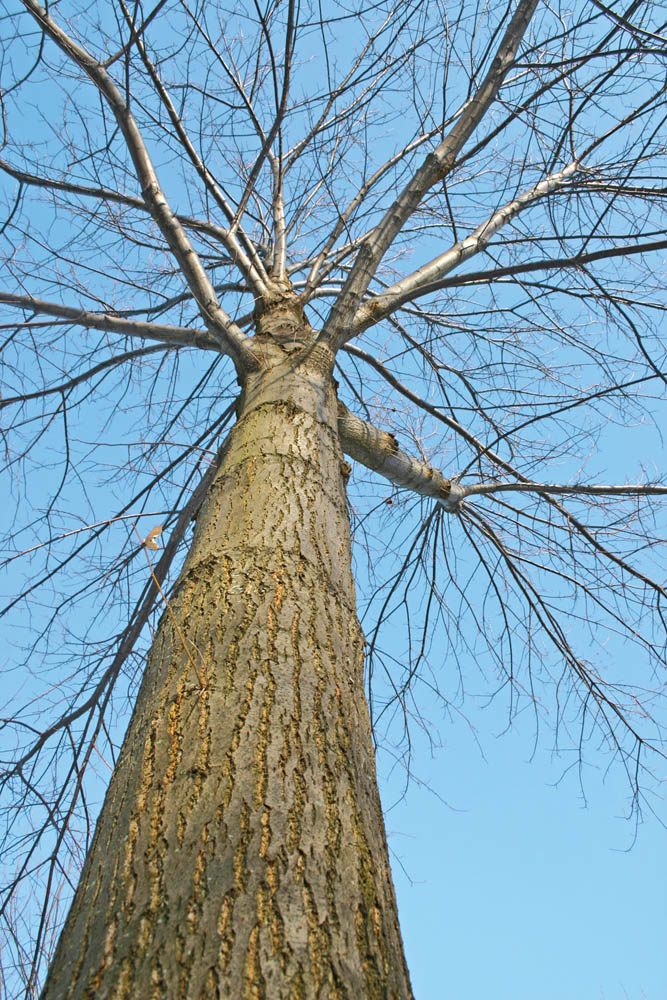
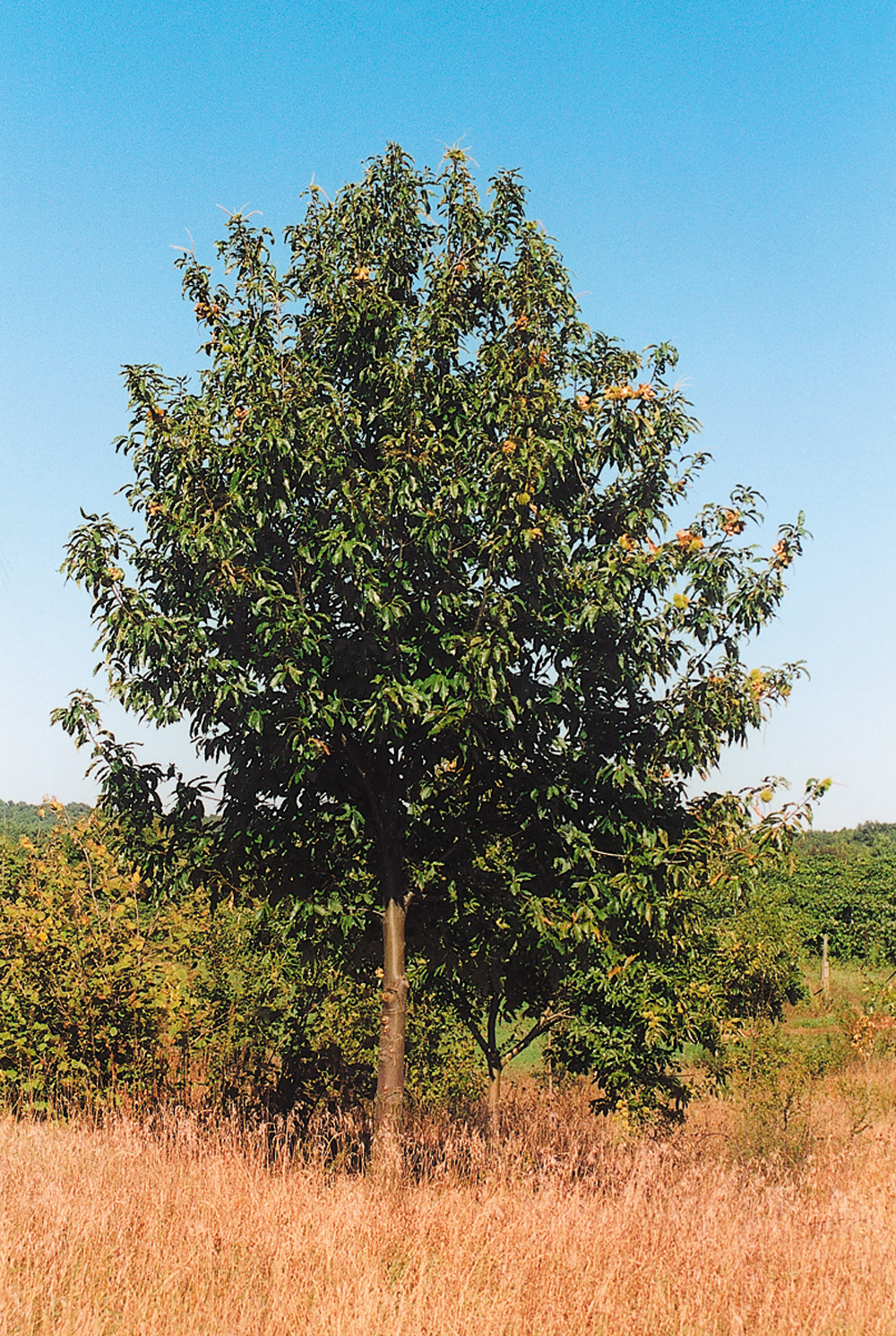
Thanks to a previous generation of growers who appreciated and loved the chestnut tree for its nuts and wood quality, I was able to grow the hybrid populations on my farm. From these seedling American hybrid nuts, I was able to create a small orchard on a 20 by 20 foot spacing specifically for seed production for my nursery. At the time, there was only a couple of places to obtain the nuts to grow and then sell the plants via mail order. Every now and then I sold them to other retailers to sell too. The highest part of my production got to a couple of hundred of pounds every year. The populations were small and experimental. As I got to know many of the individuals producing the seed, I found out their crop was an adjunct to their life which helped pay the taxes and maintain their hobby ‘art’ farm. This summer I am continuing the tradition with my ‘art’ furniture project using all hybrid American chestnut wood. Every time I look at the drying wood and coppice I have stored, I remember who I purchased the seed from and how the trees looked prior to going plank after the milling. Here was my life captured by a chestnut tree in wood. The rings spoke to me in some cosmic way. The last time I offered the wood to a local turners association they were very happy to have it. The one caveat was it had to be looked at by an expert under magnification to prove it was actually chestnut wood and not Aesculus or Quercus. Once he gave the thumbs up, then it went up for auction.
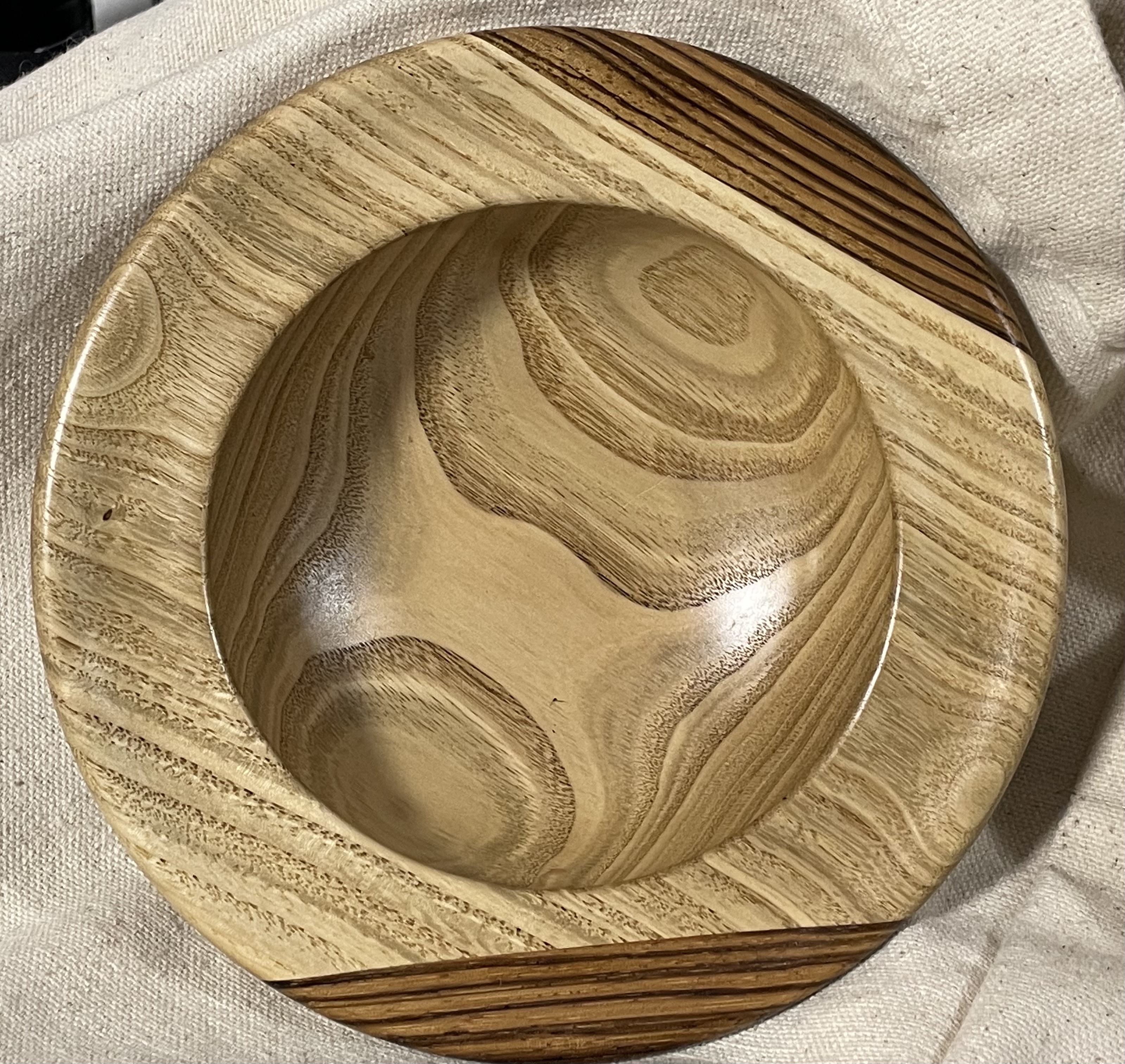
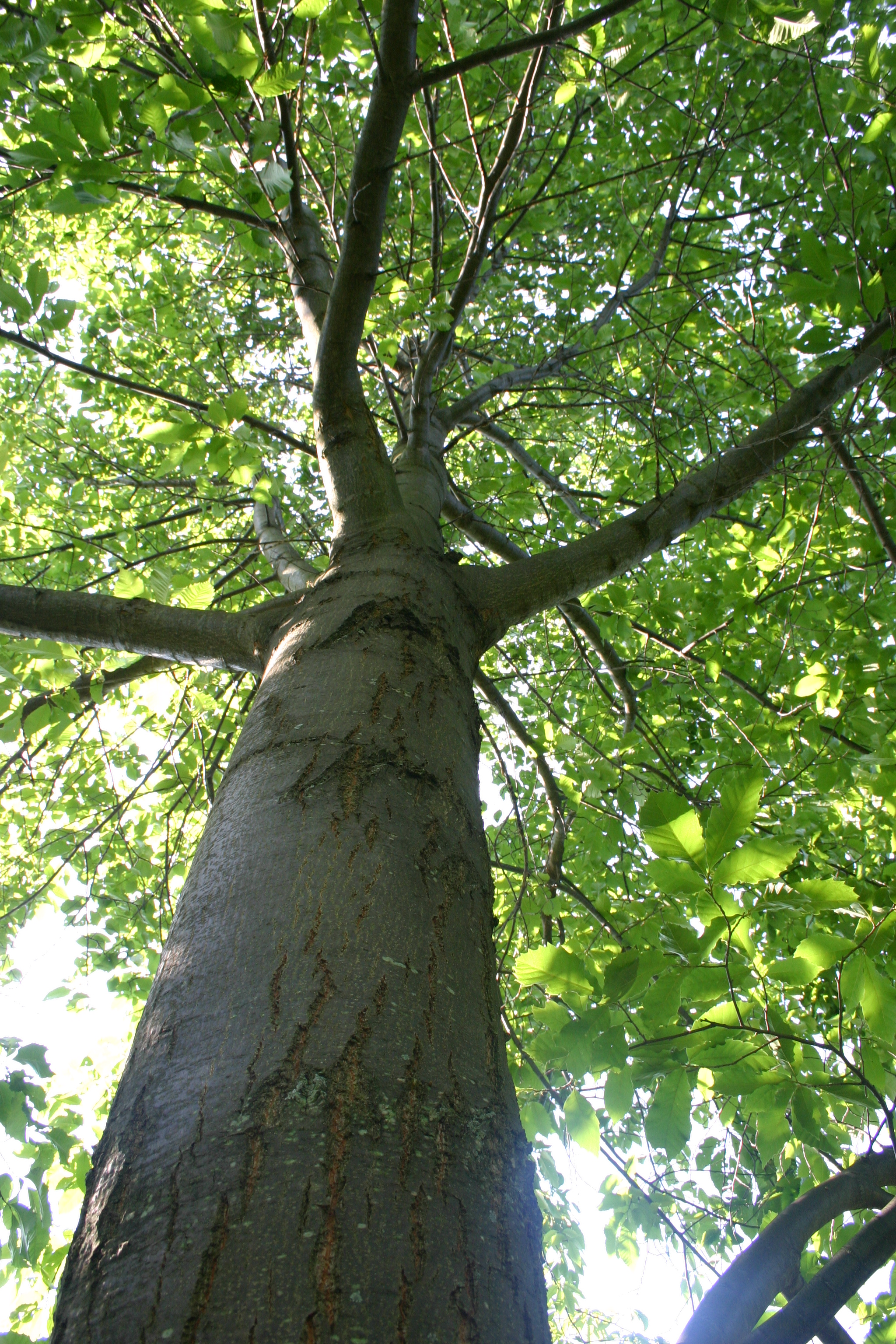
My plantings were done with the intention of never having to harvest the trees for lumber. Yet here I was 30 years later with a shiney brand new chainsaw ready to go. Lost but not forgotten was the new progeny that seeded in surrounding the dead trees. Selected for fast growth and blight resistance, I soon began directionally training these new trees while keeping as many as possible while adding new species outside of the genus Castanea. It is one way to add diversity while maintaining the new and emerging chestnut forest. Out of all the tree crops I grow, the chestnut sections were very accomodating to new species of woody plants including their own progeny. It was a simple thing to create and involved a certain cut this and save that philosophy to keep everything healthy. Many of the nuts planted were done so by squirrels and white tailed deer who press the seeds into the dead leaves and grass. Chestnut leaves do not degrade quickly and add a thick mulch under the trees.
There was a simple way to follow this selection and my growing ideals using the path of least resistence.
Things that slowed progress.
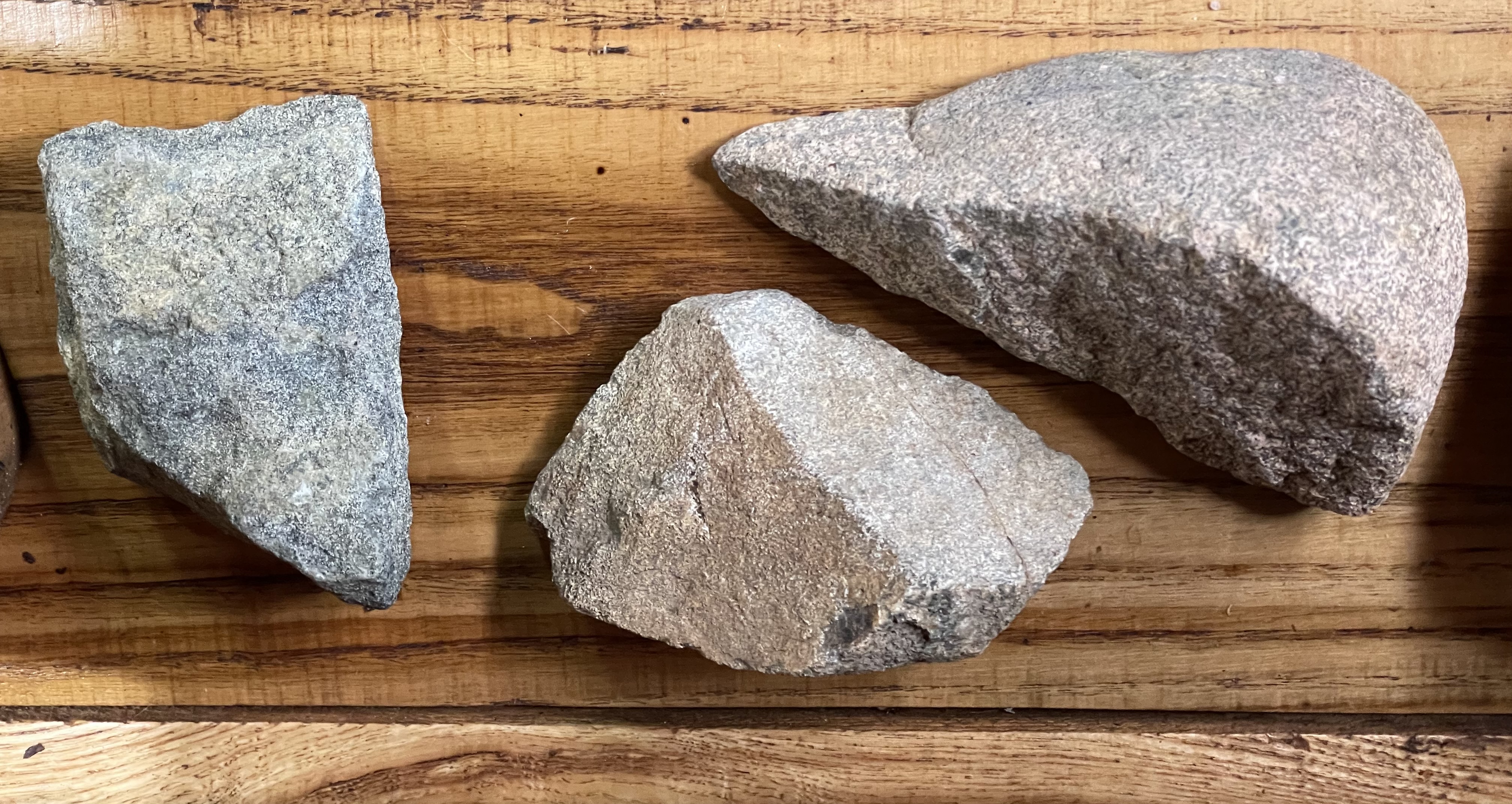
- Never read about breeding chestnuts or breeding of any plant. It has no real value. You can do much better on your own. I have rocks to pick in my field. Much more joy in picking boulders dropped from the last glacier that came by.
- Put no energy into researching other chestnut selections. It’s fruitless in terms of actual useable knowledge. The trees may be pertinent to an orchard system to some degree but not when you combine timber growth and nut production. This is a kind of a inbetween area where you favor a tree based on other characteristics not common in orchard plants.
- Avoid all modern institutional and non-profit organizations who are out to improve the chestnut. The definition of ‘improve’ is a subjective term. The improvements never quite come to fruition and require huge resources to continue. They inevitably become mired in yesterdays science while they pat themselves on the back. Back to picking rocks from the glacial till.

Things that speed progress.
- Find small samples of chestnuts from trees that look spectacular as yard trees or from older homes. Contact the owners. I used to knock on doors like I’m selling vacuum cleaners. Yes. I did try that once. Mention you need the nuts for your experiment. People love to tell you about their home and yard usually. If it’s a tad overgrown, ask them if you can help them clean up around it using a few hand tools you just happen to have in your car or truck.
- Try to find other producers who have chestnuts that are quasi-selected for blight and fast growth. These seedling trees can create your new populations quickly. Even the Chinese chestnut has timber like trees within the progeny. Its fine to use orchard trees too. Whatever you find that you feel is good is a seed source. This is ‘breeding’. If you have the room for it, create a population of the diversity you find wherever that is. Don’t worry about the outcome. You are not creating a race horse. Let the trees guide you.
- If you happen to find a ‘pure’ American chestnut or any chestnut that grows vigorously with minimal damage to the trunk from chestnut blight, treat it as pure. ‘Pure’ is a concept. You certainly can argue it in the court of genetics if you want and have it tested if that makes you feel better or less guilty in some way. In the end, this is not going to help you or anyone else. You’re cultivating a plant free of strict protocols of any sort. Use it. Try growing it but don’t commit large volumes of space to one seed source. ‘Pure’ doesn’t mean better and certainly doesn’t mean impervious to all negative environmental influences. It means you found something desirable and useful for your chestnut forest. You’re fortunate.
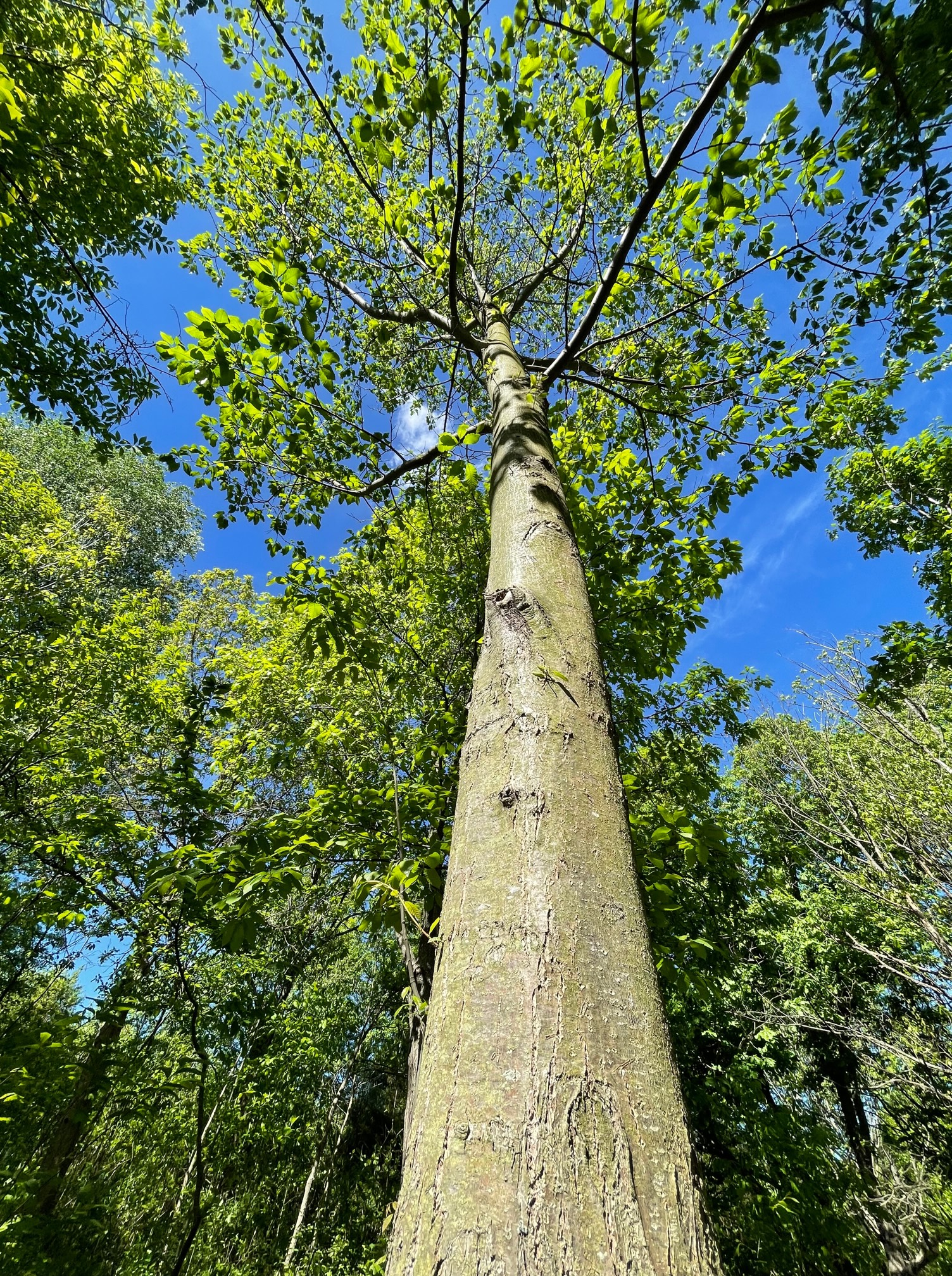
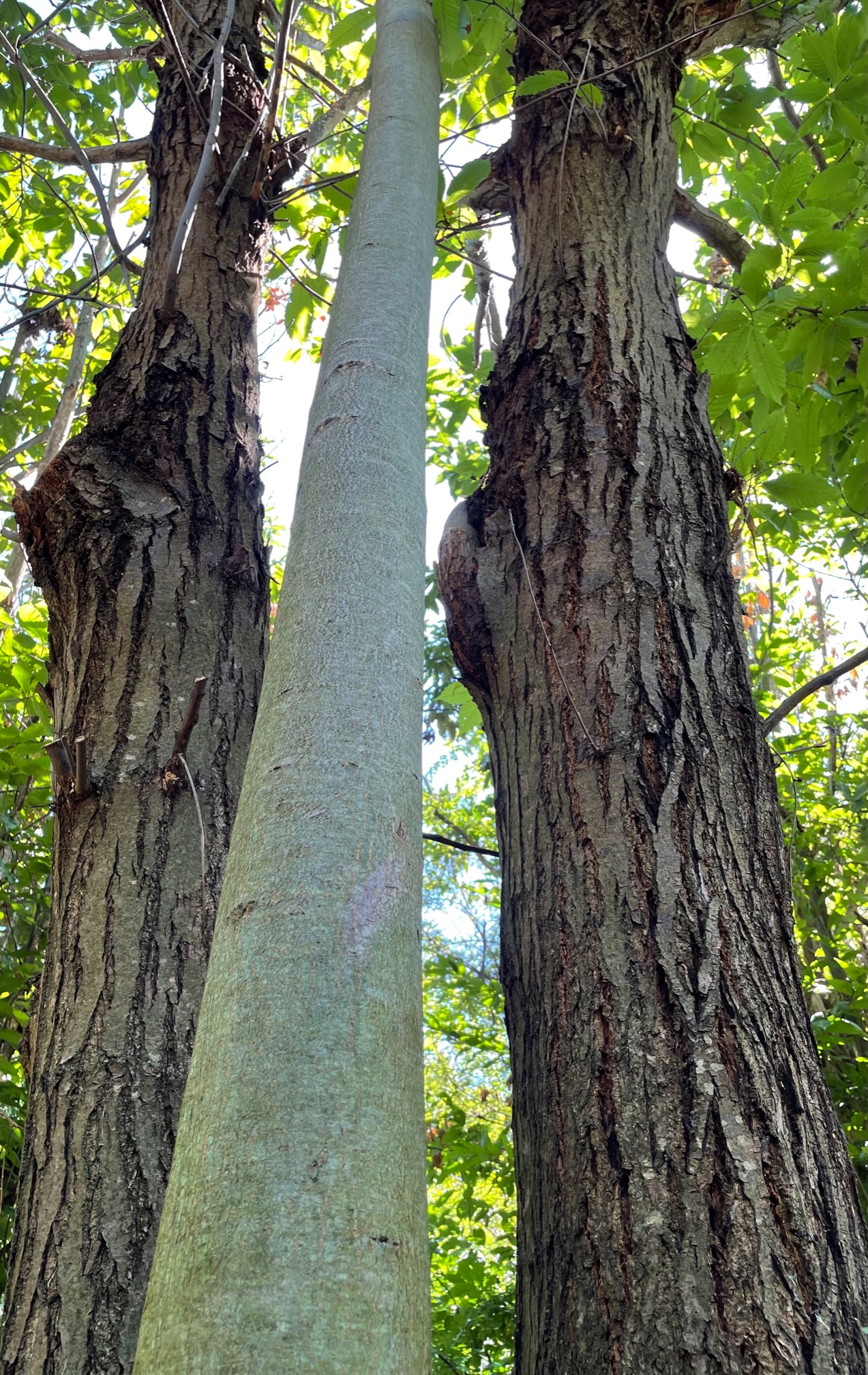
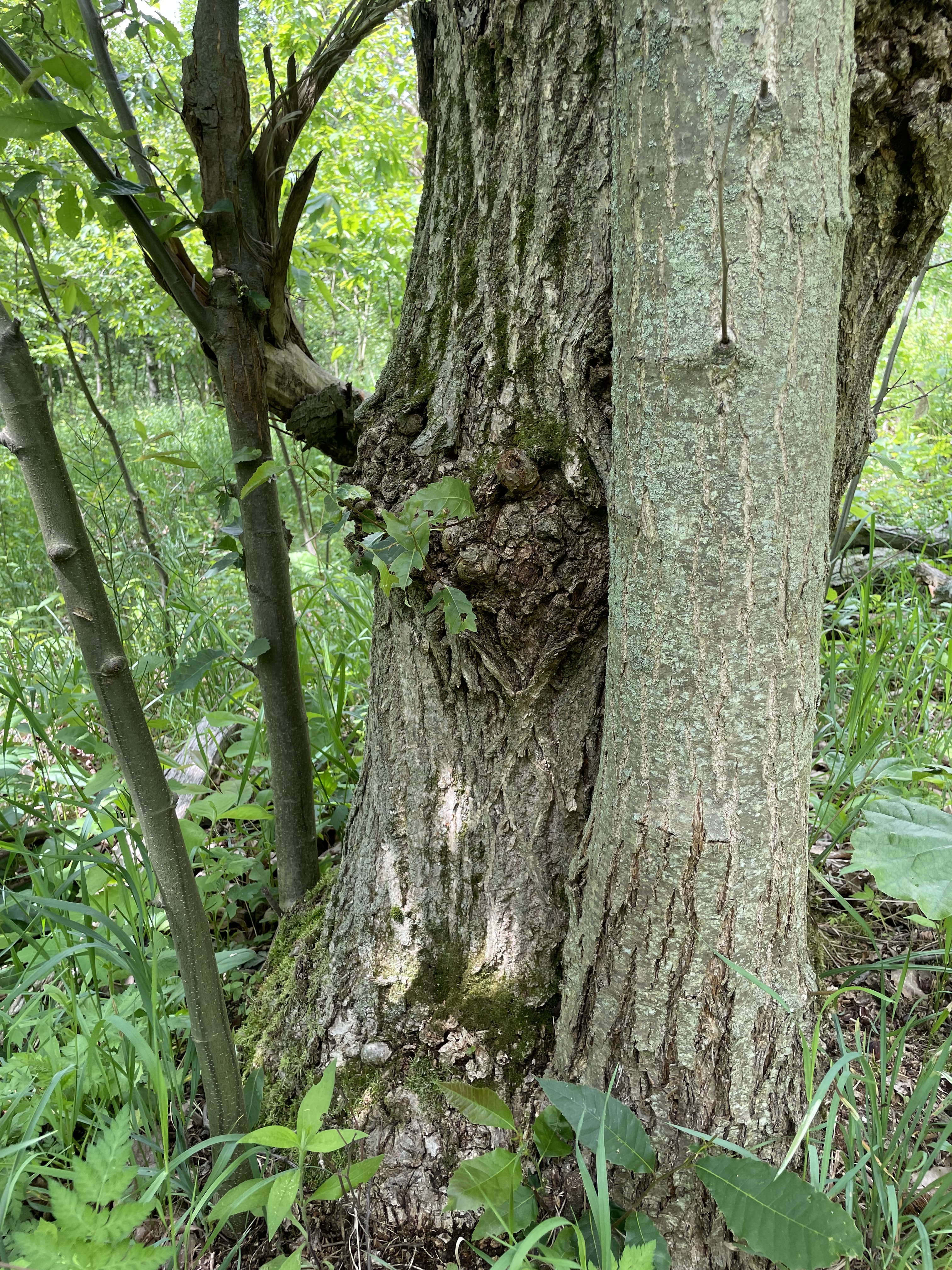
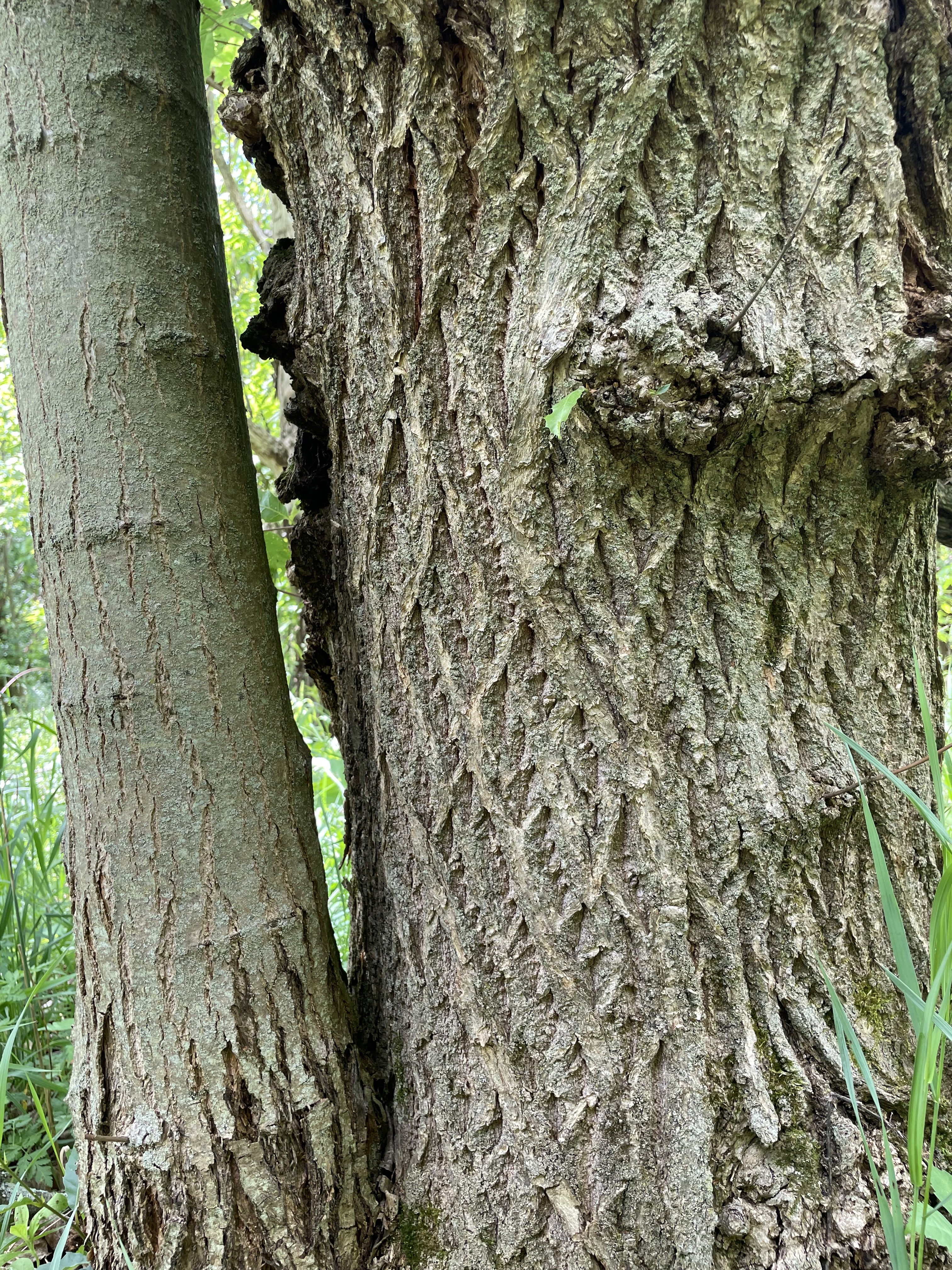
The American chestnut is a rare tree in Michigan. It doesn’t have to be.
Enjoy. Kenneth Asmus



 biologicalenrichment
You must be logged in to post a comment.