

When the vegetation management power line people came to my house a few years ago, I asked if people freak out when they show up. The foreman said that once a person decided to stop the carnage by throwing himself on top of one of the drum mulchers with the whirling knives that grind everything into oblivion. The way he described it made it sound like he ran straight out of his front door and dove on the deck area face first. The operator stopped it just in time. You might have the thought like I did about what would prompt such an action? Is he passionate or crazy? Does he love his plants to the point he would risk being turned into a high nitrogen fertilizer? People do love plants and become attached to them. I have witnessed this and experienced it first hand. It brings health and salvation to those who are believers or not. It is the opposite of drum mulcher diving. Over time this same love runs deep via generations of people in many cultures. It is shared cross culturally the same way technology is today. It is this same love that brings selections of plants to the table. Such is the case for the mountain ash. It is one of the most cherished plants used for both food and medicine for thousands of years. Yet where are the mountain ash orchards? There are none in North America. Here is some experiences I have had with growing this wonderful fruit and the benefits we could discover in the process.
Every now and then I would collect seeds from a local arboretum. This arboretum was a field with trees randomly plunked in. When someone would pass away, a tree was planted there as a memorial. One of these trees was the Whitebeam Mountain Ash, Sorbus aria variety “Majestica”. Like all mountain ash trees in the nursery trade, they are planted for their flowers and berries. The great difference of this species was that it was in great foliage health. The leaves were bright green all through the summer. There was no borers or splits in the trunk and no dead limbs. There were no signs of fireblight or tip dieback with black spot on the leaves. I began collecting immediately and tasted a few of the berries. It reminded me of one of those super tart worm shaped sugary fruits that my grandkids eat. Sourpatch worms or something like that. There was some astrigency in the fruit but little ascorbic acid effect which dries out your tongue quickly. I began to wonder if this fruit plant had ever been cultivated. It turned out that there are many named selections that were created with different fruit qualities. In particular, Russia and Germany have quite a treasure trove of germplasm just for human consumption. It is these same selections that allow people to eat them even in the fresh state without wincing. Most are very high in astringency and are process in sugar in some way to make it possible to consume either as candy, syrup or jelly.
Over time I grew many other species on my small nursery island. At one point, I had attempted about a dozen species from several continents. What I ran into was the difficulty of getting them to fruit only to have fireblight reduce them to zero. This quickly eliminated all of them except Whitebeam. For those who have an interest in all things Sorbus, there are natural hybrids between genus. There is a North American genus hybrid with Amelanchier (Serviceberry) found in the western U.S. There is also several types with quince, Aronia, medlar,cotoneaster, hawthorn and pear. It is quite a fluid species able to merge with other genus. Throw out your highschool biology lessons on the immutible species. And yes most of them produce viable seeds too.
This is the benefit of using a variety of species and finding the best under cultivation in an orchard setting which eventually produces delicious fruit to eat.
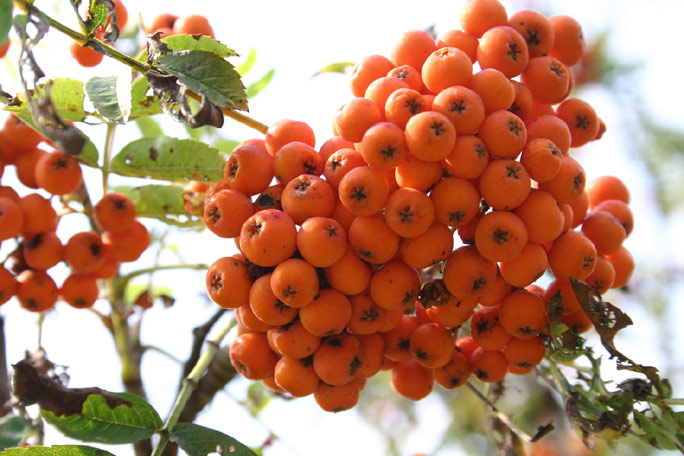
It was by accident I ended up with a few hundred American Mountain Ash seedlings one spring from a wholesale company. We potted them up and put them in the greenhouse. To my surprise the next year many of them flowered and fruited. The plants were 1 to 2 foot tall and very precocious. There was a cost to the precociousness; death. It was too much of a tax on these small plants. I began looking to see if others cultivate the American Mountain Ash. It generally is considered short lived in cultivation. The European mountain ash is similar and suffers the same fate but it peaks at 10-15 years in my region in southwestern Michigan. This highlights the importance of finding the right species level plant for creating a ripple effect of successful cultivation for fruit. Not everything has to be a cultivar either. You can use the species to create the orchard too.
To read more about the nutritional and health benefits of the Sorbus Genus: National Institute of Health Publication
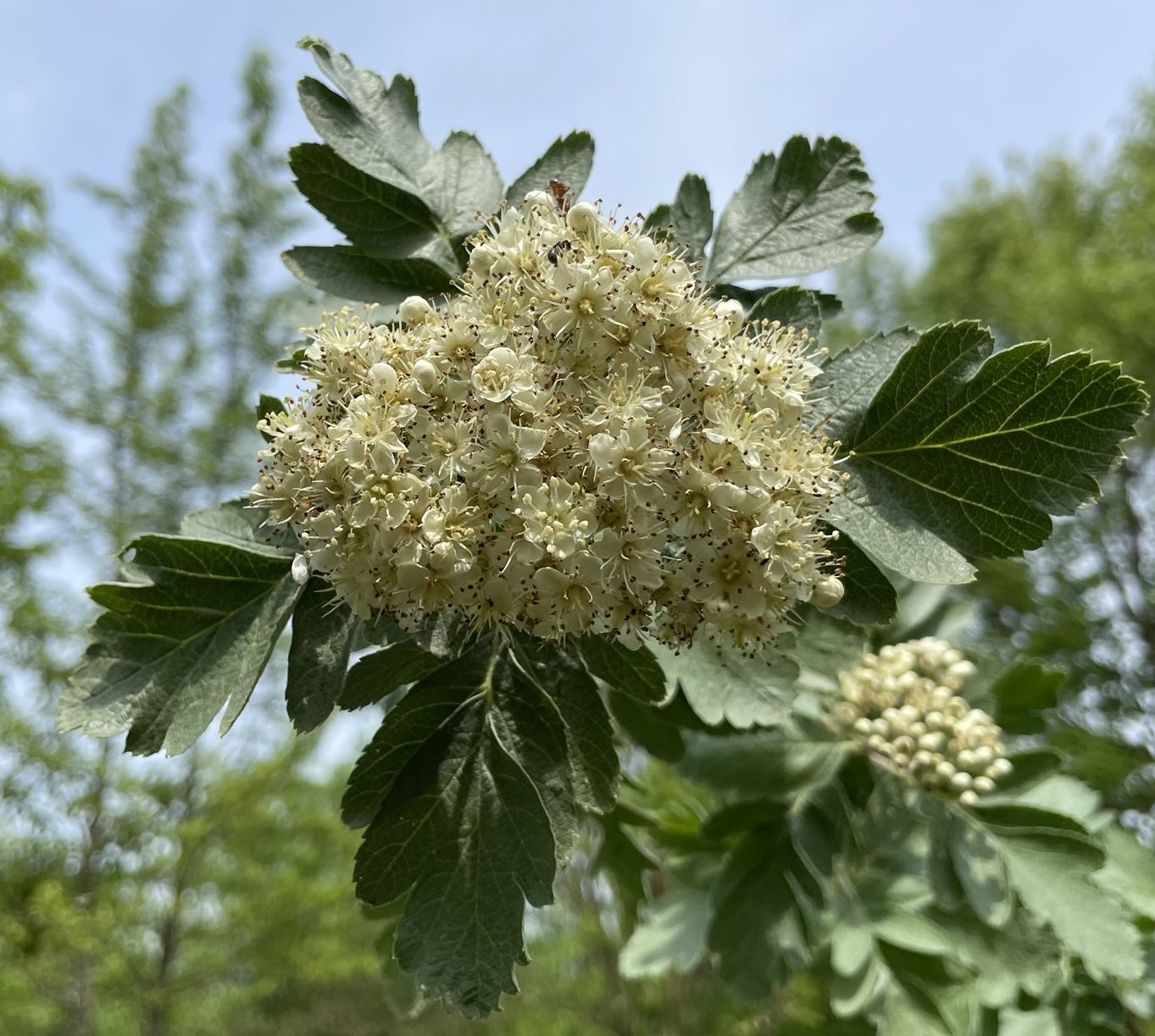
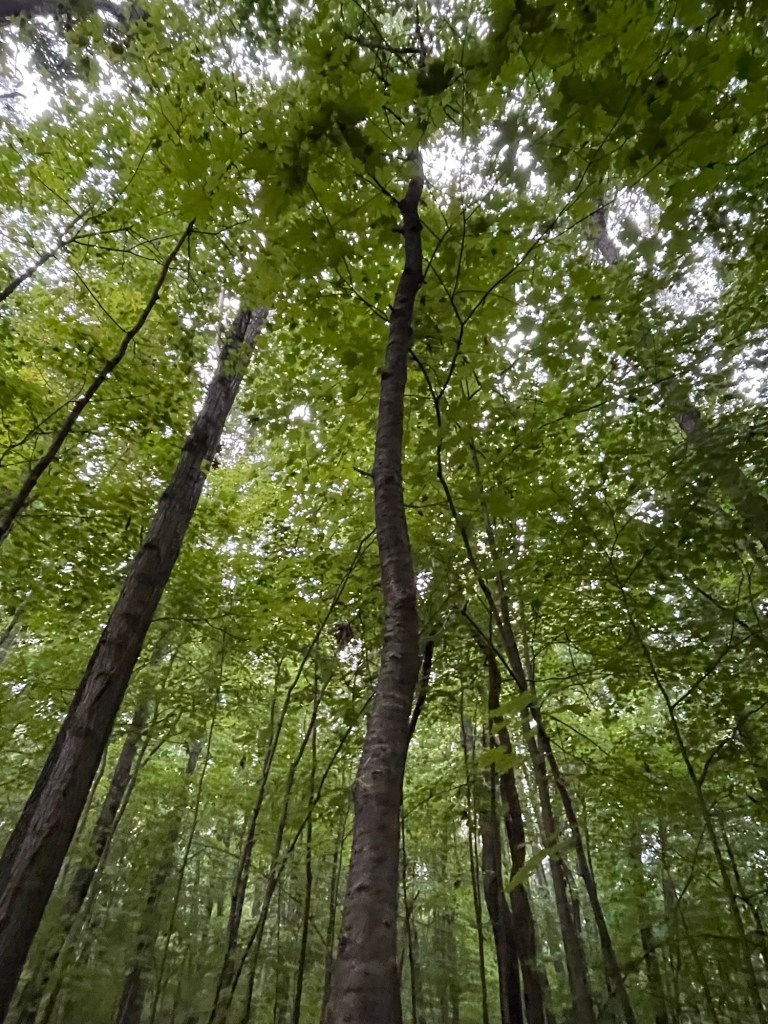
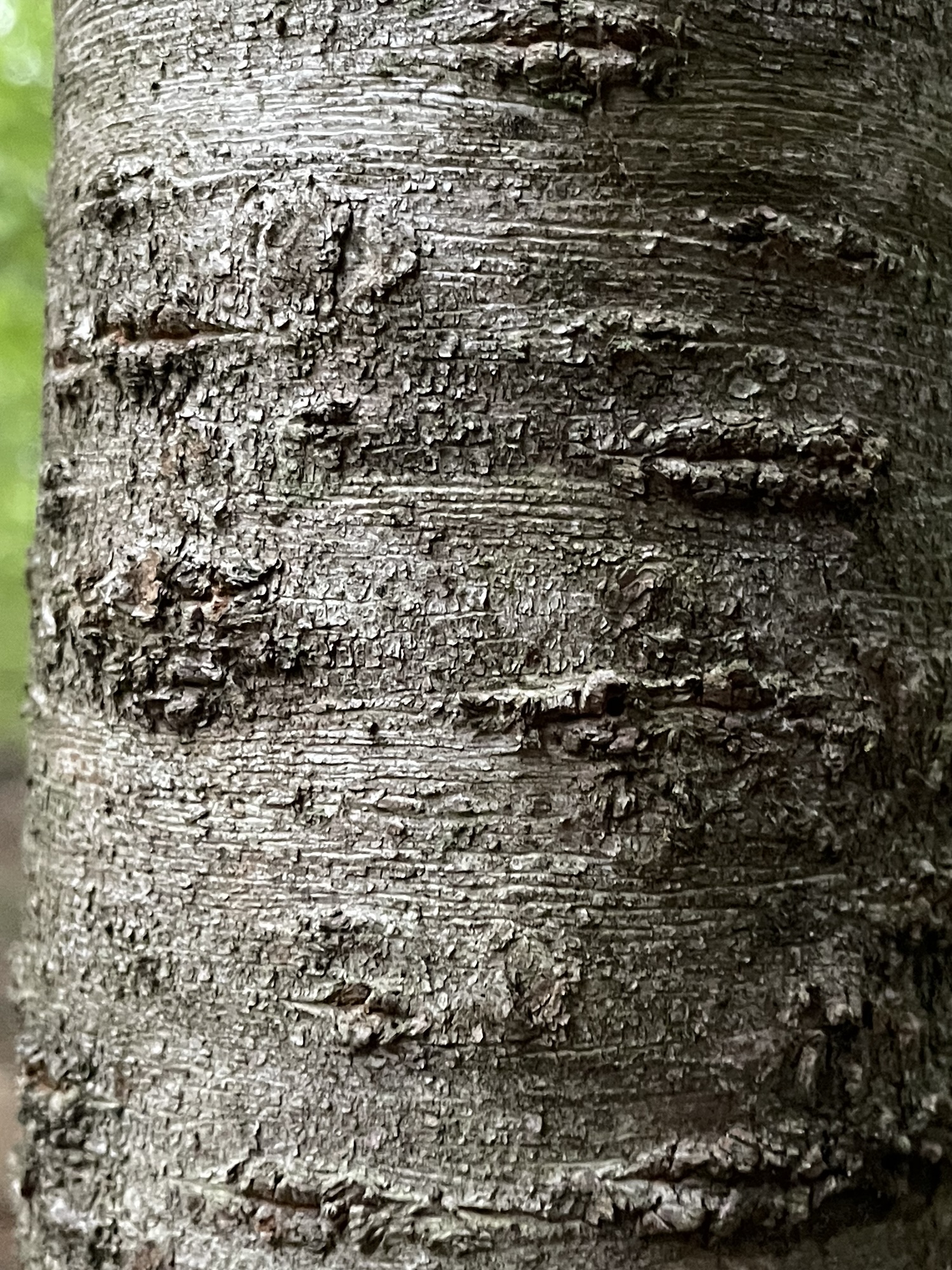
Isn’t the world filled with wonderful plants rich in nutrition? The Rowan tree speaks volumes. A couple of years ago I spotted two mountain ash trees 30 feet tall in my black oak forest. How did they grow in the middle of my oak forest? It’s a sign to remind me. Don’t forget the Sorbus. Vitamin C. Vitamins See.
Enjoy. Kenneth Asmus


 biologicalenrichment
You must be logged in to post a comment.