Growing trees from seed is a start of creating a forest. Allowing nature to take its course is the easy part. Taking part in caring and guiding your trees is another aspect of growing trees so the whole becomes more than the sum of its parts. This is pruning. Here is some ideas from my experience of following the principle of least action while maintaing the health of the trees at my farm.

This Briana apricot specimen is growing luxuriantly in the street-lawn-curb area along a city street. It is interesting that the orchard pruning of apricots and the street pruning of apricots is identical. It favors the highest fruit production with broad spreading limbs. It paves the way to an edible city forest. You want a structure which supports a heavy load of fruit and one which tolerates snow plows, pedestrians, power lines and traffic. The wide branching and incredibly dense and hard wood make this an ideal street tree. At my farm, the trees have developed a more apical dominance because they are surrounded by other trees that I planted like oaks, hickories and wild pears. In this case, the tree can exist as both types of structures; short and squatty or tall and timber-like. The apricot does it all.

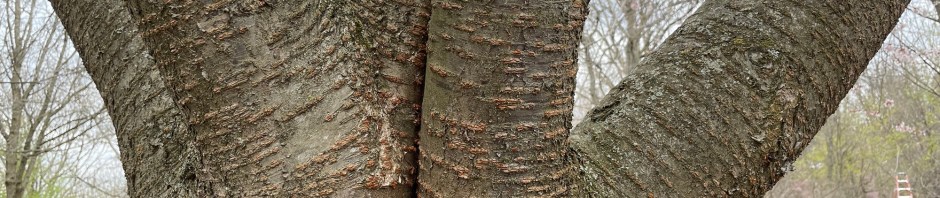
The butternut and its many hybrids show wonderful variation worthy of growing as timber trees. Many buartnuts are timber form however there is a cost to that: few nuts. This particular tree I limbed up to accomodate a polyhouse in its shade. The barren moonscape underneath its roots slowed its growth and brought loss of limbs. This structure has a cost: low vigor. After removing the polyhouse in 2025 fertilizers were added to this tree. Pruning is done this winter to remove dead limbs. This particular cross was found in a batch of seedlings showing excellent vigor and good leaf health. This often translates to long life and strong growth despite my over pruning and creating the weird crotch angle you see above. I did that. To make matters worse the power company pruners had a go at it.
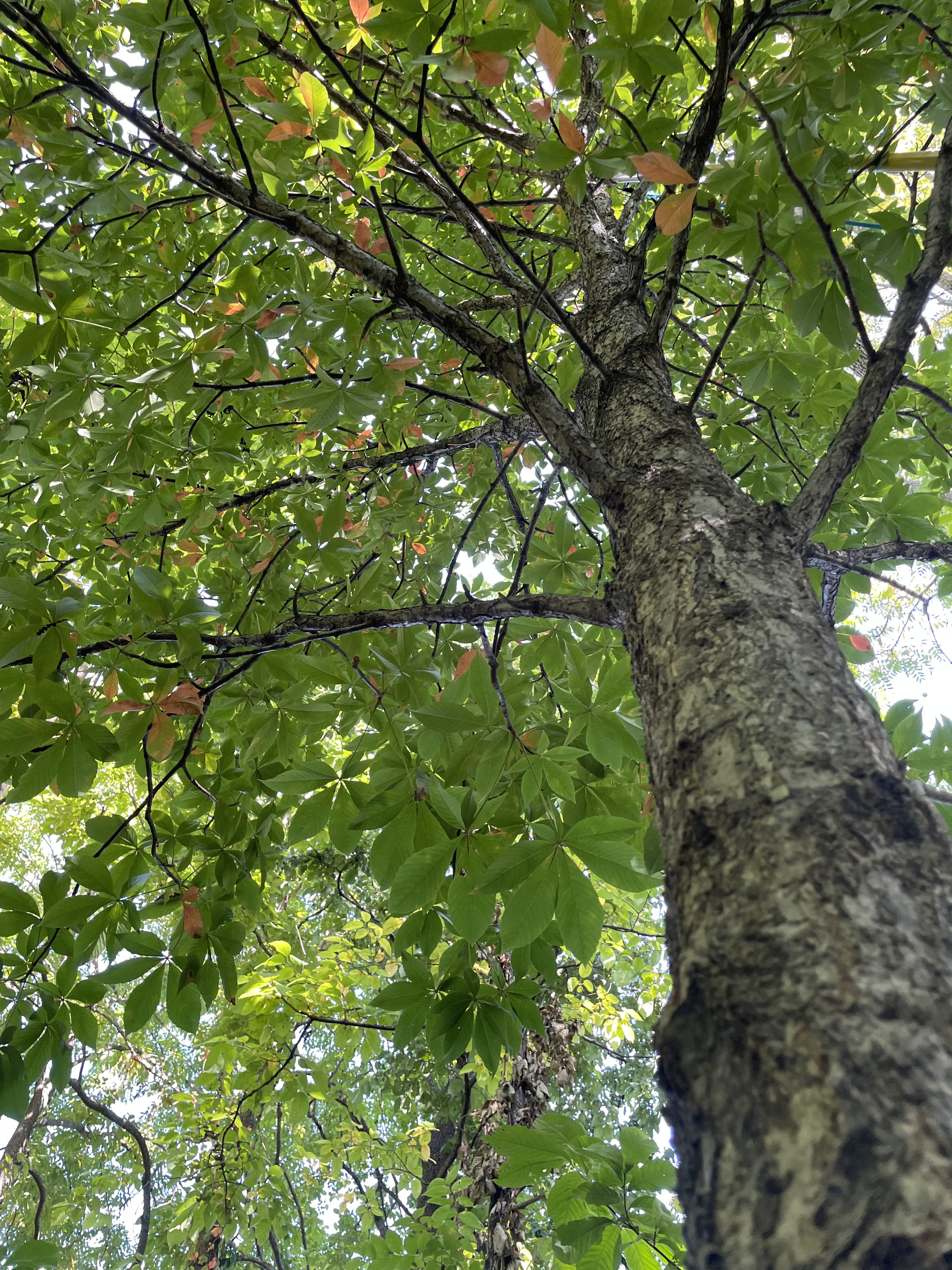
Naturally pyranidal, almost all of the buckeyes maintain a strong central leader growth even in the shade of black walnuts or oaks. It is destined to grow straight whether you prune it or not. You can remove the lower limbs. This speeds and improves the trees structure to a certain degree but you are no Einstein in the pruning world. The tree does this anyway. You are just a copy cat in this department. In fact, all of the buckeyes I have grown have this tendency making for a forest type cover very quickly. If someone said, we need to shade the ground with trees quickly, buckeye is the solution. The palmate leaves along with its fast growth and immunity to browse says alot about the power of trees and their structure. It also is easy to direct seed into its permanent location.


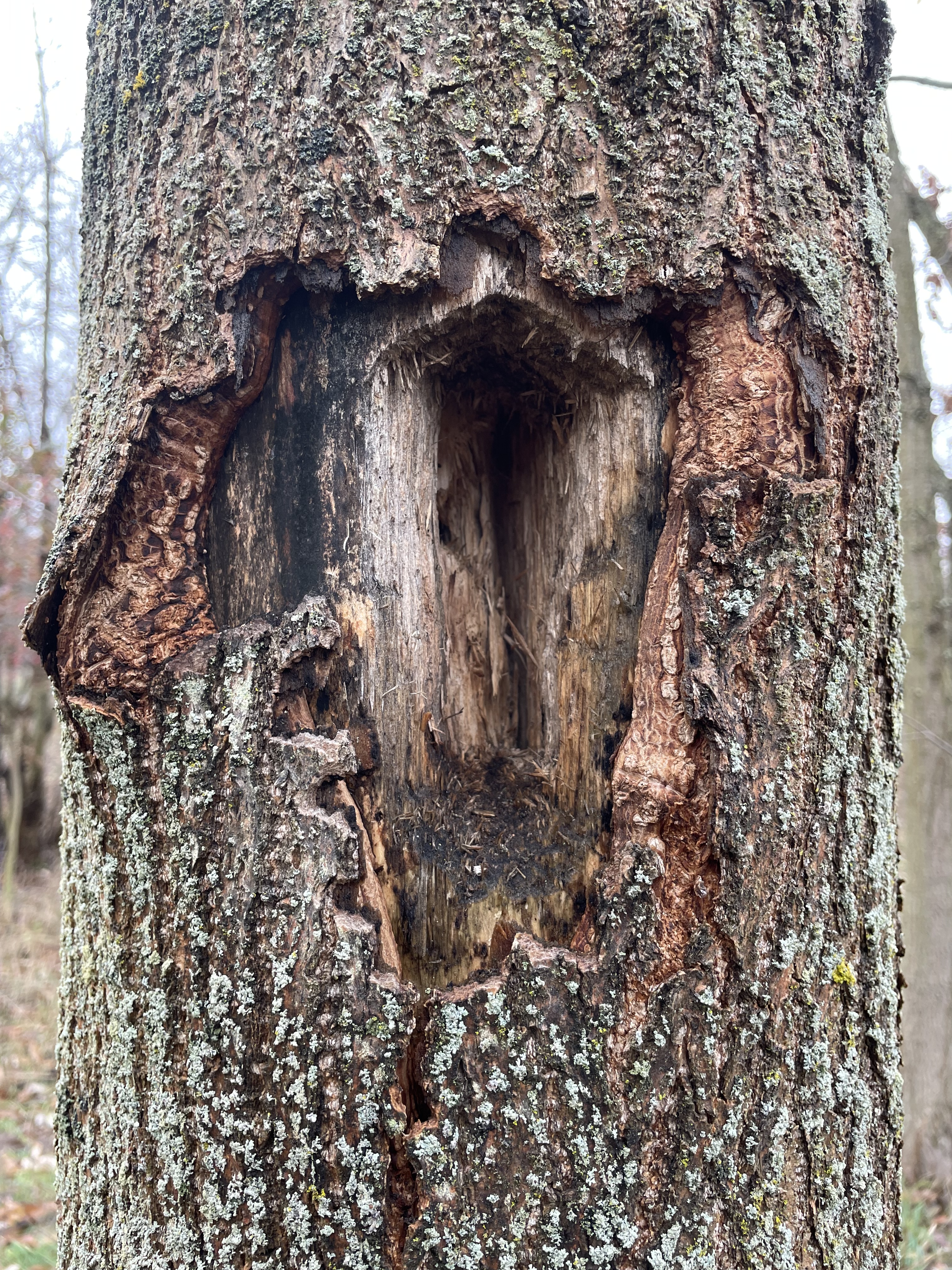
This is one of the few temperate trees in the world with light and soft wood but with a high elasticity. It does not warp or bend easy. Consider the Paulownia as the balsa wood of northern temperate trees. The trees have a natural ability to grow straight as an arrow into a forest canopy. This structure is perfect for this tree and its broad wide spreading limbs and perfectly arranged foliage. The side effect: the limbs snap off at even the suggestion of pruning. It took a few times before I realized my errors. Only a little should be done at a time. I lost half the canopy one year due to a wind storm. Over pruning can weaken a tree too. In the meantime, a pileated woodpecker decided to go into the center of the tree looking for black ants. He found none but it was worth a shot in this effortless hyperspace of wood for him.
It is interesting that like bamboo, this species holds huge promise in wood production yet people assume that the million and a half seeds per pound will take over their planting universe. Ironically, zero seedlings have been found at my farm despite leaving the pods on the tree and an eighty percent germination rate. Makes a nice light stratocaster body for electric guitars in case your interested in rocking on.
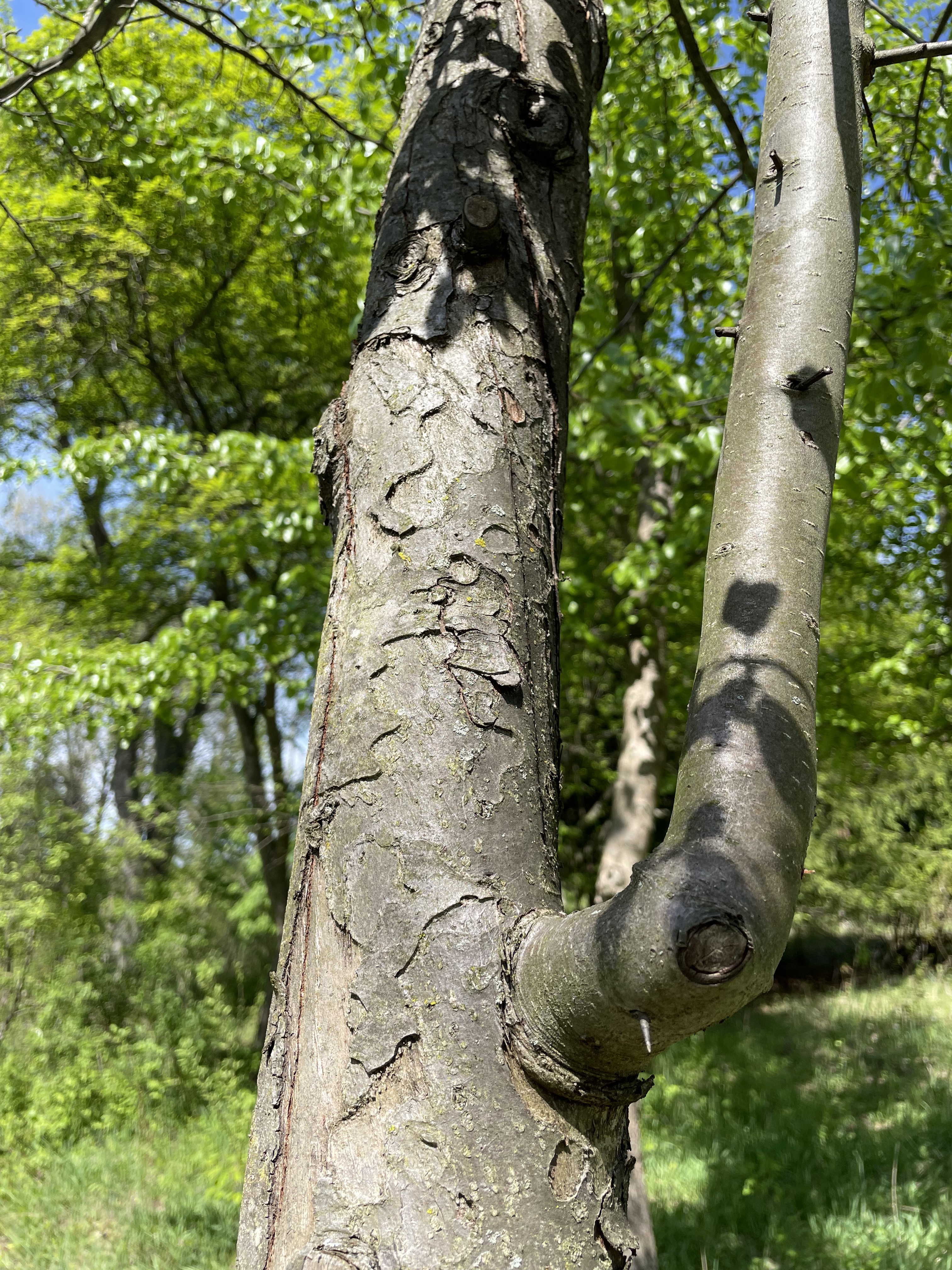
One of the great mysteries of science is discovering long forgotten species of trees which are no longer used or grown. Bringing them out into cultivation means finding their tree structures and fruit again. Here the left top portion of the tree is completely dead due to fire blight which is a common problem growing pears. The sprout on the right is the salvation for the tree. That is the work around type of structure for the tree to continue. The ‘idea’ of the tree to do this is the process inherent within its evolutionary history. Take a right turn here. This effect is also seen on partially susceptible trees like the Stacey pear from Maine. It also produces seedlings immune to the disease transmitting its resistance quickly to the next generation. Pruning here helps maintain the tree as disease free as possible. You can aid in its survival and reproduction from seed. From the mountains of France, the Balansae is balancing itself in Michigan.
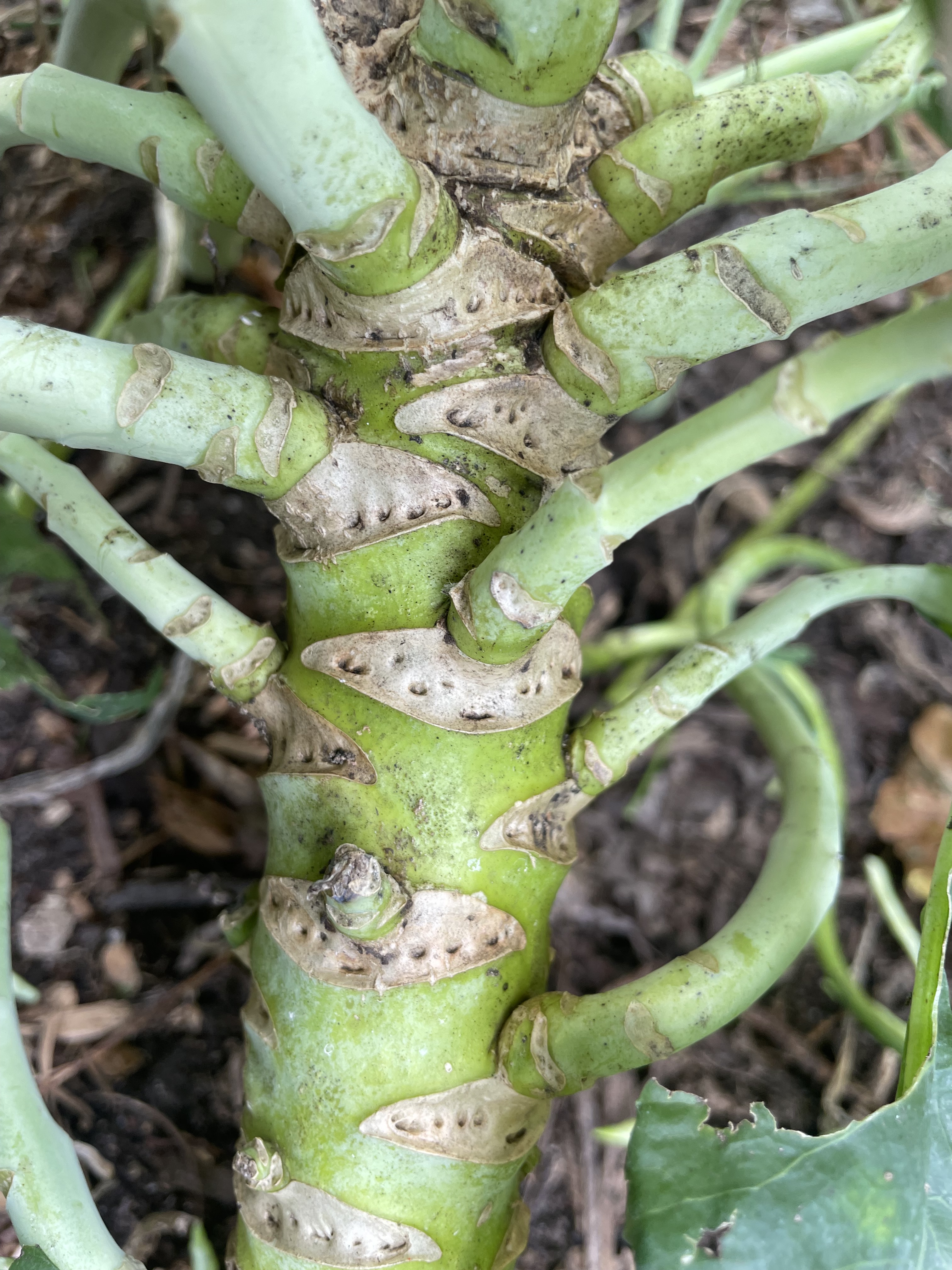
The structure of a tree is the structure of broccoli. There is no difference. The trunks of old tree collards can reach up to 2 foot thick and live for many decades in some parts of the world. This enlivens the possibilities in someones mind of a tree broccoli farm. The structure accomodates the heavy load of foliage and a giant flower scape which can reach up to 3 feet long. This same structure makes it possible to harness this tree crop all from a common annual food plant. My pruning discovery was accidental in that the lopers I was using to prune the plants found strong resistence when I was doing cuttings for rooting. This surprised me. It’s broccoli after all. You add butter and salt after a brief boiling in water. The hard trunk supports the delicate leaves and flowers. That is nourishment on all levels.
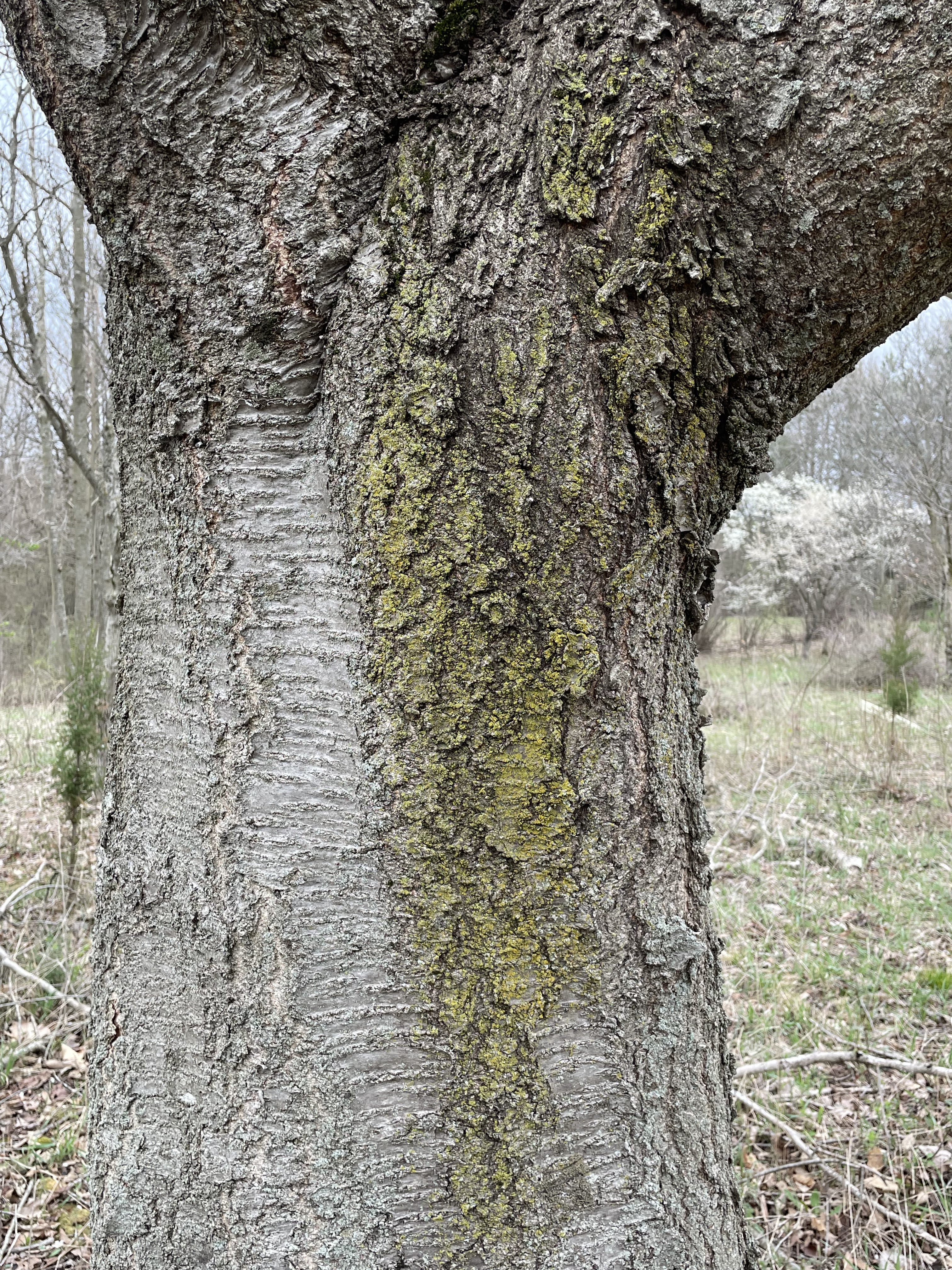
Don’t fear the weeper. For some reason horticulture has this crack your knuckles with a wooden ruler belief system that says only this will produce that. Such is the case for weeping plants. Growing weeping plants from seeds pollinated by bumblebees means freedom of expression. It’s art now. This structure delivers a large central trunk and strong branching on top of my highest hill at my farm where three times straight line winds exceeded 50 mph and split several of my nearby pecans. Strength of structure can be found anywhere even within a weeper. Yes! More cowbell. Nothing to fear hear. Move along. My pruning along with a 5 ft. tubex tree shelter created the trunk only because the deer were in hot pursuit of the lucious foliage.
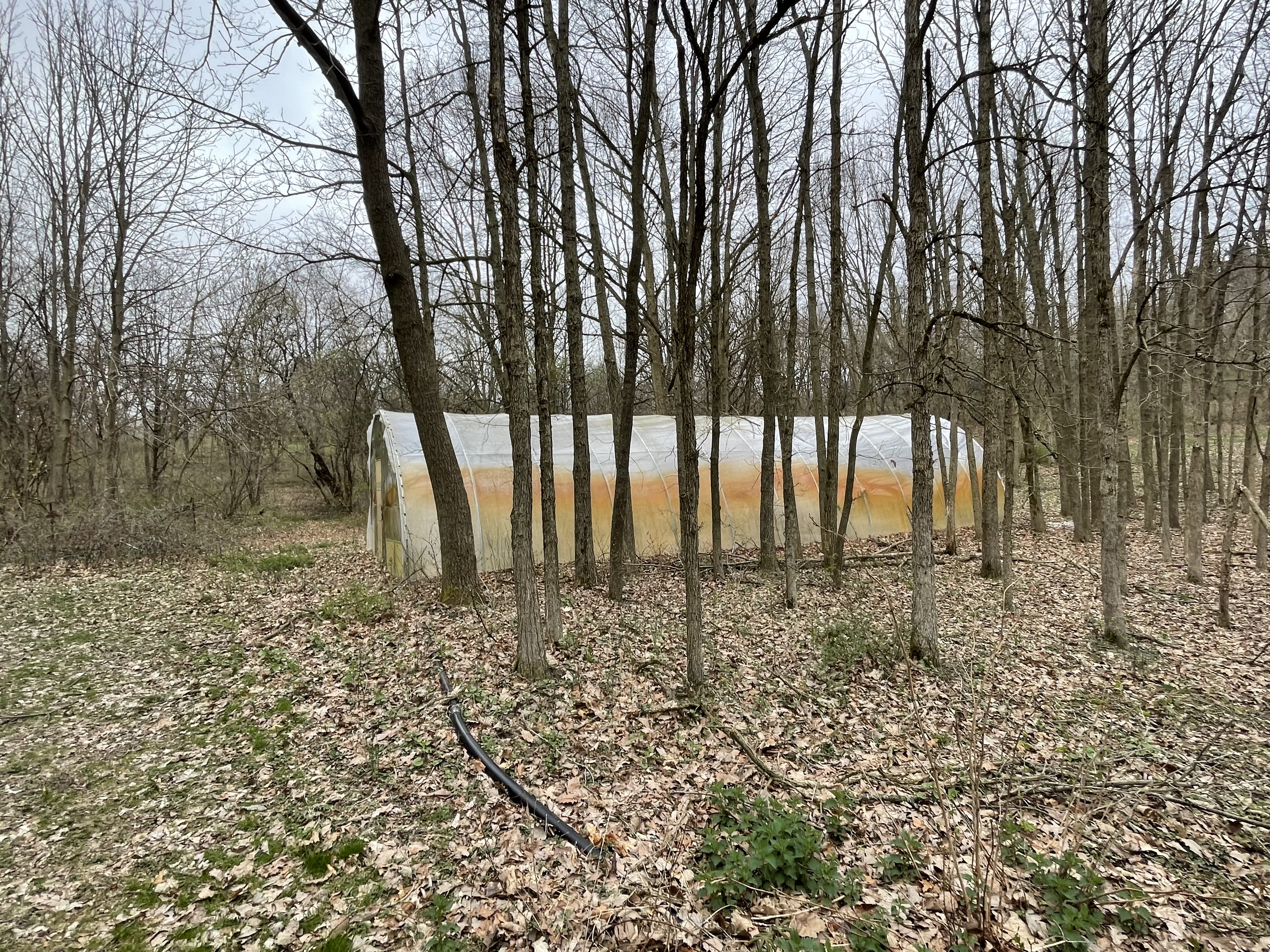
There is a cost to ‘forcing’ oaks into tall narrow columnar poles. Few acorns are produced. Many trees in this type of planting become weaker over time and eventually die due to lack of light. The side branching occurs as epicormic sprouts as the tree tries to hang on as long as possible. I created this scenario by keeping a small 50 by 4 ft. bed of chestnut oaks first collected from a park in Pennsylvania. I then kept the obvious hybrid leafed plants with the greatest vigor. There was a few thousand plants at first. Most were sold and I kept a hundred of the fastest growing specimens in two different locations. Today it’s down to 25. It turns out hybrid oaks with the greatest vigor also have the strongest wood and much greater adaptibility to different soils and climates. This makes them an ideal candidate for wider distribution outside their native ranges especially in unforgiving climates. Healthy growth equals strong structure. A brief foray with the chain saw will create a means to test the wood for grain, density and useability for wood working. The trees along with pruning help create a new seed source rarely found in the wild. You have the taken the best to create something usable for future generations. This effect you are creating is the opposite of what modern forestry does today. Here the strongest trees add to the genetic base of strength over time in multiple generations all done effortlessly without need for future breeding. This is the ideal population all done within a short span of 40 years of observation and care for the trees.
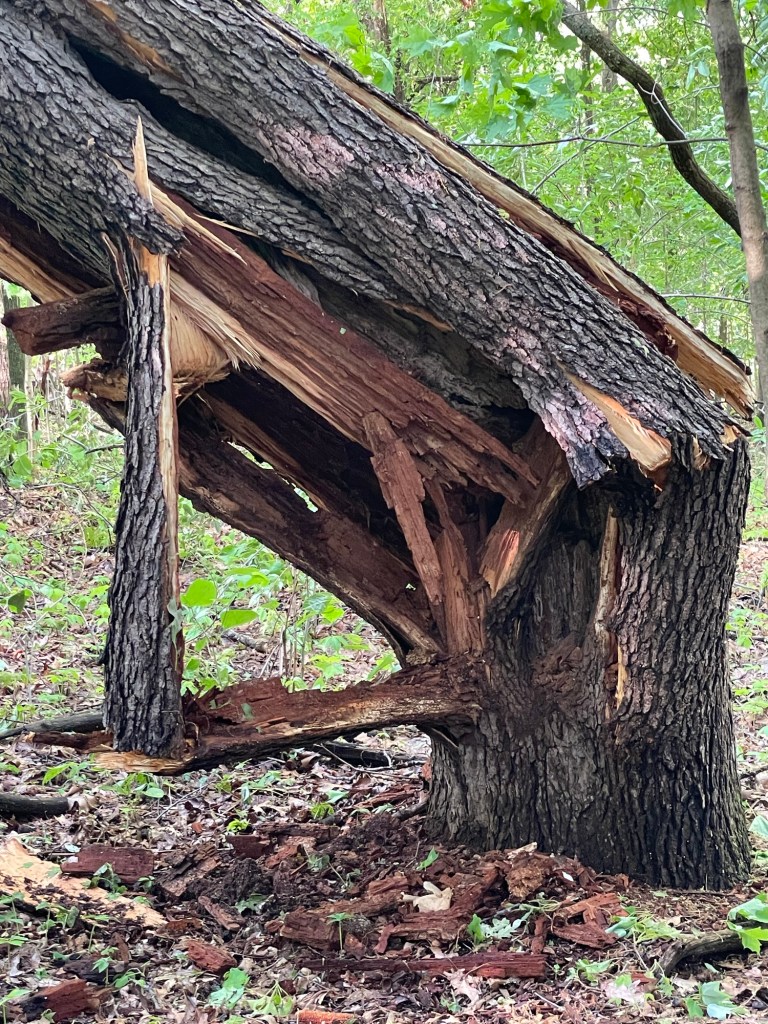
Enjoy. Kenneth Asmus


 biologicalenrichment
You must be logged in to post a comment.