

One of my first persimmon seed sources for trees at my nursery was from a persimmon cannery in Mitchell, Indiana called Dymple’s Delight. I used the cannery waste for producing trees. The seeds were extracted prior to cooking. The seeds cost six dollars a pound and I purchased 50 lbs. which was a lot of money for me back then. (Mid-1980’s pricing.) They primarily used Early Golden as their main variety but they also used specific wild collected trees for their canned pulp. As time went on I found other individuals who had small plantings of grafted selections known for their higher quality fruits. All of these selections were discovered as wild trees within the persimmon’s northern range. The late Ralph Krieder, Jr., a great tree crop pioneer, had many of these selections growing as well as friends who allowed him to collect fruit. I purchased lots of seed from him from several cultivars. Eventually I made the trip down to visit him and a day later we found ourselves at the late Jim Claypools’ American persimmon plantings. Ralph and I took some time and also visited the original Pipher tree which was a giant tree all alone in a front yard in a small town in Illinois. I grew a lot of seedlings from that one tree which proved to be a great winter hardy seedling producer.
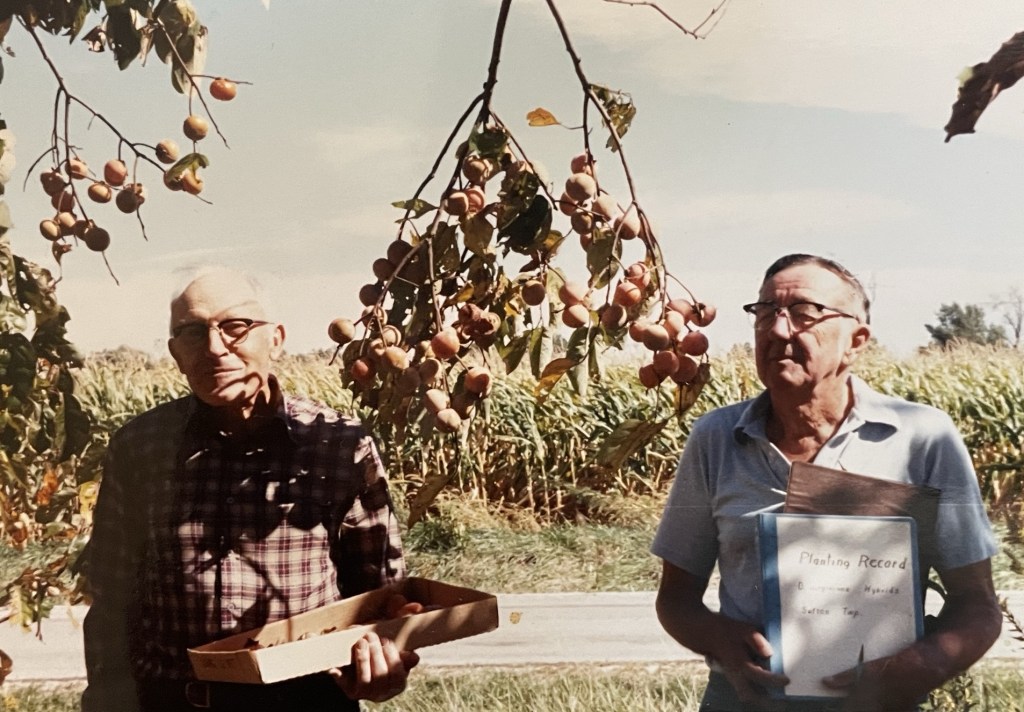
At that time, Jim was continuing his breeding project and evaluating all his fruiting crosses including using them in his favorite recipes. His breeding was aided by another horticulturist, Professor J.C. McDaniel from the University of Illinois in Urbana, Illinois. He would go to him for advice once in a while when he was in doubt. He would say “Make the cross Jim.” He said for the persimmon, the right male tree is critical on what the seedlings will be. Since the male tree has no fruit, it was not an easy choice but he had honed in on a few. It took time to figure that out. The one thing I found inspiring about the planting was he was taking out a few rows of corn every year to expand the long 1/4 mile rows. Jim also worked out a system for grading persimmons and cared deeply about what you thought they tasted like. He said nothing as you snacked away. He wanted to know which selections were the most appreciated. He didn’t care about his own tastes but obviously used it as a source of direction. All of his crosses were done with great care and determination. He told me he was concerned about inbreeding depression and changing the overall health of the tree making it susceptible to foliar diseases. I was told later that this issue is apparent in his orchard some of the years making the tree loose its foliage early. Besides the amazing flavors and high quality fruit, the one thing I noticed when visiting is that his location in central Illinois is over a month ahead of southern Michigan. You have to tack on another 30 days of ripening to even out the ripening period. This is often lost in the descriptions of varietal persimmons where ‘early’ is a subjective term spanning a subjective space in time. (It’s a paradox in the space time continuum of nursery lingo.) Today you will see some of Jim’s selections in the nursery trade under copyrighted named selections and once in a while a series of confusing numbers and letters.
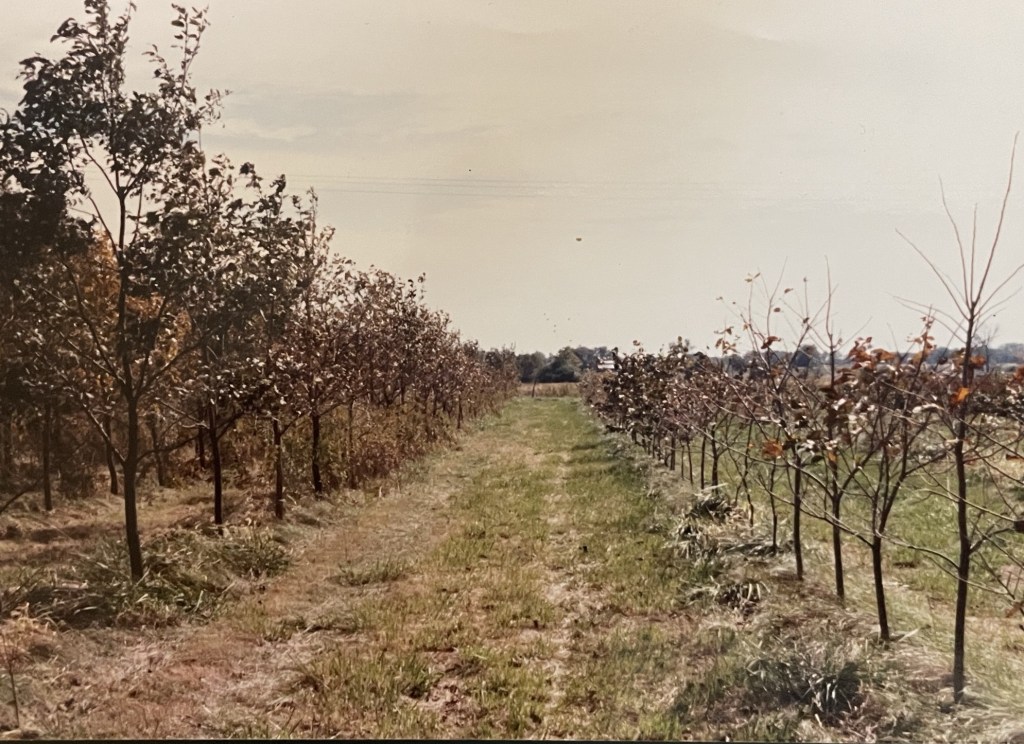
By the time I made this visit, my persimmon seedling planting was near completion at my farm. Although we did not collect many fruit for seeds, that did not matter. Obviously, that was not why I was there. I now had a vision going forward and it had little to do with my nursery. After having lunch with Ralph at a local diner, I drove home contented with a much greater scope of understanding the American persimmon and those who have unearthed its sweet treasures for all to enjoy.
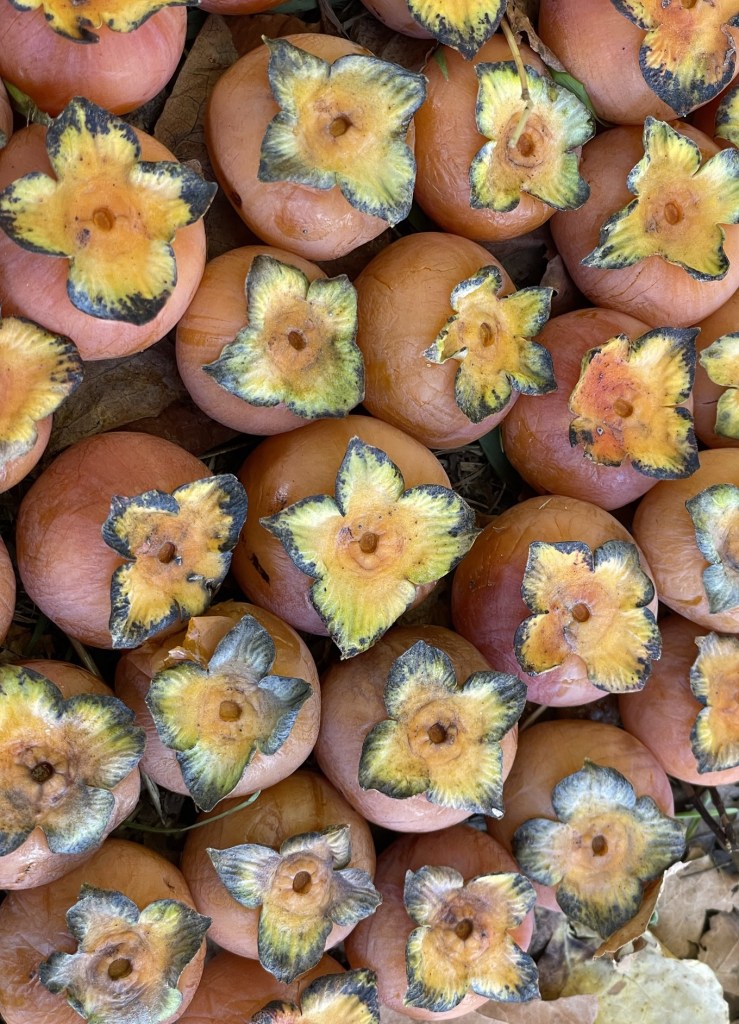
ORANGES
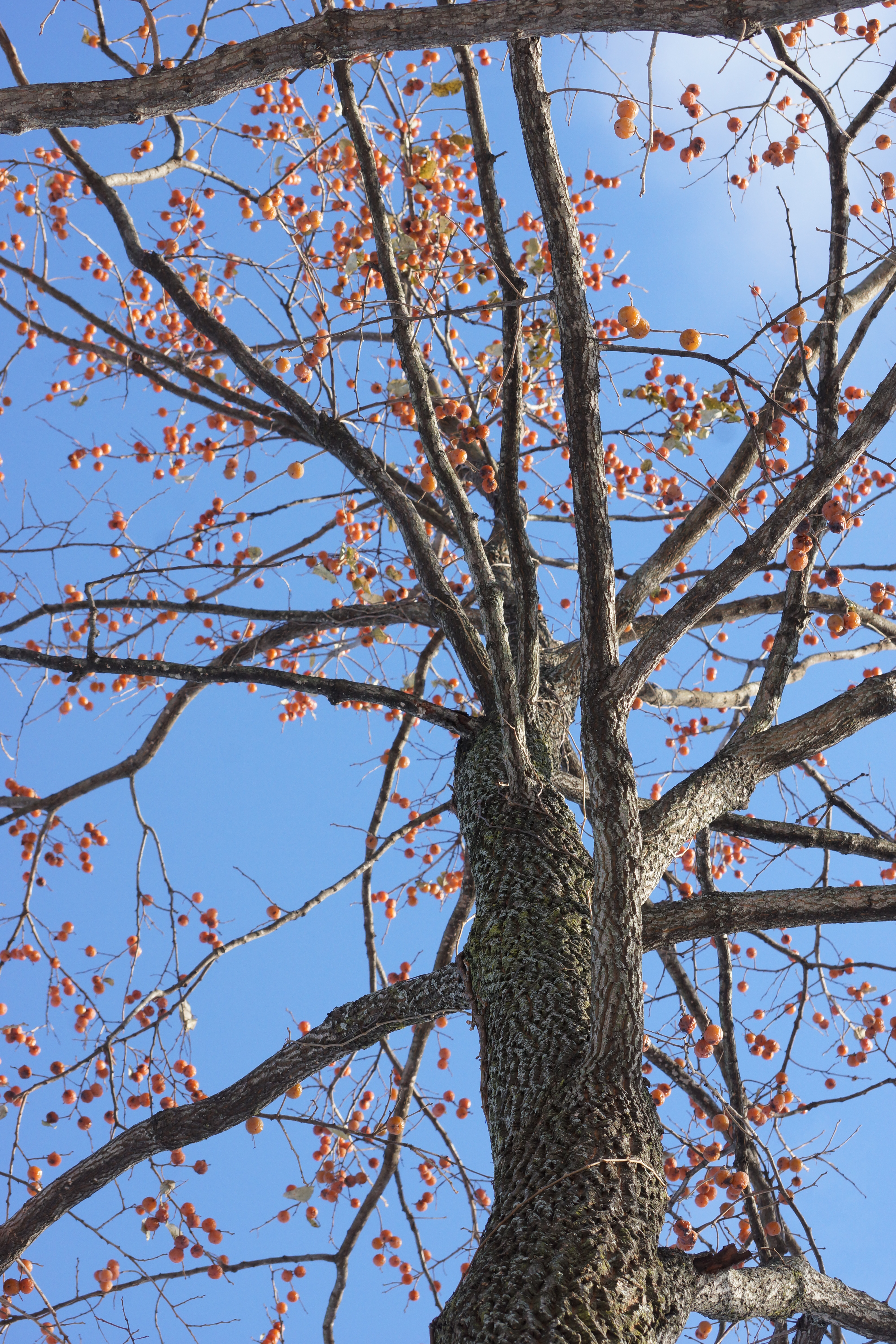
Firm fruit, low seed count and no astringency even when picked from the tree, “Oranges” is a great representative of the American Persimmon. Bright orange color with a red blush on one side. A light bloom covers the fruit. Along with the green cap which stays on and doesn’t discolor this selection is perfect for packing in trays and sold as fresh fruit. The dense sweet fruit has only 3-4 seeds compared to the wild forms of American persimmon which can have 8. “ Oranges “maintain its color without shriveling. But like all persimmons, it shrinks down slowly over a month period. Ripening starts in late September and drops quickly within two weeks. Heavy yields to the point the branches hang with ‘orange’ like fruits. Earlier than other cultivars with a great flavor and texture.
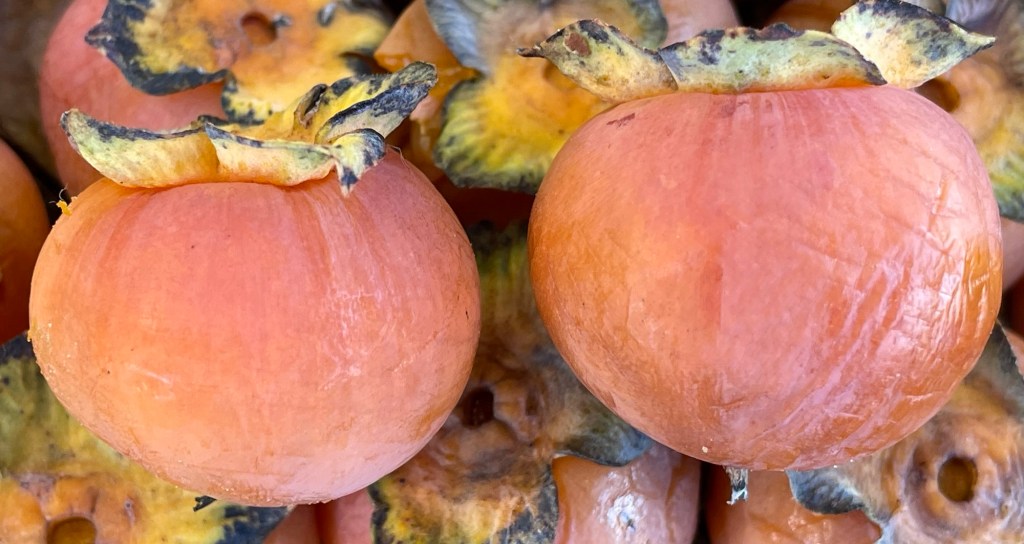
DATE-ME
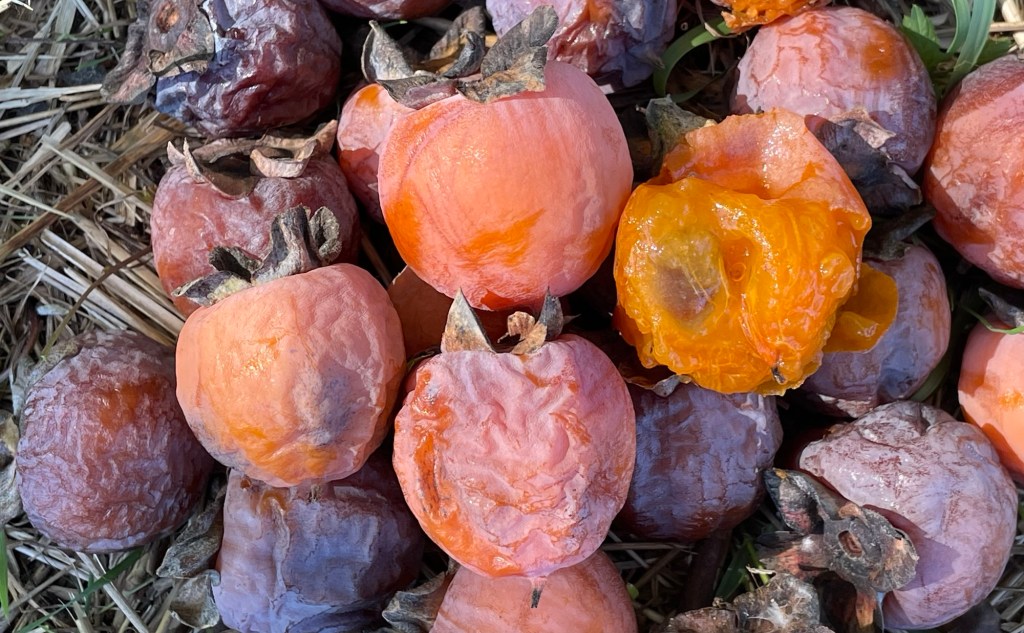
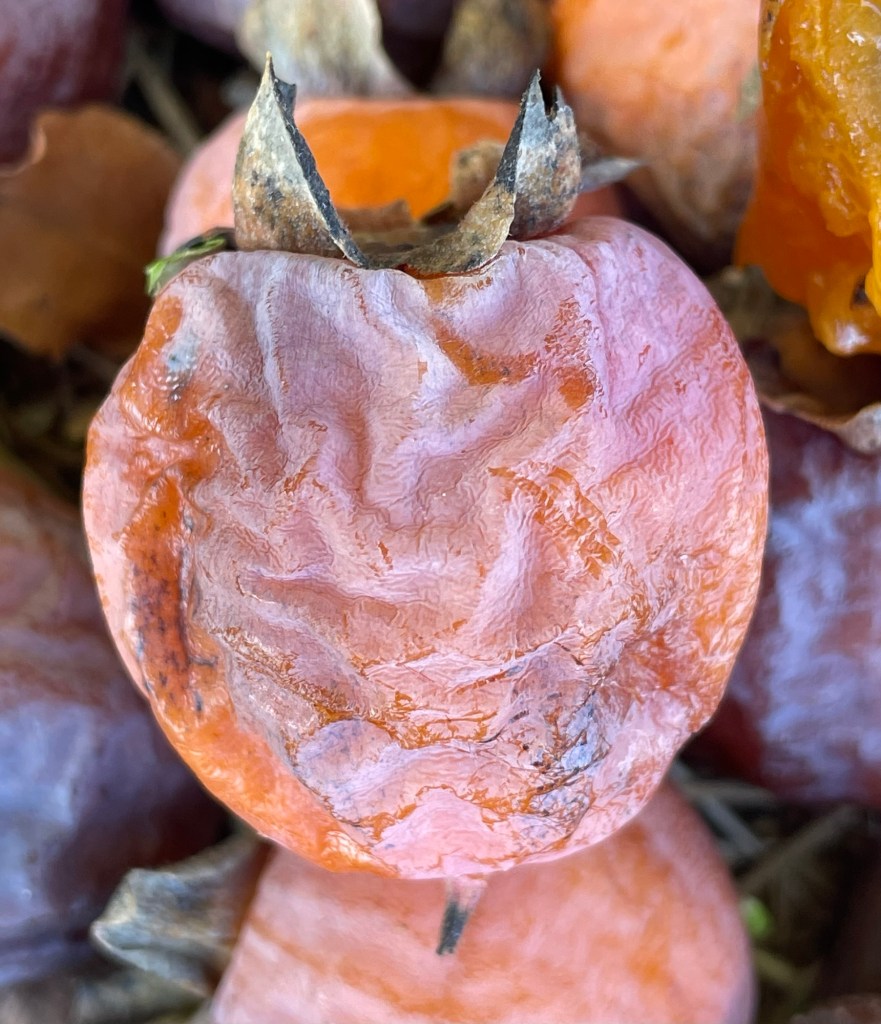
Selected American persimmon that ripens and dries in the tree turning into a date like consistency very quickly. Chewy and sweet the orange fruit turns darker as fall goes on. It has 4 seeds per fruit. All of the fruit drops fully by the first week in October which is prior to frost usually. This is a low moisture level fruit with a sweet and non astringent flavor which is easily stored. It is fibrous but easy to chew with a low moisture level. It may need additional drying for long term storage. It does not ferment on the ground. The yields are very high with fruit clustered all along the branches. The early ripening along with the date like consistency is an excellent storage persimmon.
Enjoy. Kenneth Asmus


 biologicalenrichment
You must be logged in to post a comment.