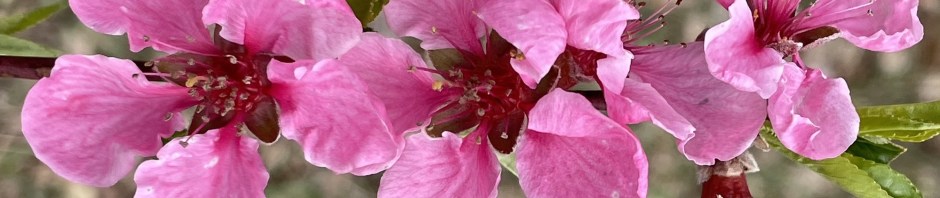
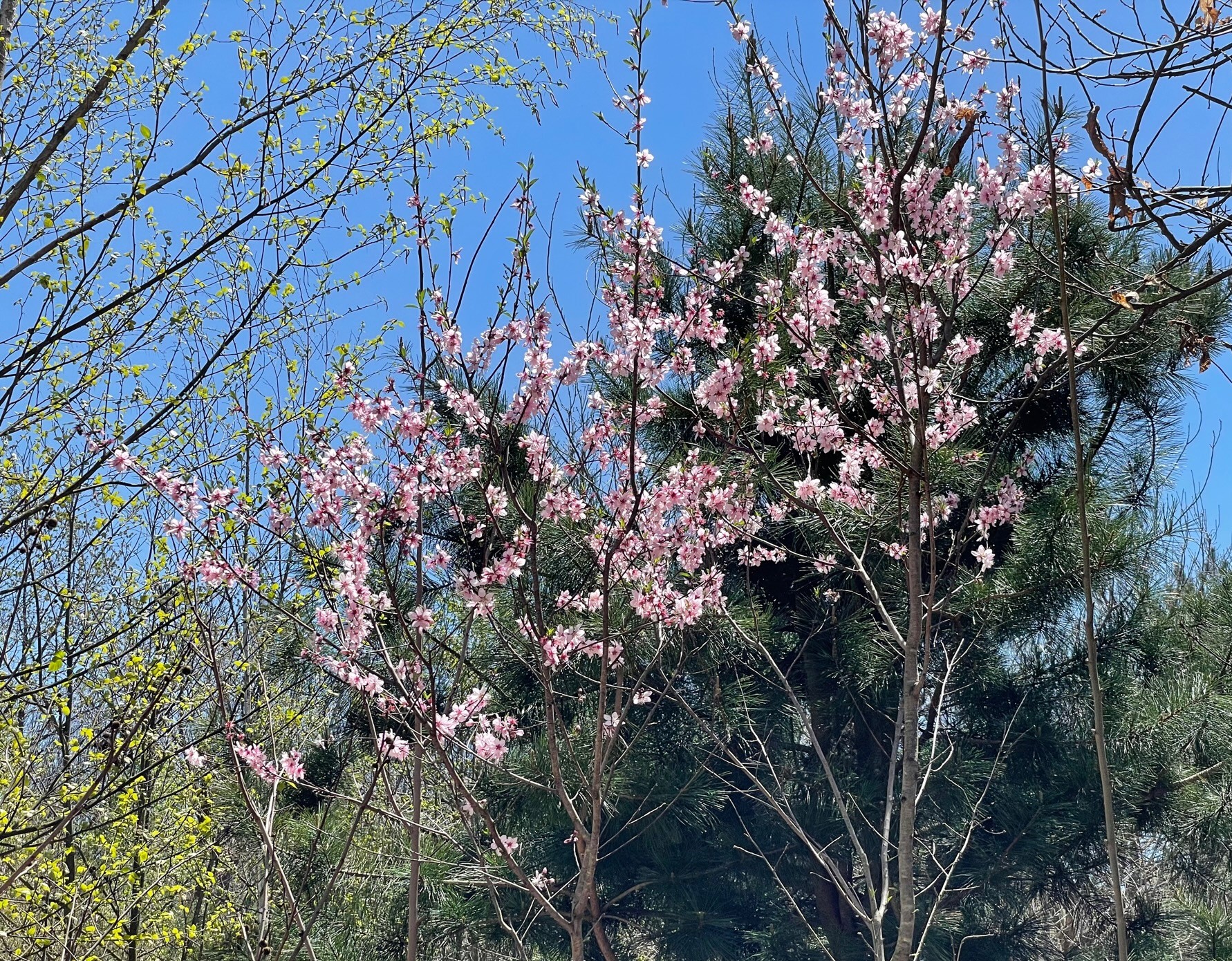
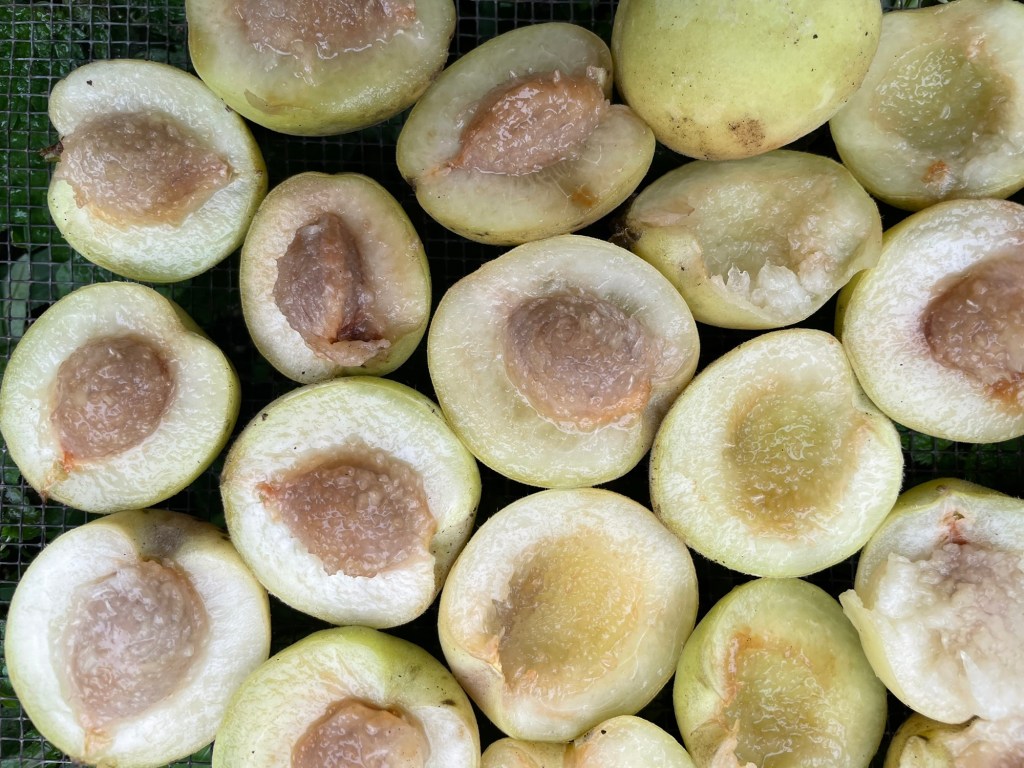
The Texas peach represents a great human plant introduction into the southwestern U.S. native flora. It integrates into its surrounding environment and continues to broaden its genetic diversity. When botanists first looked at the peach thriving in the southeastern U.S., they thought it was part of the indigenous plants in North America. Even Bartram believed. Started by the Spanish explorers and later discovered and used by the Native Americans, it was continually being moved throughout the plains states. Over time this wild progeny of Prunus persica may have even crossed with the native desert peach, Prunus andersonii making it even more adaptable to its new home. The genetic connections grew stronger over time. Who knows what is found within it’s genetic make-up? I tried twice to grow the desert peach, Prunus andersonii at my farm in Michigan. It was not possible for the same reason I cannot grow cactus. The moisture levels in the soil and air are too much along with the cold hardiness. Texas peach comes true from seed and is a gold mine of evolutionary history. My single representative has no insect damage or disease issues so common in cultivated peaches. The small white tart flavored peaches ripen in October and drop freely from the tree in perfect condition. This is not a peach we know. It’s small. It’s white. It’s furry. It is a juicy peach rich in flavor. It is tart. The Haven series are not here. The patented Jim Friday peaches are also absent. Wild peaches are found throughout the world. Some were distributed by the Romans in the early trade routes pitching seeds along the way into the high altitudes of unamed mountains. Today Iowa boasts a germplasm from these connections grown as the clingstone white peach found in a ditch abandoned and almost forgotten until the turn of the century. We may not recognize it with our eyes but one taste will bring us to a larger and more delicious peach universe.
After all it’s a peach of a plant.
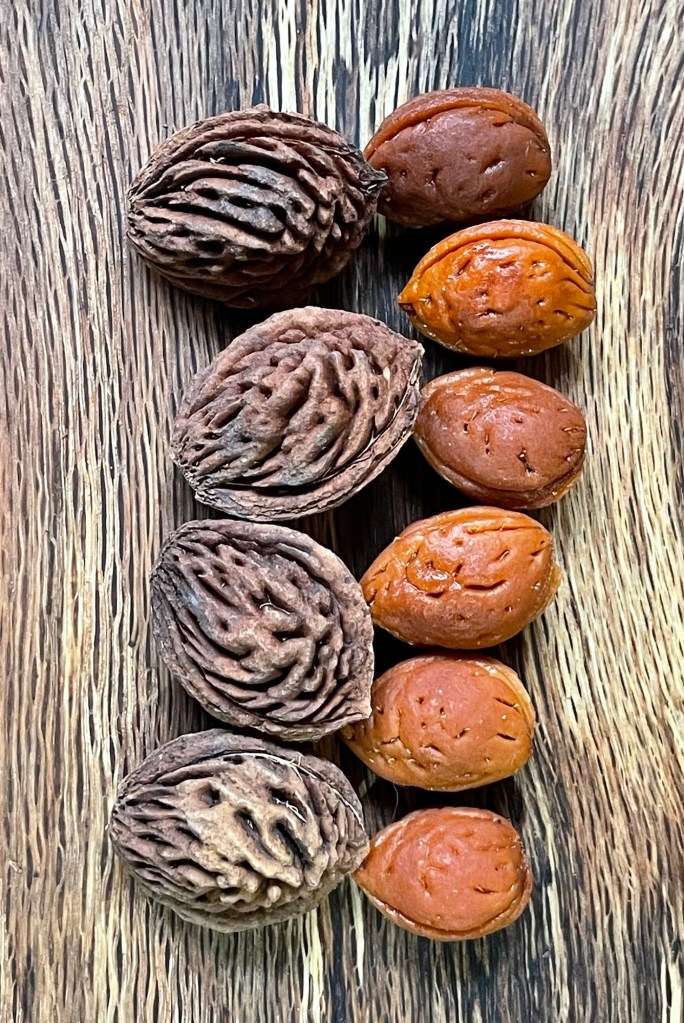
From pit to pit, the peach continues its journey outside the confines of plant breeding and the peach industry. Like the wild apple, only nature is involved with its ability to change over time to adapt to new locations untended by humans.
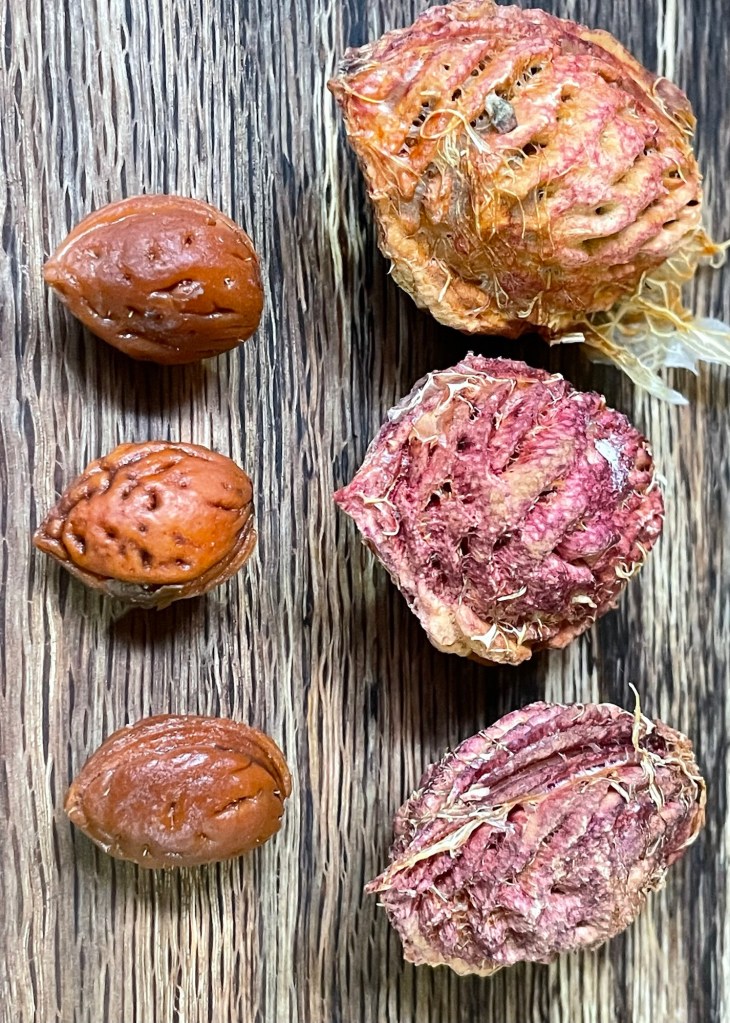
From the level of the pit, the peach much like the lotus seed can have a dormancy lasting decades until the right conditions for germination. The pit itself has a high modulus of elasticity making the seed coat impervious to breaking. Only the suture can split and release the seed intact. At my farm, I’ve noticed that even squirrels and chipmunks do not bother. Every once in a while you will see the incisor marks on the outside of the pit. It’s futile. The chipmunk tells his friends, ‘Won’t work. Modulus of elasticity too high.’
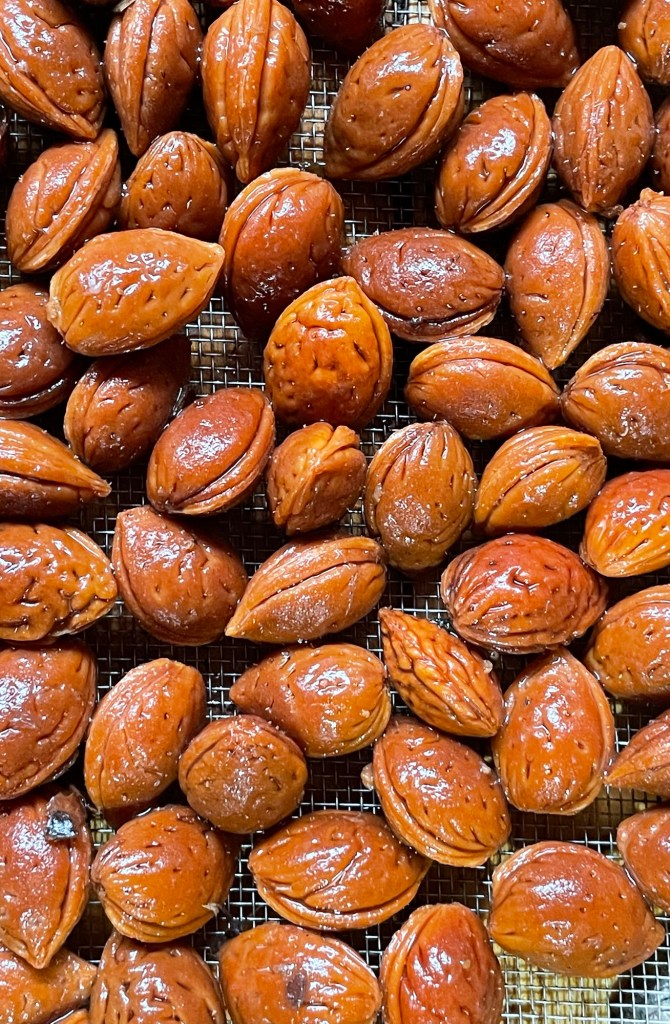
The pits slowly split along the sutures allowing moisture to permeate the seed. If the seed is not fully mature, a warm period will allow the embryo to continue to grow until finally a cold dormancy sprouts the seed. It could be a two or three year process to germinate under natural conditions. We use to put them under the bench grinder to speed germination by grinding off a portion of the suture.
A cold and lightly moist period of 60-90 days will then cause the seed to sprout overcoming any biochemical restrictions to germination.
Patented varieities are not allowed to be used as seed sources. It’s off limits. The peach is in legal limbo there. Seed strains from wild germplasm are free to follow your share the peach attitude to all who wish to experience your discovery without such limits. Could someone make an orchard of pit grown peaches? That is a good idea. Now a few trees can produce a colony of like minded plants covering hundreds of acres. No need for grafted peaches all cloned in uniformity forever. Break the dam of genetic stagnation of clonal peaches and allow the peach to flourish in what we think is non-peach environments.
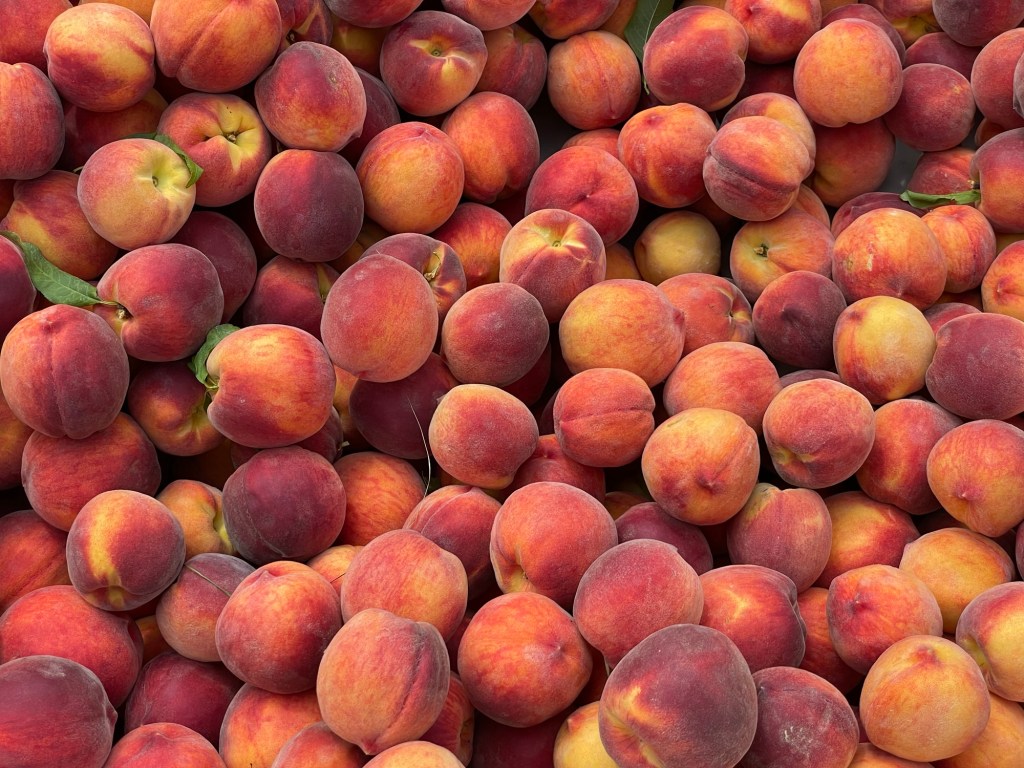
The Red Haven was developed using seed grown heirloom peaches in the beginning. Now it is cloned but still open to grown from seed plants should you want to test your peach pit ideas. Why not?
A Peach Pit Discovery: Peaches First Introduction Into North America: Link below:
https://www.floridamuseum.ufl.edu/100-years/object/peach-pits/
Florida Museum Peach Pit Exhibit: When Peaches Were First Introduced Into North America.

Enjoy. Kenneth Asmus


 biologicalenrichment
You must be logged in to post a comment.