
ZEA
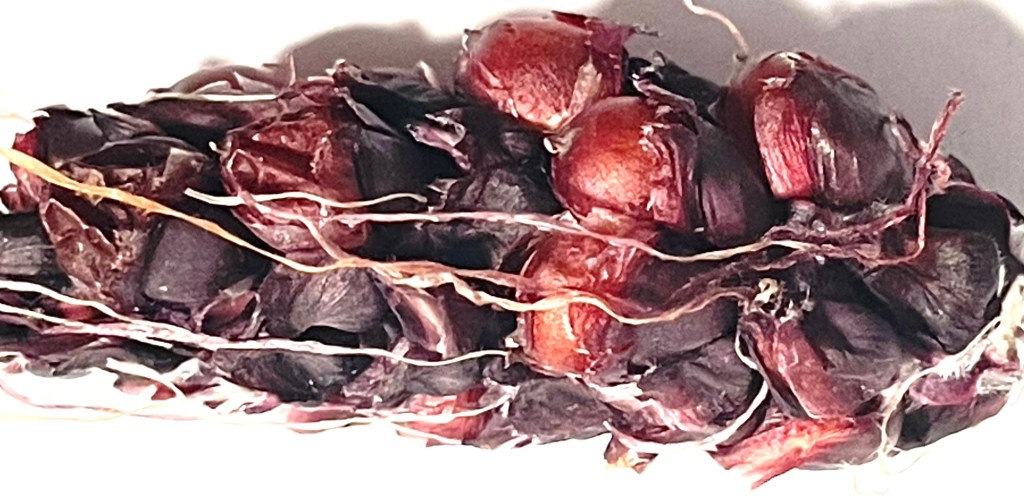
Zea is the genus name for corn. It is the Greek word meaning bread. The first Zea grain goes back to at least 12,000 years ago. Evidence was recently found in a cave in Turkey that Zea grains were cultivated from wild plants in the region. Zea highlights the power of an ancient grain shared cross culturally as a staple food filled with health giving properties much like corn is today. Farro is closely related to Zea. Occasionally I will buy the whole grain farro at the health food store and make a porridge out of it for lunch at my farm. Alexander the Great consumed it. The ancient Egyptians preferred it. Kenny the farmer from Michigan ate it. It is the ‘life giving’ grain mentioned in the Illiad. I began wondering if corn had a similar origin as a grain which also contained life giving properties. For me the northern highland teosinte was the North American Zea. It too was untended and found growing in the rocks and cracks of a high elevation mountain desert. It too was shared cross culturally as a form of popcorn and made into porridge. This was the Zea I was looking for. Here is what I found.
Plate one; Zea mays var. mexicana selections
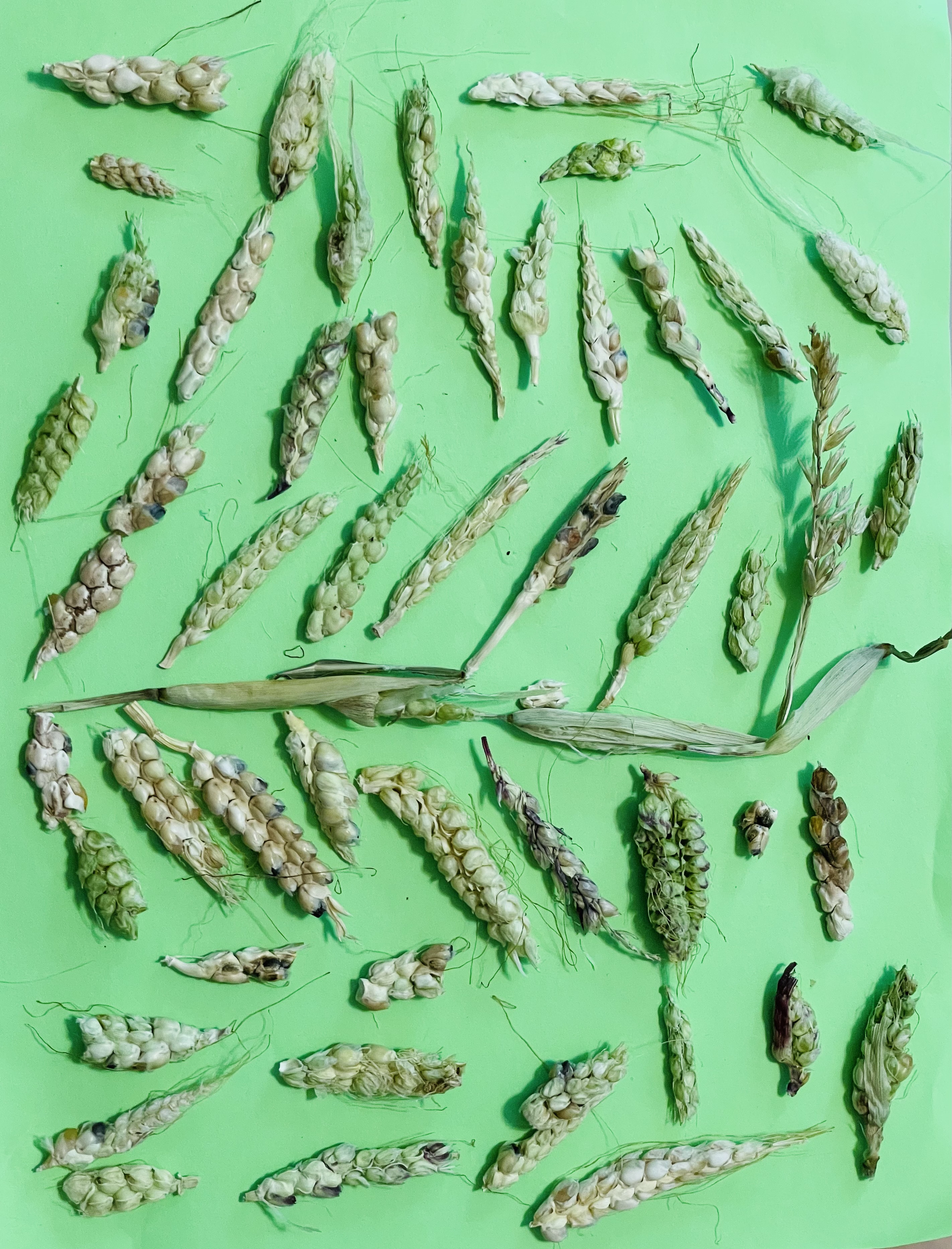
Plate two; Zea mays var. mexicana x pop and sweet corn

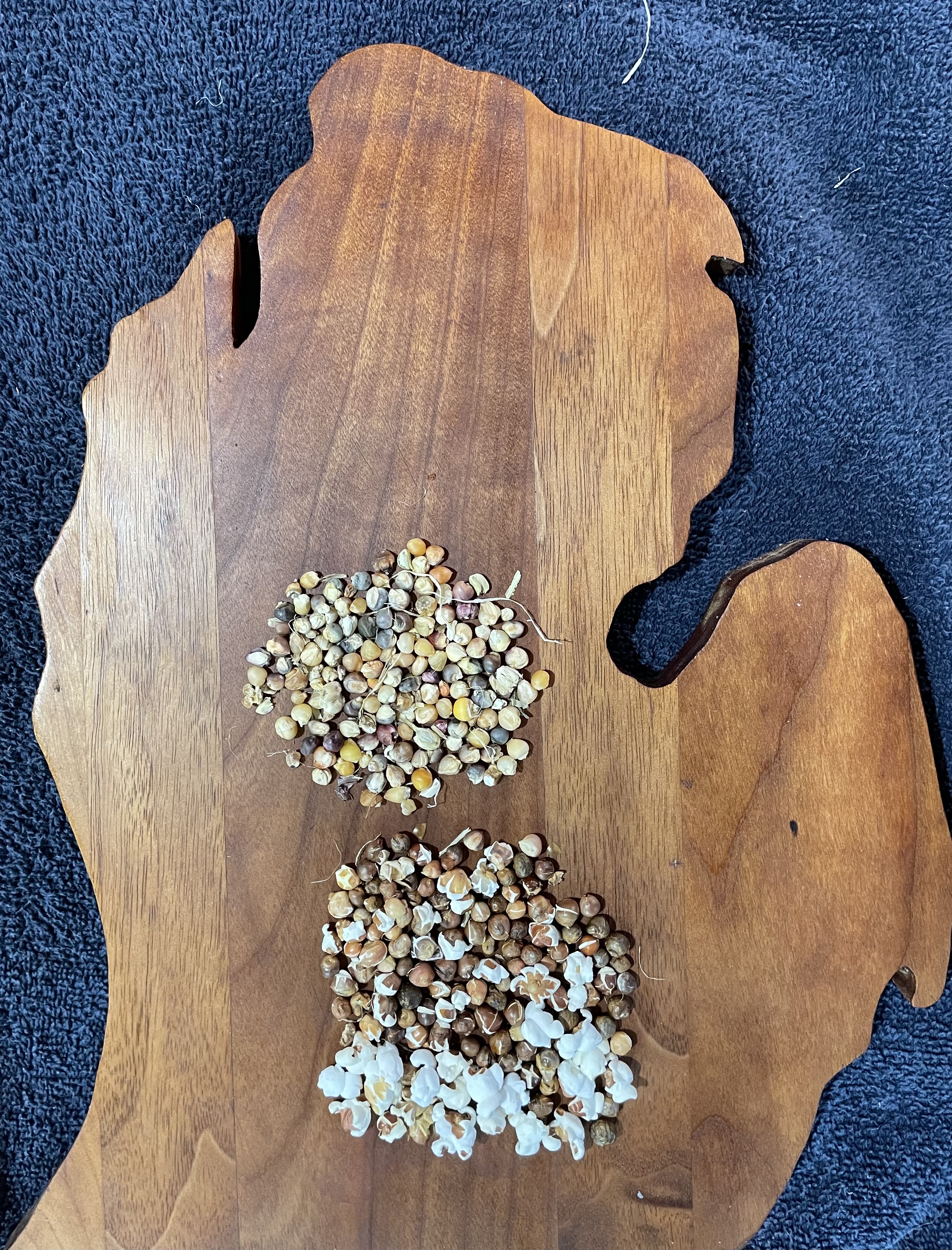
Plate three; Zea mays var. mexicana x pop corn mixtures

Plate four: Zea mays var. mexicana x heirloom purple sweet corn
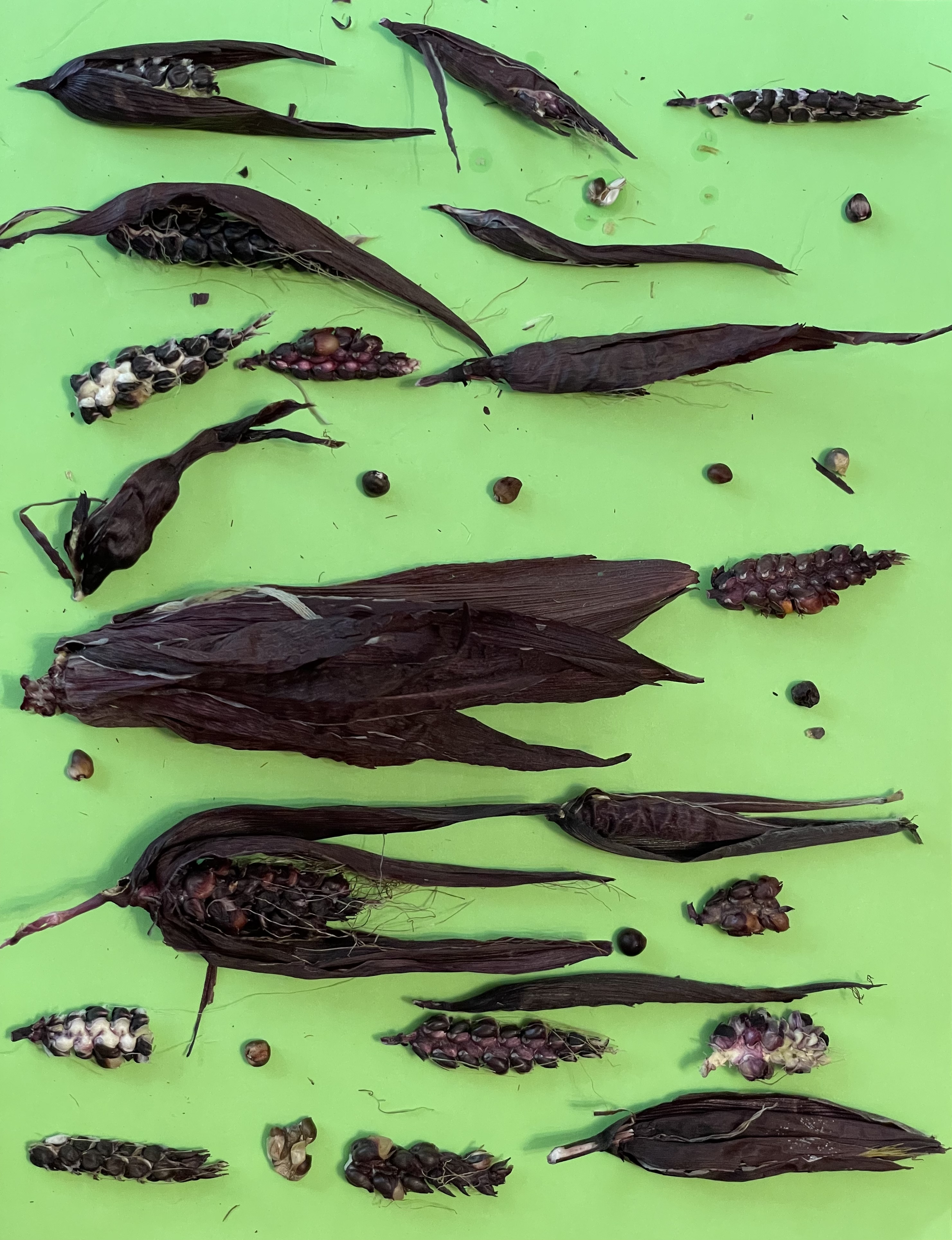
Plate five: We’re going to need a smaller sheller. Not adapted to modern or even a quasi-primitive hand held corn technology. Is Zea a grain without a means to make it useful on a broader scale?

My experiences:
- dwarf annual grass
- 30 day corn
- dark purple pigmentation in foliage and kernels
- popcorn from an ancient grain
- diverse progeny in an open pollinated population
- low water-xerophyte of a common food plant
- Nutrient and Mineral Dense Grain
- self-seeding
- freedom of expression-you cannot stop it
- continuation of wild corn without boundaries
- new evolutionary and ecological trajectories for ZEA.
- lunch

Enjoy,
Kenneth Asmus
NEOSINTE-TEOSINTE SEEDS AVAILABLE
Available only within the U.S.A. Supporting my seed sales helps me continue my search for Zea. Thank you.


 biologicalenrichment
You must be logged in to post a comment.