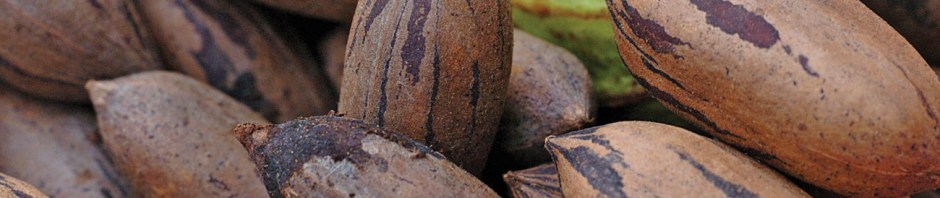
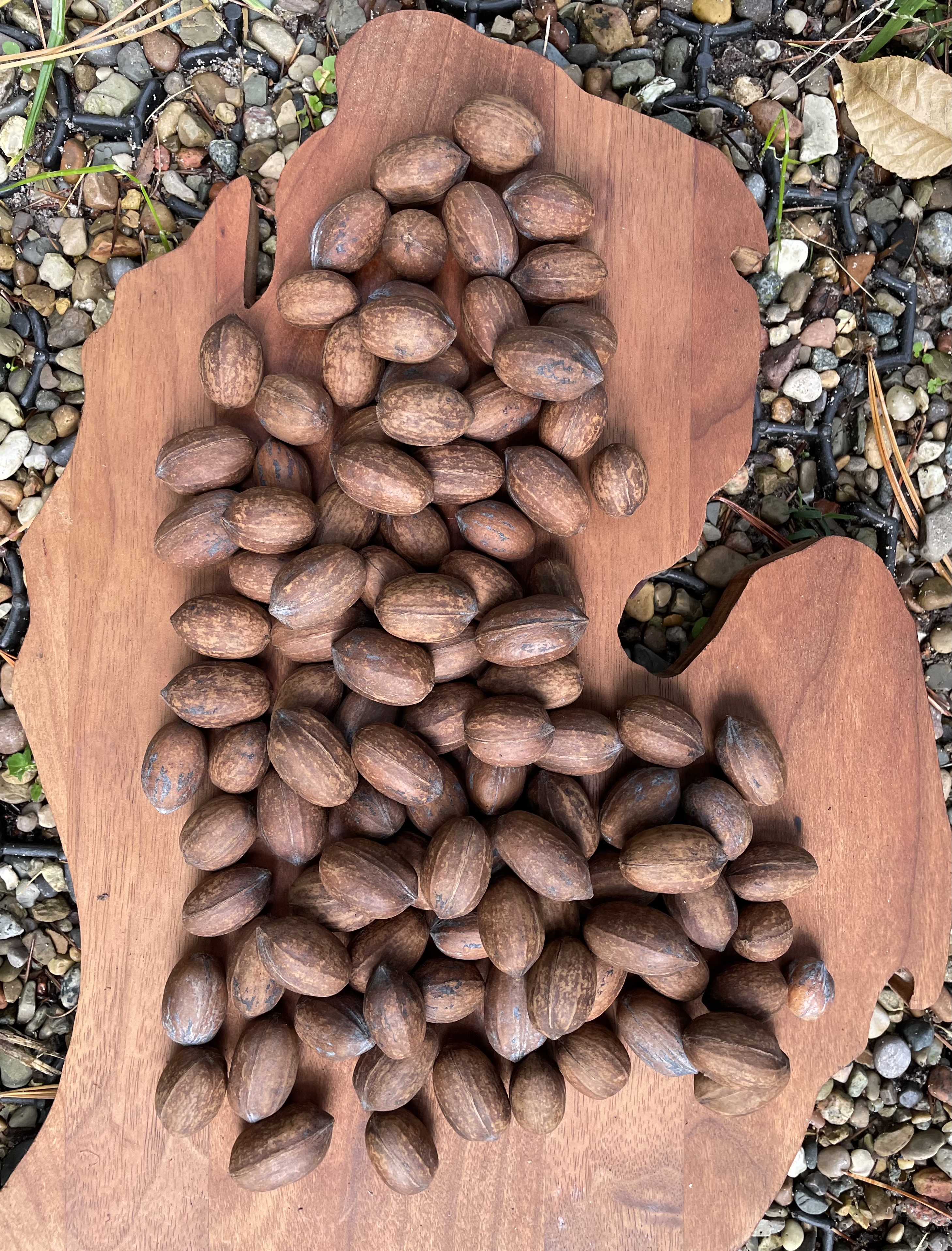
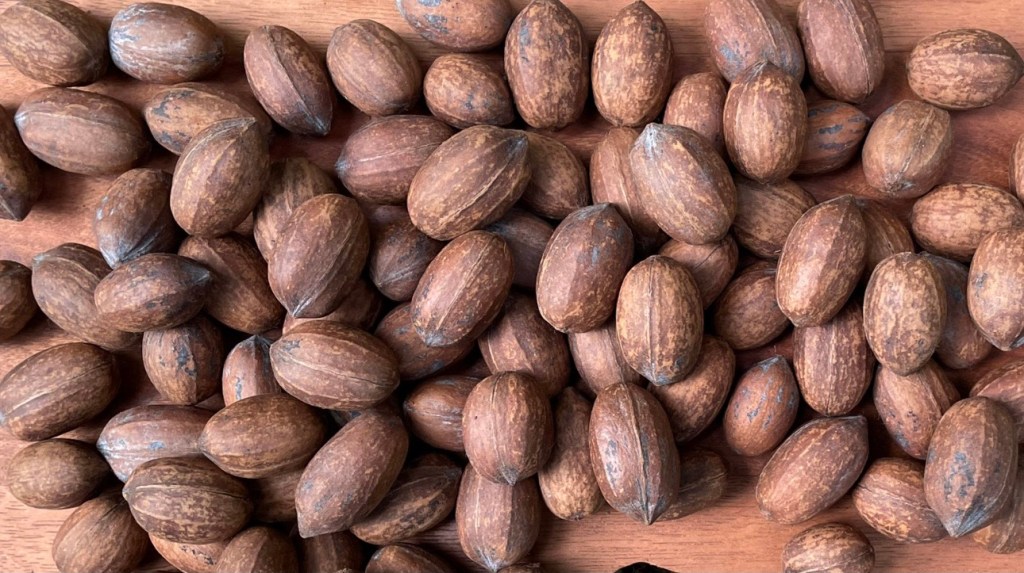
One of the most underlooked tree crops for Michigan and other northern short season areas is the pecan. The pecan has a ton of research behind it. It has the mechanization. It has shakers, crackers, dryers and sorters. It has mechanized pecan picker uppers whatever that is. It has a human support network like no tommorrow! Go ahead and buy that Costco bag of pecans. (Sure. The sugar encrusted cinnamon ones. Do it. I dare you. ) Look at the countries of origin and how many countries grow pecans. The U.S.D.A. has devoted resources for its improvement over a span of 100 years. Hey, it even has its own extractors for oil. After its debut almost 50 years ago as a northern crop from the University of Nebraska and the germplasm rescue from the Northern Nut Growers Association few farmers took on the challenge. The most northern forms of it are viewed as hobby like and okay for the horticulturally adventurous. This highlights the oh-so-slow acceptance of a new crop in a new environment. To me it is the poster child of an unknown known crop. The drain pipe for the ultra-northern pecan is plugged.
I was unsuccessful to get it into nursery production outside of my farm. I tried to give my cultivars away to other nurseries. It’s very specific in rootstock and scion capabilities and requires a production system that demands strict protocols. To make a northern pecan industry in Michigan possible you would need large areas devoted to it. I would say a thousand acres would be a good start. This would allow for the costly mechanization and processing facilities. For Michigan that would be mostly in the southern region of the state. You would need a willing and able farmer based enthusiam for the crop because having others produce the crop with you allows for an industry to develop. I’ve seen individual English walnut orchards come and go only because there is no broad support for it. It requires time and patience to establish an orchard. The only thing I can think of that is a little like this is the Northern Spy apple. On a standard rootstock, Spys take 17 years to fruit. Even seedling pecans are not that tardy and grafted pecans are half that to producing nuts. Of course, money has to be devoted specifically for this crop to kick start it into commerce. Let’s treat it as not experimental and not native to Michigan because it is neither. We should treat it like a crop and raise it to fruition under organic conditions. For the northern pecan, this is very easy. It’s a food and oil crop widespread throughout the world. It’s been done before. There is no frost damage as it flowers in June. There are no insects or disease and the nuts literally shake out of the trees covering the ground.
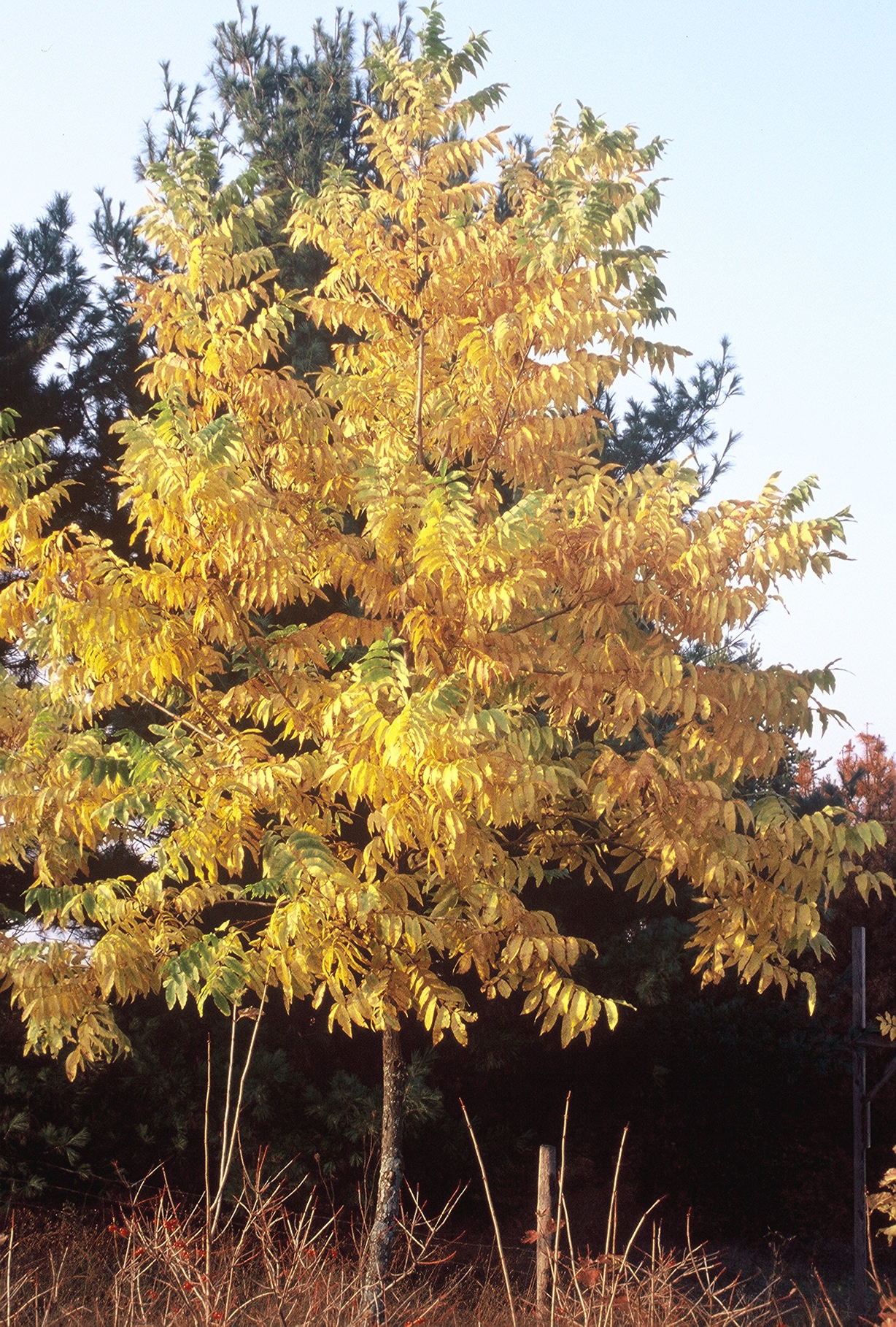
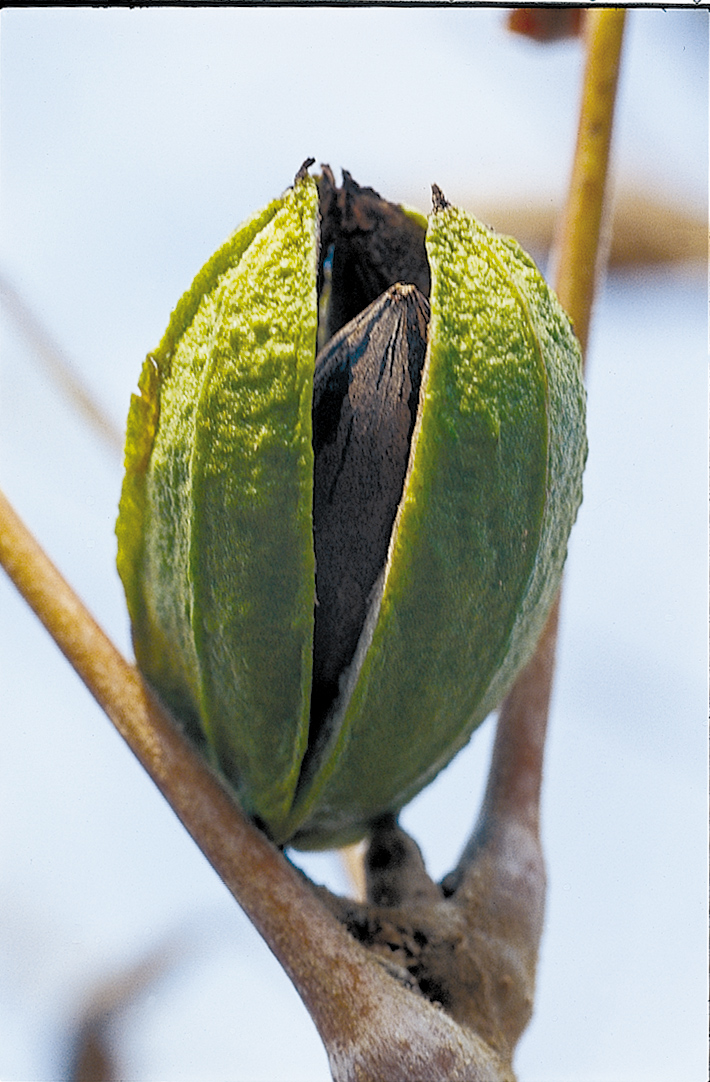
The mature northern pecans I have at my farm were all found originally along the Mississippi River in central Illinois and Iowa. It turned out that people had a natural inclination to move the pecan inland and northward. Some say the crow did it and others say boat loads of nuts were carried in canoes long ago by the Native Americans even into southern Wisconsin. The season for ripening was the limiting factor not the trees hardiness. What would happen if you took a southern selection farther north is the nuts never get past the milk stage. The nuts never fill and solidify because the heat units are too short. Michigan has roughly half the heat units needed for most pecan varieties. This was exactly what I found at my farm. The term northern was widely applied and northern was not northern enough for some seed sources that I grew. I really had to do research on the nuts I was buying for nursery stock. Through the Northern Nut Growers seeds from Iowa, Illinois and Minnesota soon filled my seedling plantings. They were northern enough and then some.
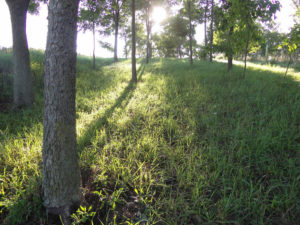
Today I am harvesting older and over planted pecan trees for my woodworking projects. My northern seed grown trees from the James and Shepherds farms in northern Missouri are being thinned in my old planting beds where the rows were once 12 inches apart. It’s bit too much to pack them in like that. It’s not a telephone pole farm in the form of a red pine plantation. I was told by a fellow nut grower, the late John Gordon who was a great pioneer of the northern pecan, to leave only the most vigorous of pecan trees in the seed beds. He was emphatic about it like he discovered cold fusion. He said that these super fast growing plants are also the most productive, precocious from seed and early ripening. He was right. This type of advice is precious because who in their right mind would grow pecans in New York? Oh wait. Me in Michigan. We must be related.
Enjoy.
Kenneth Asmus


 biologicalenrichment
You must be logged in to post a comment.