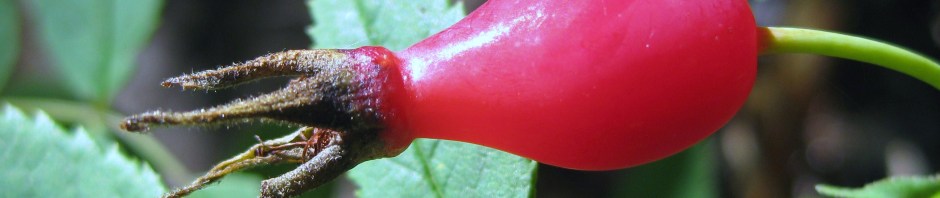
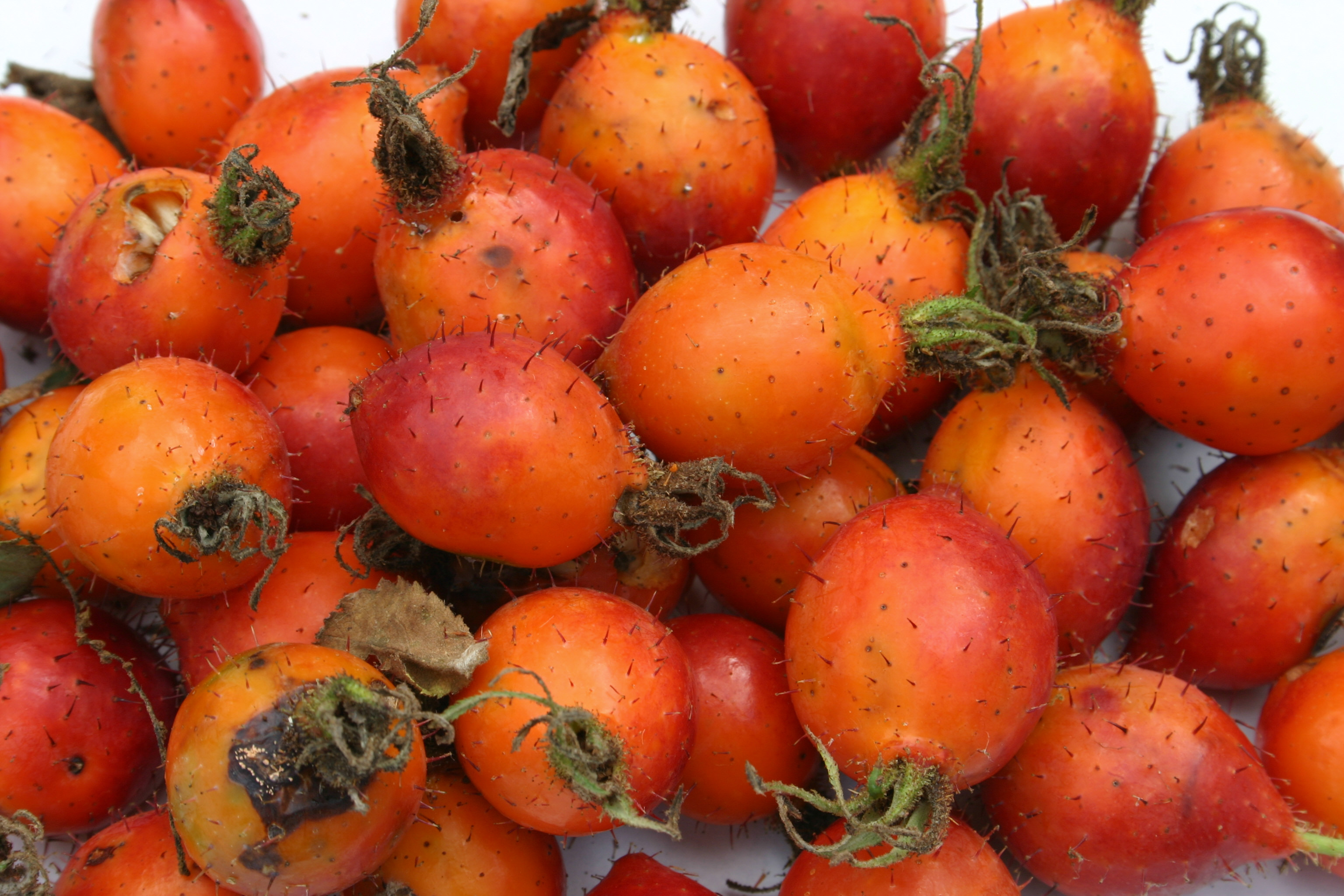
“Hip to be or not to be. That is the question.” Philosopher Rosa Pomeifera circa 2020
The idea of cultivating roses for their fruit is a funny thing. If you think about it, uncultivated wild roses often produce hips in great numbers. Why bother? You immediately see the value of wild seedling species. On the other side of the rose selection model, you have the modern floral roses. They are like racehorses or wine grapes. They are highly selected and created by those with botanical intellects the size of planet earth. They are patented and ‘released’ by Conglomo Nursery. Whereas seedling hip roses are pure emotion and love. They are ‘released’ over the landscape by birds containing a starter fertilizer along with prepping the seed via scarification in their intestinal tract. Those released seeds often create rose bushes like the multiflora rose which become mini-nurseries for other fruiting plants for the birds. It’s a gratuitous act of kindness and not entirely as random as you might think.
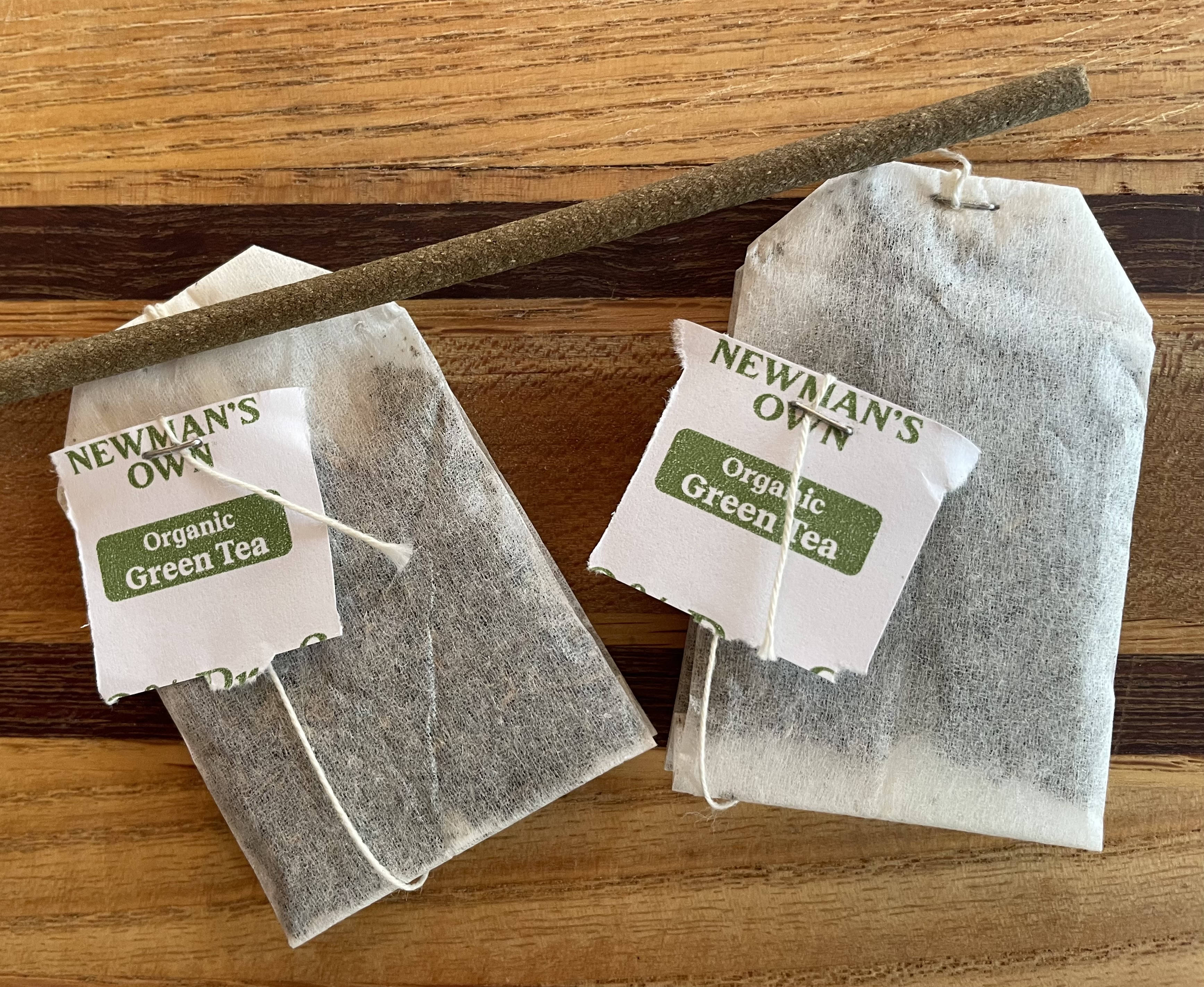
When I plant rose seeds at my farm, I head off to my barn and have a cuppa organic green tea and burn sandalwood incense. Within the floral world, Conglomo Nursery is hammering down Sanka and sweating over their labor force in the hot Texas sun. Conglomo worries about what celebrity will endorse their creations while blessing them with metal indentification tags that will be good for 10,000 years. This difference tells the story of how we feel about roses and their ability to heal the landscape as well as grace our gardens. For me, it was a mission and pursuit of fruit roses specifically grown for their vitamin rich hips. I grew over 40 different species and hybrids in the course of three decades. I grew everything from seed. For a while I collected hips wherever I went. Nature has the best methods. You need real world experience captured in a seed. You let disease and insects come. You love the rose chafer. You crave black spot. You hope for cane borers. These Rosa nightmares for most growers are the strengthening agents for my plants. You have to find strong and flourishing plants in the midst of rose hell. There are no categories and with it no limitations. You let the climate refine and destroy your crop. Finally, you will have a fruit rose rich in vitamins and flavor. The seeds I produce now do not require the same trials and tribulations but refinements can always be done. Don’t pay a lot of attention to the unknown market or practical application on a larger scale for your fruiting rose creations here in the United States. Now it becomes a personal mission to spread the seeds like my bird friends but without scarification and the starter fertilizer.
The Hips to Be
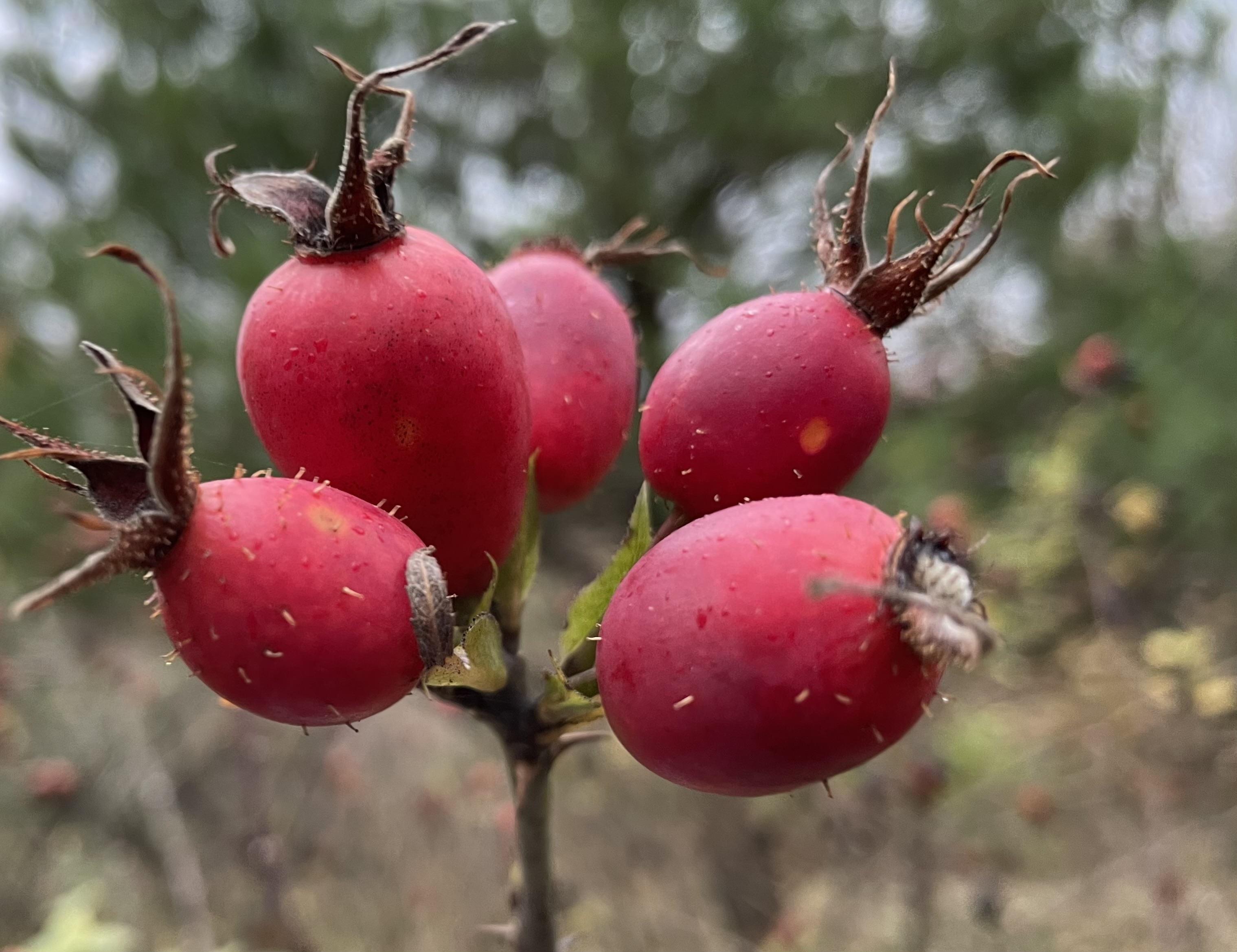
The Apple Rose: Rosa villosa
Rosa villosa (Pomeifera)
It generally takes a generation or two to really get an idea of what potential lies within a species to grow as a new food plant. This was the case for the apple rose. I heard about it from another nursery and then found seeds of it produced in an arboretum. Arboretums can provide food and crop possibilities to the public. Normally they are not thought of that way. The first generation looked promising, however the plants were overrun with Virginia Mountain mint and Indian rice grass in this particular planting area. This greatly lowered their vigor. The second time I took those seeds and did a production in my greenhouse of several hundred plants. This produced 4 individual plants that flowered at one and two years old. This extreme precocity is indicative of heavy fruit production especially if it is combined with increased vigor. This is the wide open avenue for fruit production. Those plants were then spaced several hundred feet apart in a mixed oak, lilac and plum plantings. More or less, it takes about a decade to really see what you have found. Now you can taste and test everything to make sure your super hips are actually delicious to eat and not just a fiber filled Vitamin C capsule. This is the final step on what is now becoming the superhighway of fruit production for hip roses. You have both a population and a variety should you need it. It is the hip to bring the rose into fruit production under all cultural circumstances for its vitamins, seed oil and syrup.
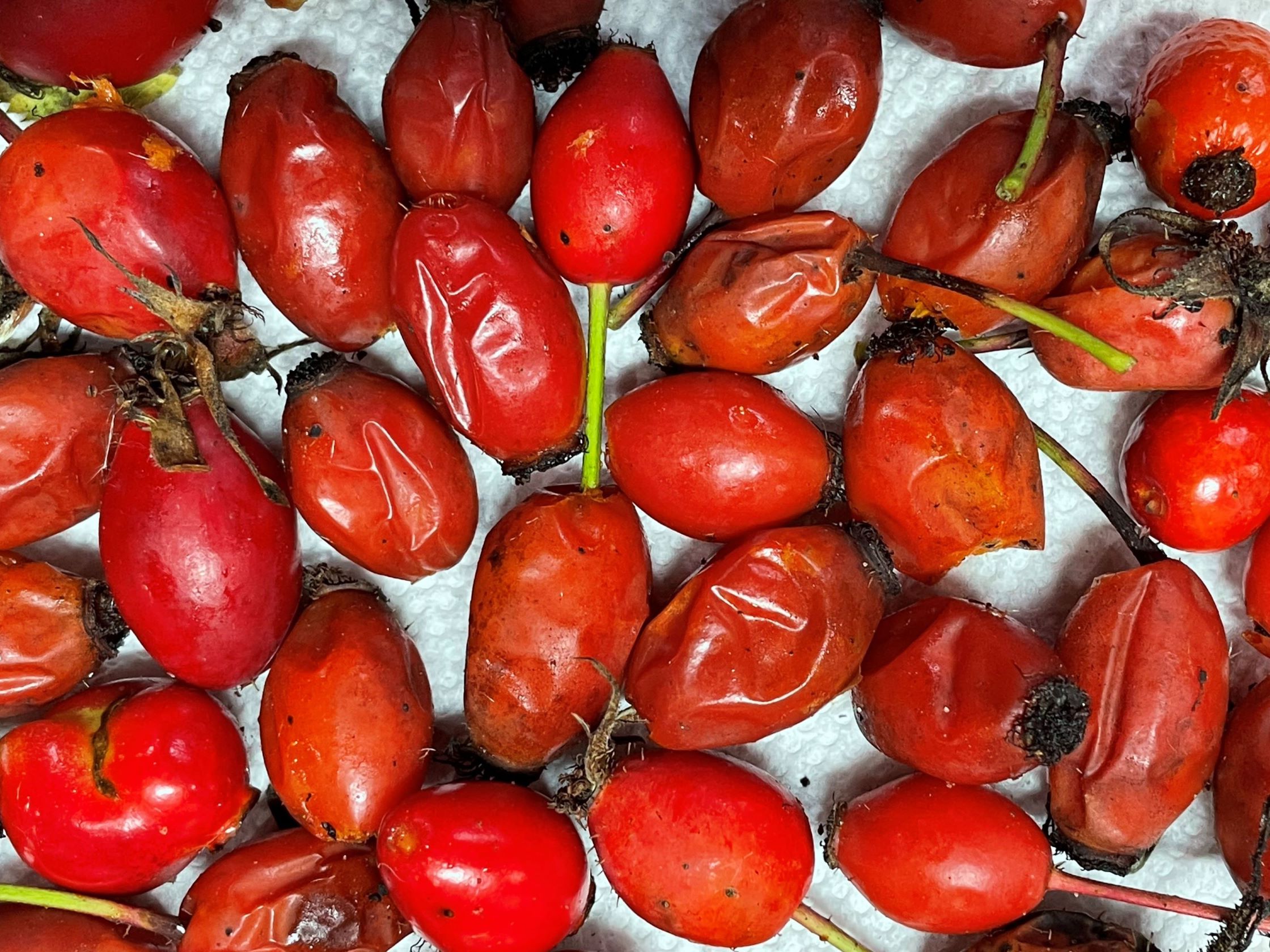
The apple rose is a rose species found in the mountains of Europe. Its first incarnation came as the ‘Wolley-Dod’s Rose’ as a semi-double highly floriferous selection called ‘Duplex’ prior to 1770. Its cultivation as a fruit rose has been explored before but nothing in modern times. It is mentioned as ‘some commercial importance’ in the writings of Gerd Krussmann, Cultivated Broad-Leaved Trees & Shrubs (1978).
Join me for tea and incense as we create health via the rose fruit. It is the hip to be.
Enjoy. Kenneth Asmus
This is a first part of all things hip. The second part will contain other species hips.


 biologicalenrichment
You must be logged in to post a comment.