A New Chinquapin Variety-“Resilient”
One of the first oaks I grew at my farm was the Turkey Oak, Quercus cerris. The tree has a huge range in Europe and grows to massive sizes. I used a wide variety of seed sources including arboretum and overseas germplasm. I was able to find another nursery that had them too. Each tree was radically different with leaves that had huge variations from cut leaf to sawtooth in shape. I made seedling selections based on winter hardiness and fast growth rate. The trees were planted at the top of my hills where it was windy and dry. After a couple of decades, I noticed there were callus-like expansions on the trunk occurring near the soil line. It looked like the trunk exploded. I thought I had failed on the hardiness part of my selection process when a forester who was familiar with the tree in its native range told me, “That is natural. Even trees in the wild have that.” Oh, it’s natural. Thank goodness it’s natural. The pressure was off. How do you spell relief? N -A -T- U- R- A- L
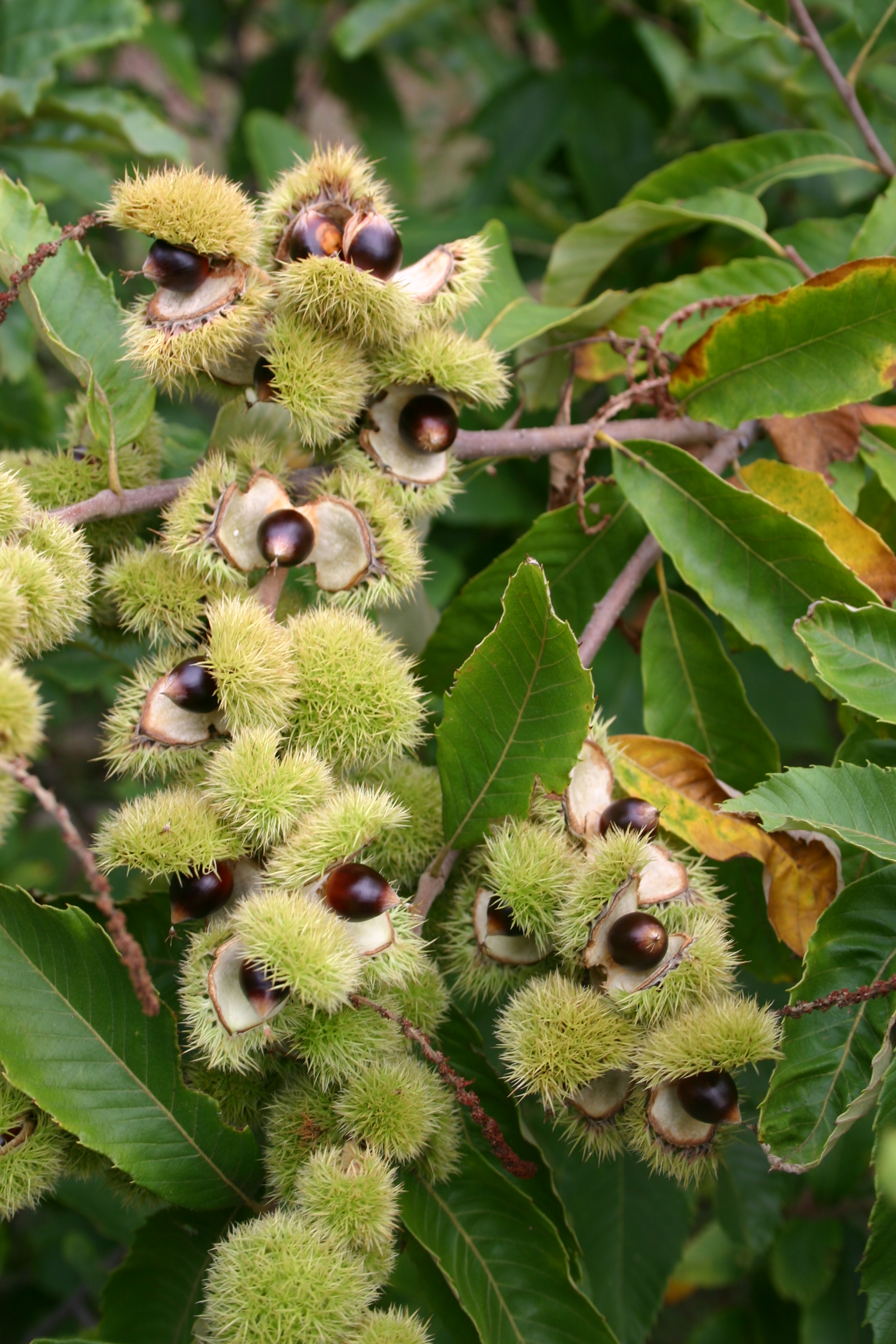
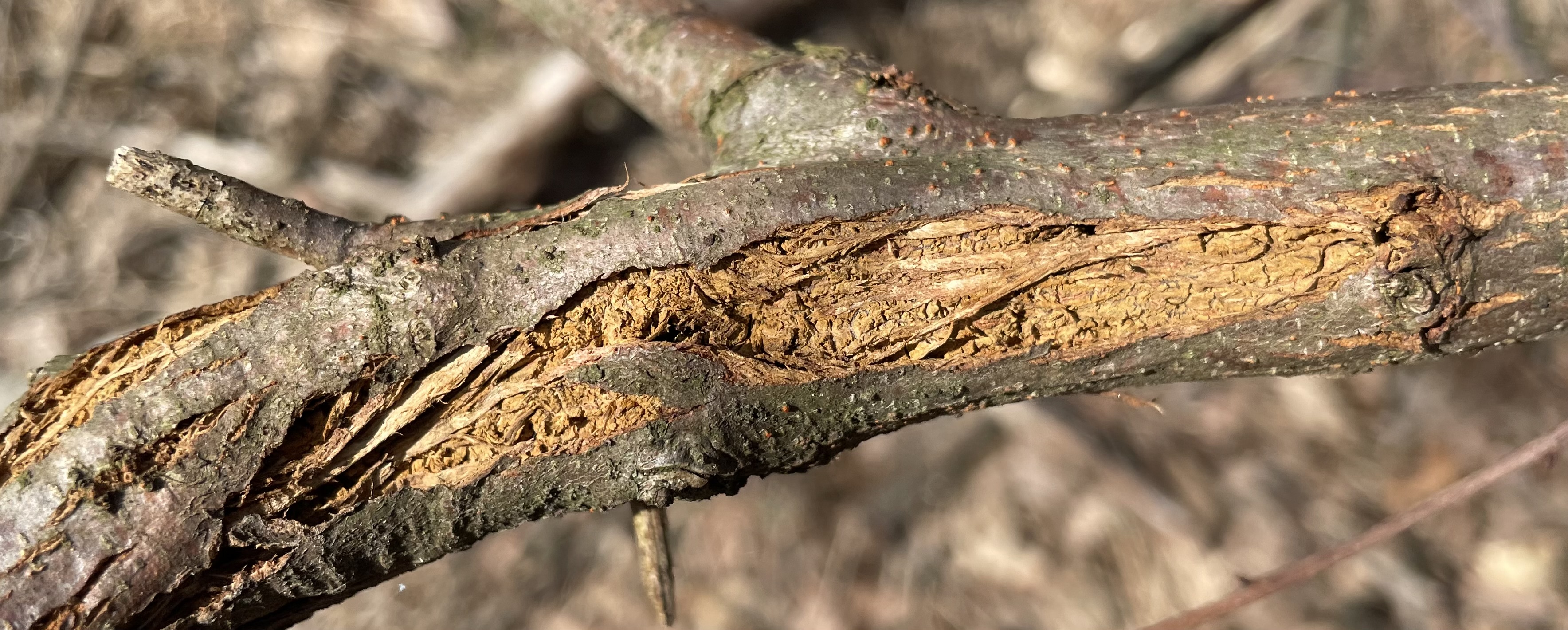
This ‘it’s natural’ view of nature has helped me understand the chinquapin chestnut. The chinquapin chestnut has a huge range and like the turkey oak it’s a survivor in some of the toughest soil and climatic conditions. The teeny pea sized nuts are delicious fresh off the shrub. The yields are incredibly high and the nuts just fall out of the husks with a light shaking. Yet the plant itself does struggle with chestnut blight. For the chinquapin with its multiple canes, this is not the end of the universe. Like a blueberry bush, the young canes will fruit in great abundance as they skip through the meadow of inflictions. It does weaken the canes and probably shortens their fruiting age but the nut production continues for years after blight. It is thought that it is both genetic resistance and a physiological response from the younger stems of which blight is unable to stick to it and grow. It’s natural professors. The pressure is off. Whew. Not to worry!
In the early nineties, I planted 10 chinquapin shrubs in one-gallon containers from the Greg Miller nursery in Ohio. He had grown the plant longer than anyone I had known. Today I have four of the original plants along with several seedlings produced by my plants. Chinquapin rarely hybridizes on its own because the flowering times do not overlap with other chestnut trees. This natural selection process of good and non-good is based on what plants continue to produce nuts with minimal damage caused by chestnut blight. It is based on how fast and how long the plant can survive in the natural world of chestnut blight. You can make selections on the low amount of damage and increased resistance to blight. It may not be zero at first but over time your population will move away from the negative effects of chestnut blight. My best guess is that the break away is at ten percent of the population. Those 10 percent could easily create an industry from the chinquapin. I see it as flour on a bush with an ease of mechanical harvest and plenty of creative ideas using the nuts as the ultimate gluten free flour easily grown using only organic methods. It also doesn’t require some sort of massive breeding program to make it happen. Anyone can do it and do it right now not decades later.
“Resilient” Chinquapin Chestnut
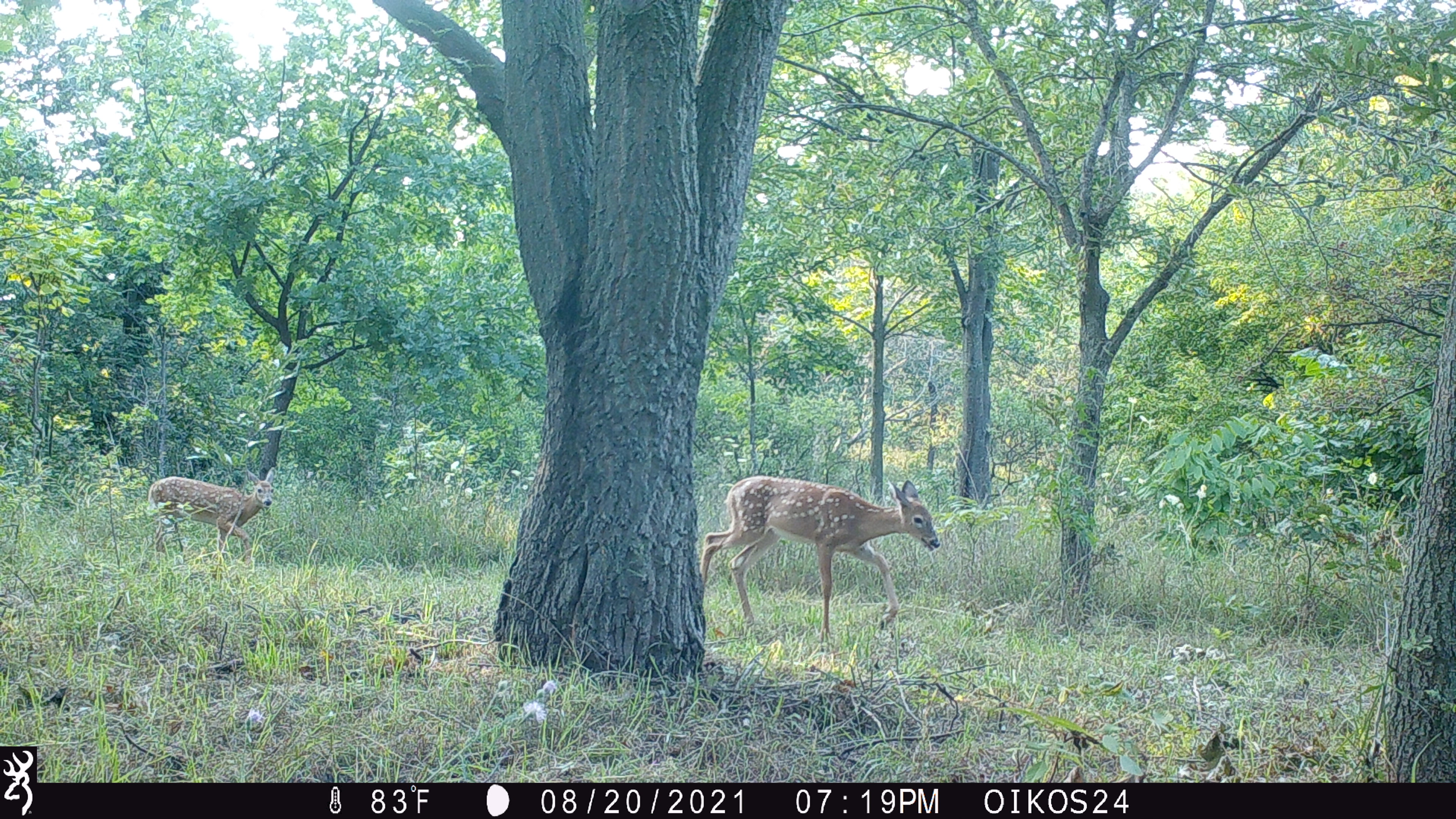
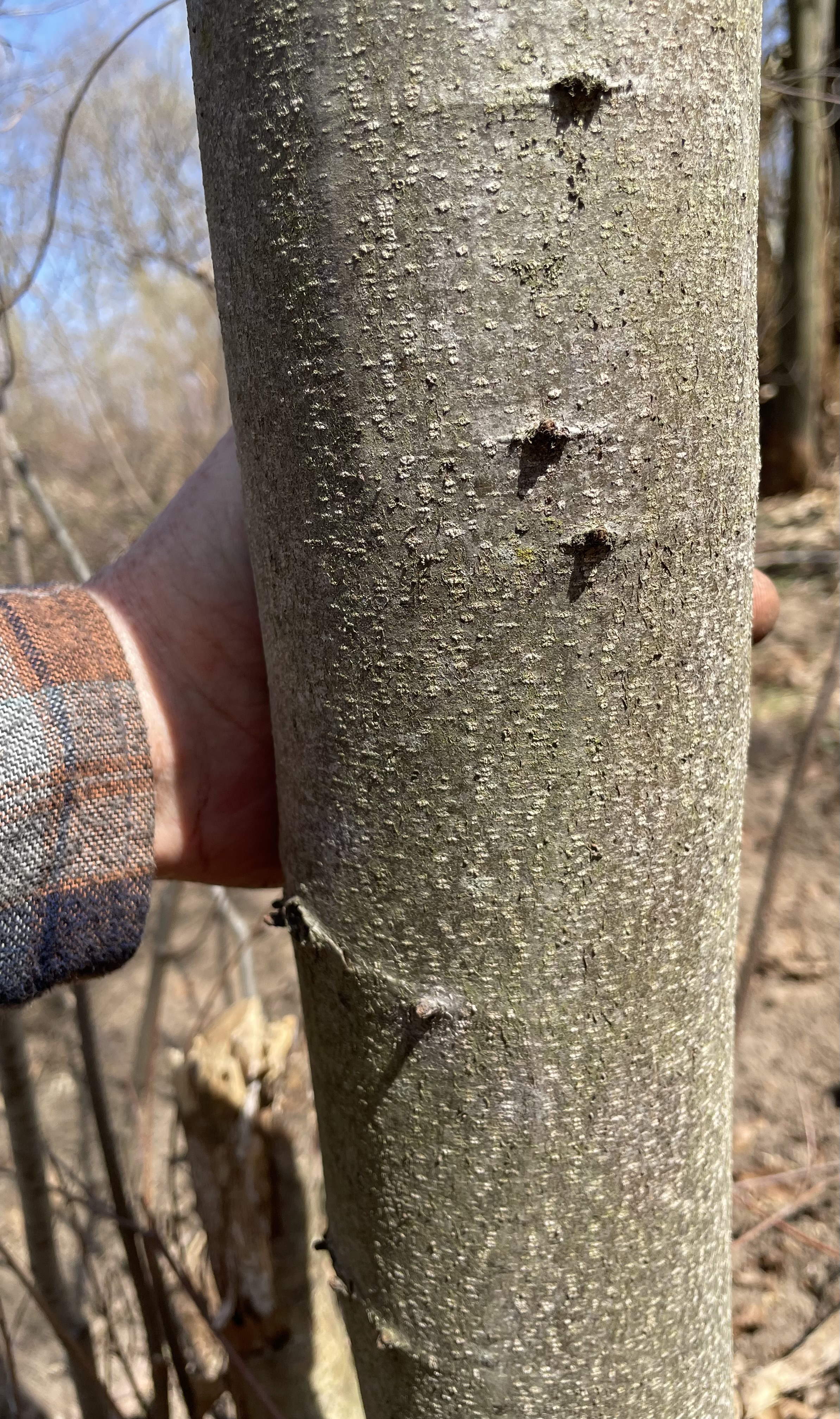
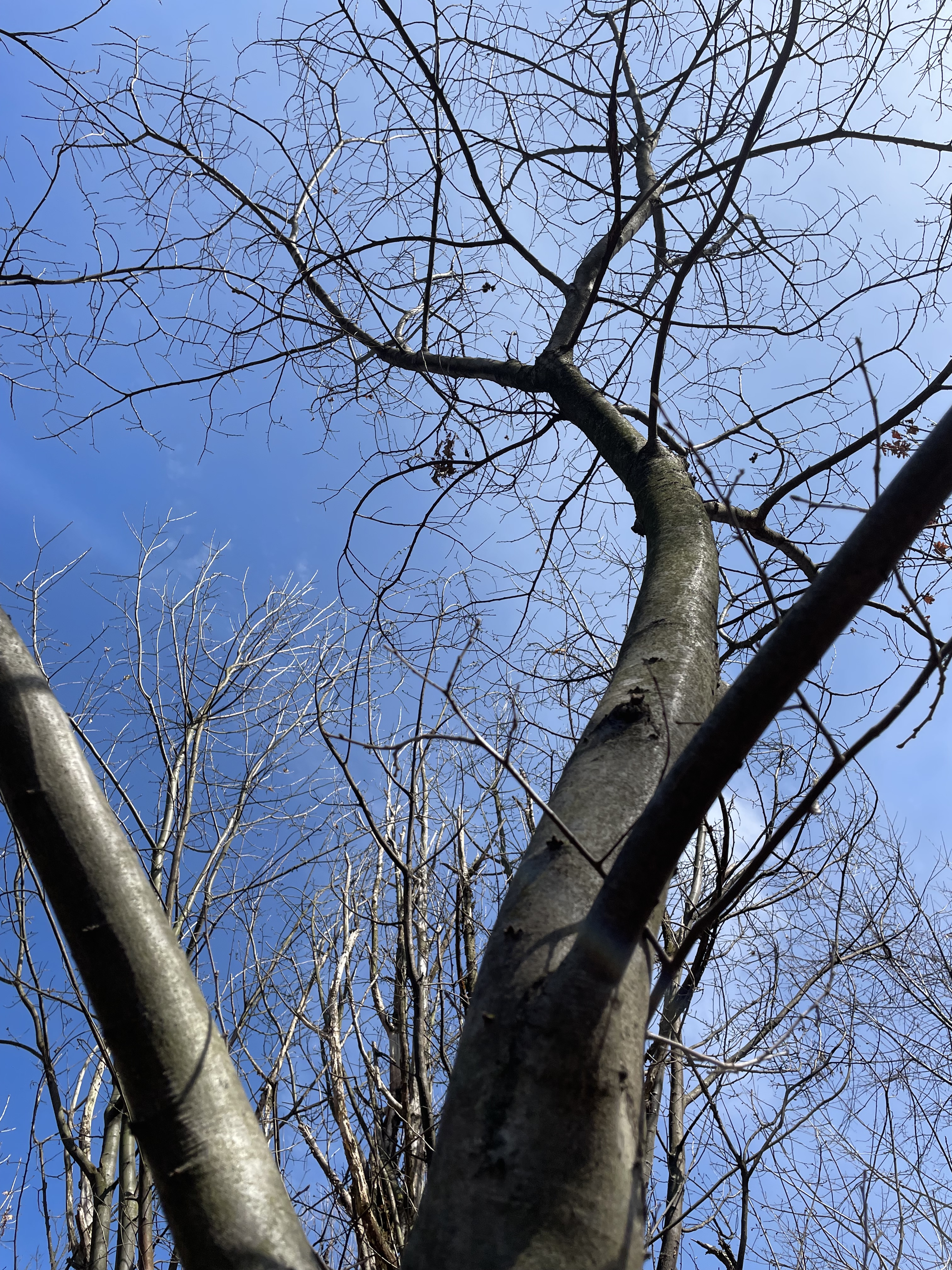
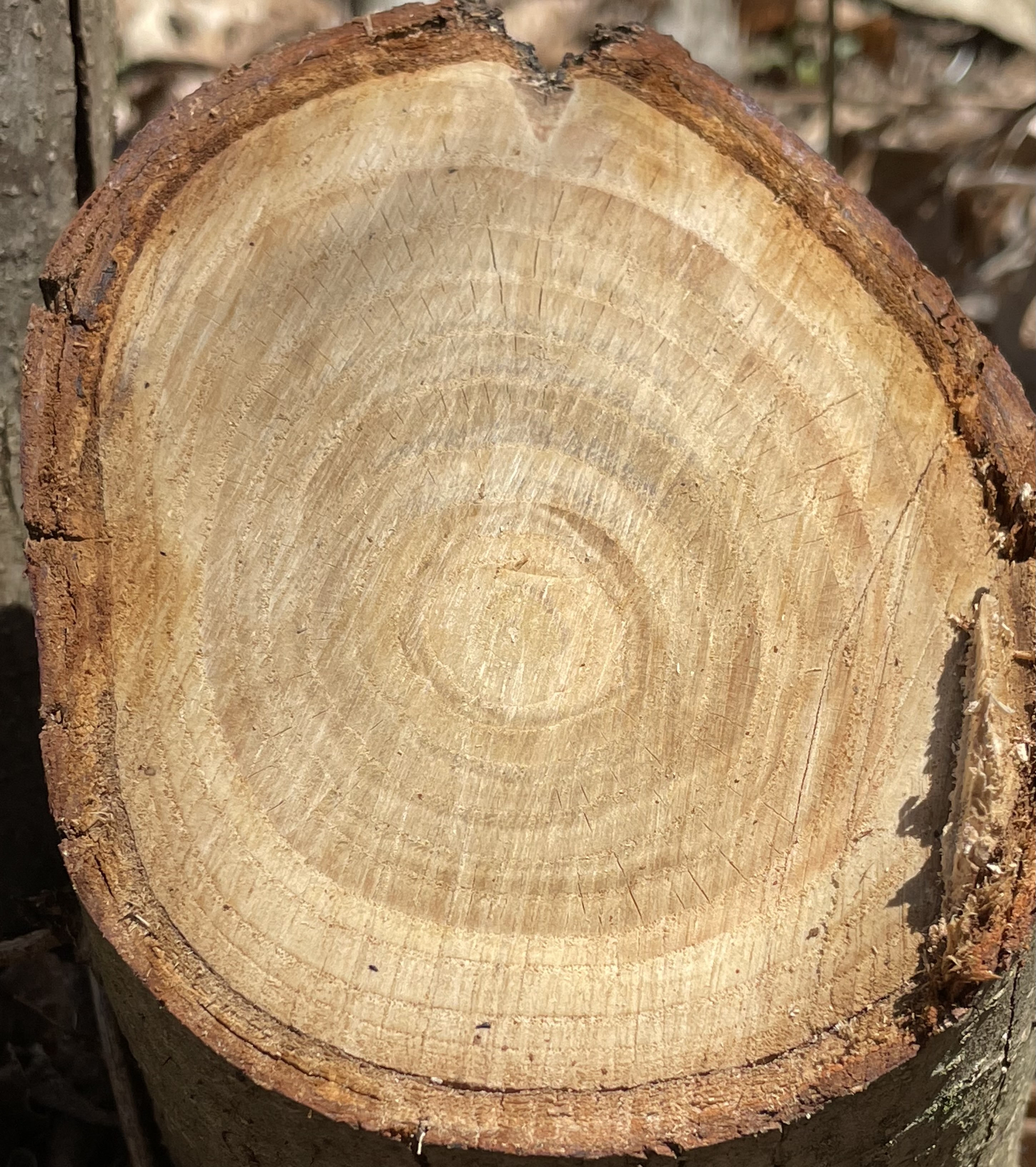
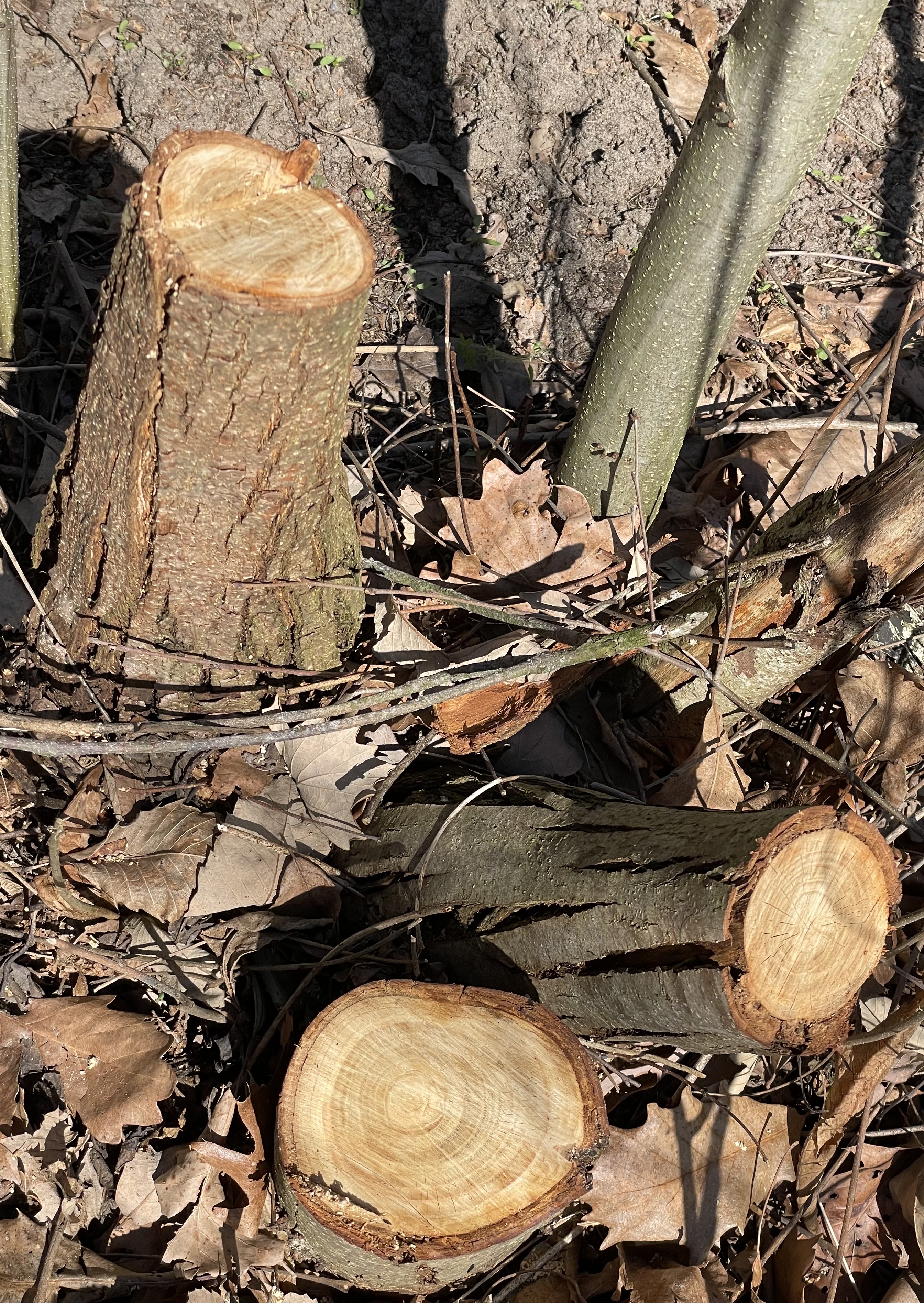
Resilient is the most vigorous selection of chinquapin chestnut showing natural immunity to chestnut blight even on the largest of canes. It tends towards producing larger canes free of chestnut blight having nearly the double the caliper of other nearby seedlings. Chestnut blight is much less likely to attack the stems and weaken the plant. Resilient chinquapin is not a hybrid and is more tree like than other seedlings. Its bark is smooth. No blight has been found on the trunk for over 25 years. The branches of Resilient are rarely damaged and appear not to shed due to over yielding like some seedlings do. This shedding is done as the tree matures which forces more growth into the dominant limbs. Although not entirely immune to chestnut blight, it appears this is one of the most resistant seedlings from the groupings I have at my farm. One of its seedlings also has this same growth habit and good resistance to blight for over a decade despite having blight in many nearby American hybrid chestnuts. This variety can be grown from grafting. Grafts onto Chinese chestnut is the best rootstock to use. Seedlings from it may also show excellent resistance but not enough is known on a population level yet. Small nuts ripen starting in mid August. Seeds need to be planted immediately for propagation. Roots emerge without dormancy. Yields are heavy. Cross pollination is needed with another chinquapin chestnut otherwise no nuts will form. Any seedling chinquapin will work for cross pollination but not another species. Tree can be managed as a shrub while replacing diseased canes with new sprouts near the base similar to a lilac bush. Removing old canes improves the yields of the plants over time as the root system grows. Natural seeding occurs with this species. It happens surrounding the shrubs when the nuts hit the ground and are pushed into the soil by deer or humans harvesting. That too is natural.
Enjoy. Kenneth Asmus


 biologicalenrichment
You must be logged in to post a comment.