One Tree Crop

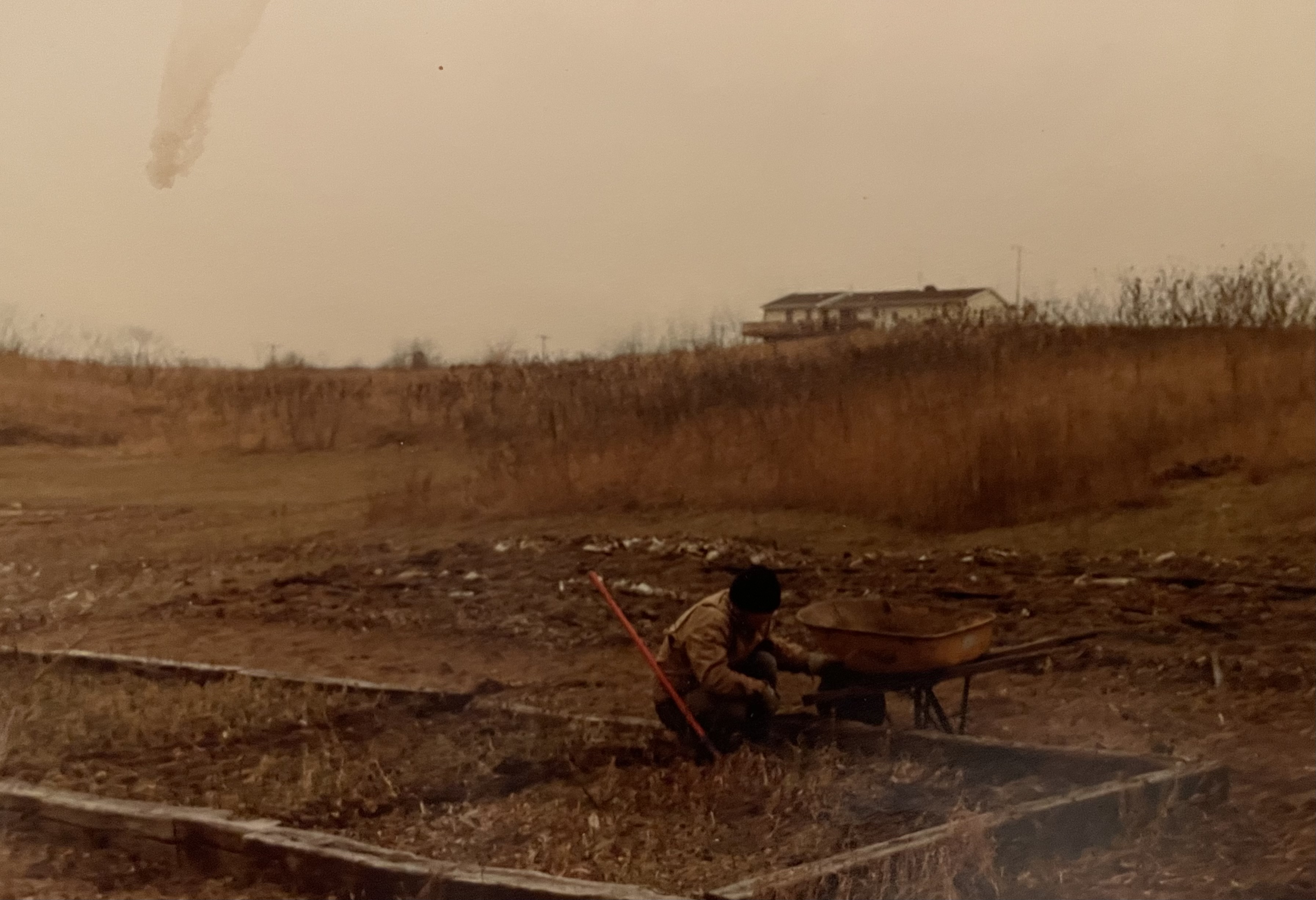
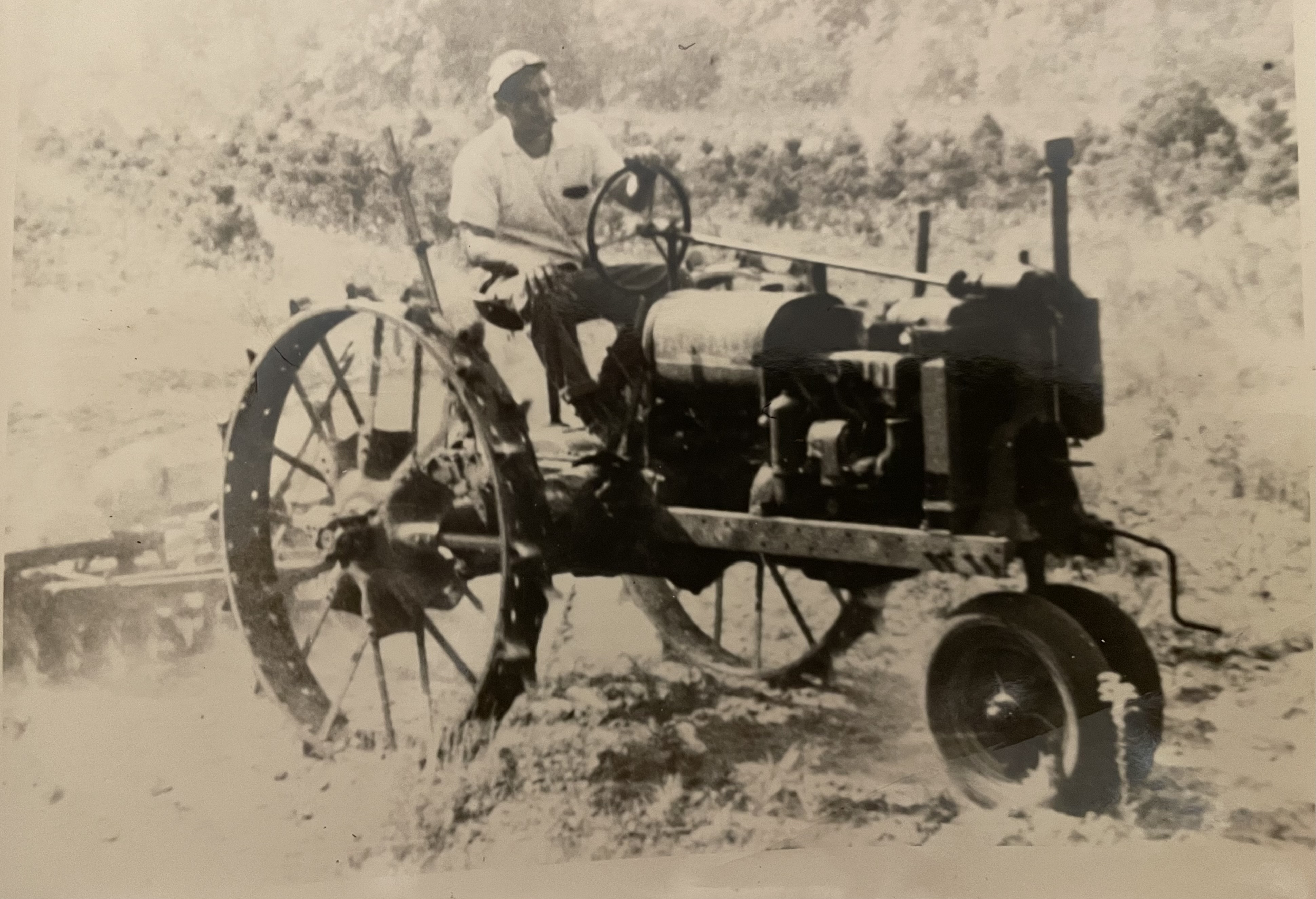
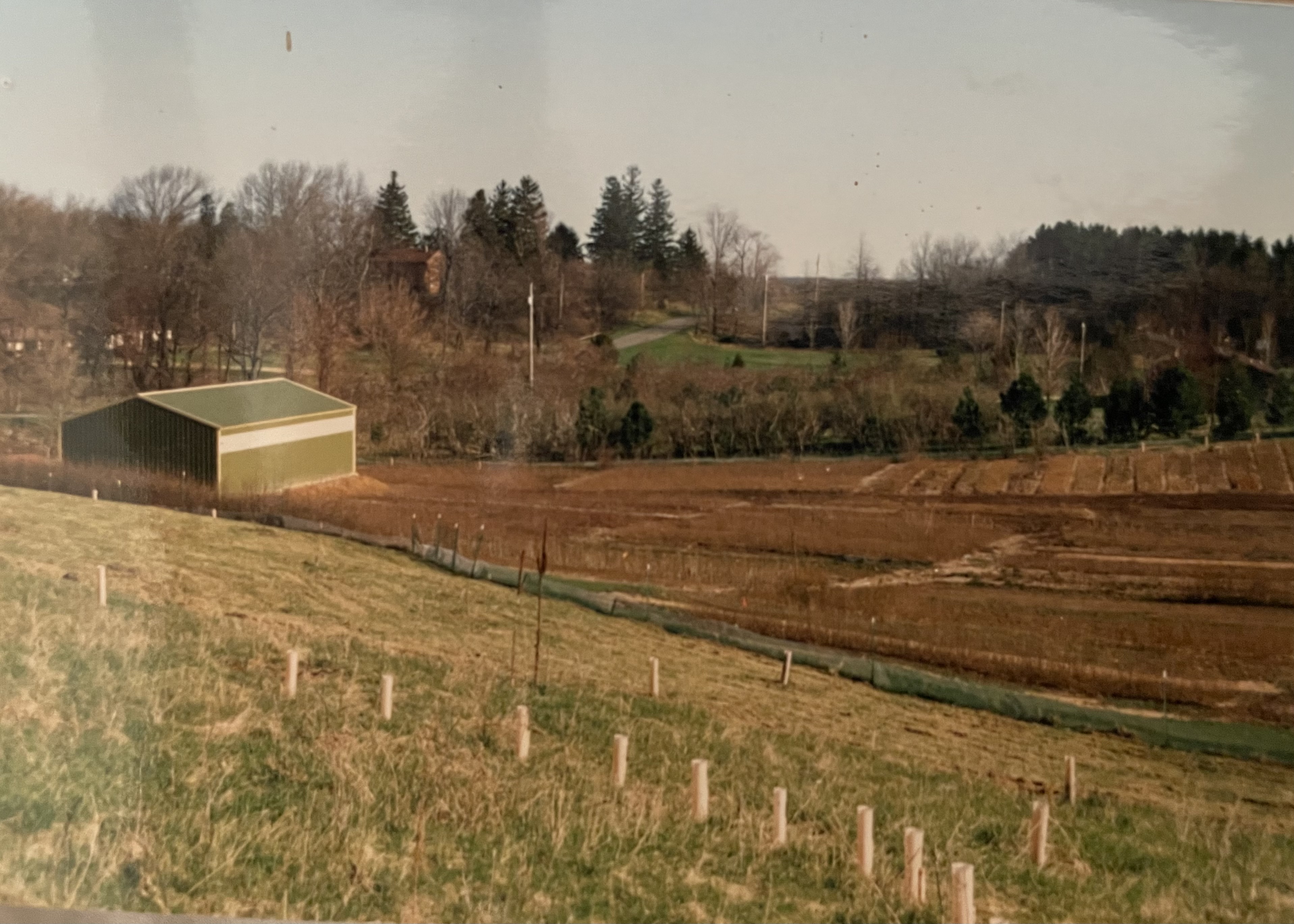
My father and his friend from the post office had this idea back in the sixties. It was not easy to get anyone to agree. Out of a dozen potential partners only one remained in the end. It was 140 acres of swamp with an extremely high water table. There was one hill and several sandy open areas. No one wanted it. This marginal land was ideal for Christmas trees. There are other crops that could have been attempted like blueberries but these types of fruit crops require a large financial investment beyond the postal salary range. You could buy a used tractor with metal spiked wheels along with the hand crank starter and you could afford seedling Christmas trees which were often sold for pennies grown by the state of Michigan in its forestry nurseries but not much else. You are raising a family. You just built a home. You go to church every Sunday and pray for help from above in the form of precipitation. You are kind of winging it in the branch of knowledge known as agriculture. You read, you study and you learn how to do something you are not familiar with. It was a bit of an unknown at the time. As a participant in the family tree farm, me and my siblings quickly learned about pruning and the maintenance of the farm. A barn was added by disassembling one in a nearby township, moved and reassembled with help from other postal employees. It was fueled a bit by beer, food and friendship with other postal employees. Everyone pitched in. I know that removing the barn took a lot of nail pulling one by one.

What made this tree crop successful at the time was low cost, ease of establishment, low maintenance and a strong existing market. You could also use marginal land where basically all crop plants would not work. The idea of creating new tree and fruit crops often is lost in the ability to replicate these plantings across many geographic zones with a crop that is in high demand with a good price. The cycle for Christmas trees was roughly 8-12 years depending on the species. Then you started over. There were periods where over planting sunk the market making it highly unprofitable. If you are trying to put up a new hazelnut or pecan planting you have to think in terms of a large expenditure of equipment and infrastructure to make that crop available. Unlike cut your own Christmas trees, you just can’t hand someone a saw and point them to the field where the good ones are. It is way more complicated. For this reason, the governments of other countries get involved and buys the equipment, storage facilities and helps the farmer bring the crop to the markets of their country and the world. The governments and industry leaders also lend a hand in cultivar development and employment to the farmers. It is a certain level of scale that one farmer helps another ad infinitum with one crop.

The idea is to make use of the land and allow future farmers to thrive and make money. Here in the United States we would not likely do this type of financing as far as I am aware which is why these other countries are leap frogging over us in terms of certain nut crops. There also is money to be made and some industries are proactive in getting their message to government leaders to support them. They need producers of the crop they sell. The USDA offers loans and grant money to fund new agroforestry crops. I am hoping this funding doesn’t limit the creativity of the farmer in some way binding him or her to contractural agreements or certain crops over others. The new varieties of hazelnuts are here. The northern pecans are long ago discovered and available yet there are few plantings. It will take a partnership of people, organizations and government to establish these crops in this land of corn and soybeans. It will take many species of tree and shrub crops to create a healthy human being. These will be perennial in nature pulling up the micronutrients deep within the earth. This is where we are headed.

Farmerless fields can hold our repositories of wild fruit and nut germplasm available to all. That we can do now.

Posted in Ecology-Biodiversity-Integration | Tagged , , , , , , | Comments Off on One Tree Crop

Grow A Guitar

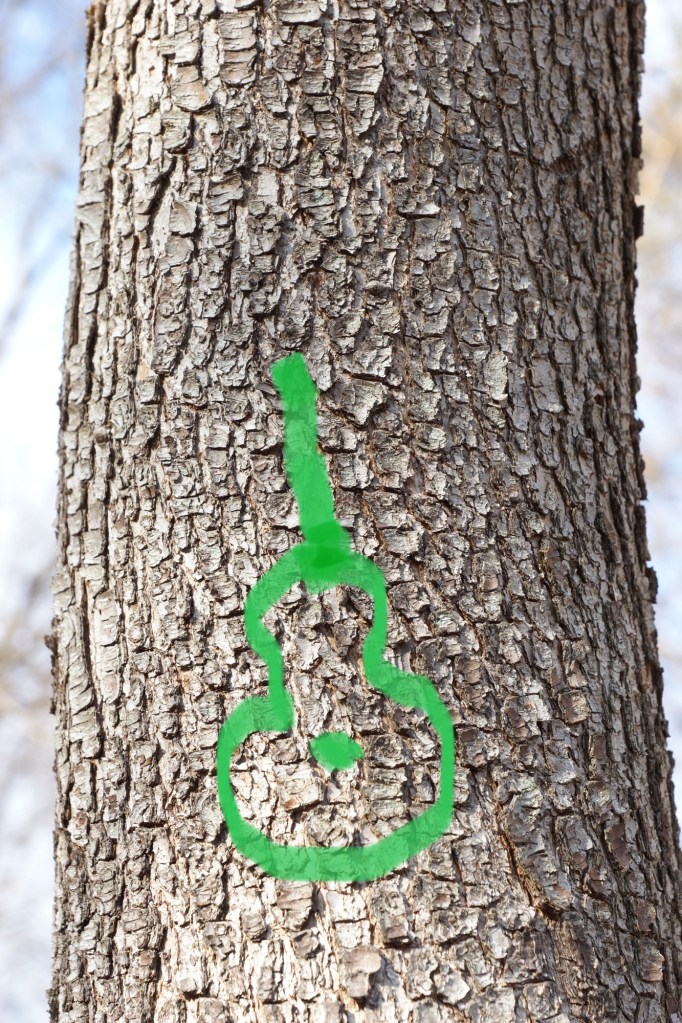
Future Pear Wood Guitar

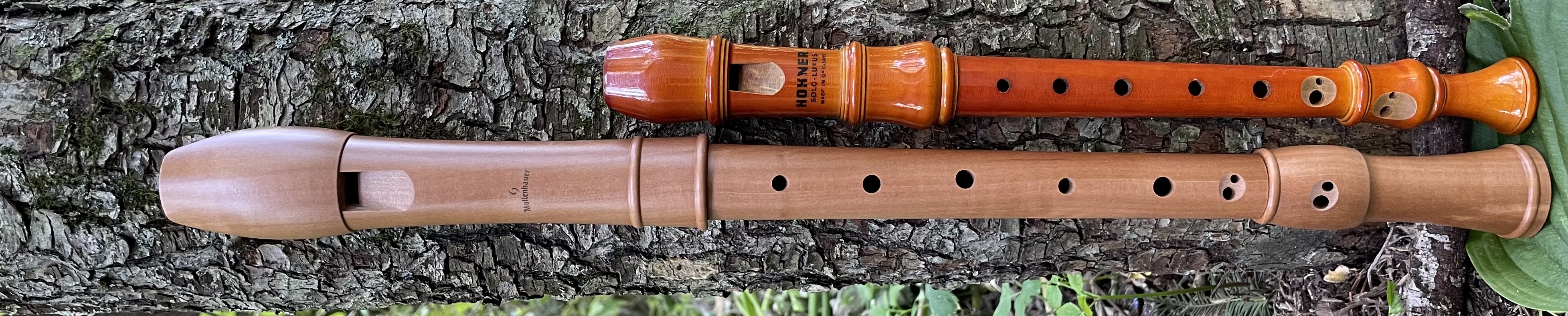
I own two soprano recorders that are made out of fruit wood. One is apricot and the other is pear wood. The pear wood recorder is a Hohner that I purchased when I was in high school. I brought it in to my physics class to see its effect on an oscilloscope. My teacher, Mr. Stoner loved it and he soon purchased one and used it in future classes. I would take my pear wood recorder with me when I went camping and played it in the woods or at my farm in the deep swamps. I just loved the sound of it in nature especially if it was windy. I recently purchased an alto recorder also made from pear wood. I haven’t practiced this too much yet but it has a very subtle smooth tone. Pear wood has a nice clear projection and I was wondering if you could make a guitar from it. That got me thinking of its possibilities in the specialty wood musical wood markets most of which is filled with tropical woods.

The pear wood idea stuck with me over the years. I could not shake it. At one point a wood worker who was picking up trees from the nursery told me about his use of pear wood for organ cabinents. He said it was a fantastic wood to work with. Once in a while he would spot an old tree in a backyard somewhere and ask the owners if he could take it down. He would pay them for it. Then he would have it milled for his cabinetry work. Often they were hollow and not usuable but every now and then he would find a good one solid and clean of branches for a few feet. This type was becoming more rare with time as pear trees often become hollow with age. Pear wood is a hard and dense wood and has traditionally been used for recorders and violins. In tests done in a lab pear wood had excellent sustain. This specialty wood is hard to come by in the United States so it is imported as Pyrus communis or the European pear. It is often listed as Swiss pear. When that cabinet maker arrived at my farm I was in the midst of cleaning up some of my old plantings of hybrid pear seedlings. Decades earlier I had created an orchard using seedlings from an old tree found in Michigan imported by a USDA scientist who planted it at his home. He spent a lot of time in Pakistan. Those particular seedlings produced seed for me and allowed me to create a pear population of mixed genetic heritage. That of course I love. I began to think of using these seedling plantings as a means to select faster growing and straighter trees for wood production the same way you would use black walnut or black locust. It would make it possible to harness this powerhouse of a plant using selected seedlings that grow faster and straighter than what we know as the average pear. That actually worked. I used a few types to do this. I found a couple trees near an off ramp of I-94. Foliar diseases and fireblight were rough on those but I did manage to keep a half dozen trees in the planting. One of the first plantings I focused on using the crosses that were dominant as the Asian pears. Most people know these as the Giant Korean pears. The difference were these were much smaller in fruit size. A few were absolutely spectacular in growth. But like the European highway pears, only a small portion were usable for seed production to any degree. Finally I had two plantings where I used a broader scope of seedlings of crosses with the European, Asian and Callery pear which led to much more success in terms of finding a population of healthy trees that grew straight as arrows with few narrow crotch angles. Ornamental pears often have the narrow crotch angles. This is damaging to the tree under stress from wind, snow and ice. This would be a weak characteristic for the trees if you are growing them for wood and want clean straight trunks with no splitting. I was surprised it was not that hard to do. The hybrid pears do produce fruit but in general it is not usable to eat very much being small and quite astringent. Most of the trees energy goes into its growth. Black squirrels love to eat the seeds of them starting in July as they go from milk stage to solid seeds. They husk the green fruit to get to the seeds. You can hear them crawl around the tops of the trees as they leap from one tree to the next. I then started doing the same with apples. Those will require a lot more selection and already I have found timber forms within certain populations.

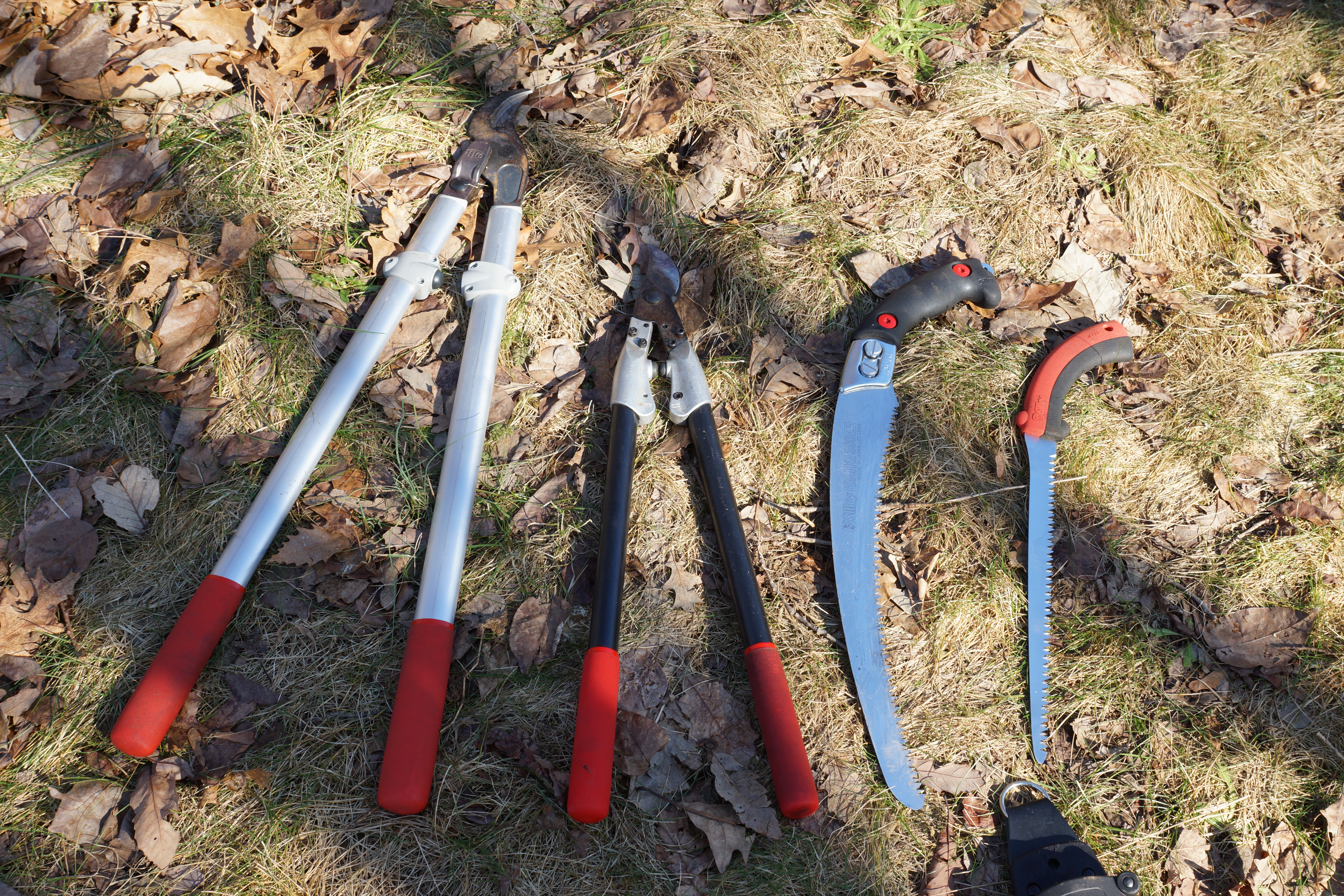
I use a variety of hand pruning tools including Silky pole saws to help create these often dense plantings. I am at the point now where I need to thin again and at the same time harvest the wood in some way that it could be used for some type of musical instrument. Since they are too thin for guitar blanks, I think it is still possible using strips like hardwood flooring size for composites. I see possibilities here. Pruning is done in January usually.

What value is this to woody crop agriculture or forestry ? If you look at those individual scientists and horticulturalists who have done similar types of projects in the past they almost all tank and have short lives. The ideas are very good and notable. The ideal selections were found and propagated. Whether the tree is larch, popular, black locust, honeylocust, chestnut or oak it does not matter. These species or selections are quickly relegated to experimental. You can create it. Yes! Black walnut made it to an extent. It just can’t be applied on a broad scale. Certainly you can do it on your own land with your own money and sweat equity like I did. Certainly you can educate and attempt to find ways into this brave new world as I do today. That of course is something I feel passionate about. It just is too time and money consuming to attempt side projects that require a land owner or farmer to accept the risk of planting any tree and hoping to harvest it in 25 to 50 years. No one thinks long term for a reason. It is not practical to employ. It sounds too far off in the distance. Will growing the trees be profitable by the end of the cycle. This is changing but very slow. I would put it on the scale of architecture. It takes time. In the meantime, there is nothing wrong with setting the stage, demonstrating the power of plants and showing the benefits to others who will take notice. There has to be a place where others can get ideas from. It can’t be locked away and forgotten. Put it front and center. Destroy ignorance with knowledge and tell others how you plan to harness this natural law for all good. This is the human side of it. That grows very slowly compared to the trees. But it is growing. Let’s just hope we have few storms along the way and our ideas produce fruit.

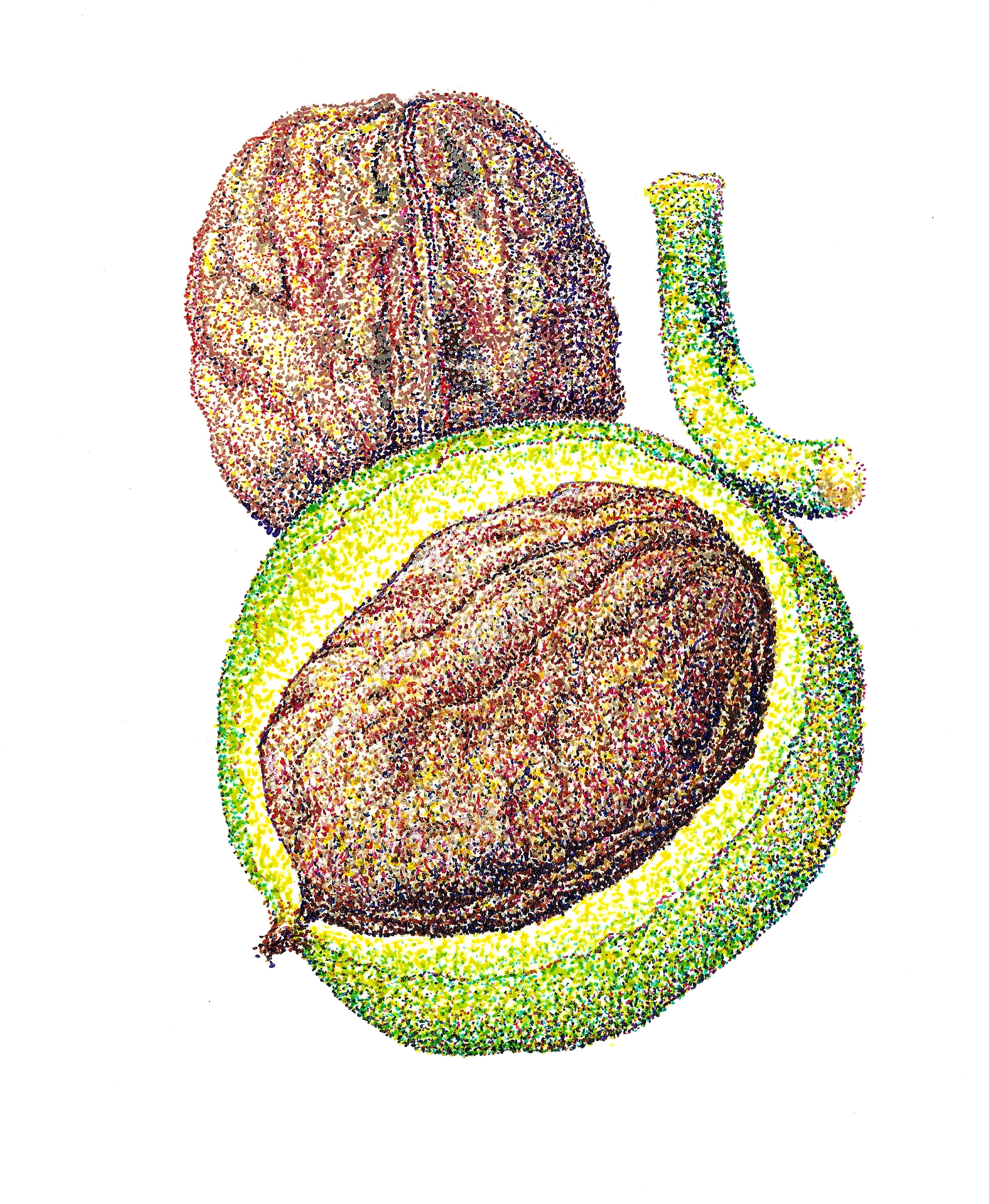
Black walnut, Juglans nigra. Southwestern Michigan

The farmerless fields are infinitely diverse.

Posted in Ecology-Biodiversity-Integration | Tagged , , , , , , | Comments Off on Grow A Guitar

Regeneration Through Dissemination

Like my family’s Christmas tree farms of yesteryear, most tree crops are planted in long rows of a single species to maximize production. At my 13 acre farm, I did not have the luxury of both time and money to create some sort of commercial operation of any magnitude. I did think about it but as time went on I realized this was not a good idea. For a while I purchased grafted trees. Almost all of them are long gone now. It was an expensive experiment and luckily I only tried it periodically if I had to. Except for the outer rows of seedling American persimmons, oaks and northern pecans, plants at my farm are not in rows. They are more like clumps and reflect my ability to do this when I was younger while raising a family and squeaking out a living from my nursery. This positively improved my design habits and ability to maximize space while at the same time select woody plants from around the globe to be part of my planting in some way. I did a Buckminister Fuller tetrahedron type of design with triangle based diagonal plantings depending on the location of the plants. As time went on and new plants were added or replaced along with new plants seeding in, I kept it organized in a way that allowed for a person to walk under the trees while the crown changed the vegetation changed at the forest floor level. It was a multi-story agriculture I was creating from the ground up.

For some time, I held on to a dream that I would buy another 400 acres like our family’s farm previous Christmas tree farm in central Michigan. It was profitable at the time but involved much more management than my postmaster father and partner could give. But it was inspiring. Even today I search the land and farm sites to dream of a giant tree farm of infinite diversity. Its good to dream of a field with no trees with open space all around. It’s a funny dream but I can’t stop thinking about it for now. I often wonder if younger people can buy land and do what I did in some shape or form. I met a few of them on Instagram and some are well financed and naturally have careers in other non farming industries. Others are like me and flying by the seat of their pants. It is fascinating in that there is a certain group of people who just love to plant trees. On a side note, it is not just native or non-native. It is just trees, any tree. It brings happiness. You can see your progress over time and is one of the few things you can do to that by and large taps you into the laws of nature on a more fundamental level. So it does not matter the scale, just the intention and the love of doing something connected in some way to family, friends, community and nature.

Having a small tree farm is additionally beneficial in that it is possible to create a repository based on your interests with minimal investments of time and money. From seed is likely the best method for this type of planting. I attended many horticultural shows when I was younger and learned how orchard systems were designed. I worked for a few fruit farms and nurseries prior to my own nursery. Your interests will change over time and likely you will look back and ask yourself, “what was I thinking” in terms of your ideas. On a tour of my farm recently, I had someone ask is there something I felt sorry about planting or something I planted that I wish I didn’t. The answer was no. Nothing. I cannot think of any plant anywhere on my farm that I am disappointed, disturbed or sorry about. Even the plants that seed in that are thought of as weeds are actually quite good in terms of their effects on my farm. I definitely am not sorry. After that question, I began to think is there anything I am sorry about in this relationship I have fostered with nature. No. It’s the opposite. When we walked by an area I planted with canary reed grass and Miscanthus you could see this persons face drop ten stories. I don’t think I answered his question fully. Did he realize that all the history of agriculture involves distribution of plants by humans uncontrolled by governments and institutions? No. He owned a seed company. That was the lense upon which he saw the world. Everything is controlled now. Yet at its basis all seeds were and still are for the most part handed off from one person to the next. You can see these seed exchanges growing in great numbers every year. It’s a power that says something about the strength of the individual and the importance of seed keeping and organizations like Seed Savers Exchange. Lets hope that doesn’t get watered down over time. People love to control things in terms of their interests and how they see the world. I also hope that people don’t abuse those systems and think ‘free seeds’ and squander an opportunity. I have seen that as well.

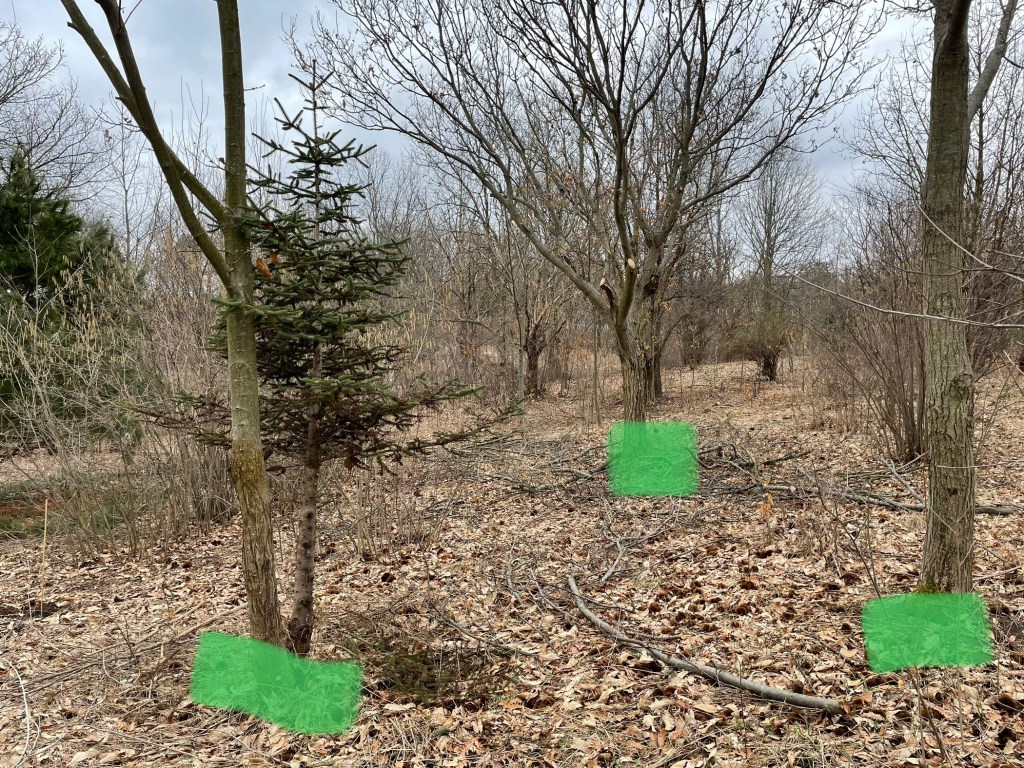
The above image shows a form of regeneration at my farm which helps the trees stabilize and overcome a disease. In this case, hybrid American and Korean chestnuts that are allowed to seed into the hybrid hazels and a lone Abies religiosa fir tree. It started by the tree in the background as the parent tree. I tried to plant other chestnuts in this group but they all died after ten years because of the blight. I chose poorly. New seedlings came in from chipmunks or deer planted nuts with them stepping on them in the leaf and grass mulch which is never mowed. Nature chose wisely. These trees are highly resistant and immune to blight. Their strong growth and heavy production of nuts says something powerful about new generations of trees direct seeded from a parent tree that has overcome obstacles. Each of the green lines show only a portion of the story of regeneration. This is found 360 degrees all around a tree that was selected from the original Douglas hybrid trees in upstate New York that flowered and fruited heavy when 3 years old in my seedling plantings. It contained vigor, good branching and heavy yields of small nuts. Over time new trees are crossed nearby with the Korean chestnuts that I selected from seeds from the late Norm Higgins. I purchased all of these seed nuts from growers who also understood the value of seedling orchards. At that time, there were few if any cultivar chestnuts available. They too understood the value of resource management on a small scale because grafting was both impractical and not particularly successful at the time of creating an actual real orchard system of genetical indentical chestnut individuals.

Maybe you don’t want a genetically identical planting with identical plants of identical parentage with identical characteristics. Maybe that is not your heaven. If it is not, then certainly don’t feel sorry.

In the beginning, I used Tubex tree shelters in my fields. This particular area is now filled with over twenty species of trees including forest sweet cherries, hicans, hickory, chestnuts, hybrid walnuts and thimbleberry to name a few. The shellbark hickories do very well here and fruit heavy. There are some very nice mature Magnolias and plums in this area too. The lower part of the land was the nursery. Here the soil was greatly amended with grape pulp and tons of sawdust as mulch for the seed beds.

The farmerless fields continue.

Posted in Diversity Found, Ecology-Biodiversity-Integration | Tagged , , , , , , , , | Comments Off on Regeneration Through Dissemination

The Plum That Lives in a Farmer-less Field

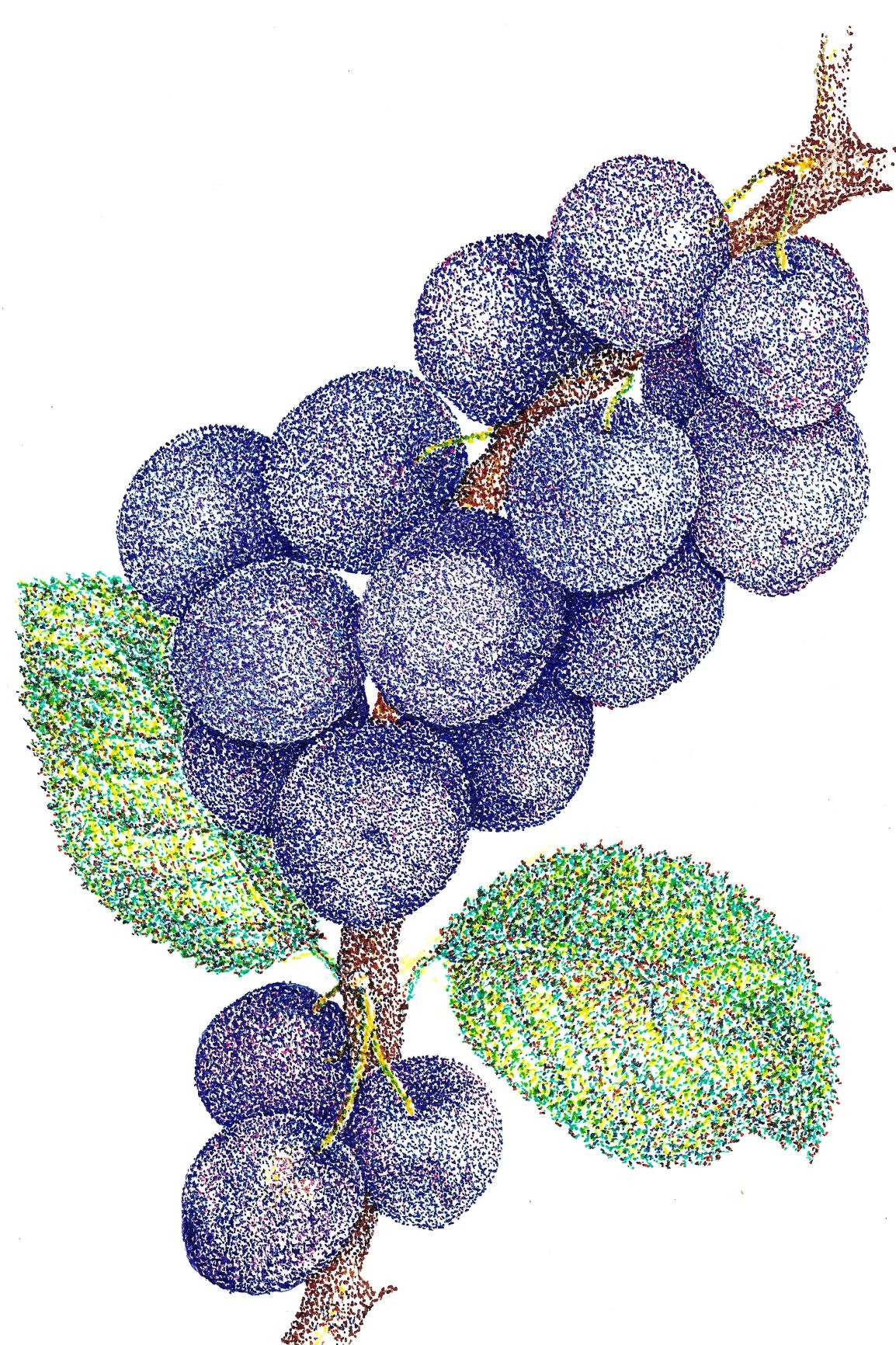
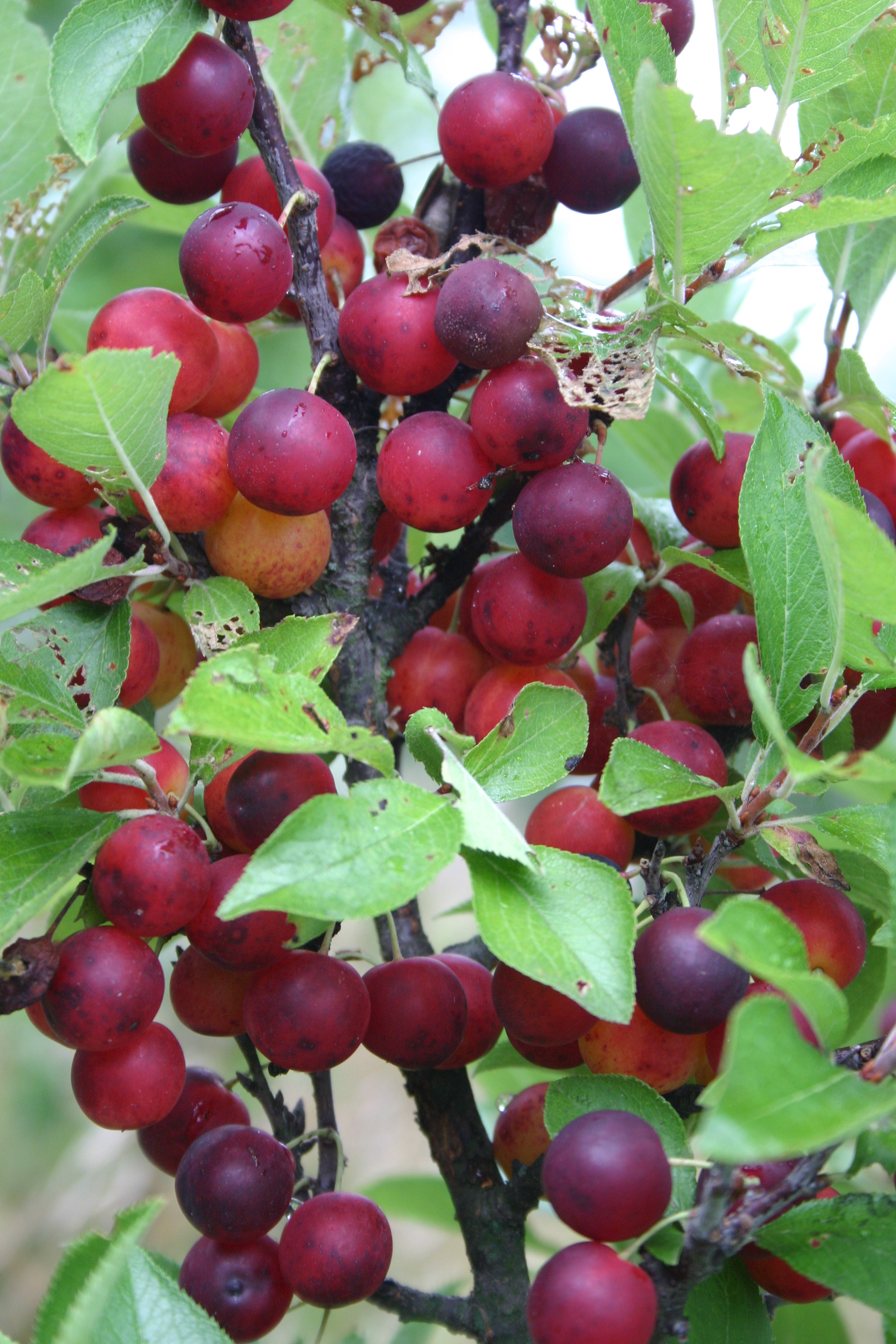
There has never been a greater example of a species of fruit that could be grown as a species of fruit without employing the cultivar based system of fruit growing. The above image is one of the first beach plum seedlings grown in my open field using prolific fruiters selected from populations I was growing for the mail order-internet nursery trade. I noticed it was quite common in beach plums to see flowering on young one and two year old plants. I would tag these plants and carry them to one of my hillsides and plant them in small groups. This was a success. The pasture was thick with grass still and I would use a cellulose mulch mat and the black polyethelyne types. The plants grew very nicely in these locations. I would add a layer of sawdust as mulch after the plants got established as I removed the mats. As time went on and I grew successive generations from these plants from seed, they too were very productive and had a more compact nature to them which came through in the progeny. Now called ‘Nana” it was my first seed source of the beach plum, Prunus maritima. I sent seeds around the world to share in my discovery at the time.

What did not work so well was my employment of an idea of using seedlings in commercial fruit production. This would be considered too far outside the mainstream fruit industry. Certainly it was a rousing success in my retail trade in peoples backyards with a few plants or rows of them here and there. It was without a doubt one of the most celebrated fruits for jam production and fresh eating by homeowners across many zones of growing. Everyone had very good success. They flower late. They resist insects and diseases and they are super productive. Until recently it never got to the point where someone put in several acres of my seed selections. Certainly it was a good idea but who is going to risk that. The answer is a few pioneers of an industry have come forward and are now doing exactly that in quiet solitude.

This idea of commercializing a fruit species is a good idea but it costs a lot of time and effort to establish any orchard. If it is seedlings, then it adds a large amount of both confusion and doubt in the blender of information led by the cultivar only industries and pretty much any commercially acceptible practice. “No one plants seedlings Ken.” I can still hear it. My response was to plant more seedlings. Lets test this weak theory of cultivar evaluation and find a way to overcome our bias was my action to counterbalance this philosophy. To calm everyone down, I also named several selections at my farm to help them in generating their own seedling plantings. So I am not adverse to cultivars. It just at some point, it is not necessary and at others it is a complete waste of time.

First you have to identify the problem. The graft unions of beach plums are short lived. Eventually they break down and just snap off. You would have to replace the shrubs in less than 10 years. This would be super expensive to do. No fruit farmer I know has that sort of cash lying around at the end of a cycle of an orchard. Peaches can be short lived too but at least you might have some profitable years in there to pay for the new orchard. Beach plums have an unknown value commercially because they are currently wild collected. There is no farmer. So possibly this is the way to go first. Plant them in public areas-locations in poor soil, uncared for on state land on denuded hillsides and open fields with little vegetation. There are rocks. There is sand. There are birds and things. You see, I’ve been to the desert on a horse with no name……Wait, is that a song? There is hot sun. The soil is acidic in nature. The growing climate is short and unpredictable. The frosts are late. Now we are talking brofessors. This is ideal for the beach plum. That is the future of the beach plum. It would be a plum on a beach in an open field on a denuded hillside free of fruit farmers who have to work very hard for very little money. It would reproduce and spread on its own creating a future crop for a future generation. This is the future’s here right now moment of the beach plum in “Farmerless Fields.” I am heading there now. Follow me if you would like.

Moving plants beyond their historic native range is always a good idea for cultivation. You can save a plant from extinction doing this as well as moving it to an area free of certain pests and diseases which may hamper its reproduction in its current range. Someone once told me that beach plum was found wild in Michigan at one point. That would be cool if it was true. We do have beaches. Now we just need plums.
Posted in Diversity Found, Ecology-Biodiversity-Integration, Miracles of Nature | Tagged , , , , , , , , , , | Comments Off on The Plum That Lives in a Farmer-less Field

Asparagii of Unknown Origin

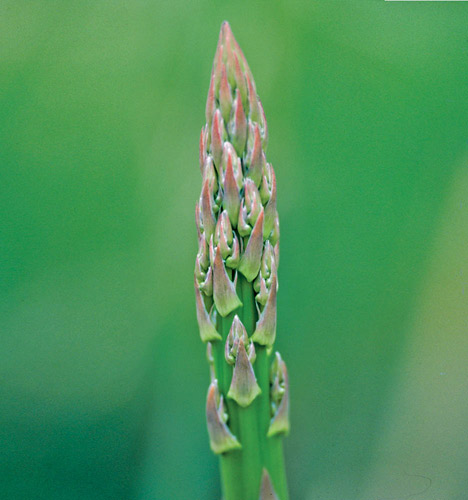
It’s not pretty but it’s asparagus. You may not have eaten it when you were a child. Here was this quasi-gelatinous long green alien stalk of unknown origin. “Who would eat this?”, you would ask yourself? If you did dare to take a few bites, and then went to urinate, the smell said you were going to die soon. It was a confusing vegetable. Yet today the asparagus has quietly undergone a revolution becoming blander with time to the point it has turned white and is grown in dark tunnels. Note to self: how to ruin a good vegetable filled with nutrition: grow it devoid of light. I see the rhubarb is headed in the same direction. Good God Man, what’s next?

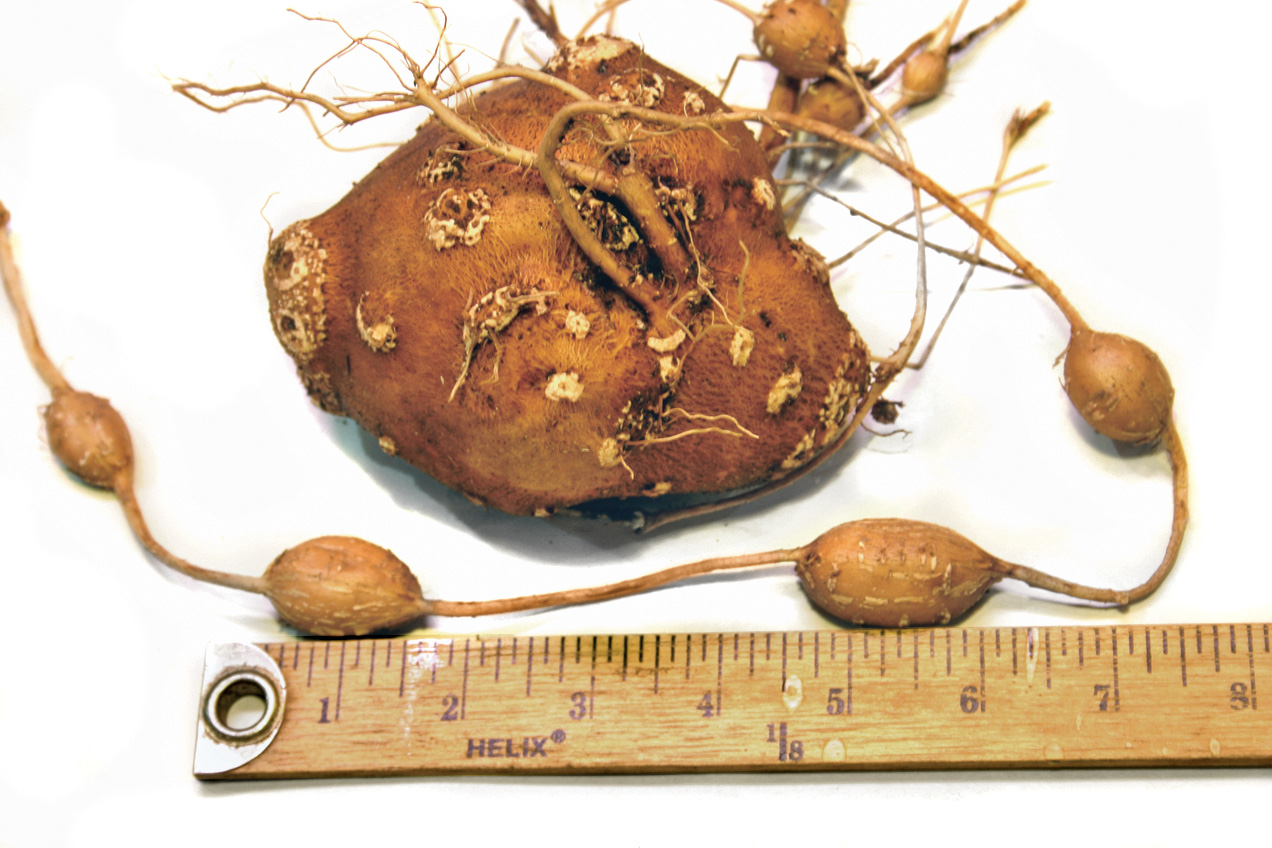
For a while I was wheeling and dealing in asparagus seeds for my nursery. Like an addict, I needed asparagii seeds bad. I was on the horn making calls. I wrote letters that required stamps. Asparagus seeds were actually hard to come by on a commercial scale. Few companies offered them. Everything was cloned and grown from roots. In the meantime, I went Euell Gibbons and collected wild seed in my area. I live in a district that produces commercial quantities of asparagus. Every now and then you would find wild asparagus along the roadsides. I had several very nice bird plantings at my farm and I collected the seed from the best selections that appeared to be very clumpy in nature with good yields. I sold the plants as ‘Very Wild’ asparagus and propagated it only from seed. One of my farmer friends down the road brought me some magnificient stalks of berries too. There was a fairly large repository near a highway off ramp that I was eyeing but the plants were mowed several times and looked herbicide damaged to me so I gave up that location. They still persist today. I heard a story of a truck driver getting a fine for stopping along the highway to pick wild asparagus. He too went Euell Gibbons and paid a price for his love of asparagus. It was a sad day for stalking the wild asparagus.

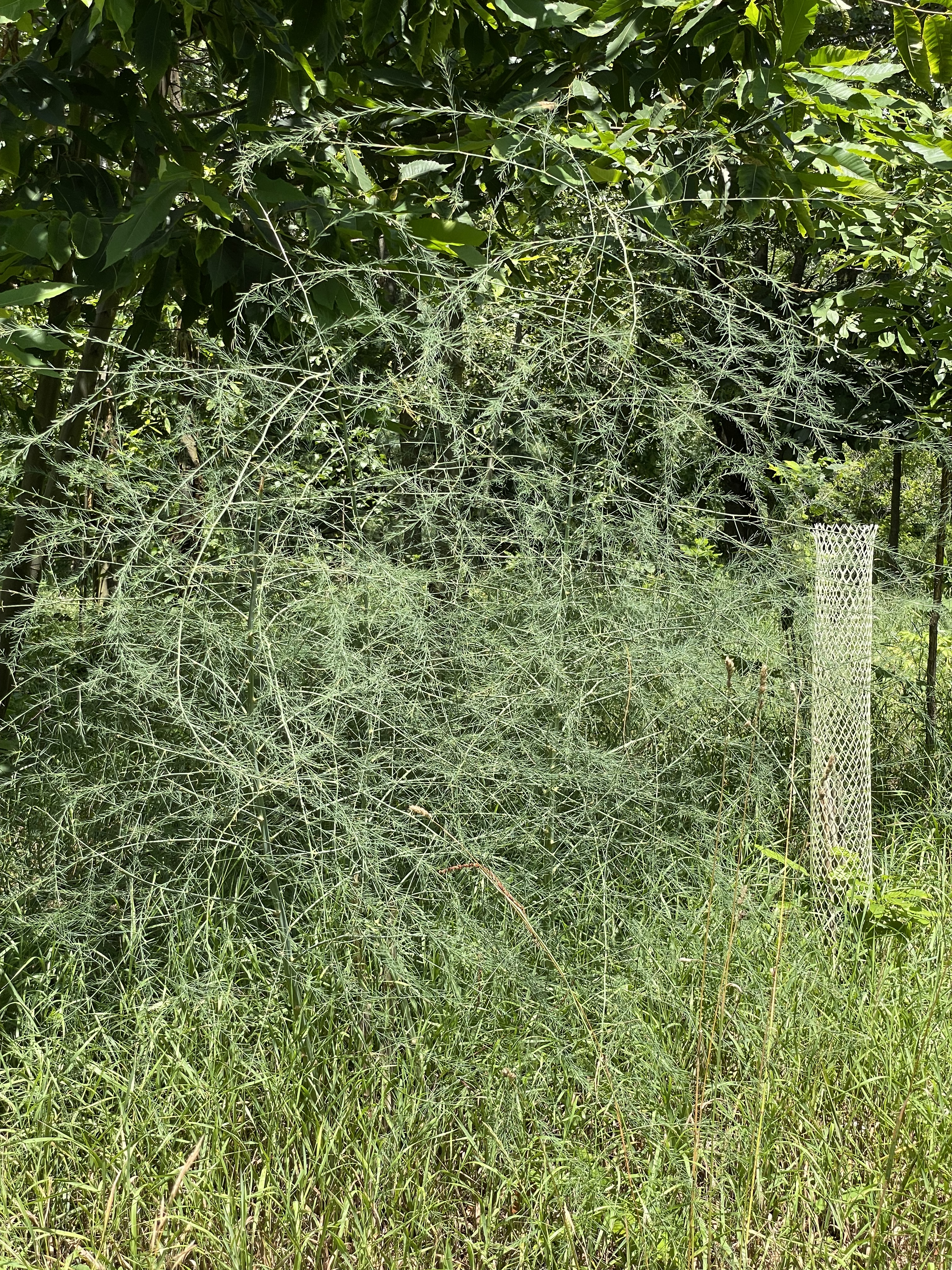
Asparagus has always been part of my pasture. Planting trees near it is difficult due to the thick stringy roots. This plant is at least 30 years old.

Today almost all asparagus plants are bred berry free using only male plants. There are several species of asparagus found worldwide only collected in the wild and today are on lock down in that the seed is not permitted to leave the country. Everyone is very strict on their wild and cultivated asparagus. There are many patented varieties and you just can’t willy nilly grow them and sell them under their trade names. That too is a problem. Everyone is full of asparagus rules. Wild asparagus is a bit like truffles in their non-cultivation. It is meant to be kept as a semi-secret ingredient only meant for the rich at high end restuarants in a far away land.

If you look at the line up of perennial vegetables, asparagus is a dream. It is a long lived cold climate perennial and is a health boat of vitamins and minerals. When picked fresh, it is a magnificient vegetable. I like the varietal selections but they did not have the flavor I was looking for. It needed more punch. Several customers wrote to me describing the flavor of “Very Wild” as way better than cultivated. I went rogue for a while and was importing small amounts of seeds from various countries. Eventually that came crashing down, when a paragraph was added to the laws governing importing asparagus seed. The asparagus breeding is very specific and my love of improvisational asparagus growing was a problem. I quit this but did find a work around in that several species of asparagus were already grown as ornamentals here in the U.S. One such planting that I made at my farm has only one plant left now but to me it is the perfect wild asparagus. The question now is how edible is it and what is the species? We have left our home town of Asparagus officinalis. I was limited time wise to create new species asparagus and the nursery closed down so no more interns to help me in my quest.

My quasi-theory is this: asparagus could be grown as something you would mow and catch in a bag similar or identical to a lawn mower grass catcher. It would not have to be a stalk. It would be a form of chopped green asparagus protoplasm. Probably shouldn’t call it that though. You would then use this as a mixture with other vegetables to aid in protein digestion and well as other health benefits found in wild type asparagus in large amounts. You could dry it or freeze it too as a form of asparagii protoplasm the same way I buy those damn green powders at the health food store that promise to give me immortal life. This would provide the flavor of asparagus without the gelatinous stalkiness of the carefully picked and tended asparagus. Asparagus is a finicky crop and to get pickers is not an easy task. Not far from my farm is a canning company that a few of my employees worked at before working for my nursery. They said it was a type of hell in that once the stalks come in, you had very little time to get it bottled. The plant ran 24-7 with a lot of overtime. There seemed to be a concensus it was brutal. They created a hot pepper and pickled asparagus. It is delicious. Asparagus could be more than what we experience today if we wanted it to. For that we may have to go to the source of unknown origins and tap into this wonderful sprout of a plant. You never know what you will find.

Very Wild Asparagus

Posted in Diversity Found, Ecology-Biodiversity-Integration, Miracles of Nature | Tagged , , , , , | Comments Off on Asparagii of Unknown Origin

Simply Making the Plant World More Diverse

One of easiest ways to increase plant diversity in the natural world is to look for potential species that can reproduce and increase on their own without burning, mowing or herbiciding everything to near death. The same can be said for breeding. If its too elaborate, forget it. We do not have he luxury of resources to fulfill some lofty goal that always appears just out of reach. There is already a huge library of potentialities so it is hard to choose the right plants for the right spot. A truck drives off the highway and plows the sod. The next year there is a huge diversity of annuals growing to more or less mend what has happened. You could call that a successful strategy. It is because the decades old seeds within the soil kick start a series of events to stabilize the damaged area. There is one plant called toadflax which is one of the few species of any plant in the world that can tolerate diesel and other petrochemicals. You will see it often along the highway damage as well as roalroad right of ways where only horsetail survives due to its silica based herbicide proof covering. But of course you do not design management plans based on damage to the natural world. Instead you look for species of plants that can grow in the existing cover crops that will create the greatest possible spectrum of possibilities. That is where you should start. Ironically it is almost the opposite today with huge loss of carbon in burning and herbicide damage and sickness to those who apply the chemicals and the non-target plants and animals in the way of the fake sacred purity of native only philosophy. What can you do? Lead by example. Show the benefits of these wonderful food plants from around the globe and demonstrate their health values to those who will listen is my solution. Ecology could be so much more in terms of its application to a healthy food and fiber world far outside the native realm. Never let anyone speak for you in terms of your own experience. That is something I forgot to do in the past and know it was my lack of courage in this realm that created confusion in my own thinking.

This was a revelation for me that I learned early on in terms of using prairie species. I did not want to create a pseudo prairie based on yesteryears ecological plant surveys. However, I did want to tap into some of those wonderful plants as a means to fulfill an idea I learned from Buckminister Fuller’s discoveries as an ‘all-space-filling’ of the green ‘fabric’ we call vegetation which always has the potential to change based on real world climatic energy events. I viewed it as overlapping spheres of influence created by plants and the animals that used the plants. It was my food web Biology 101 only four dimensional. The DNA of the animals and the DNA of the plants are also woven together. That part we do not see. We pretend we know what we are doing in terms of ecological thinking and tell people we are bringing balance even though there is no scientific definition to that. Every moment is balancing. Even new plants are physiologically integrated into the animals life and that is now the new ‘native’. It does not matter of the plants origin, abundance or lack of abundance. Even within the ‘failing-no-maintenance’ prairie plantings in Michigan you really begin to see the strength and weakness of many of these native plants and how each of those could be used on a broader scale very inexpensively. The plantings are also filled with the existing vegetation as well. This is the new ecological integration.

The common bee balm is surprising durable and long lived in untended locations. The seeds need to be tamped into the top surface of the soil to get a take. I have a few species of it, but none look as good as this planting near my home that someone put in on state land with other prairie species. This particular seedling looks more compact and shorter than others in the planting. This is a good seed source as it is also free of mildew in an area with quite a bit of water.

Using a wide array of natural hybrids like this Mountain ash (Sorbus) and chokeberry (Aronia) hybrid creates possiblities for new flavors and dense nutrtion found in these wonderful crosses of both native and non-native species. That in itself is a library filled with promising literature of health and well being.

The Bergamot and Mountain Mint Arrive: Tubular flowers combines with minty freshness

Along with my ever expanding plant universe, I began to use two species of this bergamot relative from an Illinois prairie collection and a mint relative. I used it in an area of grass where I mulched it for several months with my old shag living room carpet to take out the quack grass a bit. It worked. Every now and then late at night I hear Grand Funk Railroad out there. Just kidding. I planted a lot of prairie plants in thie small area along with gooseberries and rose species filling in as a small hedge along one edge. Over time most of the prairie species faded away and did not self seed much. During this discovery, two of the most powerful and dynamic species came to light. The first was the Virginia mountain mint. I remember walking out to this top of the hill location and discovering huge amounts of blue mud dauber wasps all over them. I was shocked because that is not a normal species you would see in abundance in an open field far from any wetlands. I found that it was a species that did reproduce a little by seeds on its own but mostly it was a runner induced spread. It tolerated drought and competition from other grasses. It was as plants go, a permanent addition to my tree crop farm. The second species, Clinopodium or wild bergamot now covers roughly two acres all started by four plants. It followed the break up of my pasture grass system along with the introduction of star thistle near a damaged Christmas tree planting near my northern border. The quack grass began to thin due to drought in 1988. It was the star thistle that created the gaps for the bergamot to self seed. It is a bit shade tolerant too and that helps in terms of its growth under my crop trees. Both of these species are off the charts in terms of its use by butterflies, bees and moths. I often see hummingbird moths in this area now. Both are very good spreaders and hold their own within the existing timothy and orchard grass system. The bergamot could likely take mowing to a certain degree and continue its journey. It does self seed so this is another great advantage. It is readily available by many native seed companies. I have never collected it, but plan to in 2024. After all, it is the year of all possibilities.

Wild bergamot, non-aromatic with tubular flowers filled with nectar.
Virginia mountain mint rich in delicious goodness as a tea plant and highly beneficial flowers. It has the rhizomes needed for long term colony establishment. Jackpot! Narrow leaf Virginia mountain mint did not grow as vigorously and was non-aromatic.
Posted in Diversity Found, Ecology-Biodiversity-Integration | Tagged , , , , , , | Comments Off on Simply Making the Plant World More Diverse

Now That’s A Grape

Its interesting in that grapes are so widely consumed in so many forms, yet if you mention woody agriculture or tree crops, they are not considered in the same life saving way as a tree. Vitis is vine in Latin. You just can’t plant grape vines as is and wait for miracles to happen. Its a whole system called a vineyard and apparently that is what you need. Yet non-vineyard grapes are common as grass and that is what exactly happens in nature. Huge vines reaching 100 feet or more make it to the tops of trees of which we tend to think of them as pests to the trees. They cover other trees as well as untended fences.

River grape and tulip tree. They were meant to be together.

All it takes is a few seeds distributed by birds. They are a very common plant at my farm and have increased only because I have trees as the overstory of which they rest on during the cycle of cosumption and elimination. It is thought the scarring action of birds stomach aids in grape seed germination. Often the seeds remain dormant for two or three years before sprouting. This is a common experience of those who dare try to grow grapes from seeds. How dare thou? Well for one reason diversity in the genus Vitis. All these grape regions in the world are undergoing huge climatic fluctuations and many wine grapes are sensitive little creatures not able to take the 120 F that they are getting nailed with let alone the insects and diseases that follow soon afterwards to finish off the job. Yikes.

Once I hiked out on a long thin peninsula with my family in Lake Michigan that jutted out way into the lake. It was a calm day and this particular spot was part of a shallow bay area west of Mackinaw City. They were like little islands. Like clouds in the sky separated by shallow water you could wade through and cool your feet as you hiked along. At the time, the lake was at a historic low and we were able to walk all the way to the end of the ‘trail’ as we island hopped our way along. We stopped and had lunch on a tiny sliver of land at the end. As I sat down I realized we were surrounded by grapes on the shoreline. There were no trees just grapes, bearberry and a few willows and grass plants of various species. A form of ground hugging juniper was common there. A viceroy butterfly blew in and landed on the flowers of a single phragmites clump which was in bloom. Covered with sand the grapes were quite fruitful and growing flattened out on the shore. The tiny clusters had delicious grapes which were very tart yet good to eat even though not fully ripe yet in late August. The bright sun, water and sand helped shape the flavor as well as the structure of this natural vineyard. Who knows how old those vines were? I collected some seeds and grew them on my trellis in southern Michigan where they are fruiting now. Since that vacation time, I began to take notice of wild grapes and look at the immense variations found within them. Some had huge yields and others very light. The different species were not as clear to me as I began looking at the leaf and vine I realized later that I was looking at several species as well as possible varietal selections I could make too. The whole world of grapes is still calling me and there are several out of the way places I want ot get cuttings from along the highway fences put up by the state of Michigan. In general, this is not a particularly safe spot to bontanize let along clip a few cuttings. I did find one particular clone along a Michigan highway which would be more tourist friendly if I stopped there to evaluate the grapes. I know there is a lot of grapes along the railroad lines too as I use to jog on the right of ways. My understanding is I could get arrested for such behavior. So for now, I haven’t explored that in many years plus I stopped jogging! After leaf fall you can really see the yields and variations.

This species grape came to my farm as a seedling from my hedgerow near the road. It established in my pear and plum seedling area. For a while I actively removed it and now realize that it deserves a place in my orchard and trellis. It is called Vitis aestivalis or Summer grape or bunch grape. It is interesting in that it was used by the Cherokee in particular and had a bit of a following with one named varietal called Norton. It is considered the oldest North American species grape in cultivation. I now realize the value of this find and plan to move one of the plants this winter. It is considered very difficult to do dormant cuttings with so I am digging up the root and all. They tend to skip along the ground and root from there. I can’t believe I didn’t notice this before and view it as a great value. Look at those clean large leaves.
This species grape was found in a state park of which it had engulfed an apple tree someone had planted many years ago. The tree became the trellis. It could be the sand grape which is considered a subspecies of river grape. This is a good example of a high yielding wild grape. It should be grown from seeds and cuttings. Lake Michigan was about a mile away from this plant.
This is one of the wild River grapes grown from seed at my farm. It turns out that out of several species of grapes used today, River grape is more or less on its own and never cultivated to any extent. It is found as a breeding parent sometimes used for wine and juice grapes. There are a couple of selections of it before I released the variety “Blue Blaze”. They were used only for breeding and were not particularly productive at my farm. Blue Blaze is probably the most productive one I have but like all thing grapes, I could do better. The flavor is strong and over the top like a concentrated grape juice straight from the frozen food section without the corn syrup! There has to be super health benefits to these wild grapes far beyond the vineyard grapes. I am going out on a peninsula now with that statement.

The Summer grape seems to have huge possibilities to me. First it has a strong branching habit. Second it is not overly vigorous and grows very stout. It would be a simple thing to trellis much easier than the River grape which tends to consume a trellis very quickly. Pruning is necessary and the Summer grape would be easier to manage. The question still remains, how does it taste. Well, finally after learning my lesson and cutting it down several times, I am going to find out. This is a kind of unknown in all things Vitis. Being the oldest cultivated grape, doesn’t necessarily bring you notoriety.

Posted in Diversity Found, Ecology-Biodiversity-Integration, Miracles of Nature | Tagged , , , , , , | Comments Off on Now That’s A Grape

Purpurea

Purple pigments in plants attract attention. Probably the most well known purple plant is the purple leaf Norway maple. It is produced from seed as well as varietal selections with intense purple coloration. You still see it in the nursery industry a little but like everything purple including purple leaf crabapples, the ebb of flow of cultivars changes as selections increase and peoples preferrences change. This purple leaf hazelnut is one of many I grew from seeds. It had one giant problem called filbert blight which whittled them down to sticks within a few years. This one is the last one standing and it too has some blight but is looking very good right now. However, I am suspicious because the disease is so powerful. I grew many thousands of hazelnuts for the mail order companies. In this process, you would see certain plants with purple or variegated foliage. I use to tag those and plant them in my plantings. In the world of Corylus, these hybrid plants could not survive long. Variegation itself is a kind of weakness in that there could be sections of the leaves totally devoid of chlorophyll. Purple on the other hand does not suffer from the change of pigment. Why is that? I have no idea but having the purple pigment could actually be of benefit in terms of having the purple pigment within the nuts. I did get one nut last year from this plant, but it was a blank. The whole nut was purple though. People have experimented with purple almonds too and it is possible to select nuts with a higher anthocyanin compounds within the nuts themselves. How much of a benefit that would be is unknown but it would depend on the concentration and of course flavor. The flavor would likely change too.

There are patented purple leaf filberts already but I am unaware of their resistance to filbert blight. There is resistance and then there is immunity. You need immunity. This particular disease is wind distributed and is everywhere there is American hazelnuts. American hazelnuts are immune to it. The hybrids and other species are usually very susceptible unless specifically bred intentionally or using luck like I did and produce massive populations and letting ‘nature’ have at it. It is interesting that the purple color attracts so much attention. The Purple beech is a good example and used extensively at the turn of the century. It is still with us today along with new cultivars being planted. Whatever Purpurea is, its not leaving the eyesight of people who love plants and all its infinite variations. Not everyone is happy with variations but variations provide a means to change over time and adapt to changing conditions. Some just happen to be ornamental plants.

Once I had a visitor to my farm that produced wildflower seed. He had this one type of sunflower that he spent a lot of time on and was one of the first to offer seed of it in bulk to the ever growing meadow and prairie plant market. Every now and then he found double flowers in his field. This upset him and he quickly destroyed them. I don’t think he realized that this natural form of mutation is common in flowers. Instead he blamed it on a woman a few miles away who had a flower garden who had a double form of sunflowers of which he thought they were tainting the purity of his sunflowers. I found that funny. I was thinking of the song. “Everyone Wants to Rule the World” by Tears for Fears. I had heard he stopped at these plantings and told people to remove these double flowering evil sunflowers. I am pretty sure that is a mental illness but I am not sure it is treatable. He wants to rule the world. The flowers already rule the world and diversity is inevitable. That you can’t stop.

Hybrid purple teosinte. Even the kernels are purple. They pop!
Posted in Diversity Found, Ecology-Biodiversity-Integration, Miracles of Nature | Tagged , , , , | Comments Off on Purpurea

Meet the Perennial Brassicas

Foliage production along with a flavor that is not kale like is a good idea. Mild, crispy and not fibrous is critical in clonal reproduction. Some plants may be used just for seed production too increasing hardiness into zone four.
Seed produced population will allow for an established multi-year selections that will remain perennial for a decade or more. Plus the benefits of the secondary market of sprouts.
Flowers of perennial collards are often pollinated by bumblebees. Seed production is usually light and sometimes brings the end of the plant much like any biennial plant. Some naturally die back to their roots as well ready to do it again the following year. Flowering has a cost sometimes. It weakens the plants in foliage production.

It’s a common experience with gardeners to discover sprouts on old broccoli or cabbage stalks from the year before. Even the Brussels sprouts will kick out a new stem in the second year. This is because by and large Brassicas are bienniel in nature. Yet within this wonderful genus of mustard plants comes a certain perennial aspect of it, selected over time by humans. This is the case for tree collards. Being in a mild climate helps too. In Michigan, this is not an option and the minus 20F is a great equalizer. This idea of creating a perennial food and seed plant is a good idea but only if it resists insects, disease and climatic issues that are ever present. Otherwise all you are doing is creating another broccoli. Who cares? This is not breeding and has little to do with science. Its a feeling. It is like listening to Miles Davis and wondering why is that so good compared to your average trumpet player. Its a whopper of a difference because you are creating a whole new crop plant from the bottom up.

Clean bug free foliage is ideal!

You Are The Human Being Grazing Machine: Salad Anyone?

I can see these selections being used in unheated polyhouses with extensive root systems established as a sort of perennial greens production system. You basically would act like a human being lawn mower and harvest the foliage on a regular basis. The plants would flourish for decades gaining in strength over time. The harvest window would expand in the polyhouses. I am guessing summer would be an off time a little bit because of the heat. But spring and fall going into winter would be very strong in production. For now this is a great permaculture plant and much preferrable than the wild sea kale which is very strong in flavor. It was weak growing at my farm and very bitter in flavor. It died rapidly. The same with other so called hardy strains of kale and collards. I can imagine people will come up with other varieties soon. For now there really isn’t a reason to change a whole system of salad production based on something being perennial. Ironically if you Google Brassica, you will see the whitetail deer food plot companies promoting many types of Brassica for feeding deer. Meanwhile, I am excited about my three plants with seeds on it this year. It’s a different thang.

Turkish rocket in flower.

The Turkish Rocket is Not a Brassica or a Rocket But Could Be From Turkey

The turkish rocket is an unknown plant and rarely cultivated for its shoots or leaves. The seed production is quite low. A few seed companies do offer it as a permaculture dream. Frankly, they are right. Super perennial into zone three and expands slowly outward from easily dividable roots should you need more broccoli.

Why would you grow this instead of broccoli? Flavor! The tiny small one inch heads are delicious and easily used in the spring. Hardy into zone 3 this species has no cabbage butterfly larvae and completely bug free. What is the down side? Well, it is not super productive per plant compared to broccoli but then again its not broccoli. There is some natural variation in this plant including seedlessness and compact head production. But it is not off the charts impossible to propagate from seeds too. I noticed recently there was a company selling it on Instagram.

I made one selection from the Turkish rocket called: Seedless. Not fancy but calms everyone down in the invasive plant pseudosciences. It produces zero seeds. I can see where this plant could be harvested in bulk as a form of wild greens. Someone should do an anlaysis of its food value. I am guessing it might out do broccoli in some areas. It should be promoted as a healthy food and distributed widely as a wild food plant. It has all the hallmarks of health as a deep rooted perennial and could be grown in areas where heat and cold would wipe out broccoli. I see possibilities. What do you see? Is it a weed? I see that too and what a great benefit we have at our doorstep with the ever expanding universe of Brassica and Bunia.

Enjoy. Kenneth Asmus

Posted in Diversity Found, Ecology-Biodiversity-Integration | Tagged , , , , , , , , , | Comments Off on Meet the Perennial Brassicas

Strength in Numbers

In each individual tree, the pictures can tell the story of that individual and its family upbringing too. It is a narrative meant to enlighten those who will listen, tell us a scenario in a moment of time and what potentially will be in the future both individually and collectively. For me I was only planting chestnut trees. I had access to a small sample of seed sources each with its background of American, Chinese and European lineage. It was a good start. They are all seedling trees grown at my farm starting in the early 1980’s. Each tree tells a story of its strength, its weakness and eventual survival in the real world shaped mostly by the disease of chestnut blight. To me it was a huge success. To others of a more strict botanical sense or from a cultivar based view, it might be considered a flop depending on what color glasses the viewer is wearing. For me these trees were a joy to grow and learn from. I know they have much more to give as well as much more to tell me. I’m listening. I hope you do too.

There are two individual trees here fused. The large tree on the right is “Viva” and on the left is a seedling cross of European origin. It was planted much later. I had the thought the Viva tree would die much sooner so I stuck in another seedling in a 2 foot Tubex shelter. It did not. Viva produced very few nuts but had phenomonal progeny many of which have grown around it. Some are even more resislent to blight than the parent plus way more vigorous than the parent. That one responded remarkably well but today needs pruning.
Chestnut blight like this on a wonderful seedling is just too much for the tree to withstand. I cut this tree down flat once before. The sprouts did fine for a while but the disease engulfs the tree to the point it quits producing nuts. I kept three sprouts. They look spectacular for a while. I save the trunk for woodworking projects.
A chestnut tree can regenerate from its base. It started as a sucker which I pruned upward and trained to grown into the crown. The crown on this tree was suffering a bit with blight but did produce nuts. I kept this sprout only because I know the trunk is beginning to break down a little and I thought it could add to the canopy in terms of its yield potential.
Some trees are so infected that you cannot do anything really. This was a very nice tree near the Viva tree. It took a good twenty years to really get hammered by blight. I don’t remember collecting nuts under it, however there is some nice walnuts, pears and a few other chestnut growing under it. There is one sprout that is just fantastic. I will take the tree down, harvest what wood I can and try not to touch that pristine sprout. I will create a certain pattern with the dead wood as a form of mulch for the living trees underneath as I bring them into the light. I definitely will keep that walnut which is from my farm of improved selections. Sometimes I dig up the shells under them to see which parent tree it came from.
Every now and then I do a clean up in that I remove what I feel are limbs that are engulfed with blight but have cleaner branches to take the excess vigor. Here is one of them. It was sprout under a tree and I would just remove the top of this sprout which obviously looks like it is on fire. Not much you can do except prune and wait. This one will likely callus over quickly as the whole tree is quite strong.
There comes a point where a few sprouts is enough to save a tree from extinction. Here you can see the thick callus on the parent trunk. Yet looking over everything, I am not sure this is saveable other than wood for turning or woodworking of any form. The top is a mess and the sprouts are weak overall. The seedlings nearby have also died and there appears to be no future progeny from it. I have other trees in the area now that are filling the canopy. Removing this tree entirely is probably best. I will keep those sprouts just to see what will happen. It will not likely survive long as you can see some blight settling in on the sprouts already. This particular tree was a heavy fruiter and likely a Layeroka seedling or other European cross. Th. Recently a callused over large branch fell in a wind storm. It was weak and the majority of the tree just droppped off. This is just another normal day in chestnut land. Callus will not be enough here to make the tree successful long term. It is interesting in how long it took for the sprouts to form. Part of that was due to the major trunk still providing nourishment to the top of the tree. As long as that exists sprouts were very slow to develop.
This shows you the new replacing the old. This image alone is my challenge with removal along with what is going to be the future chestnut orchard. For that I hedge my bets on new seedlings at a four to one replacement ratio as well as new plants that naturally seed in from my surrounding tree crops. Each area is different. By and large the new generation is fantastic.
Here is something I did early on. In one larger seedling Douglas hybrid American planting I looked for chestnuts that looked a lot like the American chestnut unhyridized. I did that because I had thousands growing for the mail order industry. These selections died quickly. This is one of those that did survive but barely.This scenario has played itself out in a surprising way. The blight itself caught the blight and was weakened. It is still there but this time the trees callus engulf it to the point it can regrow around it and it can reproduce from seed. This tree is quite productive. The blight has disfugured the tree but this is not much of a concern of the tree as it squeaks along. Here I am going to prune down the main dead tree and maybe one of its sprouts. There was a lot of understory sprouted from birds dropping seeds and squirrels carrying nuts under the tree. I will save those. We did a planting nearby of which most also did not survive but a few have insane amount of vigor and apparent immunity to blight. This type of tree is on the edge of survival and the callus is impressive. It would not be a tree someone would desire as a blight resistant tree and probably most people would give up and cut it down entirely. The nearby seedling trees look very bad however there is one tree we planted next to it that looks absolutely spectacular and highly vigorous. I guess it all creates a sort of inspiration in the genus of Castanea for me.
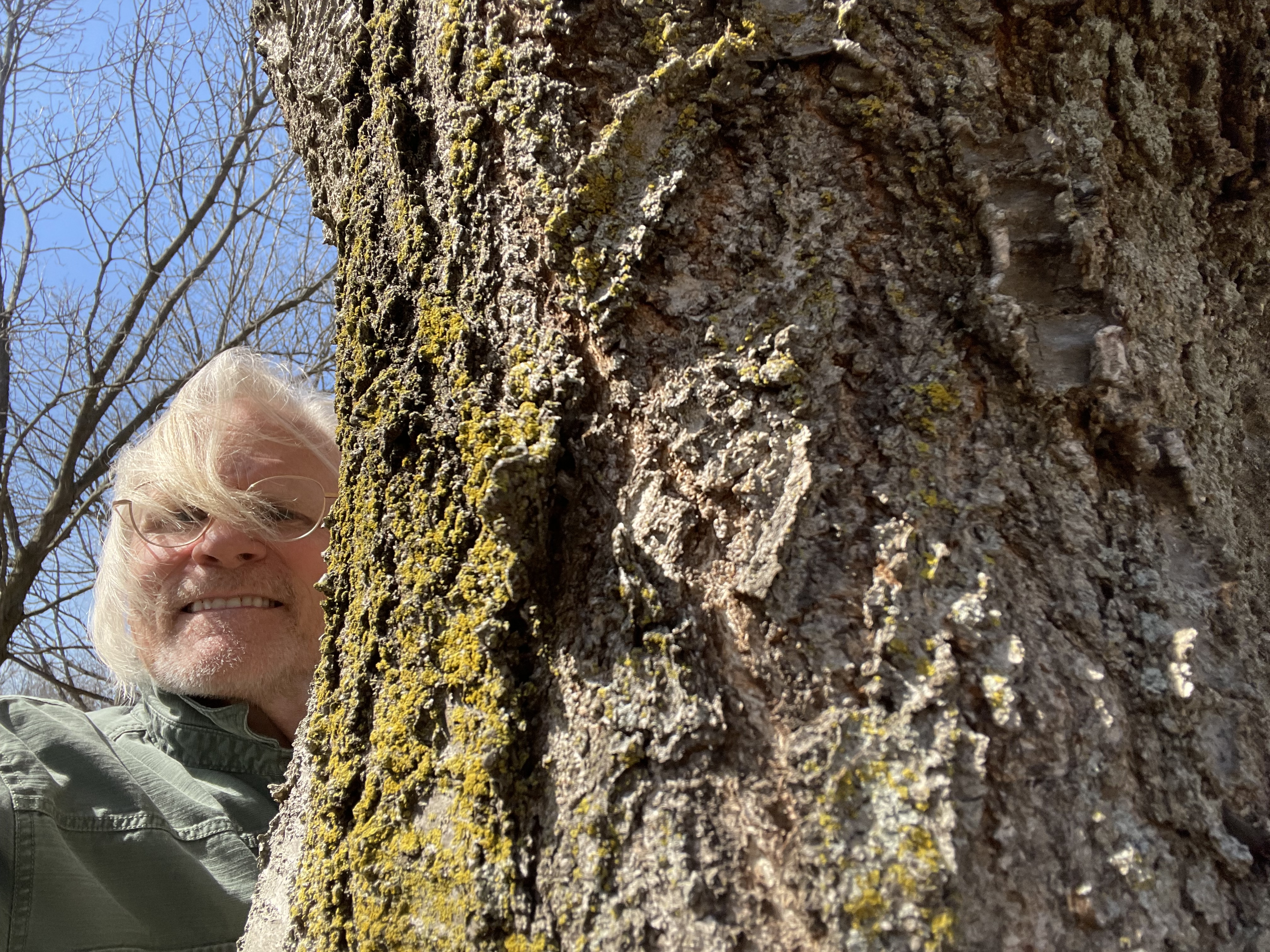
The “Grant” tree represents a European and American cross. It has huge amounts of dead limbs in it. I will hire a climber to clean it up. It is quite a mess really on top but the main trunk is off the charts in terms of size and health. From northern Michigan, ‘Grant” produces few nuts. I did keep a few of its progeny nearby and they are looking very healthy and vigorous. After wading into this disease prone genus, I wish the Grant tree on everyone. This has the largest caliper and is over 30 inches in diameter. It sprouts like mad which I removed to take this picture. I plan to keep the tree alive, prune it and try to harvest the nuts again. The progeny would be very good in this area. Wait. I think hear the chain saw. More woodworking projects and of course health to the chestnut genus at my farm. I know there are other trees that have crashed and burned nearby and this tree is a survivor. One advantage of real life existence is that the disease is a motivator of sorts moving the whole population away from sickness to health. Even the disease weakens over time. This shows how complex and effective a population of any given plant can be. It will do it faster than you know.

Hybrid American chestnut wood from my farm. It’s light, easy to work and will help me create beautiful furniture. Nothing is wasted. Everything is of value in nature even if it is not in our vision or understanding.

Posted in Diversity Found, Ecology-Biodiversity-Integration | Tagged , , , | Comments Off on Strength in Numbers