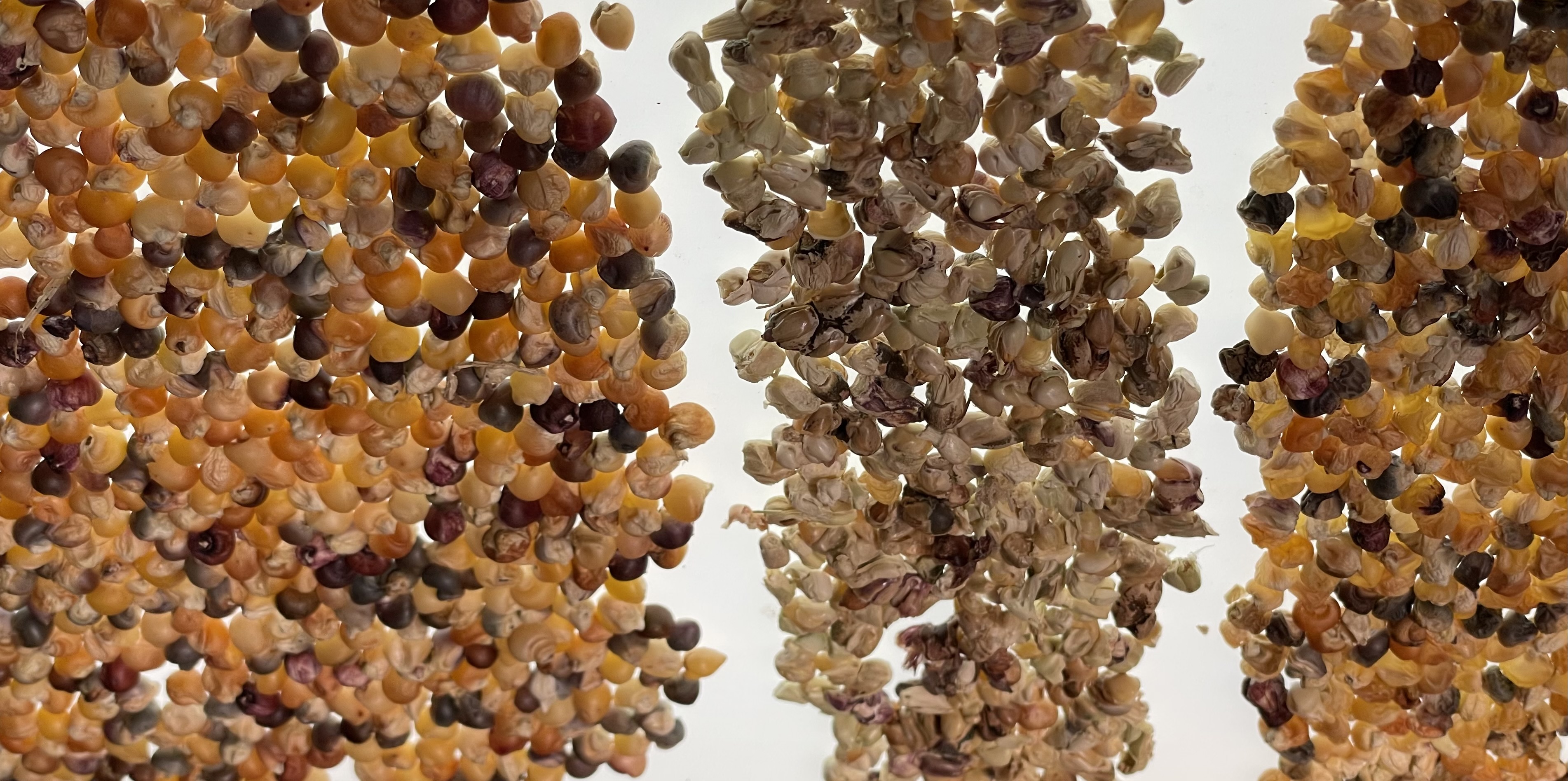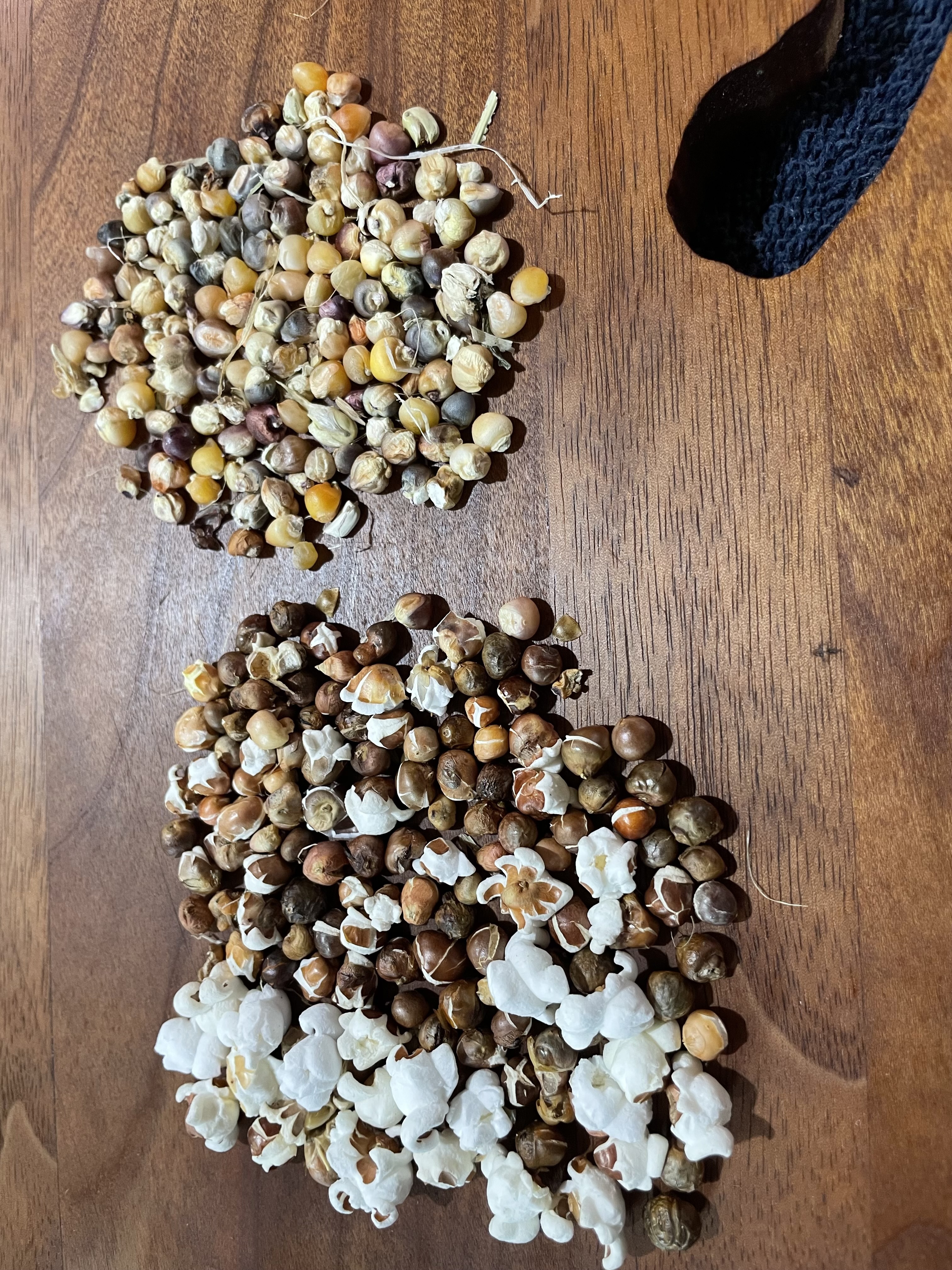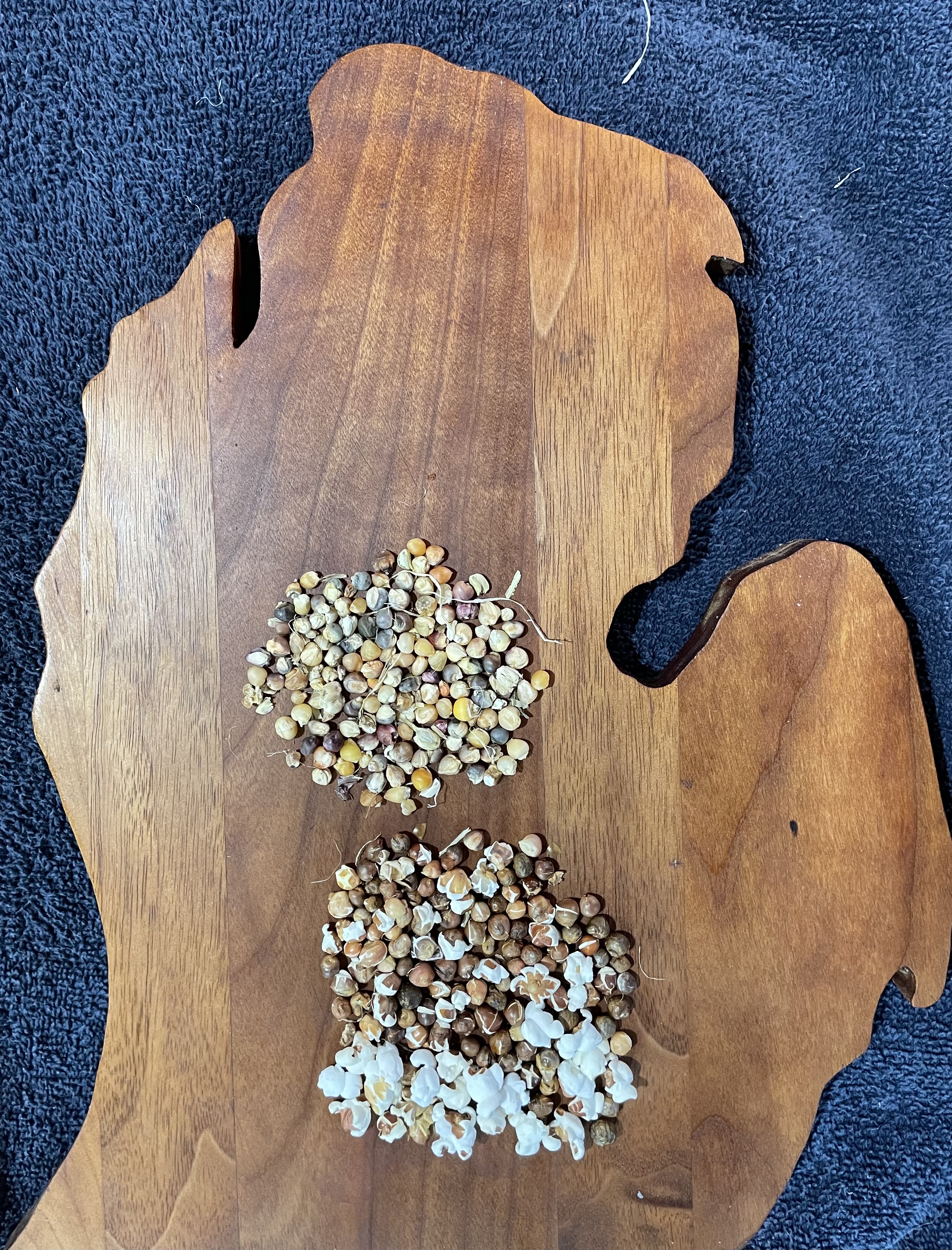
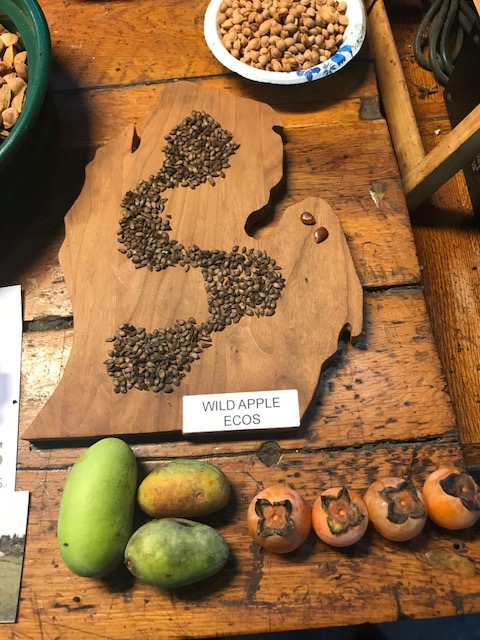
Seeds: River Cane, Pawpaw, Apple, Sloe Plum, Soybean

There is always something new to learn from plants. Growing them from seeds adds to the anticipation of discovery and connection to the natural world. When I grew plants in my nursery we use to routinely sell seeds along with nursery stock of the same species. People wanted to know how to do that and what would happen if they tried germinating a seed of a woody plant of some type. It was very popular. We made small packets and grew it up to 3000 packets per year. We tried to use species not available elsewhere in the seed trade. It was quite a time consuming occupation figuring out quantities and inventory. We did sell them internationally at the time and it was one way to spread the diversity inexpensively. People were very appreciative of the seeds and disappointed when I closed down the small packets especially the international customers like Canada. After a decade of doing that I was glad I no longer had to pack those tiny packets. It added a whole new step to fulfilling orders. Once in a while I would bring seeds home and pack while watching Seinfeld. It was not the summer of Ken that year. I put detailed information on germinating the seeds on line to help people in their quest to grow woody plants from seeds. There is a certain mystery to it but once the conditions are met the plants grow effortlessly as tomato plants. It is the dormancy part that is complex. Here are a few of my favorite from seed plants which were also rather popular when I grew them in the nursery and farm. Specifics on dormancy are included.

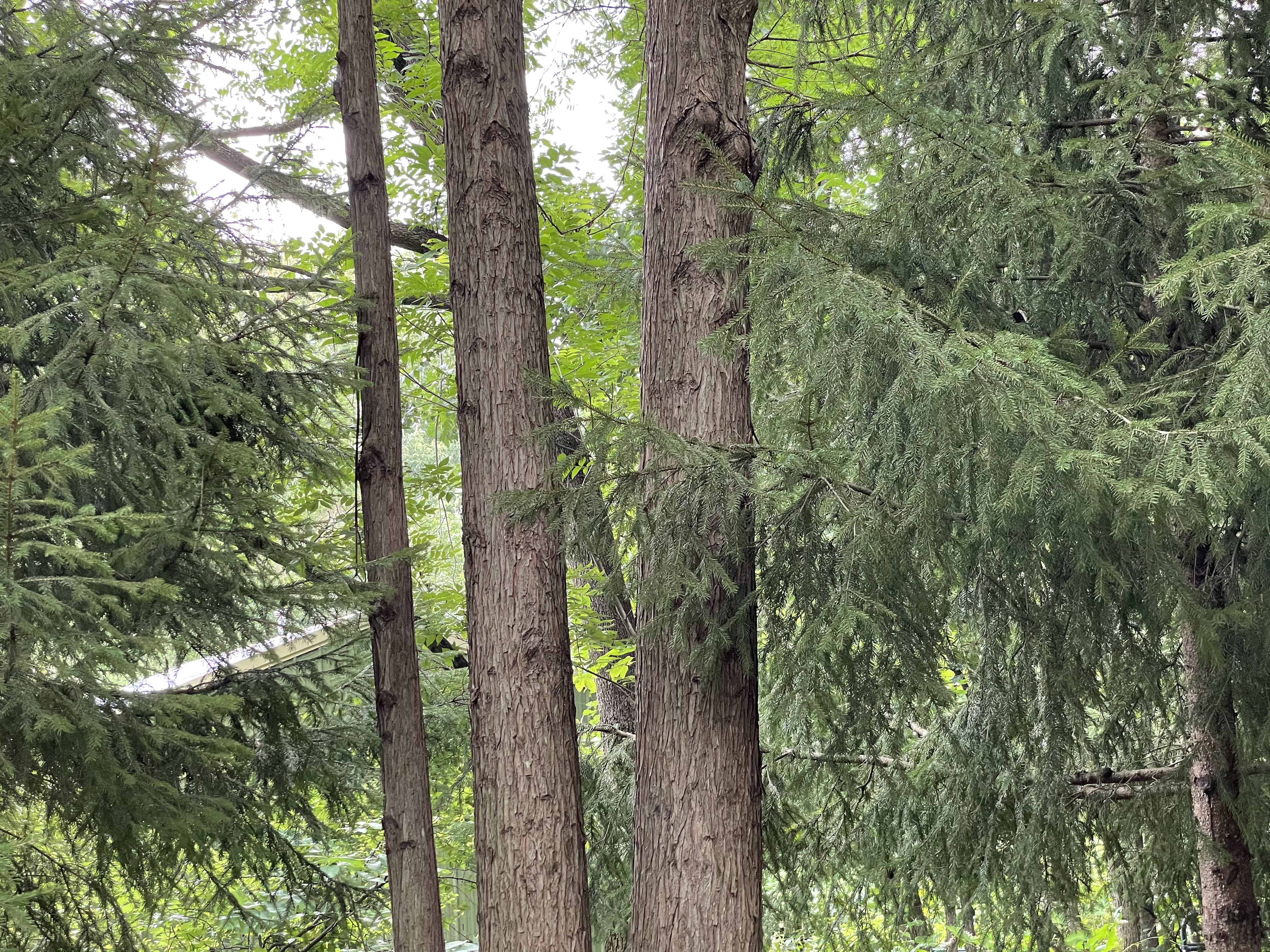
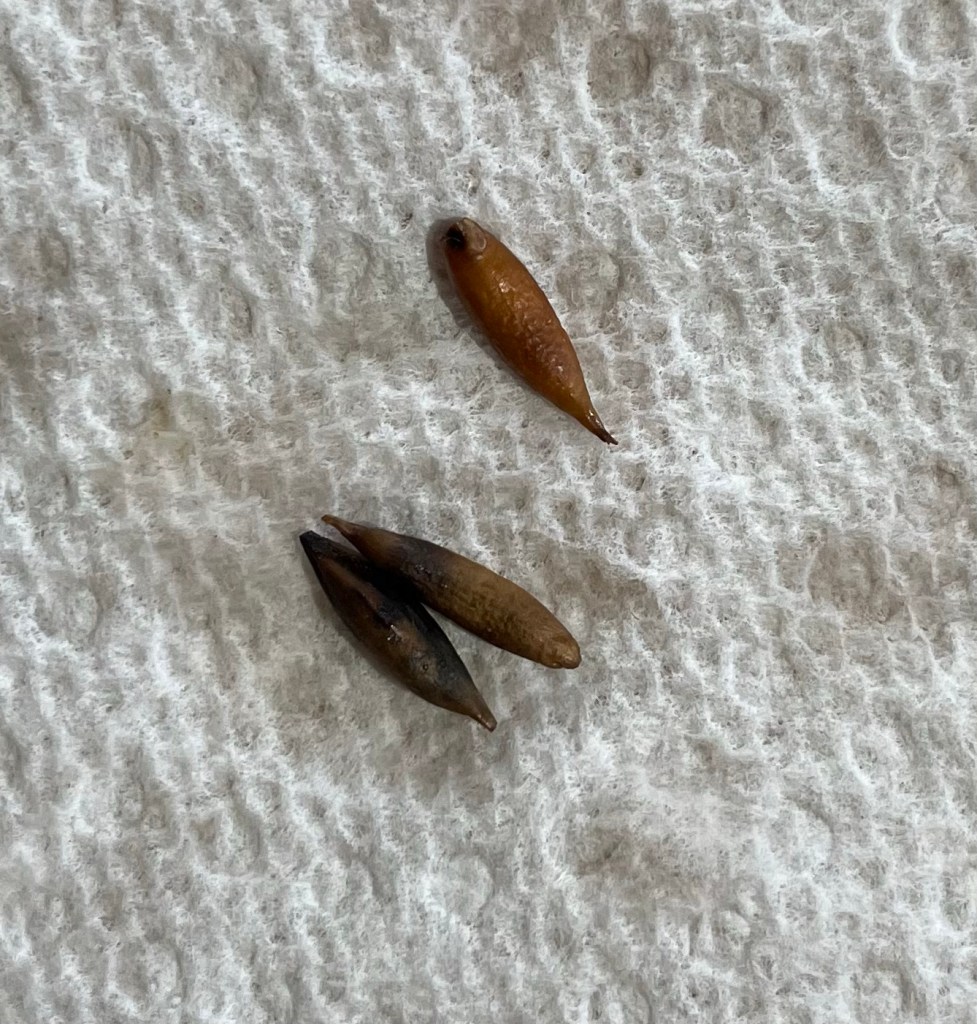
River Cane Bamboo- Here is one that did not work. I have yet to grow it successfully from seed. The seeds are fresh and produced at my farm. They appear viable and pure white in the embryo and fully developed. For whatever reason I cannot get them to sprout despite applying warm and cold periods as well as moisture. Bamboo is generally easy to grow from seed especially the Phyllostachyus genus. It is my favorite to grow from seed. I have tried the last three years. This year there is no seed crop, so I will have to wait. How long? They say when bamboo flowers every hundred years or so, the clone dies entirely as a kind of respect for the new progeny about to be produced. This has not happened to the River Cane so lucky I still have the original strains that I started with over 20 years ago.

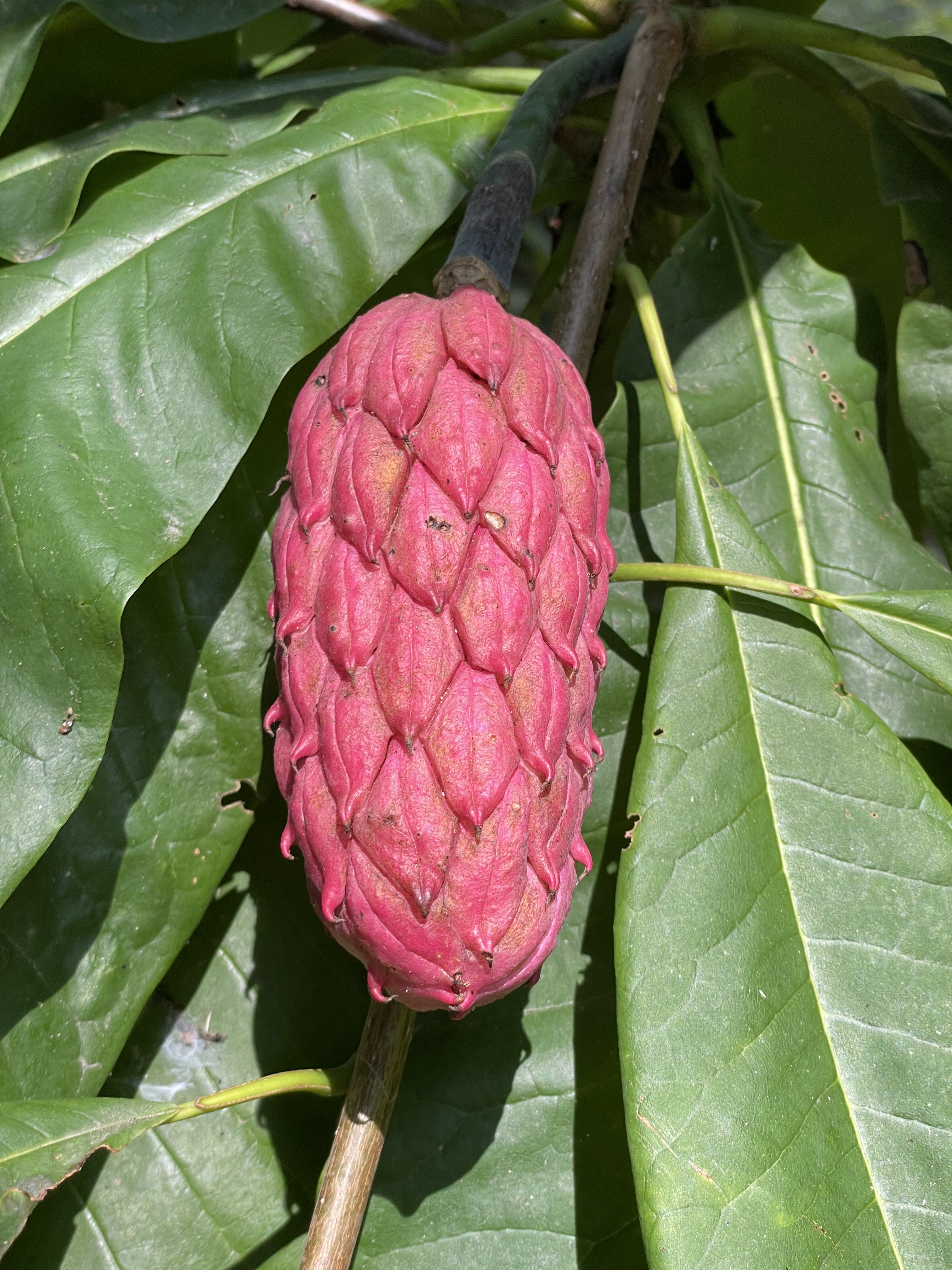
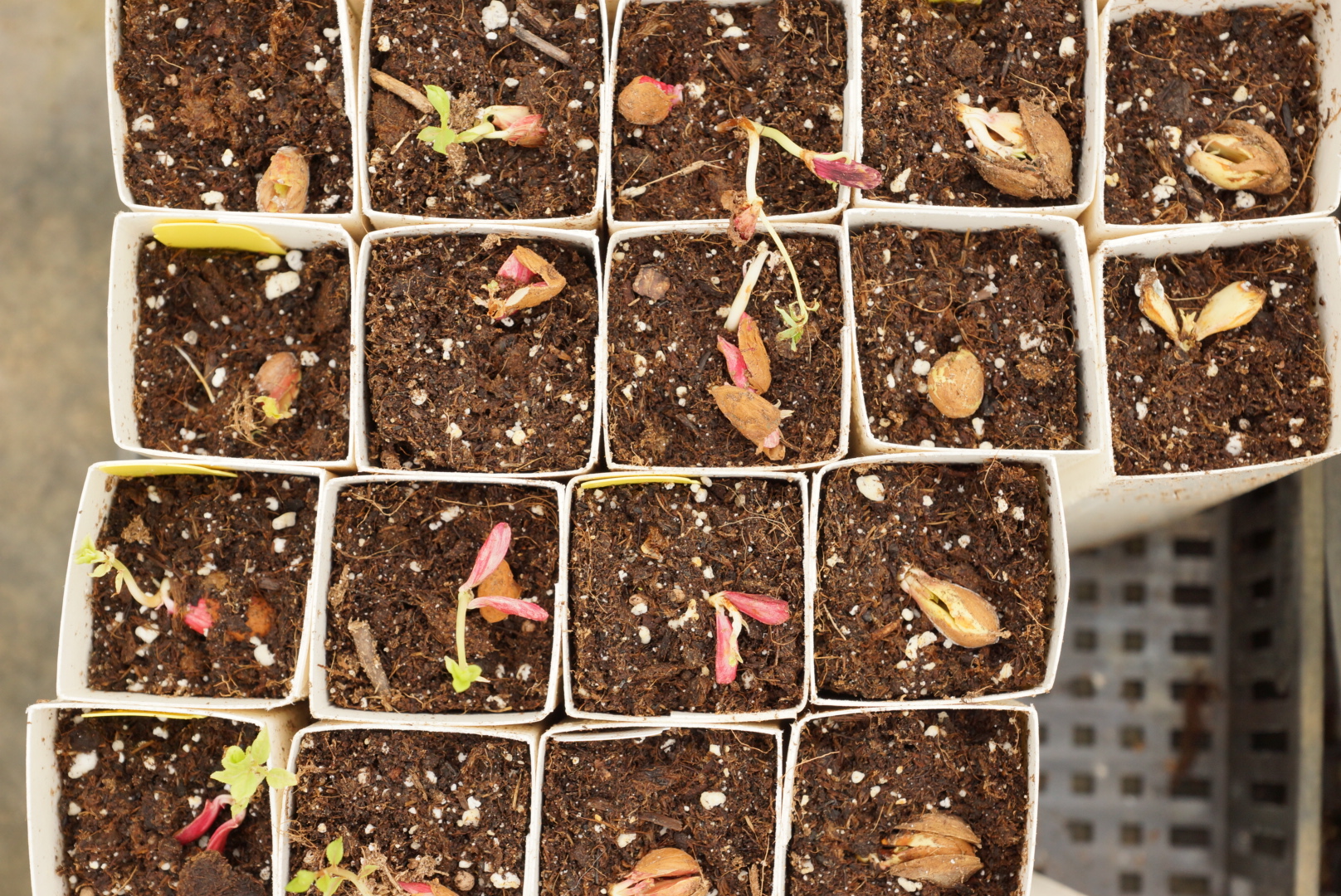
Pawpaw-Asimina triloba This seed requires constant moisture from processing to planting. Never let the seed dry out on a rack or open air. The fruit is very soft and the seeds are encased in a clear celluose sack. Even after removing the pulp, that little sack has to be removed because it can rot the seed in dormancy. The fruit pulp has to be removed prior to it breaking down as the alcohol will kill the embryo if concentrated enough. The fruit has to ripen on the tree for this to happen as it relates directly to the maturity of the seed. It is not good to pick the fruit green and do it later. The fruit drops out of the tree with a light shake when mature so it is soft to the touch. This condition is ideal for the seed. The seed gets its nourishment from the fruit and the surrounding vascular system in the fruit which is directly connected to the tree. After extracting the seed and cleaning the fruit from it spotless, drop it into a moist media like Canadian peat moss. It should be lightly moist so you cannot squeeze out any more water from it using your hands. Apply a cold dormancy of 90-120 days from 34F to 38F is ideal. A refrigerator is fine but not freezing. Then put the seeds at room temperature. Seeds take a long time to sprout usually a good two months. At my farm pawpaw seeds sprout in July when planted in November. Pawpaw roots are produced first and then the top comes up. The plant needs to be in at least 50 percent shade the first year otherwise the first two leaves burn off in the sun and that is the end of the seedling. It will not resprout. Pawpaw seeds are odd brain looking seeds with deeply resessed cotyledons. This year I planted late and the seeds came up in early September. This is fine and the trees will grow like crazy next year because the tap root is now completed. My particular strain of pawpaw is the most northern in the United States and people have put them in areas of extreme cold from Finland to Minnesota. Apparently using this seed source will increase the plants northern range under cultivation.

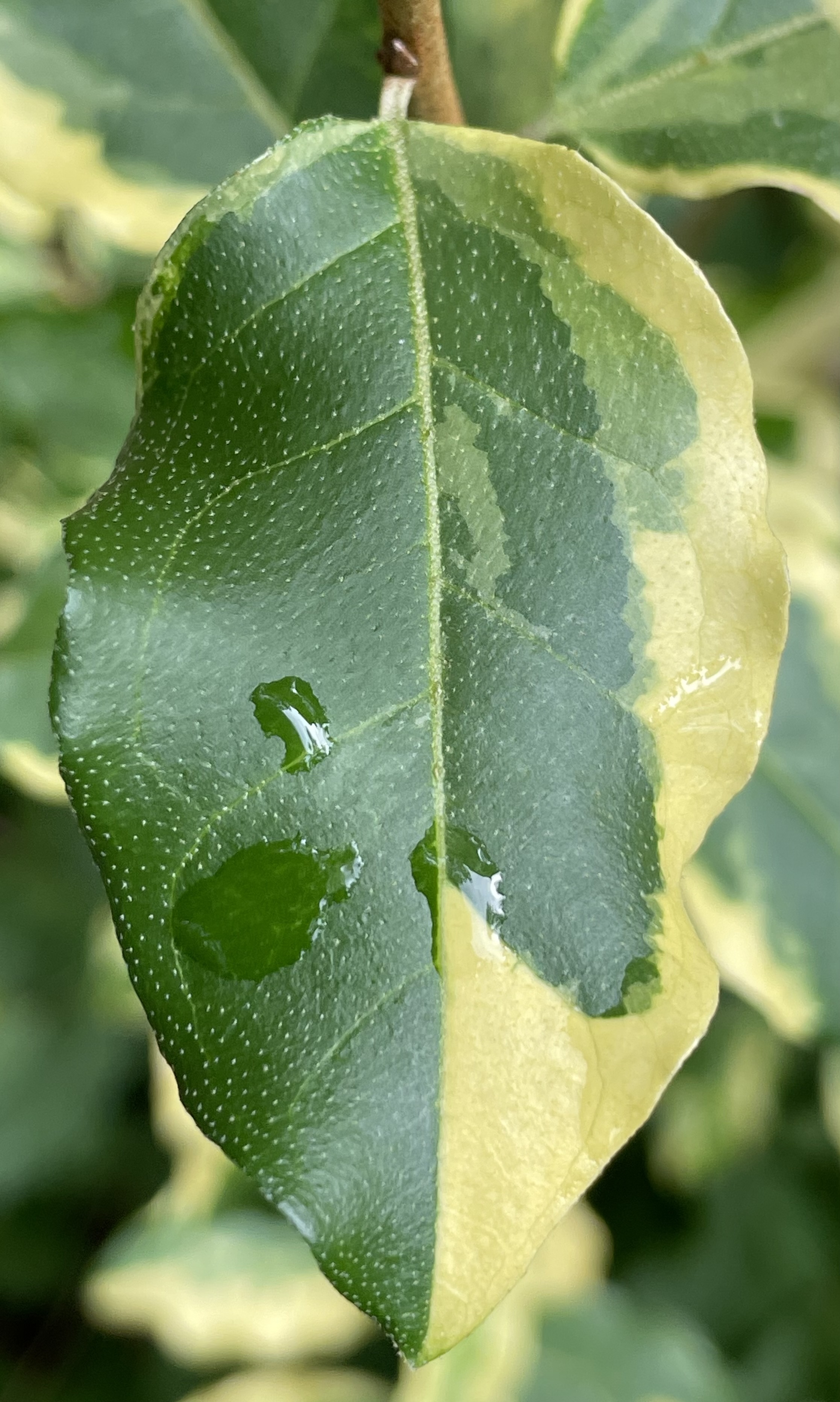
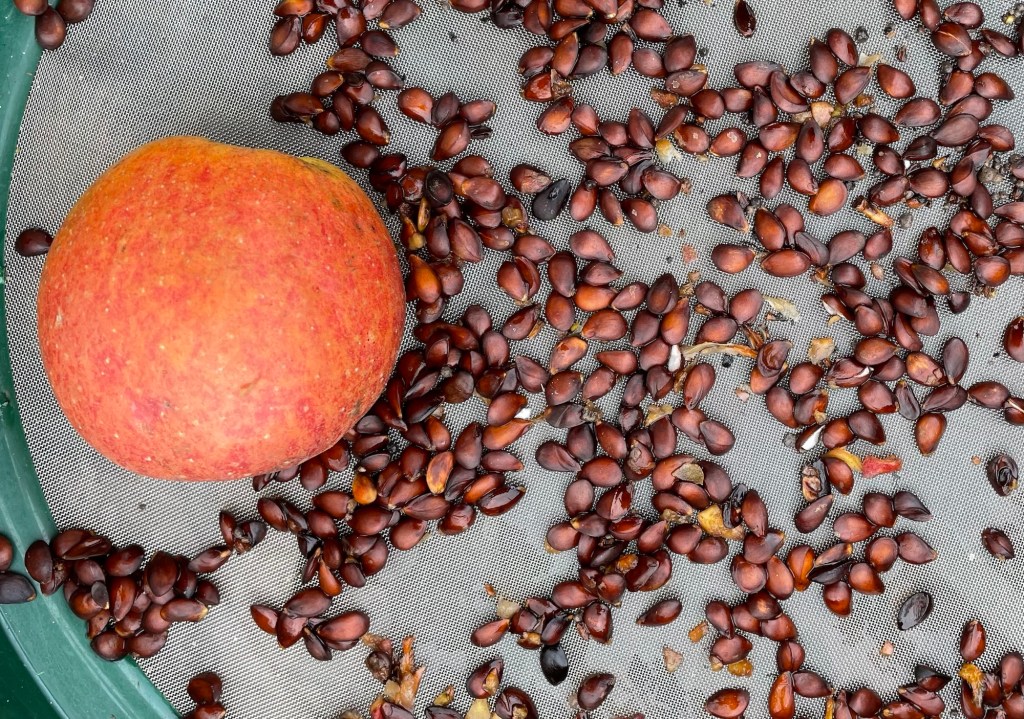
Apples are very easy to grow from seed. I would recommend collecting wild apples that are blemish and insect proof. This is the future of apples. Organically producing them while improving the overall health benefits you can find the perfect apple far greater than research scientists. Anyone can contribute to this noble cause. Apple seeds are extracted by crushing the core or cutting them with a knife and popping the seeds out one by one if you want. I use to use a hand brick and patio sand tamper for crushing. Then I would put the apple pomice in a Vita-mix slowly grinding it in reverse to break the seeds out of the inner core. Then onto a large bowl and do a bit of panning action for gold where the seeds would sink to the bottom and the pulp would float off. Once cleaned then I would put them on a screen rack to dry. After drying for a couple of days, I would rub them and repeat the process adding a touch of Dr. Bronners peppermint soap. All-One Brothers and Sisters. Then let them dry again for a few days. From here I would let them after ripen for a month on a shelf where they were in an open zip lock bag with a bit of dry peat moss in there to let them continue the growth of their embyo. Finally I would add a teeny amount of water and mix thoroughly and store at 34 F to 38F for 90 to 120 days. Often apple seeds will sprout after 60 days or so. You cannot stop that so the seed needs to get planted soon because once its too etioliated, then it damps off easy. Sprouting them in the fridge is very good in terms of success. Sometimes a portion of them sprout the second year. So do not throw your seeds out thinking you failed. Check for rotting or mold. Wash and check for smelly seeds that are now part of the compost. Remember to plant at the level of the root collar and not the stem. You can skip all of this if you put them in a germination tray with drainage holes and germinate them outside. Make sure to cover the tray in window screeen to prevent mice and voles from consuming them during the winter. The tray should never let to be dried out. The apples will sprout in the spring in April and May.

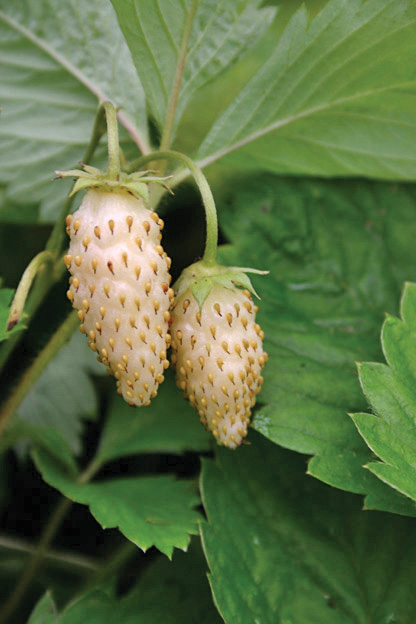
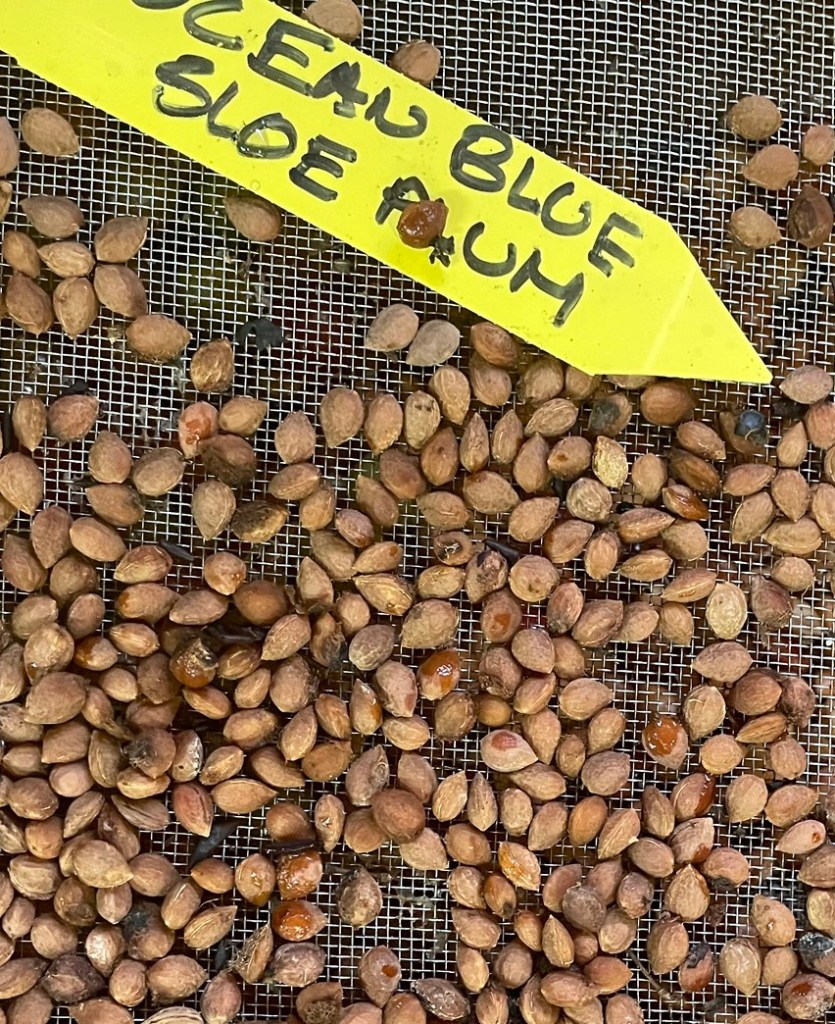
Sloe plum is a good example of a species fruit that has huge health benefits yet it is not found to any degree in North America. For a while I was told I had the only planting of it. At that time, people had no idea what it was or anything about the plant. There was some misinformation about it being invasive because it spread by runners. We sold it a little. Eventually the spirit companies along with a few wineries purchased all of the plants I could produce. I remember finding the plant in a landscape in the early 1980’s in an apartment complex where I had a contract to do the lawn maintenance for one season. There was a woman from Latvia who lived in one of the units so I am guessing she got her starts from her homeland. The fruit was not possible to eat fresh as it was so highly astringent. It was used to flavor drinks. Eventually through an arboretum exchange I received enough seed to outplant an actual row of them from the variety, ‘Plena’. From here after the giant whittling down from black knot began and I ended up with 3-4 plants with zero disease. This is the ideal thing to do with seeds and seedling plants that are genetically different. Start with an unknown crop from a global perspective, cultivate the plant, make a useful product from it and find out what health benefits are within it. Spread the seed and spread the word. Sloe plum seeds need an after ripening period. I would whiz them up in a blender carefully not crushing the seed coats. I would do this several times over the course of a week going back and forth from blending to letting sit overnight on a screen after several washes. The fruit hangs on tight to the seed coat. After cleaning I would put them in a lightly moist media and store at room temperature for 2 months before refrigeration. Then cold 3 months and then store at room temperature for the next season. Some sprouting may be seen after three months of cold but normally this species requires two cold dormancies with a warm dormancy in between. This warm dormancy matures the embryo fully and the seed continues its growth prior to the last cold dormancy which then changes the chemical make up which prohibits sprouting. Once that seed is finished, then it can grow. The plant produces a very long tap root and a small top the first year. It is a plant that grows in rock and sand. From seed it takes roughly 4-6 years to fruit. This method described is pretty much the same with all Prunus but most do not require the second year dormancy to any degree.

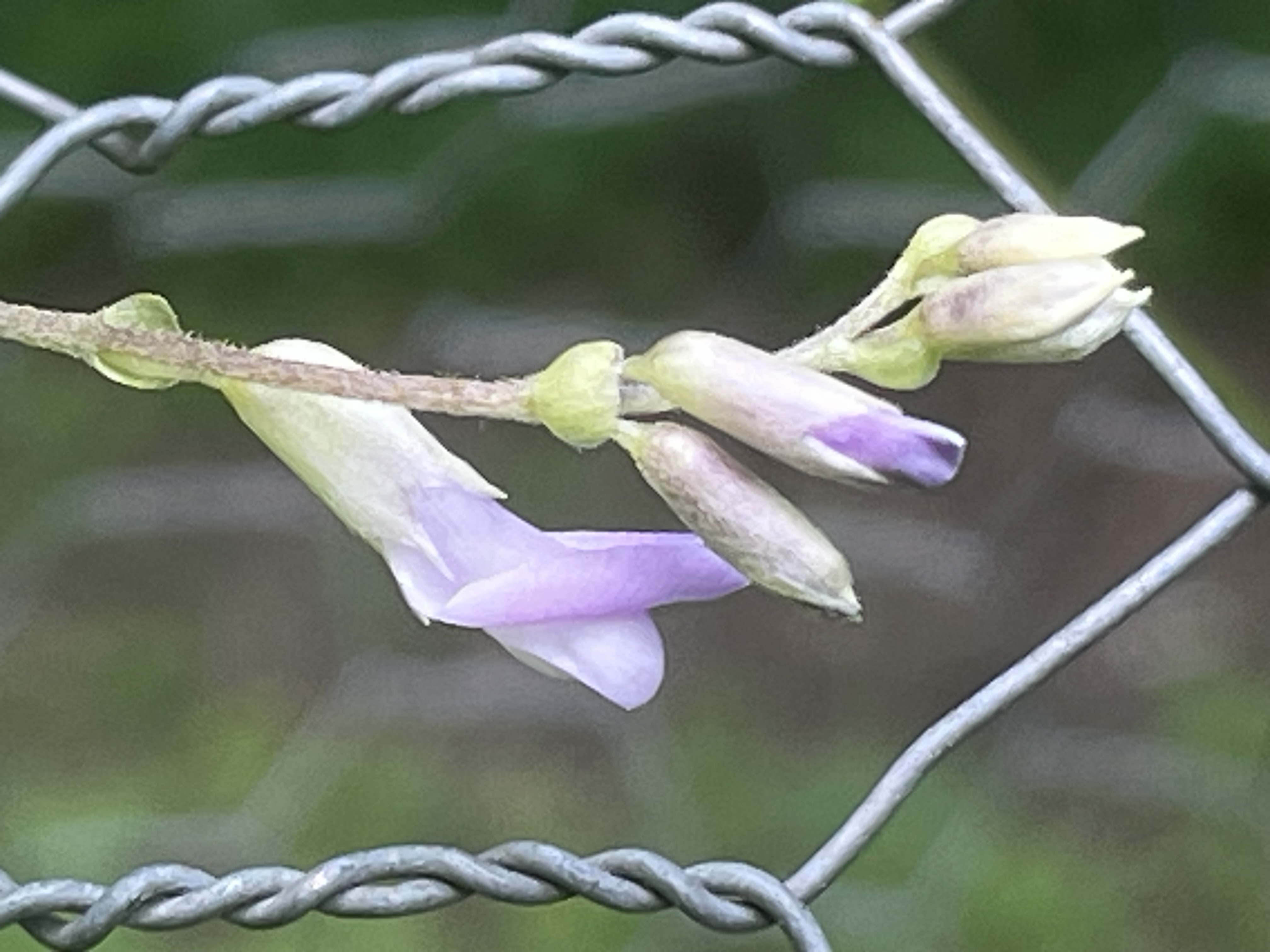
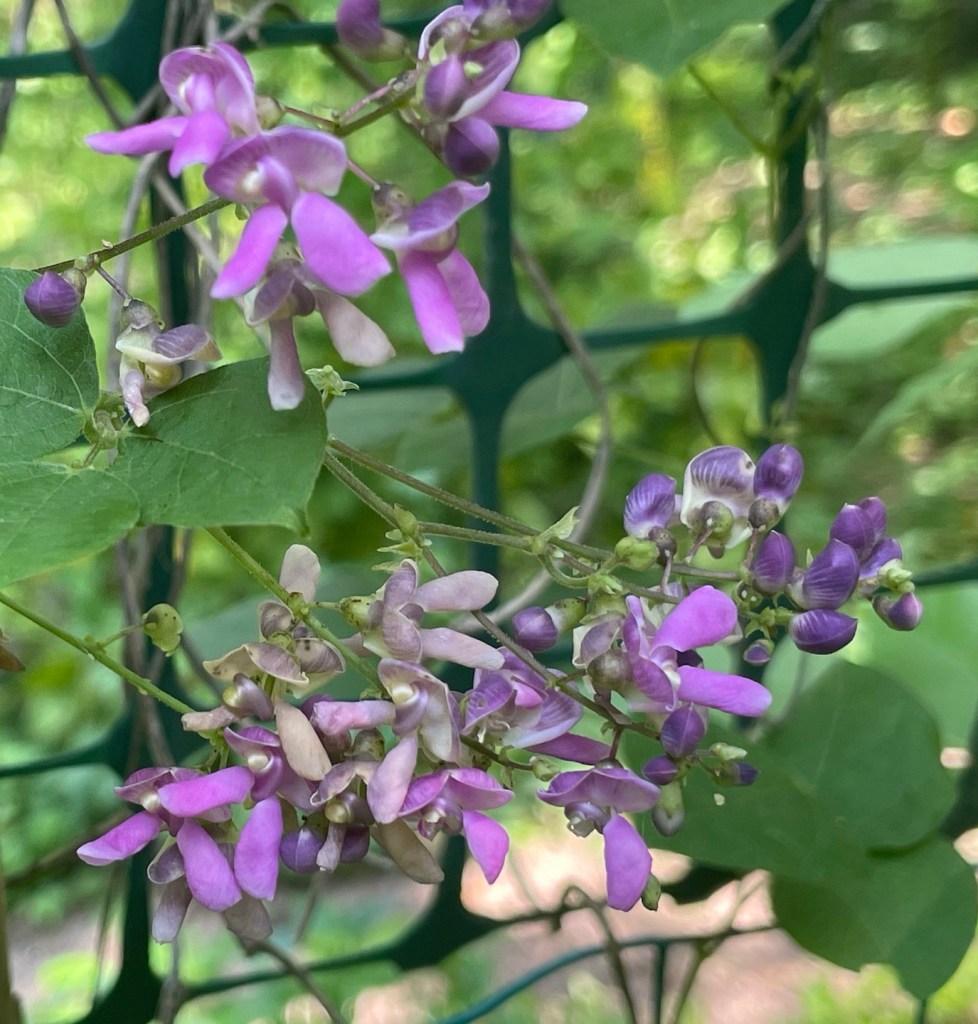
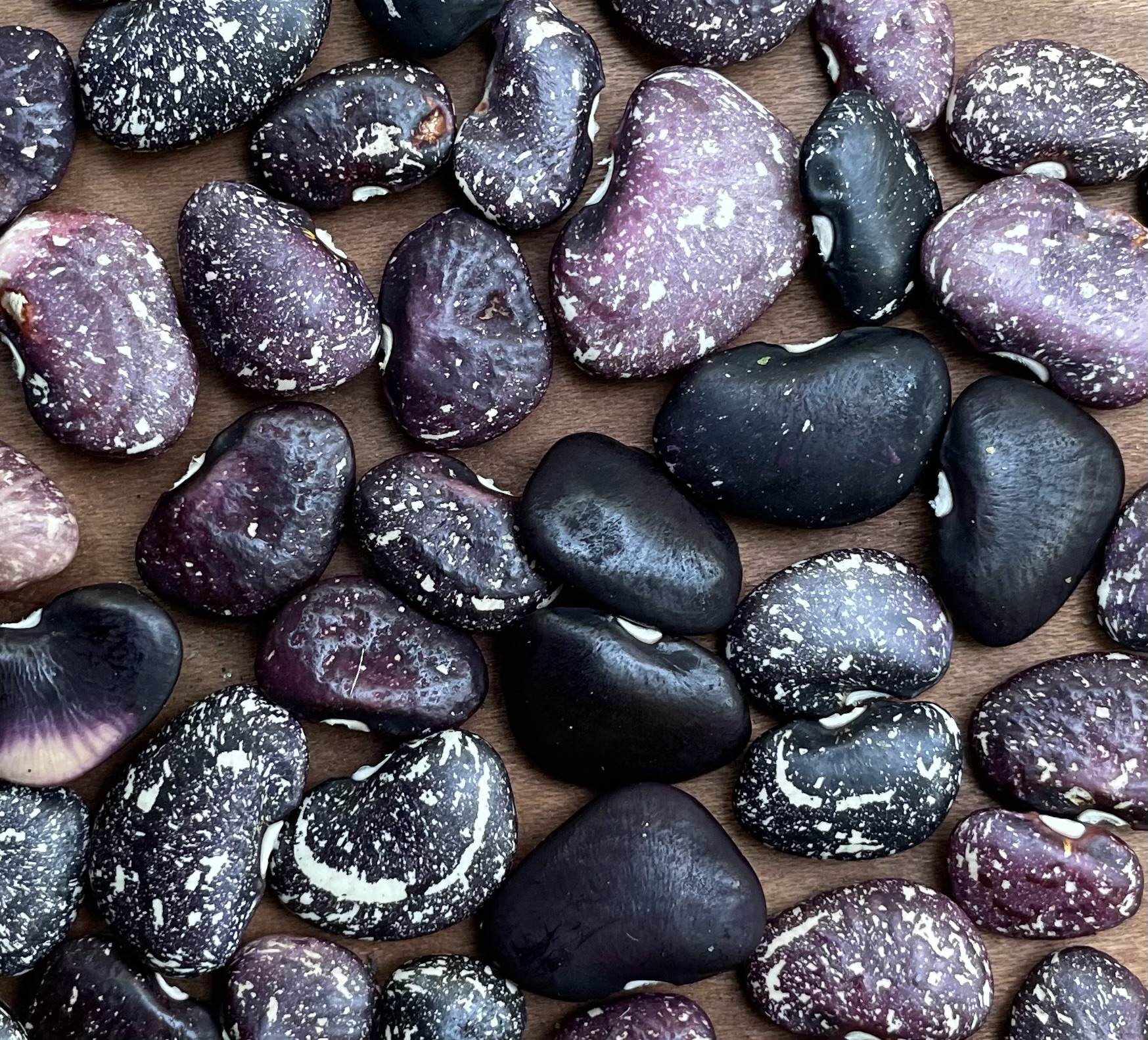
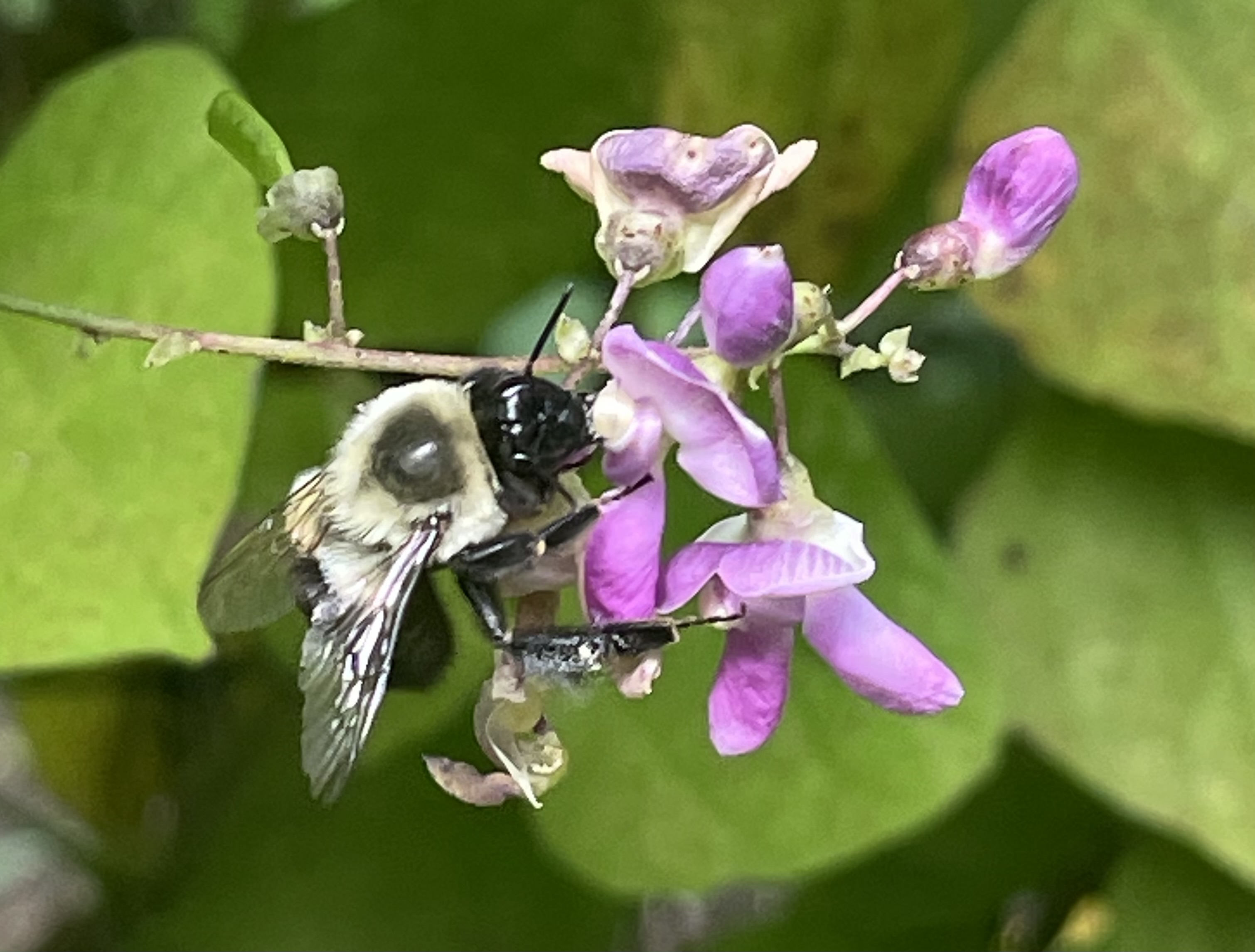
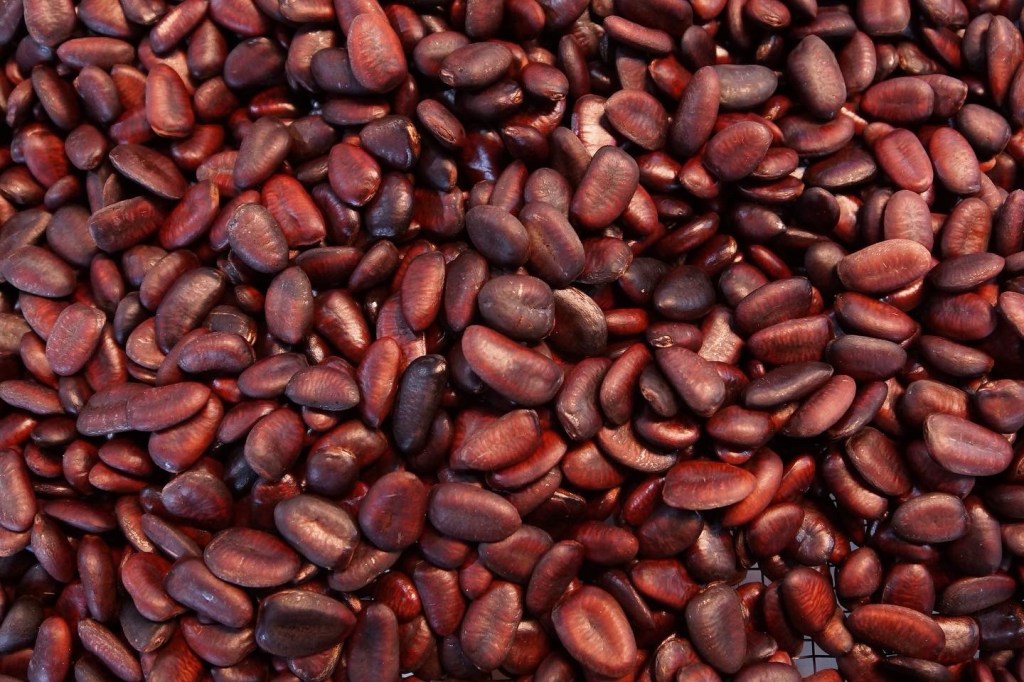
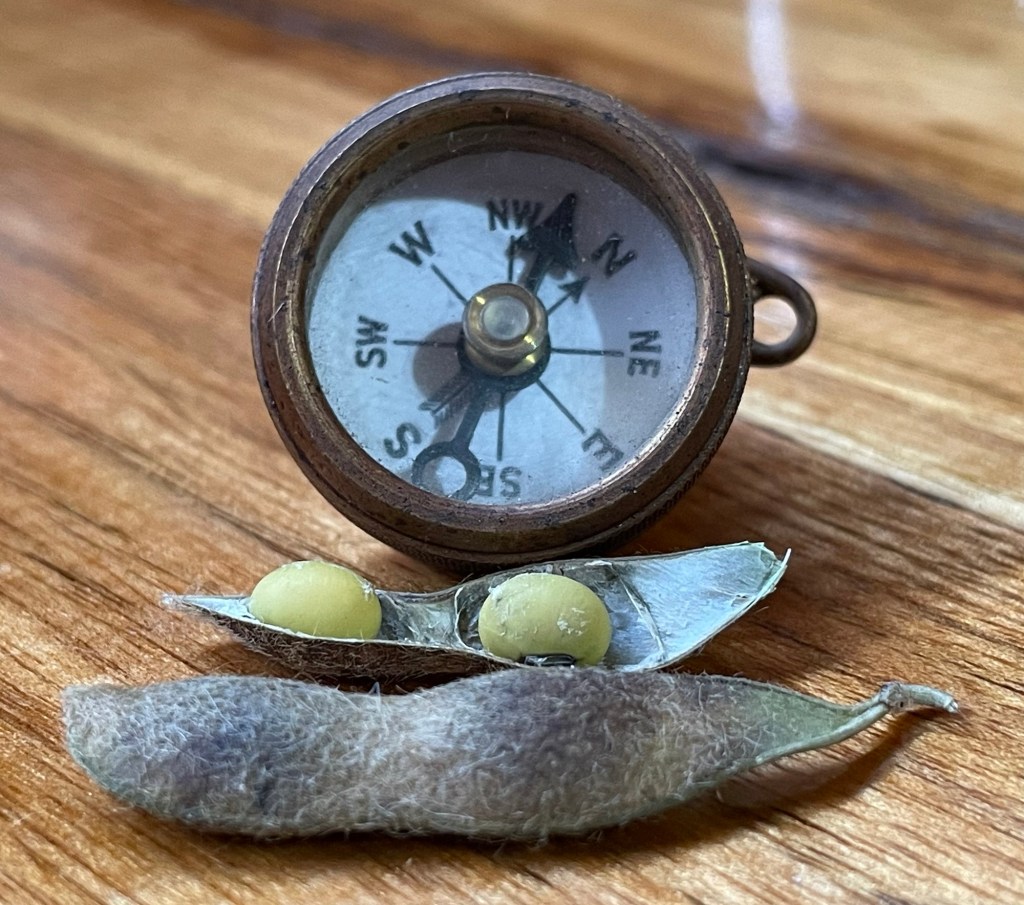
I found these soybeans near the entry way to a cottage I was renting. What am I going to do with those? I planted them. A groundhog came by and ate most of the plant. They flowered and set fruit. I now have the same amount of seeds I started with. What am I going to do with those? I cannot tell what direction I may go. I tried once to buy the wild groundcover soybeans of Australia. I remember seeing the giant five foot soybean plants across the road from our farm when they first started growing them in the 1970’s. I remember trying to eat soybeans in college where even butter and soy bacon bits could not cloak the flavor. I do have four beans. I do have some ground. I will try again to see what the beans will say to me. Afterall they are seeds and Thoreau said to expect miracles. He grew soybeans.

Posted in Diversity Found, Ecology-Biodiversity-Integration, Miracles of Nature | Tagged , , , , , , , , , , , , | Comments Off on Seeds: River Cane, Pawpaw, Apple, Sloe Plum, Soybean

Meanwhile Back at the Grocery Store Germplasm is Found

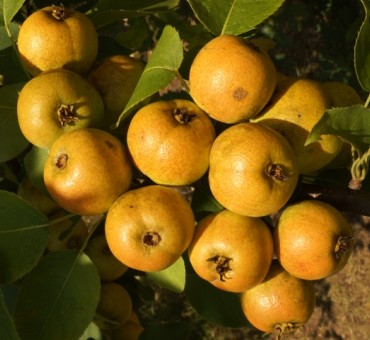
This variety of seedling pears came from seed I extracted from a fruit at my local grocedry store.

For many years I would keep the pits of some of my favorite grocery store fruits and try to grow them at my farm. Every fruit looks so spectacular coming exclusively from California. Everything is also patented and illegal to use without permission including leaf, pollen, buds or seeds. This is to prevent the theft of that variety or any of its characteristics. My experiment it is not being used to generate new cultivars in some mysterious way. I was hoping to create seed strains. I had to try. I could find giant apricots and white peaches that tasted liked sugar crystals. What I didn’t realize at the time was that the breeding of fruits for the specific California climate was not meant for the cold climate in Michigan. Everything died in one winter. This beautiful diversity was useless. The other aspect of it was that each fruit is highly bred like a race horse with specific progeny done over and over again. This produced a seedling not useful for my seed strains.In the end, the grocery store seed although plentiful was not practical. I was surprised something wouldn’t stick. I do not give up easy.

Sprouting seeds of plums and apricots at my farm. This was one way to obtain maximum use of specific seedling varieties for growing out in my pasture.
Fruit from my farm is the source of seeds to produce other trees from seeds. They are not highly bred and easily grown in Michigan and other cold climate areas.

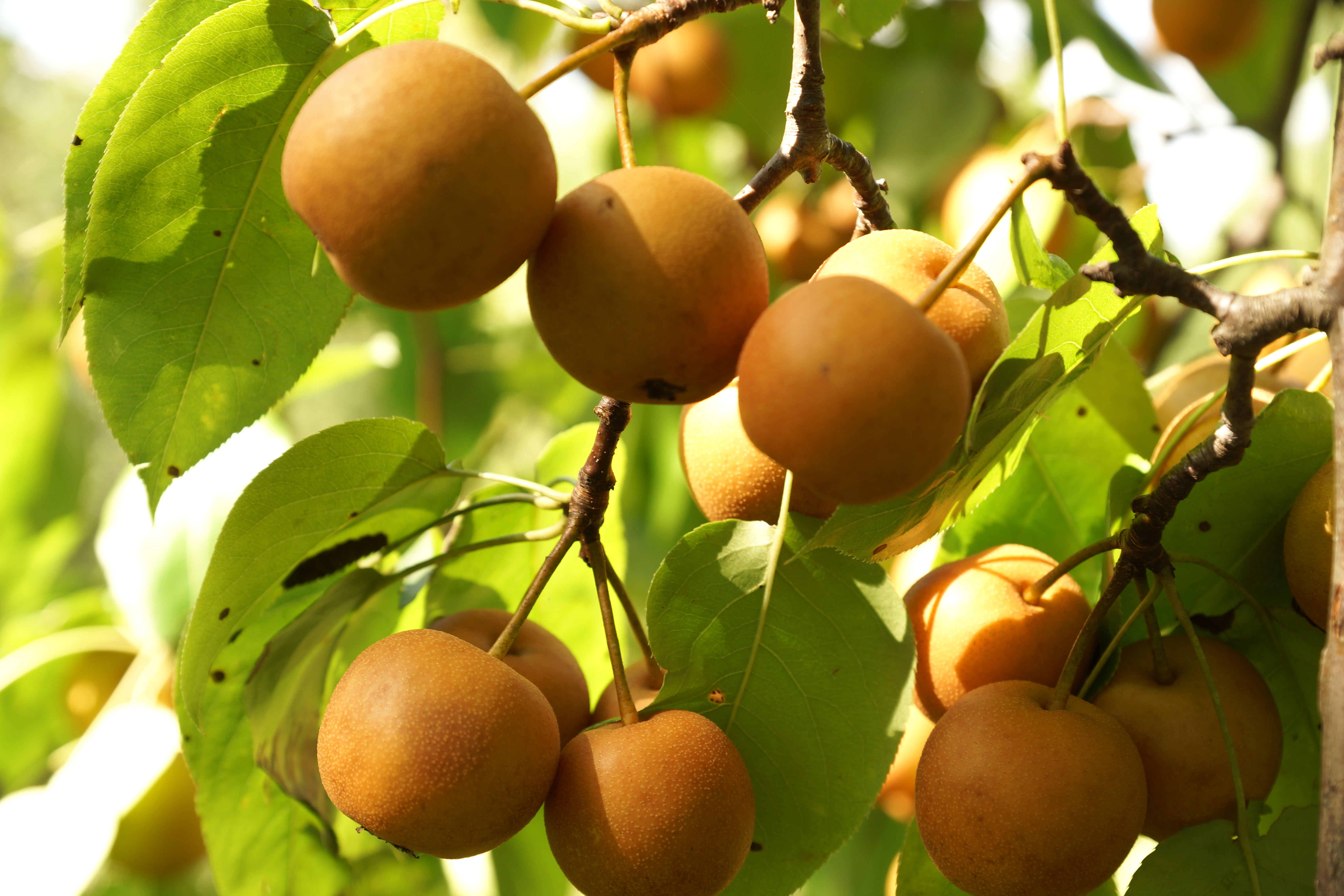
It was the fancy round pears in a mesh stocking that caught my attention. It was truly the opposite of the seedling fruit I grow at my farm for seeds. The Korean Giant pears were expensive and were completely flawless. They were grown in the fruit rich climate of Washington state. It was a type of fruit I had seen before but was unaware of the species it represented or its wild counterpart at the time. I was working with several Korean strains of pears one of which was an insanely astringent pear rich in bitter flavors impossible to eat fresh. It was hard to believe that these are related. But in the world of fruit breeding, you know someone is going to create a selection sooner or later that is delicious and sweet. The seedlings I planted from the grocery pears grew slowly and were constantly hammered by deer in that location. I put five foot tall tree shelters on them and even those got rammed and knocked over several times. Eventually with constant vigilance, I was able to get them up and beyond the browse line. As the trees matured and began fruiting I was finally able to taste test the results as you see above. Each seedling has its own profile of flavors yet you can experience the giant pear flavor in all of them. Even the one that looks like a meteor has a flavor too despite its propensity to have cracks like the Grand Canyon on its surface. A few of the seedlings died due to fireblight and a couple just gave up the ship due to the deer eating the foliage. But those that did make it did represent a chance to clone the fruit in some way and bring in another Asian pear variety into existence should you want to. Since the parent was not patented, it is free to distribute. From what I have been told by real plant breeders, it difficult to bring a new variety to market and make a profit from it. The Asian pear selections are becoming popular and there are many varieties of them now. In the past there was one: Korean Giant. This was the source of my seeds. Worldwide there are natural hybrids of it as well and this helps create new selections.

Natural hybrids of the Korean pear are common which can produce very unique flavors and shapes of fruits. This one was not from a backyard tree in Michigan. It shows the inherent flexibility of plants adapting to new locations by hybridization.

Amidst the piles of grocery store fruit I tried, one stood out and made it through three decades of Michigan winters. It was adapted, useful and delicious. Mesh nets are not needed. Unlike the wild Asian pear below, the Mt. Kyebang crab-pear is destined for syrup and jelly. It is said to be a hang over cure and the compounds within suggest a type of adaptogen not normally found in fruit. Here lies the surprises found in the grocery store fruit usually overlooked by modern breeding. We find dense flavor, medicinal fruit and a new type of climate to grow it in. The grocery store fruit has some surprises and my attempts brought to light the value of using what we find in cultivation today. Next time, I’ll try the farmers market and try to avoid the patented fruit.

Wild form of the Korean pear. Grown from seed from wild collected seed in South Korea from one of the mountains of South Korea. It is impossible to eat this fruit fresh as it is highly astringent. It ripens in early to mid August and drops from the tree. The fruits can be made into a syrup. It has a very high denstiy of stone cells. No insects or disease affect the trees. I am currently selecting the grown seedlings from this tree as a new form of timber and fruit tree. The tree itself is incredibly tough and is usually biennial bearing bearing huge volumes of fruit. All of this highlights the value of wild fruit growing untended and unbred in the wild.

Enjoy,

Kenneth Asmus

Posted in Diversity Found, Ecology-Biodiversity-Integration | Tagged , , , , , , , , , , , , | Comments Off on Meanwhile Back at the Grocery Store Germplasm is Found

Waves on an Ocean: From Monoculture to Diversiculture

Going to the Ocean of Corn Where Waves of Diversity Continually Emerge

Like an ocean filled with innumerable waves, there is no end to plant diversity. When it comes to a common cultivated food plant like corn, the species becomes very uniform over time. From a population level, the ocean is calm with only a few ripples. The original two or three species that create the corn as we know are hidden from view.  If you have ever seen volunteer corn in a soybean field or along the road somewhere, you know immediately corn that has departed from cultivation will not survive long.  Often there is no cob or kernels. It needs our robust support system because it has essentially ‘evolved’ this way with our management systems. Even to hint at trying to breed or select something for the sake of growing corn seems hopeless to me. It is probably already in existence. Nothing is new under the corn sun. Yet there are many people who love to breed and experiment with corn especially for human consumption.  It was when I started growing woody plants that made me realize the value of corn because the diversity found in the natural world is not the same type of diversity found in the corn world. A corn field is not looked at the same way a forest is. It could be. But then it would not be corn. Corn today has to be very uniform. What if it could be the opposite?

From my experience, I do not have the required background or resources for such an endeavor in terms of real corn breeding. To a corn scientist, they would see my credentials as a C minus high school student barely squeaking through college as a part time church janitor while working in a greenhouse that grew roses. In college, I flunked genetics and had to retake the class. Check the box, NOT likely to improve corn. But I think I could find the forests of corn. I am sure it lives somewhere outside of my farm. I am not trying to make corn better in some way.  I think it is fine as it is. Besides corn can do that on its own with the help of all the great plant breeders and scientists. I am sure they aced numerous genetics classes in their careers. If I had to guess, I think corn likes having friends. Let me explain.

Corn has very strict regulations revolving around seed production. You cannot just casually grow seed corn. I had a plant inspector for my nursery do what he called the ‘popcorn walk’ which was hiking back and forth in long rows of fully mature popcorn to inspect for seed. He described it as hot and brutal. The soil where he did his walk was a nearby township which had a rich black prairie earth which radiated the summers heat. Each stalk had to be eyeballed on some level to be certified both for disease and potentially ‘tainted’ corn that was crossed with something else. I never fully understood it until some of my employees told me how detasseling works and the means for busing highschoolers to the fields in the super early morning hours to take off tassels. This system removes the corn’s own pollen to set the stage for hybrid vigor. In the system of hybrid seed production, corn has one friend only. It resides in a row in the middle of several rows of the actual seed corn. The plant in the middle can look rather weak sometimes. Seed corn cannot go outside of its field to capture some sort of wild corn germplasm. It is part of what makes 600 bushels per acre possible. You can have open pollinated corn but even that begins to break down over time unless new individuals are added to the population. It is kind of frustrating on a certain level for plant breeders and the corn plant because that leads to a genetic depression. Corn is depressed because it needs new friends with new stories and ideas!  New ideas come in the form of novel or robust expressions. Yet at the same time it cannot be allowed to be the wild apples of corn. Wild apples are crazy and off the charts of imagination only dreamed of by corn.

Yet this was exactly the dream I was trying to create for corn by following the effortless direction from a blue heirloom sweet corn and a northern highland teosinte plant. If you go back to the source of corn prior to domestication, there are a lot of stories to be told that never had the chance. The middle ground was left behind never to be seen again. Humans popped teosinte. Humans chewed on the husks of teosinte to extract the sweet juice, but it was not cultivated. For that we needed corn and corn became our good friend in the process able to change into several forms all of which we enjoy today.

Diversiculture: Defined as a crop plant grown to produce food that represents a population of plants each genetically different with a wide range of expressions and traits. This continues as the population grows over time. It can be a single species or a hybrid swarm or crosses of various forms or selections done intentionally to create a mixed population difficult to define by their characteristics alone, the opposite of a cultivar or variety. Diversiculture represents both wild crop plants that are cultivated and highly cultivated varieties that have been deselected to the point they are unrecognizable from their former varietal status. The diversification can be pronounced or small depending on the plants ability to express itself over time as long as it has the ability to change with the environment.

From seed Teosinte to Neosinte to Corn to Pod Corn to Grass: The Full Range of Corn is Explored

Increases Diversity over Time

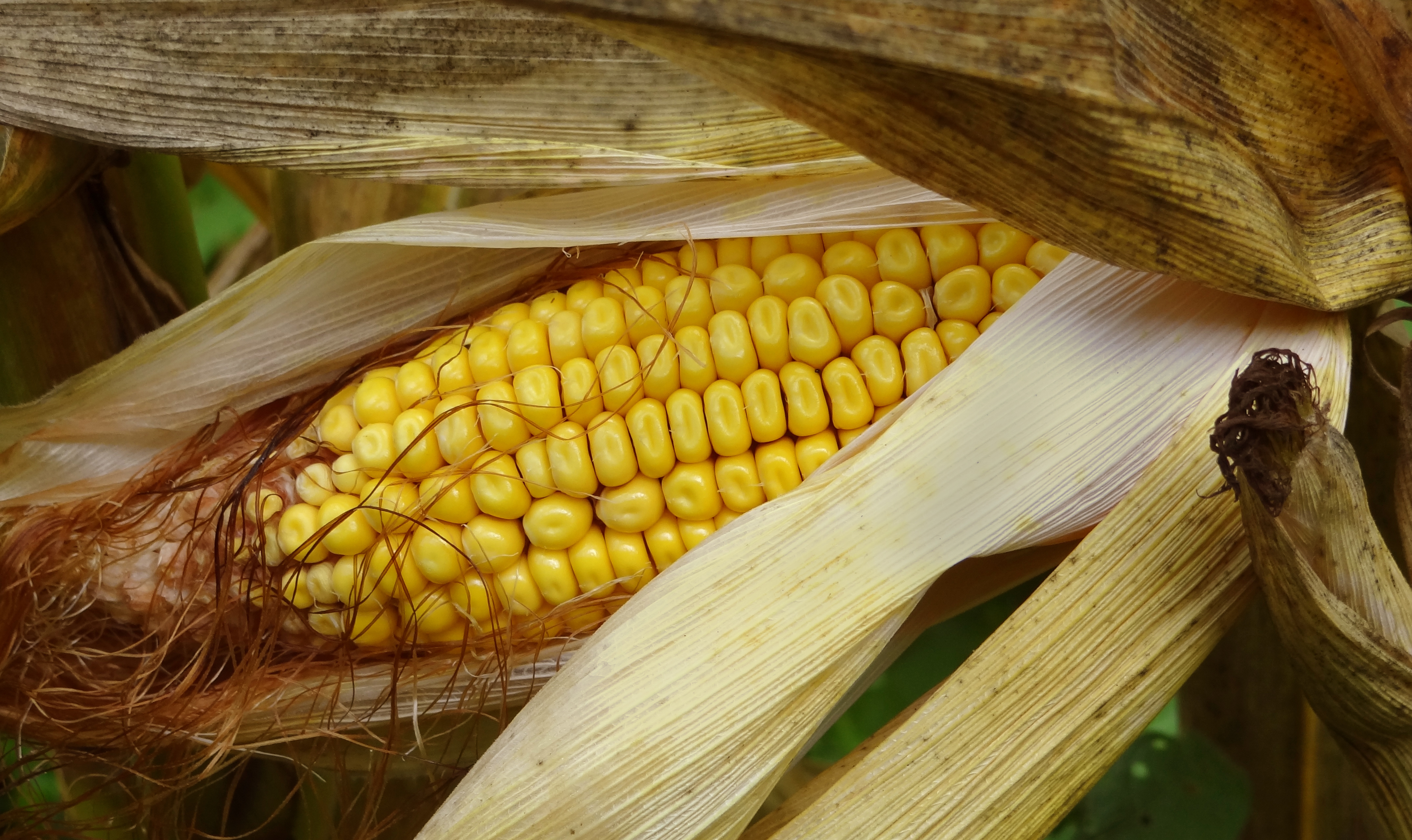
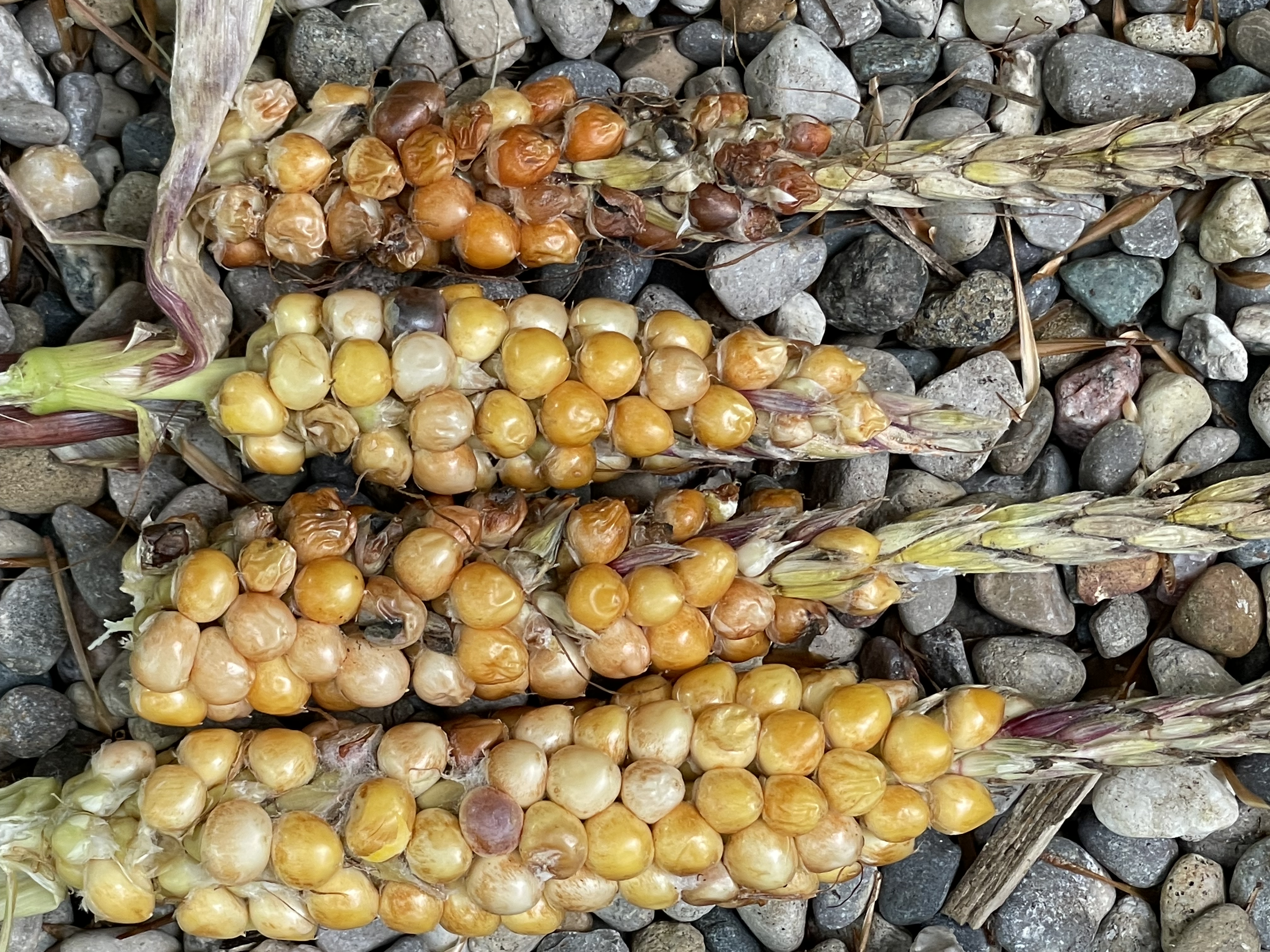
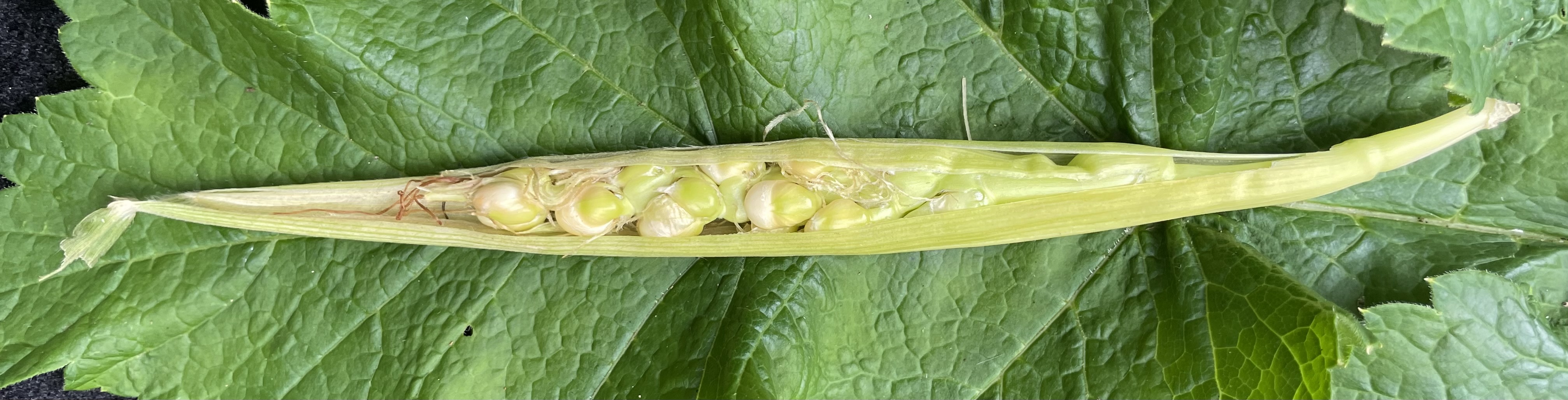
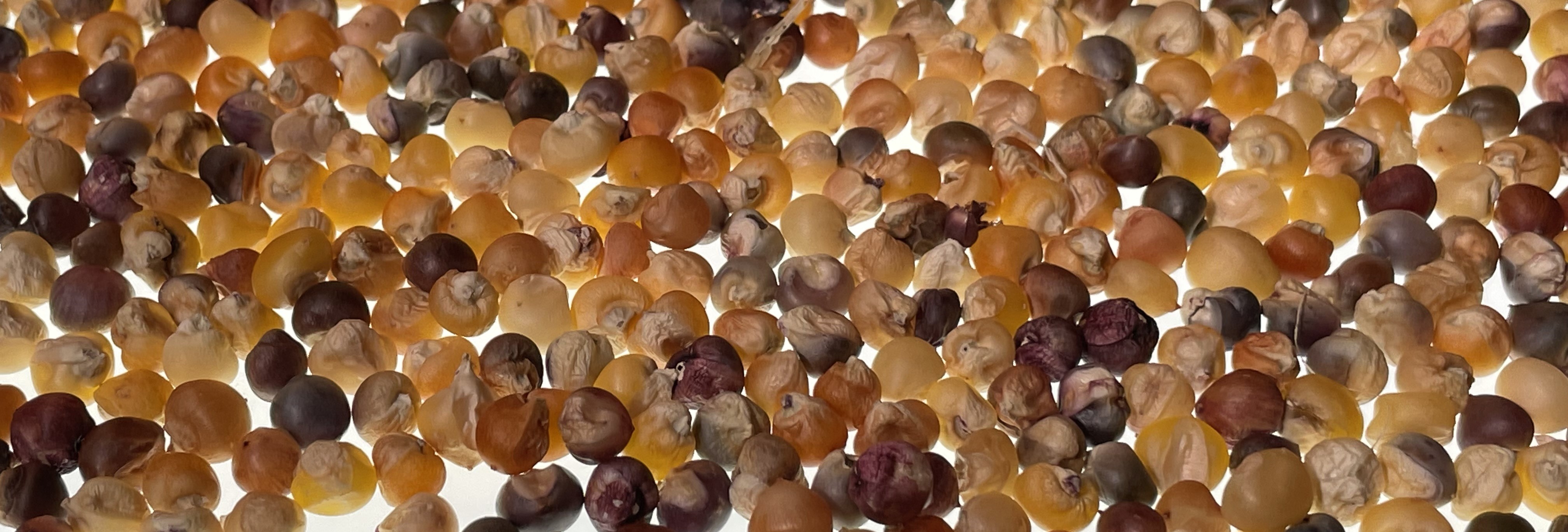
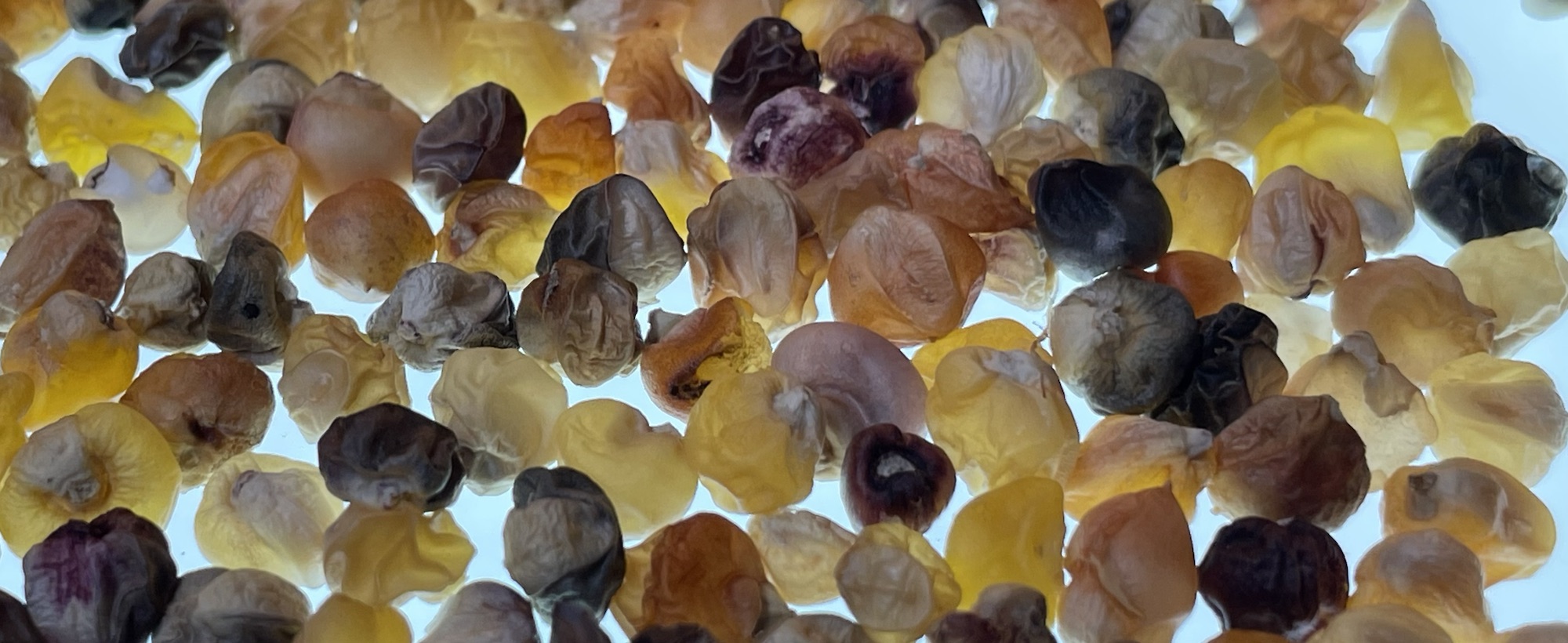
Each cob can contain three types of corn. There appears to be no direction or uniformity within the population. Some plants maintain some of the original teosinte husks and kernals embedded with the cob.

Eliminates the Need for Resources Outside the Field

The plants’ production of seeds is small taking up less resources compared to its foliage. The seeds can be used over and over again. Depression is not possible as only new stories (characteristics) emerge.

Makes Corn Dense in Minerals and Nutrients

Small kernels are rich in anthocyanins and nutrients which are produced as a grass plant capable of producing a grain. The cob becomes a sheath opening up the kernels to sunlight for the first time in 9000 years.

Soil Improves Over Time

Seed production is a minor component of the plant. The foliage is the powerhouse of the plant replenishing the soil as it degrades quickly into the soil. The stalks are thin as they do not require to hold up a heavy seed load.

Additional Crops from the Same Plant-The Population Creates New Resources

If harvested as silage or for cellulose production, additional selective processes could create multiple secondary populations where vigor and higher stand density could compete with other grass species while remaining genetically diverse. This hybrid population would be grown for a specific use outside of grain production. Seeds could be generated at the same time for planting the next generation.

Creates a New Crop from New Seed Capable of Creating an Entirely New Food Plant

The sweet corn and teosinte cross was successful in creating another ‘corn’ that contains all corn we grow today. It pops. We can create flour from it. It has the crinkly seed sweet corn within it.  Yet calling it corn drops it into a category of interesting but quasi-useless corn breeding experiments. It would be only used for breeding purposes or as a wildlife corn. Everyone would see the extremely low yields per plant and bail.  This is the middle ground. Welcome to the forest of corn.

I am told the forest of corn grows in Michigan where the stories get more elaborate as time goes on.

I can tell you one if you want.

But I would suggest we have some rich black organic coffee first because we are going long my friend.

That story may never end.

Enjoy. Kenneth Asmus

NEOSINTE TEOSINTE SEEDS AVAILABLE

Posted in Diversity Found, Ecology-Biodiversity-Integration, Miracles of Nature | Tagged , , , , , , , , , , , | Comments Off on Waves on an Ocean: From Monoculture to Diversiculture

One Potato: Teeny Tubers on a Quantum String

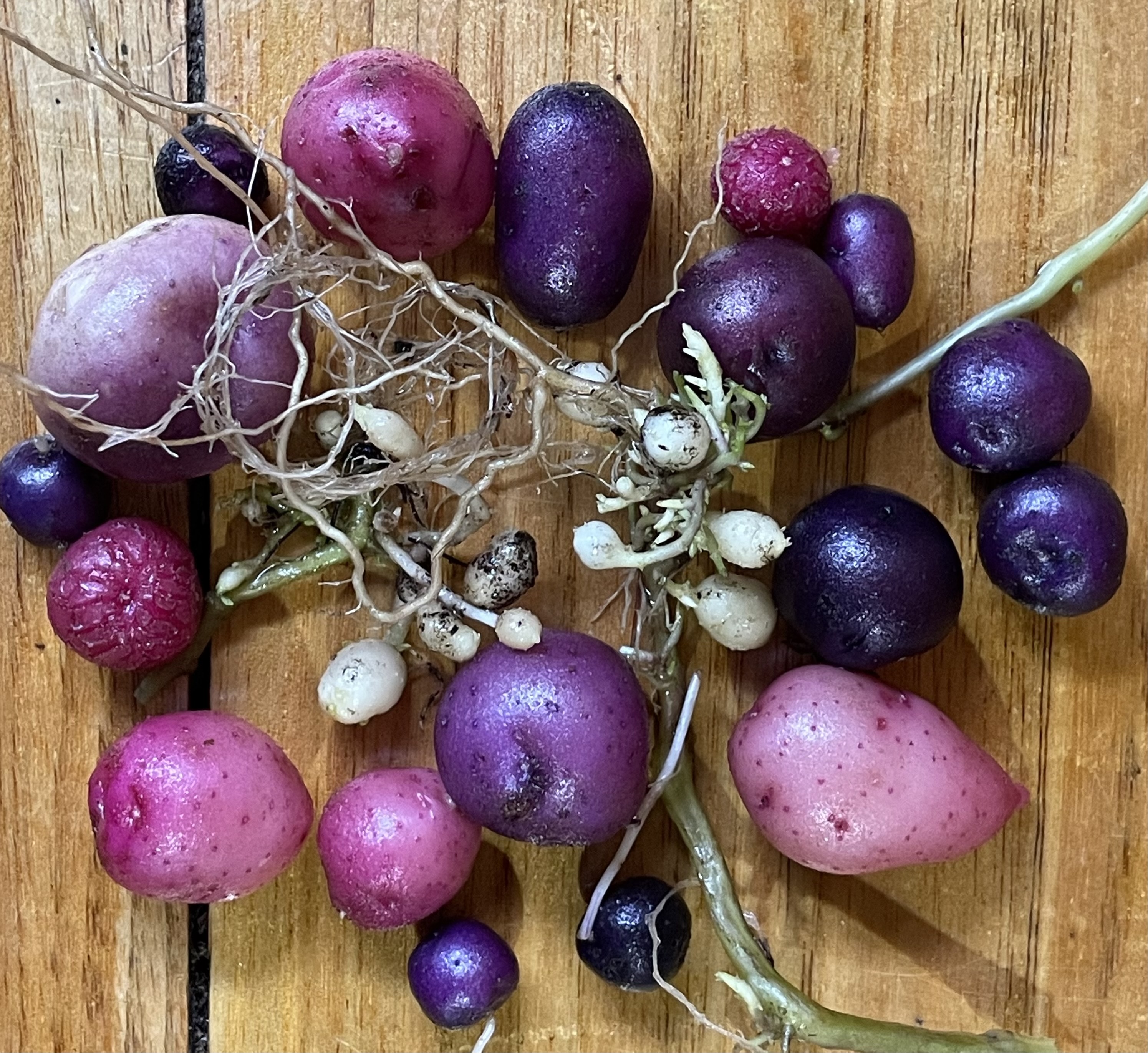
Its a funny thing to talk about potato roots. It is for my audience of one. I can clear a room discussing potato roots. Need help getting rid of guests that stay too long? Let me talk to them about my potato roots. Soon your house will be empty. Yet there is something very inspiring about roots because they are the unseen and unsung heroes of the plant world especially with the potato.

It was a set of unusual circumstances that created this dialog of roots in my mind. I was digging many diverse varieties of Jerusalem artichokes for my nursery. The roots on some selections were long with pure white rhizomes stretching out several feet from the parent plant forming a tuber on the end. It was like the mint roots of sunchokes. You could not stop them other than put them in grow bags where they would spin around in a soil mix that made them feel like they were in hyperspace. Why is it that potatoes are not like this? I thought it was a good structure in terms of its ability to reproduce itself as a perennial plant. You had both the storage as a tuber plus movement through the soil to new locations. You would still harvest the potato, but you would leave behind a small string of mini tubers for the following years crop. If you decided to harvest the small string you would have next year’s crop. You would then put it in your refrigerator crisper for winter. Being quantum has its advantages as you could easily store several hundred teeny tubers in a zip lock sandwich bag. I liked this idea as a form of wild potato where the roots play a dominant adaptive role in the soil. I needed a means to do this reliably so my search for potato root structures began.

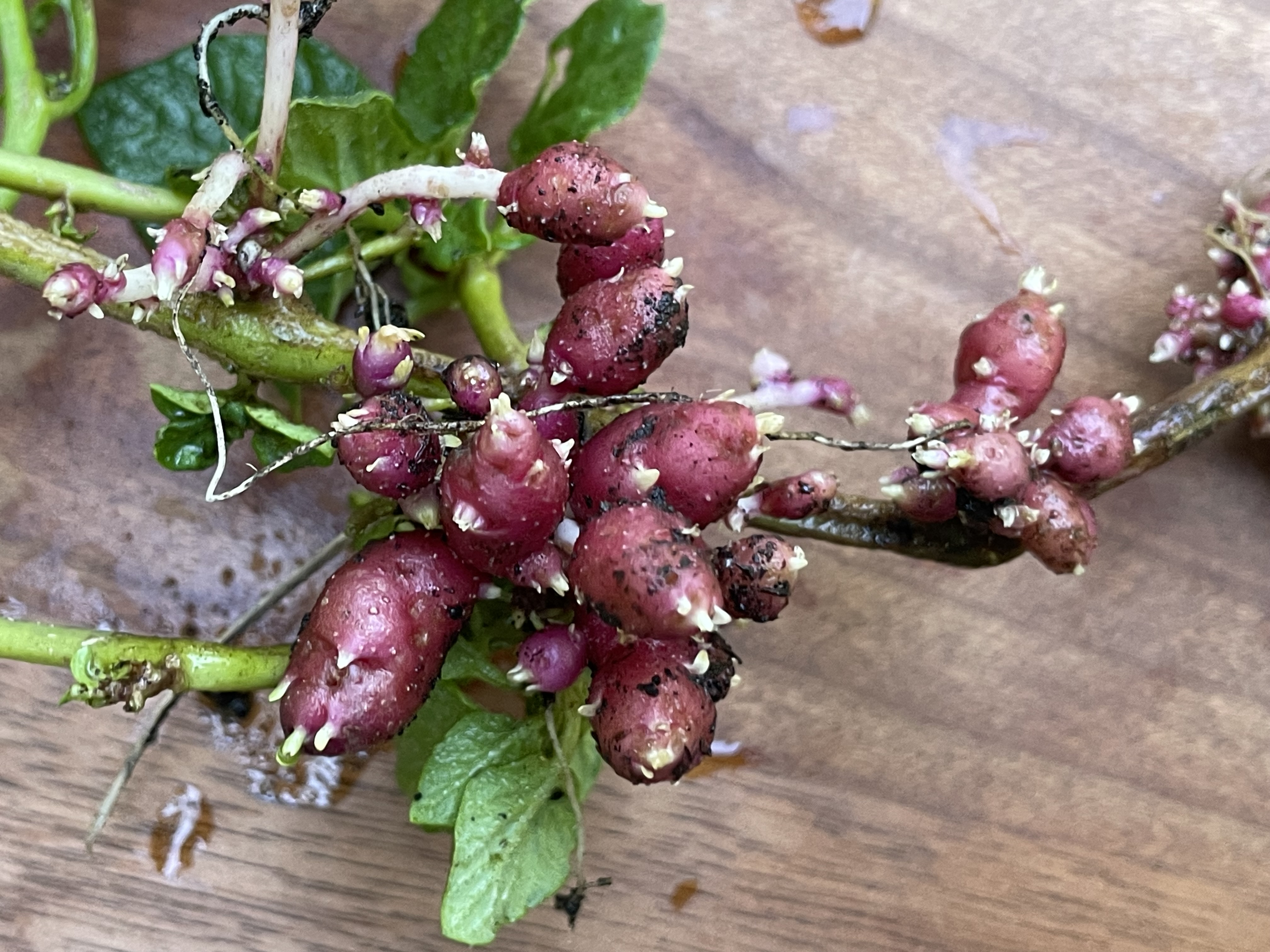
To do this you need true seed. True seed is extracted from the berries of potatoes. Here lies the source of all potatoes. Having access to my own true seed allowed me to see this wonderful variation as a seedling population. Just like plums and apples, without the variation you have nothing. Potatoes also inherently have a type of superpower where previous generational traits can show up unexpectedly despite being hidden for generations. I began to notice some seedlings that contained both rhizome type roots that spread out far and wide as well as clumpy roots. Clumpy roots were a mesh or lattice of roots that had very tiny tubers. They were often under 1/16 of an inch in size after a full year of growing them from true seed. My guess is a normal potato breeder would have thrown those out because you cannot make anything with those. One million potatoes later you might have enough for a bowl of mash potatoes. Personally, I thought I hit the lottery of potatoes because finally I had my sunchoke type root system. Never mind the actual potato you eat. I had the roots! Jackpot! This clumpiness characteristic was not a common occurrence clocking in at maybe one seedling per 500 in my populations. I began to collect them and grow them out to see what the effect would be as well as take a look at flavor and yields. I was trying to emulate the wild potato that hangs on the rocky mountain slopes of its homeland in Peru.
The sunchoke like potatoes were highly diverse as well. Luckily most were incredibly productive small white potatoes which were uniform in color and size. The actual roots that I was hoping to save in my crisper this winter faded and dropped off. Luckily a few had continued their quantum versions of themselves on a string in the second year just like my Jerusalem artichokes of yesteryear. The combination of selections or specific varieties derived from them would be very good in small spaces where the root real estate is limited. This type of competitive advantage with other plants nearby would be an advantage in prairie, field or the slow conversion to tree crops where they could easily be used as a foraged food. The tubers grow close to the ground and do not require digging with a shovel. They create a sod lattice of tubers densely packed next to each other all of which are easily picked by hand. Their life creates a food opportunity where none existed before. In a pot, on a wall, in a flat, near a sidewalk or in a field the quantum tubers can find a way, replenish themselves and grow ever closer to their wild cousins rich in nutrients far beyond their cultivated and esteemed varieties. And to think it all started from one potato.

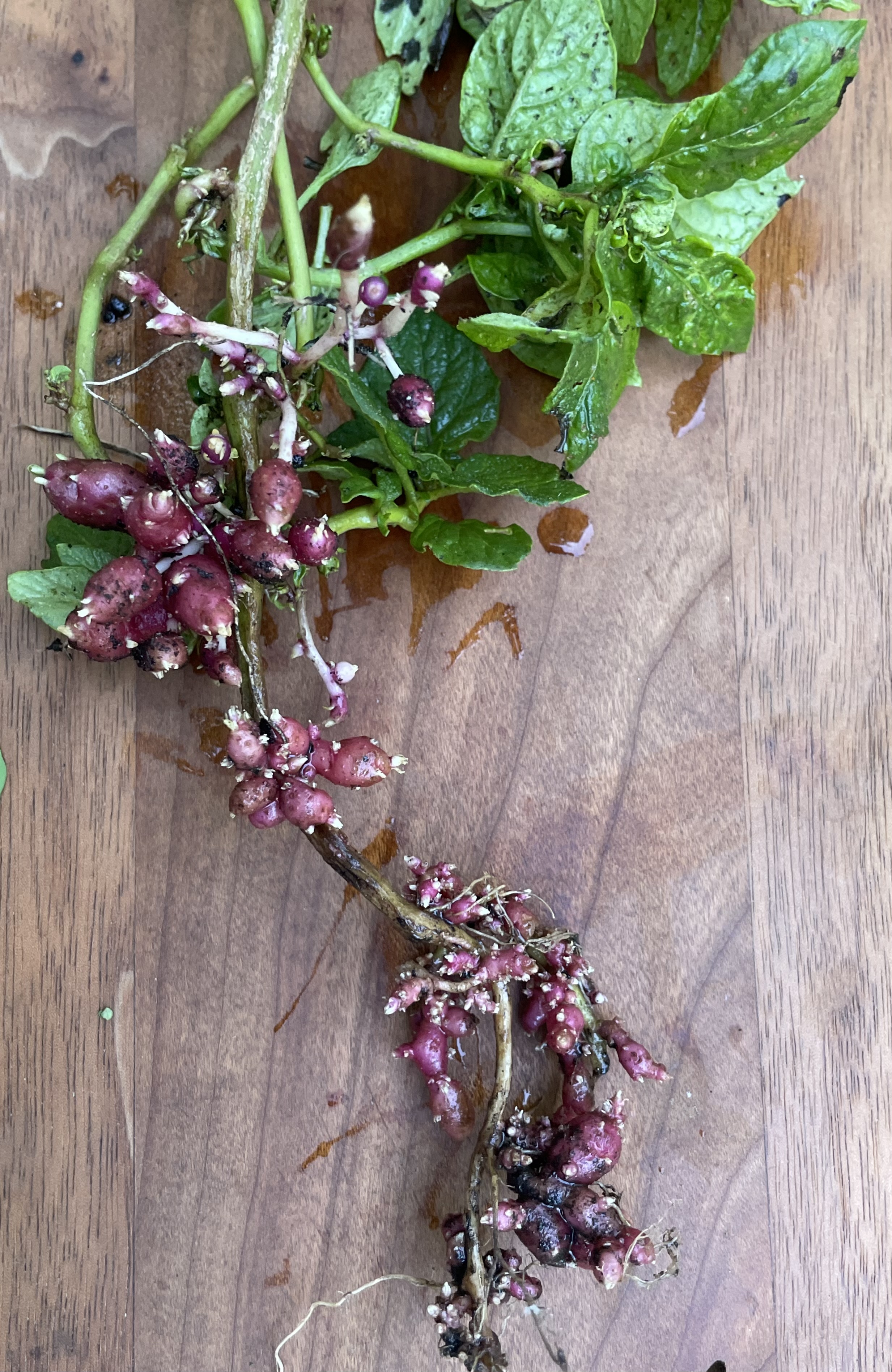
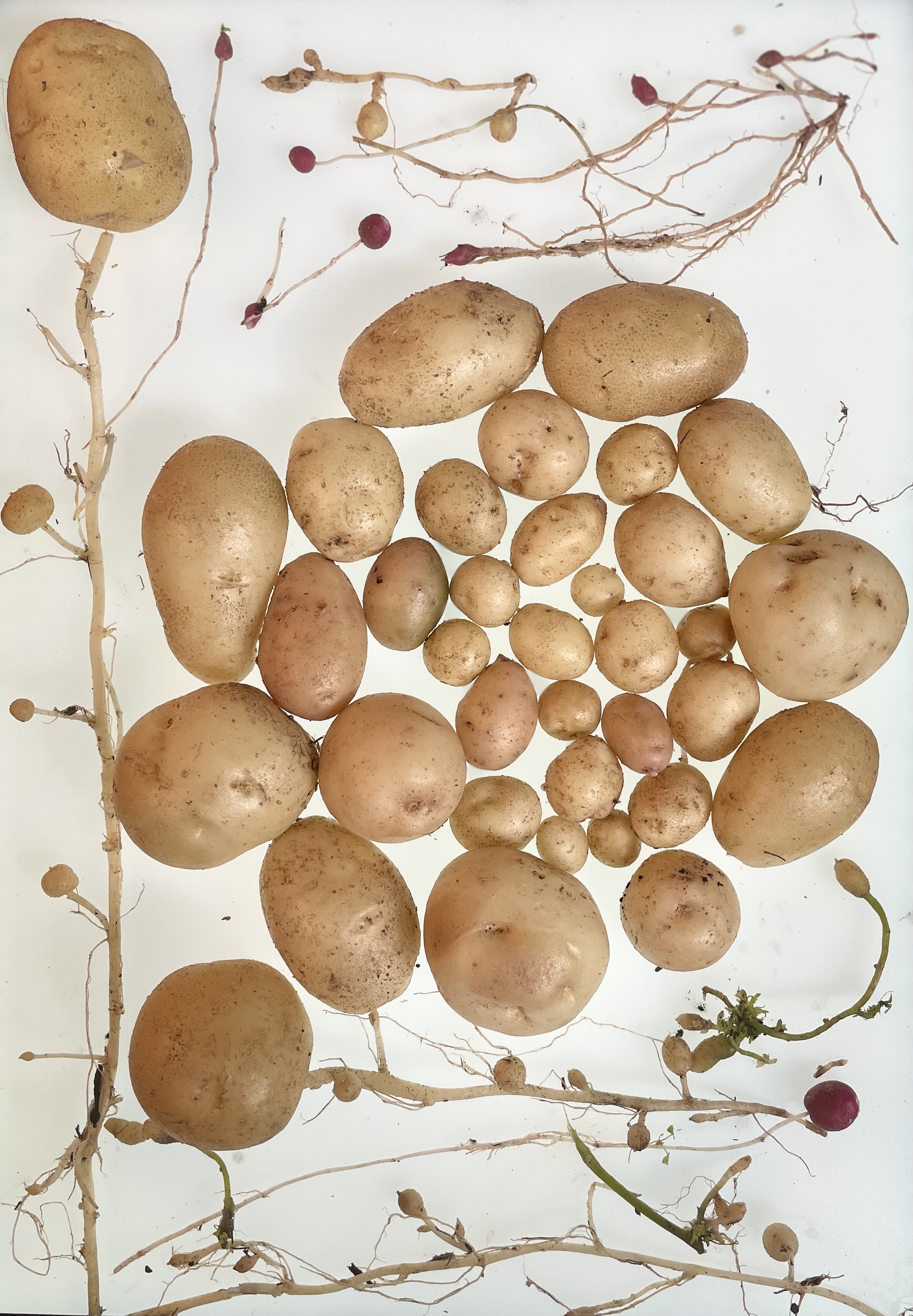
The above seedling selection was done using similar clustering potatoes on long strings showing a ‘compacta’ trait in the roots. Like the above ground branching of yew bushes, potato roots can follow a similar pattern with a ‘my split ends are getting split ends’ sort of particle physics.

Compact root systems can have clumpiness because of the density of the tubers along with an outwardly spreading mesh of roots. Nature has its little surprises.
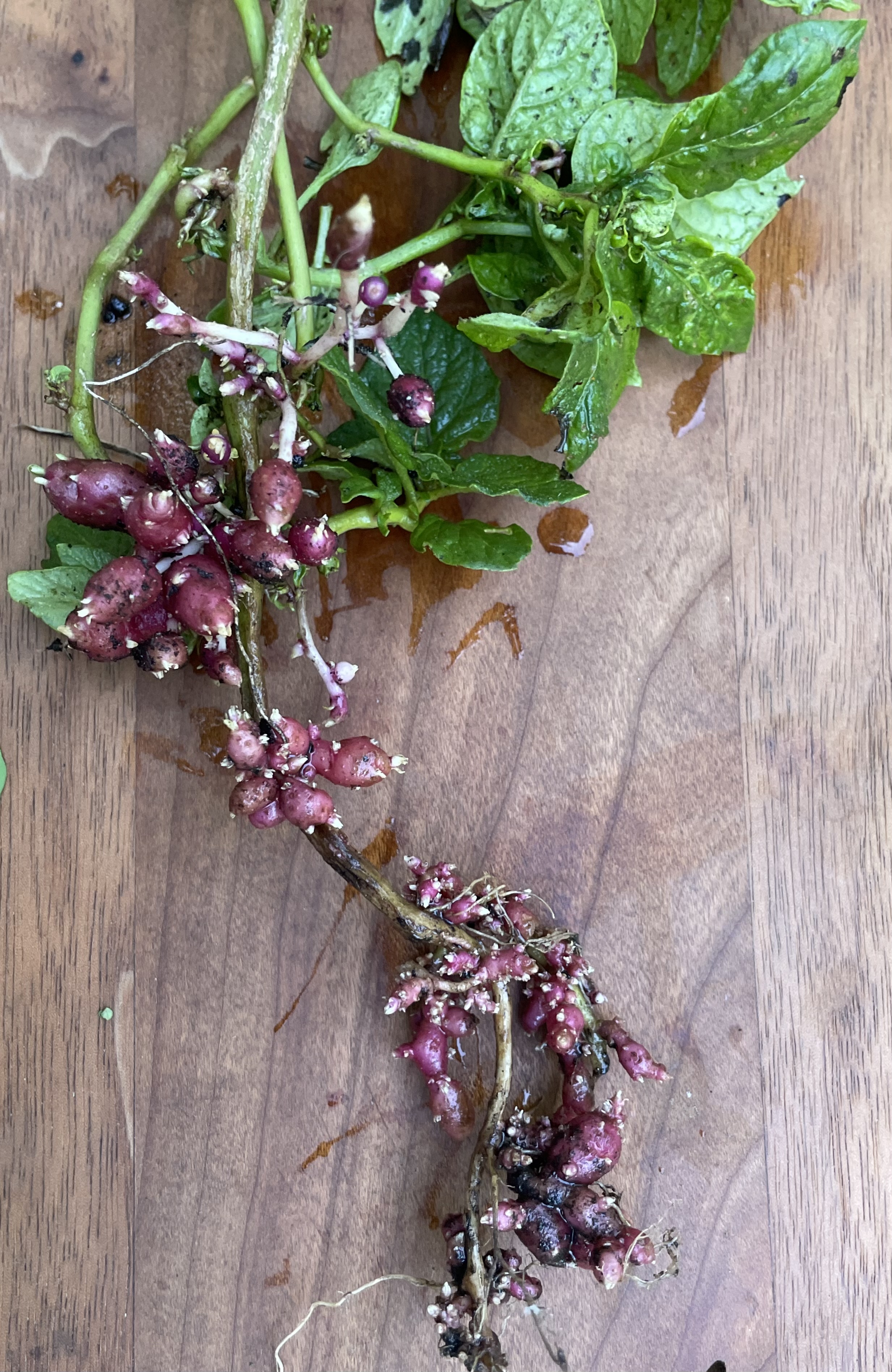
Clustering potatoes found in 2024. This particular string had roughly 200 potatoes on it with a cluster forming on each axil. The plant was small and compact with minimal yield. This was the most promising selection I have found. The next step is to plant the teeny tubers the next year. Others were selected based on yields of small potatoes heavy showing a fiber laden root system.

With plants you might find a solution that appears to be the opposite of everything else. It emerges from the pool of all genetic possibilities which is equivalent to the biological quantum mechanical realm in nature. The potatoes are found on a long string which are generational possibilities that are retained within its ancient genetic structure. Then under the right conditions it can express itself. The potato is changing to meet the demands of this new world environment. These changes help us enjoy the nutrition and flavor of this wild potato which addresses some of the current means of cultivation and its continuation as a wild species on all continents and climates. Humans can connect with this same realm and realize it in terms of practical applications.
The potatoes featured in this article will be available for purchase starting in the fall and winter of 2025-26 seasons. It will be a collection of at least two selections know for its heavy production of small tubers. It can be purchased directly on the Oikos Tree Crops website under

Quantum Potato Tubers.

Enjoy. Ken Asmus

Posted in Diversity Found, Ecology-Biodiversity-Integration, Miracles of Nature | Tagged , , , , , , , | Comments Off on One Potato: Teeny Tubers on a Quantum String

Diversity Explored: The Wild Blueberry

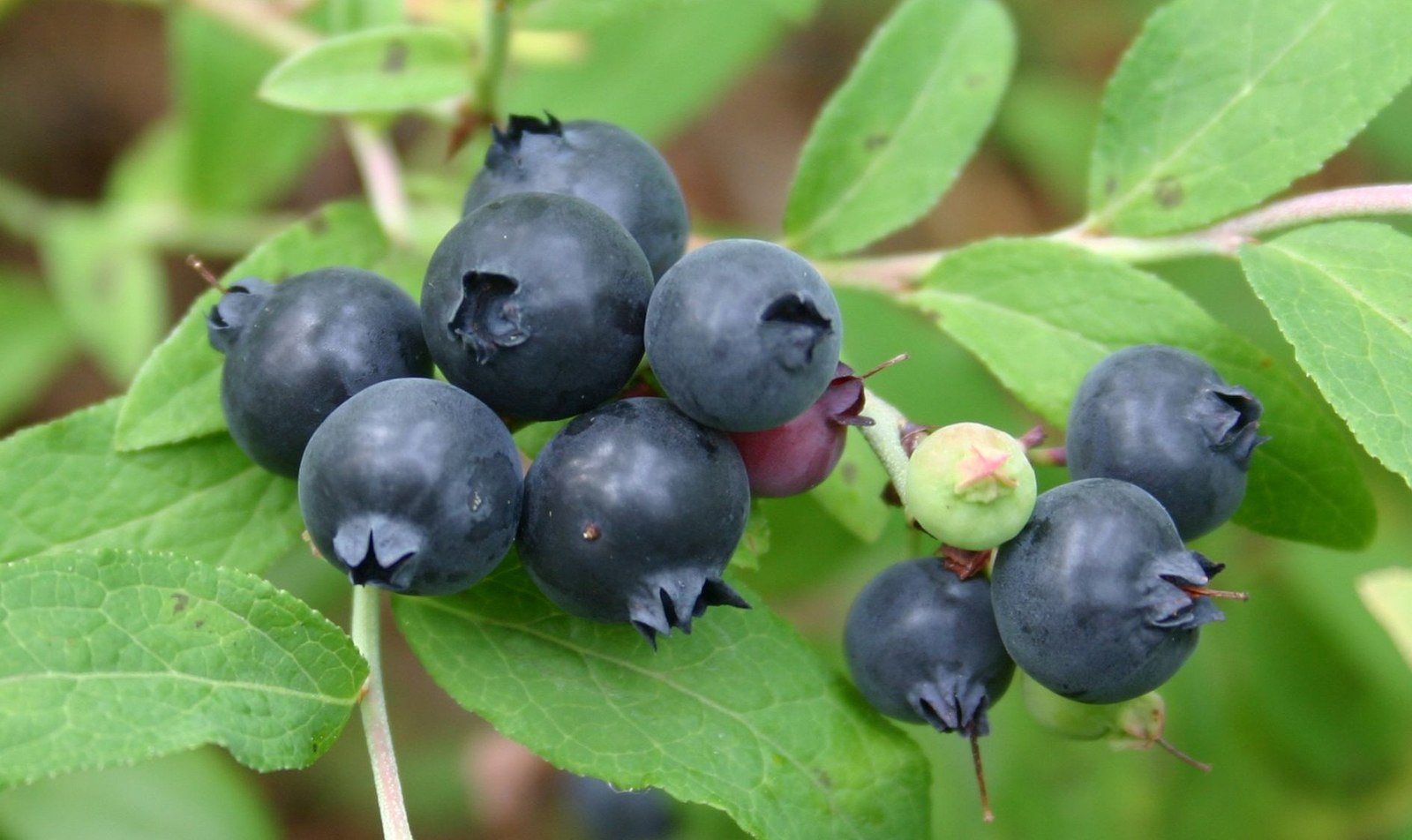
The original ‘Madelline’ blueberry. A wild selection from my family’s Christmas tree farm.

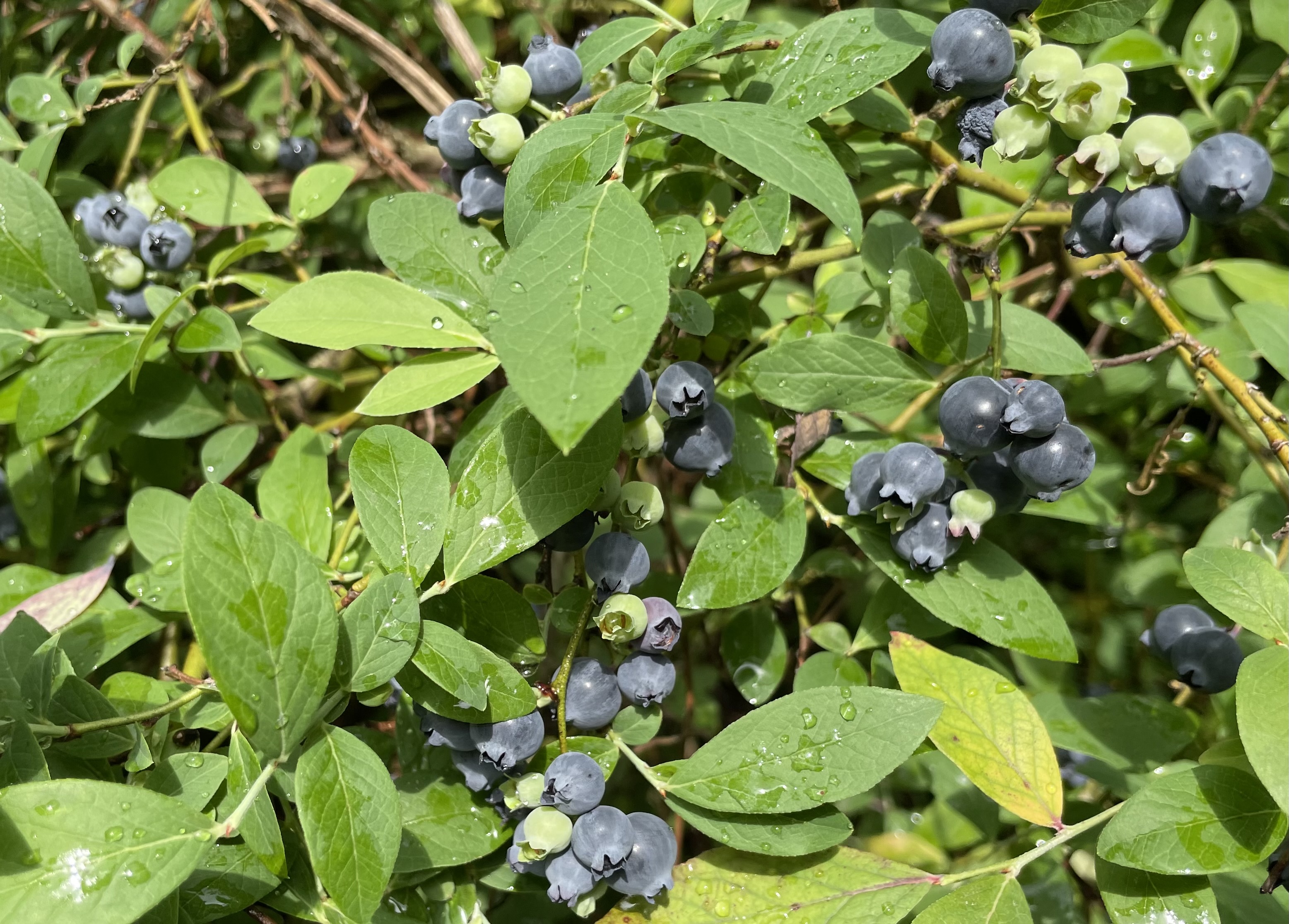
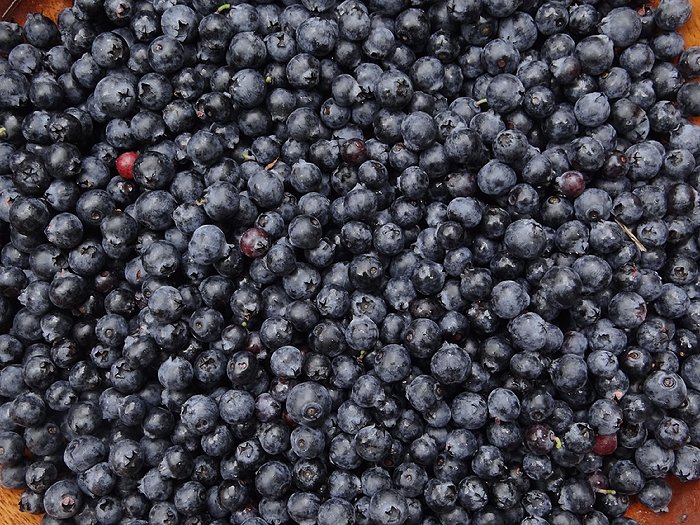
When my father and his friend from the post office purchased 140 acres of wetland in central Michigan in the mid-1960’s they knew that it was a swamp and generally unusable.The price was roughly $100 per acre at the time. There was no standing timber and for the most part, only a quarter of it was high enough to walk on. There was only one trail surrounding the farm said to have been created by a machine meant to prevent wildfires. A large portion of that trail was underwater most of the year. You did not know what was in the middle. I remember you couldn’t walk through many of these dense swamp areas because of the ‘saw grass’ which was a very sharp edged sedge that grew up to five feet tall. As time went on, it became quickly apparent there were a lot of wild blueberries all over the farm. They were all sizes and colors. There were even dwarf little plants, only a foot tall loaded with tiny berries which took forever to pick.  Immediately we began to collect them and make everything from jams to pies. At one point, we allowed people to harvest the berries as a pick your own type of farm. It was not easy and usually people got a few quarts before being chased off by the horse flies. 50 cents was the charge for the whole day no matter what you harvested. 50 cents.

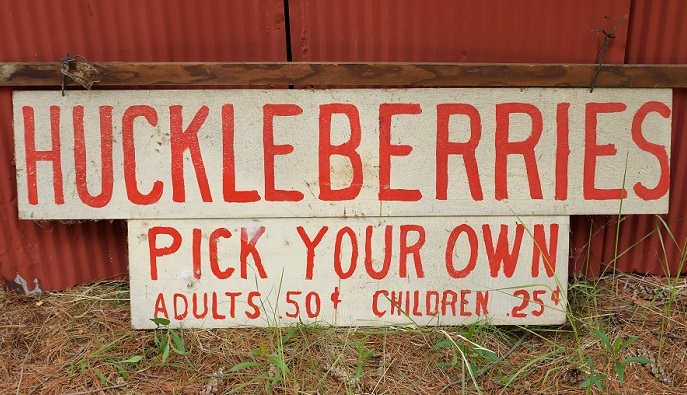
The term huckleberry was used as a form of wild blueberry. Found this sign in a shed near the barn.

At one point, a small contingent of the Ladies Aid from our Lutheran church showed up. They were professionals. They had mosquito netting. They had repellants. They had nimble fingers created by years of knitting, repairing socks and making gigantic quilts able to cover a house. 110 quarts later, the 50 cents was quite a bargain. I don’t remember how many days they spent but I do remember the sounds of their laughter in the forest as they picked away and told stories to one another.  The smell of fresh pine and marsh gas mingling with the sounds of the grandmotherly ladies laughing seemed like another world to me at twelve years old. The blueberry was the center of this social dynamic on the land.

When I moved to southwestern Michigan, I discovered the commercial fruit industry. Here blueberries were grown in giant rows and picked by machines that looked like small houses on wheels. The fields were flat wetlands and laid out in a perfect grid. In college I would attend the fruit meetings of various fruit industry leaders and shakers. This was hard core. Here there was no laughter in the forests by the women from the Ladies Aid Society from the Lutheran Church.  Apparently when you bring together a great uniformity of blueberry varieties, a lot of problems occur. Here I heard the sounds of angry old men with complaints like farts in a windstorm. The stories were filled with strife and hardship with cash in the balance. The money was very good I was told. It was much better than apples, but you needed a wetland with a high-water table and acidic soil. This whole system came at a cost of both mental and environmental health. I am guessing but I think those two things are connected.   

Dwarf blueberry found on the side of a dune facing Lake Superior. Pictured Rocks area.

When I started my nursery, I was very much confused on blueberry varieties and their potential in a edible landscape as a wild plant. Blueberries had very specific soil requirements and were short lived outside of their wetland home. You had to buy a Costco Paper Towel size bag of Aluminum Sulfate to keep the soil acidic. The only nursery I knew that had a wild collection was Hartmanns Plant Company. These were blueberries found growing on bluffs and windswept locations in pine forests. The owner, Dan Hartmann had found certain seedlings in Michigan’s Upper Peninsula while on vacation. They were the lowbush varieties growing in acidic sandy soils with small dense flavorful fruit. He used his nursery to propagate them and make them available to the public. No one that I knew at the time, really cared about this wild germplasm. He too loved the flavor despite having a choice from his mega repository of blueberry cultivars. Although my hats off to the newer variety of blueberries, that are more focused on flavor a lot of the Jersey variety was bland as they were grown in these highly cultivated settings. The real issue was the over cultivation of the plants to the point as the berries got bigger while the flavor got smaller.

Partridge Lake blueberry selection from Hartmanns Plant Company. Upper Peninsula Michigan

It was during my trips to my family home to help my father that I took the time to rediscover the farm that I knew so well as a child. There was one area on the farm that was rich in dwarf blueberries on a sandy hill. The hill was the area where we would find arrowheads and flint. On one end there was a blueberry bush that kept getting whittled away at by the mower. It was once buried by sand when the ponds were dug. That blueberry did not give up.  It had a stoloniferous tendency. It was larger than the dwarf ground blueberries in the area reaching up to 3-4 ft. tall. I took a root piece of it and planted it at my farm. It never had fruit on it at the Christmas tree farm. I would walk by this plant every time I walked around the pond. I would always look. Once I found three berries on it. They were very good. Three berries was enough. The main reason I took the piece of root was it was constantly replenishing itself with great vigor and vegetative growth. It was surrounded by Scotch and Austrian pines near the pond growing in pure sand. A wild black cherry tree grew right out of the center. It just never fruited. As time went on the plant continued its luxuriant growth at my farm. It was without irrigation on a sandy south facing hill. In this new home it began fruiting heavy, producing very delicious small wild fruit.  I moved several additional root cuttings under some African Oaks near the River cane bamboo. They all started fruiting heavy. It was this under cultivation scenario that made this happen. It was not like I was searching for a variety with heavy fruit set. I chose the opposite and did it randomly. It is purely where a wild plant thrives in a new location and produces a great abundance of fruit far greater than where it currently resides. This is a common experience where cultivation can improve even an unselected wild plant with zero fruit on it and change its fruiting characteristics even though it appears to be fine in its original habitat. This says something extraordinary about wild populations. There are no inferior seedlings. It is how we view the plant and how we decide to grow it as an individual or a population.

We may not need machines the size of small houses. The Ladies Aid Society of the Lutheran Church is good. Bring your own stories and laughter. The plants will respond.

Madelline blueberry-Named after my granddaughter this wild form of blueberry can grow in dry soils that do not require irrigation. The small berries are often hidden under the foliage which ripen over a 2-3 week period. The dark and intense flavor creates a very rich pie and jam high in anthocyanins.
Posted in Diversity Found, Ecology-Biodiversity-Integration, Miracles of Nature | Tagged , , , , , , | Comments Off on Diversity Explored: The Wild Blueberry

Diversity Explored: The Edible Sunflower

Cucumber-leaf sunflower Helianthus debilis var. cucumerifolius
Arikara sunflower Helianthus annus
Sand sunflower Helianthus anomalos

I always was fascinated with the sunflower. There was always so much activity around them. My parents decided to move to a new home when I was 16 years old. It was in a new subdivision in the midst of a suburbian utopia. My dad hired a nearby landscape architect and nursery to put in the landscape. The landscape looked identical to all the other landscapes in the surrounding homes. It had the junipers, media yews and crabapples. My dad added a few white birch clumps from the farm. Perfect. The whole thing was exactly what you would expect to see. A couple of years later, when I came home from college during the summer, I would sneak in sunflowers between the shrubs. No one noticed until they started flowering. My parents started getting good comments from the neighbors who thought it was quirky and cool. My dad found it annoying and wanted me to stop doing it. Quirky and cool was not for him. Back off on the sunflowers son. My mom liked it and soon we began to plant petunias in the front yard near the groundcover junipers. Not long afterwards, a few other people down the road planted sunflowers around their mailbox and garages. My dad relinquished and let the sunflowers live but I could not put them in great density like I did the first time. It was my landscape art. I made it look like a South Dakota sunflower field blended with a modern suburban landscape circa 1970. I call it South Dakota Suburbia. Like a well worn lesisure suit, that landscape was not all that exciting to begin with. As time went on I added northern pecan, cactus, yucca, apple, metasequoia and bayberry. The pecan and oak are still there today looking spectacular.The whole sunflower thing was attracting too much attention. To begin with the sunflowers are heliotropic attention getters. Very gawdy. Perfection has arrived. Ta-Daaa.

“Haven” sunflower-dwarf early ripening sunflower -single and polyheaded versions were produced at my farm. We had to use various bags and coverings to protect against predation by birds and chipmunks.

It’s a different story today. The ornamental aspect of sunflowers has been highlighted by numerous colors and forms with super breeding and the strong floral market. It was Stokes Seed Company that offered the first red sunflowers. I grew those a couple of times. I only knew of Mammoth up to that point. It was the standard. The seed production for oil and its edible seed is like hybrid corn with many selections all from North American genotypes many bred in Russia. I knew by the early 90’s that it would not be possible to add to that genetic diversity at my farm in any meaningful way. With that in mind, I grew several wild forms including species types as a sort of filler for landscapes that were more or less in transition much like my old suburban family home. I sold small packets of them for $2.00. Some of these species and their counterparts of Native American selections were not grown commercially. I was wondering if the wild forms or species had unique flavors and oil qualtities. Often these qualities are left in the dust in modern plant breeding.

I began the grow out of perennial sunflowers and began plantings for seed production including using the Jerusalem artichoke, Helianthus tuberosus while finding and creating new selections in the process. My world was becoming full of sunflowers. At one point I met an actual sunflower breeder from Canada who was working on extremely short season sunflowers for oil production. I lost that strain but found others almost all by accident. It was like the sunflowers were finding me. I could not stop making eye contact. No one can. At one point while renting a vacation home near Lake Michigan I found an accidental seedling dwarf sunflower that had ripened very early in a mulched yew and rose bed. It reminded me of my hometown sunflower plantings. I started grow outs of that strain at my farm winnowing it down to the poly headed forms with early ripening.They were both black and the grey stripe types mixed.

Even this year, I still keep company with a few sunflowers. I find another annual species to grow and buy a few packets from a specialty seed company that has wild species in different locations throughout the U.S. There is a lot of diversity. When I did this in the past I soon found out that many of these so called sub-species are very unique in their flowers and foliage yet they also may not look like the images on line in many ways despite the seeds being wild collected. They do not sit still in their morphology. This is the nebulous world of part this and part that. Subspecies means it is a branch off the tree of Helianthus annus, the edible sunflower most of us know. It is a genetically complex plant easily connecting species and selections one gene at a time like a bridge with infinite highways all creating a uniformity of characteristics. You could create a hybrid and not even know it.

Sand sunflower Helianthus anomalos Not quite there yet with its ta-daa moment.

I grew one variety called Havasupai. I knew the story of it as a wild relative and the Native Americans that fostered this selection in the southwestern U.S. It was used in breeding to save the modern sunflower because of foliar disease. I had not heard about its flavor or potential for oil as it existed in its wild form without hybridization. This was a surprise. The flavor of the seeds was like a concentrated elixir of sunflower with the fragrance of a boquet of fresh sunflowers. Like everyone else I was chomping away at the roasted sunflower seeds I buy when I fill up at the gas station. The gas station sunflowers are a bit mealy, pastey with a hint of canola oil mixed with sunflower. Even the ranch and barbeque flavored ones do not mask or help the rather weak flavored seed. With Havasupai in tow in my memory bank of flavors, I had a standard to go on and to find others with similar attributes but possibly more concentrated in flavor. For that I had to go a step down the ladder of domestication and go into uncultivated and wild species as much as possible while looking for high yields.

Polyheaded Haven selection

Is it bland, oily, rich or cardboard? It is surprising in that each sunflower selection is different. The species types can taste like a pine cone. My goal is to taste as many sunflowers as possible. I am finding the short season plants under 60 days. It is different type of selection because you want small seeds and heads to fill all along the stem. You want the strong over the top flavors minus the barbeque and ranch. But more importantly when people taste even the raw seeds they experience the ‘wow’ factor like I did when I first started looking into this. I visited the Chicago Botanical Garden’s sunflower collection once. It was my Jimi Hendrix moment where you want to throw out your guitar. It reminded me why I thought I had nothing to contribute because it all ready existed. The sunflower is very unique in its ability to redefine itself. It can change and realign your thinking about it and how to best harness the sunflower power. It creates a new means of expression very easily. Like a dahlia, changes are always going to happen in unexpected directions. You just have to be there and notice. It’s a good example for woody plants. There are the tiny heads of sunflowers filled wth great abundance along the stalks of the polyheaded sunflower.

I still eat the roasted sunflower seeds from the gas station but now I know what I am missing. I know what I have to do. I know the solution has already been laid down long ago in a pristine land untouched by humans and a suburban utopia. I just have to capture and share it with others in the way of the sunflower. What’s not to love?

Enjoy. Kenneth Asmus

“Home” Sunflower for large seeds from selected plants at my farm some of which were cultivars and others just random selections with larger than average seeds.
“Afar” Sunflower for selected seedlings with good production and some cultivars mixed. The flavor was very good.
Jerusalem artichoke flowers will produce fertile seed if you have genetic diversity. They are not sterile and will cross with the woodland sunflower and the annual sunflower quite easily. The question is will you notice?
A perfect sunflower day. Jerusalem artichokes in the background.
Posted in Diversity Found, Ecology-Biodiversity-Integration | Tagged , , , , , , , , , , , | Comments Off on Diversity Explored: The Edible Sunflower

Diversity Found: American Black Currant

When the ponds were built on my family’s farm, large ditches were needed to drain the water to finish the excavation. It was roughly a 30 acre pond surrounded by a wetland. The ditches near the highway were massive as the road needed to support the weight of eighteen wheeler trucks filled with wet sand. The sand was being used for the Zilwaukee bridge-I-75. The driveway was made of spent industrial cinders, cement chunks and sand. It was the granola of gravel. The steep cliff face into the ditch had little plant life on it. Even the wetland sedges and grasses gave up ship colonizing it. Yet here on the slope was this small wirey shrub dangling fruit calling out to the world “this is not so bad”. Wedged between cinder chunks in the shade of a red maple tree, a bird had dropped the seed there years ago along with some fertilizer. I had read about this Ribes from my cold descriptive botany books. Who doesn’t remember Billington, Shrubs of Michigan? The small taste sent me on the path of fruit salvation. For God sakes, no botanist ate the fruit. The descriptions would fly off the page if they had. There was only a few clusters of fruit on the small shrub but it was enough. I collected them and cleaned the seed and brought it to my nursery. I wanted to capture a bigger picture of the plant and how it could be cultivated. I had dreams of jars of American black currant syrup and other healthy concoctions made on my stove top. It was from here I began the process of growing the plant at my farm specifically for seed production. Apparently, I was not alone in the search for what best could be described as species Ribes that could be cultivated in some manner. In my best Borat immitation, “Very nice.”

The black currant that many of us know are the European types. These have been cultivated for hundreds of years and have a rich history of selection, breeding and growing in many countries throughout the world. That was a different fruit entirely. Yet if I was starting from scratch, the American black currant would still be considered black currant. That is how people would view it. I would have to come up with a different identification with it because the black currant is in so many health products on the shelf already. It is pointless to reinvent the wheel of currants. I met a nursery person named Clayton Berg from Montana. He was a big fan of the buffalo currant, Ribes odoratum. I was purchasing and growing many of his currants at my farm at the time. We were able to collect seed of it and enjoy the flavor of this western wild currant. Yet it too was very low yielding and not particularly adapted to Michigans’s climate. Eventually the plants faded with time and died out. I met a USDA scientist who visited my farm that made a seed selection called “Riverview” American black currant. It was found along a river in North Dakota. The images showed very heavy yielding plants with dense fruit clusters. It was a dream come true, yet they too had low yields in my limited grow outs. Even today wherever I plant them, there is beautiful flowers, large amounts of pollinators in my genetically diverse plants yet few fruit. My first accession American black currants still persist and grow at my home. I love to smell the fragrant flowers. The frustrating thing is I cannot share it. It is too little. I have hit a dead end.

This year I found the rest of my Ribes americanum still hanging on after 30 years. I am going to fall plant a more robust group. These were plants that showed excellent flowering, growth habit with zero leaf disease. Most of the seedlings look very nice. High five! In a Borat way! I have this thought that if I put them in a new area they will thrive again. I have no plans to alter the soil with cinders and cement chunks but I am trying gypsum with a top dressing of chicken manure and mulch with composted hardwood chips. There is one more dead end. This time it’s a human induced one., Ribes is the most regulated plant with a long history of restrictions going back to the early 1900’s due to white pine blister rust. This makes it very difficult to distribute throughout the United States. Each state has different regulations some of which are county or regional restrictions. But it is possible to offer seeds. But once you got the seeds, you may be prohibited from growing it depending on where you live. The data waffles on the American black currant. For a while the USDA said it was immune to white pine blister rust. Then it wasn’t yet no data exists. It landed in the ‘better safe than sorry’ category of rule it out. When I spoke to a Ribes organization they said it was completely immune. The two roads both have dead ends. We will have to create a third road. This one will bring us to our destination . Ribes americanum.

Stuck between Indigofera, peony, lemon balm and Baptisia the American black currant fruits.
Small seedlings will be moved to areas with greater fruiting potential.
Seedling American black currants show their ability to seed in areas with a light leaf mulch over sand near the foundation of a garage.
Clove currants – One of the most heavenly fragrant flowers is found in the clove like essence of the buffalo currant. It too flowered like no tommorrow but left only small yields in its wake. You went there, you got the t-shirt at the gift shop, now it is time to go home. The fragrance is enough for now.
Posted in Diversity Found, Ecology-Biodiversity-Integration | Tagged , , , | Comments Off on Diversity Found: American Black Currant

Diversity Found: Dandelion

I had this collection of dandelion varieties for a while. These were selections bred for human consumption for the foliage as a super nutritious perennial green. I kept the collection secret. My employees noticed when they started to flower and release their seeds in the greenhouse. There they spread on the weed mat wiggling their way past the best of weed barriers into the ground below and flowering like all of life was one glorious exaltation filled with immense possibilities. I love you dandelion. Yet here was the poster child of the herbicide isle in Lowes plastered all across some of the most toxic substances on earth. My frequent visits to fix or find something for my farm always surprised me. Don’t look to the left was my thinking as I walked into the store. Yet in a few minutes I will be in my greenhouse tending my dandelion collection. Don’t tell anyone. I am sure I purchased the seeds illegally. I would like to think that anyway. Like I’m some sort of bad ass of weeddom. Don’t mess with me, I have dandelions. I’m a lion too. Yet I saw only one place where they were quasi-outlawed: the northern arboreal forests of Canada and Alaska. Evidently the sides of the gravel roads have created the perfect dandelion habitat. I may visit there someday looking for the perfect dandelion. But then maybe I don’t have to go that far. I found a nice one at a rest stop coming home from my parents house once. There herbicide and mulch in a not so cared for landscape created a dense planting of dandelions. One in particular with multi-clustered flowers and foliage caught my eye and I popped it up and put it in my truck. No one noticed. Whew! I am sure I could get arrested for that. But then I have connections being in charge of dandelion weedom and everything so not to worry. When I offered them in my nursery, few if anyone purchased them. I planted them in bulk under the bald cypress. I couldn’t just throw them out. Almost immediately they were browsed by deer and rabbits. It turns out that the lower bitterness levels and the upright growth habit of the blades of cultivated varieties were also appreciated by the animals that shunned them before. Who knew? Today I don’t have my collection. It turns out that once a dandelion flowers, the root fades and breaks down eventually. You need to collect the seed and continue the cycle to help the dandelion along. The flowering is one giant expression of pure consciousness to capture wind and disperse to open soil far away. No one knows how far the seeds can travel. Children seem to know the potential as they blow them upwards into the streams of wind far above the tree tops. If we keep an open mind, maybe the seeds will land and grow into our diet as we cultivate this wonderful green. In the meantime, the bumblebees and honey bees will fill up and pack their bodies with pollen and head home telling others of their location and the great discovery of the giant yellow flower rich in nutrition and life. That is the dandelion. Everyone knows it. Just don’t look to the left when you walk in.

French Improved Thick Leaf Dandelion
Nouvelle Dandelion
Vollherzigen Dandelion
Posted in Diversity Found, Ecology-Biodiversity-Integration | Tagged , , , , , , , | Comments Off on Diversity Found: Dandelion

Diversity Found: Blackhaw and Medlar

Almost immediately after I closed the door shut on my nursery in 2021, several great opportunities existed where I could foster new crops in unexpected ways. These would be crops that few people have experience with under the banner of minor crops or the edible wild. That banner is colorful and exciting but it is something few take seriously as a means of cultivation, applied ecology and agriculture blending it into a seamless whole. Since the plantings are more mature now, I can look at the yields and the quality of the fruit. There is no way to promote a new tree crop unless you do it yourself because you can’t explain flavor very well. I used to go to farm shows with my jams and syrups so people would get an idea of how these minor fruits taste. Direct experience is the only way. Once I left my booth to check another vendors display. When I got back, I noticed the spreads were all eaten. I asked a nearby attendee what happened and he said a class was let out directly across the hall and they really liked it. Problem solved.

Yesterday while talking to the power line vegetation control folks at my farm, one of them said to me, “It must be really cool-satisfying to know you planted a forest.” I agree. It is satisfying. I was very fortunate to do this. But what can you do with this diversity? Diversity has to move and expand outwards. Otherwise its just a ‘cool forest’. Since my forest is a novel ecosystem filled with plants and seed strains from around the globe, the focus has shifted to inspire others to do the same. Untended, wild and otherwise non-varietal plants are the future. We have gone too far to convince people that varietal plants are the only game in town. I am saying it is not. That is the power of my global forest. Its not exclusive. Anyone can harness that power in a short period of time very inexpensively on their land and spread the word of diversity by having diverse genetically different individuals that make up populations that are also genetically different.

Here are two examples:

Blackhaw Viburnum – Viburnum prunifolium Iowa or Michigan

For Syrup, Flavoring, Jam, Spreads, Dressing-Raisin like Quality

The flavor of blackhaw is one of those aha Viburnum moments where the flavor is very strong and enjoyable even if you eat it fresh without processing. There are other species I have that have the edible raisin fruit like Viburnum cassinoides, manshurica and carlesii but the fruit has a limited amount of pulp surrounding the bony seed. Blackhaw has the most pulp and it dries nicely on the bush which is the time to harvest it. It has to look crinkly for the best flavor. Blackhaw could probably use a new name like “Raisin Mango Tree” or “Raisin Spice Bush”. Blackhaw does not make me want to buy it off a store shelf or market. I have no idea what that would be really. A good name is everything. I like seaberry. I do not like sea buckthorn. One creates a vista of ocean and fruit. The other creates an image of blood and injury picking the fruit. You choose. Choose a good descriptive name for your fruit.

The foliage and fruit of blackhaw are pristine always. It would not require sprays. The fruit is easy to hand harvest in clusters. Other methods could be worked out too with mechanical harvesting. The fruit drops free of the racemes easily. Many years ago, someone who knew the plant very well was telling me of tree forms of it with large trunks. He mentioned I should look for those if possible as they have the highest yields because of the vigor. He was right. I noticed in my small population that there are some selections that are naturally more tree like with single trunks and others that are multi-trunked. I found one selection that has roughly a 30 percent larger fruit. This may not matter as you really are looking at plants with high yields of fruits because you are processing it. If the larger fruited one has higher pulp yields per fruit, then this might be a start to more fruitful selections. Rooting viburnums is easy so you could multi-clonal types in a single orchard too. It took roughly twenty years for my plants to stolon outwards. They are now an understory colony near the sawtooth oak and bur oak hybrids. You can harvest the stolons and use them as your own clones too.

The Michigan seedlings I have are also very heavy fruiting which started fruiting three years ago. The fruit is smaller but all things considered you could easily create a seedling planting with this strain as well. One tree I have in particular seems very high yielding with dense clusters all up and down the shrub. I received this seedling from a nursery in Michigan that had produced it from cuttings. It is found here in Michigan but it is not common in landscapes. It is interesting in that there are no named varieities of the prunifolium species in this super selected highly cloned genus. The Viburnums are rich in diversity of ornamental appeal. Viburnum lantana is grown as a kind of substitute of the blackhaw. Unfortunately it is short lived outside of its wetland environment and has foliar diseases weakening the plant over time. My planting made it up to a decade before disappearing entirely but no fruit in my sandy dry soil.

Medlar-Mespilus germanica Walters Ecos Selection Michigan

For Flavoring, Jam, Spreads, Fresh fruit sauce-Pear like flavor

I could never understand the hype around this smooshy looking brown fruit until I finally tapped into a ripe one in November. Here was all the flavors I love in one fruit, sweet, slightly sour, pear, raisin and apple all in one mellow syrupy sauce delivery vehicle. I had over a dozen varieties at one point. They had large fruits and some had fairly good production but the flavor was funky with dry like astrigency. The ripening period seemed never to come. It was not uniform and I never understood how anyone would eat this. I was wondering what I was doing wrong. To make matters worst, the grafted trees I had were nailed by a fungus called fireblight and like the name suggests makes the foliage of the tree look scorched while killing the tree to the ground eventually. It was from here I began looking at a seedling grown trees from a nursery I had known from my college days. As time went on and the trees got more mature, it left the other cloned varieties in the dust as far as yields go. It also had something the others did not, fire blight immunity. The fruit was smaller but this did not matter in terms of making it into a sauce. It was from this spring board of seedling plants that produced identical plants with dense fruiting. The fruits were always rich in flavor like pear sauce. It was surprising to me no one looked at this fruit before. It too could use a new branding name. Meddlin with Medlar. That is all I got because the name actually comes from something that looks like a horses anus from the blossom end part of the fruit. Maybe “Perryeire” ? Because of its long history of use past and present, medlar is fine but you could have a brand name around the fruit that would be more descriptive. Like “Pearhaw” or “Pear Berry” or “Apple Berry” or “Perry Berry” Last one looks cool but difficult to speak clearly. berry berry or perry berry? Medlar does not jump off the shelf.

The propagation of medlar is slow from seed and this might be why no one grew it from seed to begin with. The seed has a two year dormancy. Once the seed has sprouted the tree grows fast from year three on making upwards to 12 to 18 inches of growth per year. It has a deep tap root and until this is formed the trees stand still just like hickory. Fruiting begins in years 5-8. I made one clonal selection only to speed up this process. Called ‘Beacon’ it was the highest yielding plant with the greatest vigor on the sandy hill where it stands. Normally the varieties are grafted onto hawthorne which is readily available in the nursery trade as ornamental trees. The Walters strain medlar is likely from central Europe which made it more adaptable to the Michigan climate to begin with.

‘Beacon” medlar from the Walters seed source. All heavy fruiting and ripens in Michigan fully. Not grafted, medlars will form colonies over time spreading by underground roots very slowly outwards similar to some species of hawthornes.

GERMINATING THE SEEDS OF BLACKHAW VIBURNUM

Like all Viburnums, this requires double dormancy. Fall plant after cleaning the fruit. Plant 1/2 inch deep. The seed has a tendency to migrate to the surface of the soil so tamp in and use a sawdust mulch or something similar in consistency. The first year in the summer and fall, roots will develop from the seeds you planted the year before. Then in the following spring, a top will emerge from the seed. Usually leaving them grow for two years is ideal for transplanting. Seeds can be consumed by rodents so using a screened tray is another option leaving it outside in a protected area and letting nature do the dormancy. Lift the screen in the second spring to allow for the seedlings to develp their tops.

GERMINATING THE SEEDS OF MEDLAR

Medlar seeds have both an internal clock type of dormancy which requires a completion of the embryo’s growth along with an extremely hard dense seed coat which needs wearing down by soil bacteria to split the sutres. Normally planting them outside and/or going through dormancy requires a winter, spring-summer and winter again to sprout fully. I have had several seed batches have portions of the seeds go into the third year. The seed coat takes the bacterial action of the soil to complete the splitting of the seeds along the sutre. Peach seeds are like this. There must be a tremendous force of a germinating medlar seed to pop the sutre. The seeds are consumed by animals so I would suggest using a screened prop tray to germinate the seeds. But it is not as heavily consumed compared to other seeds. It is in the same class as hawthorne and can be treated the same way. If you have every grown hawthorne from seed, medlar is pretty much identical and is a close relative. The young trees are extremely tap rooted and can be kept in place for 2-3 years before digging and transplanting. It transplants very well and grows in a variety of soils except water logged conditions.

Seeds will likely be the new source of many orchard plants in agroforestry systems as well as normal fruit plantings. This will allow a certain flexibility in selection by defining a seed strain to a specific region. What will matter most is the yield and end use of the fruit and how a market can create a value to it so that the farmer is wealthy for creating healthy individuals who eat the fruit. The medlar and blackhaw viburnum are likely a source of wonderful nutrition. We just don’t know what that is entirely. Now we can have a range of flavors and nutrition combined in one fruit. We found diversity and it found us too. Now we can share this resource to others in need of greater health and well being on both environmental and individual levels.

Enjoy, Kenneth Asmus

Korean Spice Viburnum in flower. Found near a park that self seeded in a pile of grass clippings. Created a small planting at my farm specifically for seed and fruit production. It has a good flavor but not a lot of fruit surrounding the seed. Viburnum carlesii. Many times this species is almost or entirely sterile with little fruit.
Posted in Diversity Found, Ecology-Biodiversity-Integration | Tagged , , , , , , , , | Comments Off on Diversity Found: Blackhaw and Medlar

The Pecan is the Pie in the Sky

I live in one of the cloudiest counties in North America. When sun appears, people comment on it in the stores. “Oh, it’s a sunny day!” As if to say time is short and you better enjoy it now! The sunny levels are spotty because of the effects of Lake Michigan which is roughly thirty miles away. Today the water temperatures are in the forties. This too creates this cooling effect along the lakeshore and inland. Called the fruit belt, Michigan has an ideal climate for a wide variety of fruits. Pecans on the other hand do not fit into this cloudy short season area. They are heat lovers and like to bathe in a long season of warm soils and air to ripen the nuts fully. If you announce to the world you are going to grow pecans in Michigan, you might as well say you have figured out cold fusion. The pecan market is massive and you need massive plantings to make it profitable. When I first started growing pecans in the mid to late 1980’s from the Northern Nut Growers Association northern pecan seed distribution project, I was not as optimistic as I am now. Cold pecan fusion was a dream not a reality. What happened? Time and the constant dream of this pie in the sky tree crop kept me going.

To find, create and develop any tree crop, takes patience. The pecan like all hickories takes a lot of time and space. They are huge trees. Some of the older southern orchards clock in at 8 tree per acre. People today do not have patience or have the land resources to make pecan growing profitable especially into the unknown real estate of Michigan. There is a large government breeding program in Beltsville, Texas that houses all the pecan varieties and actively breeds new pecans. It takes a certain stick-to-itness within a government repository. You need a long cycle time to grow and release a pecan variety. Very few are found in the wild anymore and used. Although it is still done this way, it is not a common thing in the most southern part of its range. Breeding pecans is all hand done with mass selection in the hundreds of thousands range to create the perfect pecan variety. No other tree crop takes this much time. The juvenile age of the tree runs from 15 to 30 years from seed. The short cut for researchers is to graft seedling trees into mature trees. This brings it down to 2-3 years to fruit but it doesn’t tell the whole story until several characteristics are met and then put out into an orchard as a single selection. Today at my farm, I still have some seedling plantings from Missouri seed from James Pecans and Shephards Farm that after forty years still have not fruited. Typical of seedling populations, I also found several seed strains that fruited in under ten years of age. One of them is highly precocious and a dwarf tree with minimal foliage production. This natural variation of pecan and its ripening period along with its precocity doesn’t mean you have a commercial pecan. It just means you have a pecan that can grow and ripen in southern Michigan and reliably produce good crops of nuts every year despite the climate. Is that commercial? Probably not, but then those characteristics have never been put to the test because…….. pecans do not grow in Michigan. See what I am saying? This highlights the issue of developing a new crop that is only thought of as a southern species. For many, it sounds too pie in the sky.

If you could have a working clonal collection here in Michigan, that would likely help alleviate the problem. There are other ‘ultra-northern’ pecans.They too are from some of the same wild selections I have at my farm. The difference is location, location, location. You need to have them in a short season area with cloudy cool weather area. This makes it possible not only to grow the tree but to ripen the fruit. I use to take my family to the Kellogg Bird Sanctuary not far from Battle Creek, Michigan. There they had some of the nut trees from the early Kellogg days. Near the lake there is one massive pecan tree reaching 70 feet tall. The nuts never ripen and do not get past the milk stage. The tree looks fantastic but nut production is zero and stayed that way for the decades I would visit the area. This is a common issue with pecan with such a huge range from Texas to Iowa. The pecan is a fast growing hickory species for Michigan. We have the right soils, climate and the tree is very well adapted here. Once I received seed from someone who collected from a tree in northern Minnesota. The nuts were fully ripened. This was in an area that minus 40F was common. This highlights a physiological compotent of hardiness much like bald cypress. Bringing a plant under cultivation expands the range and makes it possible to grow food in areas not thought possible before. The northern pecan leads the way with its high oil nut and rich flavor. The pecan pie is brought down to earth and made possible by human selection and agricultural innovation.

I asked one of the USDA scientists about the use of pecans in Michigan at a nut growers convention. He said I should focus on yields and not pay attention to the commercial characteristics needed for a commercial nut. We do not have heat stress, drought or missing levels of funky micronutrients. The shucks pop open on their own and the nuts drop in September and October. Michigan pecans are high in oil and delicious radically better than their southern counterparts.

“Michigander Prolifica” A dwarf selection with clusters of nuts forming on the tips of the branches. Small, compact nuts form and drop free in late September. Tree is not as vigorous as others. Minimal foliage is produced and the crown is wide open with good light penetration throughout. Tree is very heavy bearing. Parent tree is on a low organic soil on a windy bluff. Hardy to minus 30F.

Michigander Prolifica Super productive small tree.

“Michigan” Selected from dozens of other ultra northern seedlings, this one selection was both the most vigorous and heaviest yielding of all pecans at my farm. Almost every year the nuts ripen fully and drop free of the husk on its own. It has long thin nuts that ripen in early October. the ripening period is spread out over a two week period. This is by far the best selection for ripening and yields on a large robust tree. It was likely one of the seedlings from the Voiles #2 seed source which was from the Richard Best orchard prior to its demise from the Mississippi flood waters. The Northern Nut Growers Association brought this seed source to light as well as others found in Iowa as possible sources of short season pecans in the northern part of its range. This was the geographical hot spot of short season pecans distributed by crows, native Americans and early settlers.

“Michigan” variety of pecan grown from seed from Illinois wild pecans-early ripening. “Michigan” had the highest yields by far compared to all other seedlings at my farm. I still sell the nuts of this variety and the scionwood.
Dawson Creek Pecan from Shepherds Farm in Missouri. This was a good northern seed source from wild trees in northern Missouri.
Some of the Michigan pecans on my farm enjoying the early morning sunshine. Pecans naturally split their husks and the nuts drop out or fly off in a blue jays beak.
Posted in Diversity Found, Ecology-Biodiversity-Integration, Miracles of Nature | Tagged , , , , , , | Comments Off on The Pecan is the Pie in the Sky