Not too long ago, the USDA sent me a newsletter that contained a snippet of nursery catalogs from the early 1900’s. It is interesting to see the drawings and written descriptions of plants used in gardens at this time. This was at a point where gardening became possible through the mail and new plants could be ordered via the U.S. Postal Service. Like the Sears and Roebuck catalogs before them, plants could be written about in wonderful prose featured in a print media. This allowed you to think about your gardening ideas and what types of plants you want around your home. Before the era of credit cards, you would just write out a check or send cash. Prior to the internet, this was exactly my business model 80 years later!
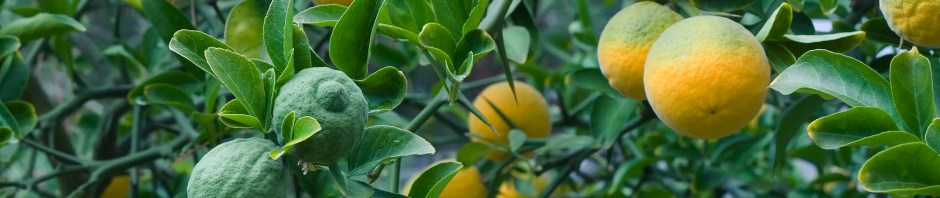
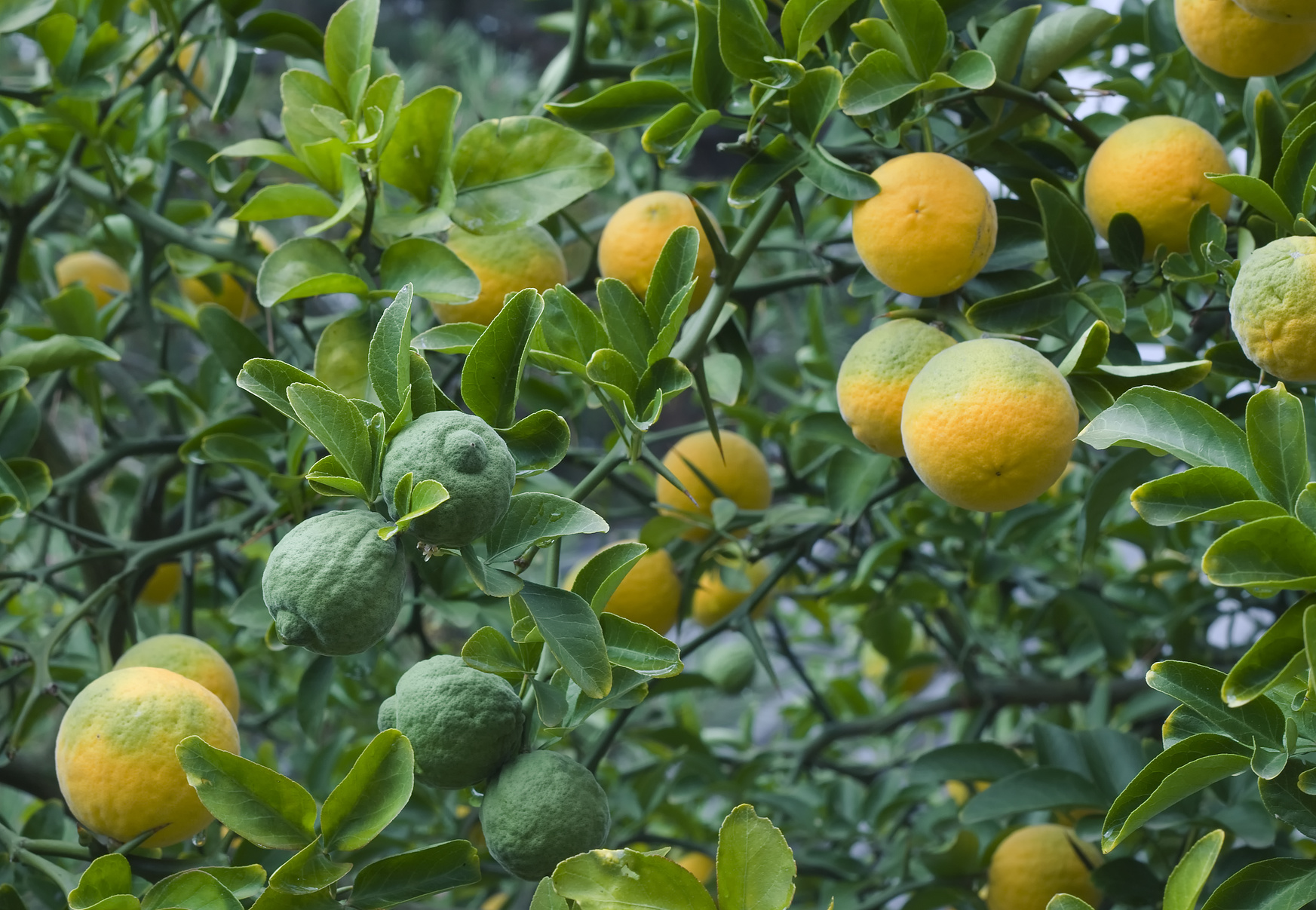
As I scoured through the catalogs there it was in large font; HARDY ORANGE. I thought I was a pioneer of the trifoliate orange. Evidently it has been around a while. It was by accident I began to grow this species fruit in Michigan starting with an arboretum seed collection from overseas from a Zone 5 location. I started the seedlings in the 1990’s. I really didn’t know what to do with them. I remember thinking that a normal Michigan winter would likely destroy them. It didn’t. It turned out that the zone 6 rating for the species is accurate along with the ability to withstand the cold winter winds. The leaves are not evergreen in my climate.
There are few if any mature trifoliate oranges today in any northern landscapes. My guess is the early 1900 plants disappeared entirely as peoples tastes in plants changed along with incredibly cold winters. Michigan State University has one in Beale Gardens in Lansing, Michigan which puts it into a zone 5-6. There are others. One mature large plant just outside Philadelphia is in a public garden.The late Adam Tuttle had a sizable hedge created from them in Kentucky. The seeds and plants he produced were grown at my farm for sales. His planting gained national recognition for its hedge like qualities. The whole idea of growing citrus in cold climates is not universally accepted as a fruit possibility. The quality of the fruit comes into play making the trifoliate orange the crabapple of the orange. You can see by searching the species on line the whole range of experiences from weed to the holy grail.
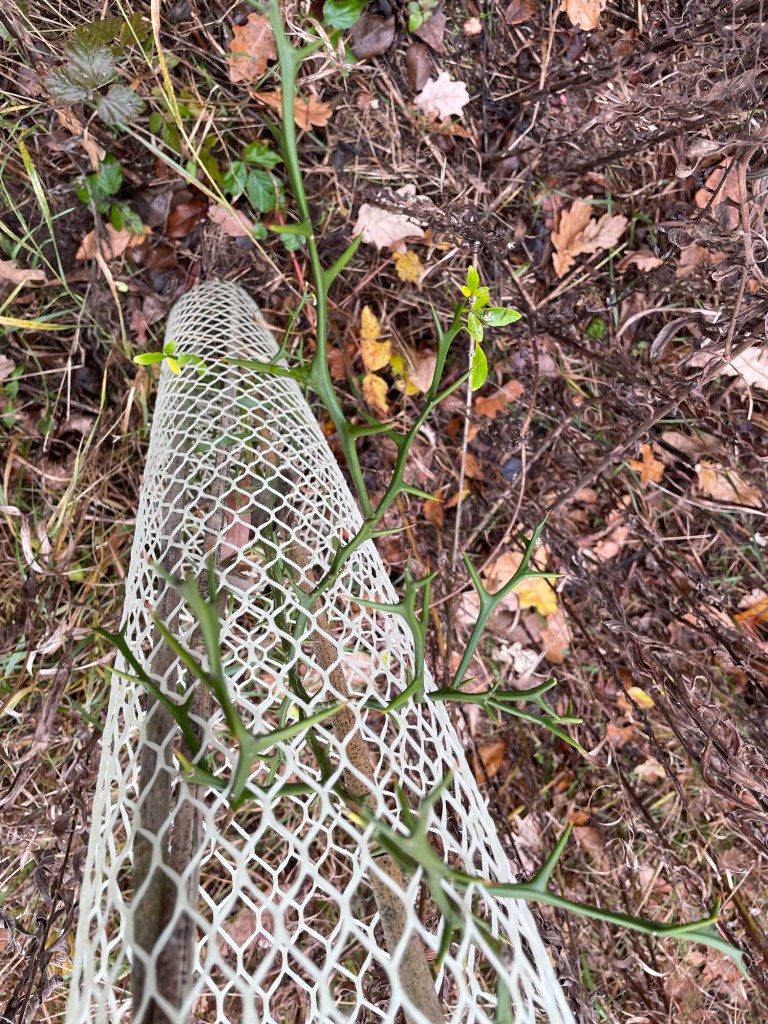
This hardiness aspect of it is not that far off, to the point that it would not take too big of a population to find hardier selections along with higher quality fruit with less seeds. There are hybrid selections of it too filled with unique possibilities. What is stopping anyone from doing that? Nothing. It is not on anyones plant radar. For a while I was trying to obtain 50 lbs of seed from abandoned rootstock trees in Florida and Georgia. There is a lot of them because of failed citrus orchards from cold snaps. There are very few seed companies that offer it. I get the feeling the seeds are not treated properly. Some of the seeds I have received are over dried. They would just rot going through dormancy. With that in mind, I had the thought to travel to these southern citrus growing areas which I could load up on fruit. I would then process it at my farm in Michigan. I have a Dybvig seed cleaner which tends to atomize fruit pulp. It would fill my barn with a wonderful citrus aroma. If you were to grow upwards of 10,000 trees you could easily find significant diversity even at an abandoned rootstock level. It would be a good start for the Michigan orange.
The plant does have a few attributes that might need our attention in terms of cultivation. When individuals look at a new or emerging species of fruit for cultivation, they often do not see the full picture. A plant breeders goal is not always aligned with the plants evolutionary history and its connection to cutures already in use. In the United States the trifoliate orange is a rootstock plant for oranges, a weed tree and an ornamental plant all in one. No one is cranking out selections to eat. A whole industry of citrus is being ignored only because it seems so hopeless to begin with. Citrus is also not a particularly easy crop to produce. There are many diseases and insects in citrus farming and maybe importing the fruit from far away countries is not so bad. This importation is not a solution. It’s a work around. Either way it is likely the citrus industry in the United States will move north.
In the meantime, I dream of a Michigan citrus industry filled with the fruits of a very hardy orange rich in vitamin C. I love the idea of a syrup made from the whole fruit or even a natural pesticide made from the peels. Maybe the fruit will be small and kind of seedy at first. The plants may be too thorny and the trees kind of a pain to work around. It may not matter because we love the orange. What if we could have that in our backyard and not have to import it from thousands of miles away? The weedy little rootstock tree becomes our savior in the end creating a new industry in its wake. Now if only I can find an abandoned and dying citrus planting rich in cross pollination and great diversity. This is a good place to water the root of ideas.
Enjoy. Kenneth Asmus


 biologicalenrichment
You must be logged in to post a comment.