
USING THE LAWS OF NATURE FOR MAKING DIVERSITY SPONTANEOUS
My 13-acre nursery was a very tiny island amidst the retail oceans of the plant world. I wanted to expand it to larger proportions but that was not possible. I always remembered the farm my family owned that had over 400 acres of Christmas trees. To me that was the perfect size. There you could grow Christmas trees in great abundance and sell wholesale to land far away from Michigan where evergreens were not grown. I loved the openness of that land. It had huge diversity of plants and animals. I loved the swamps. The ditches created through the farm were teeming with life. There was always American Bitterns within them feeding and hiding in their stealth pose. They waited until the last minute to fly away when you drove by them with the tractor in the morning. You always hoped they wouldn’t ‘drop a load’ on you in their startled state of mind as they flew over. Fortunately I escaped the drop bombs. My nursery property was way different. It was hilly, rolling land frequented by bobwhite and meadowlarks. It was created from a field just like my families Christmas tree farm, but it was compact with an intensive garden design. It became a springboard for hobbyists and edible landscapers wanting something new to grow and eat. This put me in a specialty place in the mail-order market. As cool as it was, it had little practical application in terms of large-scale agriculture at the time. People appreciated my quest for all things edible. My customers and colleagues did not know the backstory of my farm and the issues I faced while running it, but this did not matter. My nursery specializes in a market where plants are generally plentiful and inexpensive. Yet at times I felt I was getting bombed from the American Bitterns of the world which comprised everything from regulatory, theft, low wholesale prices, state run nurseries, trespassers, over production, employees with mental health issues not to mention the U.S.D.A. But this too passed.
It’s funny in many ways because I was so small in comparison to everything else around me. I thought my farm was not diverse enough and I needed to expand. Once my plant inspector said I was very famous now and people in the state government wanted to know what I was growing. It was an odd request because everything I grew was already on line with my website plus they came twice a year to do the inspections. They must of thought I had a secret plant operation going on. I was confused. Certainly there wasn’t fortune tied to this fame. It appears TINY has the same issues as CONGLOMO but without the resources to deal with the problems. But lucky for me the plant diversity sprang forth in greater amounts as time went on in a relatively effortless manner. Nothing slowed it down or stopped it. Everything from edible acorns to yams, I found a beautiful world full of delicious foods filled with fruits, nuts, vegetables and grains. This continued uninterrupted no matter what was happening to my small business. Finding and creating plant diversity is incredibly easy, frictionless, successful and a joy to do for me. In many ways, like music and creativity, it flows outward as if the plants were my form of art. Everything else was chiseled out of Quickbooks cold and calculated in reports and forms of endless numbers.
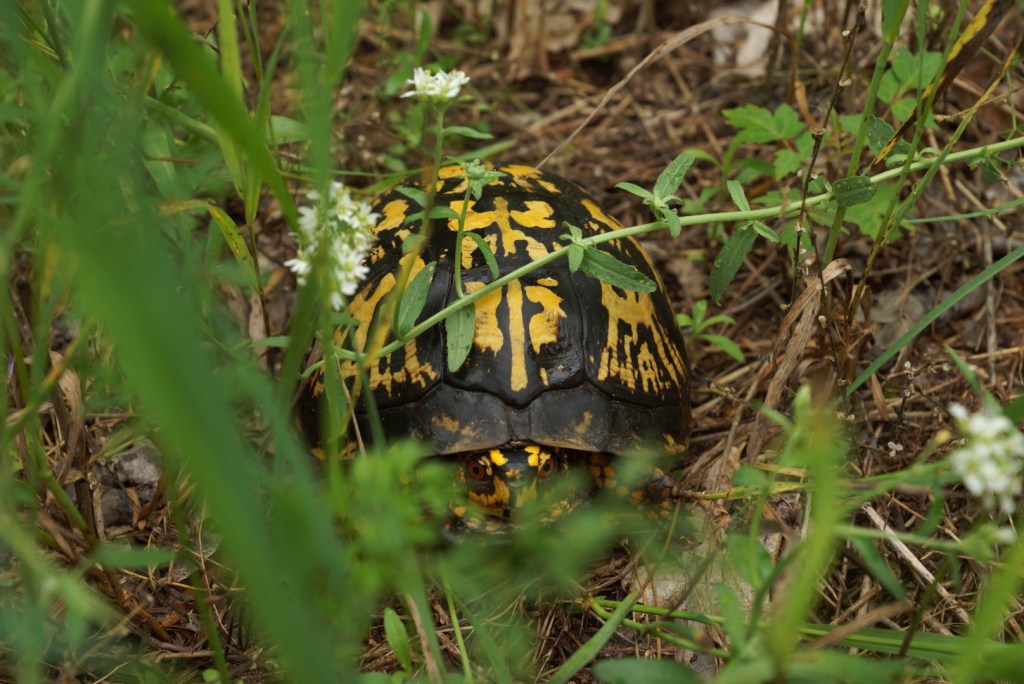
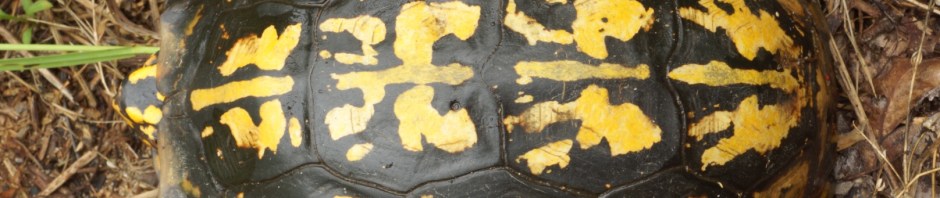
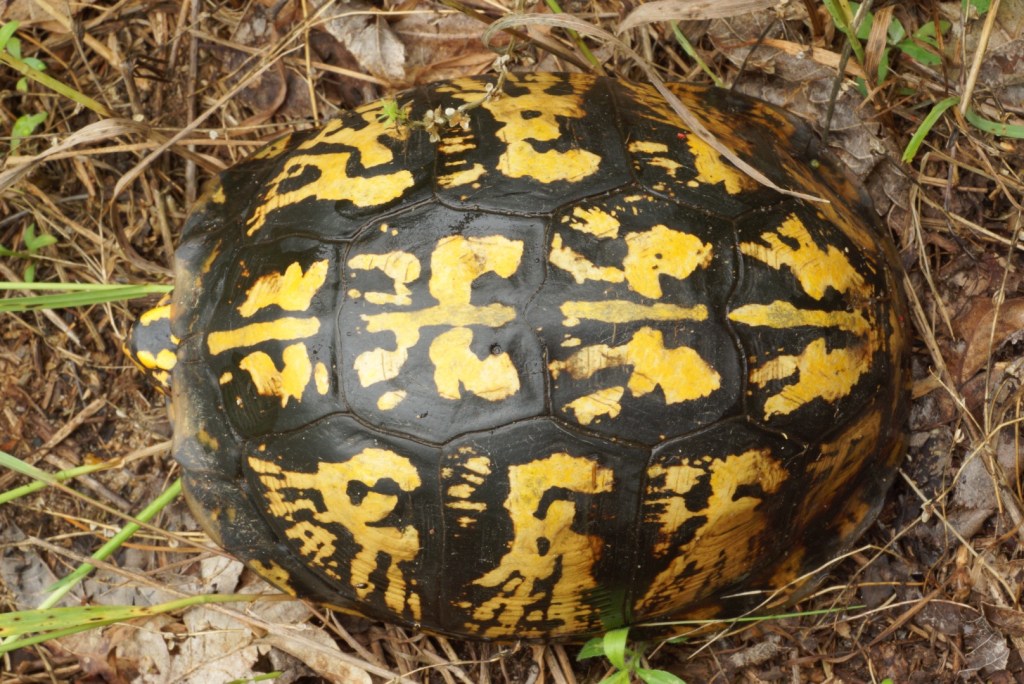
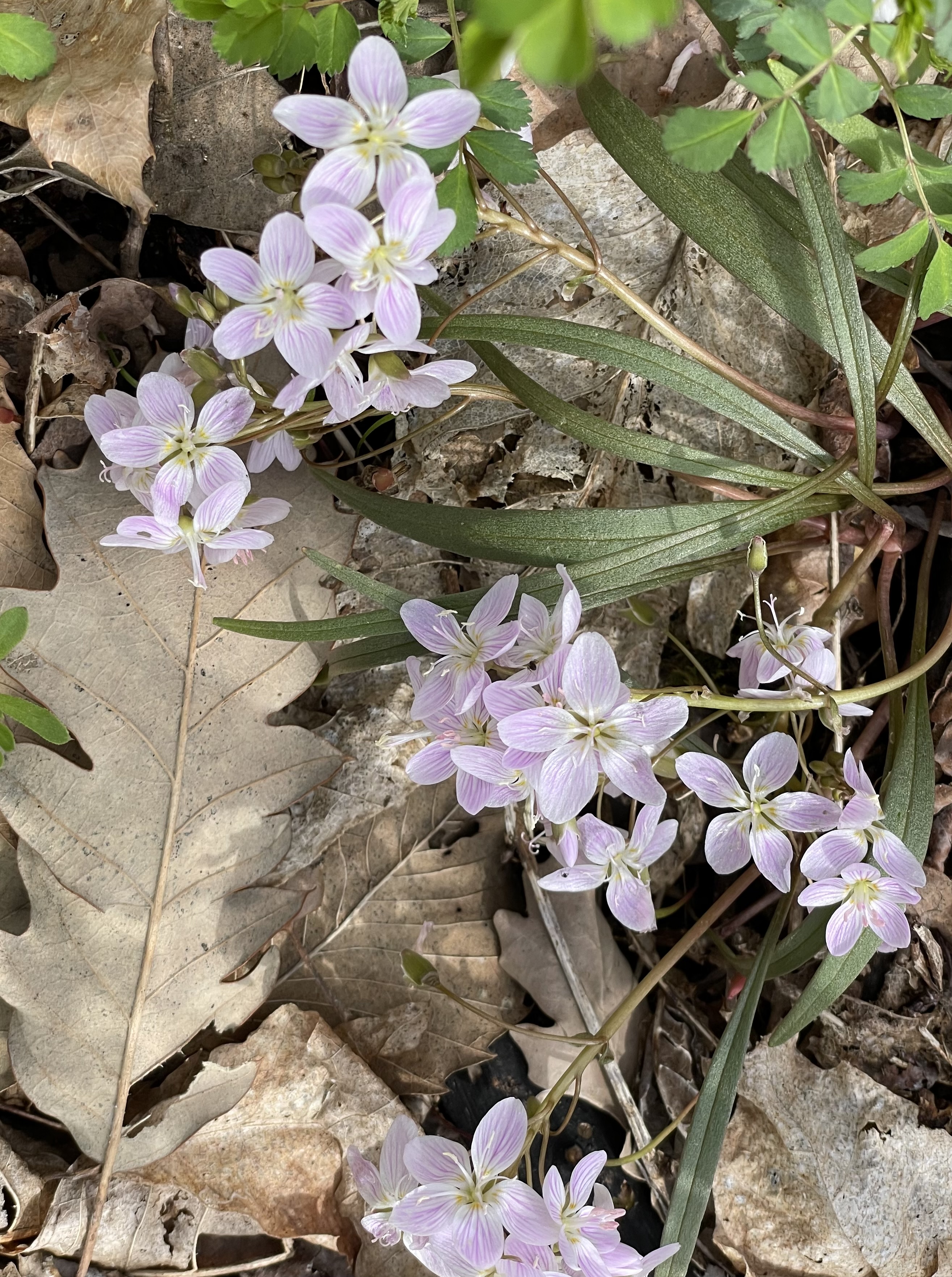
It was this same diversity that was also noticed by the wildlife at my farm from the biggest to the smallest. Even the new plant life that arrived from outside my farm responded to this greater diversity I was adding. Keep in mind, my farm was a pasture harvested for hay before it was let go a decade before I purchased it. There were no woody plants in the pasture except a few black cherry, black oak and ash. I kept witnessing greater amounts of wildlife from box turtles to bobcats, all of which benefited directly from this diversity. Even woodland flowers appeared. I did nothing. American beeches were seeding in along with American basswood. I couldn’t for the life of me establish American beech. I did nothing to remove the so-called invasive species or weed plants. You could clearly see their benefits. As the shade increased, the pasture grasses decreased. A couple of years ago, I was pruning my persimmon trees. Underneath one of the trees was a pile of Amur honeysuckle fruit neatly stacked. The fruit was meticulously cleaned of its seeds. About two weeks later, I visited, and the fruit was consumed by something else. It was this combination of seedlings growing from my mature trees as well as plants outside of my farm that created this tapestry of amazing diversity within a neatly organized structure.
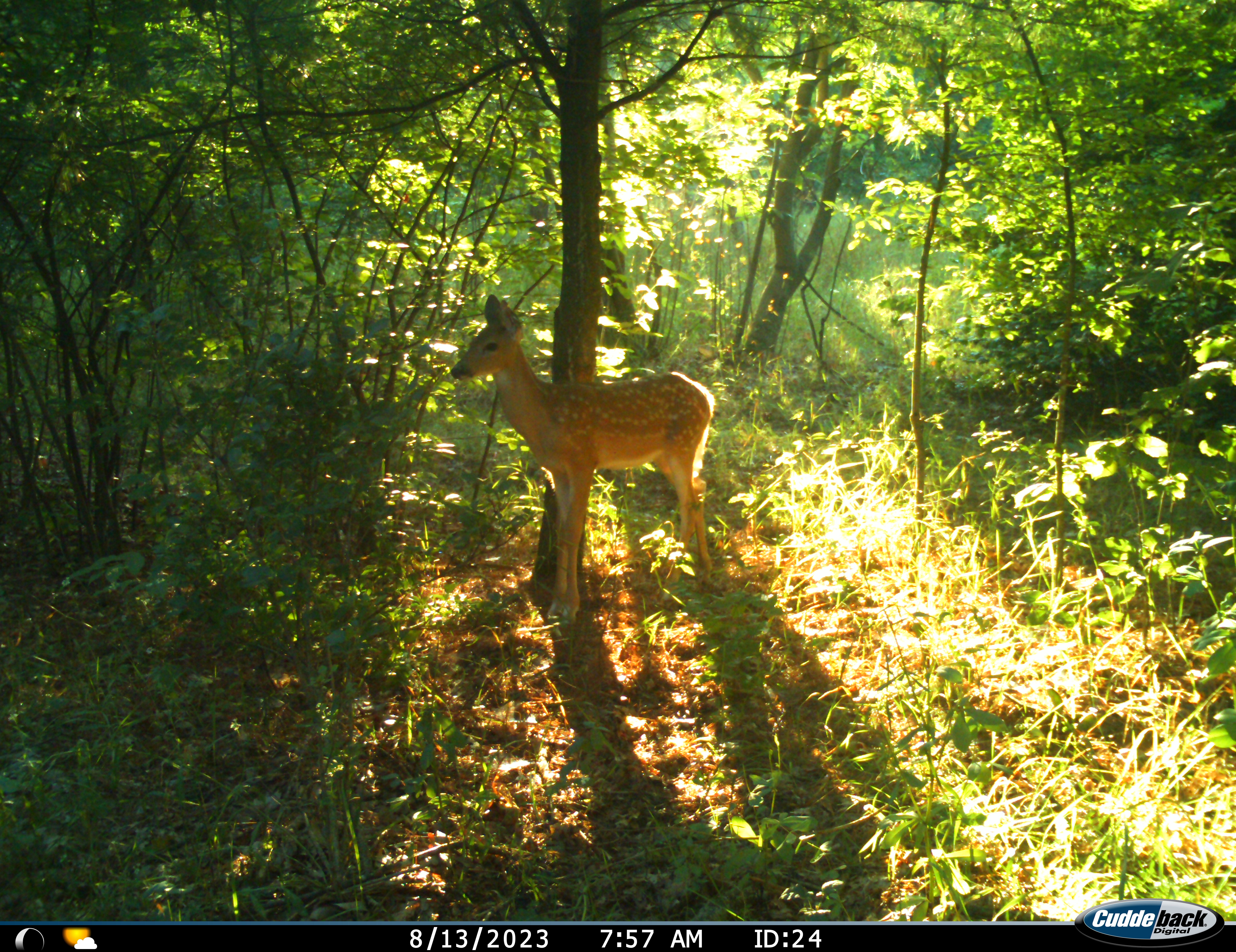
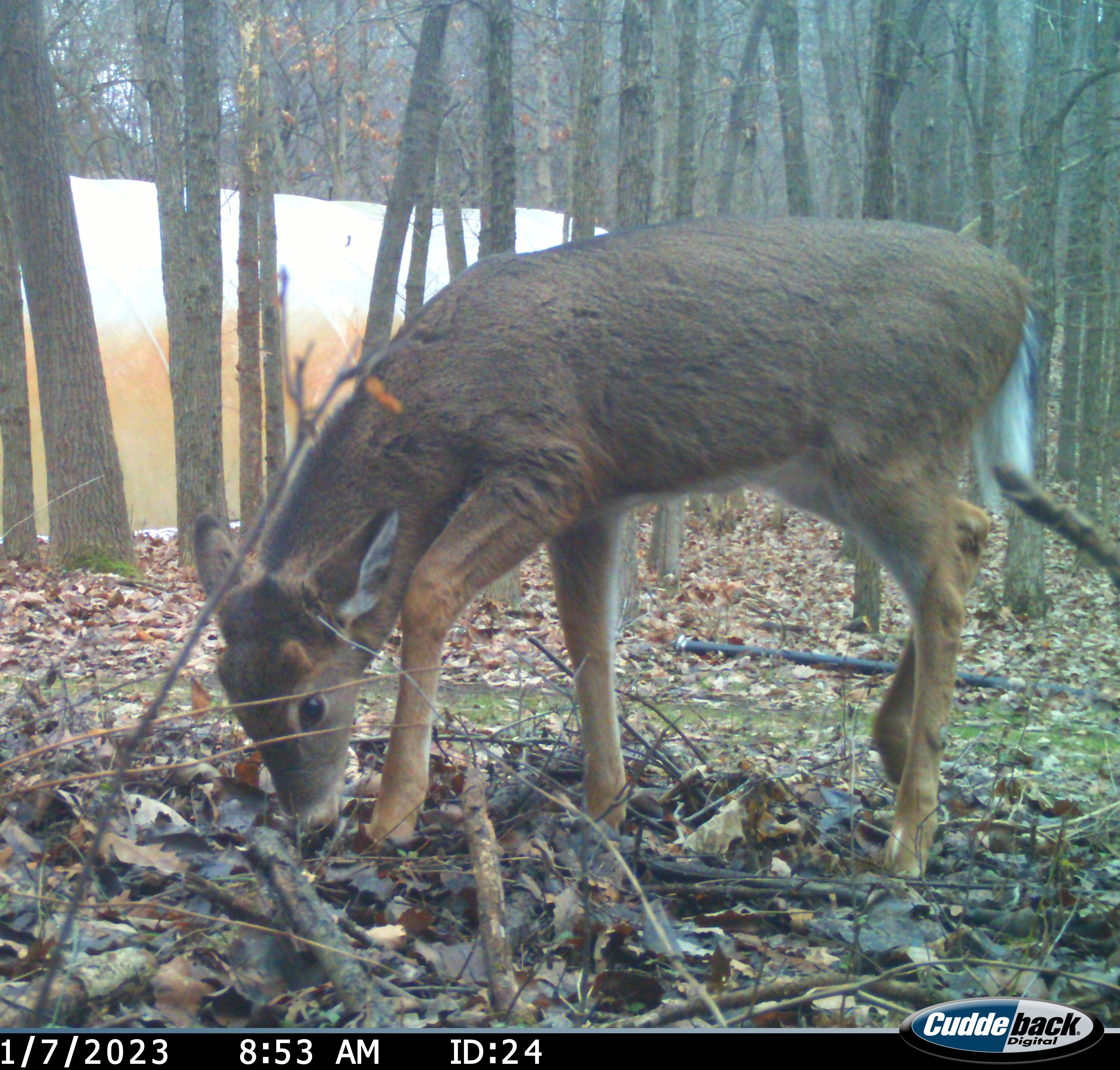
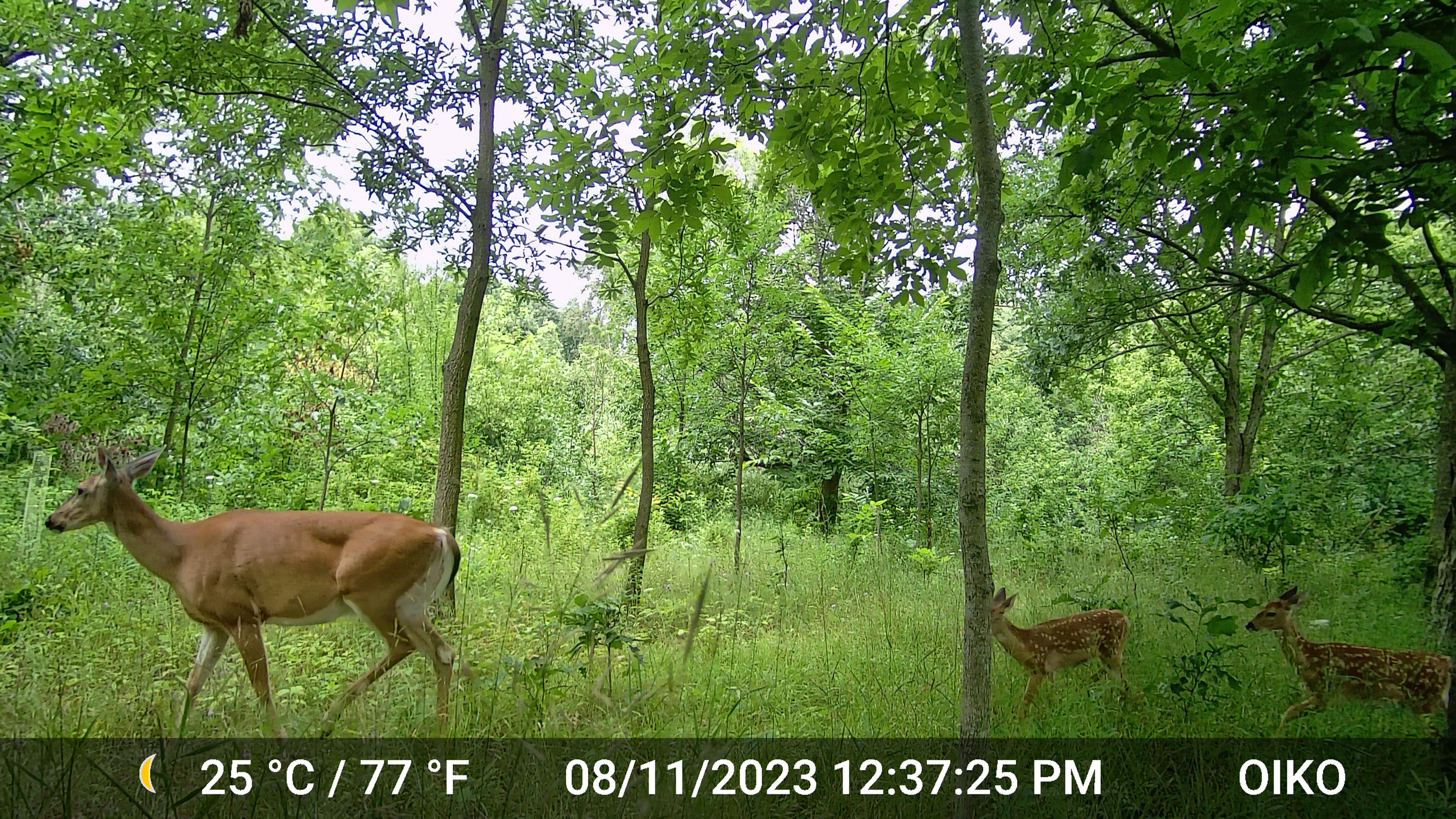
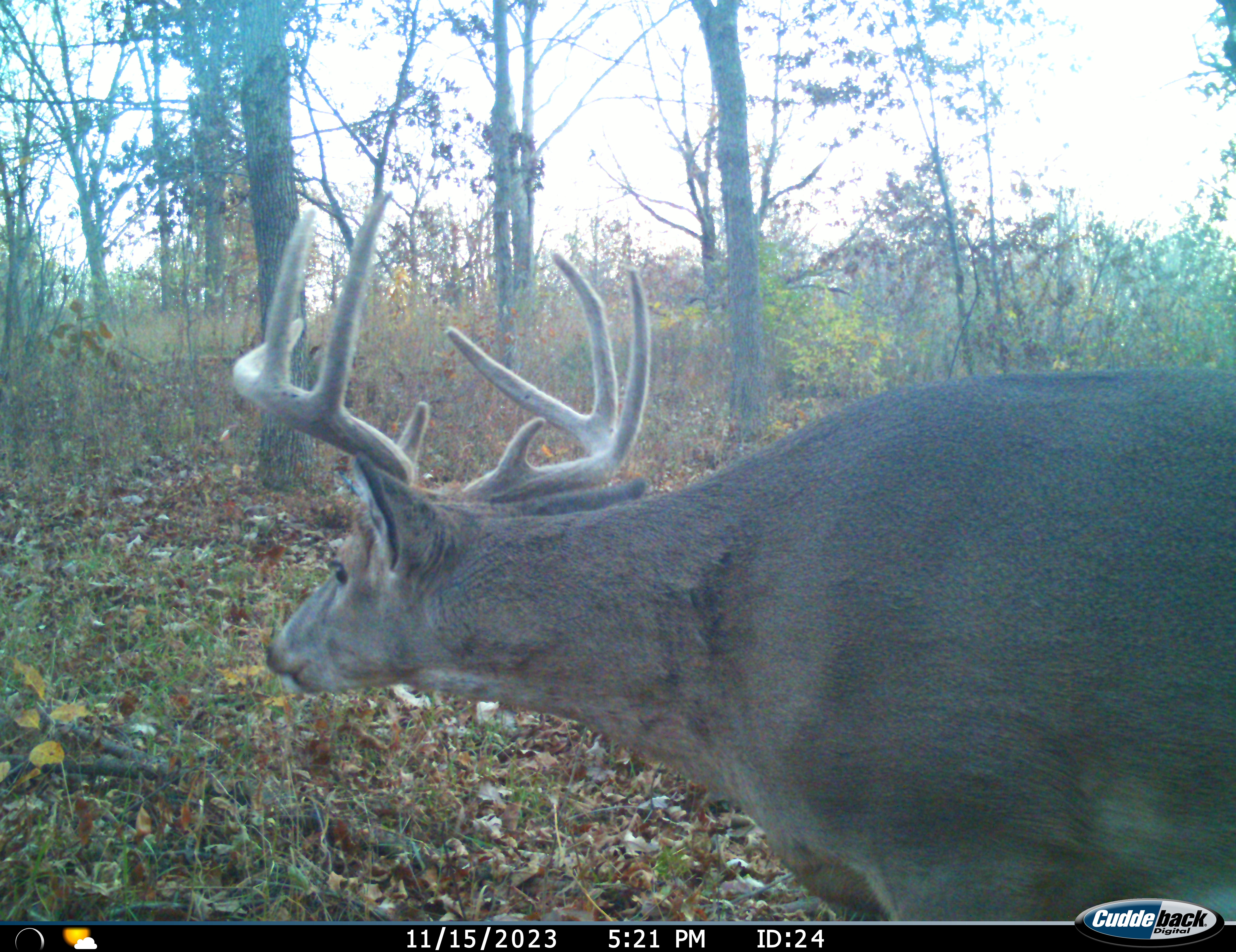
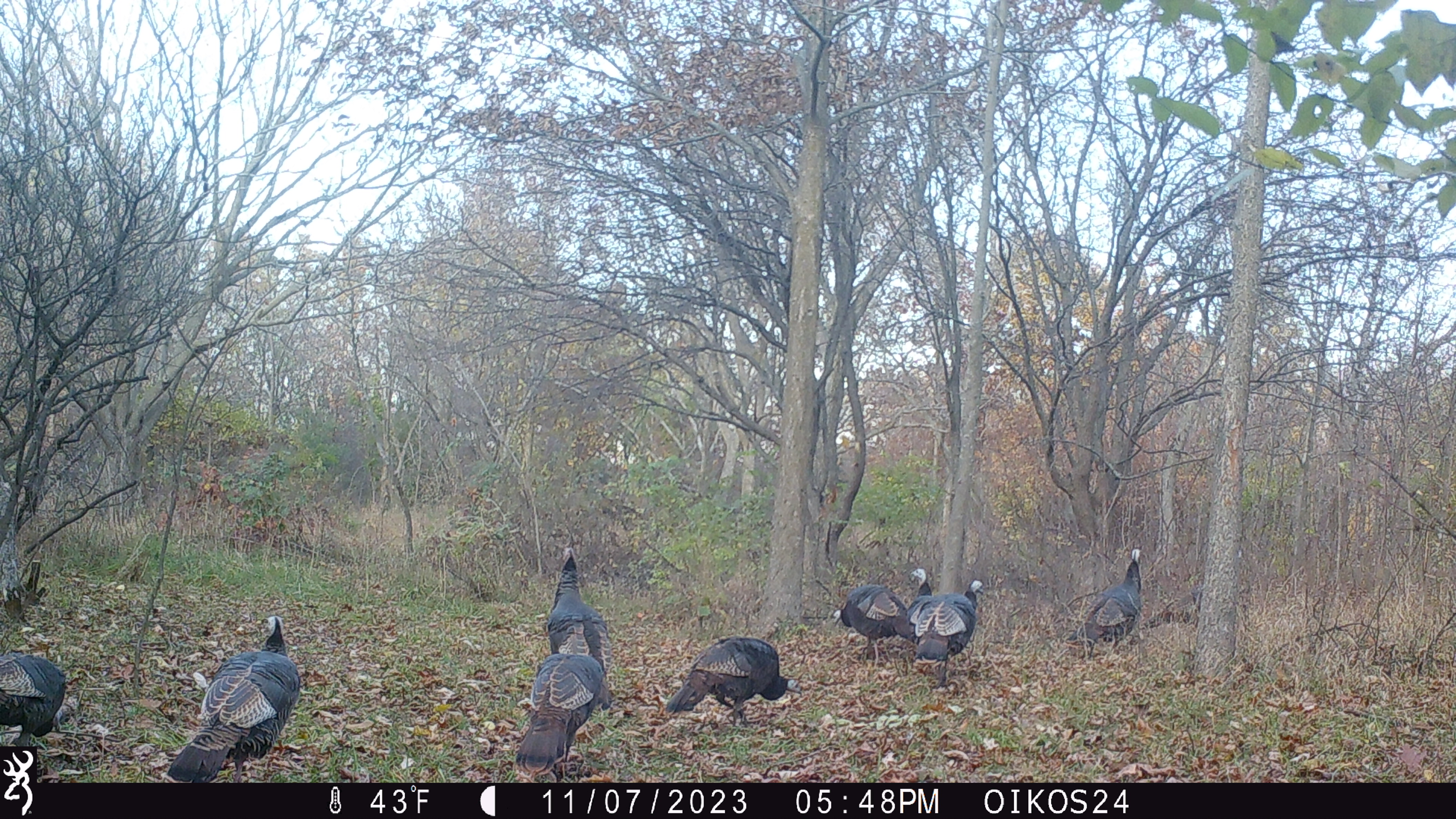
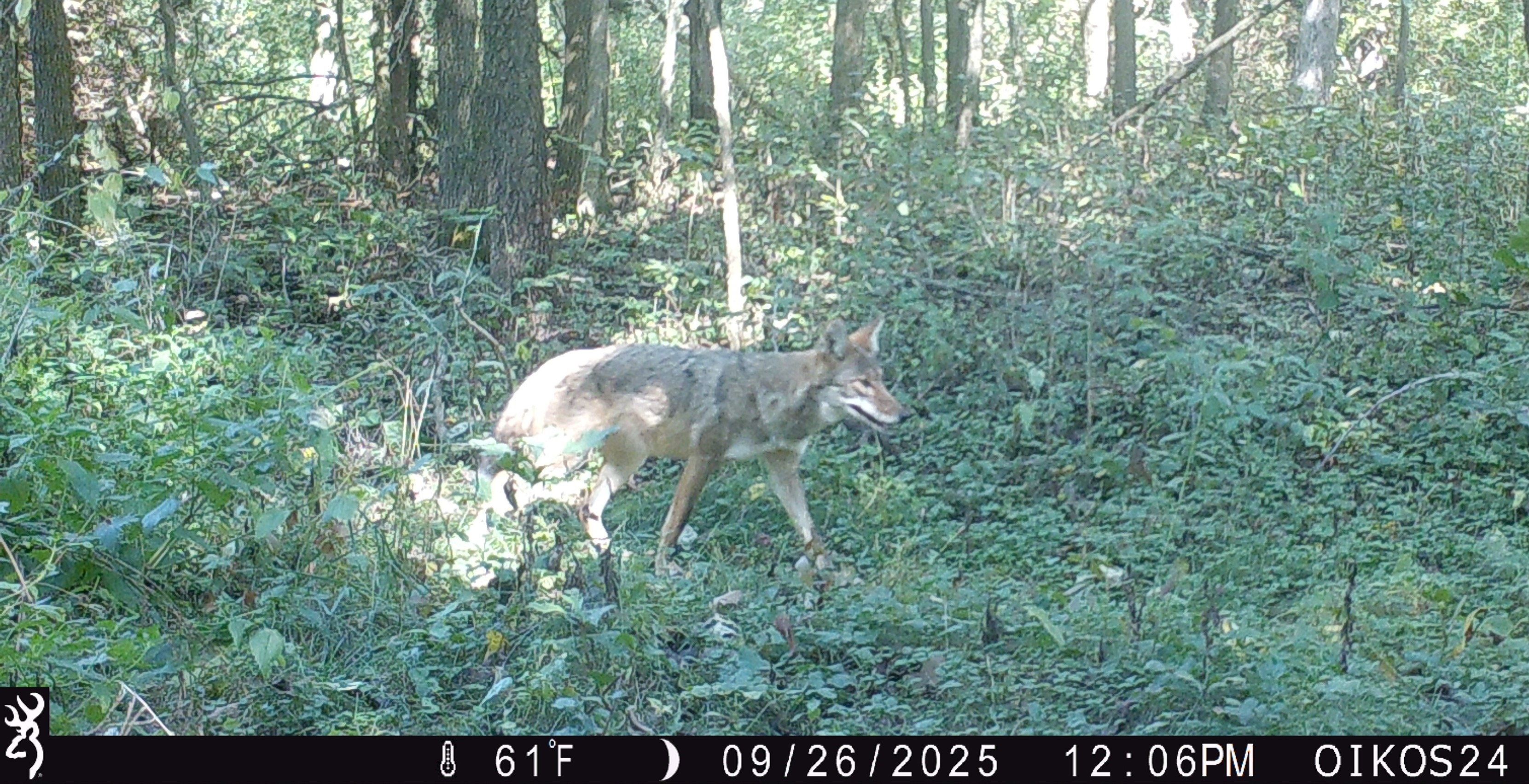
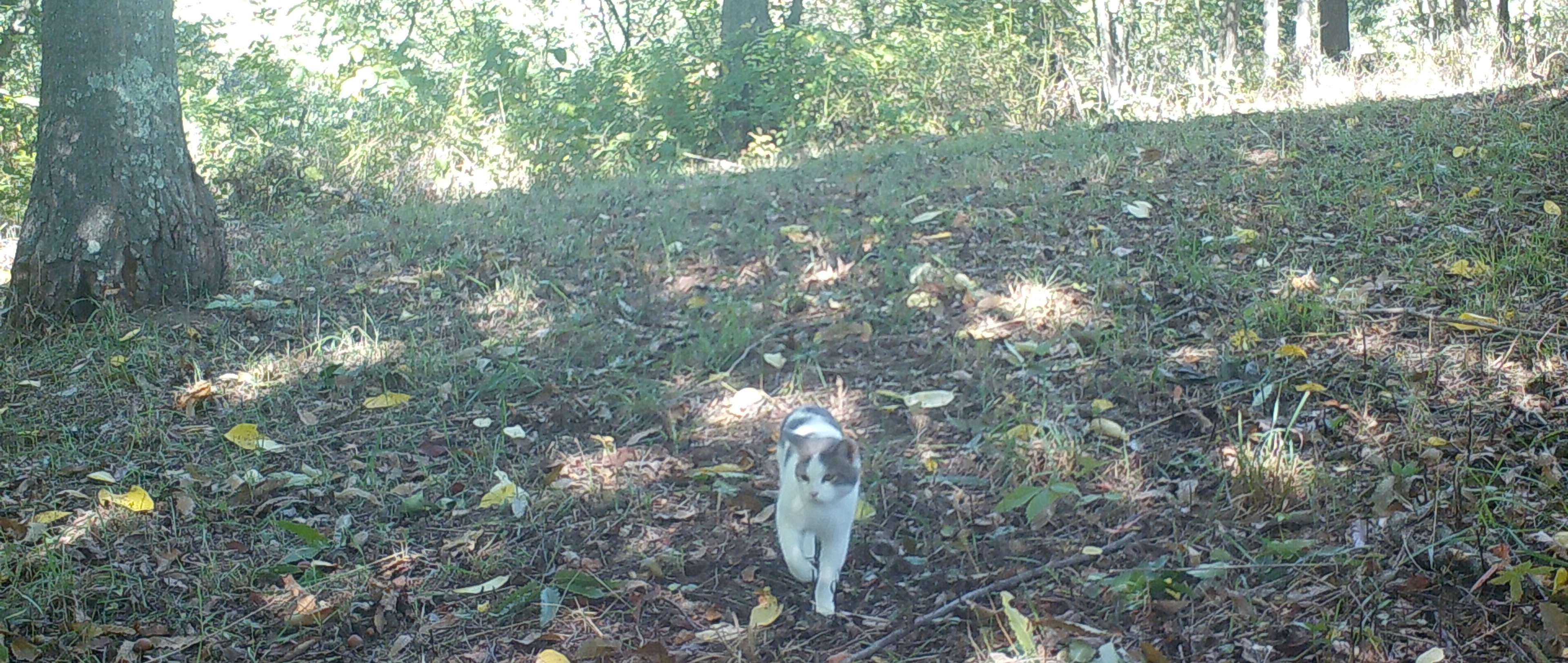
It was from this vantage point that I began using wildlife cameras to capture this beauty. This allowed me to see a wider range of animals including birds of prey and my neighbor’s cats with the coyotes close by. This is the real world of integrated plants and animals all thriving and surviving on a tree farm wedged in by grape farms and homes where people live their lives. People, plants and animals visit. Some stay. Some are invited. Some are not. There is no department head to ask permission to exist on my farm. It just happens and so does the ecological integration that follows. Nature makes no mistakes.
Enjoy. Kenneth Asmus


 biologicalenrichment
You must be logged in to post a comment.