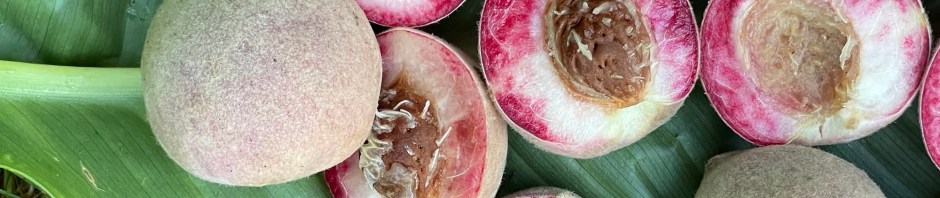
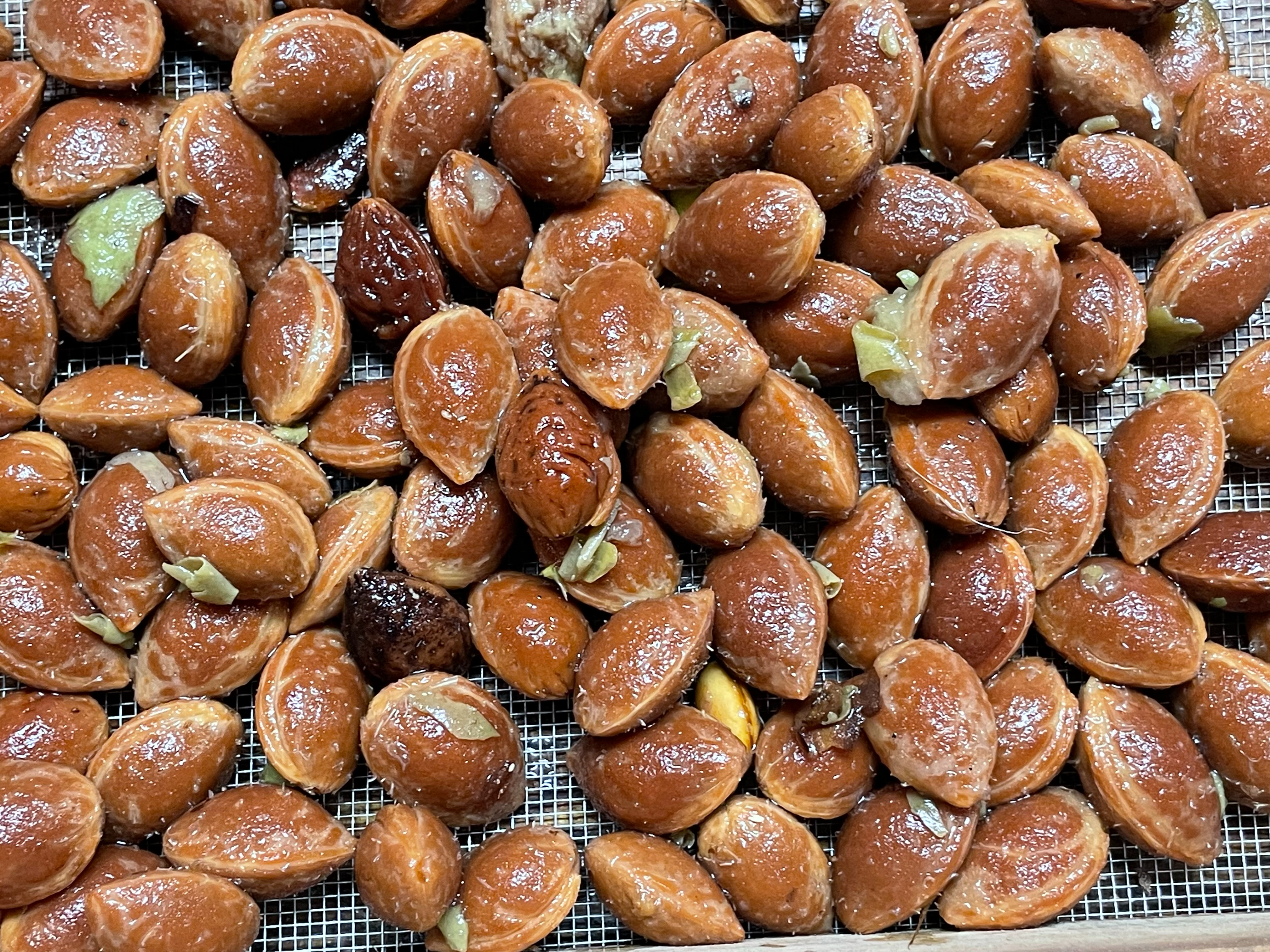
The very first peach I had ever seen on a tree was from a backyard gardener next to my family home in Saginaw, Michigan. Peaches were not common there because of the late frosts and cold winters. My neighbor was using the Ruth Stoudt method of gardening with six inches of thick straw mulch on the surface of the soil. Looking back at that time in the early sixties, he was the first organic gardener that I knew. He was a builder and bricklayer by trade. He said he needed this food because he thought most food was deficient in flavor and nutrition. One of his peach pits he threw out sprouted under the mulch and he let it grow into a tree. It was filled with delicious peaches. I remember thinking how spectacular this was and if it could be replicated in some way. To me it seemed like a miracle. There it grew by the brick grill untended surrounded by straw. This location may have increased the late flowering due to the thermal mass of the grill and the dense thick straw. Years passed and finally I ended up in a large peach orchard in southwestern Michigan during a fruit growers convention. In this modern orchard system, there were large herbicide strips under the trees making the ground completely devoid of any vegetation. There were no grills or straw mulch. Peach trees are short lived trees I was told. After 20 years you need new trees. This orchard was fading with a lot of missing trees. It is a huge expense to replace the whole system. Not long afterwards I met a peach breeder who had several selections grown throughout the world. He filled me in on the peach agri-business and the large landowners who own thousands of acres of peaches in the southeastern U.S. . There they frequently sweat it out every spring over cold nights dropping below 32 F when the trees are in full flower. It was a brutal financial reality tough on human and peach physiology.
At this time, it became apparent to me that you could pretty much grow any peach in any manner you wish. No one would stop you because the thin line of success is so well defined in commercial peach culture. Anything you do outside of this is gambling with mother and human nature. My idea of peaches from pits is kind of laughable. It is not considered a serious idea and is not the normal peach culture. To make the odds in your favor you need to follow only the tried-and-true methods. You are free to do any sort of peach growing gymnastics. The house in this case is the standard fruit industry and its love of uniformity and creating a similar ‘product’ over and over again. Small furry peaches all grown from pits is not on the menu. But certainly you are free to do it.
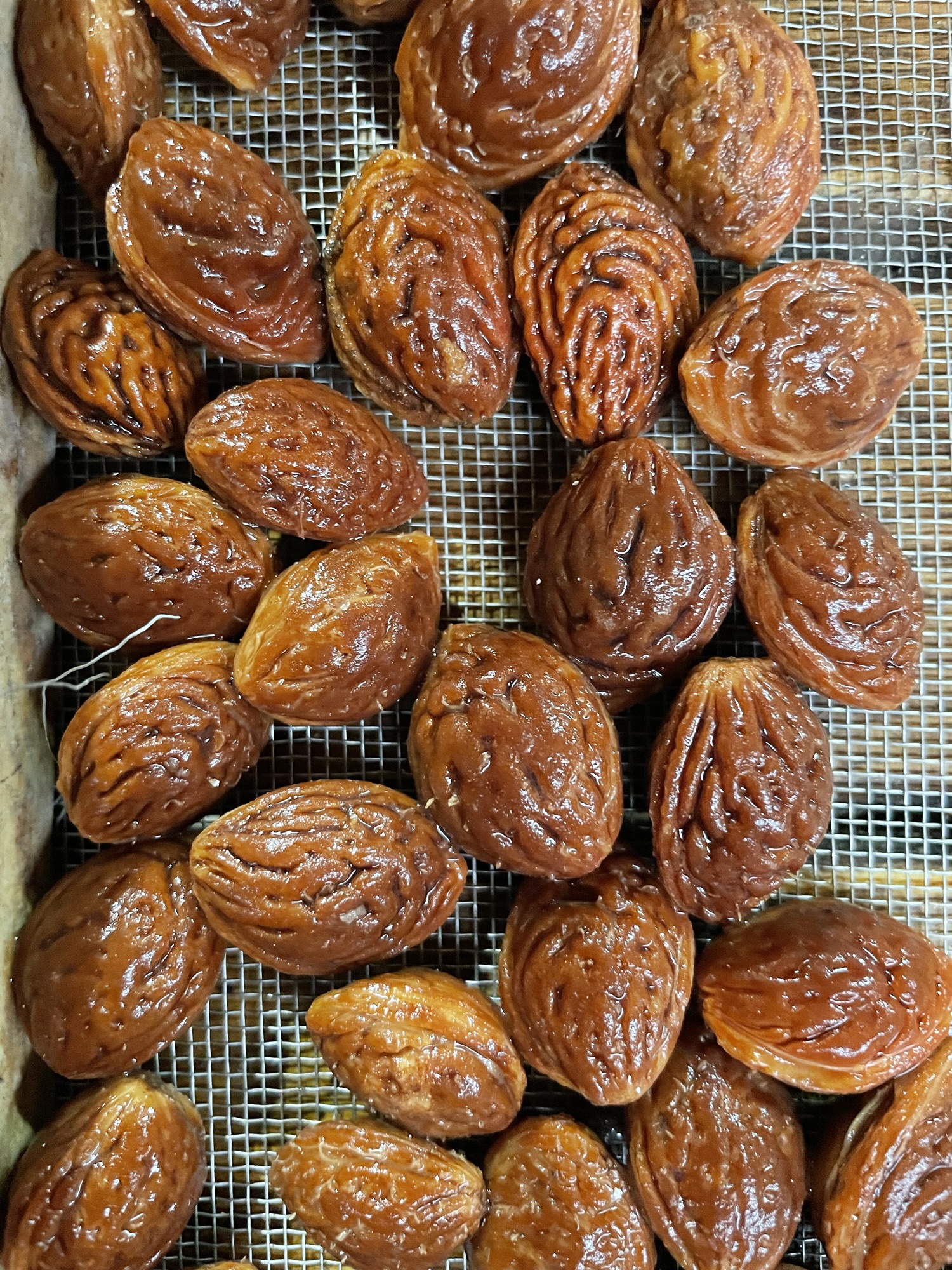
Let’s suppose you want to grow peaches for eating directly from pits. Maybe in the process it is not needed to graft and you find a new culinary nirvana. The reality is you are now growing something that has never been cultivated. It is not a variety that is recognized. In fact, it is not a variety at all. It is Prunus persica but it is not be thought of as a peach selection. It would be a peach relative or a peach species and viewed mostly as worthless seedling peaches by almost all modern horticulturists. It would create confusion as this does not equate to peaches to the rest of the known world of peaches.
This is what I wanted to experience. I wanted peach nirvana but without the hoopla. I don’t want patented. I don’t want a new variety. I want to share my pits not scions. I felt the pit idea was sound. I viewed it the same way as growing a red oak from an acorn. Having a tree on its own roots, easily propagated and easily replicated immune to insects and disease is a good goal. One mature tree could easily produce 10 acres of peach trees with its progeny in just one year. A small orchard could produce an industry wide effect in a given region easily. You could throw out the nurseries in the process and lower the cost to a few cents per tree.
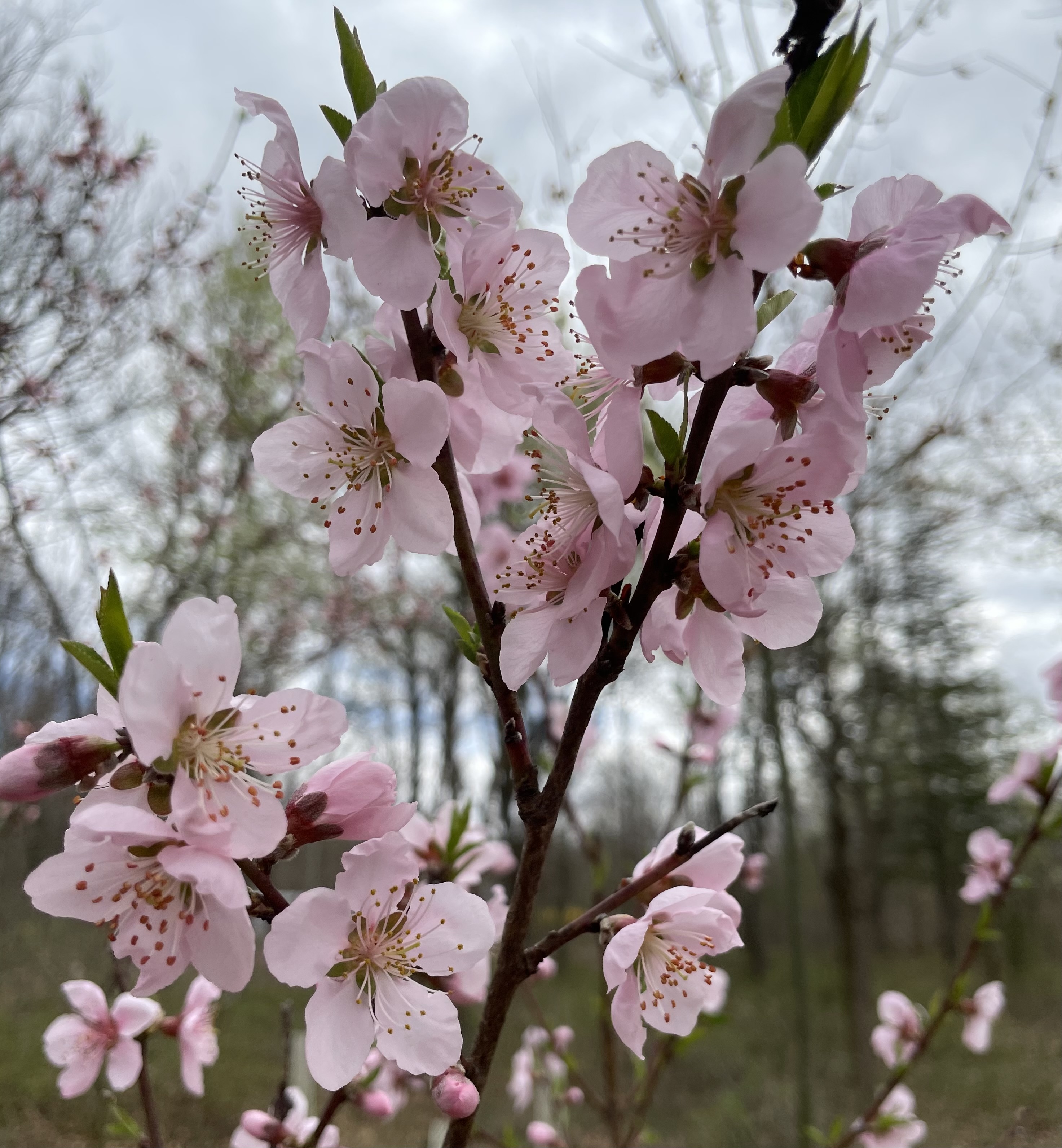
I did find a small group of enthusiasts with peaches from pits. Many of them seemed like they down played their seed sources as experimental or rootstock plants. They had what is called in advertising as ‘weasel’ statements in their descriptions saying it is only for the hobbyist and cannot be trusted due to the variation from seed. The first one I grew from pits back in the nineties was from the Seed Savers Exchange where there was an Iowa white peach available from a member. He said he found it in a ditch. At the turn of the century this selection was done both from pits and grafted trees all from Iowa. Iowa would be Mars to any other peach tree grown in the United States so quite an adaptation in that region. From there I met a botanist who obtained what he thought was the original Spanish peaches in Texas self-replicating themselves from pits in the wild. A lot of times botanists would not pay attention to human introduced plants as if it was some sort of curse or disease. Remember they would say, it is not native. Thank you Sherlock. I was happy he thought it was of value. Eventually a few people sent me heirloom peaches which were pit grown with stories included. Michigan, Wisconsin and a few from locations where peaches were self-replicated by seeds in mountainous regions of the world were added to my plantings. I had an intern working for me who was an assistant for the state experiment station scientists that do fruit tree and peach research. I wondered if they would like to replicate my plantings there. The note came back as ‘this is not what we do here.’ A quick glance at their research projects includes hundreds of thousands of dollars devoted to evaluation of pesticides for peaches supported by the companies that manufacture them and the state of Michigan. Peaches from pits are not on their radar. Meanwhile, I began to create very small plantings at my farm from several heirloom peaches including the Latvian purple peach and the Mackinaw peach.

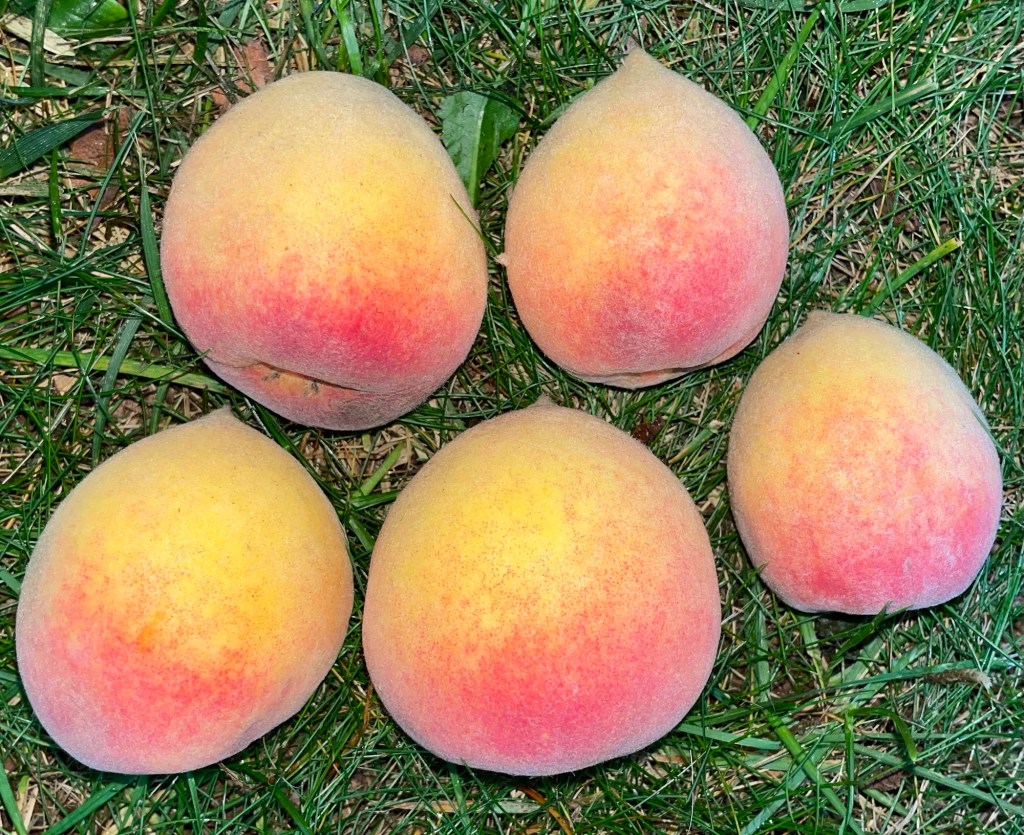
As time went on and they began to fruit, I grew very fond of these seedlings because they were very immune to insects and disease. That was a surprise because untended peach trees that I knew in peoples yards were always riddled with insects and large brown splotches of fungal disease. Frankly, I think it was the fuzz. Praise the fuzz. You need thick fuzz which ironically has been selected to be minimal on peaches today. They could be grown organically AND from pits. The quality was very good. Did I find nirvana? I think so. Yes. Every time a new fruit ripened for the first time on a tree, I yelled out in great joy, “Are you kidding me?” as I tasted them. How is this so good? The peach ripening on the tree is the only way. The small variation is less of concern.Equally, there is less selection pressure by humans for the desired traits of modern peaches which are highly refined. The peaches from pits flavor was let go in the process in finding a stable from seed tree with good fruit set. This highlights a common research and development goal for all those who have a small planting of fruit trees. I need a larger grow out to test, refine and prove my selections and increase the pit production. Ten acres would be ideal. Maybe if I pony up at the table with the chemical companies, I can chip away at those magnificent funds they compete for from the state of Michigan. Even if my selections were rooted or grafted to put into an orchard, a true from pit population is stable enough to do it commercially.
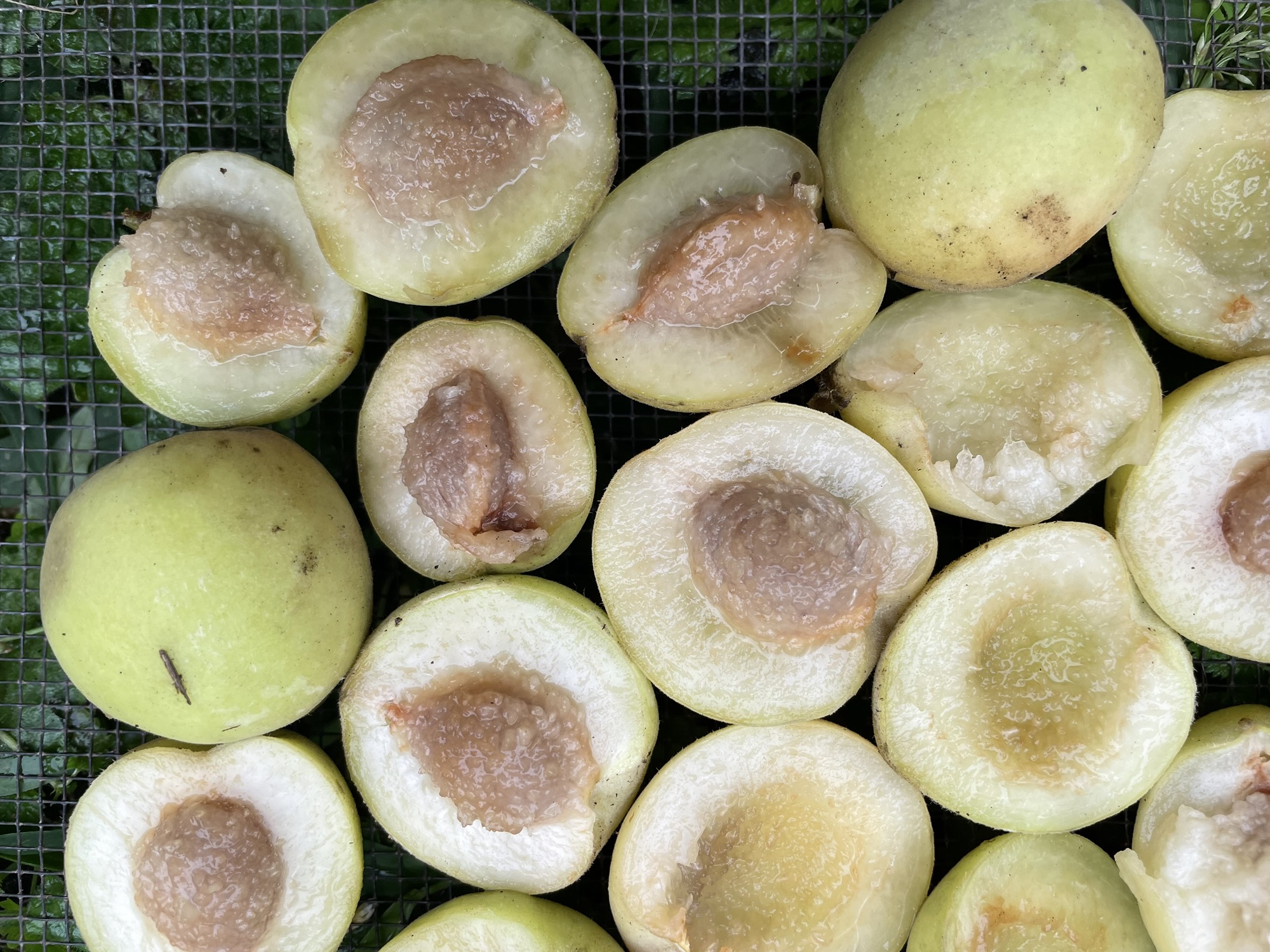
Like all tree crops, it will be the seeds of the peach that will propel us forward to a more successful peach culture including the removal of the toxic chemicals used to cultivate peaches today. It will require a living collection to capture the changes going on in the environment to store that information for the next generation of peaches. If we arrest that evolutionary process, then we slow down the progress of peaches within our collective cultures across the globe. If we keep using the older varieties as well as selections from these older varieties, then it will weaken the connection between human and peach. The peach has to ‘collect this knowledge’ or genetic information one year at a time and then act on this new knowledge in the form of a seedling tree. The peach is a student of the climate. Clonal selection can only hold them in place. We should be swimming in varieties outside of the commercial world as well. Currently, we are not.
The peach is ultimately saying, let me go brothers and sisters. Throw my pits out into the rough and tumble real world. I can take it. Just give me a chance. You don’t have to put me in a row. A human is searching for nirvana in all things peachy. The peach can help with that. All living plants bring benefits to the human race. The peach has a clear voice we can all hear and understand.
Enjoy, Kenneth Asmus


You must be logged in to post a comment.