Hybrid American Chestnuts: Castanea dentata x mollissima
When I first started my nursery, I was always trying to find new seed sources to grow trees. A lot of my early sources were people known to me by reading Organic Gardening Magazine and Mother Earth News. I read these periodicals at the library in the magazine section. (I’m old.) I also joined many fruit and nut growing organizations. One of these discoveries was a source for American hybrid chestnut seed called the ‘Douglas’ hybrids. This was a seedling discovery found by late Earl Douglas in New York who had planted the Manchurian and American chestnuts within wind pollinating distance of each other. He soon noticed the in-between progeny of the Manchurian chestnut and American chestnut and then let them fruit. His American trees eventually died, and his hybrid trees continued onward showing resistance to chestnut blight. Chestnut blight is not controllable. Nothing is left standing using the all-American chestnut, so I was very excited to find this seed source. Here is his pamphlet reproduced here. (Still searching for it. Sorry for the delay.)
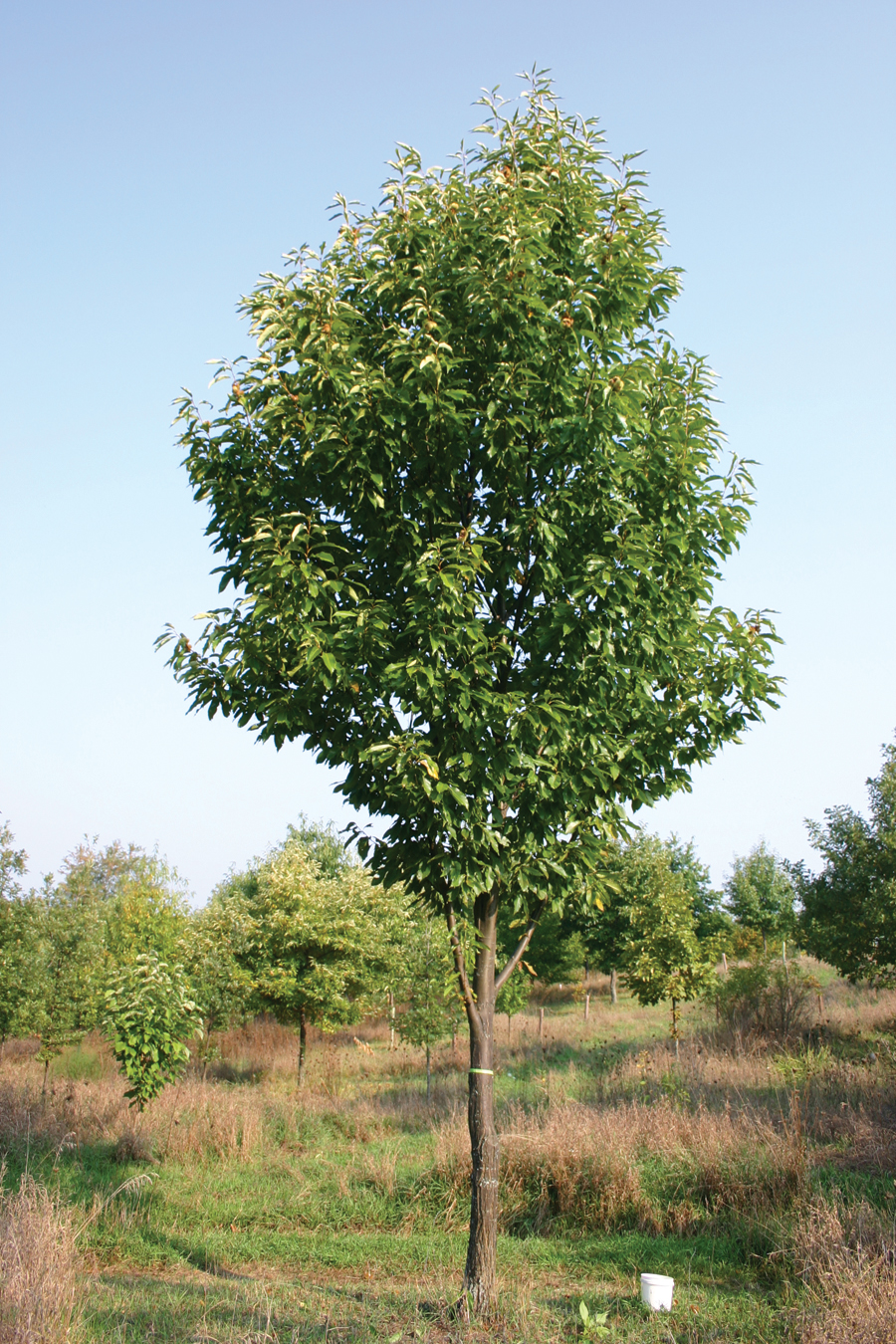
For many years like clockwork, I grew the Douglas hybrid chestnuts all from this one source from two separate growers. Along with two cultivars called “1” and “1A” that were a generation or two away from the originals, I could produce enough trees for my nursery. I found a few other seed sources that people discovered called the “Simpson” and “Gellatly” hybrids. These were a great blend of three species including the European chestnut. I was able to grow a thousand trees every year. Eventually I made selections from the seed beds to plant in my outback as I continued selling the hybrid seedlings in the nursery trade. I had the idea of creating a seed orchard of hybrid chestnuts hoping for the ‘new and improved’ version to grow at my farm. I chose trees based on fast growth and good branch structure with strong central leaders. The sales of the in-betweeners was a challenge. It was consistent putting it in the top ten plants sold at my farm. People did wonder, “Is it one thing or another?” and “Does it matter if they are all mixed up?” Today it is a different retail environment, and the hybrid is understood and desired as many other seed strains are available for orchard cultivation. Along with that is also the pure and illustrious thinking of the holy species where people shun the crosses because they have a species bias. This falls into the native only camp. Each species cross is different. Most are for nut production which uses specific Chinese cultivars. I focused on a taller timber tree much like the American chestnut that is blight free. I was not a fan of intensive selection so I did what is done in the oak world and created hybrid swarms. In this scenario, you keep what you think is the healthiest plants from an open pollinated population with the fastest growing and apically dominant forms. Nut production is unknown at this time.
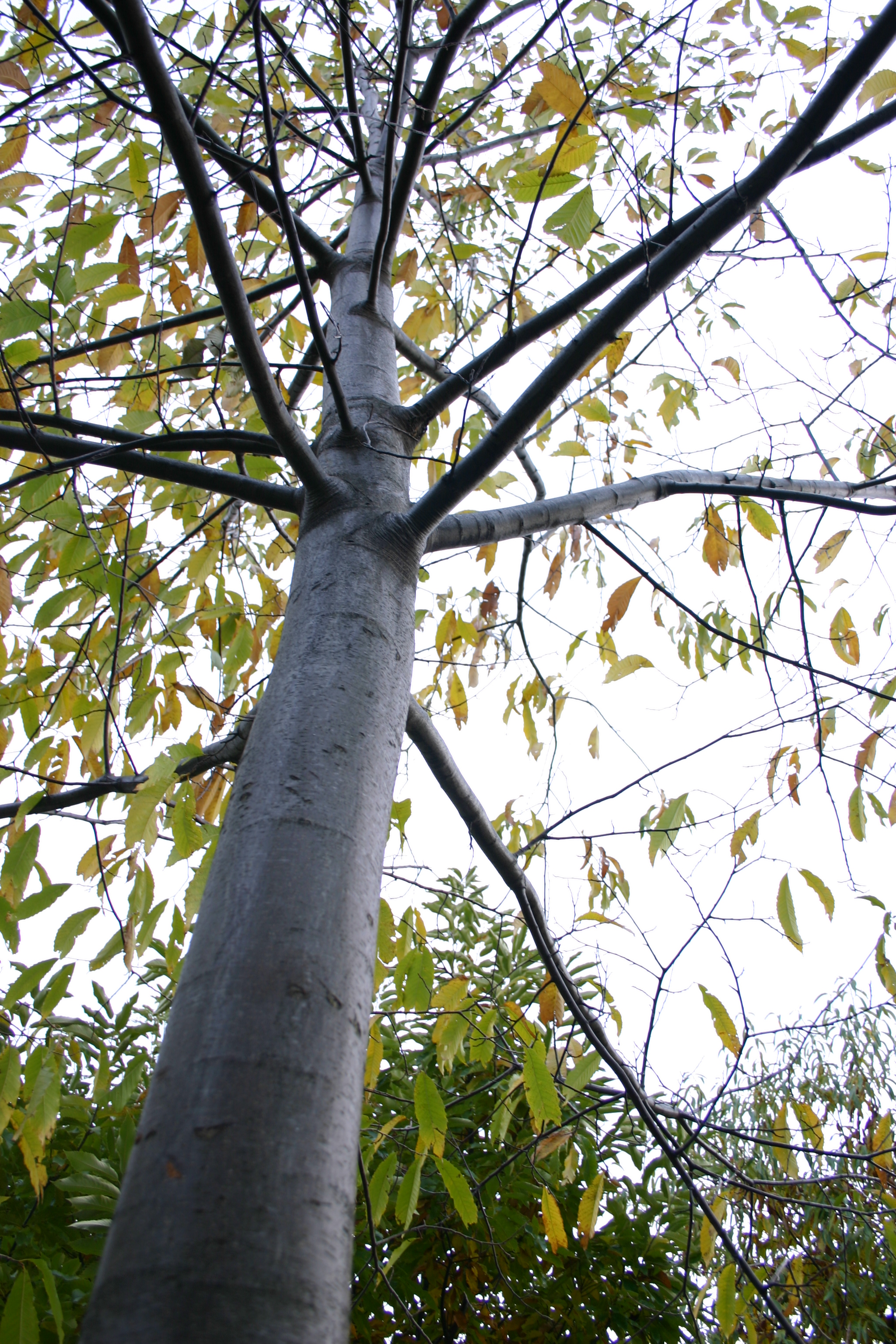
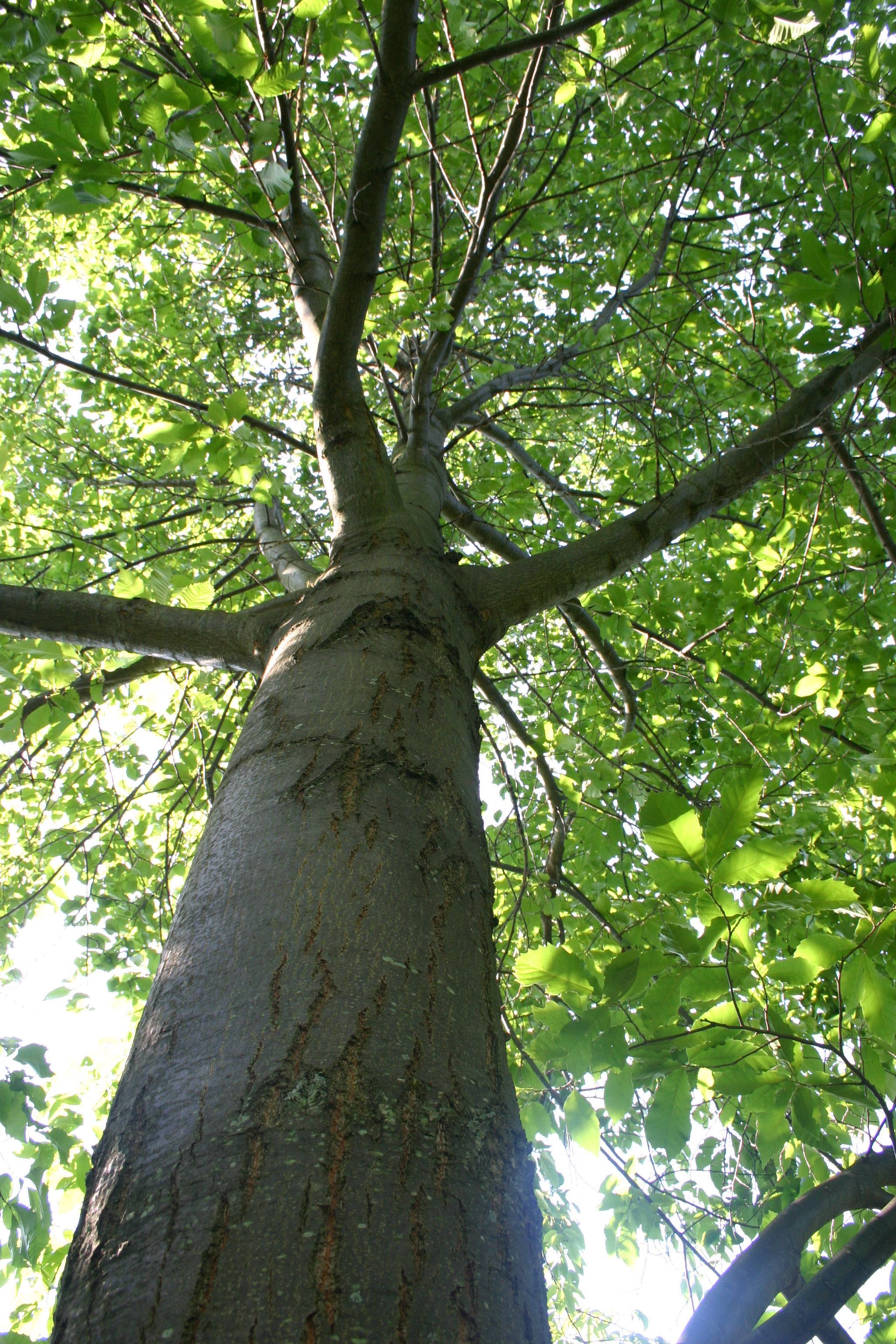
The mini repository of all things Castanea that I was planting allowed me to see this great diversity with the in-between hybrid populations. I knew I needed the healthy vascular system like the Chinese chestnuts. Over the years, I found many unique attributes to growing the inbetweeners. There were plants in my seed beds barely two months old with seed burs on top of the plant. There were highly vigorous trees some of which grew 6 feet tall in one year. One tree produced an average of 9 nuts per burr. This wide variation was a hint of the very fluid nature of the hybrid chestnuts. What I didn’t understand at the time was the remarkable chestnut blight disease and its great destructive power. Because it was not found on my farm due to my treeless isolation, I was living a dream chestnut life free of disease. Eventually the blight blew in and found the perfect host tree: my hybrid American chestnuts. Trying to navigate it or prevent it was impossible. I gave up. I was overwhelmed and so were my inbetweeners. Most of the mature trees died within a 2-4 year time frame. I began new plantings using specific seedlings within the blight filled areas at my farm. It was my ‘Hail Mary’ moment.
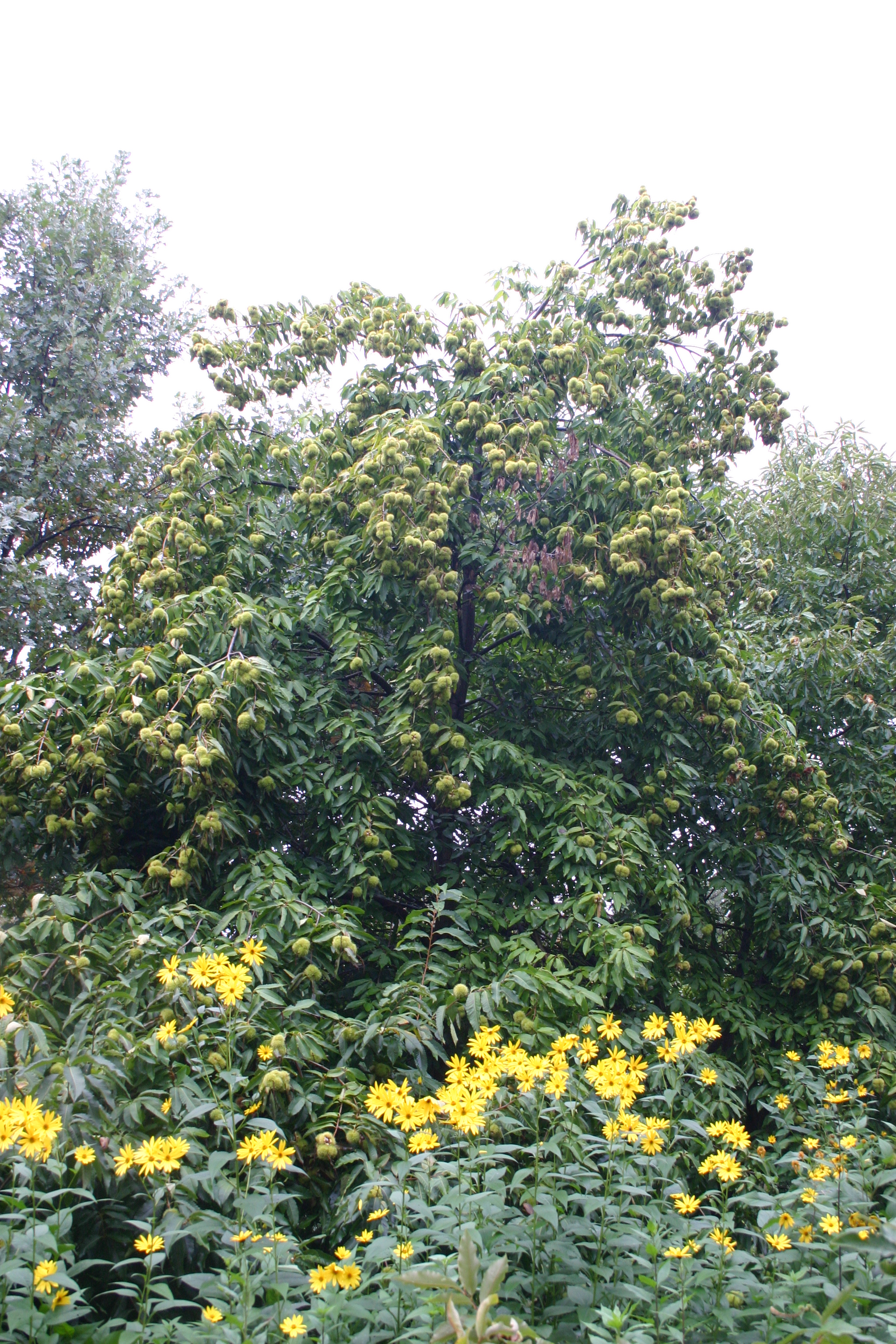
BELOW IMAGE: This super laden hybrid American chestnut pictured below with artichokes in the foreground was a causality. After this massive crop, the tree died completely.
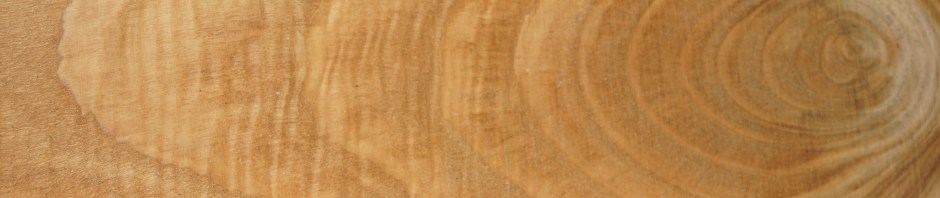
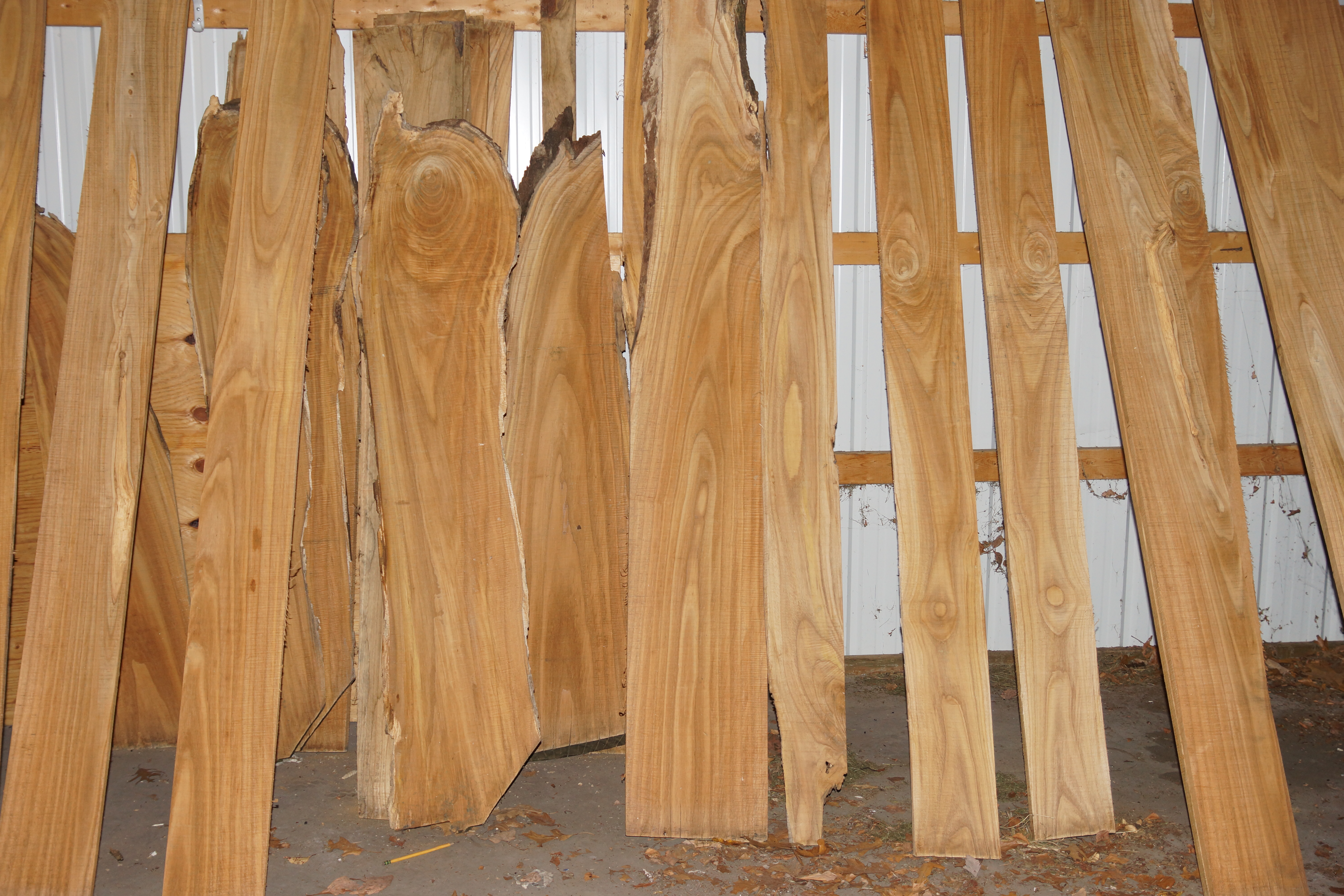
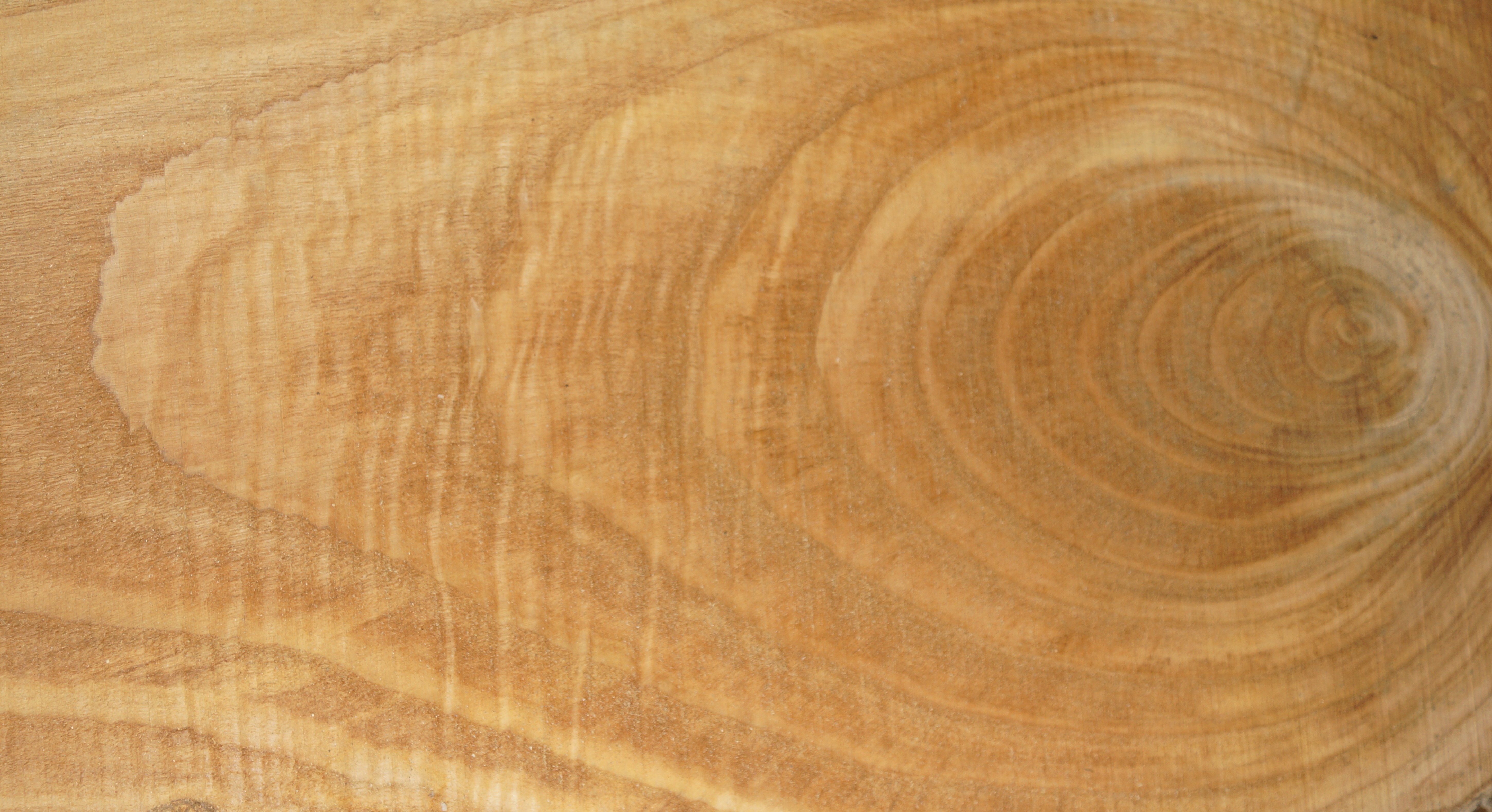
With the help of a neighboring farmer’s brother who owned a mill, I began harvesting the wood and had much of it milled into fine lumber. I let everything go and encouraged natural seeding from both the new and old trees in the plantings. The seedling trees left had a much faster turn around rate. From infection to death was increasingly apparent on smaller caliper trees. This quick turn around improved the selection process dramatically and allowed me to manage the planting in a more streamlined and effective way without huge loss.
Letting go is the solution not intensive breeding.The population smooths out over time and a portion of the immunity remains in its wake. The inbetweeners become new species. New seed sources are discovered along with the addition of greater biodiversity of other food plants that grow in the shade of these tall upright trees. Directional pruning along with the addition of intentionally planted trees like honeylocust, plums and mulberries helped with the design initiatives of my farm fulfilling the missions of ecology, conservation, agriculture through J.Russel Smith’s Tree Crops; A Permanent Agriculture. This happened all because of a tiny little fungal disease improving the resilience of my farm and the plants that inhabit it.
Call it whatever you want. Castanea iluvumanii.
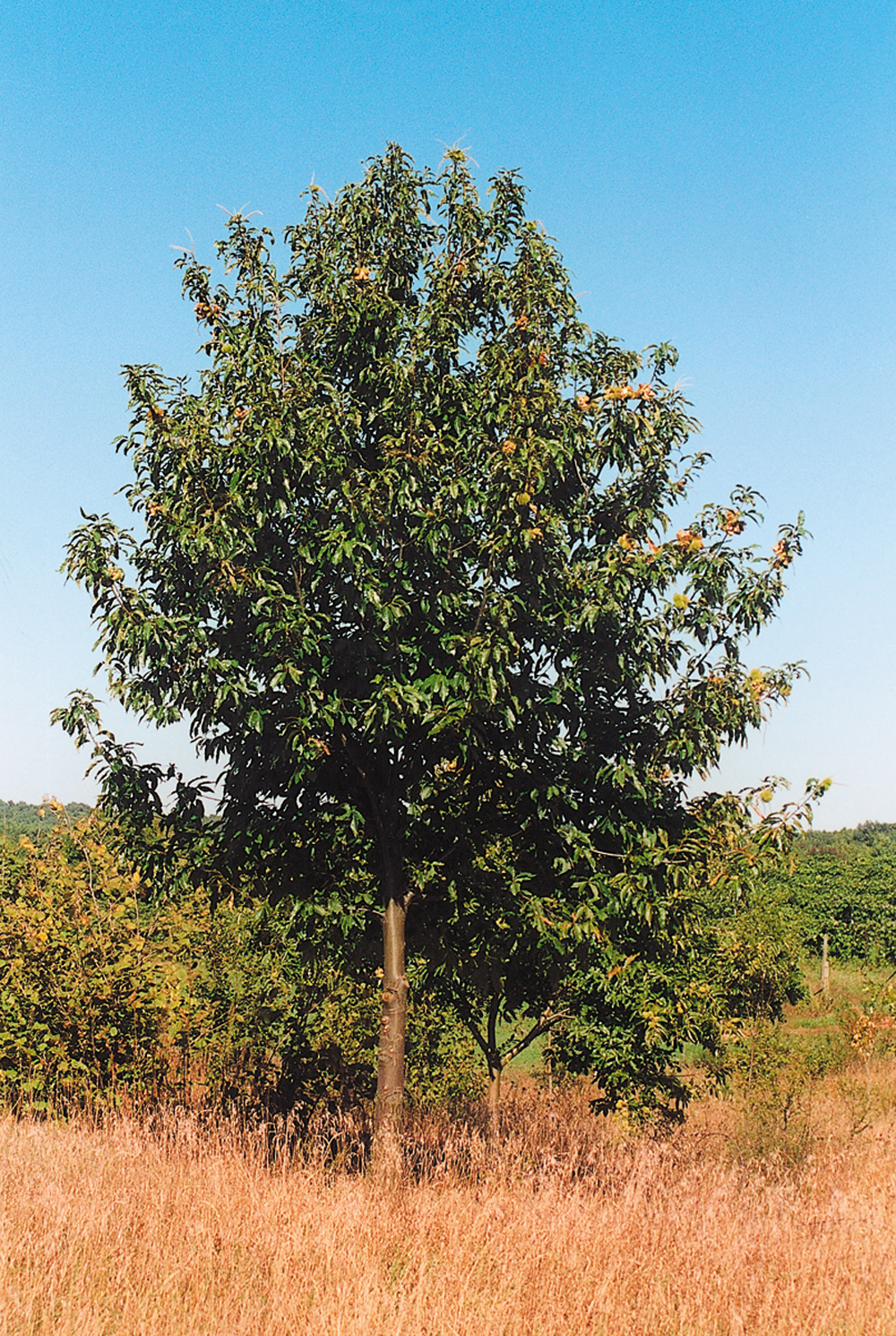
I didn’t mow or remove brush or fallen limbs. Many blackberries grew in those locations as the grass faded away and the birds used the dead limbs for roosting. Soon you could see seedlings of apples, pears, cornelian cherries, walnuts, multiflora rose and shellbark hickories seeding in these areas with the fading chestnuts. Once I did that, the inbetween solution came forward in ever greater numbers of strong growing, highly resistant trees with very vigorous strong timber like growth while at the same time increasing the biodiversity of my plantings. Many of the trees that are now gracing my farm are the result of this population expansion into the hybrid swarm that produces an intermediate “species”. This resistance becomes apparent in successive generations and skips through the long wait time needed in the past. The disease becomes weaker with time and the trees stronger. The blight also morphs into a weaker form of blight, and the trees find a way around it through callus formation. The callus formation makes it possible for the trees to continue their life into maturity and fruit continuously even after infection. It is not zero but nothing in the world is for plants. The disease provides an avenue for increased health and vigor of the new species.
The inbetweeners are a powerful message of tree salvation amidst real world problems.
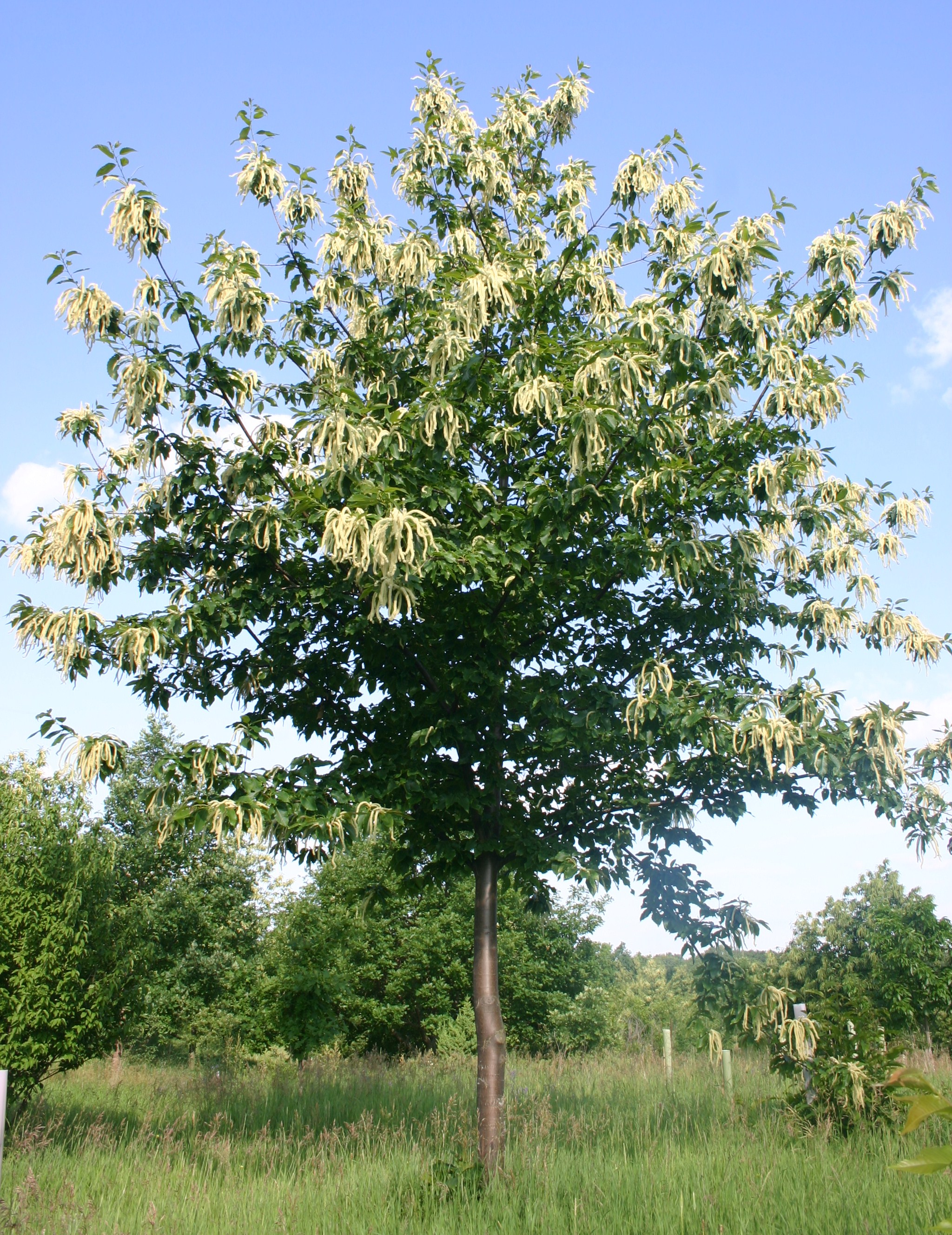
The inbetweeners find new ecological avenues for expression in a world of division where everything is one or the other. Now one is two blended as a whole.
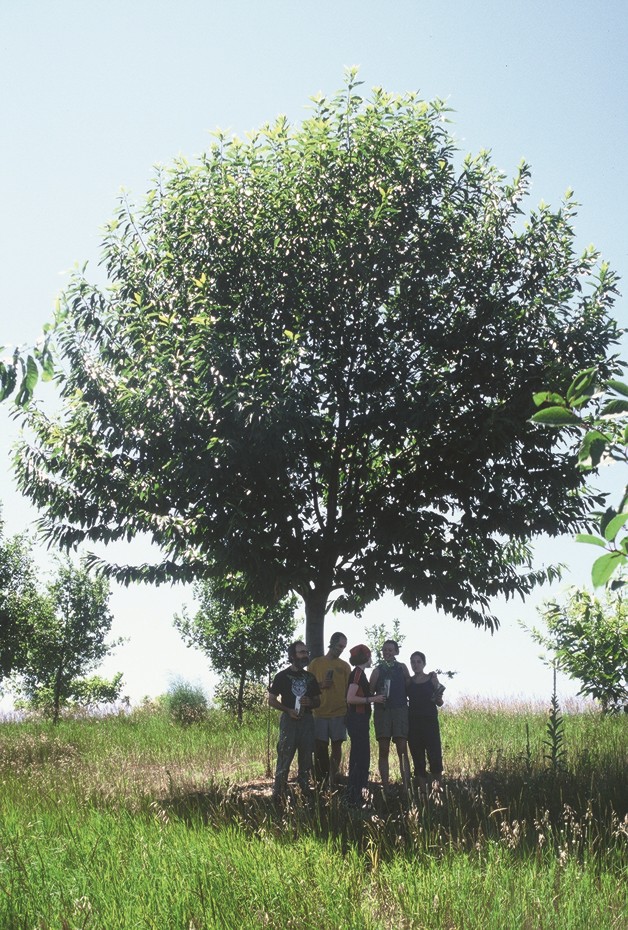
Agroforestry, Pollarding and Coppice Production:
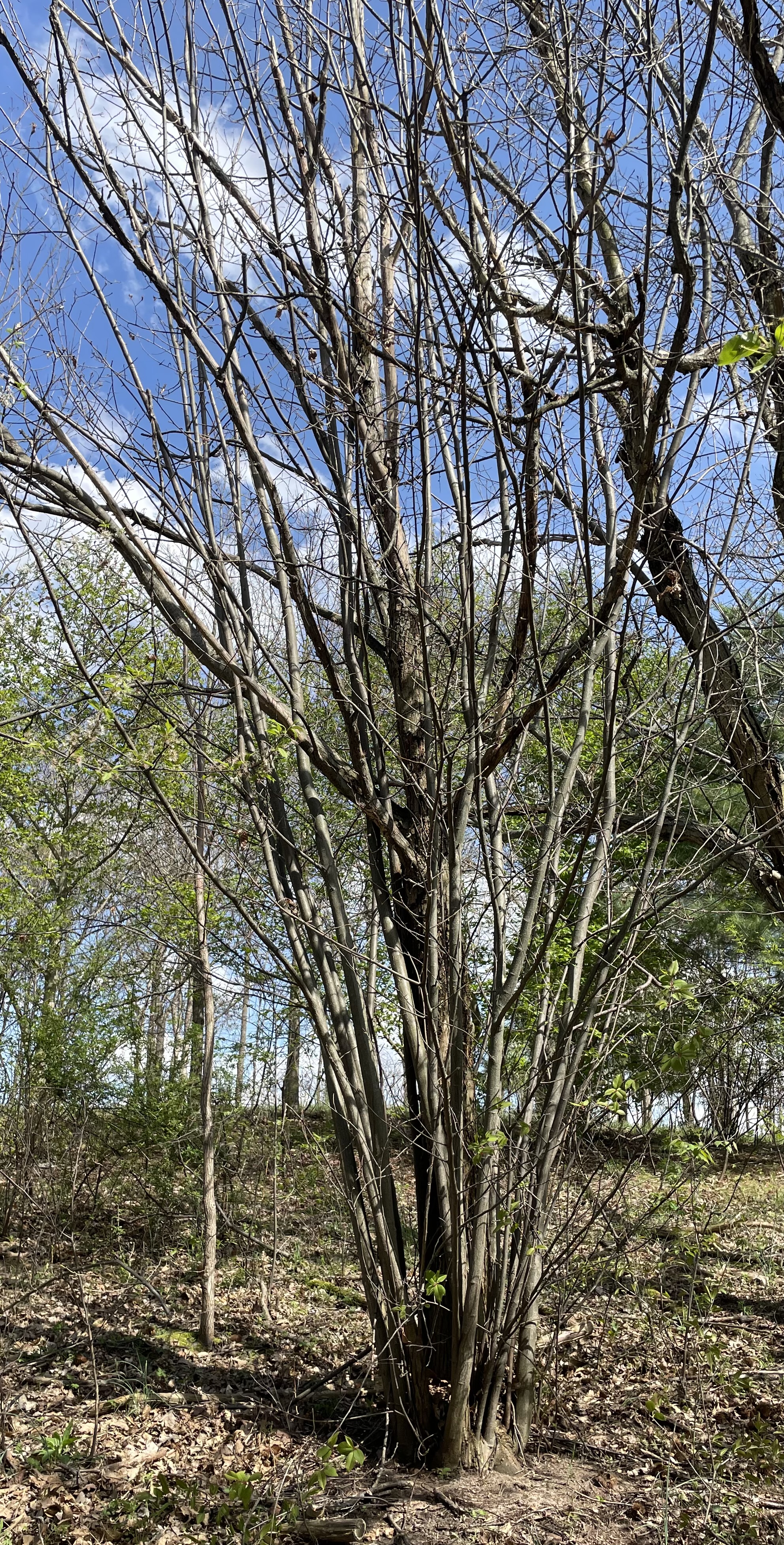
Pollarding the trunk is a great agroforestry idea. If you cut down a hybrid chestnut, a dense head of branches will follow as sprouts soon fill the trunk area. The sprouts grow up to eight feet in a single year. The results vary dramatically from tree to tree. I noticed many heavy sprouters were damaged by chestnut blight barely making it past a second cutting. Eventually the main root system faded entirely with nothing to feed it. That was a big problem and quite common at my farm where the whole system would collapse. It produced completely unusable coppice for furniture making and wood working. Chestnut wood is very soft and has a hardness of basswood. The fast growth rate in the sprouts in the beginning is amazing yet the chestnut is not the willow in this management system.
“Pollard One” Excellent pollard selection defined by strong sprouting and strong resistance to chestnut blight. Combines fast growth, numerous sprouts at the base of the tree and long life due to disease resistance. Selected from a group of Douglas hybrid chestnuts, Pollard One is very precocious in flowering with a strong upright growth habit with minimal branching. Originally four seedlings were planted in this area that showed heavy flowering at an early age. Nut production has not been evaluated at this time. The root collar is very prone to sprouting all of which make it past 5 year mark completely without blight infection. “Pollard One” would have to be rooted to reproduce this characteristic for use in coppice production. The soil in this area is almost pure sand and stone yet the vigor is apparent in the plant without fertilizer or management in some way to speed the growth rate.
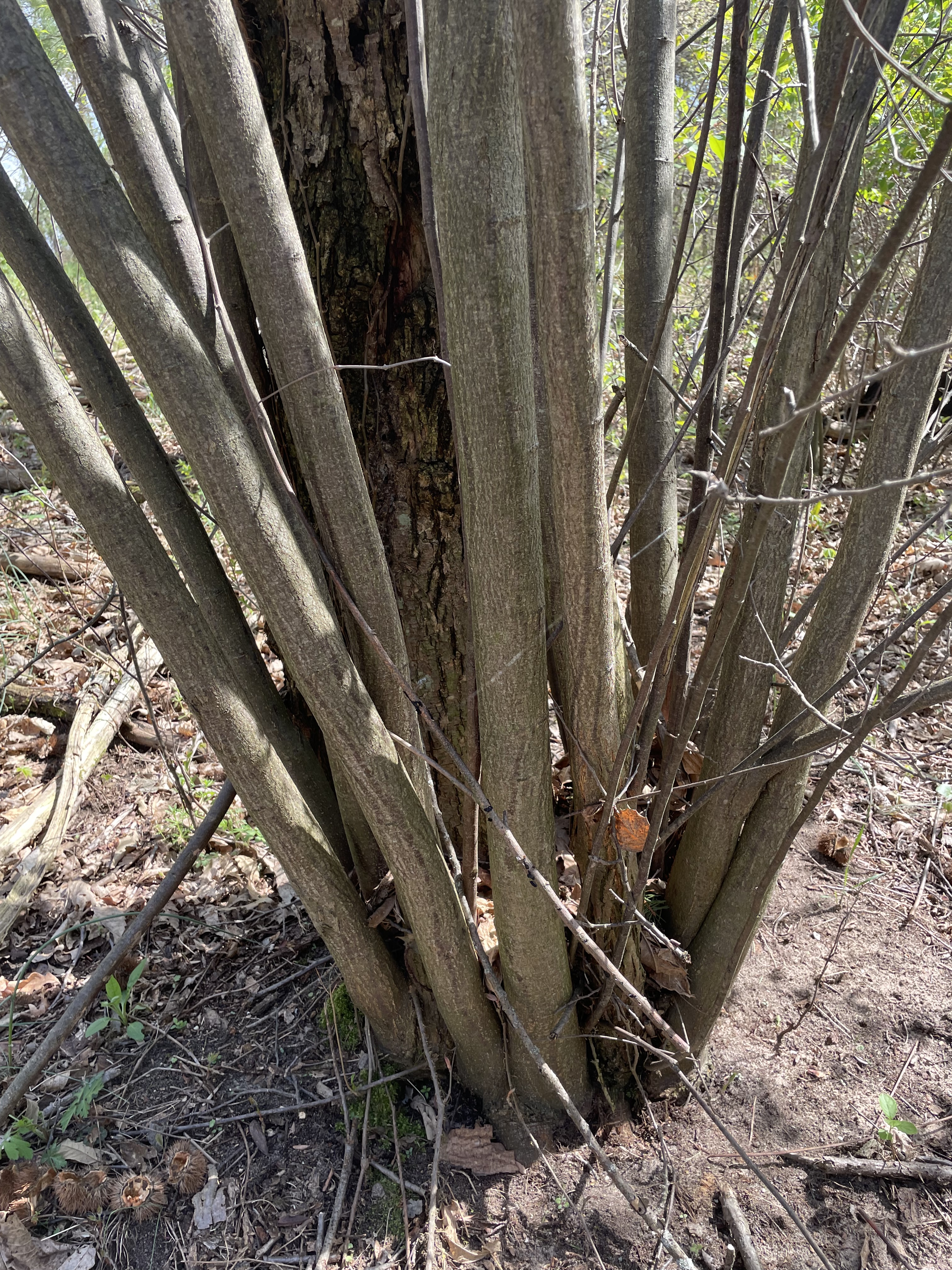
“Pollard One” American Hybrid Chestnut is one of a very few seedlings that show both great sprouting ability and high resistance to chestnut blight. A portion of the sprouts will be harvested in the dormant stage, dried and used in furniture making. The dead trunk in the middle will be removed in the process which will increase the straightness of the sprouts. The sprouts are dense enough to prevent branch formation and long enough to get 2-3 poles per cutting. This is the ideal method for my use and may be different depending on what the grower is trying to achieve.
Enjoy. Kenneth Asmus


You must be logged in to post a comment.