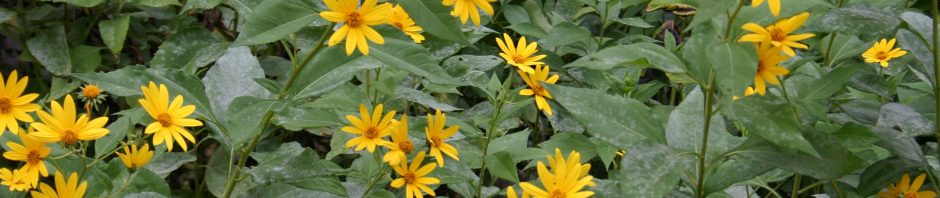
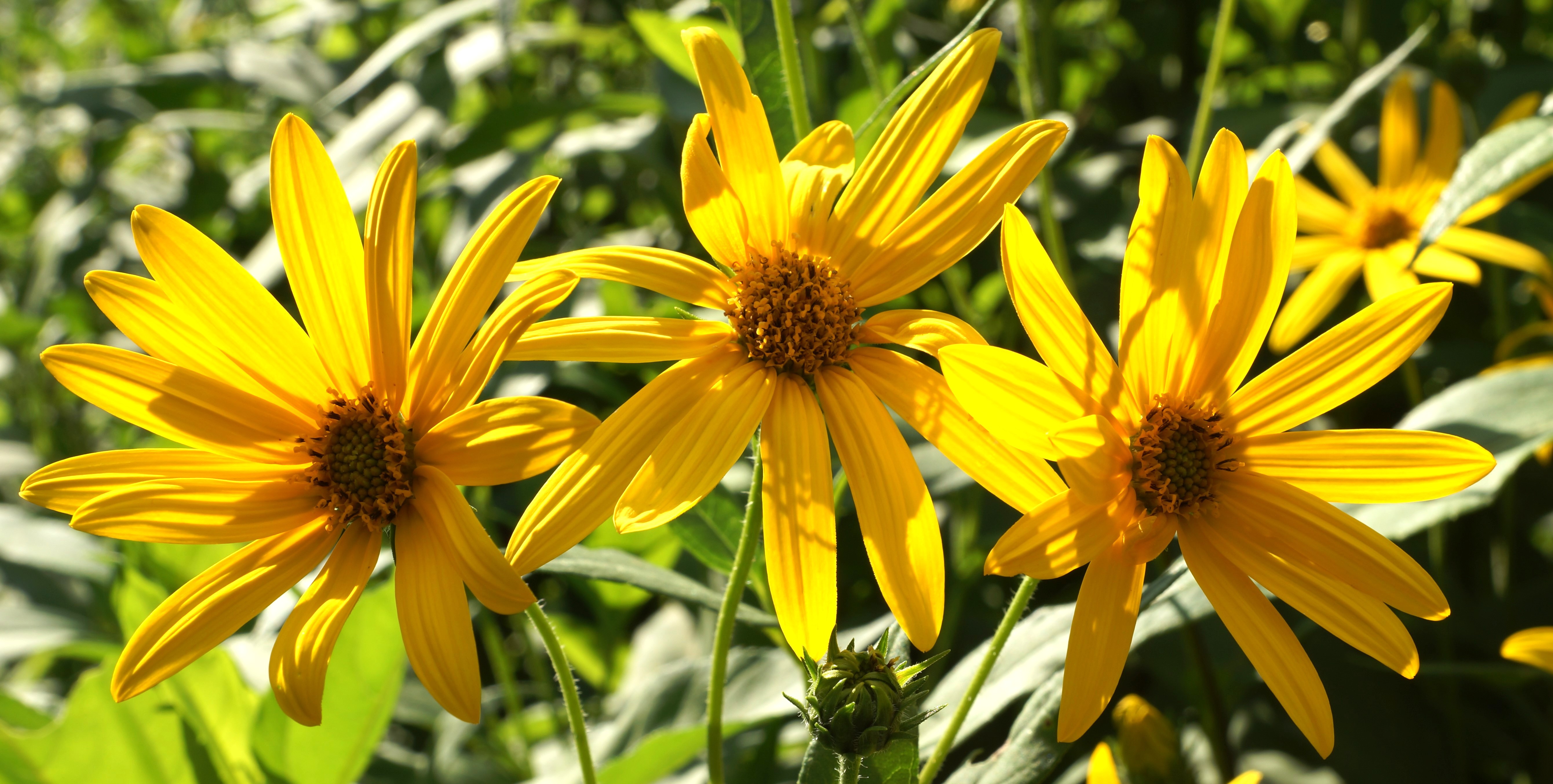
It’s a root. It’s a tuber. It’s Super Sunflower.
One of the great joys of growing plants is when you find a unique plant with characteristics in what would be considered impossible odds from a sea of uniformity. Because it’s the Jerusalem artichoke, the value would be determined in a wavering, undefined application as a potential food source used in novel ways. Few people eat artichokes and there is no large scale plantings used in commercial agriculture.
This is the case of the Jerusalem artichoke, Helianthus tuberosus. For many years I attempted to collect seeds from the variety Stampede with the attempt to create new selections. At the time there were only three varieties in the gardening industry. Stampede was one such variety from New York available from Johnny’s Seeds in Maine. The result of my seed harvest produced a lot of blanks rarely creating fertile seeds. The first time I produced ten plants from a half a grocery bag full of seed heads. As time went on, I added many other selections from all over the world. The sunchoke had made great strides in many countries searching for potato substitutes, flour and fermented products. There were hundreds of varieties all of which were originally selected from seedlings that people have discovered since the 1700’s.
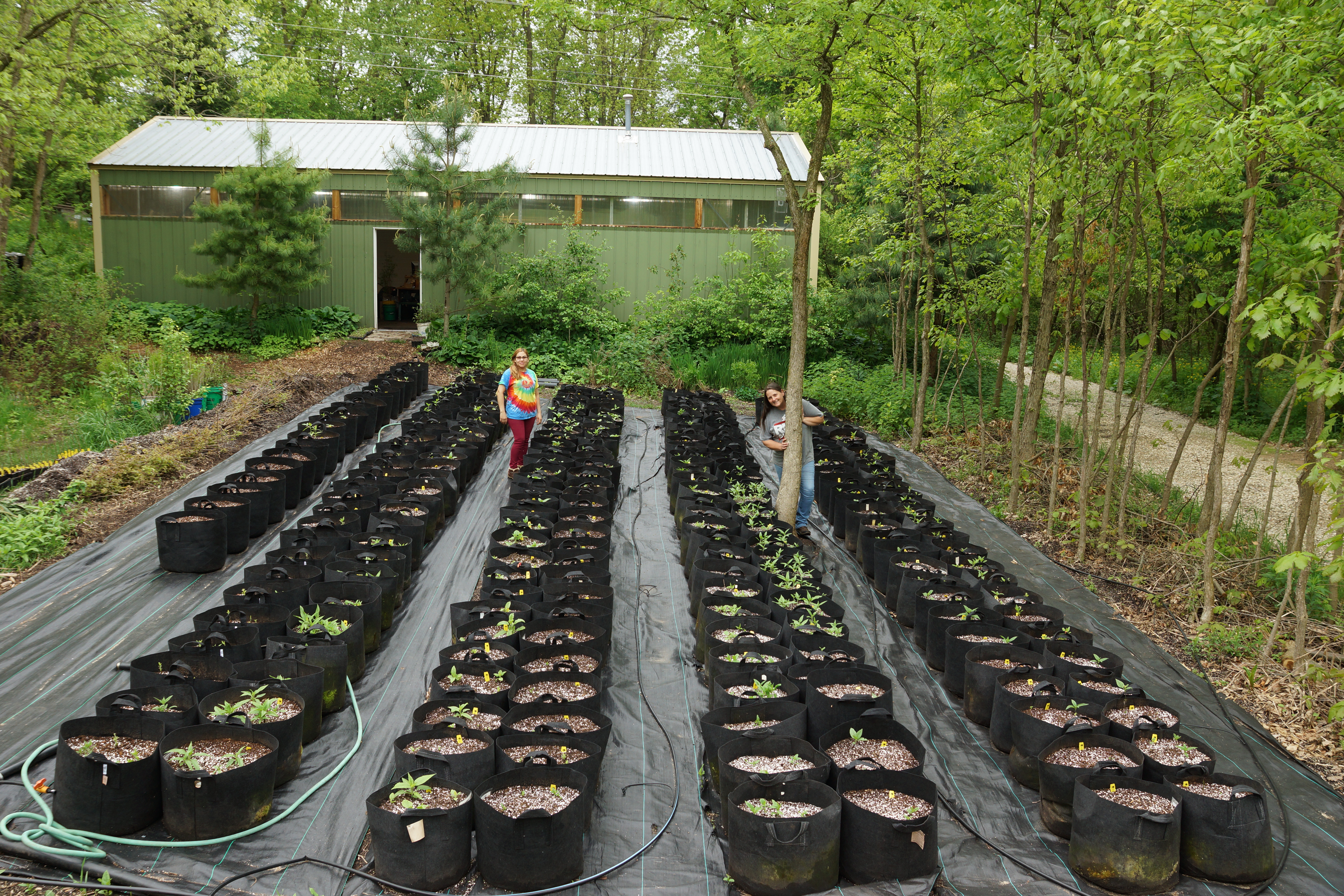
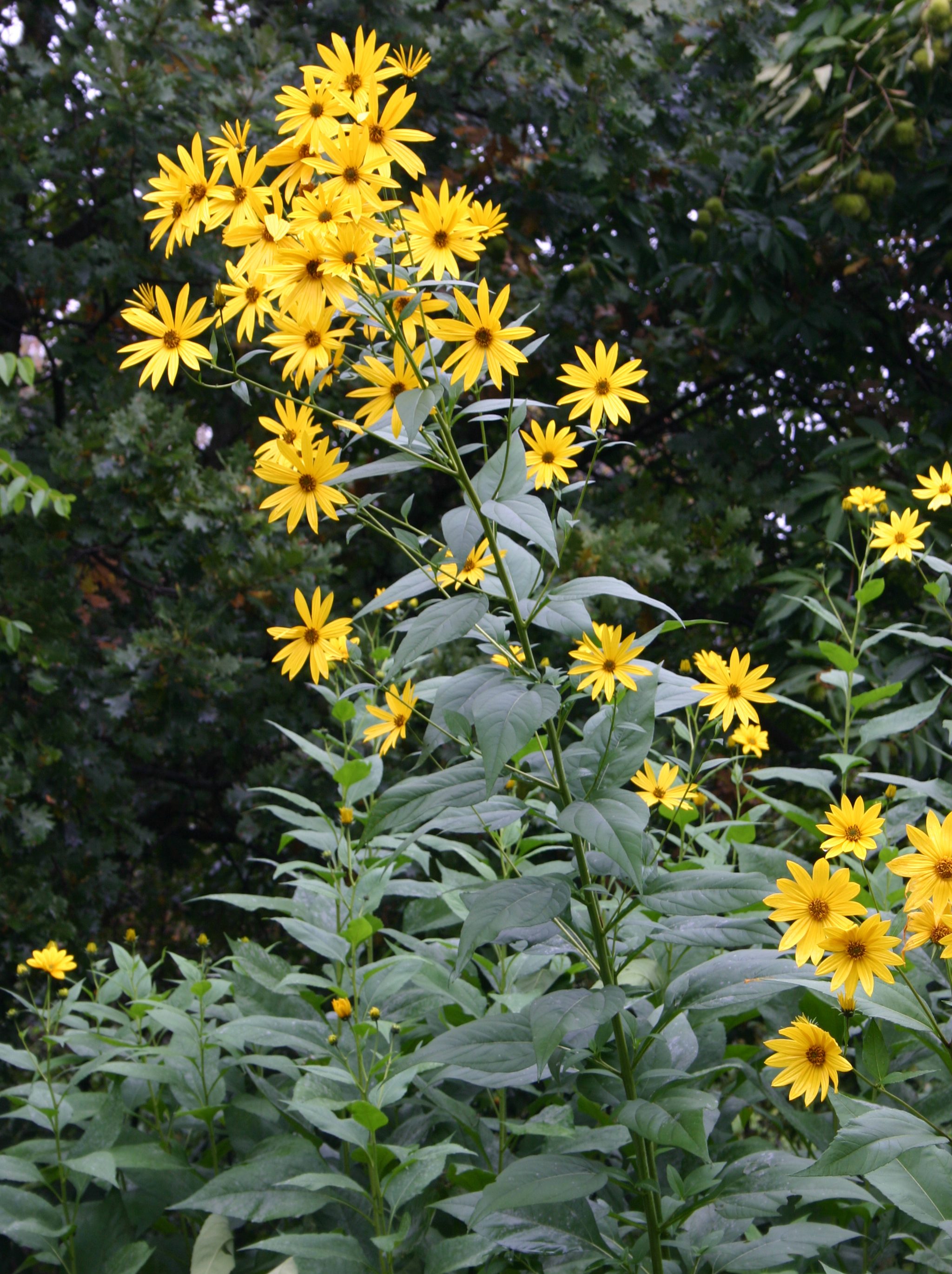
The result of me growing thirty varieties in one teeny 50 by 50 spot (see above) all within bee and butterfly distance was that some selections produced almost full heads of seeds. What is even more interesting is that both the annual sunflower and the sunchoke can cross pollinate and create fertile seeds. In stark contrast, the online information proclaims sterility and growing such a seedling if you could is futile. In real world scenarios, the history of sunchoke says the complete opposite. The artichoke has gone the distance before and it will do it again.
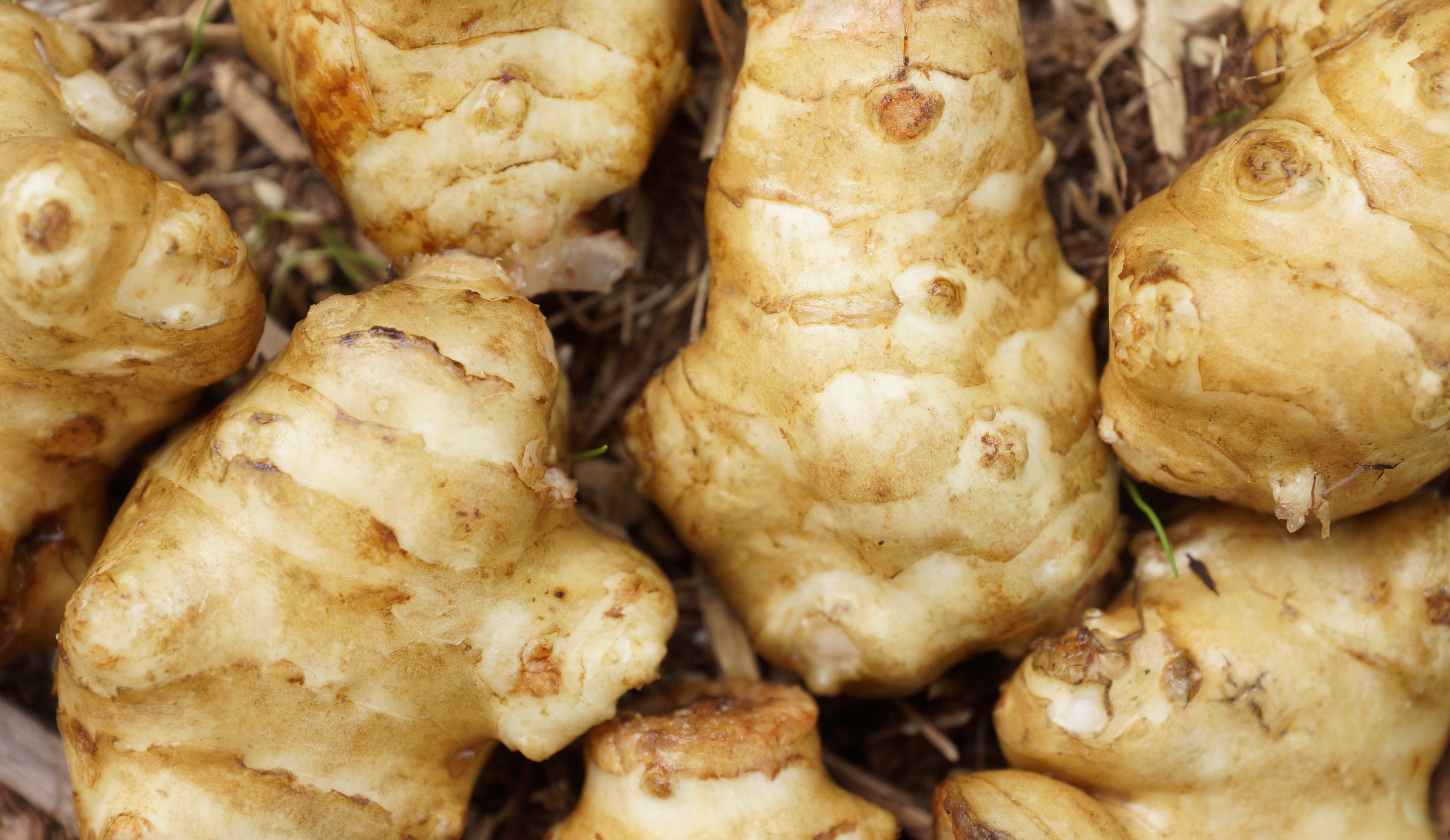
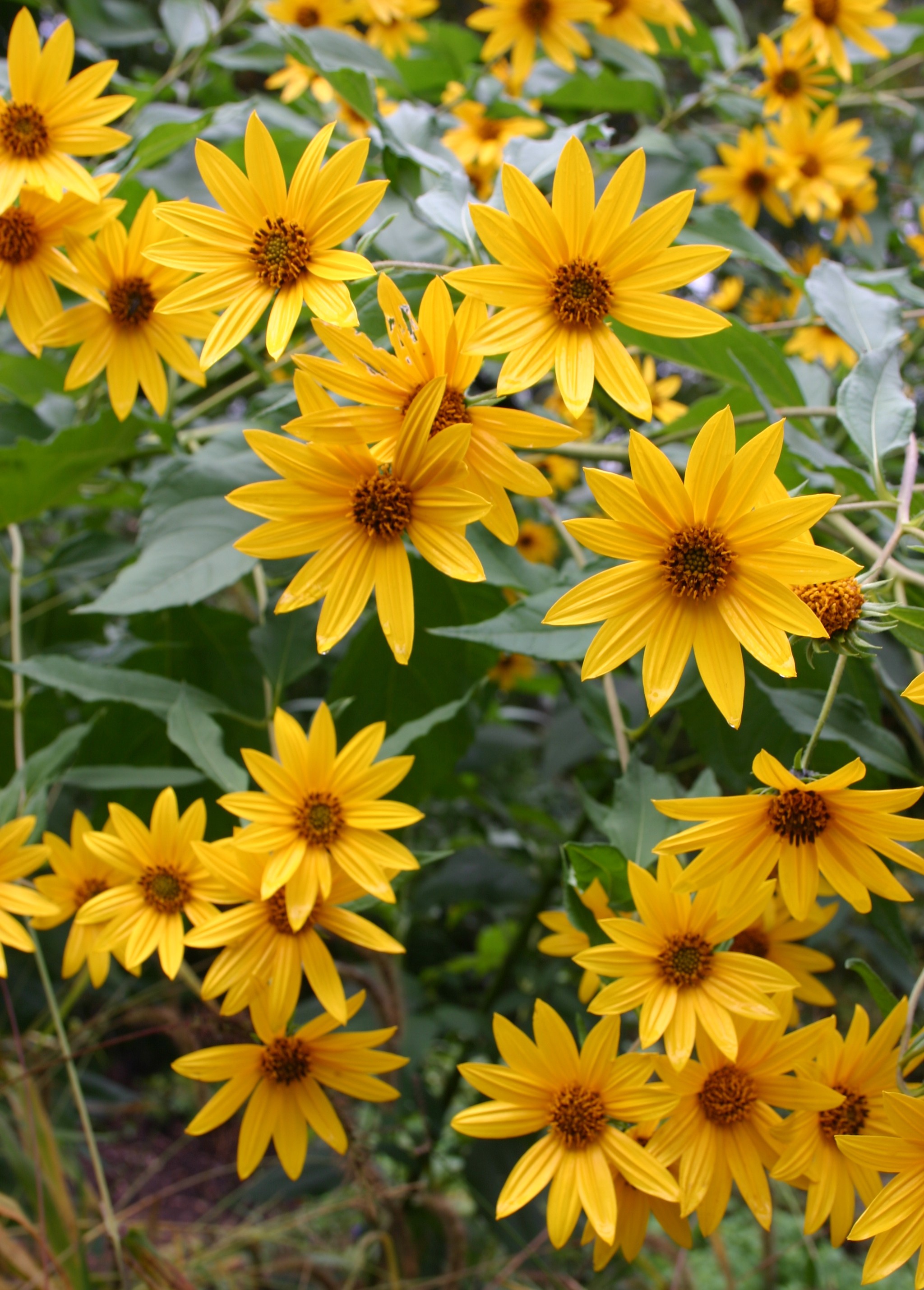
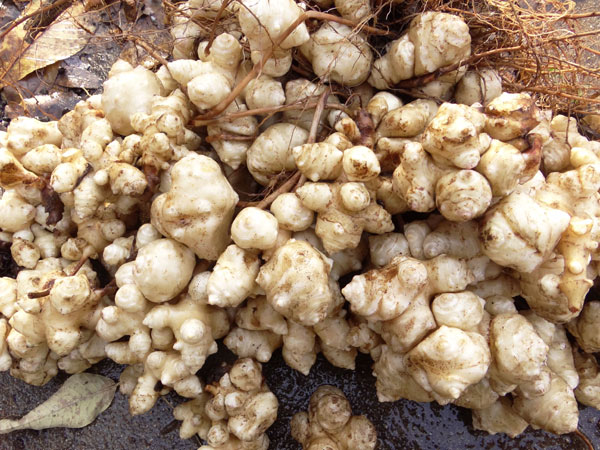
Just before I quit growing and selling sunchokes in the nursery, I was fortunate to obtain seeds of this perennial and annual cross as well as other Russian seed strains some of which were hybrids with the sunflower, Helianthus annus. The USDA maintains a repository of seeds obtained from different Russian research projects from Leningrad. I noticed that the seedlings that I grew out were not the normal smooth tuber selections that people grow to eat. Many had long stringy tubers with massive root systems which quickly outgrew the pots I had them in. It was akin to a dense sod of sunflower roots. This was a Eureka moment for me. This discovery was not like everything else I was growing. I began the process of weighing the highest yielding selections and found one seedling that produced nearly ten times the weight of all the others. The roots were like white string beans in size with omnidirectional branching. After closing the nursery, the Russian sunchokes sat in one of polyhouses with no irrigation for two years. A few squeaked through by existing on the air moisture in the house. Last year after removing the poly and the nearby polyhouses, I began the process of setting up a more formal growing environment where they can thrive in the wide-open world minus the deer munching on them. The most productive plants were also the survivors.
What Value is This?
Now onto seed production. Using seeds for a tuber crop versus an easily degradable and bulky tuber makes seeds a preferred method in both annual and perennial systems. It can be combined with other seeds and used as seedlings of increasing complexity along with a means to generate new varieties in the process. A population can generate a greater range of plants which in turn can further expand the use of the plant and its adaptation to a wide range of environmental conditions. You can even create new selections of it specifically tailored to your soil and climate. A sunflower deserves no less. This is what the Russians saw within the plant the same way they developed black oil sunflowers. Today a few sunchoke genes are naturally found within some sunflower varieties. Everything is now highly bred but few have tread into the perennial sod sunflower breeding only because there is no need for it. The value of the sunflower overshadows everything else.
The value is to create a new perennial forage plant along with the tuber crop. You end up creating a type of “perennial sod” forage sunflower. The density of the plant and its ability to compete with its intensive root system and healthy foliage makes this a possibility. Just add honeylocust, hop trefoil, alfalfa and other perennial forage plants creates a more permanent tree crop agriculture that brings balance to the animals that consume it and improves the soil biology requiring no outside fertilizer imports.
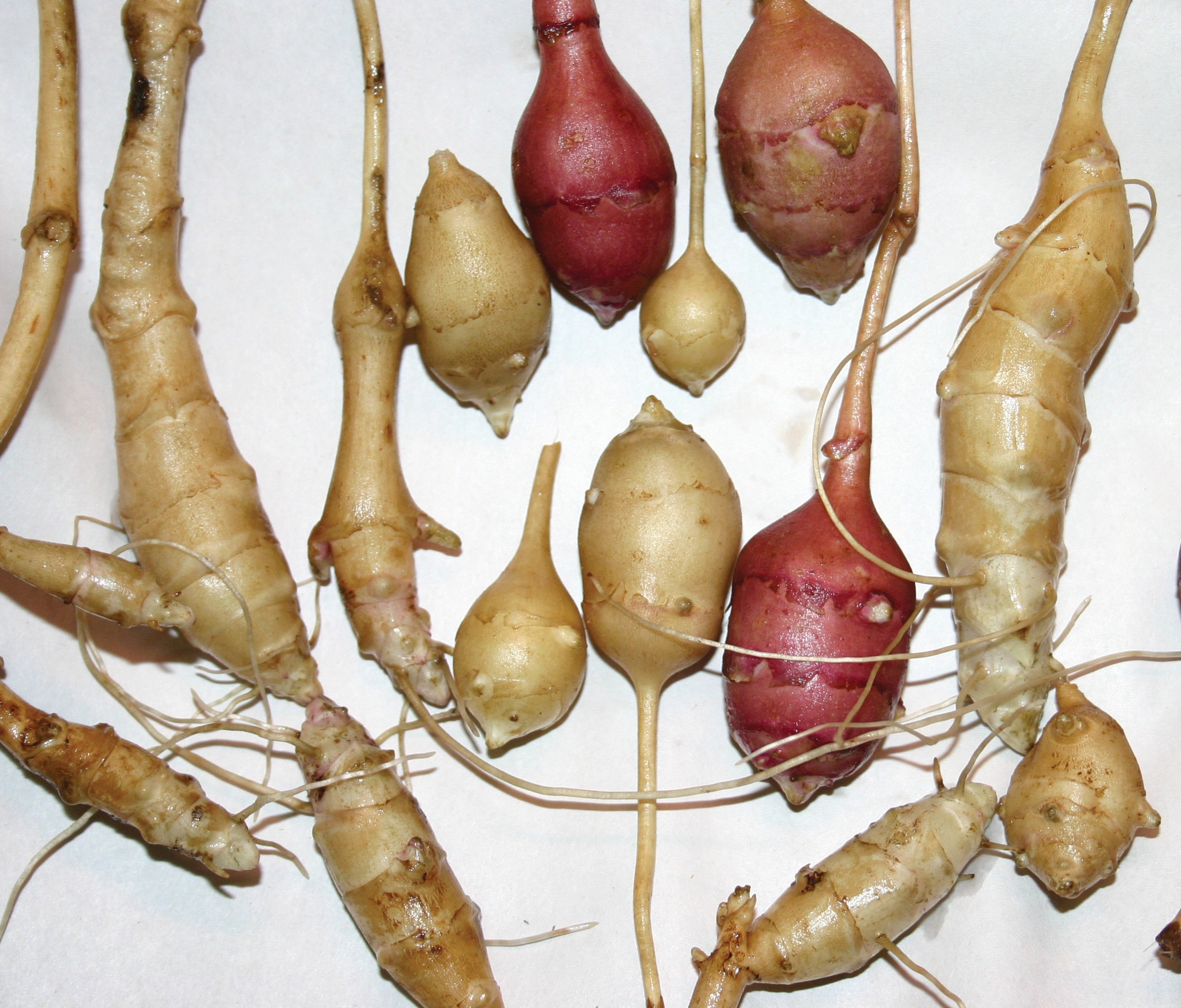
I found this type of root system several times before when I began growing and naming sunchoke seedling selections. I first grew them from seeds into peat pots in one of the polyhouses. The peat pots exploded with tubers. A few had very long and narrow roots that looked like horizontal carrots. Some were delicious too. When I put them into large grow bags, it looked like a root whirlpool. These same varieties also produced a lot of viable seeds. I called them “ White Diversity”. The tuber flavor was more like eating a pine cone infused with cardboard. This is perfect because it was less attractive to small mammals. It was edible but not desirable. The flower production was the highest of all sunchokes with very good seed set. They were early flowering almost a month ahead of the other selections. If you ever see goldfinches eating your seed heads you know you have successfully achieved fertile seeds. We had to bag them prior to harvest. Think mint but with starchy sunflower roots. The roots are easily reproduced by cuttings but the future lies in its seeds and not clonal because of the difficulty of maintaining root quality in storage. It is not like the potato or daffodil industry.
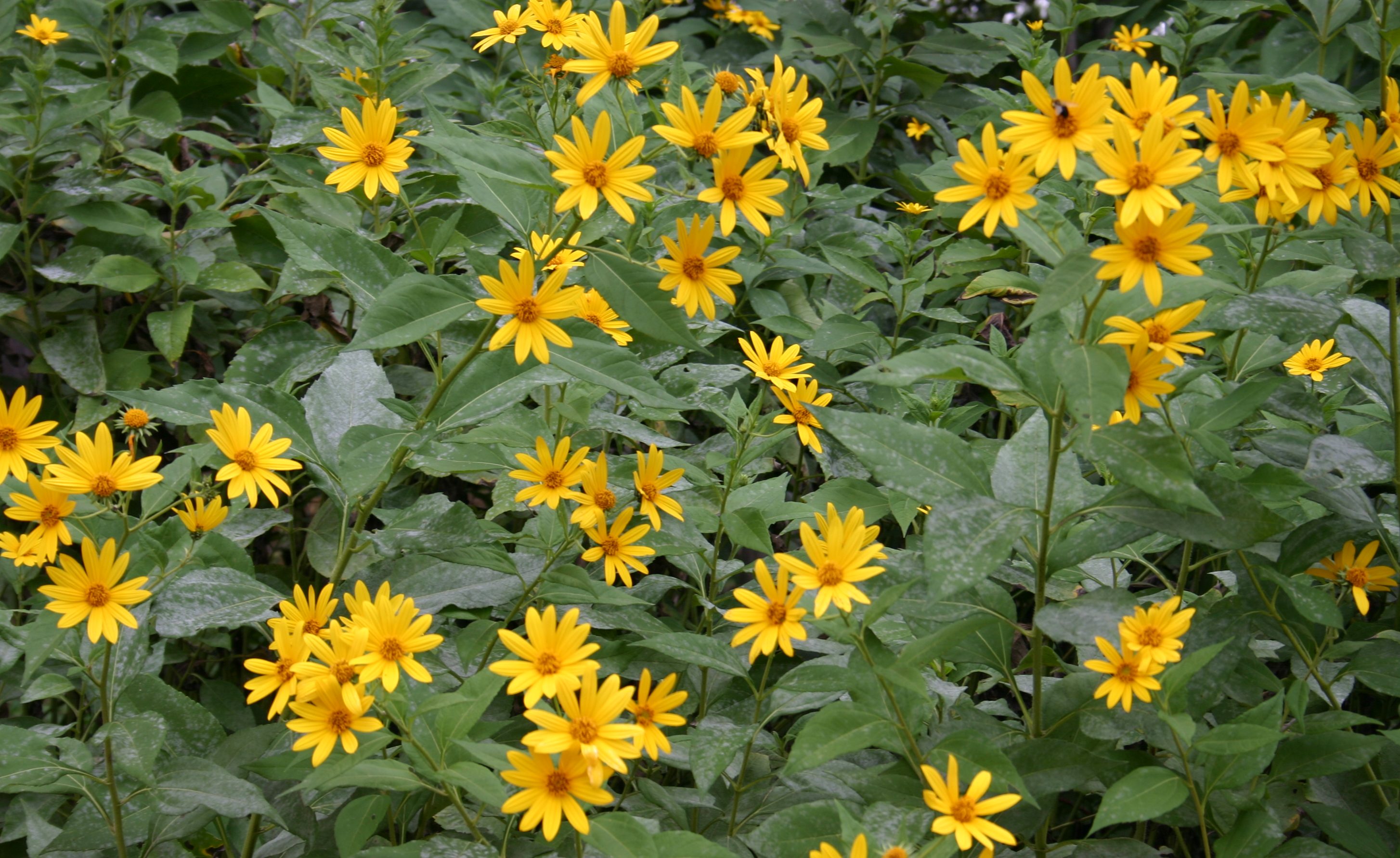
The impossible odds have narrowed to a point. It is hard to know what a sunchoke thinks and harder to know what action it will take in the future. The flexible nature of the sunchoke reveals many possibilities still as it goes the distance. Can we keep up?
I knew this guy that used to watch his garden grow. I worked at his home for a while before I farmed full time. He had a chair in the sun just past the white pine forest he planted. He would sit there and close his eyes facing the garden. What was he thinking? Sometimes the chair was empty when I came to work in the morning. The impulse sprinkler kept time as it made its semi-circular rounds. Sometimes we would talk and laugh at random things while he sat in front of his garden and I toiled away. Once his wife asked me why Ted was laughing so much when we were together? I did not know. We would only talk. Then it would be quiet and he would close his eyes again. What was he thinking?
Enjoy, Kenneth Asmus


You must be logged in to post a comment.