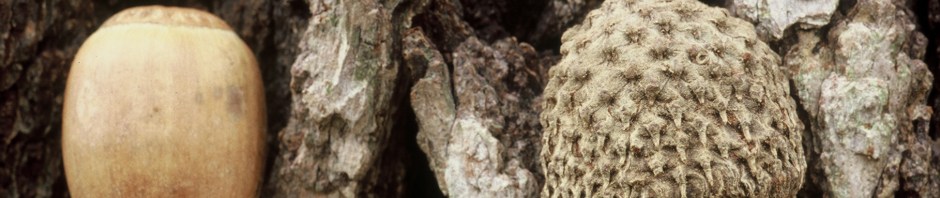
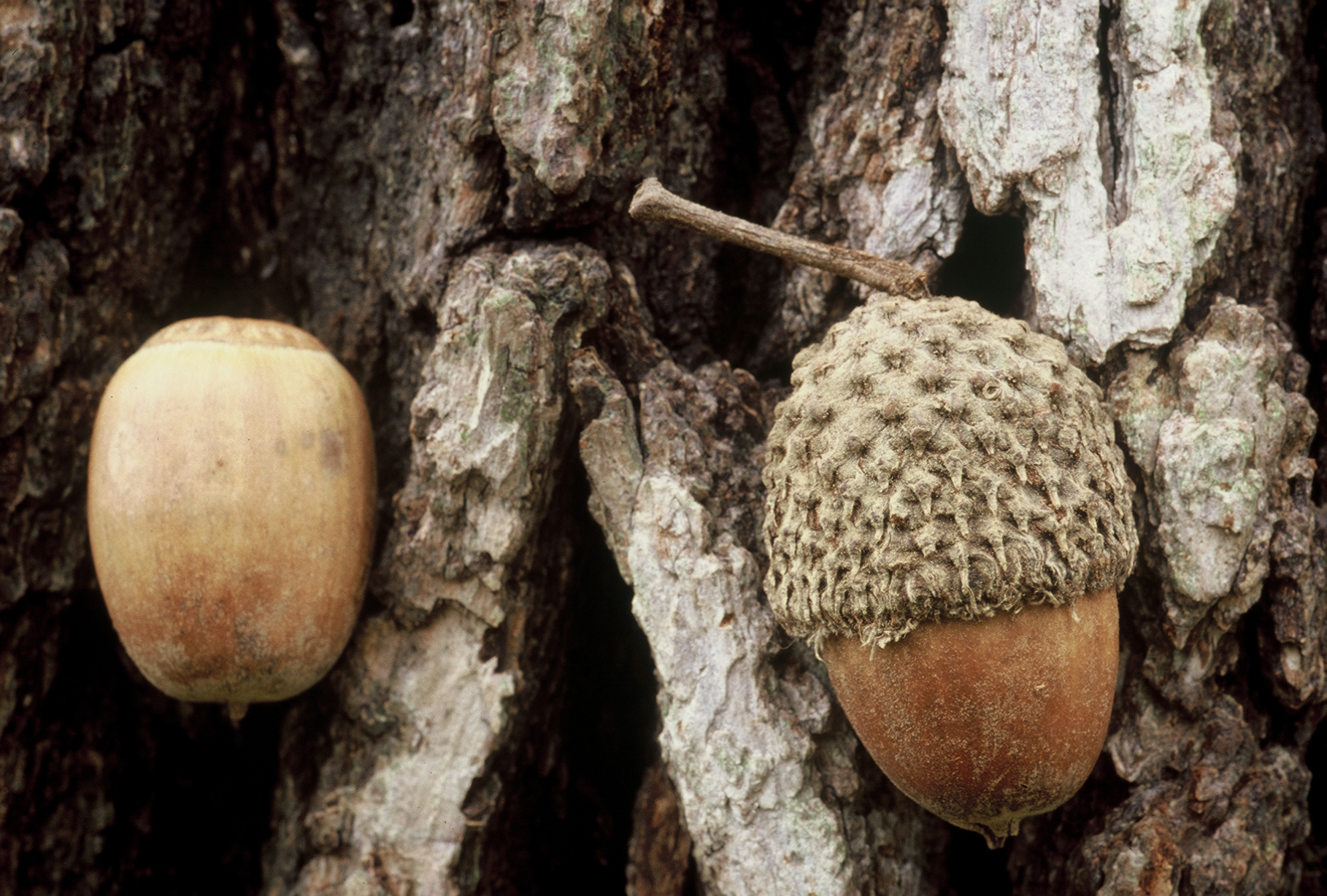
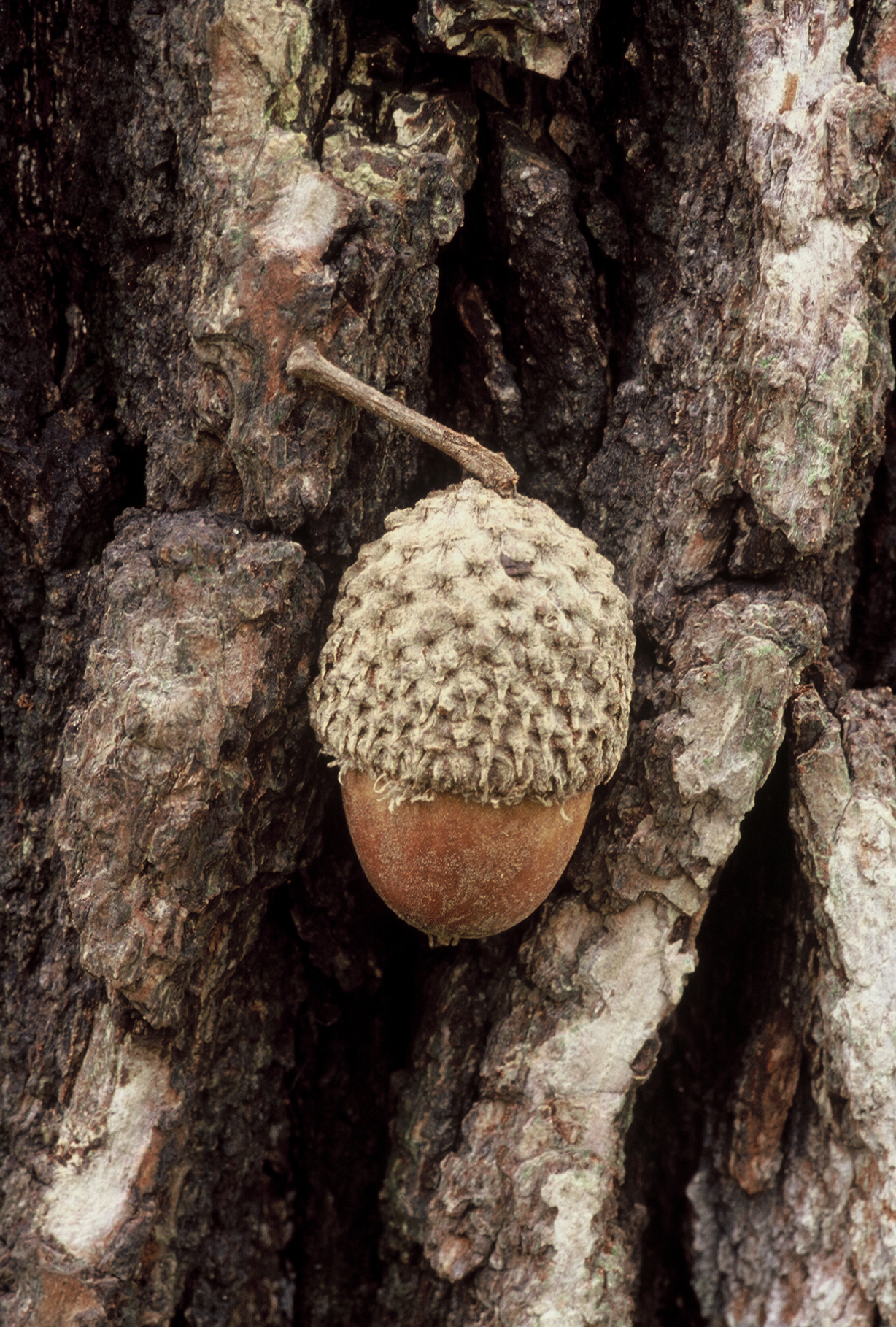
Bebbs Oak Quercus x bebbiana Quercus macrocarpa x alba Bur-White Hybrid Oak
When I first started my oak collection, I found myself wheeling and dealing in acorns. It was like poker but with acorns. Everyone wins. Diversity increases.
“Hit me.”
It was the only way to get small samples of fresh acorns of diverse trees. I found myself surrounded by a small group of people which was strictly defined by the love of oak trees. Everyone in this exchange group was totally jacked on sending samples for propagation. It was super reliable and accurate right down to the location. Communication was mail. USPS.
During this time, I had heard about a hybrid bur and white oak called Taco. It was near a dumpster in the back parking lot of a taco restaurant in Springfield, Illinois. Past president and one of the founders of the International Oak Society, Guy Sternberg had made the discovery. I was visiting Illinois on another seedy mission, and he took me over to visit the tree. There is something about a green dumpster that accentuates a tree’s growth patterns. Surrounded by old school railroad ties dipped in creosote, the tree was not letting up in the hybrid vigor department. “Taco” had large clean foliage and a strong central leader growth. I was familiar with the Bebbs oak. I found one tree here in southwestern Michigan along a road on a bicycle ride that seemed to be intermediate between white and bur oak and grew seedlings from it. What I found was that the seedlings grown under average soil conditions made very fast-growing trees with one plant that flowered and set acorns in three years from seed. This type of precocity along with fast growth is a win-win in finding faster growing oaks which could be used for both food and lumber. Keep in mind this is a growth rate nearly double or triple a normal white oak tree and precocity clocking in under 25 percent of a normal white oak. I found other Bebb’s oaks in my seedling beds of bur oak. It was rare from my collection of acorns in park trees. I was averaging one tree per one thousand seedlings. I would move them to my plantings out back thinking I had found a diamond in the rough.
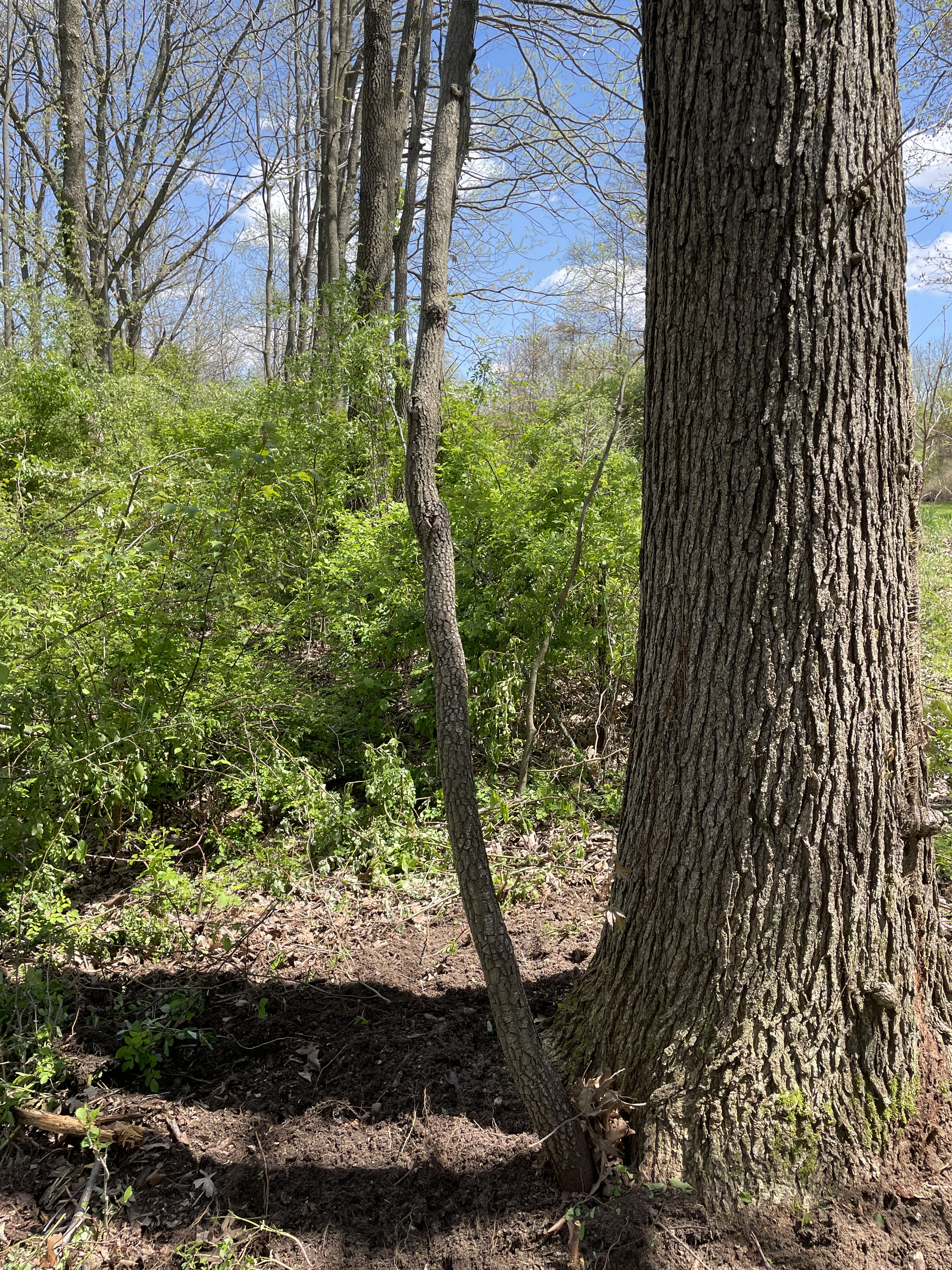
Bebb’s oak can be produced from 2nd and 3rd generation seed. The vigor is also found in the progeny. I made a few plantings around my farm most of which was in the missing trees of well-established American persimmon hedge along a fence line. The ability to accurately measure fast growth is best done over two decades while measuring height, trunk diameter and density of the crown. When growing them you do not want nursery conditions with sprinkler systems pumped with urea. It must be reproducible from acorns in below average soils.
This is the joy of growing oaks. J. Russel Smith author of Tree Crops: A Permanent Agriculture thought the oaks should sue the poets for proclaiming that oaks are slow growing. People see a large oak tree and think it is kind of an immortal being growing beyond several human lifetimes averaging one inch a year. This view creates a kind of self-defeating role in how we think about oaks and their importance for wood and growing them for food in an orchard for acorns. Someday 2 by 4’s will be made out of solid oak not yellow pine. Houses will not blow down or wash away. Gluten free will include super nutritious acorn flour.
It will take new germplasm like the Taco bebbs oak to jack up our the white oak compontent of our forests. We removed the most vigorous trees several times now. To generate that sort of vigor out of a population like oak becomes increasingly difficult. It is like a played out gold vein. There are many of these crosses found throughout North America but you have to bring them forward out in the public domain otherwise they remain hidden as an untapped resource. Some are in collections like mine and others sit in parking lots and woodlots here and there. This same type of fast growth rate was also found within a population of park trees. It only takes a few thousand trees to see it amidst the progeny. To me it often feels like raising your hand in a crowded auditorium. Only those near you who share similar interests see it.
I know an avid grower and selector of plants who has permission to walk the commercial seedling beds of a nursery and tag trees during the growing season. He looks over thousands of seedlings looking at growth rate, leaf and tree structure and bud formation. He has a great track record of finding excellent trees. I wonder at times if he uses a form of plant communication. He tags them and then comes back in the fall to dig and plants them on his land. We can harness this young and evolving genus by bringing them into production for acorn and hardwood production. My hand is up.
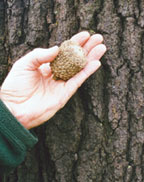
Enjoy. Kenneth Asmus


You must be logged in to post a comment.