Anyone that has worked for me or comes to my farm in any capacity, knows I will ask them if they would like a cup of tea. I would always ask. There is a Kinks song, I would sing to myself once in a while when I was harvesting trees called ‘Have a Cuppa Tea” from the Muswell Hillbillies album.
If you feel a bit under the weather,
If you feel a little bit peeved,
Take granny’s stand-by potion
For any old cough or wheeze.
It’s a cure for hepatitis, it’s a cure for chronic insomnia,
It’s a cure for tonsillitis and for water on the knee.
Have a cuppa tea, have a cuppa tea, …….Hallelujah Rosie Lea.
The Kinks, 1971
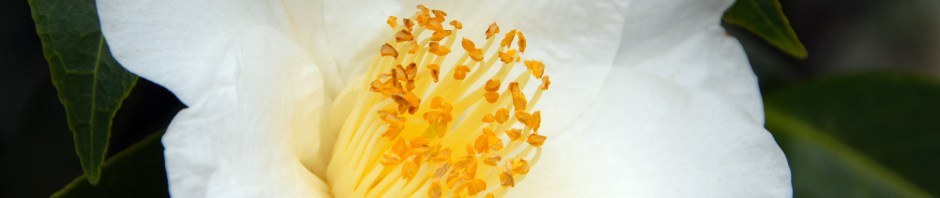
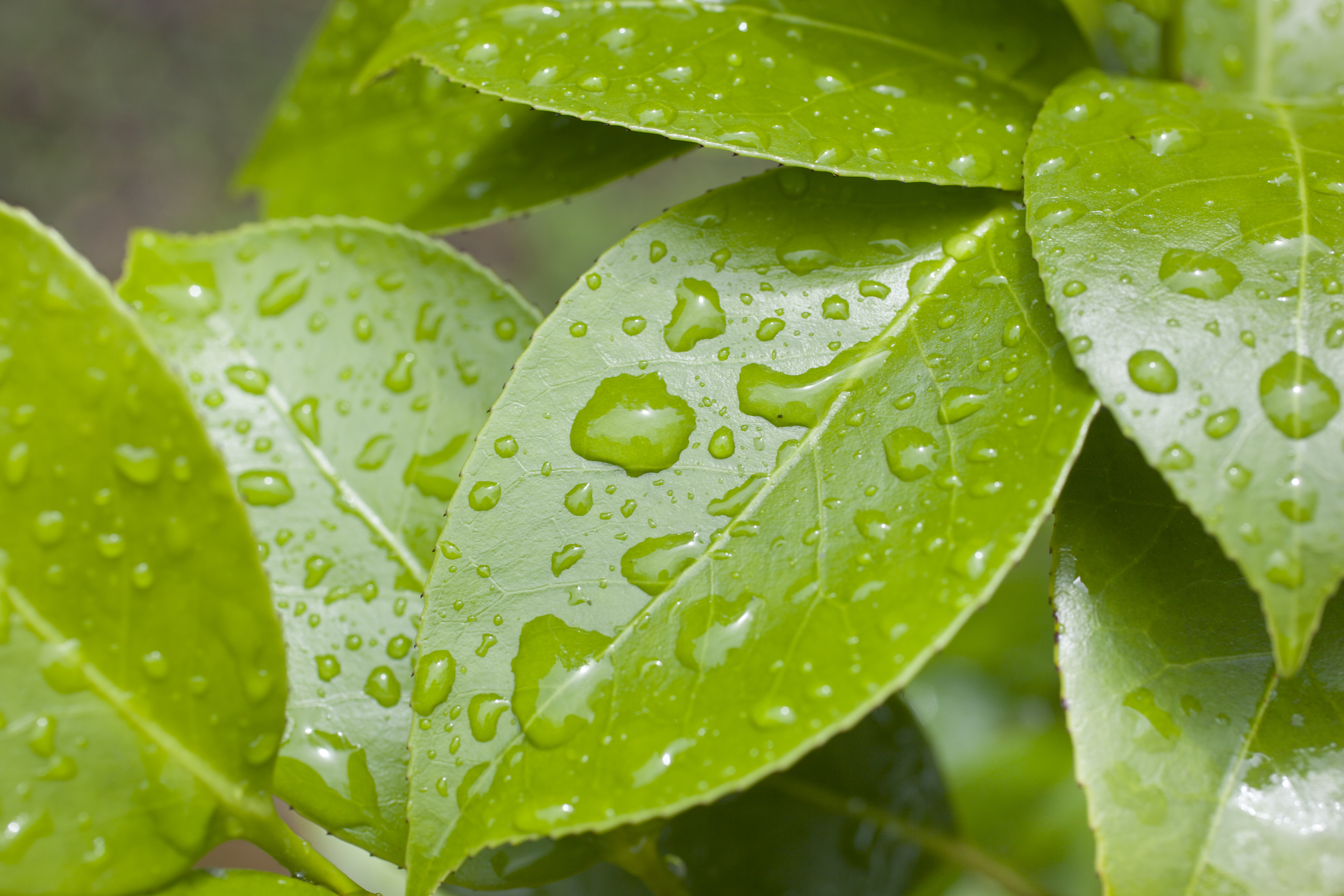
Tea is my number one drink for the last 50 years so it was only natural I would try to grow it. Funnily enough it grew in Michigan quite well. I began to look at tea culture and tried to understand why no one in North America has ever grown the tea plant, Camellia sinensis. Later I did find one person in Florida who was selling plants and had a bona fide tea plantation of some size. After some serious seed searches I began purchasing seeds and plants as well as exchanging seeds. I had a lot of tea plants. People knew this beverage and the plant too. It was impossible to produce enough of them. It turned out that my ambitious program of trying to establish the tea plant outside was too much for the plant to survive a normal Michigan winter let alone a real cold one. But within that polyhouse window, the plants not only survived but flowered too. This shows the great potential of taking a crop which is grown thousands of miles away and producing it a ‘non-tea’ environment like Michigan. But having the plant grow here in a hobbyist sort of dream like mine is a teeny fraction of the whole tea story. There is processing and harvesting and finding the seedling populations as well as creating cultivars capable of minus 20 F. I visited the Washington, D.C. Camellia collection at the U.S. National Arboretum. This same idea is needed for the tea plant. You need a collection and a population of diverse genetic seedlings. Having a ornamental hardy Camellia is not quite the same as having a hardy tea plant. But it’s very close and doable.
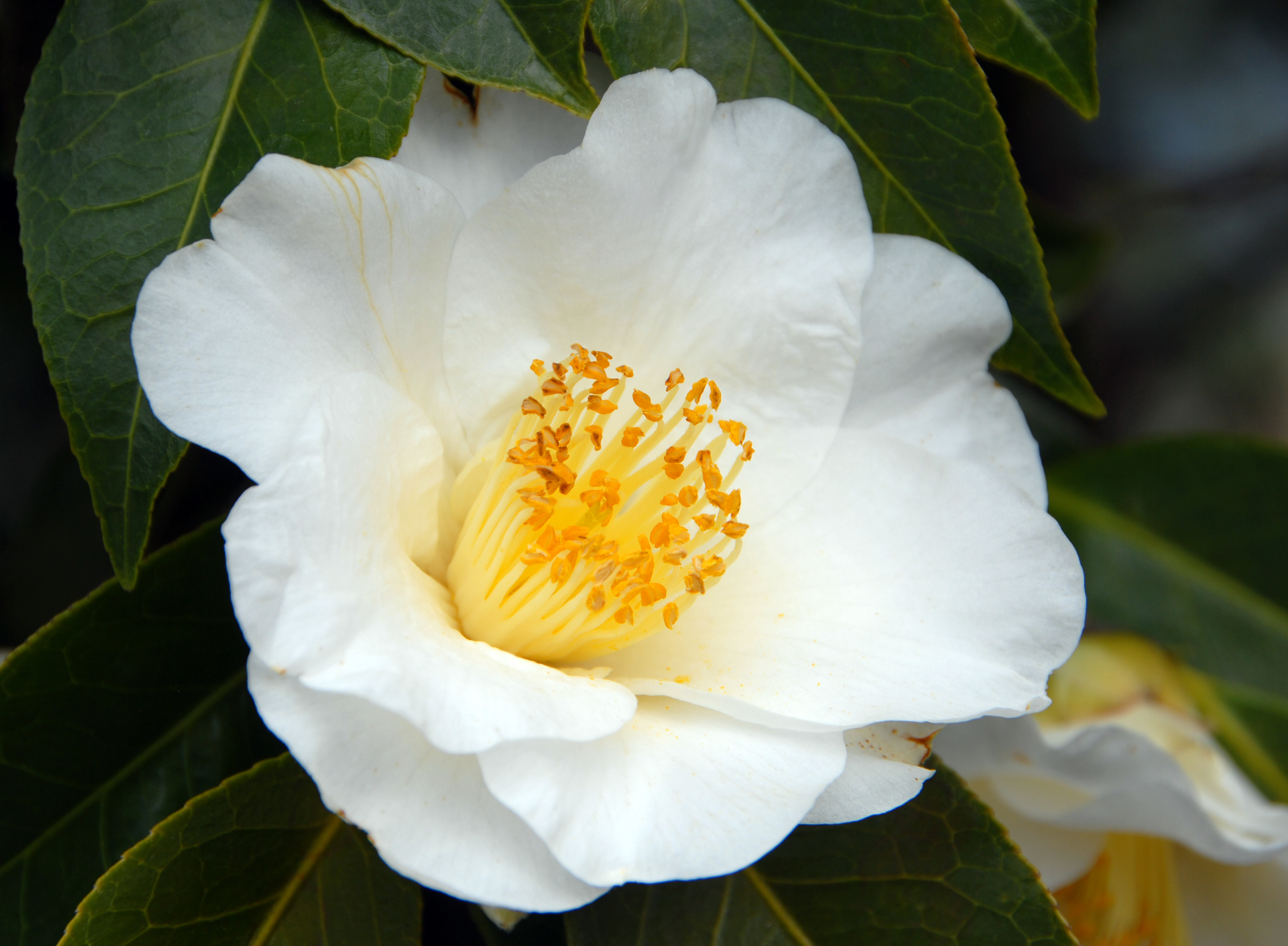
For a while I also grew the Tea Oil Tree, Camellia oleifera. This species was very slow growing but durable and tough to fluctuating temperatures. I was able to obtain a very hardy seed source which was close to my climate. I had roughly 50 plants that survived very nicely in the polyhouses for almost a decade. Unfortuantely at the end of my nursery, the plants were exposed to dry winds in February which took them from lush and green to crispy and brown by spring. It is possible it could grow in a moderate zone 6. To me that was a hallelujah moment.
This is more than just a hint that it would be totally possible to develop and find full Zone 5 tea and tea oil plants for Michigan and other temperate areas. The issue becomes scale. You need a much larger population with diverse seed origins to find and create a hardy population especially with Camelia because it is usually clonally propagated as named varieties. You need to step away from that to find the treasure of diversity. Actually, that is not too hard to do. I would guess somewhere close to 100,000 plants could make that happen. Think of it like a bridge. Like all engineering projects, you want safety first and you should over engineer it in terms of finding and planting large numbers of seedling plants upwards to a quarter million. This may seem like a lot, but tea is easily grown from seed. The seeds are available on an international scale too. It would only require a place near the lakeshore of Michigan and sandy well drained soil. Tea loves sun and sun may be the limiting factor in its commercial production. Michigan is not sun drenched. We have fresh water oceans, but there are no dolphins. Sunlight is filtered through the clouds here. Tea could be produced in the continental United States but the price tag might prove very high because of the labor involved and processing. That part is the great unknown in agricultural circles but that too could be engineered. Let’s say you were magically transported to a land grant college or one of those fancy non-profit agroforestry organizations to talk to students and professors about your amibitious tea project. First we have to pretend they would listen. During your talk, the chuckles and negativity begin to drown out your ideas. This is ideal. Here is when your back up plan will kick in. It’s time to shine. You serve everyone tea. “This is pretty good”, they will think. “Why didn’t we think of this”,they will say. “Maybe tea is the future!” Hallelujah Rosie Lea.
Enjoy. Kennneth
Tea in the morning, tea in the evening, tea at supper time,
You get tea when it’s raining, tea when it’s snowing,
Tea when the weather’s fine.
You get tea as a mid-day stimulant
You get tea with your afternoon tea
For any old ailment or disease
For Christ sake have a cuppa tea.
The Kinks, 1971


 biologicalenrichment
Just thought I would let you know we love your blog, ecological outlook, and sense of humor ! I have a friend with a few tea plants here on the Delmarva, surviving but not flourishing. I would bet you make “teas” from many other plants as well? I am partial to pineapple weed tea, that volunteers and thrives in my hard gravel driveway.
Thank you. Very interesting. I have never tried the pineapple weed. I will check that out. I plan to write about other tea plants I grew and sold in my nursery. There are always surprises in the plant world.