

Starting in the mid 1980’s I began growing American persimmon trees on my farm in southwestern Michigan. I initially grew them within my nursery to sell as seedlings. Eventually I planted many in my open hay field surrounding my farm creating a hedgerow around 1600 ft. long. I had never tasted an American persimmon and only knew one extremely large tree with no fruit on a nearby college campus. I was using only the knowledge found in books and people’s experiences to guide me. Eventually at a fruit growers meeting I was able to taste the fruit from other grafted varieties grown in Michigan. The limiting factor was the length of the growing season and having the fruits ripen fully on the tree. Unlike other fruits you cannot pick them early and ripen them indoors. They need the warm sun of fall until the fruit drops off on its own. I remember one tree crop pioneer who lived in my hometown of Saginaw told me his “Meader” persimmons were perched on a radiator in his home. “Ken. We need to reevaluate this.” I had a “NC-10”persimmon variety from Ontario that did the same thing. Both of these are considered super northern varieties. They too suffered from the short season of Michigan. Their fruit could not ripen fully here to be appreciated. This season (fall of 2025) I am starting the process of naming the seedling selections I planted so many years ago. When I had them in production, we used the seeds from these varieties to produce further seedlings. Some of my customers told me these too also ripened in cooler summer areas of the northeastern U.S. All of my original germplasm was grown from the most northern range in Illinois and Indiana. Every person I purchased seeds from were growing them in central Illinois for the most part and the seed sources were from named varieties in the northern part of persimmons range.
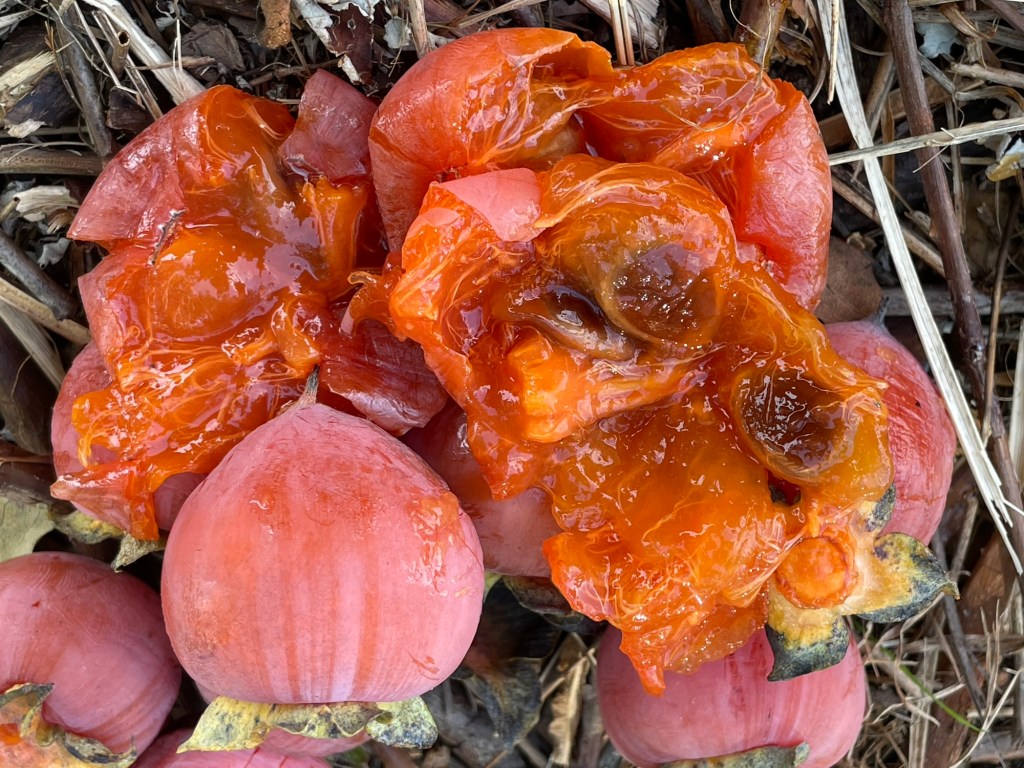
SUGAR CREAM
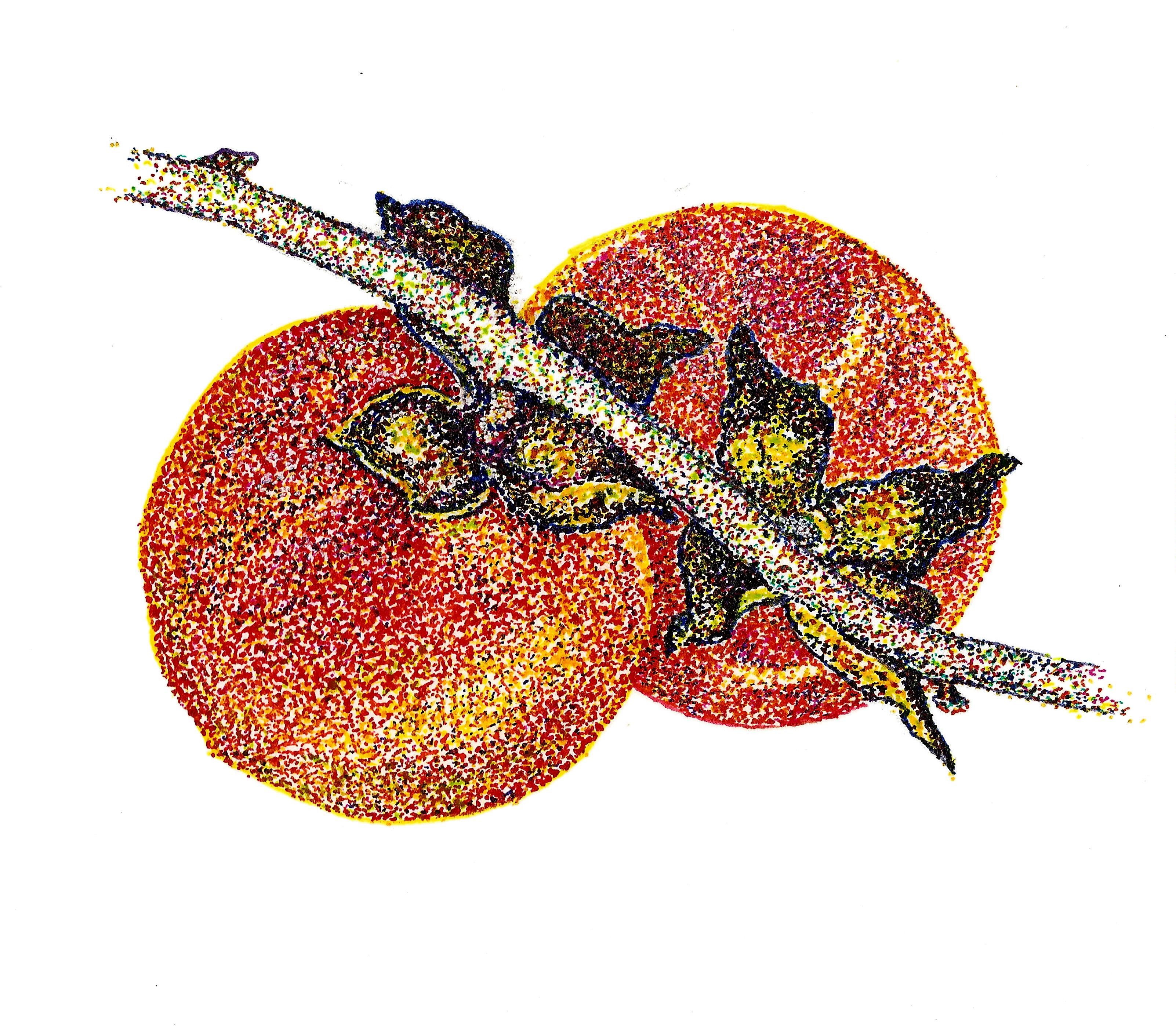
Sugar Cream is the most luscious of the persimmon fruits with high sugar and bright orange color with only 2-3 seeds. The fruits ripen over a month period starting in mid to late September. The tree is a yearly heavy producer. The tree is very vigorous with large leaves. It can be reproduced by grafting and does generate root sprouts on shallow stolon roots should someone try to clonally root it. The fruit is very soft and splits when it falls. The texture is very smooth and not fibrous. This is one of the best selections as fresh fruit. The seeds from this selection are also valuable in that the offspring also show large leaves and strong vigor. Earlier than Early Golden or Meader.
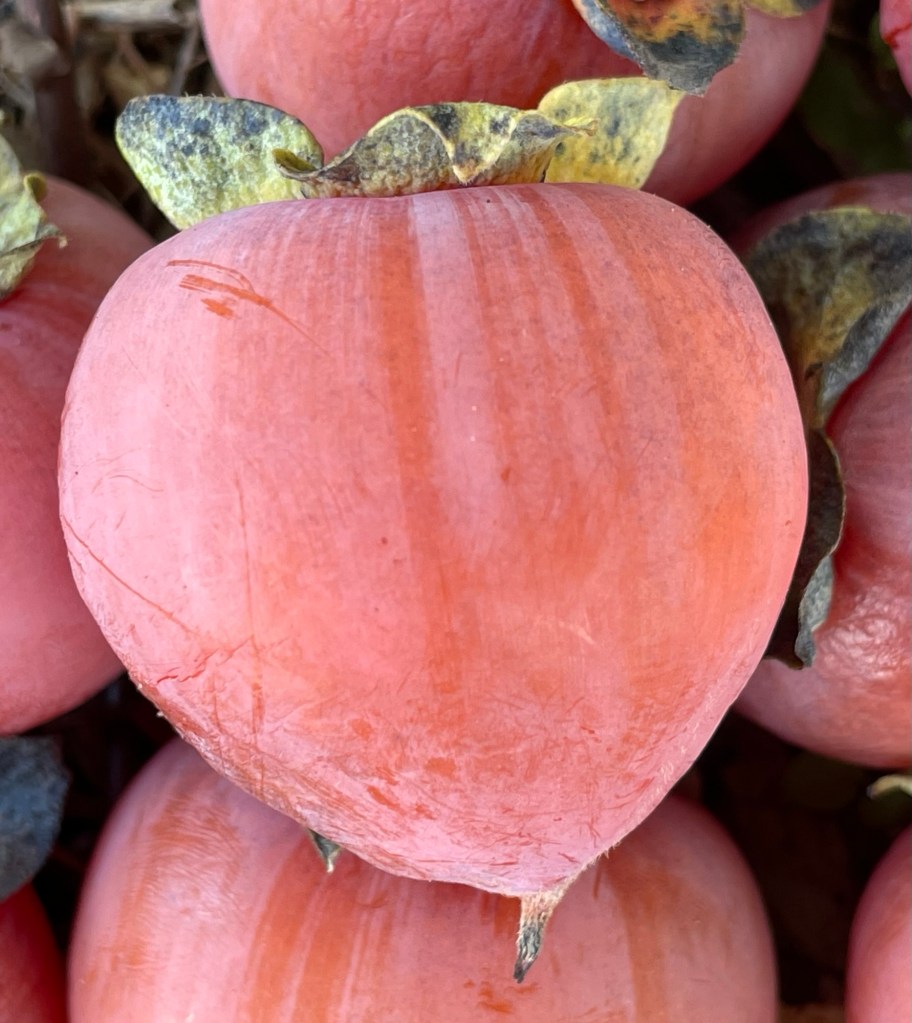
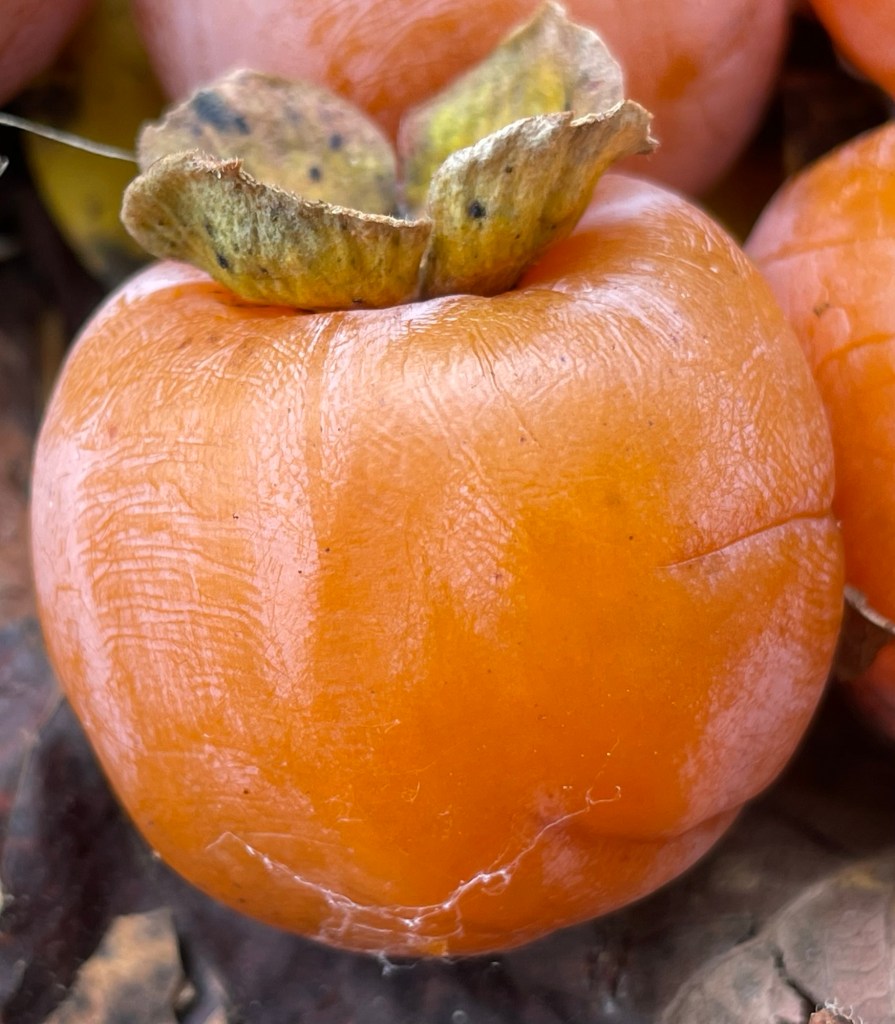
TANGO
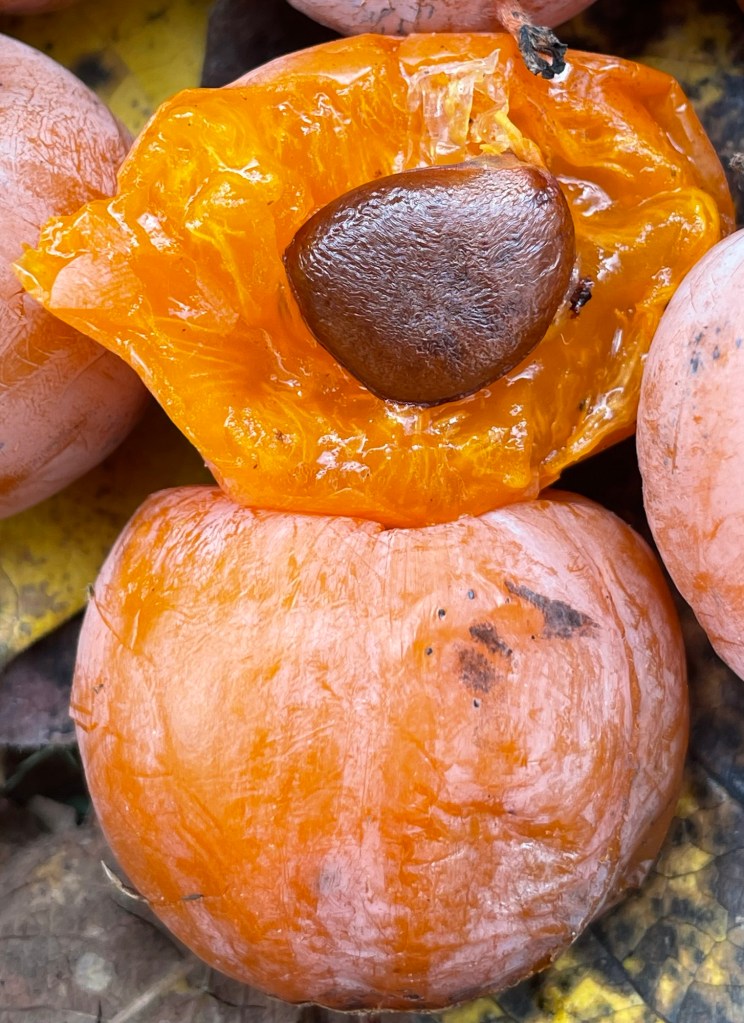
Tango represents an almost seed free American persimmon. Small fruited-an inch in size-Tango has a rich orange pulp free of the usual compliment of 8 seeds per fruit. This variety is very heavy bearing and begins dropping in early to mid September. It is much earlier than Early Golden. This variety can be grafted. The seedlings can provide an avenue to develop a fully seedless fruit much like the origins of the Kaki persimmon varieties. This tree was totally seedless in the past but can fluctuate between 1-3 seeds in some years. It would be worth testing to see if it is a self fertile variety. The yields are very high to the point of limb breakage and then back again to medium heavy. This variety is not as soft as Sugar Cream and doesn’t smush easy as it falls from 40 feet up. The fruits stay in good condition refrigerated and can potentially be sold as fresh fruit. The low seed count is ideal for this application but the skin has natural blemishes which may inhibit someone from buying them as fresh fruit.
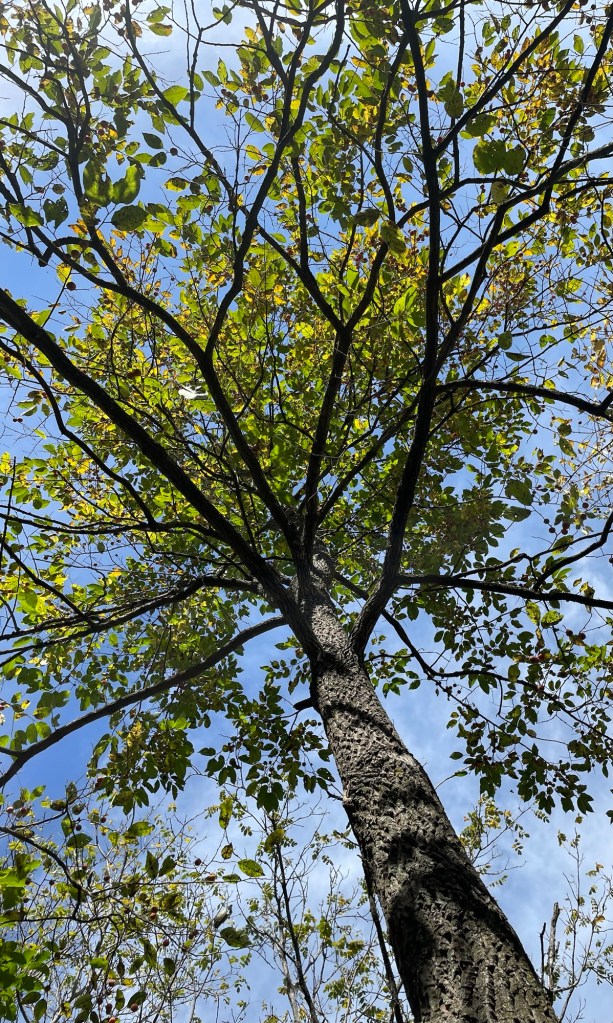
American persimmon has a large range and could easily be commercially produced using all organic methods in southern Michigan as a fresh fruit. Clonal varieties could play a role in smoothing out the acceptance of the fruit. The farther north you go, the shorter the season and the shorter the ripening period. The tree would grow fine but the fruit would be high in astringency and not useable. My farm is in one of the cloudiest areas in Michigan similar to Grand Rapids. The coldest temperature recorded at my farm was minus 29F. There has been frost here in June a few times and in September. The zone 5 hardiness is good but ripening of the fruit with warm temperatures in the fall is critical. If you do not have the heat units then the fruits will remain greenish oranage in color and will be completely inedible. Frost does help further refine the flavor profile on some selections but it is not a substitute for heat. I remember one year where there was almost no ripened fruit. The fall came early and the leaves were frozen off in the green stage. This ripening period is in synchrony with the nearby Concord grapes. If the sugar content doesn’t get high enough then the grapes are not harvested for juice.
Ideally you would measure degree days above 50F and like pecans you could zero in on specific locations for the American persimmon in Michigan and other northern locations. Someone told me that climate change will make ripening a much greater probability for the persimmon. Yes and no. There are too many other variables with extreme weather associated with climate change that could easily destroy a new crop like the American persimmon. But certainly a crop that flowers in June missing frost and ripens in September and October and requires zero spray is a more durable crop perfect for what lies ahead for fruit cultivation. It could be our new source of sugar, ebony like timber and a delicous fresh fruit.
Enjoy. Kenneth Asmus


 biologicalenrichment
You must be logged in to post a comment.