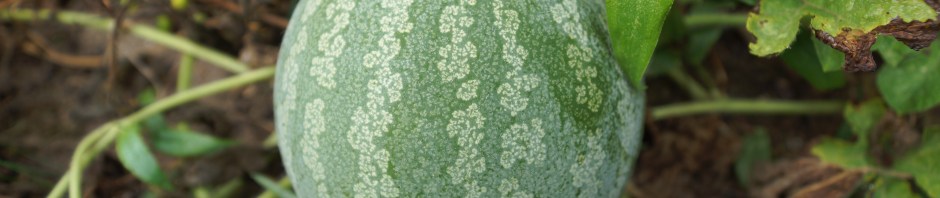

One of my first attempts at growing watermelons was a big success. I was working full time at a garden center and much like all of my co-workers I had a large garden. My garden extended the width of the lawn running along a horse pasture separated by three strands of barbed wire fencing. Three horses would frequently hang out in front of our home and if they could reach, nibble a few of the vegetable plants. At the end of the season, I had way too many ‘Sugar Baby’ watermelons so I began tossing them over the fence for the horses. I felt it was a reciprocal relationship as they provided me with fertilizer for the garden. To my surprise, they consumed them quickly. Sometimes late at night with our windows open, you would hear their flatulence fill the calm night air. My wife suggested to me maybe I should back off on the quantity. It was keeping us awake a little. This experience led me down the road to the power of a annual vine crop and its possibilities in agroforestry. It could merge the longevity of tree crops along with the power of annual crop plants. A secondary crop often not thought of was using the seeds for roasting and oil. They could potentially self seed creating a thick lush cover under the tree crops above.
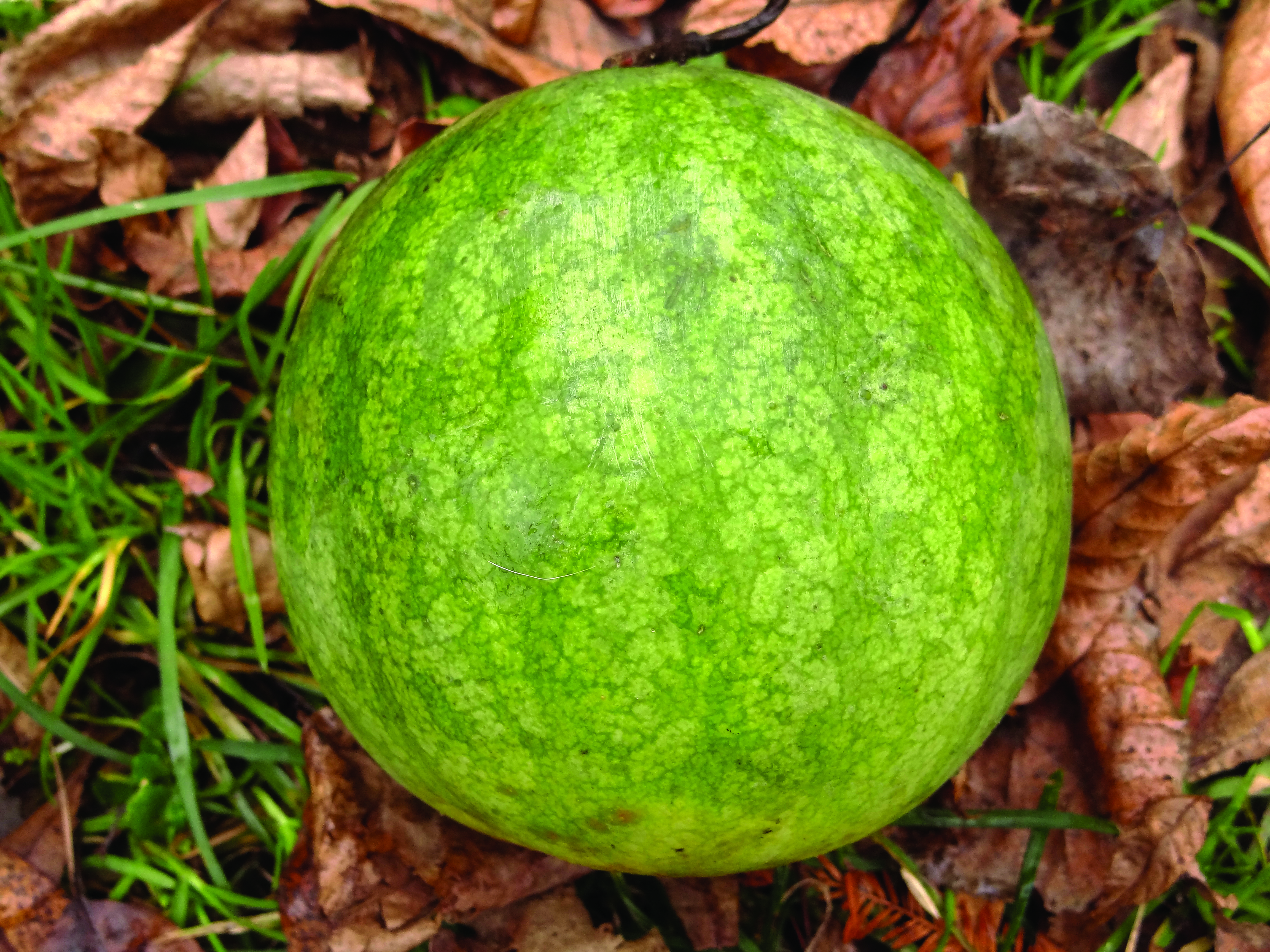
As time went on I had to expand it to undeveloped species level crops that are currently used and highly bred by modern agriculture. I wanted to see what the species offered in terms of edibility and growing characteristics. Michigan is not the epicenter of watermelon production and the climate favors only certain varieties. I was searching more for the abandoned or feral watermelons. Better yet, I wanted the species watermelon before it became the giant sweet red basketball sized fruit sitting on pallets in the grocery store. The watermelon still has wild versions represented in South Africa. There are also many satellite populations scattered around the world carried by humans as a means for survival in harsh desert climates. Australia has a few. Botanists are confused. How did that get here? There is even some information that watermelon was also found in North America as a desert plant used by people to survive long treks across unforbidding landscapes. I was fortunate to get seeds from a seed company that had access to the original wild watermelons in their native ranges. I began by growing only a few plants at first. When the vines extended up to 100 feet in length and grew up and over my American plum hedge, I knew I was home free. Here you have the potential for using the watermelon for both its edible seeds and its fruits for humans and animals alike. There was one hiccup. The fruit was barely sweet. It was heavy in fiber and rather difficult to chew. The fruit itself could be dropped at Dave Lettermen like high altitudes off tall buildings and it would not even crack. For our own amusement we tried climbing up the tallest ladder and dropping it on the driveway. Nothing happened. Some forms were bitter and had compounds within them that were considered poisonous in large amounts. When the intern working for me helped me taste test the melons it became a trial of nerves who could last the longest. Finally we broke down laughing after a few dozen fruit. The vast majority of the seedlings were edible but had little flavor. They were more like lightly sweet cucumbers. Processing watermelons for seed was exceedingly slow. I did not have a Dybig Seed Processor and that time which meant we had to smash watermelons via the Gallagher method before dumping them in the hopper.
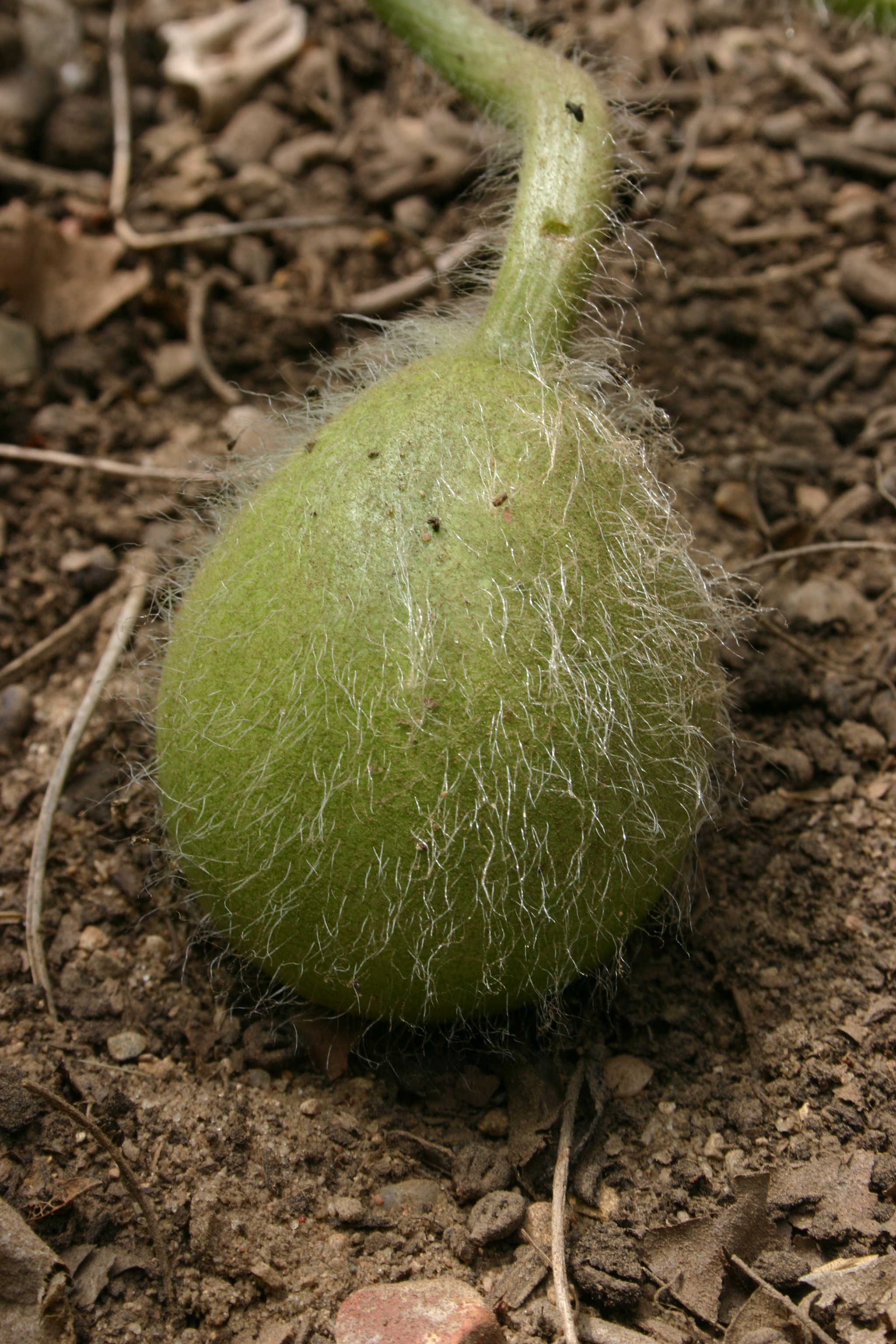
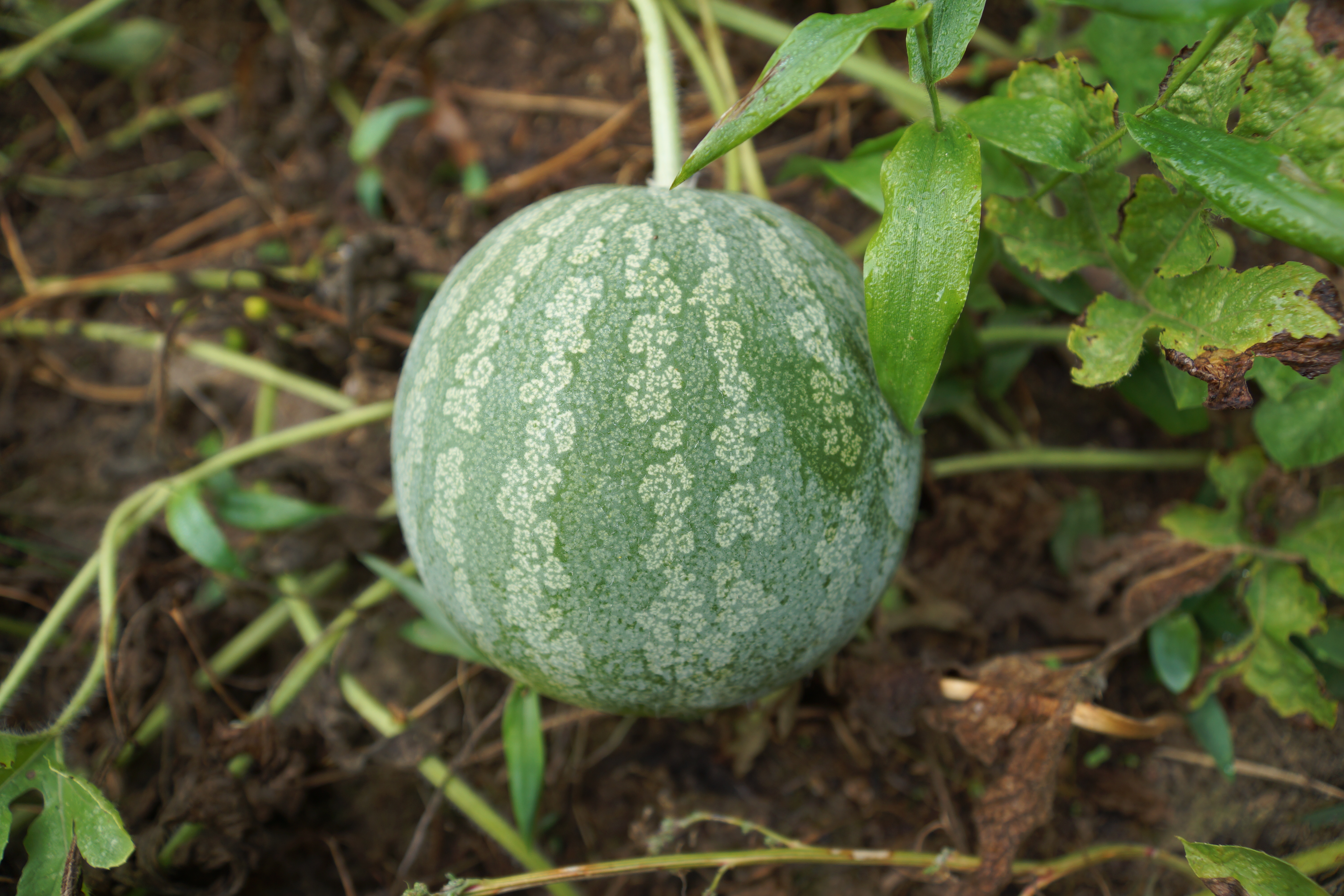
Unfortunately, I no longer maintain my collection of watermelons. I still think about them. Every now and then late at night I hear the sound of horses in front of my home. Once in a while, I walk by the plum trees at my farm where they made their first giant leap into the trees. There they hung like green volleyballs smiling at me with their rich seeds and fiber. Who would eat this I would ask myself? Did I find something of value? I may never know.
I do know this: I found another plant willing to change and adapt to locations far outside its southern cousins. This time they will hang in the trees. When watermelon season arrives, hard hats will be required. Will we look up, what will we see?
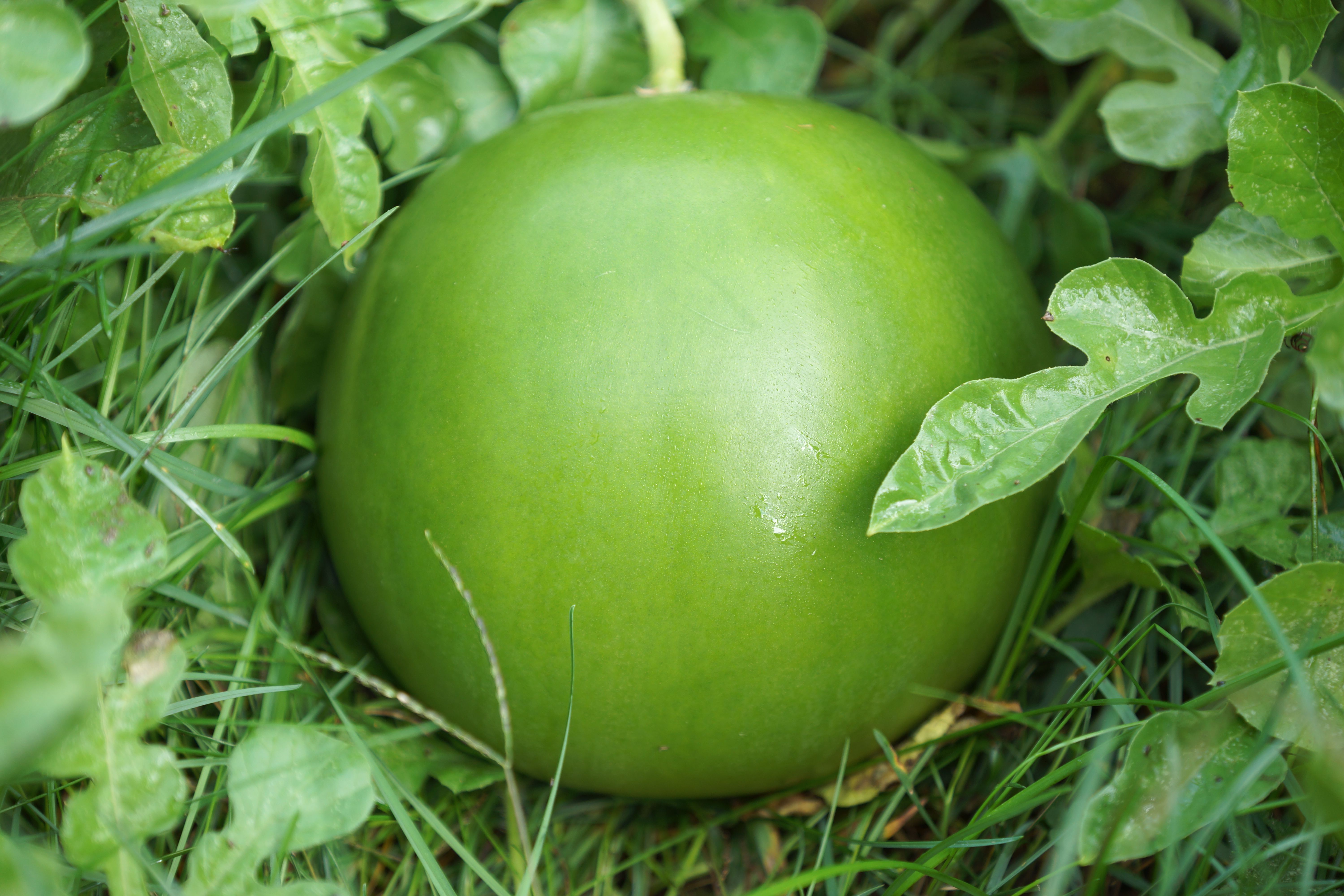
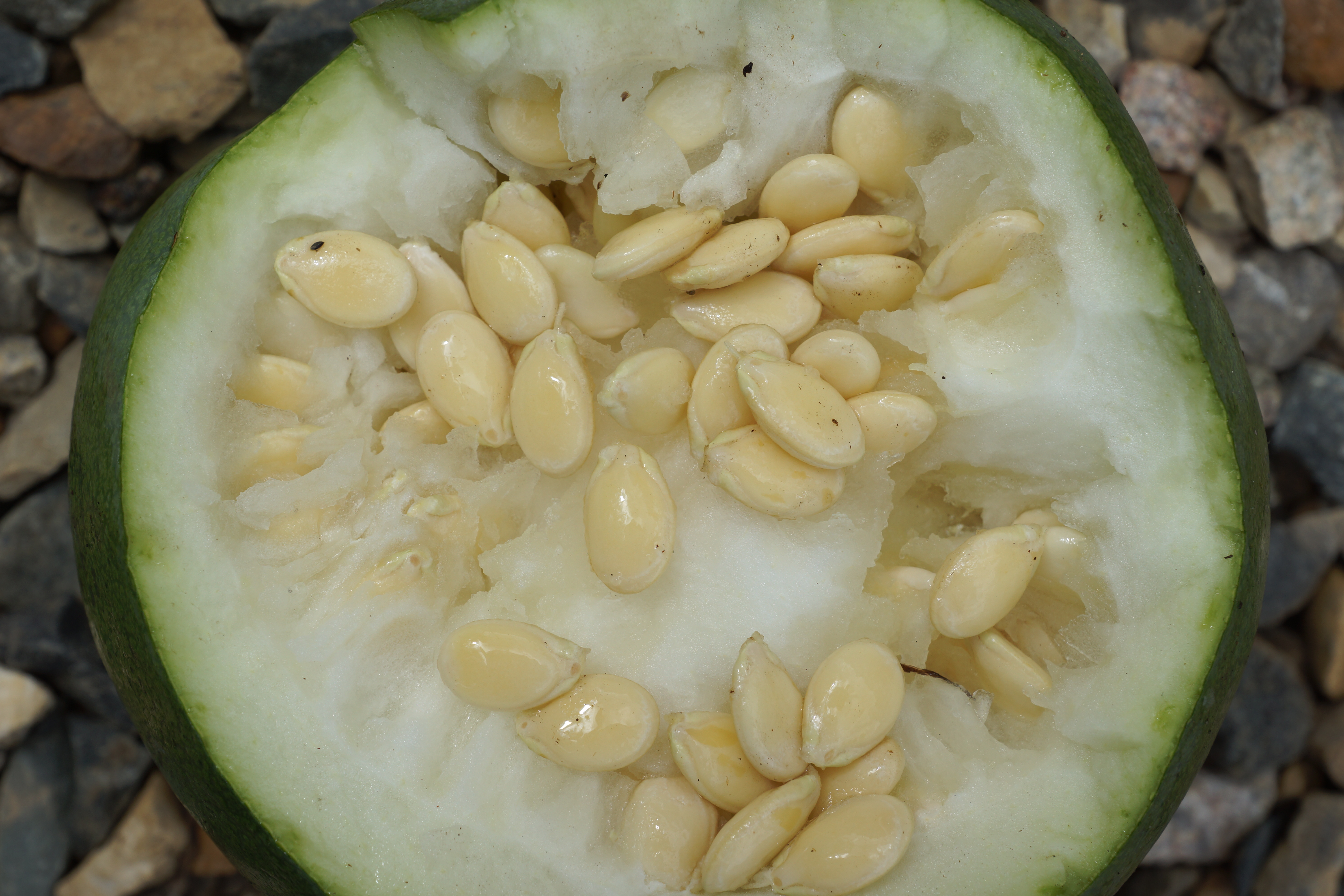
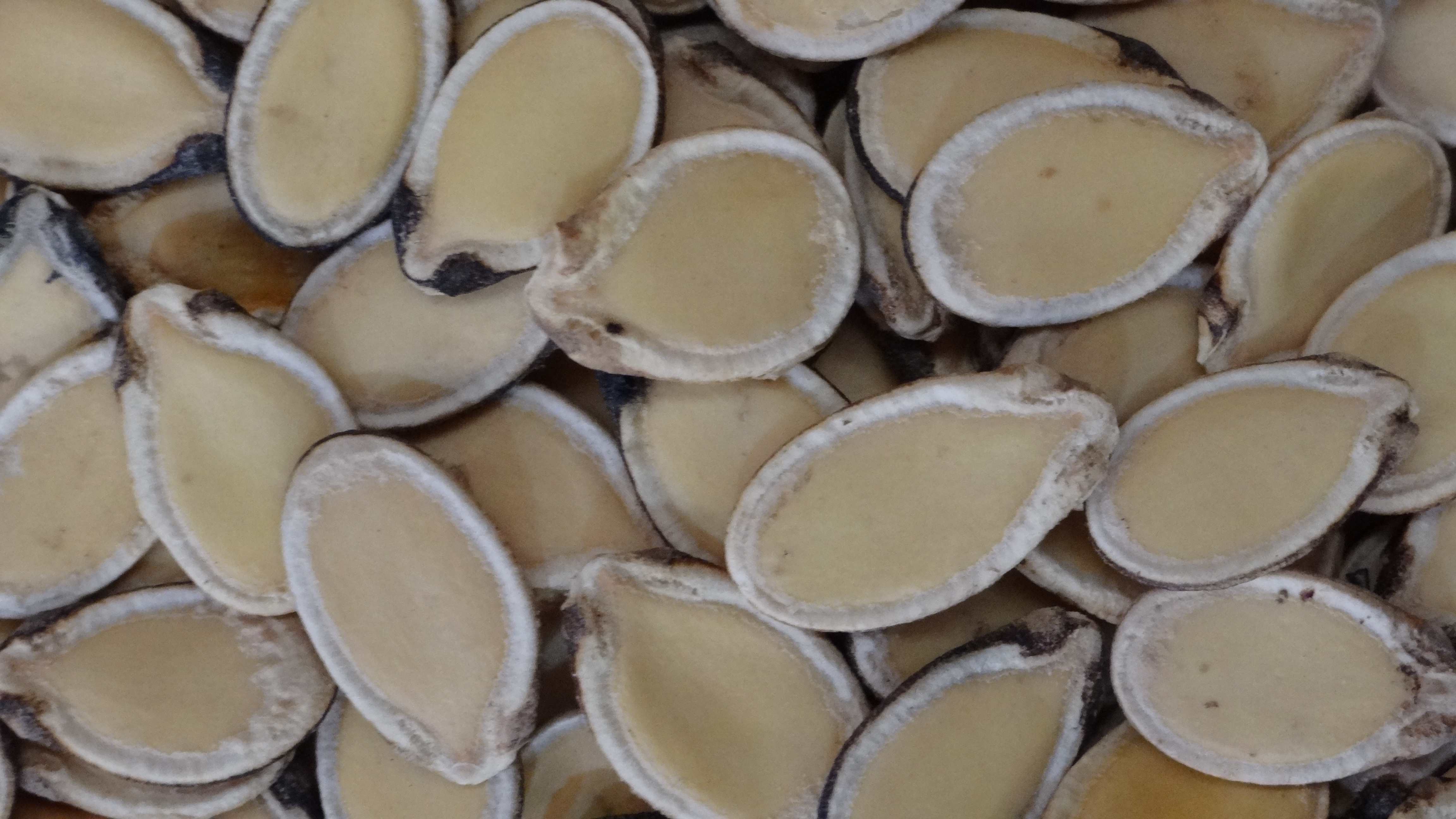

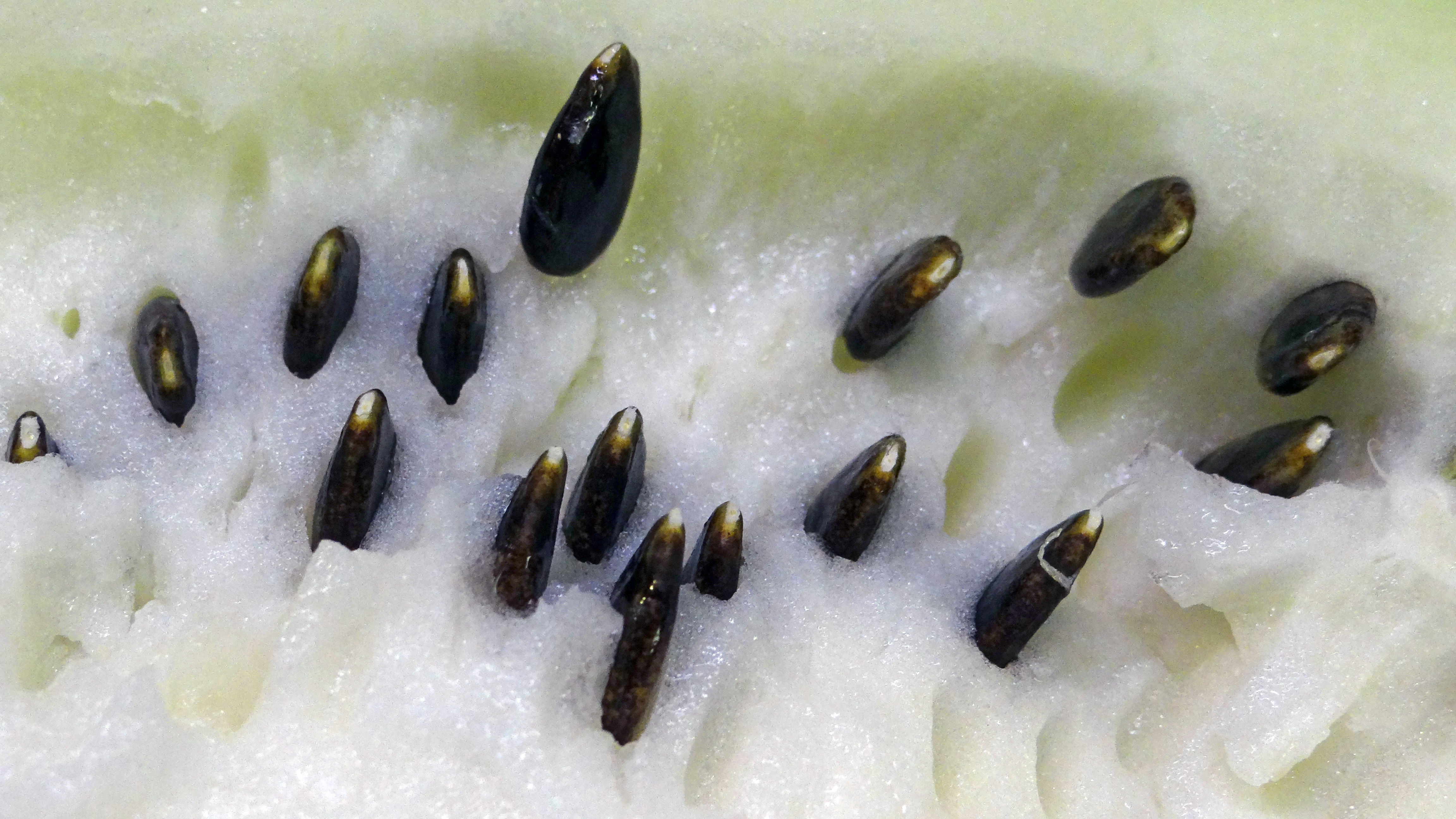
The seeds are reaching out to you. Time to regenerate the world.
Enjoy. Kenneth Asmus


You must be logged in to post a comment.