
Any species of fruit as it is found in ‘nature’ can be cultivated. Two years ago, I grew a wild tomato from the Everglades that produced a tomato the size of a pea. It tasted like a tomato but was constructed like an asteroid with a spikey seed center and a few layers of red fruit cells. It was the “off gassing” of flavor barely detectable by the human palate that leaves you wanting more. This seed-selection has little to do with the cultivated fruit that we know as tomato. I did the same experiment with a wild tomato from the Galapagos Islands. They never turned red and were hard as nails into October. Imagine if you were introduced to the tomato fruit from these seed sources. Today is another story where huge fields of selected seedlings are grown from seeds that are stable enough to generate delicious fruit. The wild beach plum is bit like the Galapagos of tomatoes. It sounds cool but is it practical to grow and what are you going to do with it? The difference is the wild beach plum is already delicious as it is found in the wild. No selection needs to be done. Like a commercial tomato, you could easily grow wild plum seedlings and continue its progeny without employing the cultivar-based system of fruit growing. It is stable. It is delicious prepared a certain way and it is super productive in most types of environments that lack an actual farmer. This is the beauty of the wild beach plum which generated a lot of beautiful populations at my farm. A few seed selections proved to be fruitful in the process of discovery.
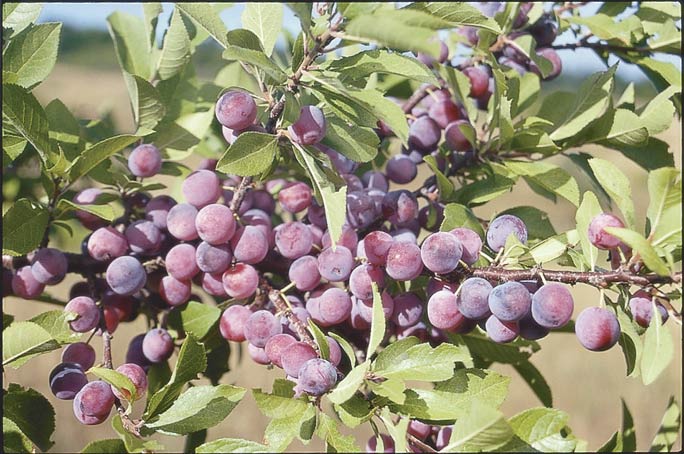
The above image is one of the first beach plum seedlings grown in my open field using prolific fruiters selected from populations I was growing for the nursery trade. In the process of doing that, I noticed it was quite common to see flowering on young one and two year old plants. (The first ratio from wild plants was 1-3 plants per 1000 seedlings.) I would tag these plants and carry them out one by one to my hillsides devoid of any trees at the time. The pasture was thick with grass still and I would use cellulose and polyethylene mulch mats. The plants grew very nicely in these locations on my sandy low organic soils. As time went on and I grew successive generations from these plants from seeds and they too were very productive. They had a more compact structure much like the Nana evergreens that people use around their homes. From seed the progeny also carried those traits in greater numbers than before. I sent seeds around the world to share in my discovery at the time. It was much in demand because of its precocity and heavy bearing.
What did not work so well was my employment of an idea of using seedlings in commercial fruit production. It was a success in my retail trade in people’s backyards with a few plants or rows of them here and there. It was without a doubt one of the most celebrated fruits for jam production and fresh eating by homeowners across many zones of growing. They flower very late, missing frosts. They resisted insects and diseases and are super productive without spray. The wholesale deployment of a wild plum like tomato did not fly. It fell into the native camp a few times along with researchers who work with stone fruits. I was hoping for more of a farmer-led coalition and done from seed. The lone plum out in the field reminded me it only takes one to make it happen. Yet that did not happen either in the beach plums range or outside of it as a stand alone orchard or planting of some sort.
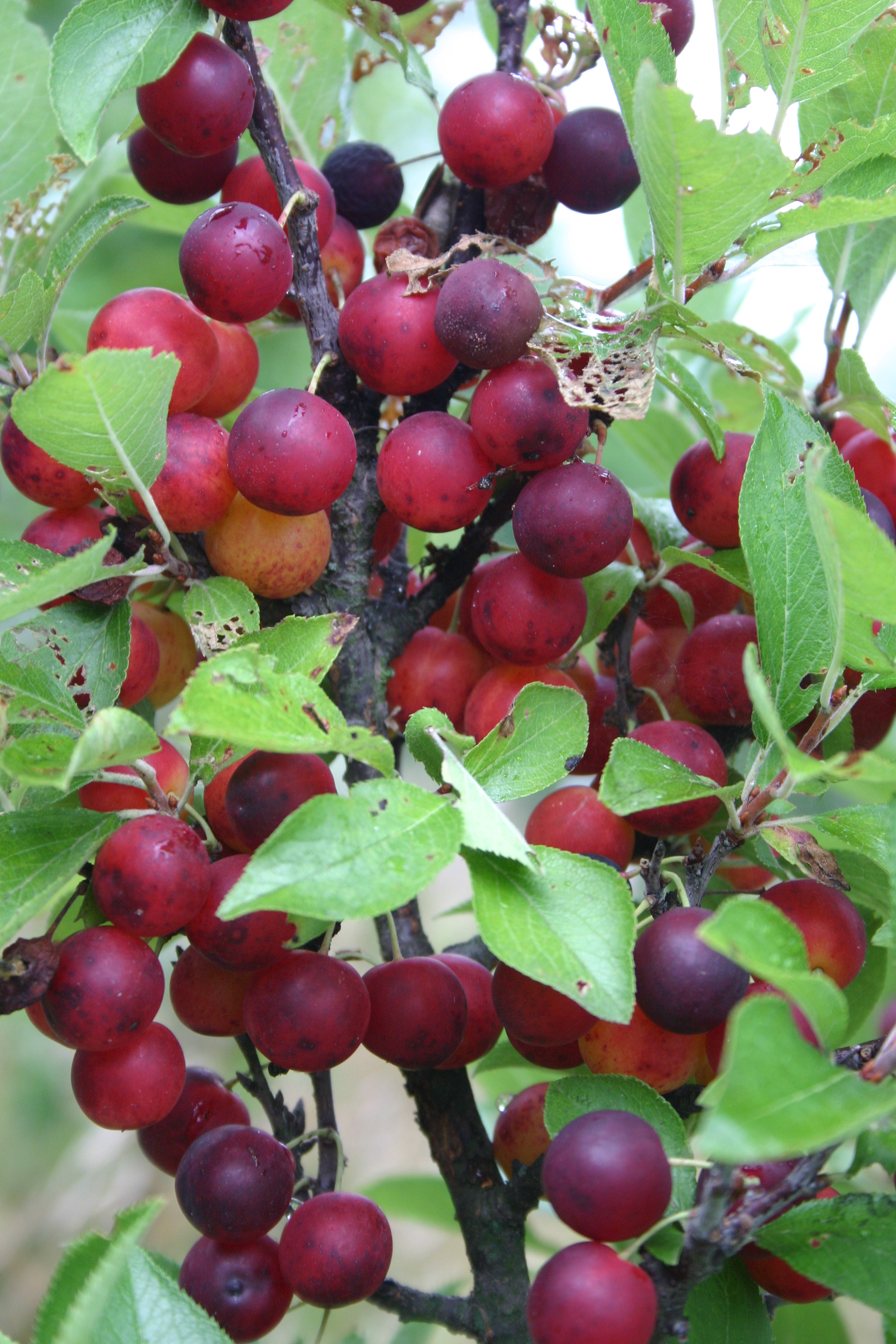

The graft unions of beach plums are short lived. The trunk itself is replaced roughly every 10 years as it breaks down, and new sprouts are formed from the roots. For this reason, I contacted another nursery to root the plants. He did find a way to do that, but it was not published so the secret lies with the nursery owner who has since passed on. Let’s face it, there is no farmer for the beach plum but from seed it also has a super power on its own without a human champion. It attracts people to harvest and use it the same way wild blueberries are still harvested. You plant them in public areas-locations in poor soil, uncared for on state land with denuded hillsides, open fields with little vegetation. (Not to mention land owned by the people of that state or federal land.) There are rocks. There is sand. The few trees that grow there are stunted. The soil is naturally acidic in nature. The growing climate is short and unpredictable. The frosts are late. This is ideal location for the beach plum. There it will flourish in this farmerless field. It acts as a germplasm repository, healthy food, social attraction while providing a wild harvest of delicious fruit high in vitamins and minerals. Maybe at first we will still view it as the Galapagos of fruits. I hear freedom ringing. It is small and powerful and has places to go far outside its historical range.
Enjoy, Kenneth Asmus


You must be logged in to post a comment.