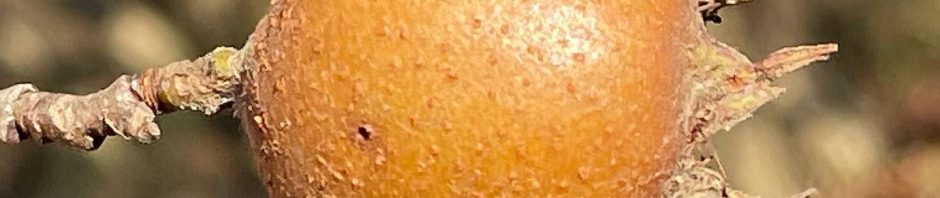
Recently while talking to the power line vegetation control folks at my farm, one of them said to me, “It must be really satisfying to know you planted a forest.” I was very fortunate to be at the right time and right place to make that happen. What often is overlooked is the value of the fruits I raise from the forest that need a steward in processing. It’s great there are growers that cultivate the lesser-known fruits, but who is going to use them today and make a concerted effort to bring them to a larger market. It is a very difficult row to hoe because there is no industry to support and nourish a growing industry. Although I do see a few growing organizations willing to invest time and money into these obscure and less cultivated fruits, the rate of conversion is glacially slow. You can grow all sorts of interesting plants, but nationwide the actual use of land devoted to such endeavors is very small. If it falls into the wildlife or conservation markets, then it is not for people. There are a lot of smooshed fruits like crabapple, crabpear and persimmon which take a turn from hard as nails to soft and squishy when fall hits. Fully ripe these fruits may look iffy to consume but with processing have amazing flavors not found in other fruits. Here are two you should consider.
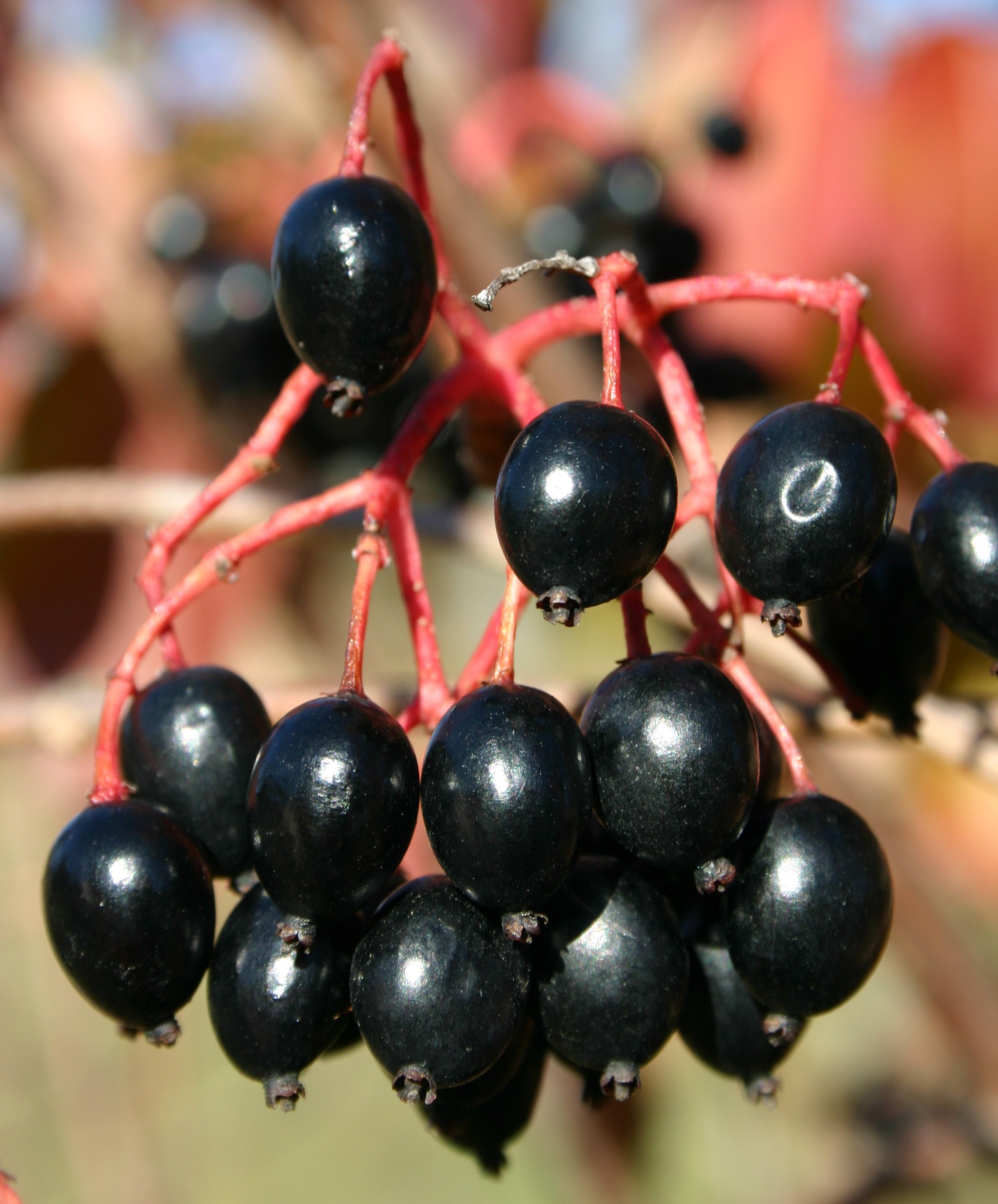
Smooshed Fruit One: The Raisin Tree: Blackhaw Viburnum-Viburnum prunifolium
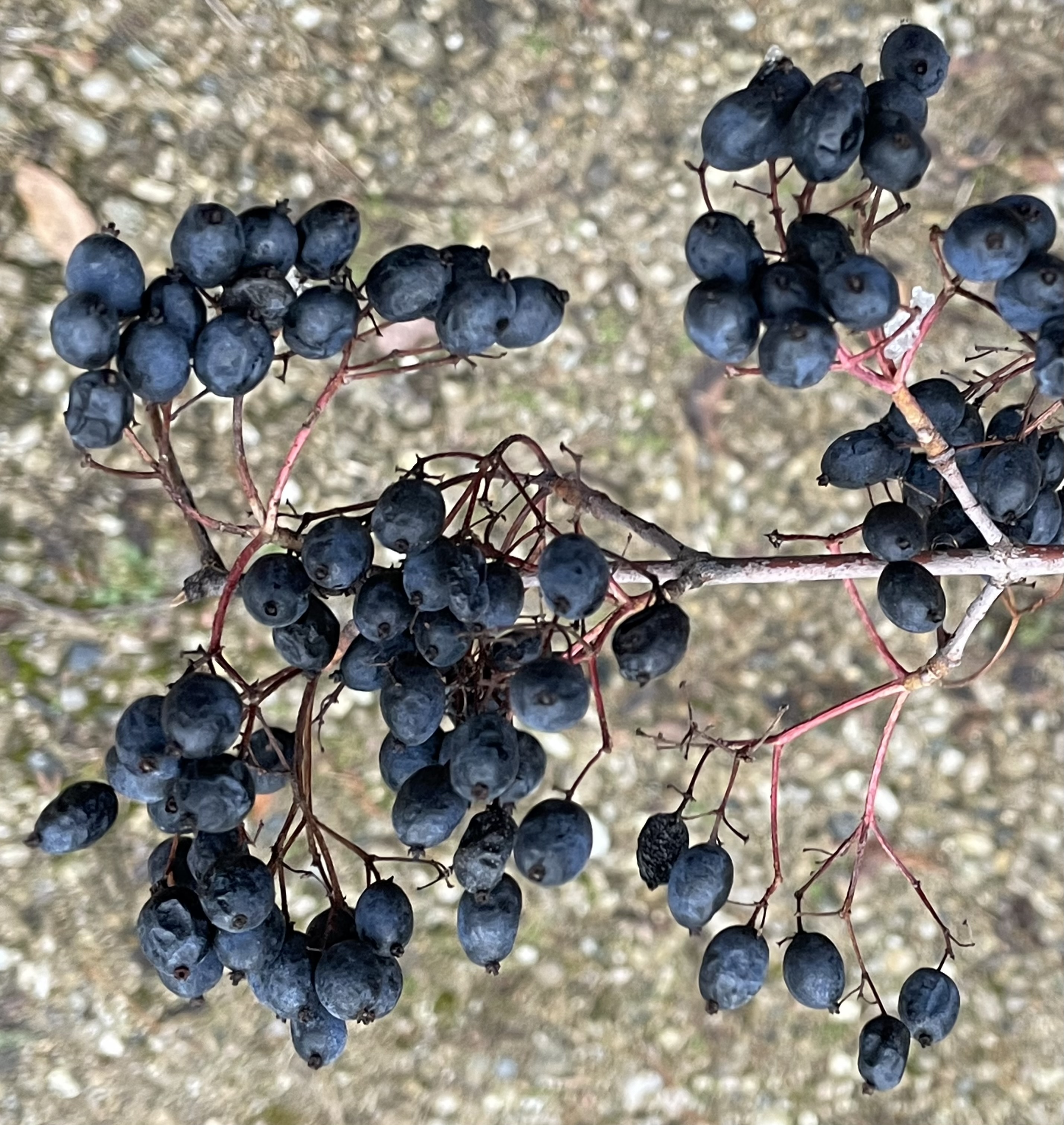
The search for a raisin on my farm begins with Viburnum not Vitis. I grew many of them including Manchurian, Korean, American and Canadian species. Many are used in traditional drinks and jellies. The issue was finding the right species and then eventually finding a seed strain from that species. Inspired by others who told me of large plants with dense heads of fruits on small trees, I began planting both Iowa and Michigan forms of Viburnum prunifolium. At that time there were no varieties found as cultivars. This is odd in that it is a highly patented genus with many selections in the landscape trade. I found a seed source listed as Rustyhaw viburnum, Viburnum rufidulum from an Iowa seed dealer. When it fruited, it had nearly double the amount of fruit to seed ratio. From Yee ol’ botanical books, it is not Rusty. It is a close relative. All grew fine in the dry sandy soil on a wind-swept area on my farm. It took a minimum of 10 years to fruit from seed. The yields greatly increased with time. After twenty years, the plants begin to clone out via stolons which I used for nursery production. The most productive plants became trees with large trunks and widely spaced branches. This structure held the crop off the ground to obtain the maximum sunlight and air flow. This is ideal for ripening this particular crop which you want over ripe to harvest. That’s right: smooshed.
Blackhaw is not a great name for the fruit itself. A new name that highlights its raisin-like flavor would be ideal. People who I know that have cooked the fruit mention using cinnamon, allspice and nutmeg to turn it into a spread. The fruit lends itself to processing easily once the fruit changes from plump to the smooshed in-between zone to wrinkly and dry. The smooshed-in-between zone is the best time to harvest when the flavor is at its peak.
Seed sources play a role in understanding how nature adapts. For the fruit farmer, it means making selections that are easy to propagate, easy to fruit and of course have a value to make the whole orchard worth the time and energy put into it. The nursery industry often cranks out a lot of Nannyberry, Viburnum lentago seedlings which is a common wetland species, It did not survive long enough to fruit at my farm and kept losing its leaves due to a foliar disease during the summer.
GERMINATING THE SEEDS OF BLACKHAW VIBURNUM
Like all Viburnums, this requires double dormancy. Fall plant after cleaning the fruit. Plant 1/2 inch deep. The seed tends to migrate to the surface of the soil so tamp firmly. The roots develop in the fall of the second year. In the following spring, a top will emerge from the seed. Seeds can be consumed by rodents so using a screened tray is another option, leaving it outside in a protected area and letting nature do the dormancy. Lift the screen in the second spring to allow for the seedlings to develop their tops.
Smooshed Fruit Number Two: Medlar-Mespilus germanica
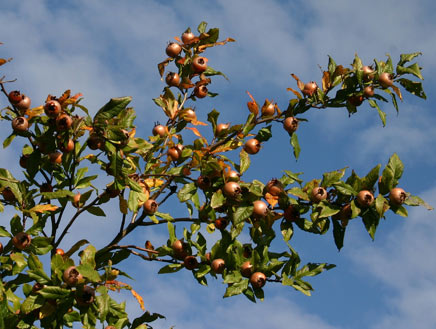
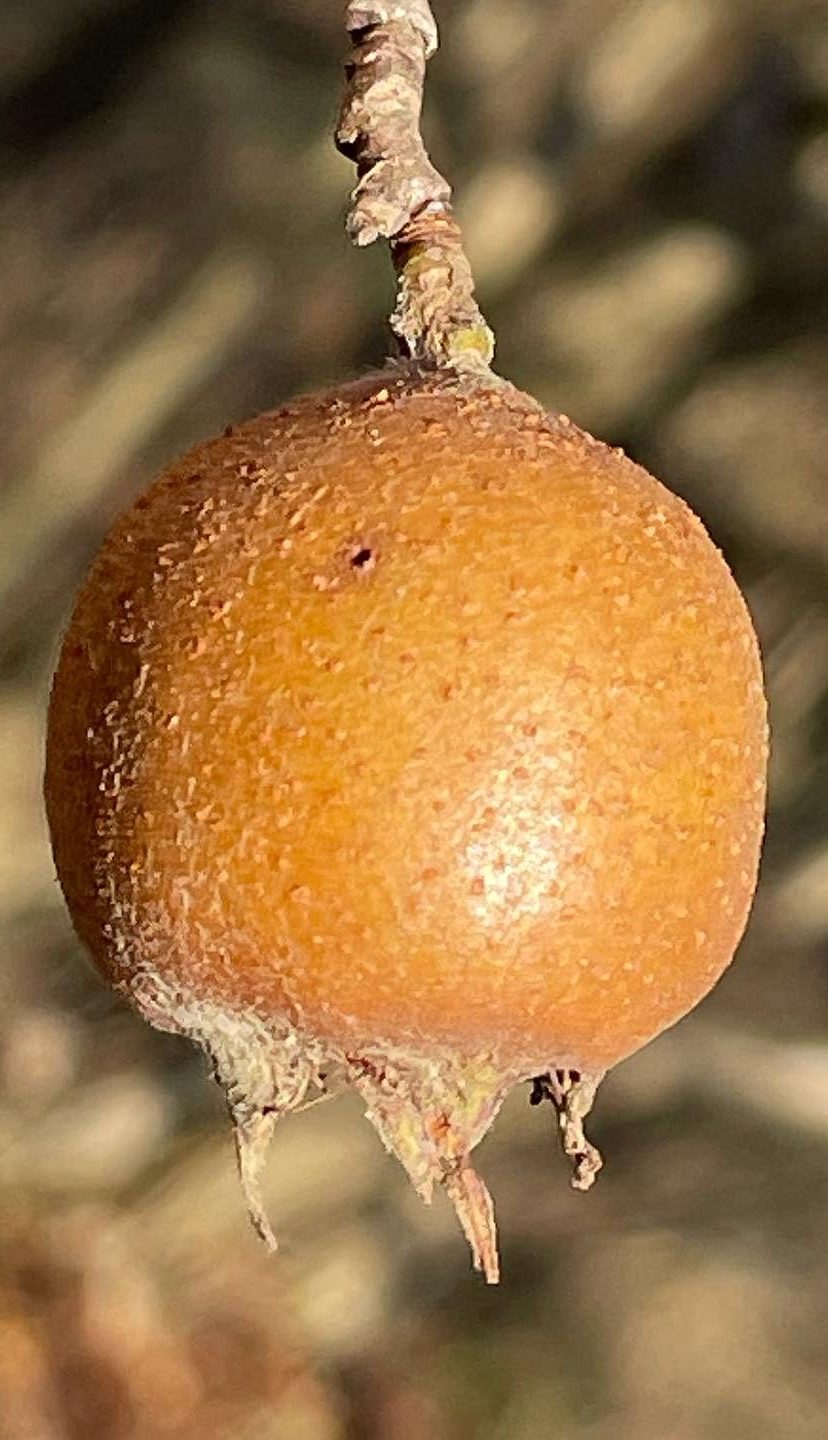
I could never understand the medlar fruit until I had the chance to taste a fully ripe fruit in November. To me it had all the flavors I love in one fruit. It was sweet, slightly sour with a mix of pear, raisin and apple in one mellow syrupy sauce like consistency. I had over a dozen varieties growing in a row next to my greenhouse. They had very beautiful large fruits. One variety called ‘Supermol’ was probably the best in terms of flavor. Yet none were as good as tasting as the small, fruited Walters trees which I grew from seed from a nearby nursery. This particular selection was perfect for the climate of Michigan. This was likely from central Europe but I could not be sure. Many of the varieties of medlars were selected in regions in high desert locations. They are grafted onto hawthorne rootstock. The graft union was not ideal and suckers arose constantly. The grafted trees were shorter lived than the seedling trees I had and the ripening period needed the fruit to be brought indoors to finish. It was a little like winter pears in many respects. As I cycled through commercial seed sources from Russia and the varietals it soon became apparent that the Walters was immune to fireblight, didn’t require grafting and showed great vigor from seed to fruiting. I no longer needed to meddle with the medlar. I had found the right combination.
Medlar suffers from a name which is confusing. Products should emphasize the flavor of the fruit and not that it “looks like a horse’s anus” as the origin of the name suggests. The blossom end of the fruit creates this pattern. Medlar is not known as a fruit. The food you make from it could lend itself to a good name emphasizing its sauciness as a flavor additive. To me it is like a dense form of apple sauce.
Medlar is adapted in far northern locations where short seasons are the norm. It can be used with apples and pears as a flavoring additive in sweeter fruits. Medlar does not require spray and has no insect or disease issues on the foliage or fruit. However, one year there was some rust damage on the fruit which caused them to abort early. The fire-blight issue was very common with the named varieties. The trees grow well on my dry sandy soils.
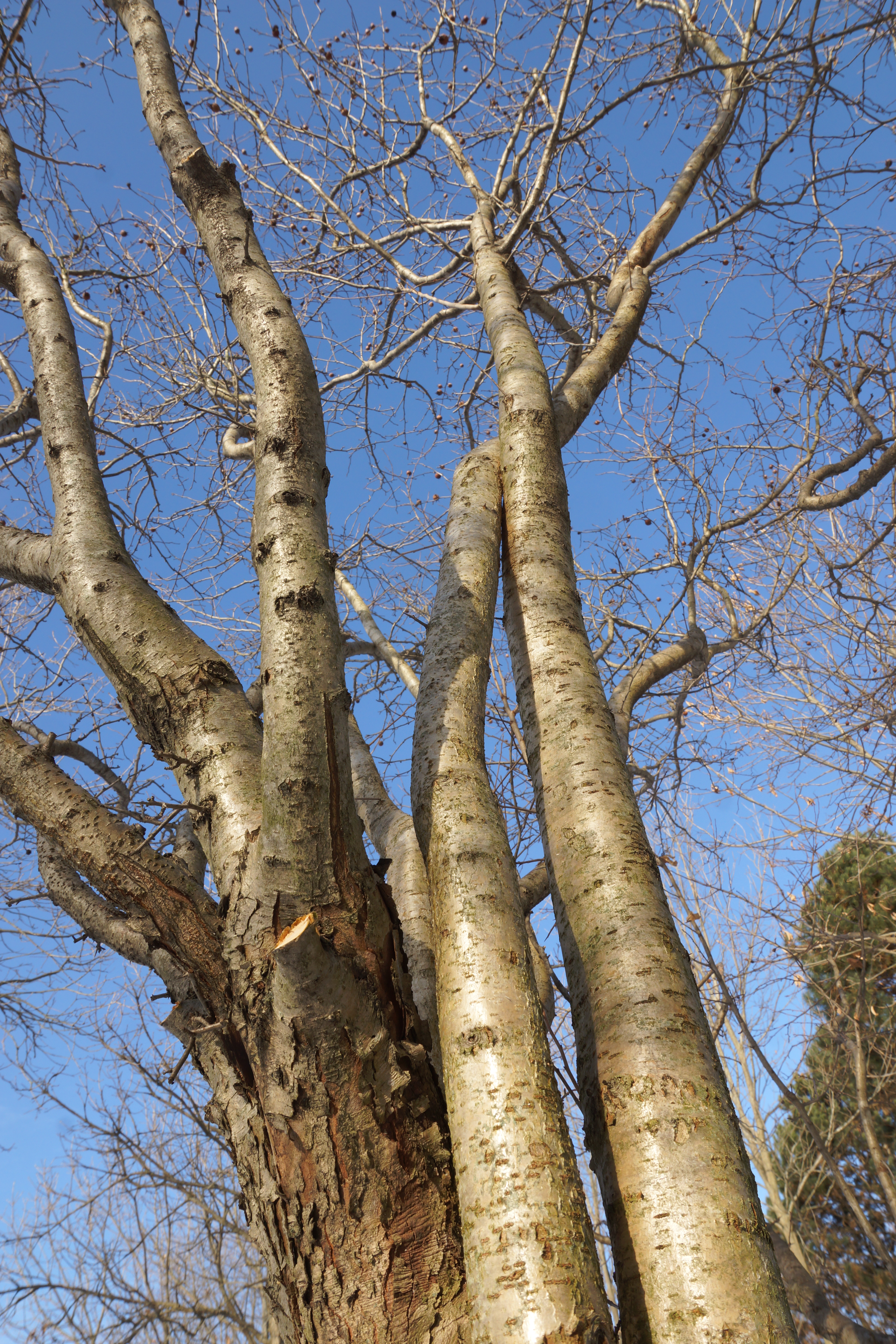
I made one selection, naming it ‘Beacon’. It was the highest yielding plant out of five trees growing on a sandy hilltop. Overtime medlar will clone from roots and you will find some spread by stolons. It can be produced by seed and I think this is the future of the plant in terms of its cultivation on a larger scale. The yields of the plants could likely be improved and it would only take a grow out of 1000 trees to find the best. Even from seed, the plants have a strong propensity to fruit heavy with uniform ripening.
GERMINATING MEDLAR SEEDS
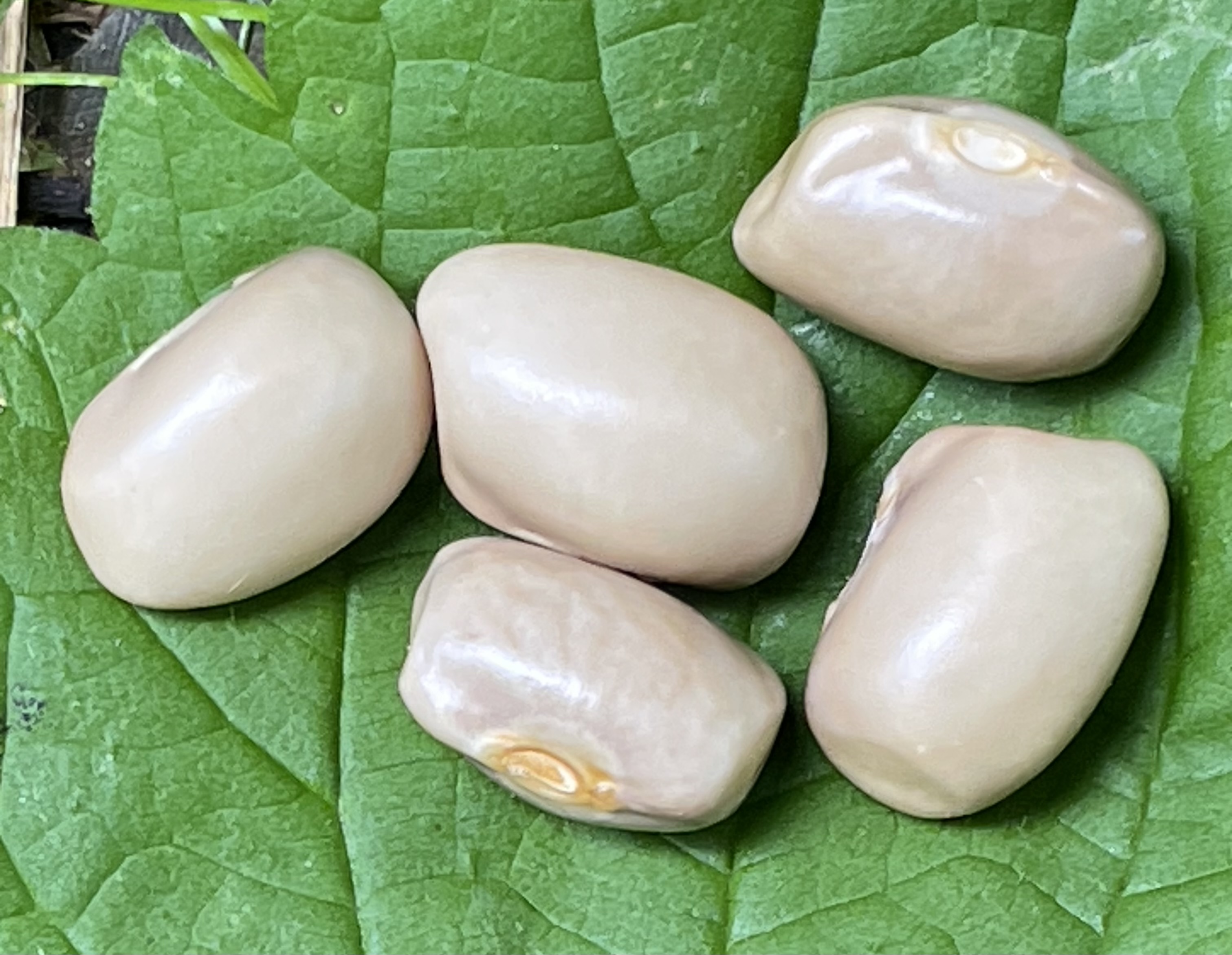
Medlar seeds have an internal clock type of dormancy which requires a completion of the embryo’s growth along with an extremely hard dense seed coat which needs wearing down by soil bacteria to split the sutures. The dormancy requires a winter, spring-summer and winter again to sprout fully. The seed coat wears down from the bacterial action of the soil which then completes the splitting of the seeds. Peach seeds are like this. The young trees are tap rooted and can be kept in place for 2-3 years before digging and transplanting. It transplants very well starting at the third year.
From Seed:
Seeds will likely be the new source of many woody orchard plants in agroforestry systems. This will allow a certain flexibility in selection by defining a seed strain to a specific region. My discovery is but a small sample of what could be possible from seed. Not everything will be done via seed but many more will be discovered as we test new species and the seed strains they represent. What will matter most are the yields and end use of the fruit. Having it produced by seed reduces the cost dramatically and makes it possible to move the crop quickly into the hands of a farmer wishing to produce a smooshed fruit quickly. With seeds we can share this resource on a global stage to others in need of greater health and wellbeing on an environmental and individual levels.
Enjoy, Kenneth Asmus


You must be logged in to post a comment.